

Visiting The First Tropical Oyster Farm in The Continental US
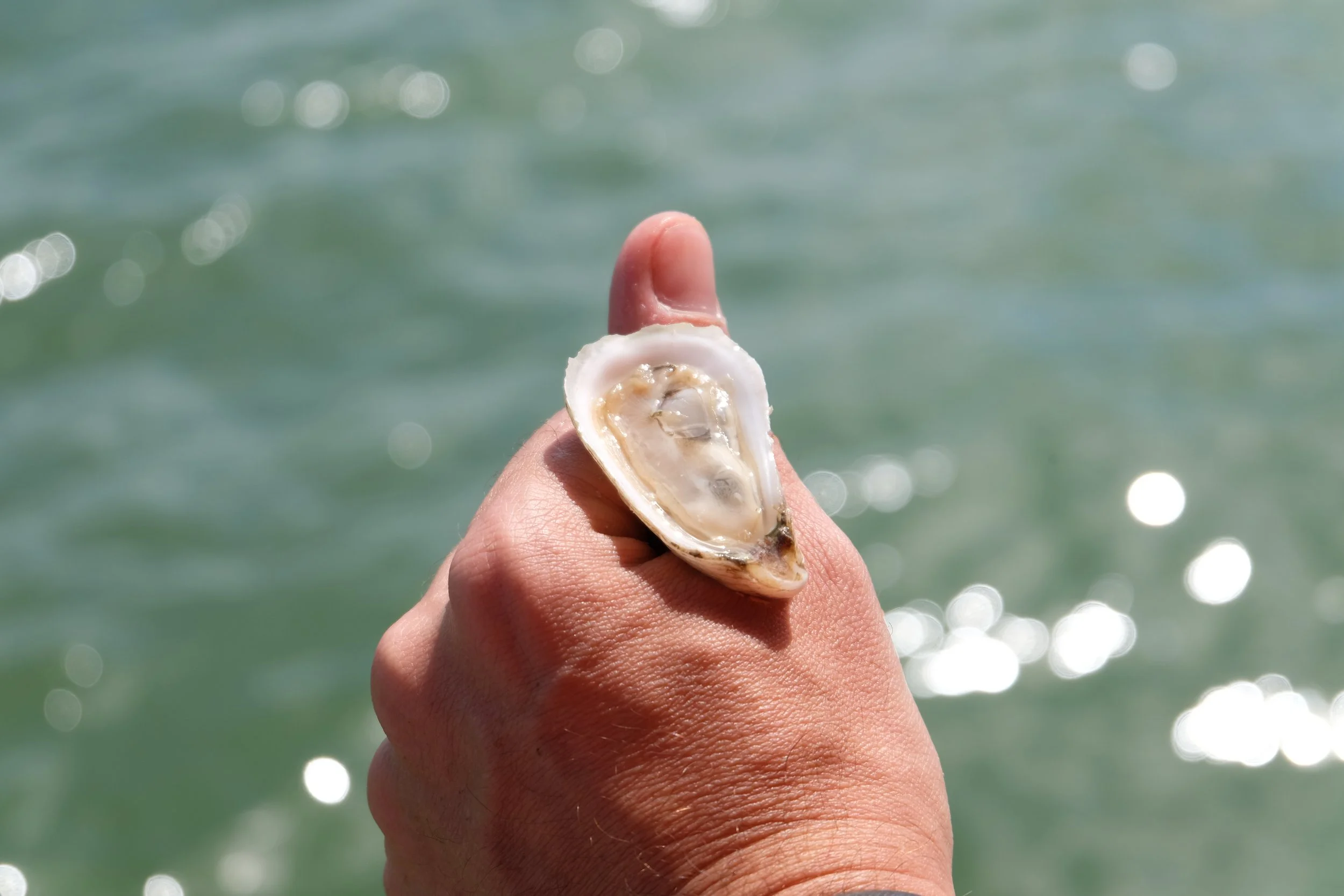
…And they’re good.
Welcome back folks!
I had a blast visiting the very first tropical oyster farm in the Continental US. As chefs, we get excited when we get closer to the source of the products that we handle on a daily basis. Learning how things are grown and harvested allow you to see a bigger picture that is hidden from plain sight—all the sweat, effort and dedication, and most importantly, the time.
Well, thankfully we got connected to a company that is a pioneer in their own right, Everglades Oysters. They are the very first oyster farm that is based in the southern US, defying all standards and norms that oysters do not grow well in tropical Savannah climates—rubbish, they are producing high quality oysters that deserves a chef’s kiss!
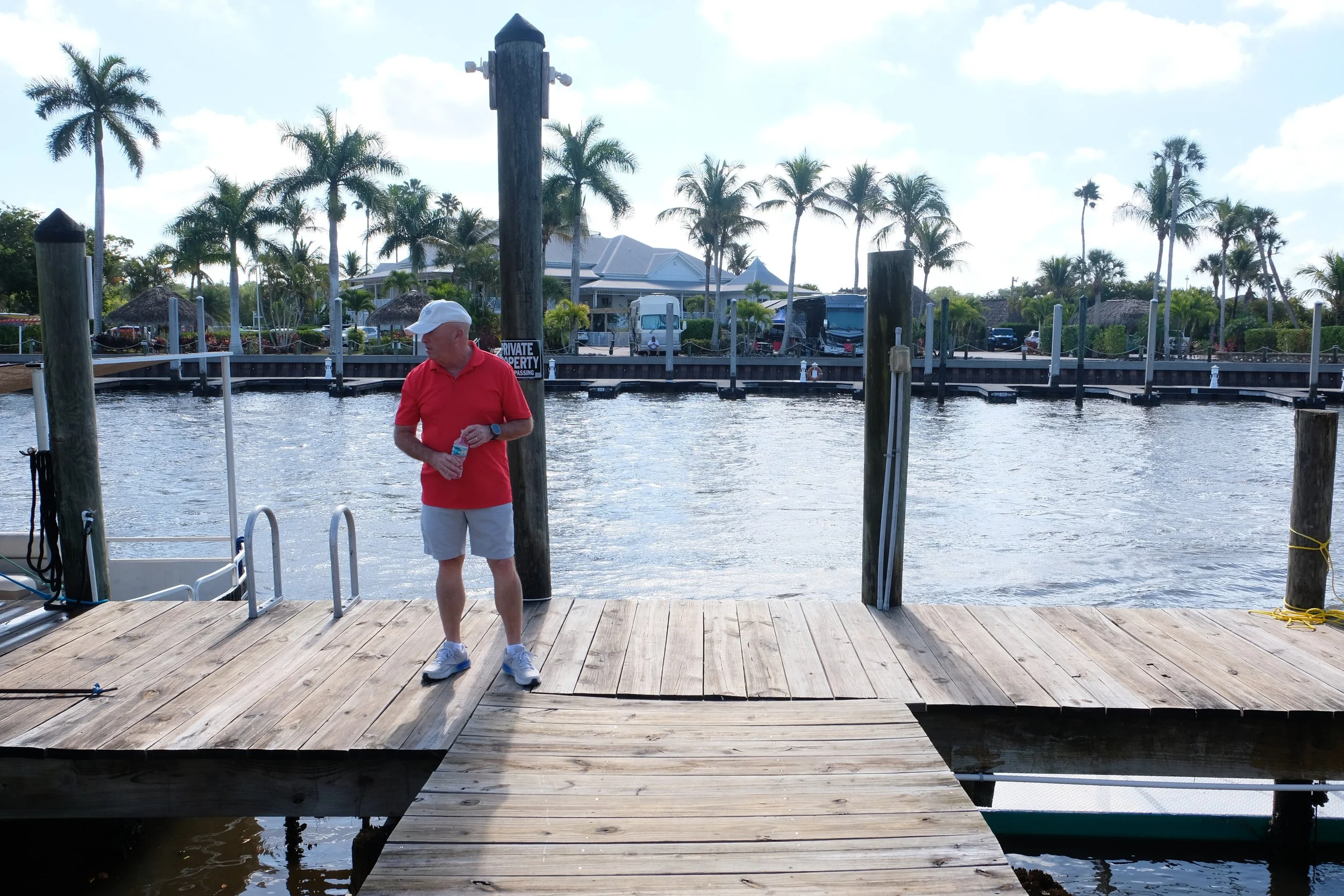
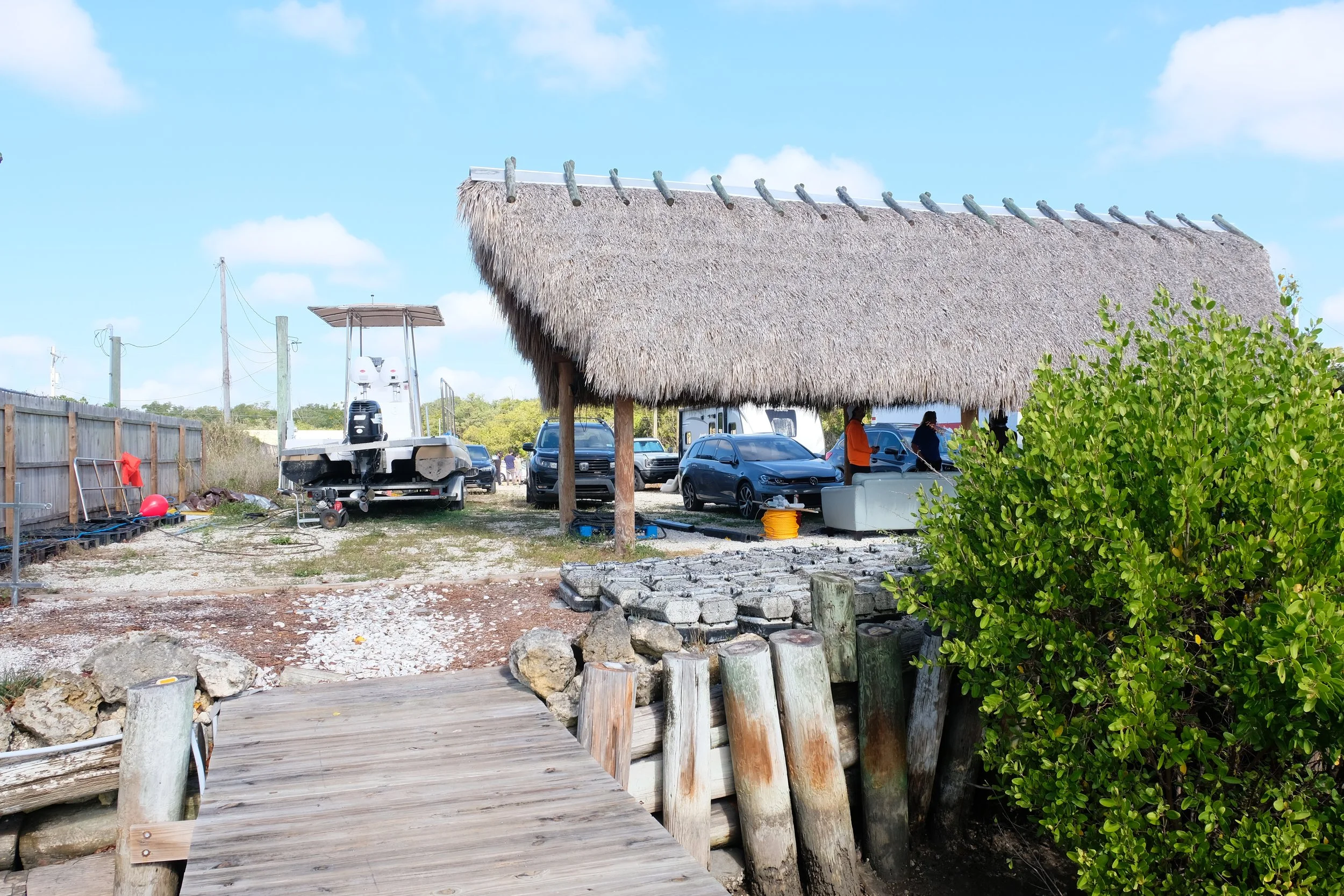
Fabio, one of the founders, welcomed us warmly along with his business partner Ross and the rest of the crew. Before venturing to the wild, we had a quick introduction about their operation and what they are doing differently.
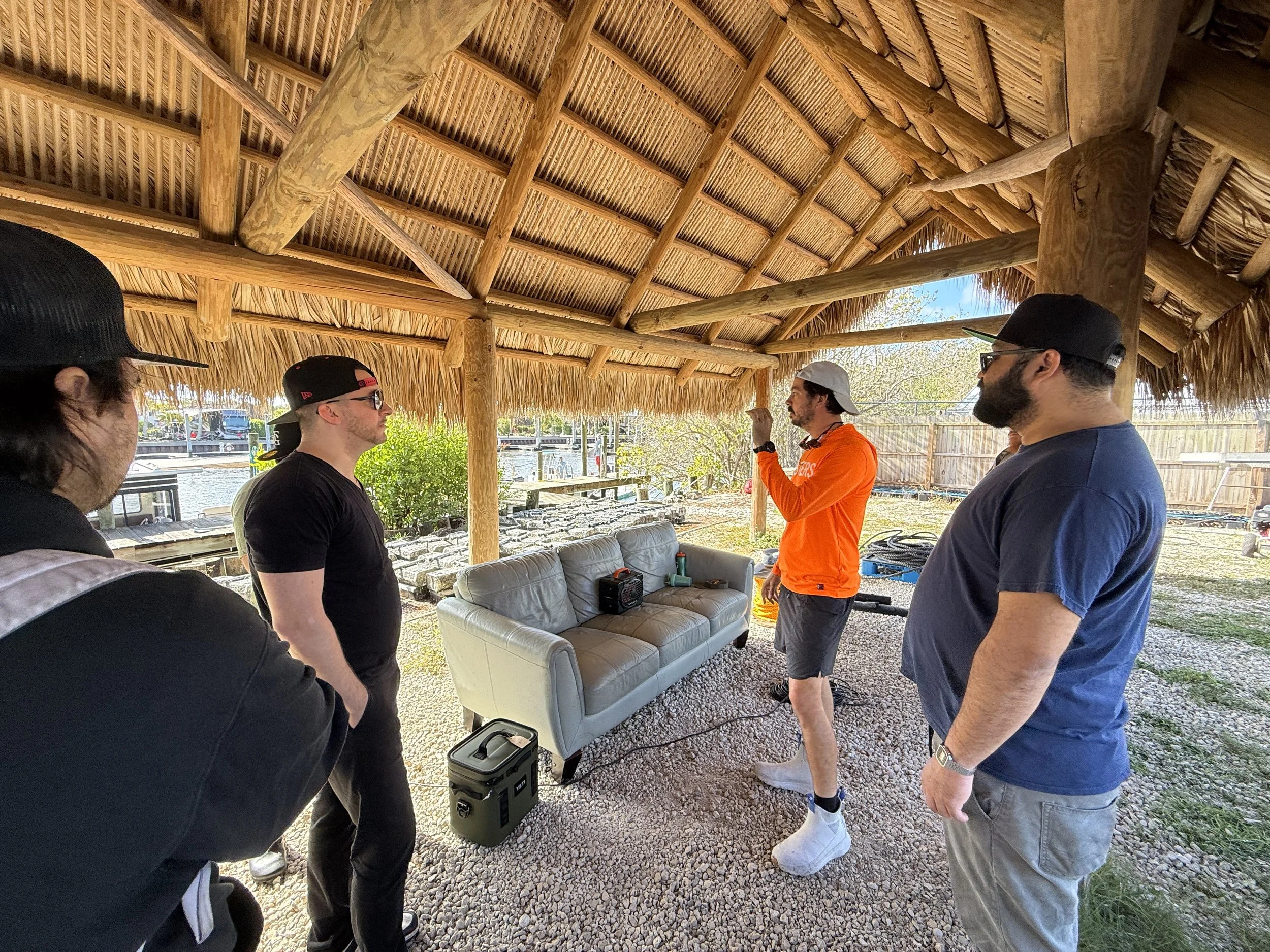
Fabio explaining to the team the ins and outs of the operation.
Modern Oyster Cages
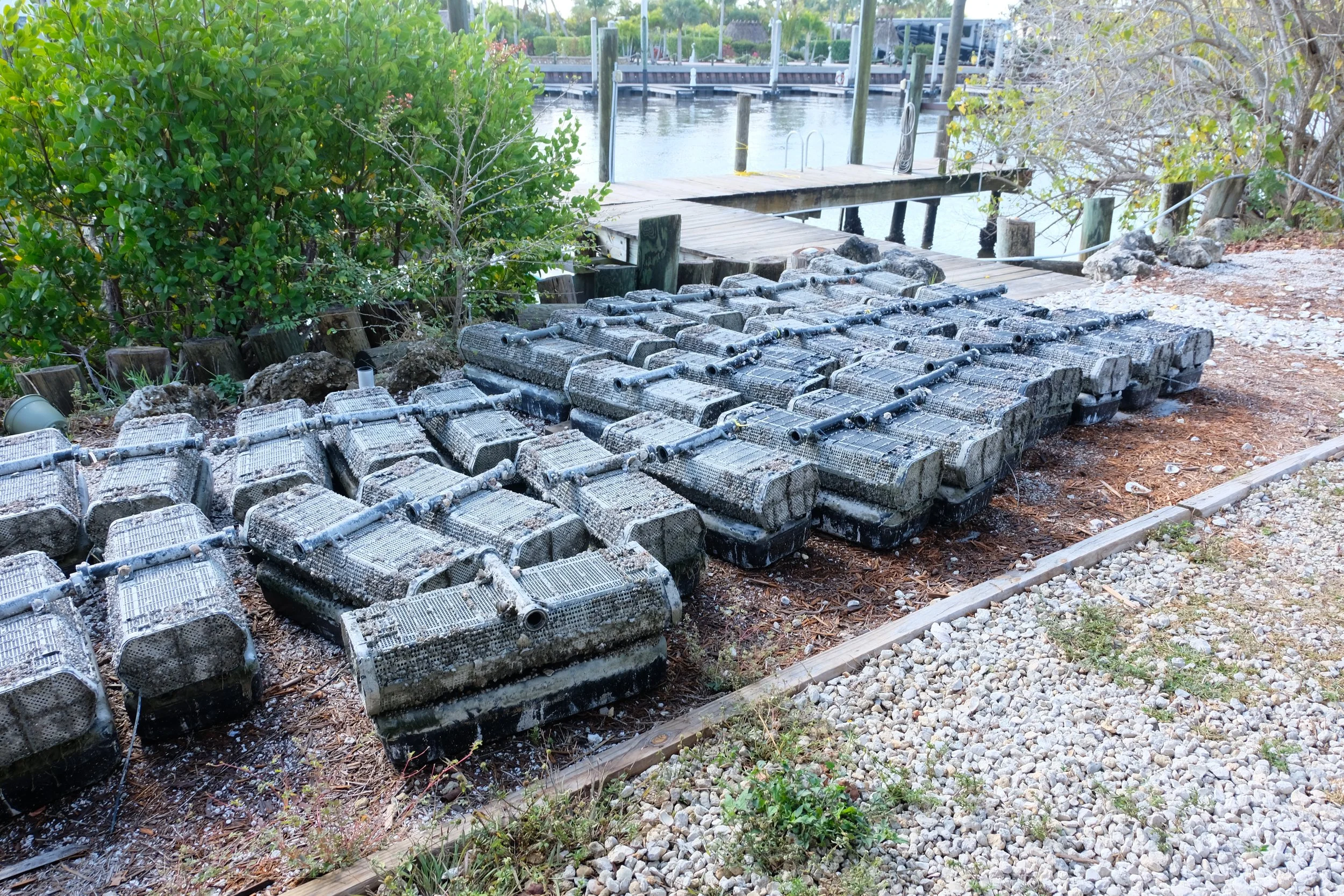
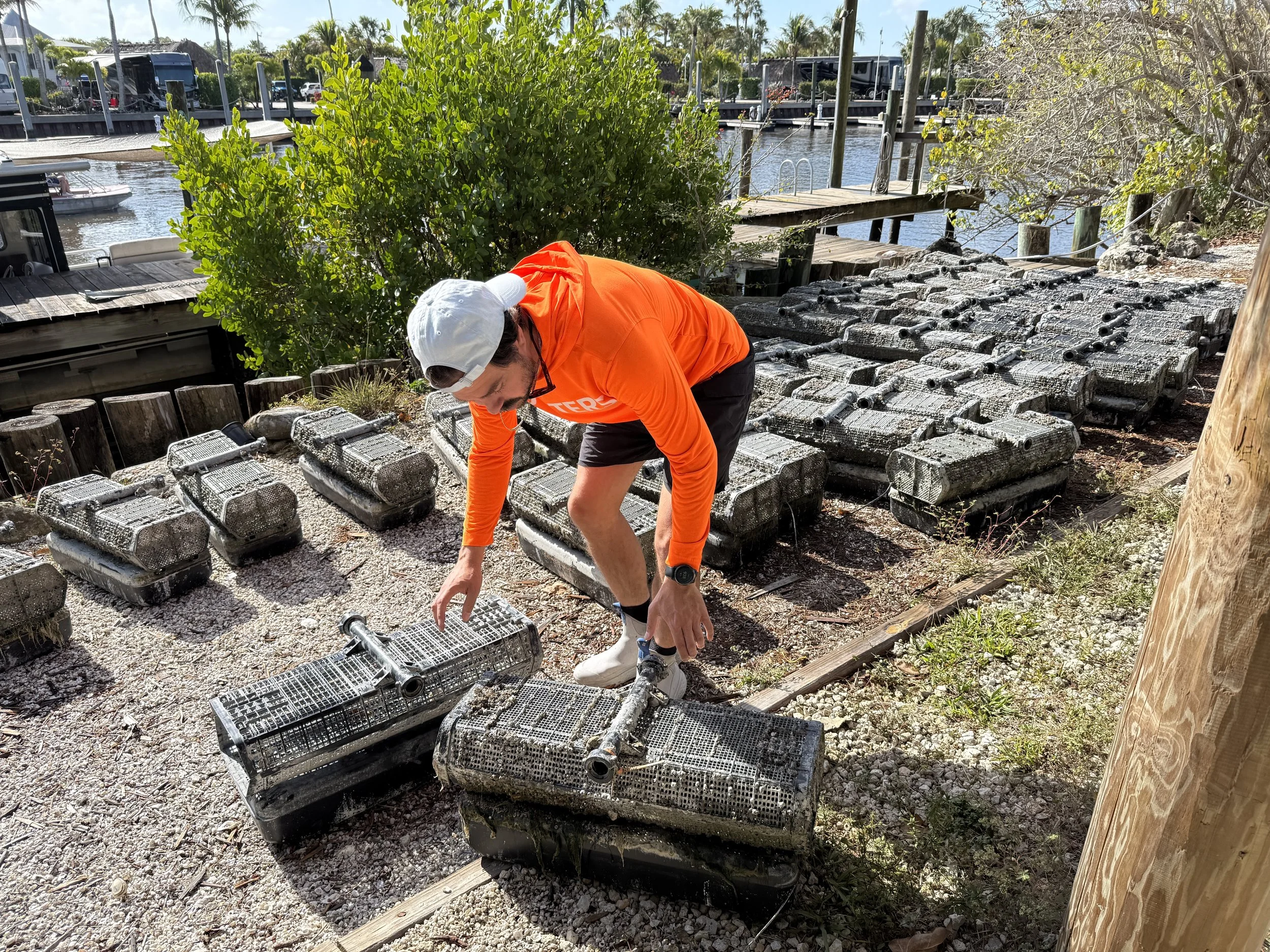
The cages are fairly new to the industry, having only been in operation for a couple of years. These cages have to be flipped upside-down and rightside up to about three times a week in order to allow the oysters to grow the way they should and for proper water flow. Flipping also helps to develop the nice deep cups that are sought after, by trimming the sharp edges of the shell, caused by the movement, and allows for further growth. Think about cutting finger nails, instead of using a tool, the farmers rely on the natural agitation caused by the flipping of the cages.
The life cycle of the oysters in the farm starts from what they call “seeds” or baby oysters that are big enough to not escape the 5 mm holes but small enough for them to grow. Once they develop to a certain size, they are transferred to cages that have bigger holes allowing for more room to grow and better water flow.
Barnacles naturally cling on to the cages and can affect the growth of the oysters. To combat this, the team cleans the cages by pressure washing. The more water ventilation, the better for our tiny little friends.
To The Farm We Go!
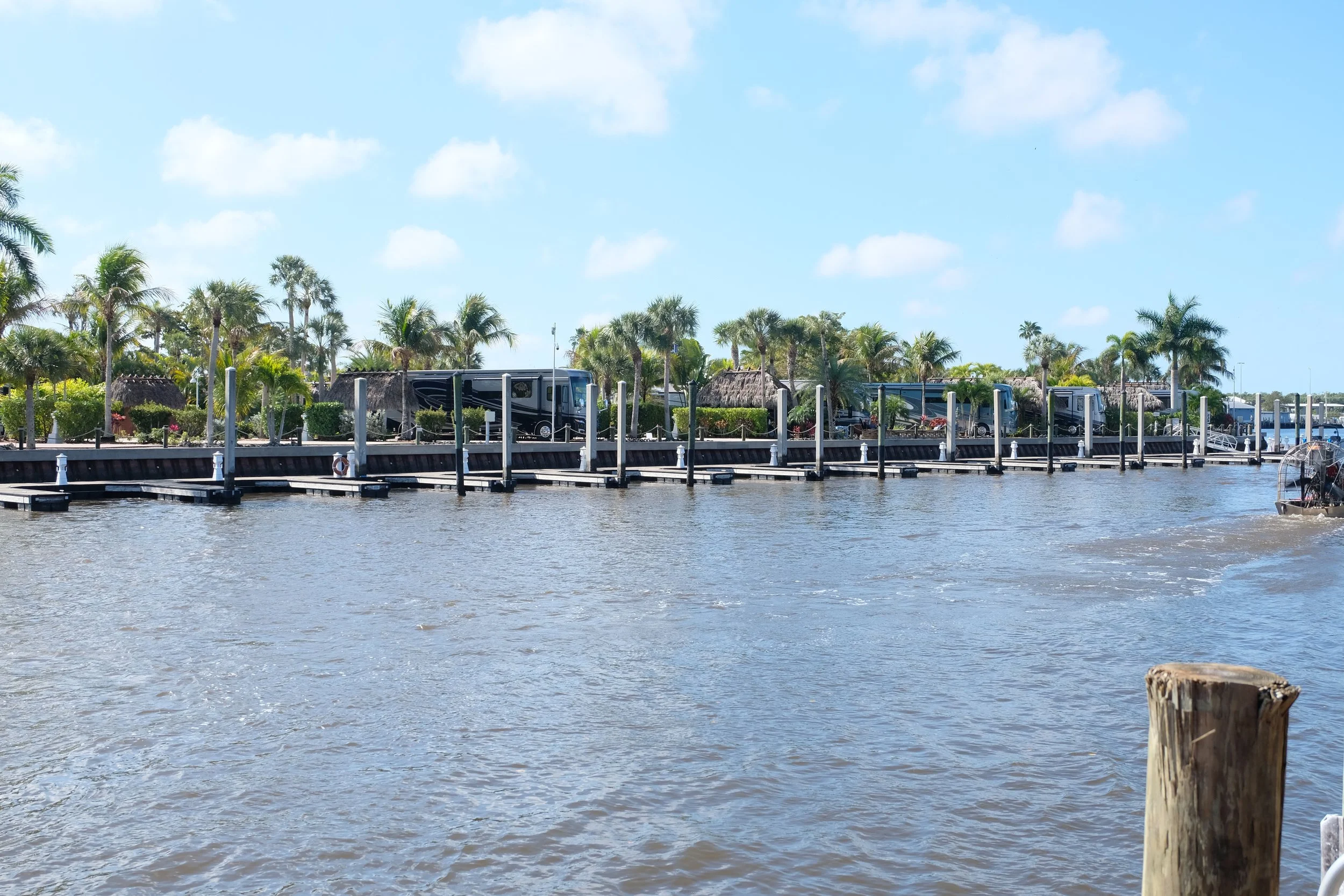
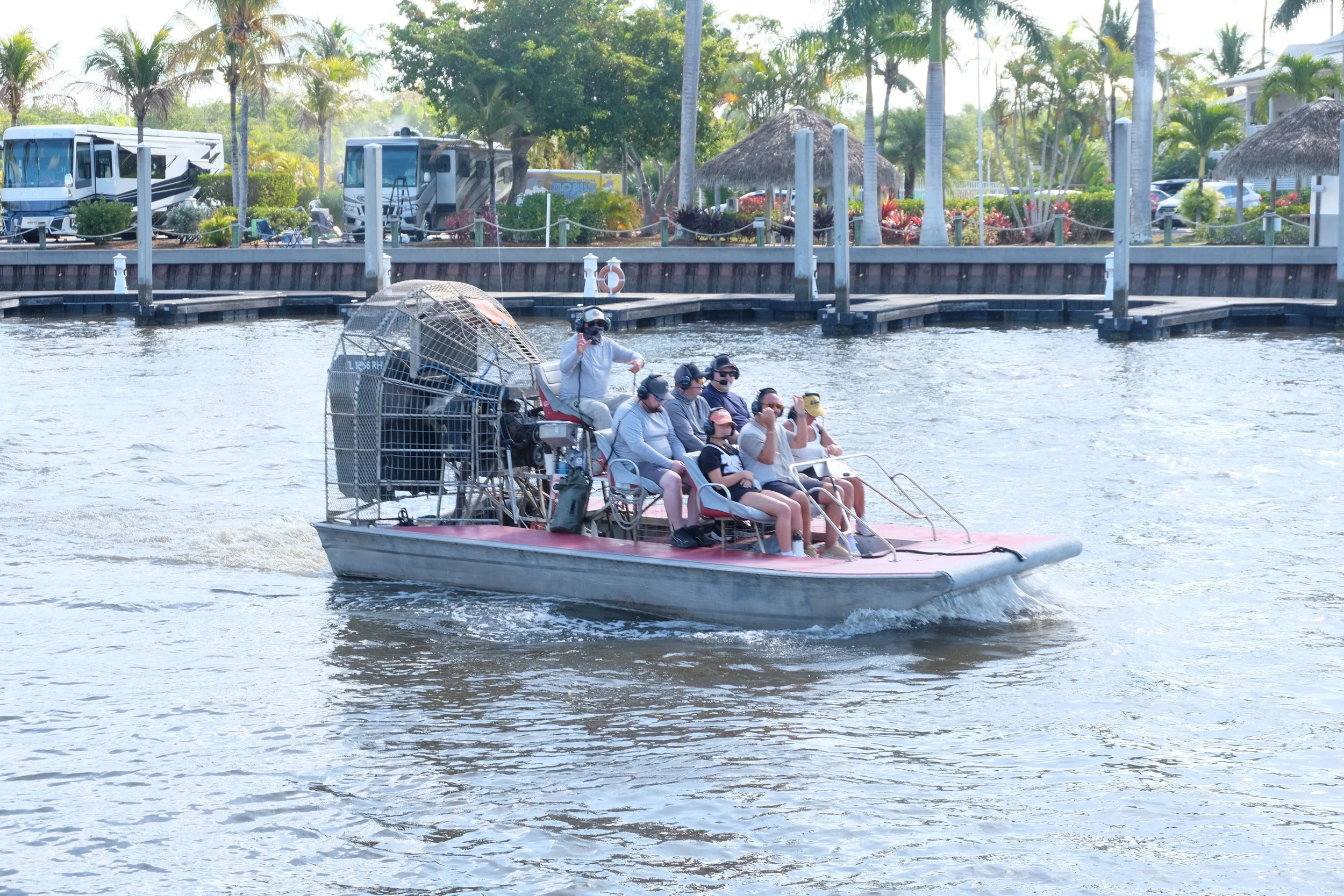
From the HQ, it took us about an hour to reach the farm by boat. It was so refreshing and rejuvenating to witness the Everglades from the water. I never saw that side of Florida, until we did this excursion. Wildlife is mysterious and yet, beautiful.
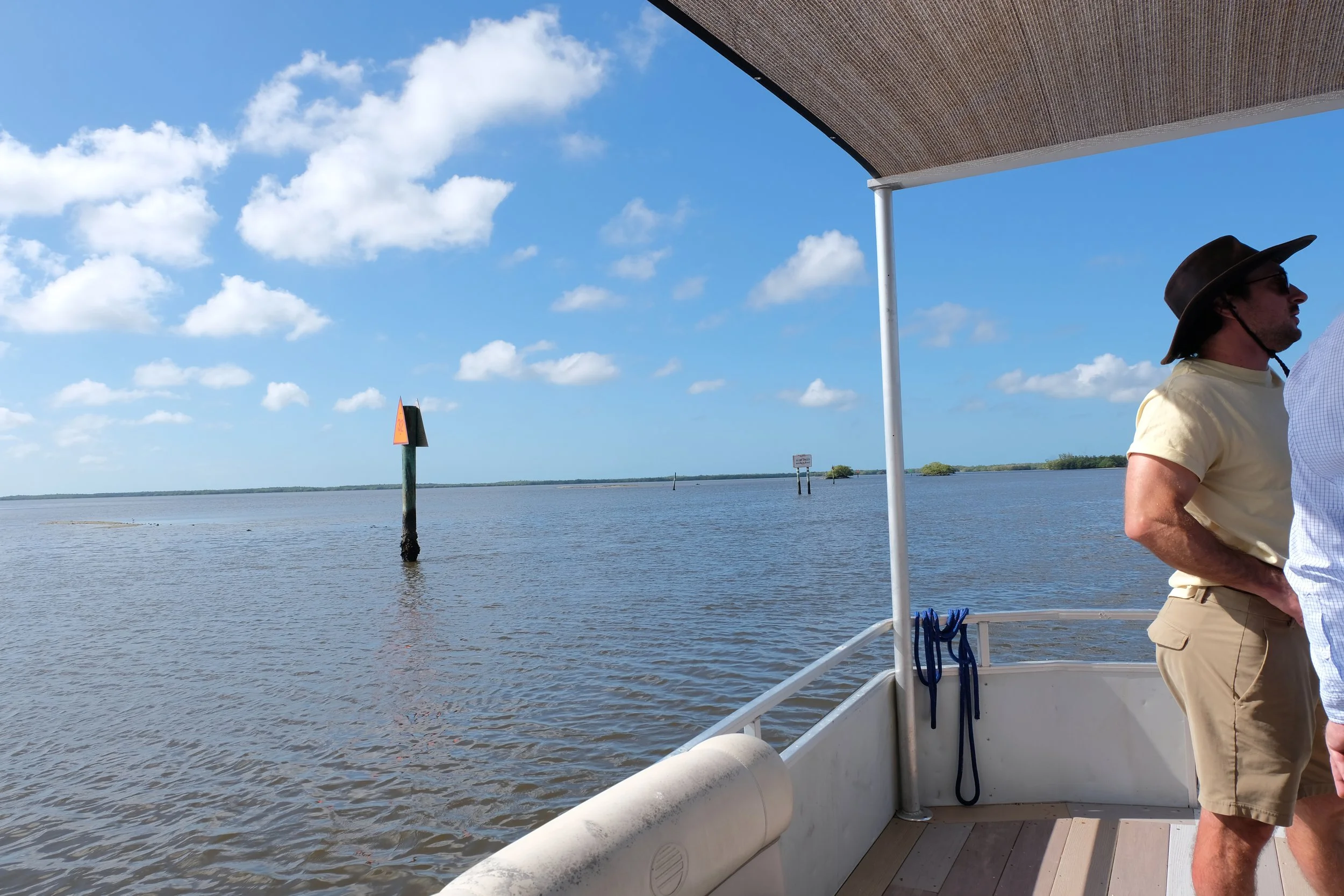
Below, you will see the oyster farm. The company has a 10-acre space for this usage. The future for them is to invest in a hatchery and expansion to having more cages. With the rate of restaurants finding out about this national treasure of a company, they will soon have to plant thousands and thousands of seeds. Mind you, Miami’s best restaurants and chefs who drive or locality already have their hands on these amazing oysters.
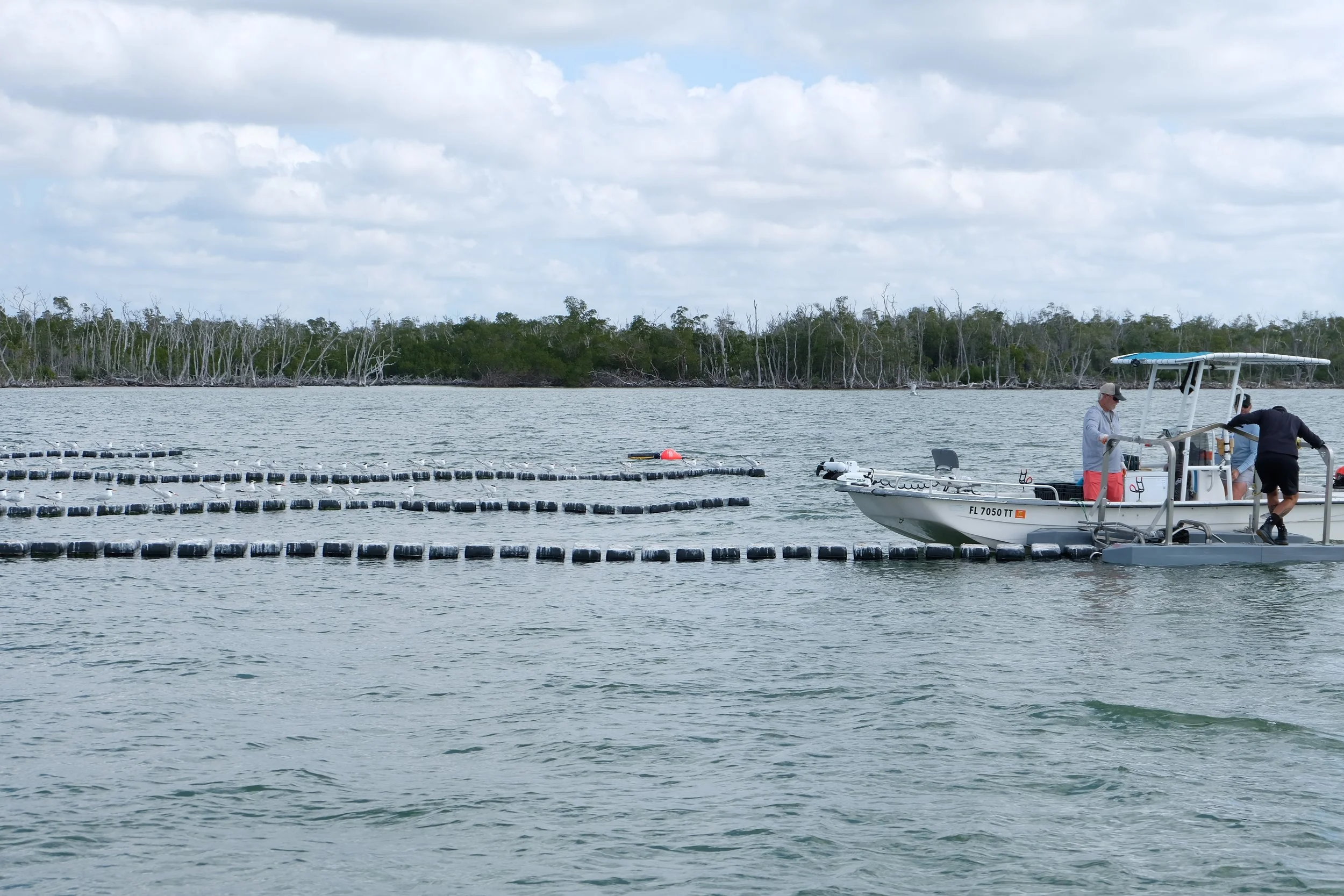
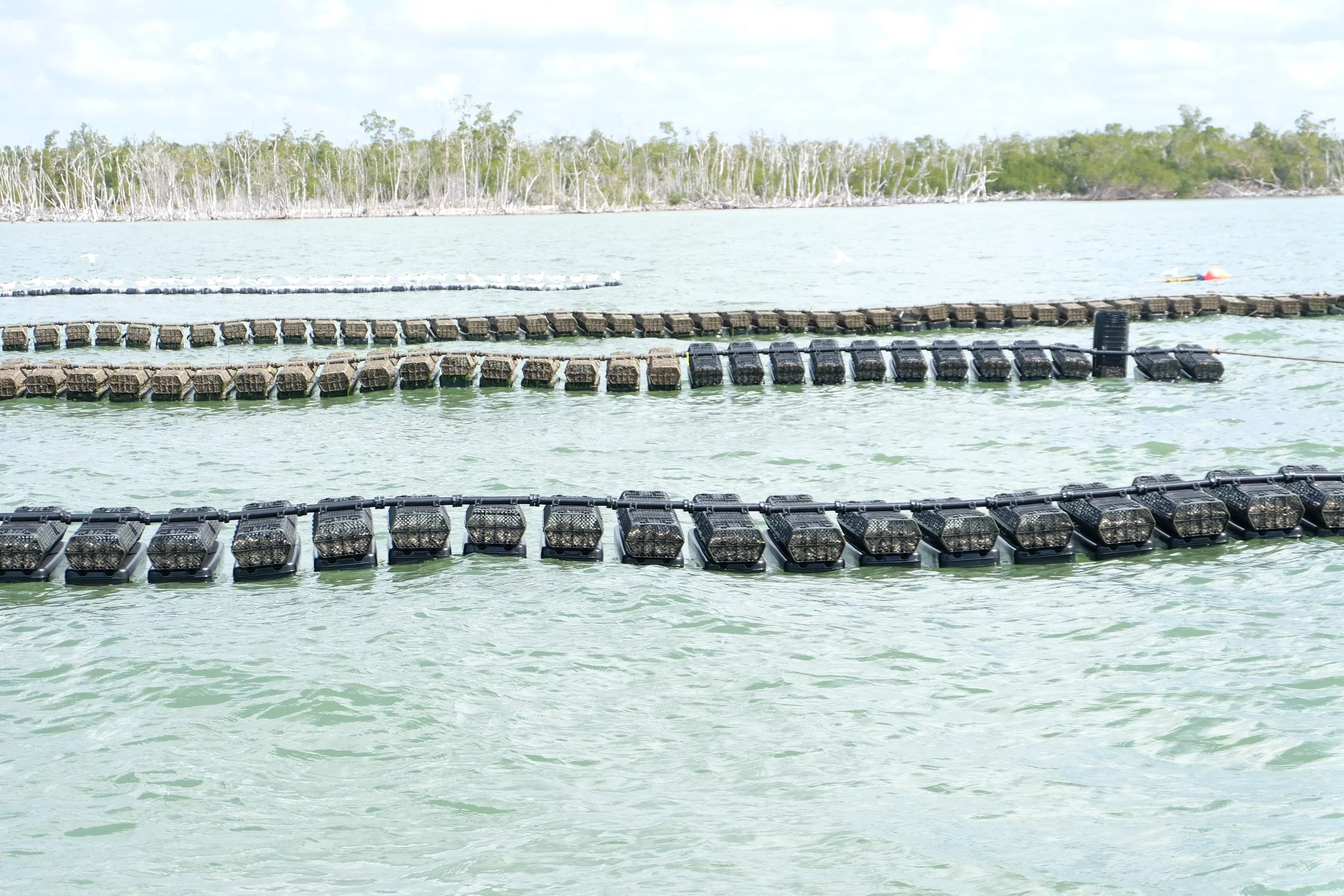
When we got there, they were in the process of flipping. We were in luck because they were harvesting simultaneously. The effort and hardwork just by watching them already wore me out, I can only imagine being the one doing all the work. I need a drink.
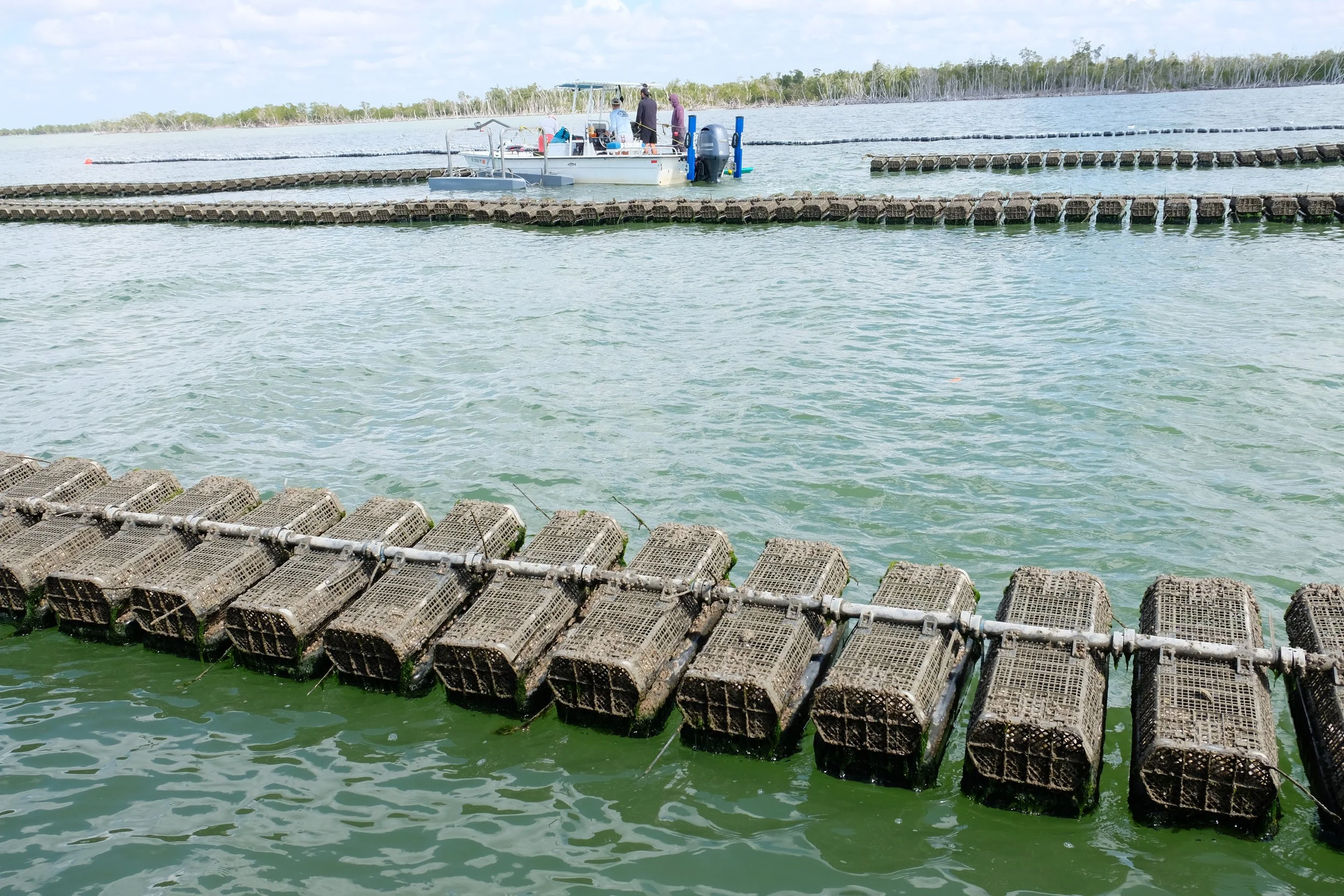
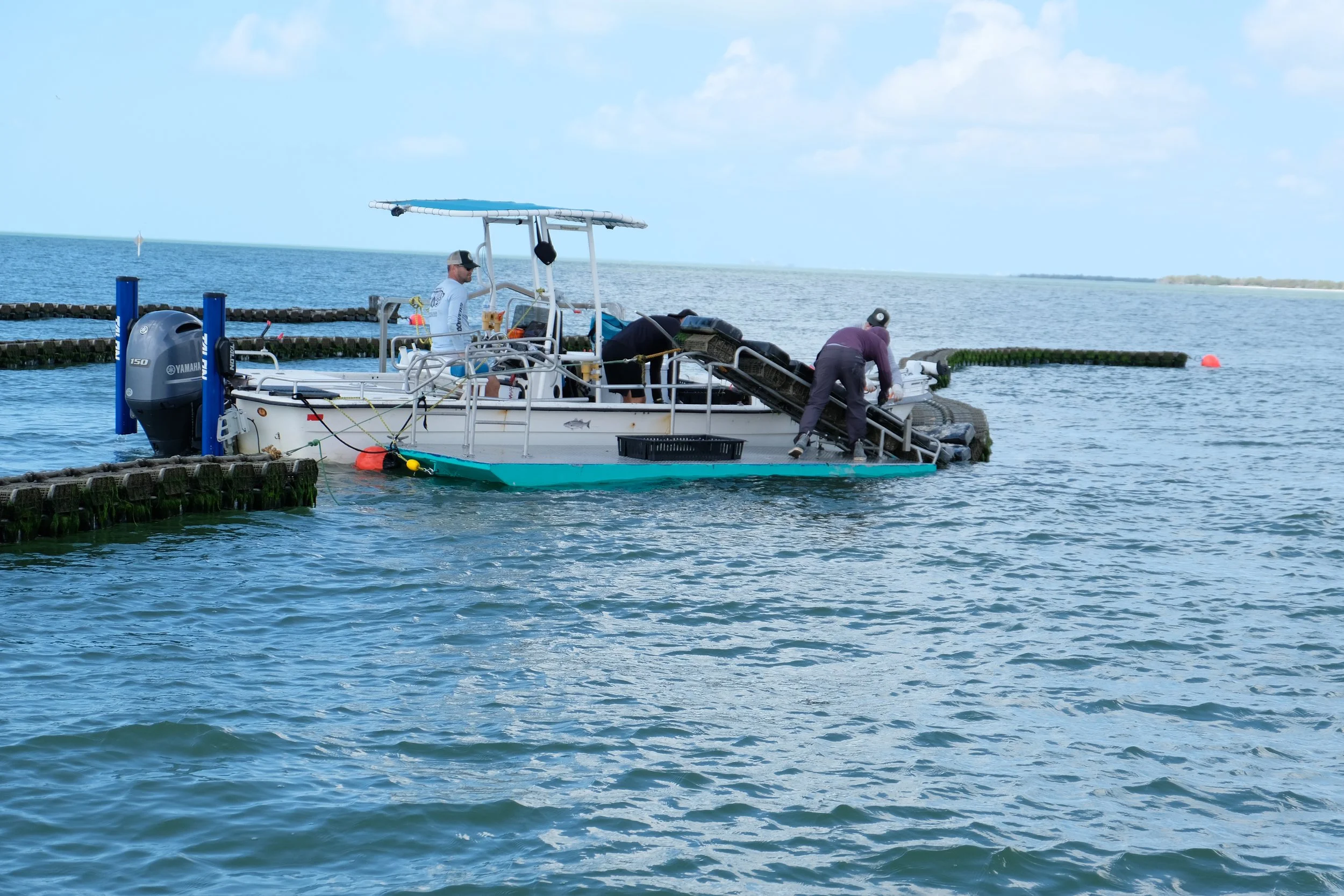
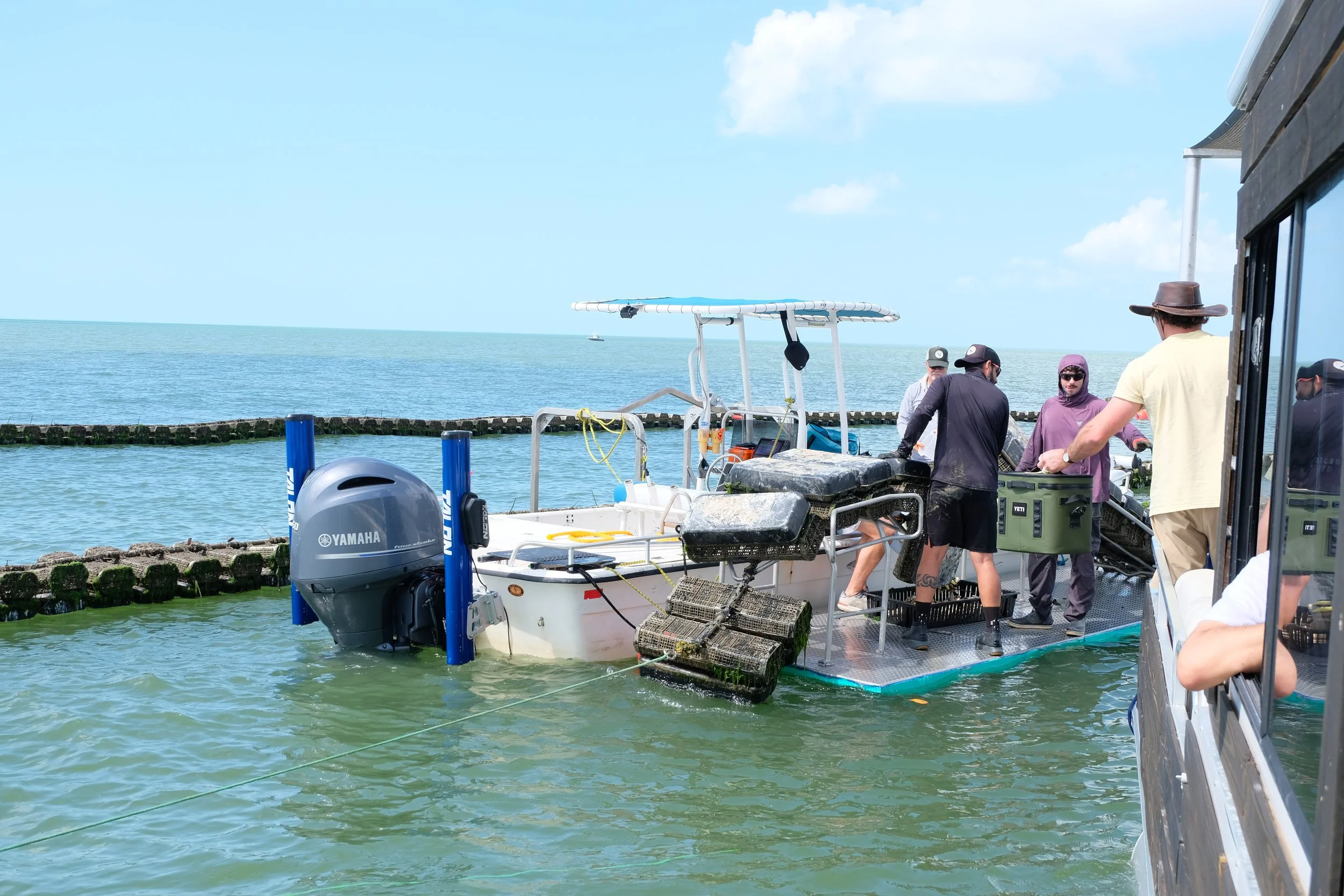
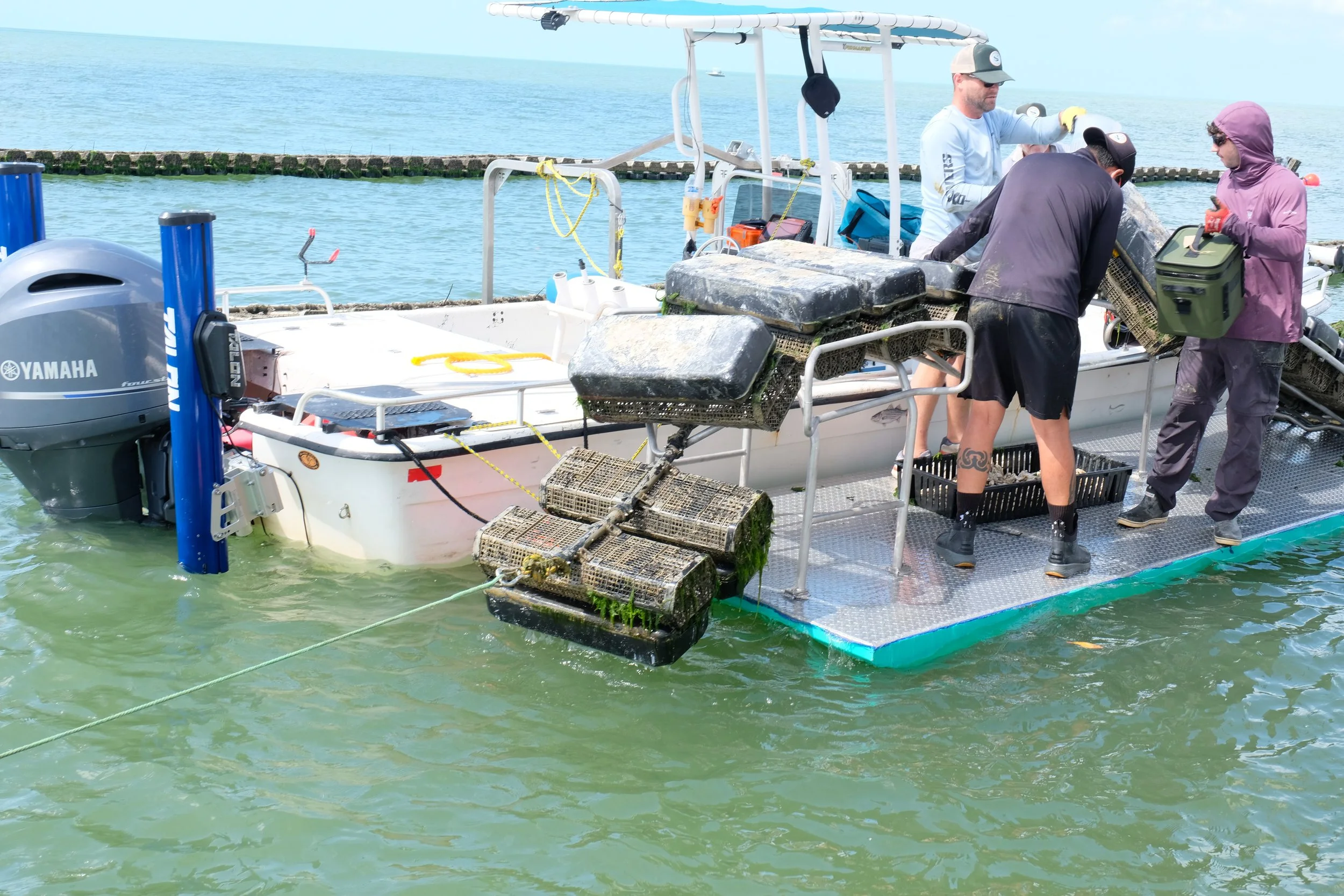
Below, you will see the position of the cage(s) when it’s upside-down. This submerges the oysters in the water and protects them from curious winged fiends, waiting for a tasty snack.
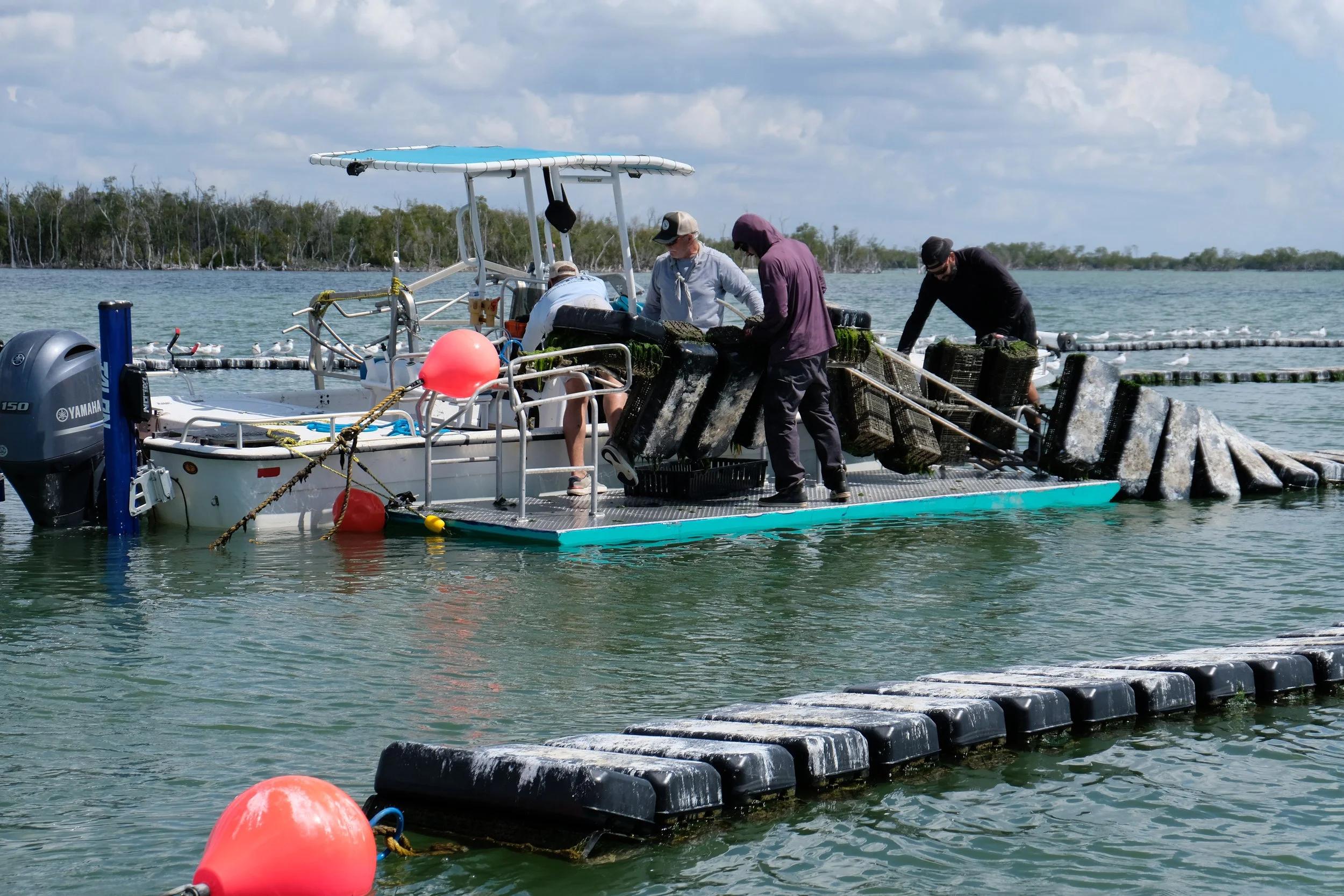
Alas, The Tasting
Everglades Oysters give cool names to their oysters. What they are is for you to find out.
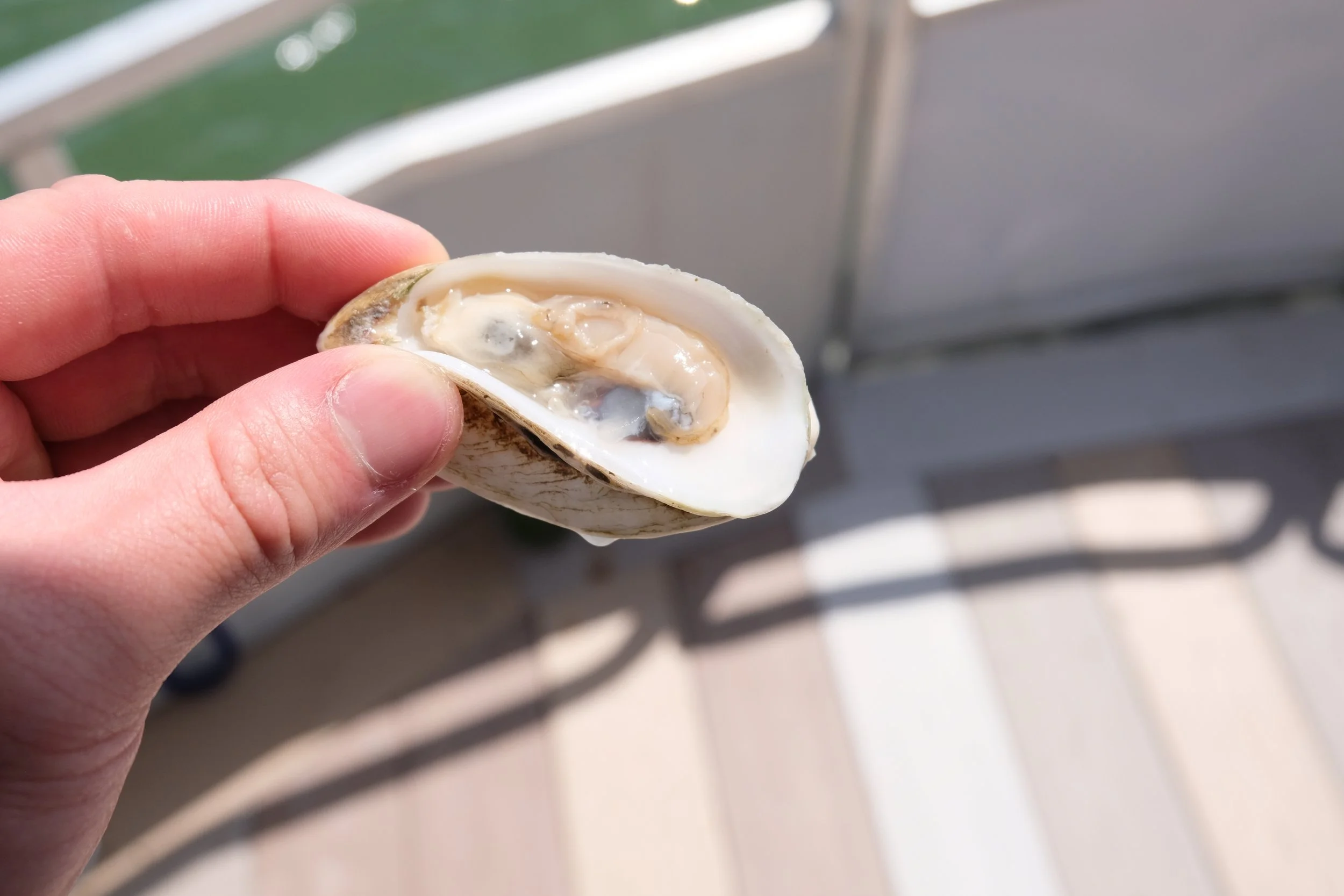
Sizes vary, but I would they that they fall under the medium size category.
The texture is somewhat of Sweet Petite Oysters, firm but not too soft, compared to West Coast Oysters that are creamy and bursts in your mouth. I’m personally not a fan of WC oysters. I like it when the flesh is lean/ firm.
You’ll instantly get a briney aftertaste for the medium size, which I enjoy because it only needs acidity to balance out. They gave us some tiny ones and they were sweeter and less briney. What a phenomenal product, especially coming from a tropical climate.
After the harvest, we went back to HQ and thanked the entire team. It was such a wonderful experience and the perfect weather made it all happen.
I remember Fabio mentioning how his life completely changed the moment chefs discovered what they are doing. His week is divided into office work, doing demos for chefs in their kitchens and going to the farm—not a bad balance of life if you ask me, for as long as you’re building something that is your own.
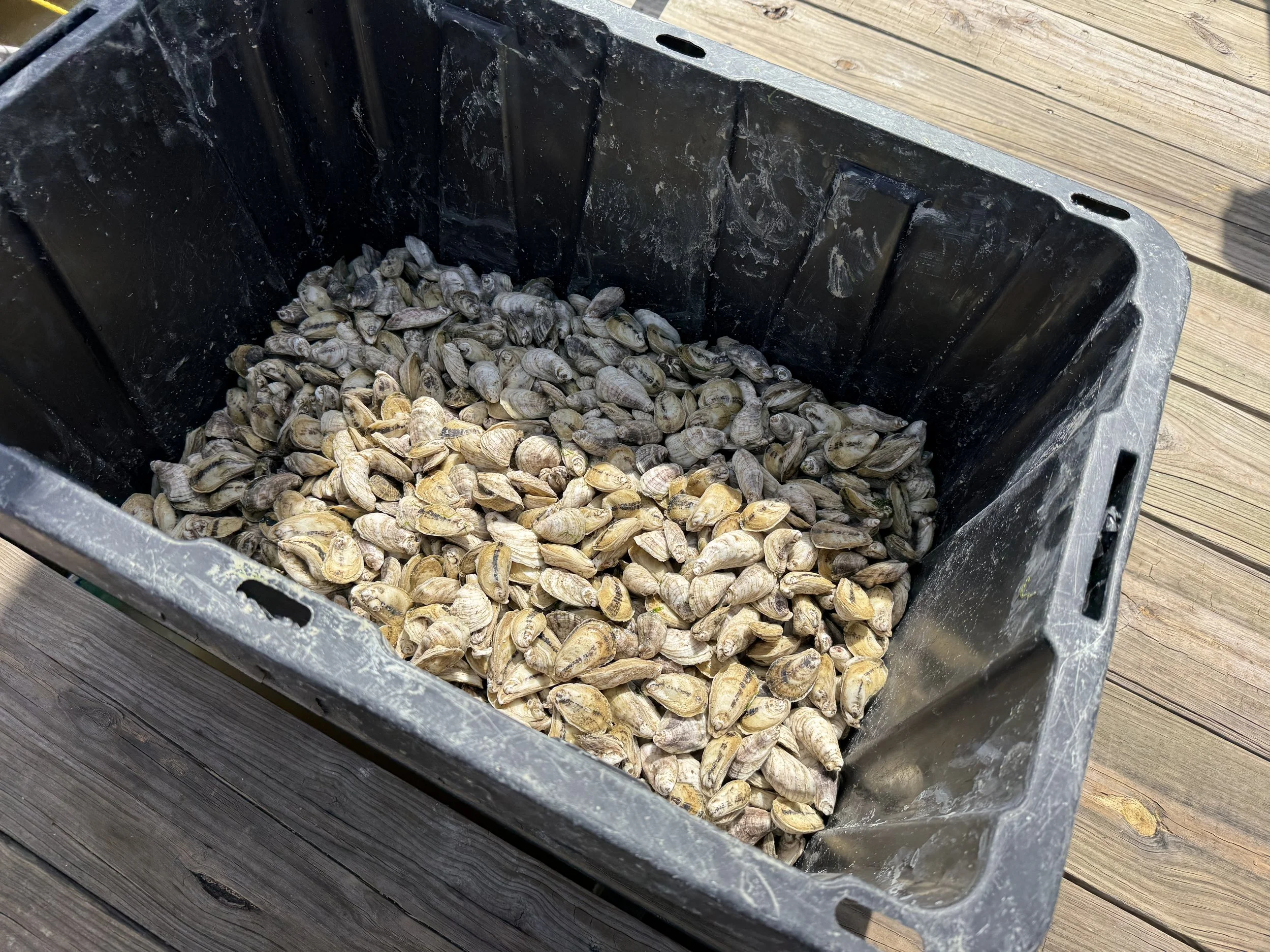
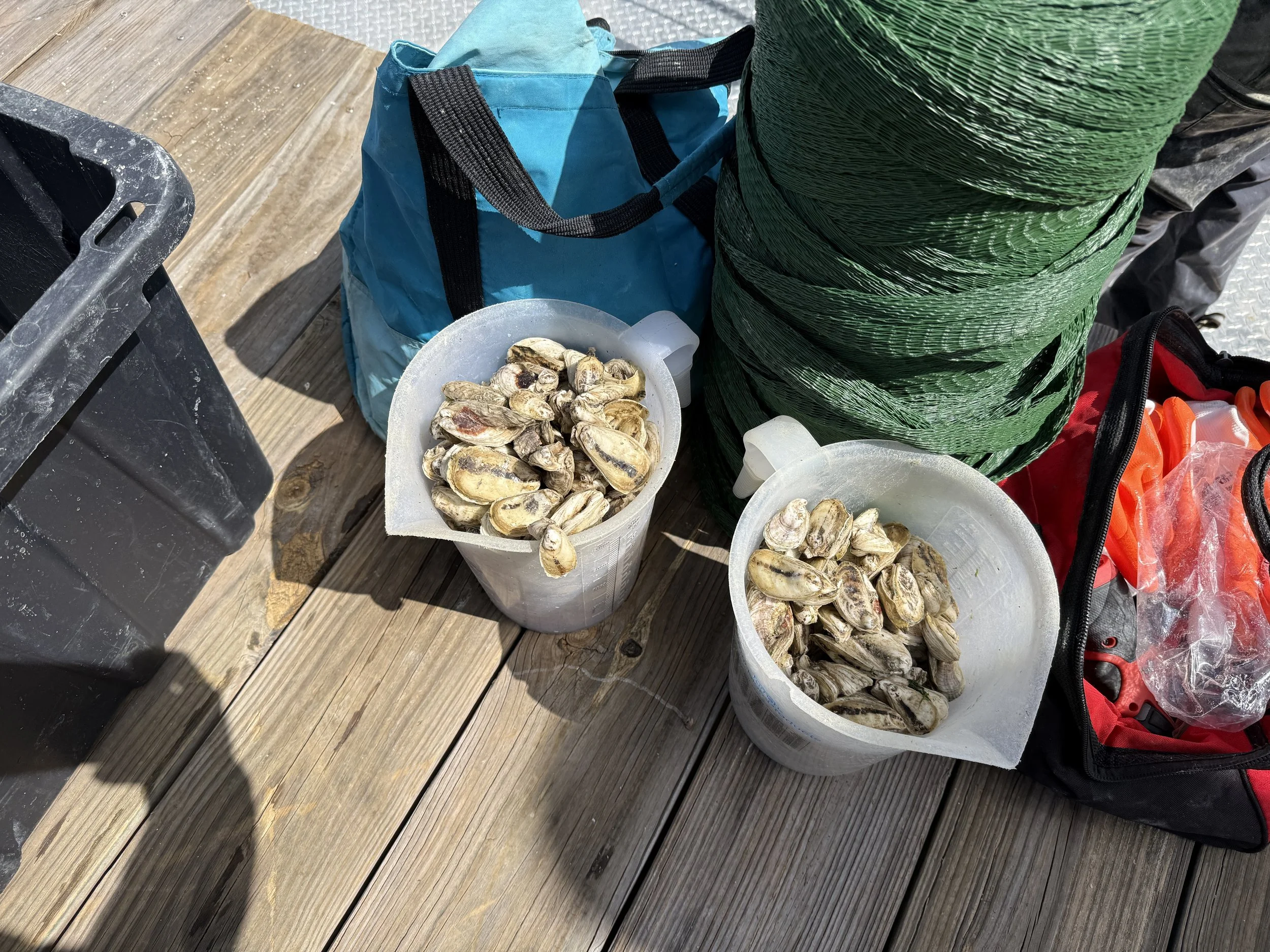
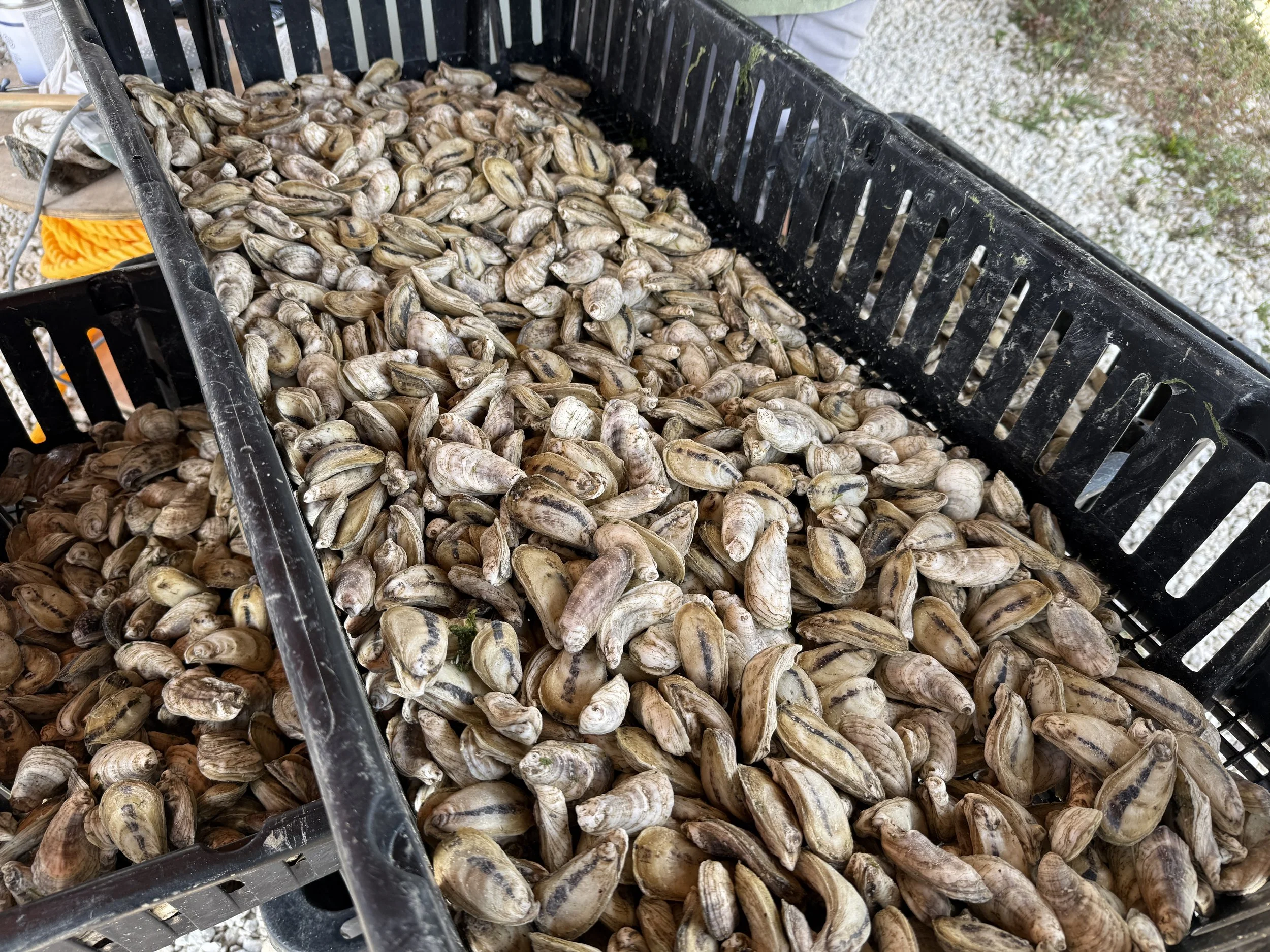
Hats off to them for they choose the places that they sell too. If you have a wonderful product, you will find a way to preserve your identity and purpose.
At the end of every harvest trip, these oysters are going to be cleaned and stored in refrigeration units ready to be shipped to their chosen partners, to be consumed by guests who blithely and unknowingly enjoy somebody’s hard work that took almost a day to make happen. What a privilege to be exhausted in doing what you love and providing nourishment to people.
Thank you again for the team for accommodating us despite their busy schedule.
Until then, keep shucking.