

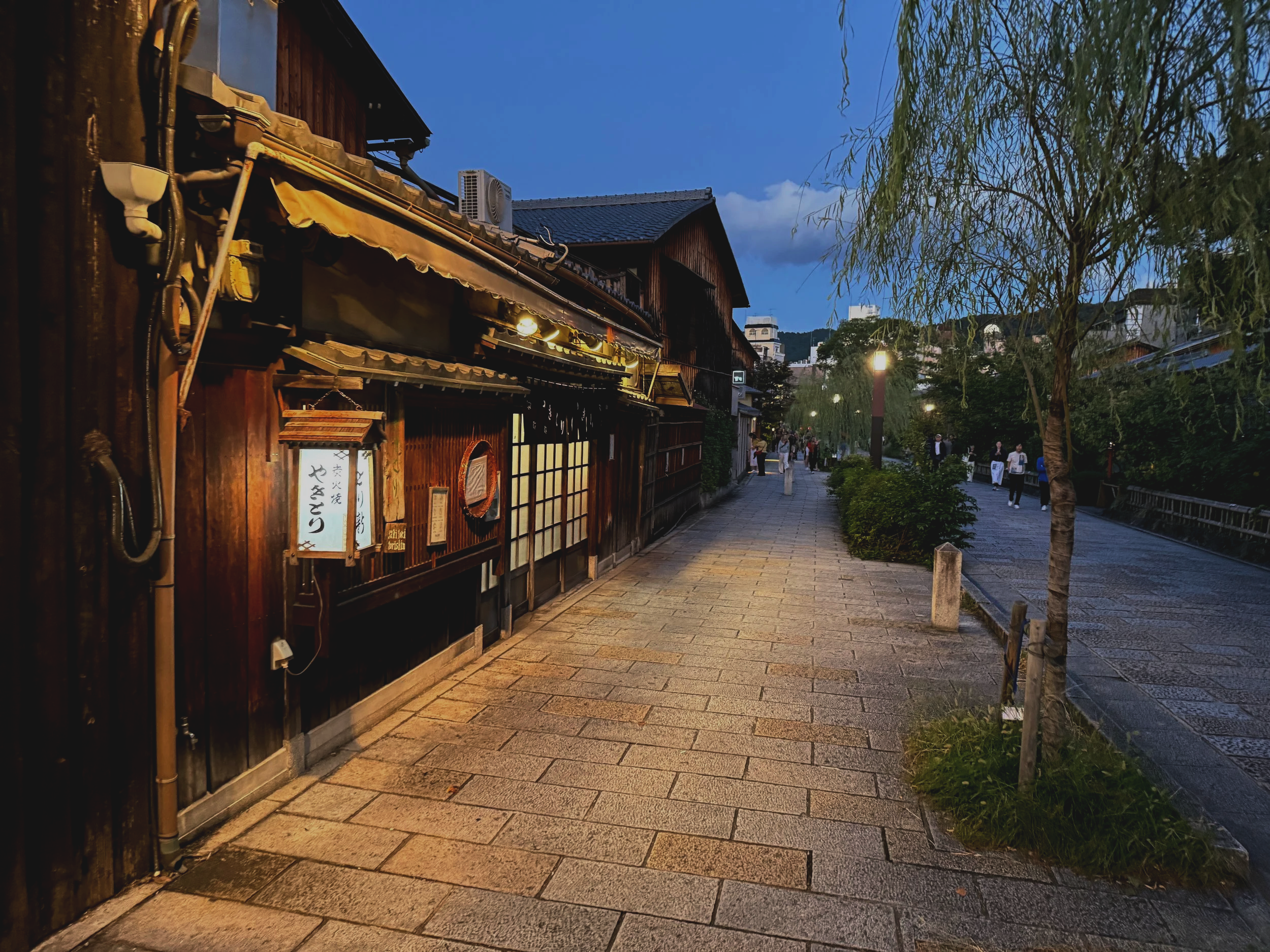
Mono no aware (物の哀れ): The gentle, bittersweet awareness of the impermanence of all things.
It’s been more than two weeks since our trip and I still couldn’t dare to write the appropriate words to describe Japan. My vocabulary disappoints me for words like beautiful, lovely and wonderful fail to capture the moments that are still vivid in my mind. If I use highfalutin words, then I’m afraid to be called pretentious and trying hard, which is not the case—not at all. Our trip felt natural, smooth and easy going, all made possible by the thoughtful layout of the streets, transportation and the effort to make everything convenient. Japan is just on a different level compared to the rest of the world. Everything they do just makes sense. The people take pride in what they do, leading to unrivaled craftsmanship that is dearly regarded by the entire world.
To be in Japan means to live the moment in reverie. Think about the movie Inception—a dream within a dream. Staying in that made up dimension and to forget about spinning the totem would do me good. Japan is living the life, and to my fellow visitors who have experienced what I have, we are lucky. We are privileged to come back home a bit wiser and much fulfilled.
There’s a Japanese proverb, 百聞は一見に如かず (Hyakubun wa ikken ni shikazu), which translates to “Hearing one hundred times is not as good as seeing once.” In your lifetime, you have to visit at least once. No matter how many documentaries about Japan are shown on TV, it’s a completely different whirlwind of emotions to be physically present and experience everything first hand.
This country is as efficient, beautiful and awe-striking as a nation can be.
ΩΩΩΩΩ
Some Helpful Tips When Planning Your Trip
Before we tackle on the adventure, here are some tips to help you make the most out of your journey.
Ω It is mandatory to book things like dining reservations, special excursions (i.e. Kabuki show) and transportation (bullet train) tickets in advance as seats are limiited. If you value amazing dining and not just eat anywhere, book two to three months ahead of time or even earlier because sometimes, you might not even snag a seat. Failure to reserve ahead of time will lead you eating at the most cliché tourist traps. Social media will not run out of spots persuading you to be the best of something, so do your own proper research.
Ω Fly into Haneda Airport rather than Narita if your entry is Tokyo. Haneda is closer to the city proper.
Ω Plan your itinerary by area or location, this strategy will allow for the most efficient use of your time. You will be overwhelmed, as I have, and one can easily get swayed by a sudden switch in your itinerary and time can be costly. The subway, despite being the most efficient and on-time in the world, will sometimes take you 20-30 minutes transferring from one location to another. Never come to Japan without a proper plan, a scattered decision of taking it day by day will pull you away from enjoying completely.
Ω There are more places to visit and things to do than what your limited time and itinerary can handle. You will miss out on a lot of things and it’s ok. Avoid visiting Japan rushing to go see everything like an episode of The Amazing Race. It’s better to come back for another trip.
Ω Public transportation is very convenient. Not unless you want to head to a remote village which may require a special means of transportation, the common tourist spots are accessible. Download the essential applications like Japan Travel, Suica Mobile and Go Taxi.Japan Travel will be your transportation guide and even show you available excursions within a particular area while the Suica Mobile is the prefered mode of payment for the subway. Uber works well, but if you’re pulling a taxi to the side without the help of a third-party rideshare app, then Go Taxi and S.Ride will allow for an effortless payment.
Ω Do not worry about communication or language barrier. We were able to get by without a single ounce of Nihongo. Japanese people only communicate when necessary, but they are accommodating when you ask for directions and when you’re showing the taxi driver your end destination.
Ω Bring a bit of cash when shopping at mom and pop and/or rural stores.
Ω Japan’s high season starts in October, with prices soaring to high altitude levels that even spaceships don’t dare venture into—expect double or triple the original price for everything! It peaks during Cherry Blossom season, which happens around the last week of March and beginning of April. Summer is the slow season where you can snag everything in cheap in the expense of sweating under the ninety to a hundred plus-degree weather. Don’t even think about the humidity.
Ω Hotels, as we have learned, tend to be really tiny, not unless you’re staying in expensive establishments that are above four stars—especially in Tokyo. There will be exceptions to the rule as you will see much later, during our stay in Kyoto. Be prepared to wonder how architects and interior designers outline hotel rooms without luggage spaces. Do they expect us to come with just hand carries? I still of think about it ‘til today. If you can shell out on the better hotels in Tokyo, I advise you to take it rather than inconvenience yourself.
Ω Save some luggage space or better yet, fly in short of a luggage or two and just buy new ones in Japan. I swear, you’ll go crazy with shopping.
Ω Lastly, wear the proper walking shoes that are comfortable and have good sole support. There will be a lot of walking involved so get those strong calves and recovery shoes ready for 30k-step days.
Enjoy and savour every moment.
ΩΩΩΩΩ
Japan
The Land of The Rising Sun gets its meaning from Ancient Chinese belief that when the sun rises, it appears directly from the islands of Japan. Nippon or Nihon are typical names that Japanese people associate themselves with which translates to “sun origin.”
Sun people—people of godly importance or status.
In the hierarchy of asians or of people in the world, I find that Japanese folk to be at the very top. They are the most sophisticated, civilized, proficient, literate, intelligent and well-kept people.
Here are some reasons to prove that this claim is true, and it’s ok to debate about this:
Ω They are extremely literate thanks to a language and alphabets (there’s three) that allow foreign words to be translated and transmuted into their own. For example, McDonalds in Nihongo is “Maku-dona-rudo,” while hamburger is “Han-ba-ga.” No wonder english is rarely used on day-to-day life.
Ω Japanese Cuisine—imagine a world without it. The simplicity, elegance and impact that it contributes to the culinary encyclopedia of the world is unrivaled. Mr. Joel Robuchon, the so called Chef of the Century, sought inspiration in Japan before he came up with the concept of L’Atelier De Joel Robuchon. According to accounts, he discovered that Japanese cuisine is as elegant as French nouvelle cuisine. He even favored Japanese chefs over his fellow French cooks for their efficiency, respectfulness and skills.
Ω Most of the things that come from Japan are widely embraced by the world. Anime, cartoons, chocolates, lifestyle stores, convenience stores, clothing, snacks, cars, technology, car drifting and etc. You cannot deny that the whole world has adopted Japanese ingenuity in every aspect of life.
Ω They are masters of adopting a practice and improve on it 10x better. Who in the world would think that massaging cows, bathing them in beer or sake and playing classical music for them to listen to will yield to the most desirable beef in the entire world? Who ever thought that by shortening the grain of rice, will allow for a whole cuisine to be widely sought after? Japanese knives are beloved by chefs all around the world, only Rachel Ray uses German knives. Even the best (Chinese) cleavers are made in Japan. Swiss watch makers panicked when Japan created the most accurate automatic timepiece in the world for a fraction of the cost—they still couldn’t get over it and won’t accept defeat.
Ω They are people of extreme resilience. After the bombing of WWII, Japan had to rebuild. Rebuild, they did—tenfold, and look where they are now. They promoted an idea to build vertically rather than horizontally due to the scarcity of land—eliminating any excuse to keep themselves from being one of the greatest nations on Earth. Also, did you know that Japan literally sits on the Pacific Ring of Fire? This area is where geological activities are most active. They have been surviving earthquakes, tsunamis and volcanic eruptions since the very beginning of time and they always come back better and stronger than before.
Ω Being of people who keep it to themselves, I have observed that they don’t seek the need to announce anything to be heard. What I find is that they’d rather keep all the accomplishments to themselves and let the rest of the world catch up to them.
When I set foot in Japan, I was completely taken off guard by how everything was laid out. I just can’t explain how clean, organized and efficient this country is. If I had visited much earlier in life, I guarantee that I would have been in a different trajectory right now. People who come here always leave inspired and fueled to take on something big.
ΩΩΩΩΩ
The Trip
We were worried—the weather forecast showed that it was going to rain on all the days that we were present. Despite being gloomy for the first couple of days, luck was on our side and only experienced minimal rain.
Our itinerary consists of a seven day trip, touching Tokyo and Kyoto. For the sake of writing, I will consolidate everything about Tokyo on the first part while Kyoto will come after.
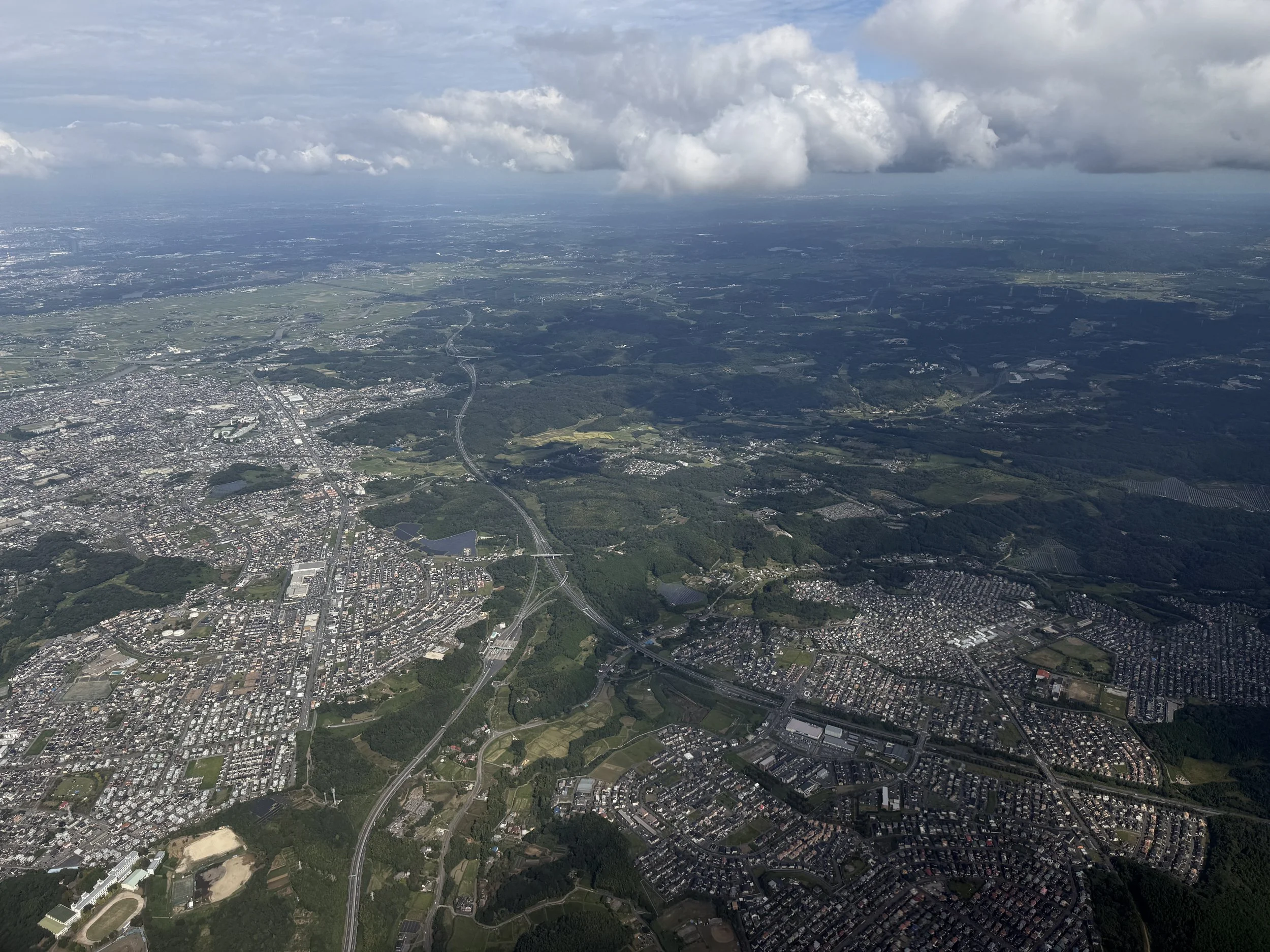
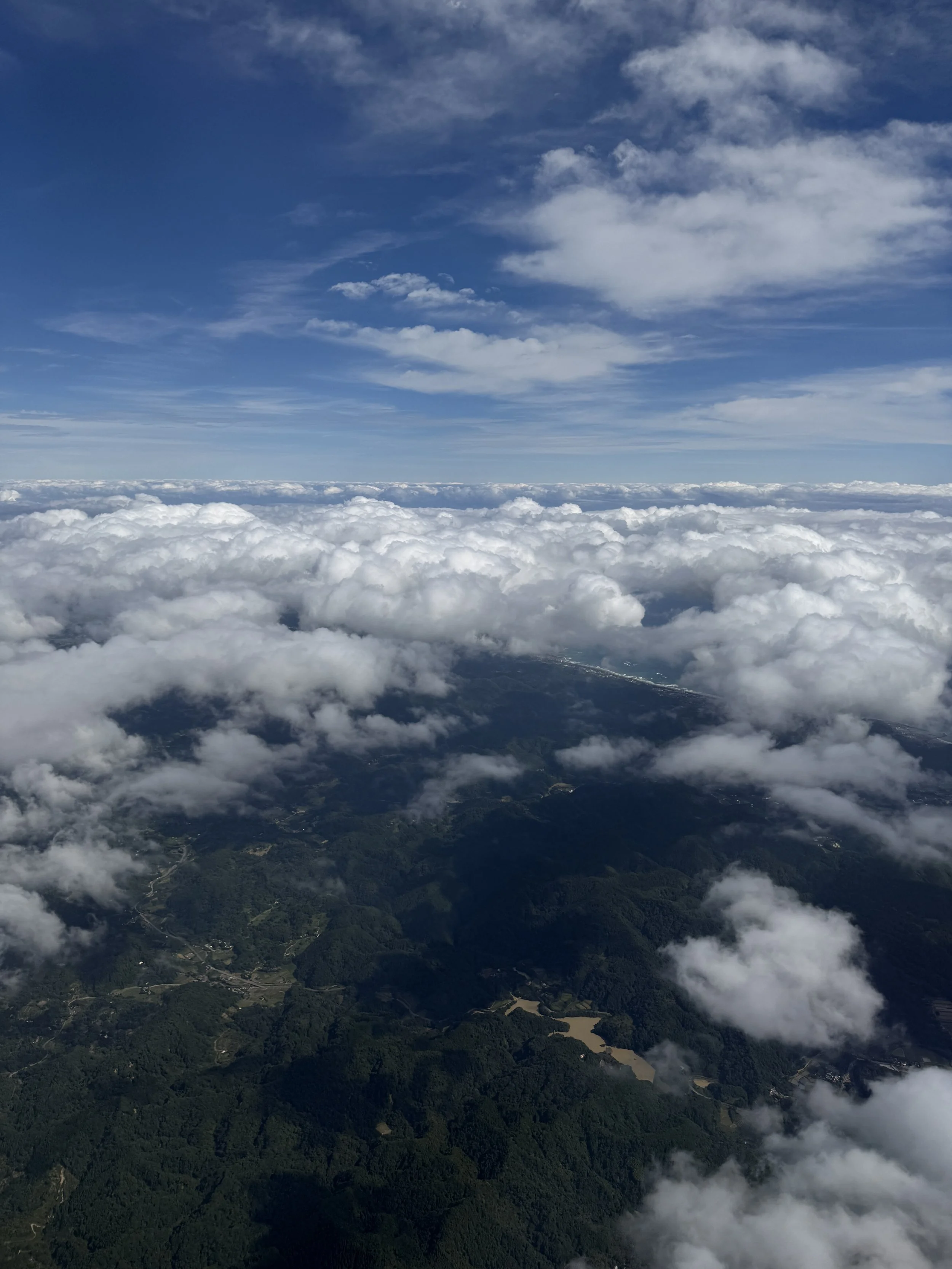
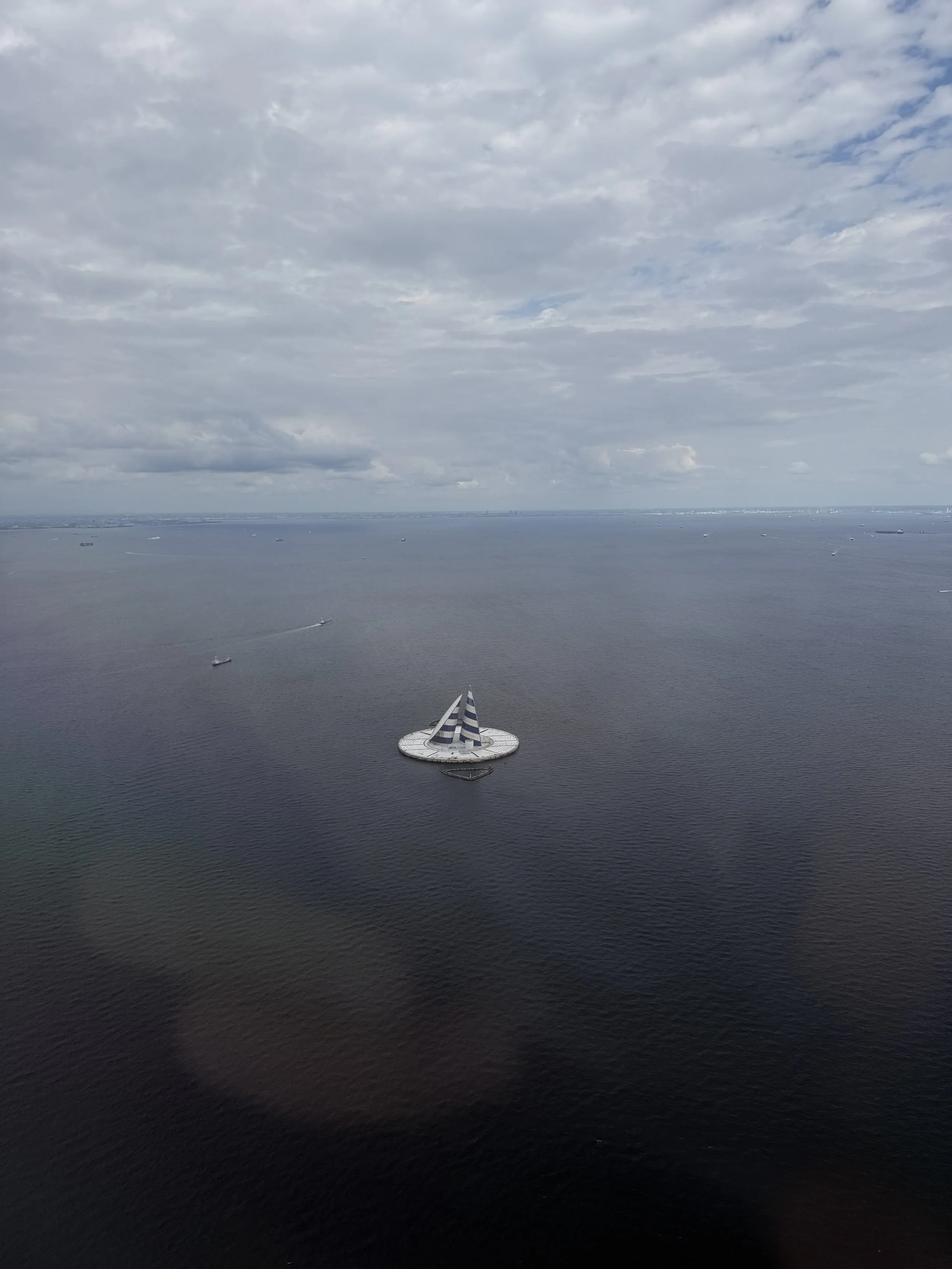
Here are some aerial shots for you to enjoy before touchdown.
Tokyo
Make no mistake that Tokyo is not a city, it is a metropolitan prefecture that consists of cities and district resembling that of a state. To get a good comparison, Tokyo’s population is second to California, at about thirty seven million residents, while its geographic size is that of Connecticut—pretty densely populated. Considered the capital of Japan, this bustling metropolitan is where dreams are made of for foreign visitors that amount to more than its population at forty million a year. Despite the “extra cargo” of curious visitors, Japan efficiently manages the influx of tourists while they happily navigate the country.
First time visitors normally get intimidated by the inability to understand Nihongo, but you will easily realize that it won’t be as important as it seems. Just learn to say thank you in their native language and all will be fine.
Day 1
Toranomon Hills
Getting Settled & Involuntary Jetlag
Toranomon Hills is a business district that shields tourists from the craziness of the Tokyo fever commonly seen in social media postings while still in close-proximity to the hot spots. For example, the famous Tsukiji Market is only two or three stations away on the H line, about 20 minutes or less to the southeast. The Hills is an affluent location surrounded by skyscrapers, high-end shopping centers and a battalion of working class employees commuting to work. See photos below.
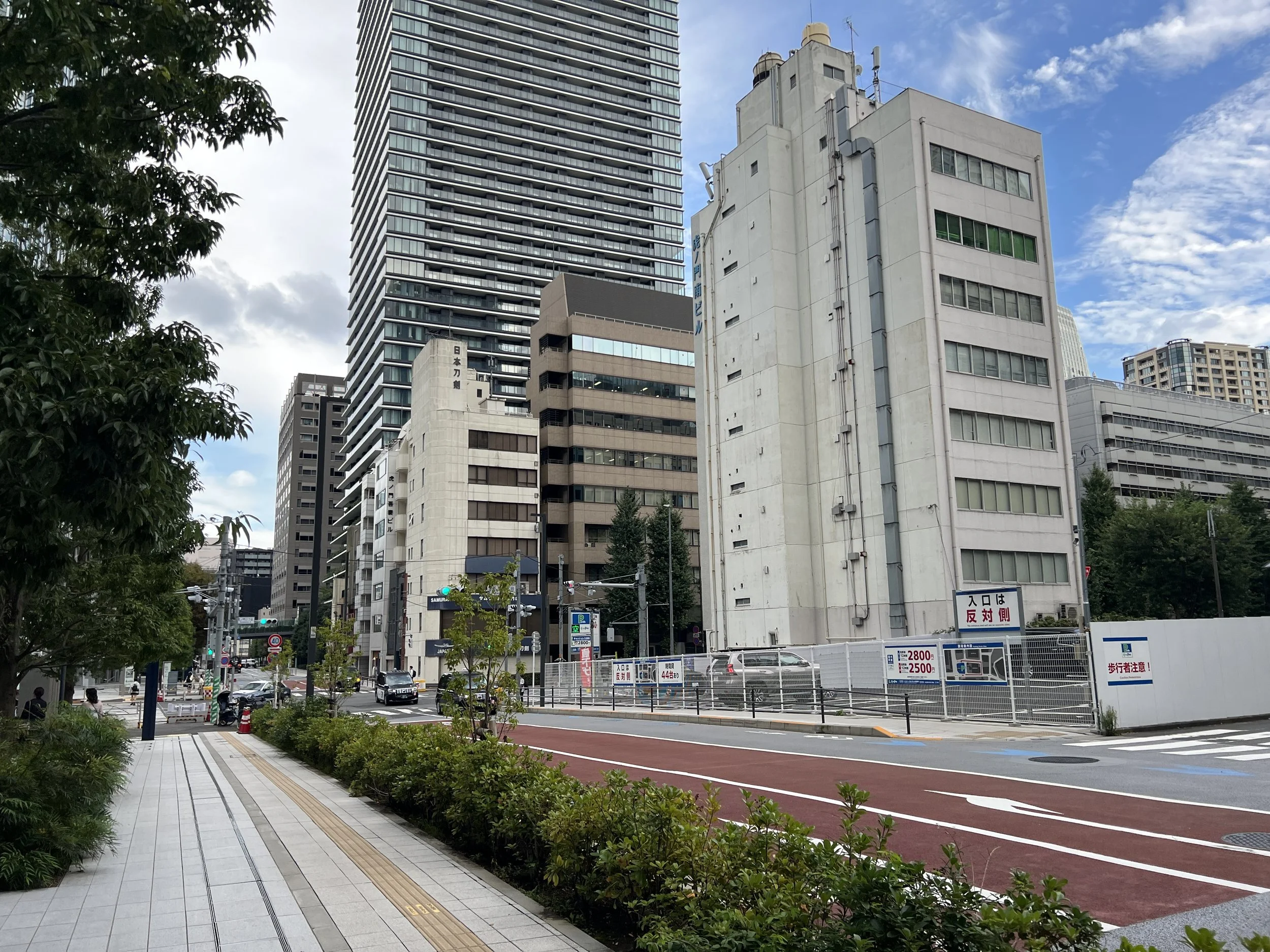
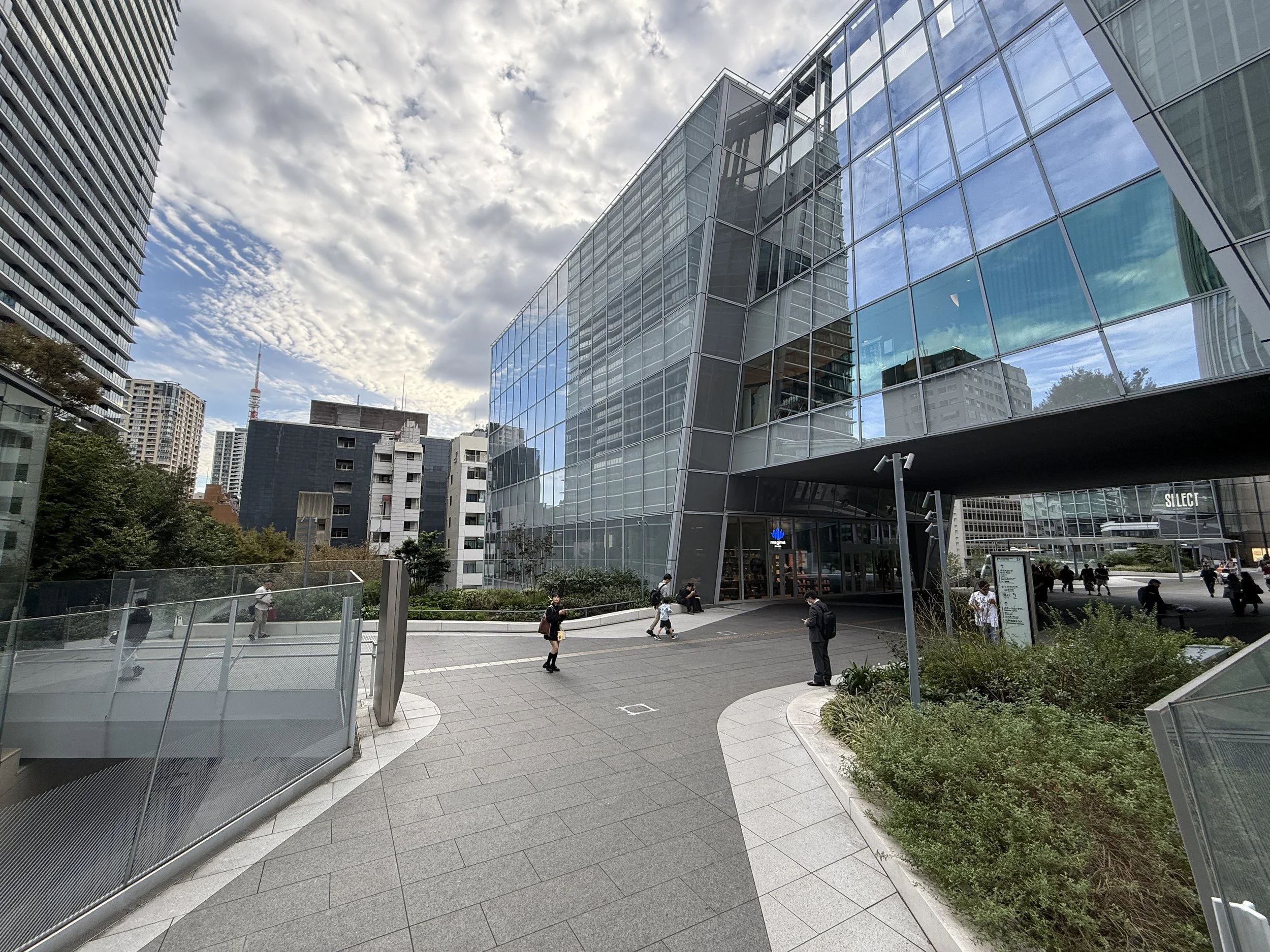
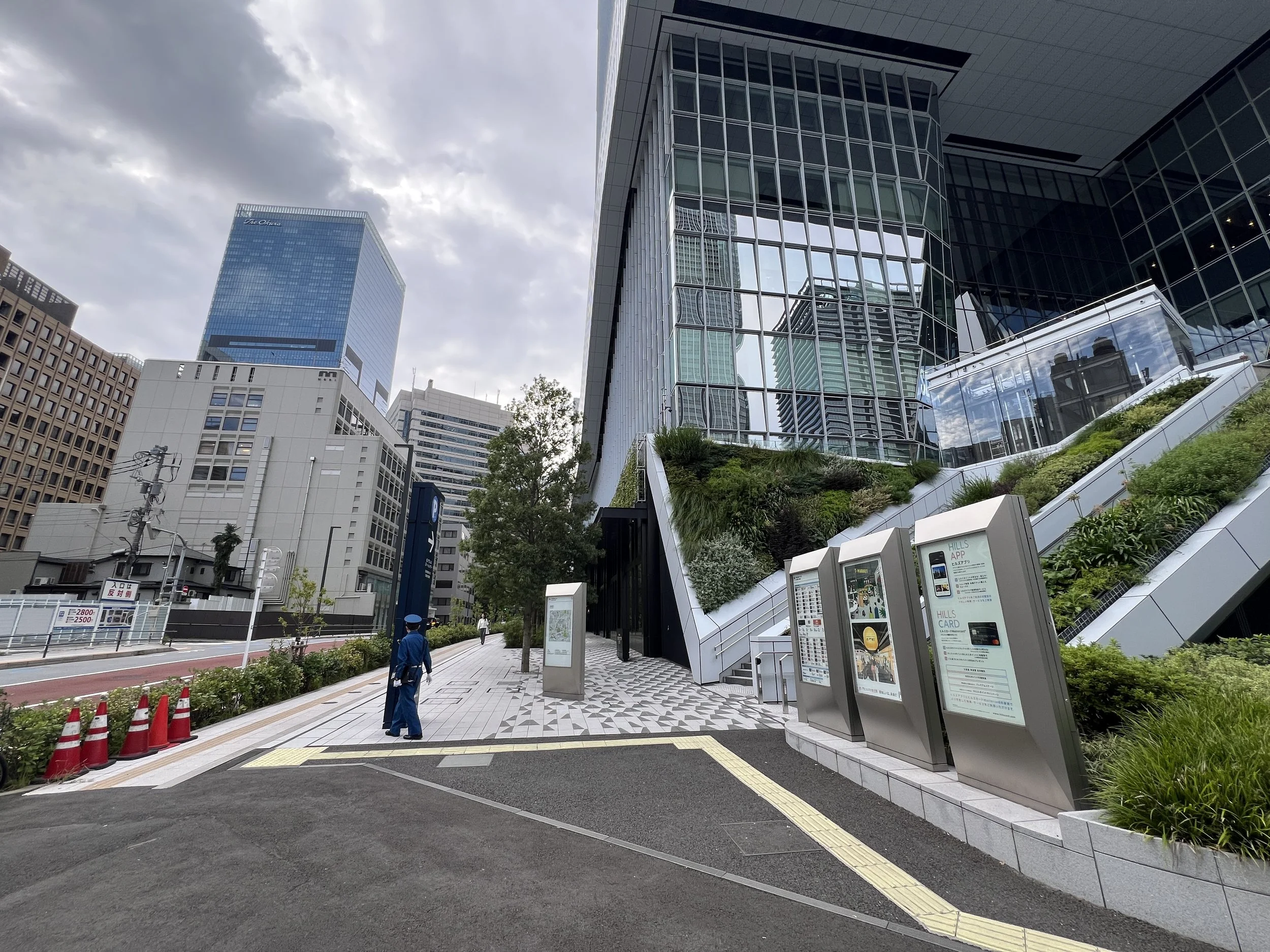
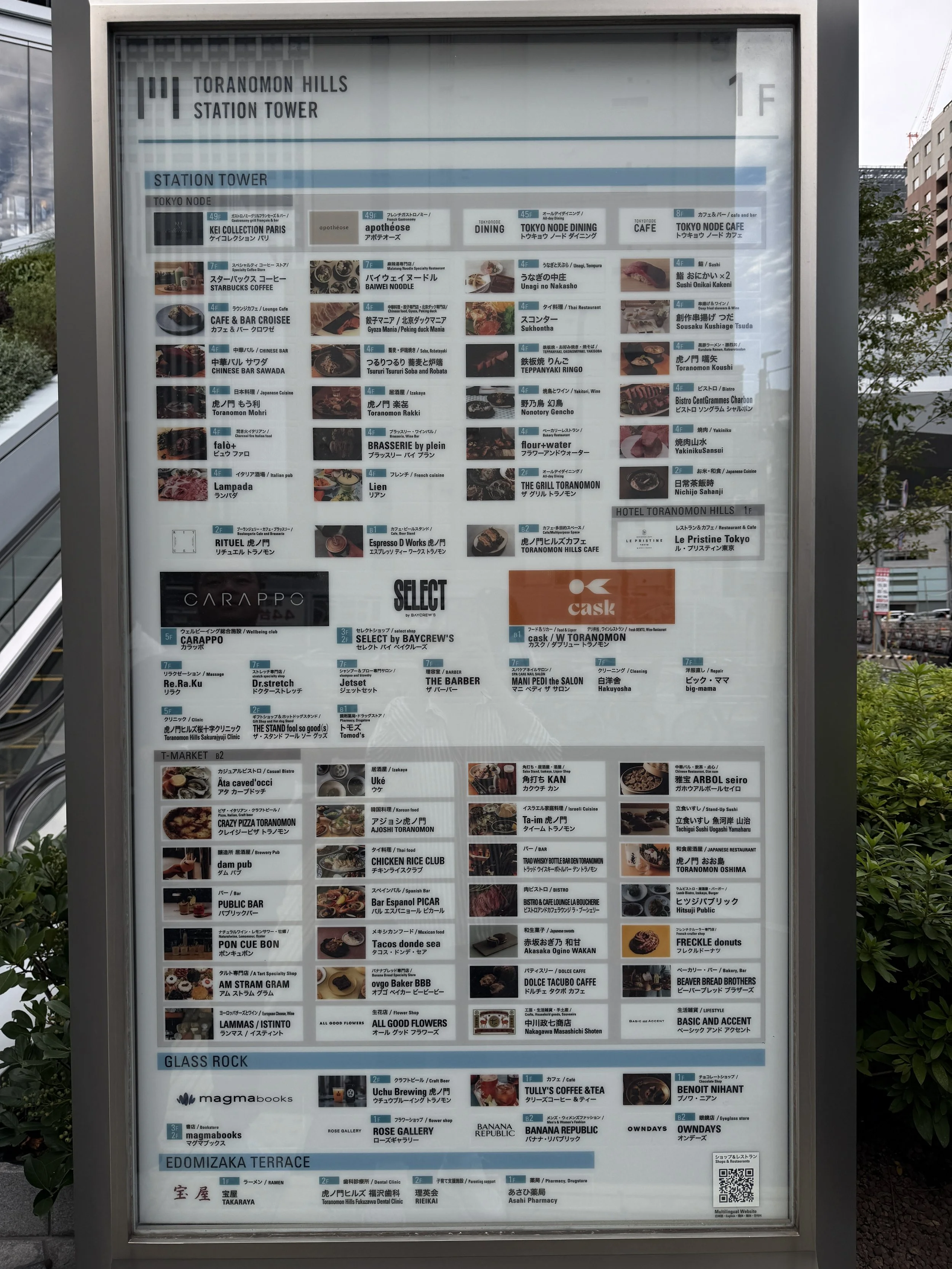
Having a directory of restaurants outside every mall entrance makes dining out a breeze. No more second guessing.
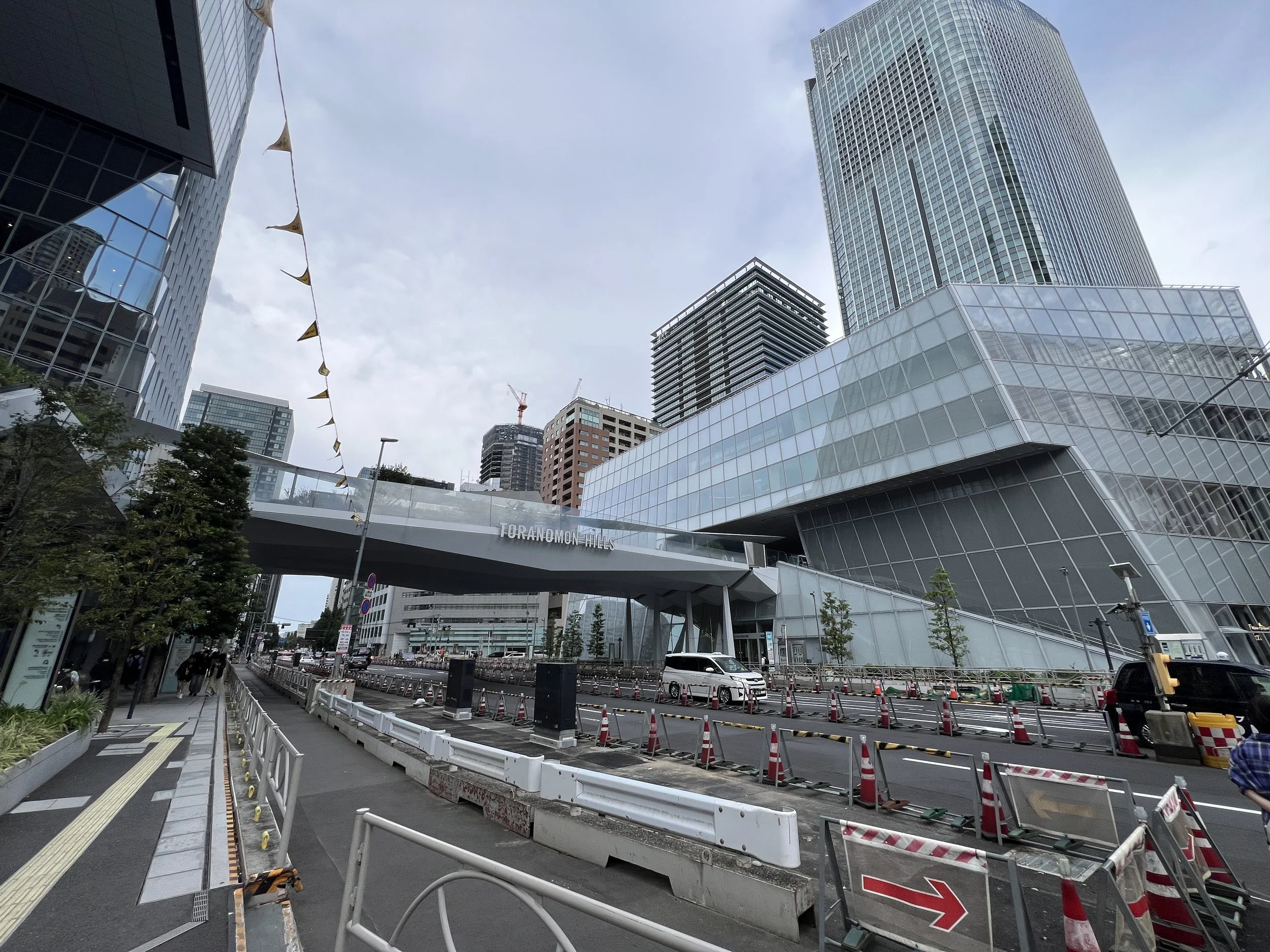
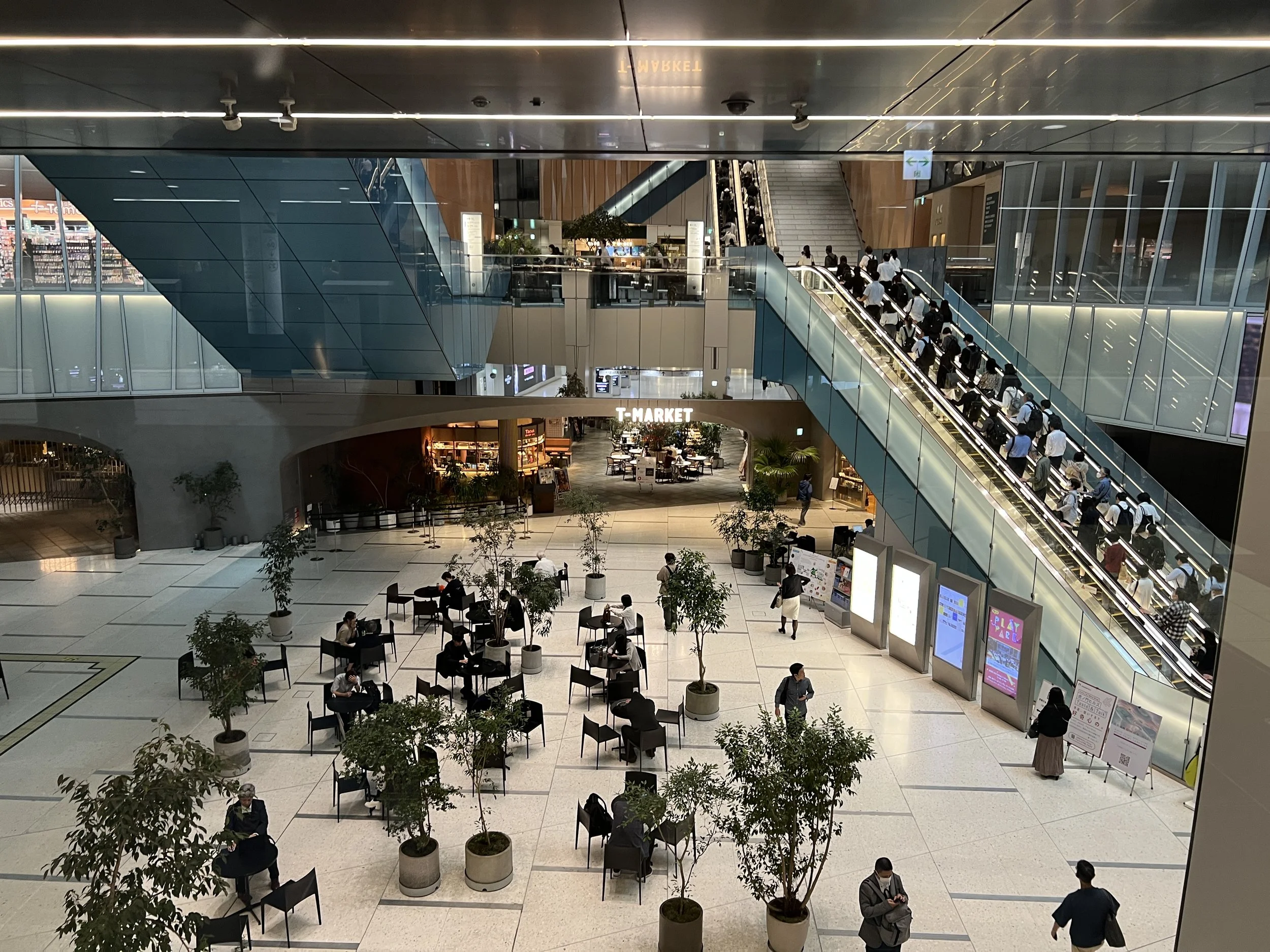
The underground facility of our hotel building that connects to the train station
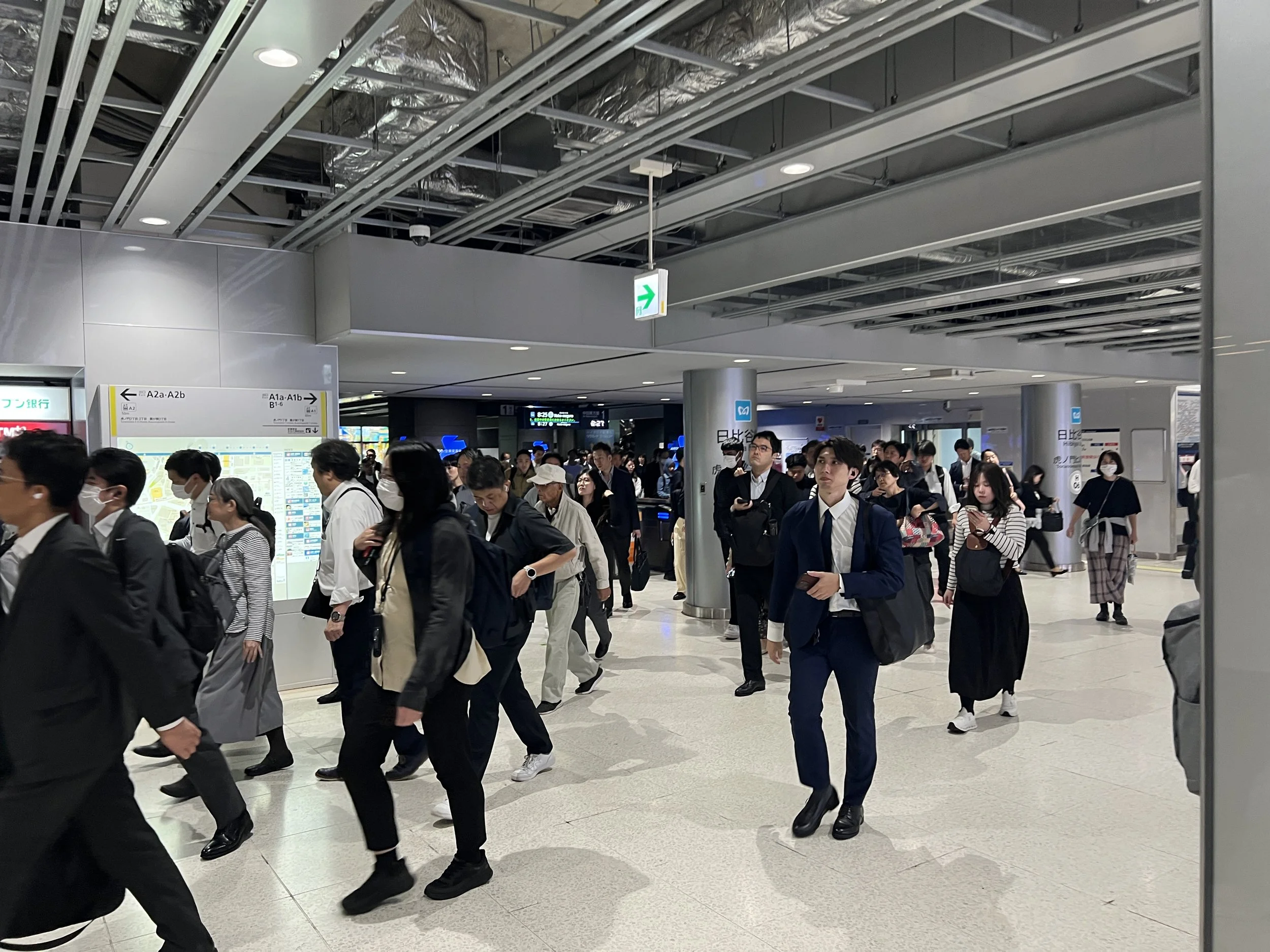
Allow for the traffic to pass first, they can’t afford to be late to work.
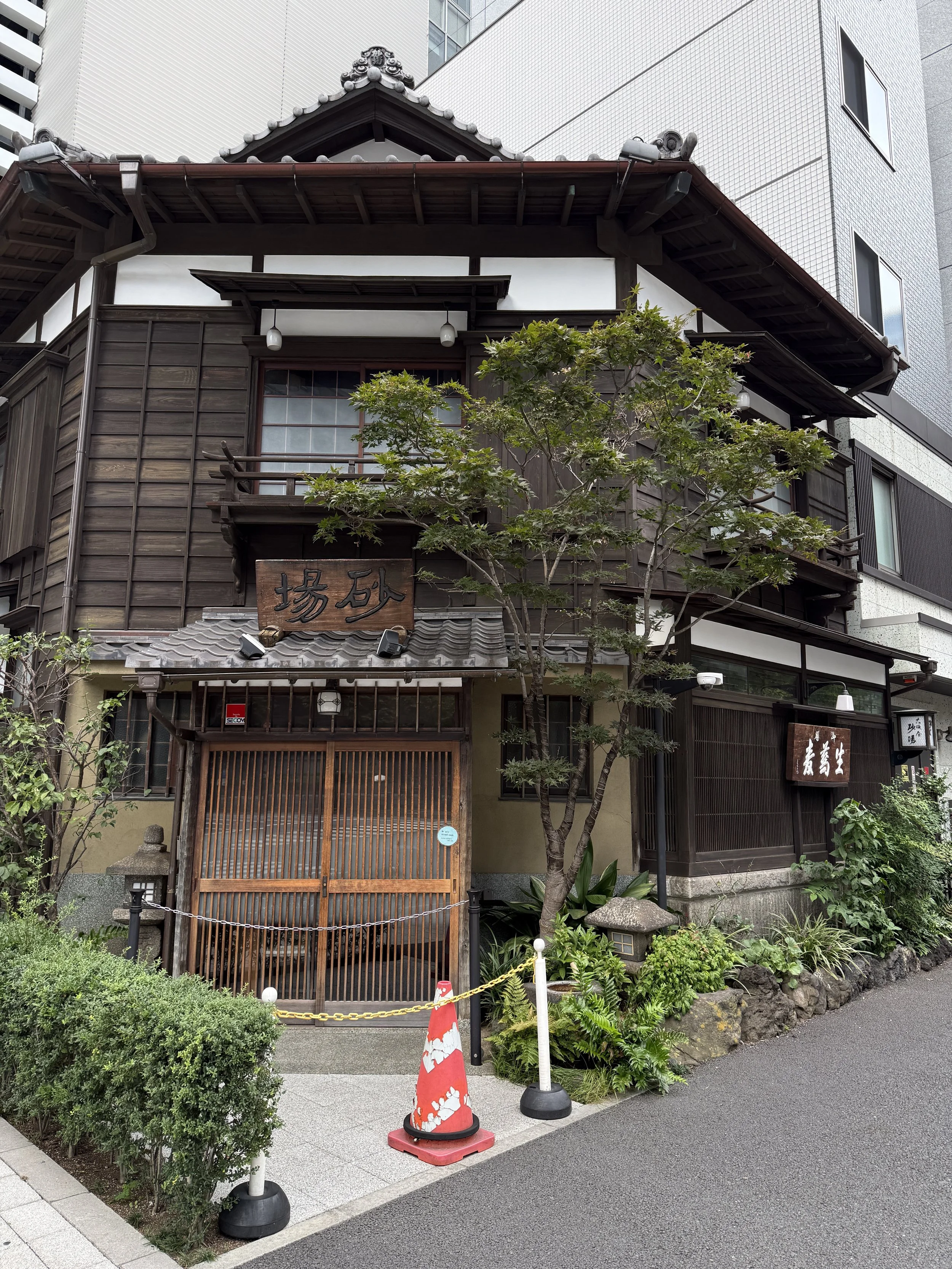
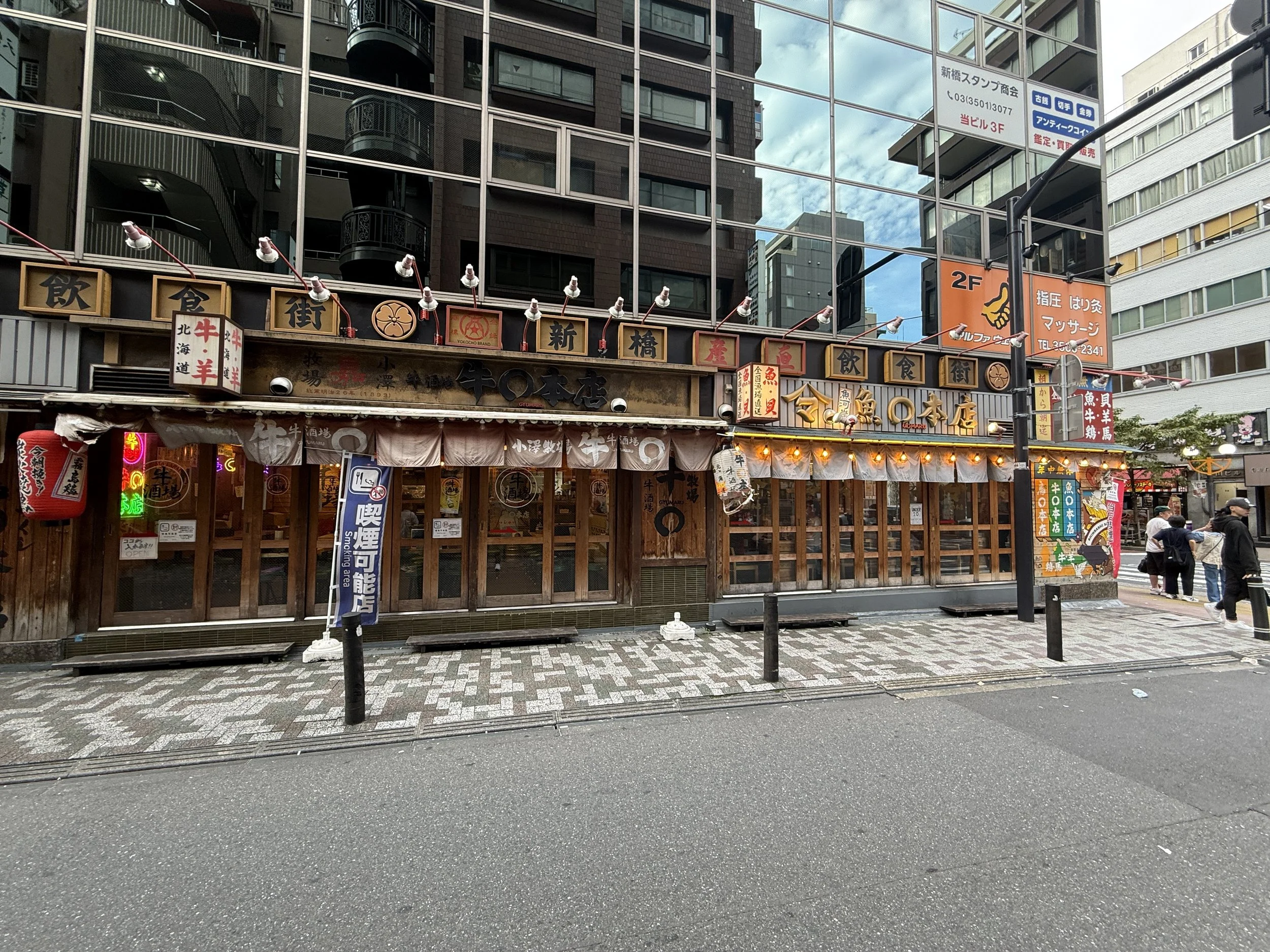
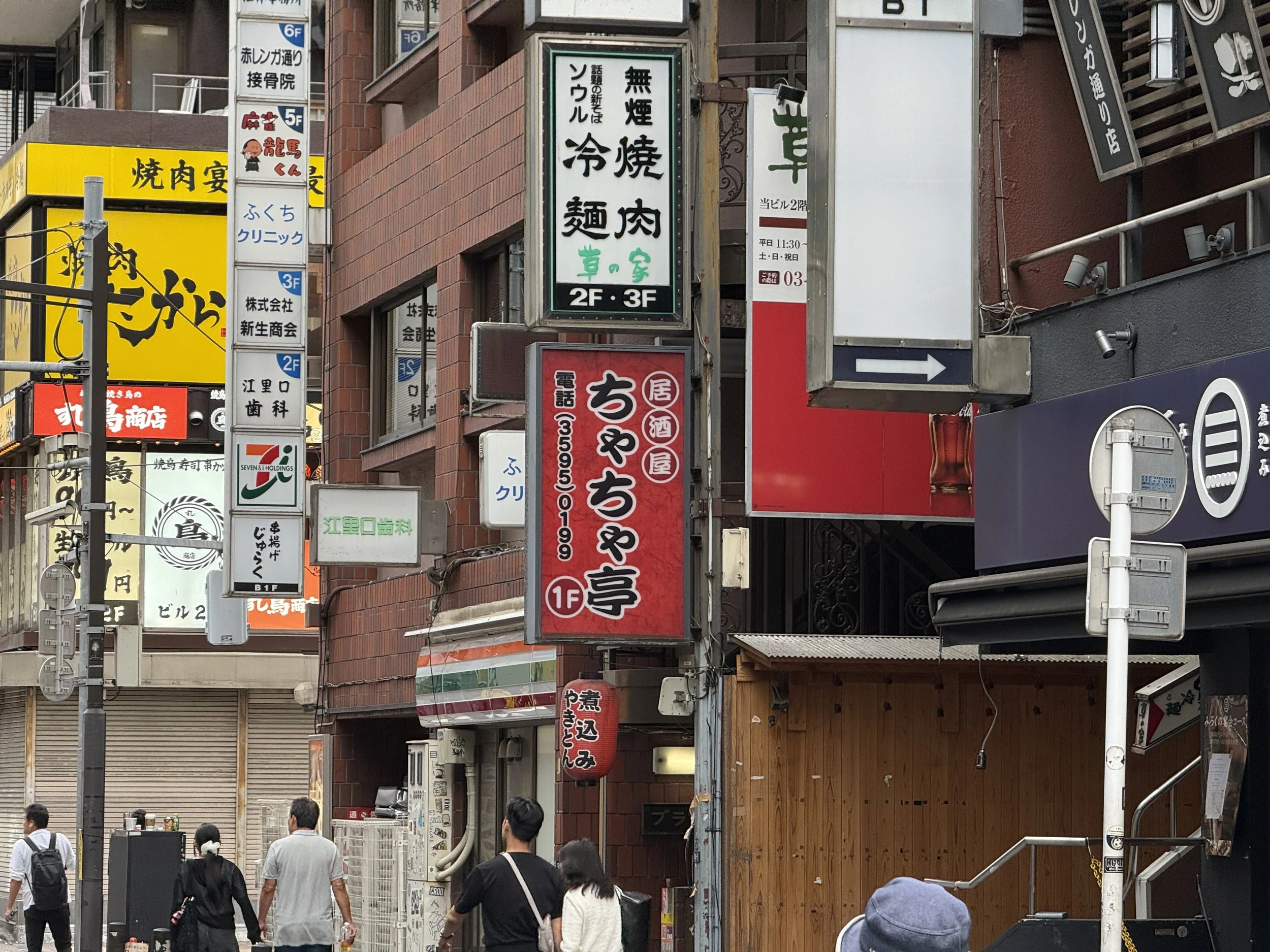
In contrast, after a ten-minute walk, you’ll eventually see the “traditional” facade of Japanese shops with bamboo designs and lively store banners painted with chinese characters. It felt like I was in a Japanese TV show, living somebody else’s life.
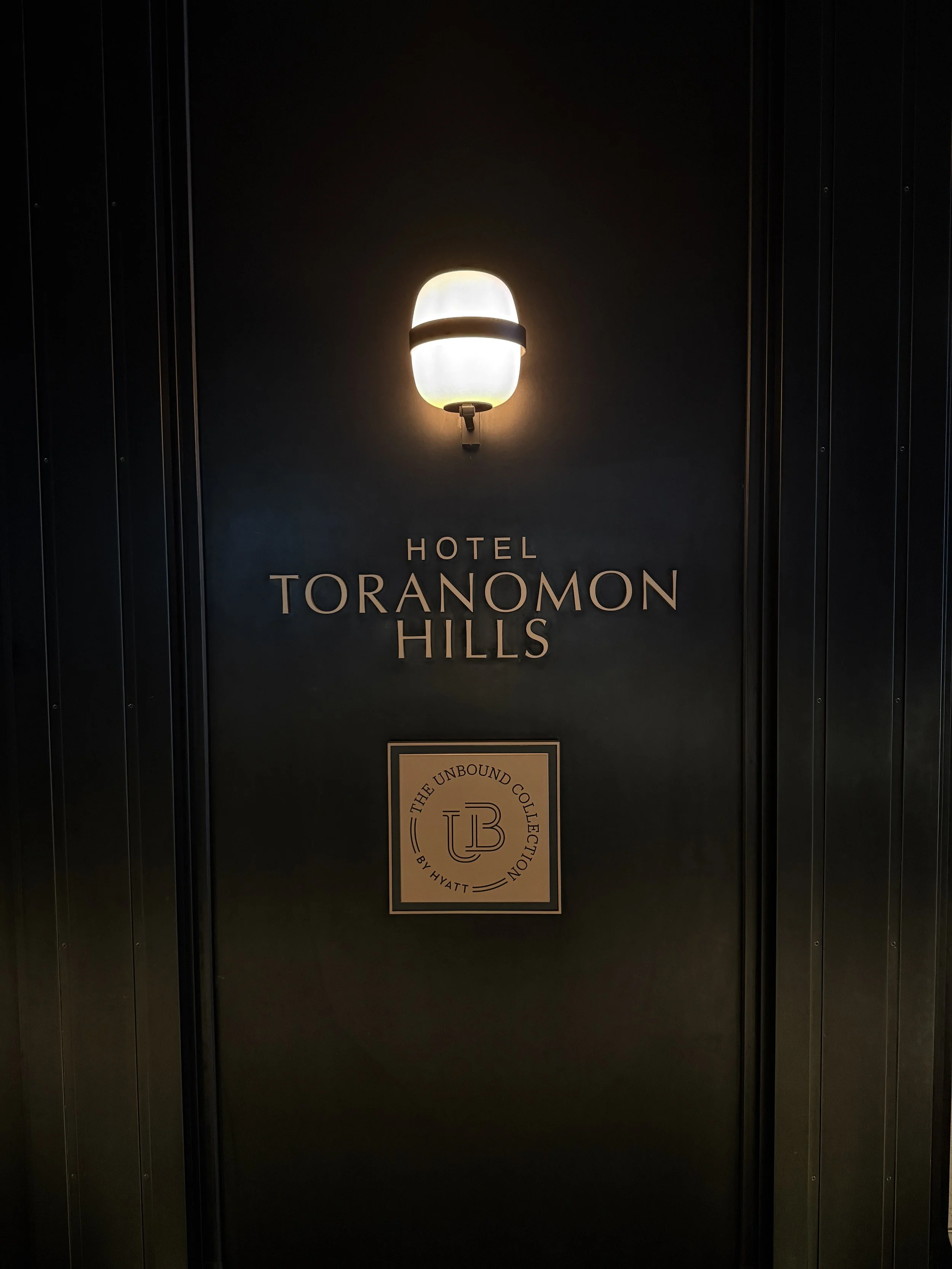
Hotel Toranomon Hills is a contemporary establishment that sits on top of a subway station, making hopping in and out of the train convenient.
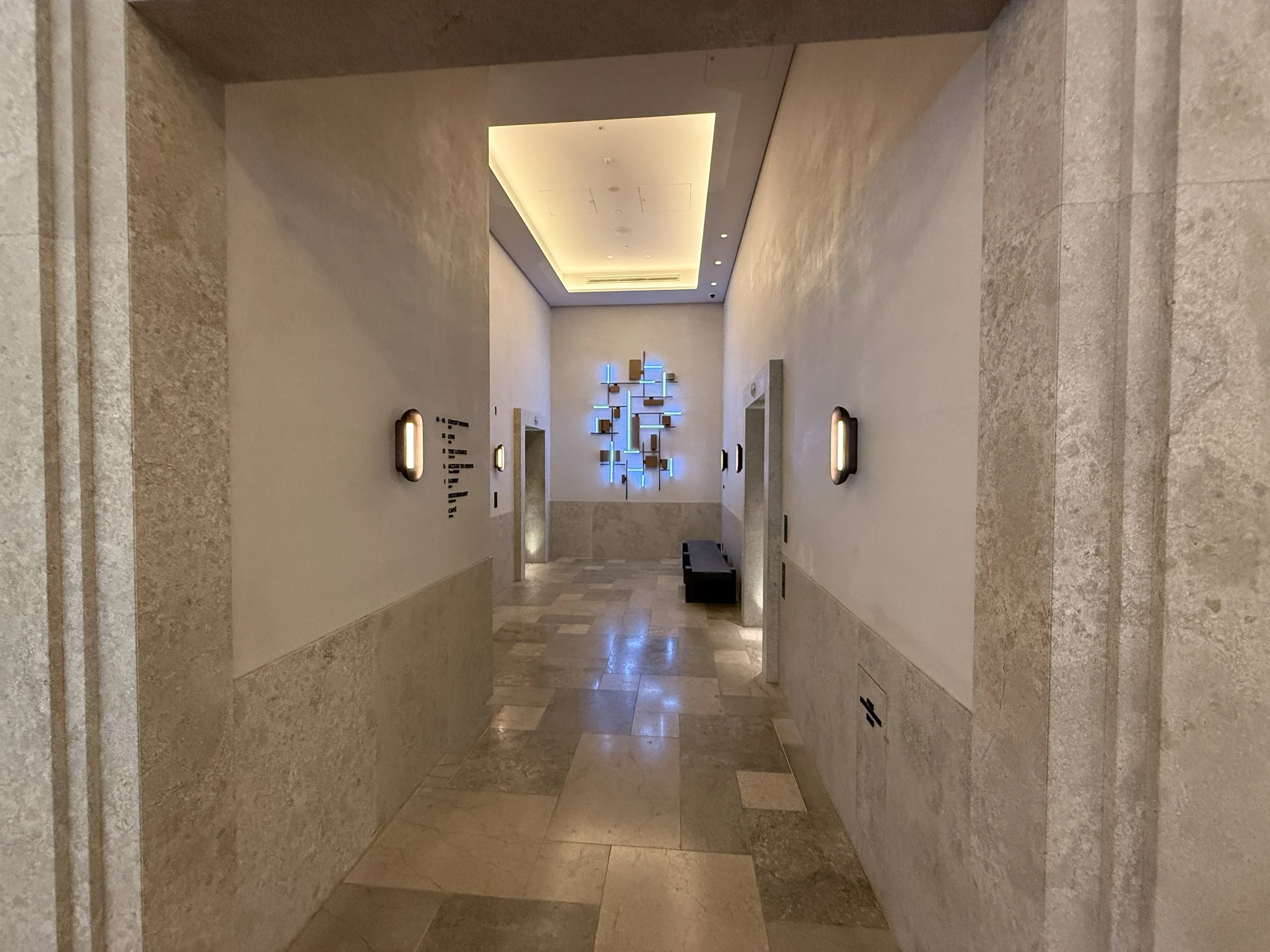
Hotel staff is very accommodating and respectful while the facilities and design are reflective of modern influence with a touch of Japanese aesthetic. The breakfast program—superb and of high quality, thanks to a dedicated team of chefs behind the show kitchen, I can eat at the property three meals a day. Our room was spacious (for Japanese standards) and the view from the window was worth a million dollars—couldn’t have asked for more!
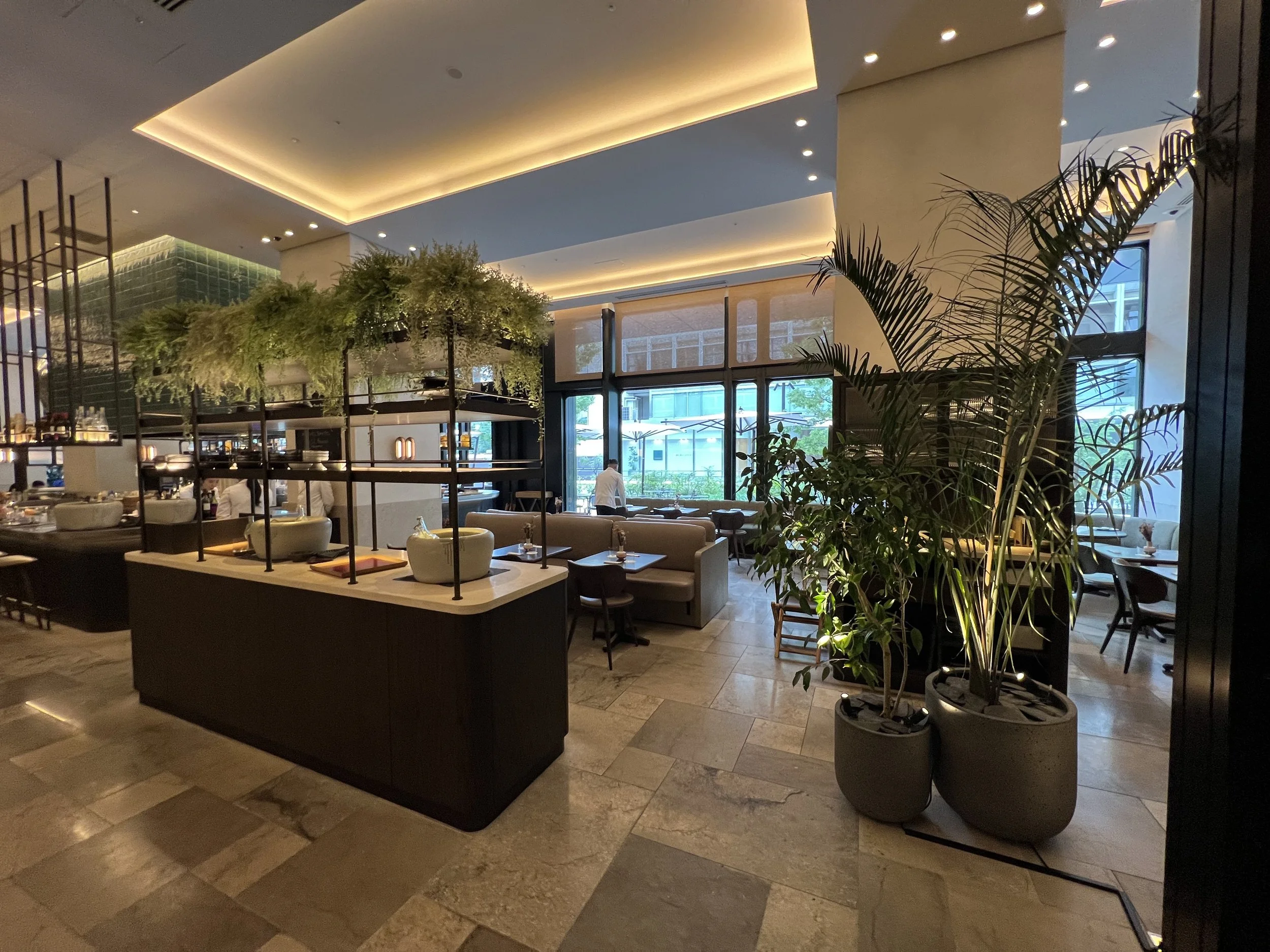
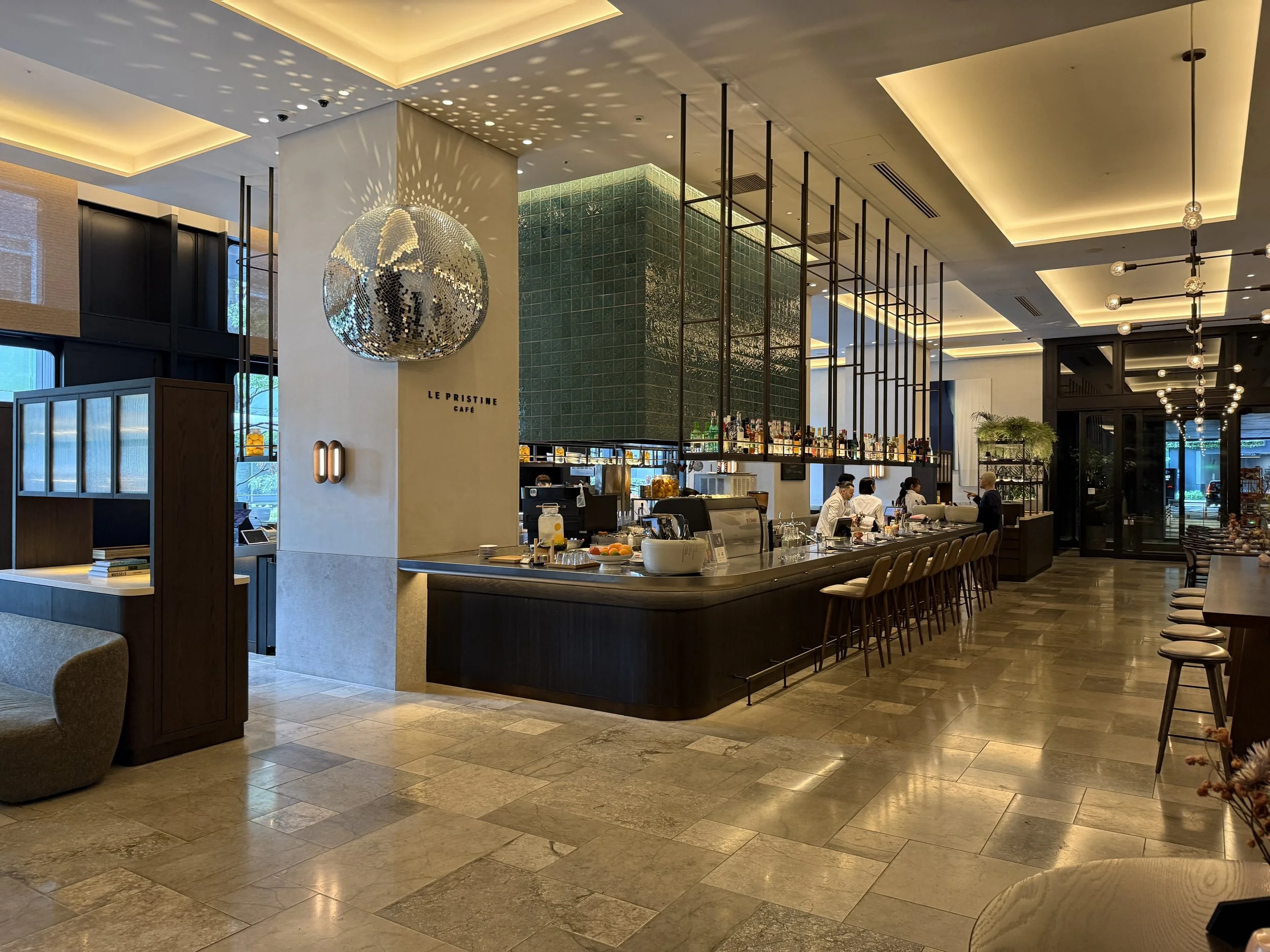
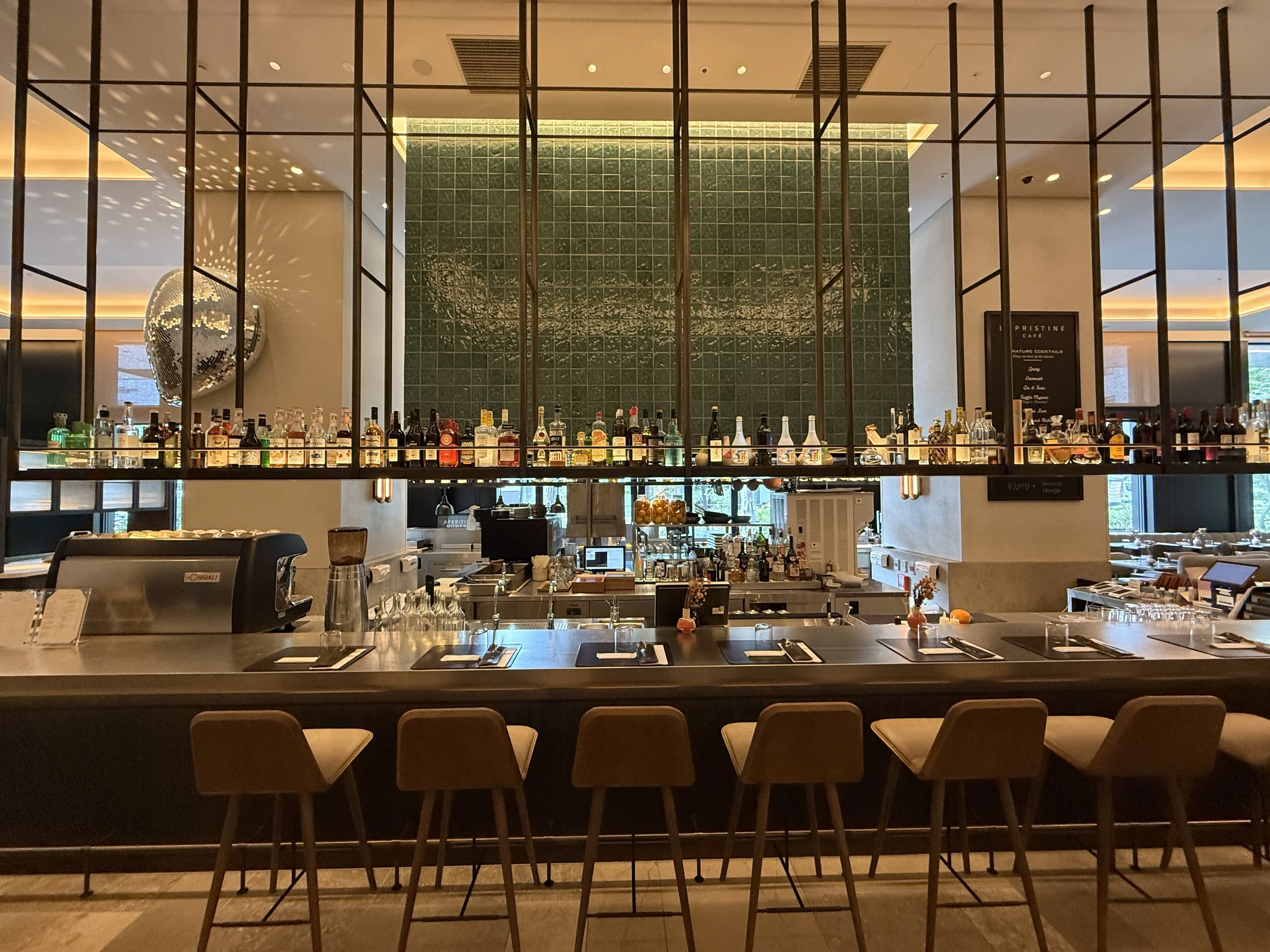
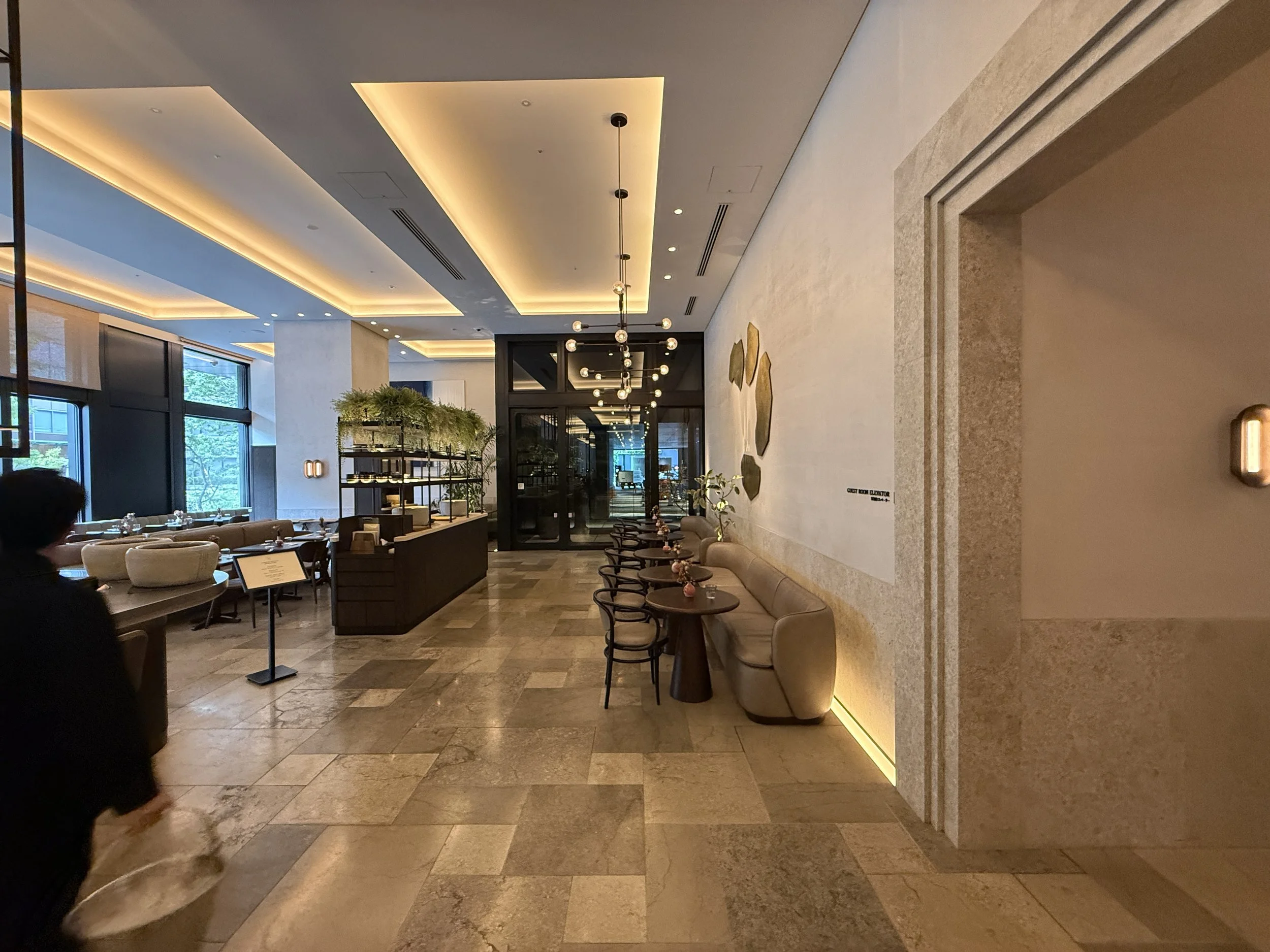
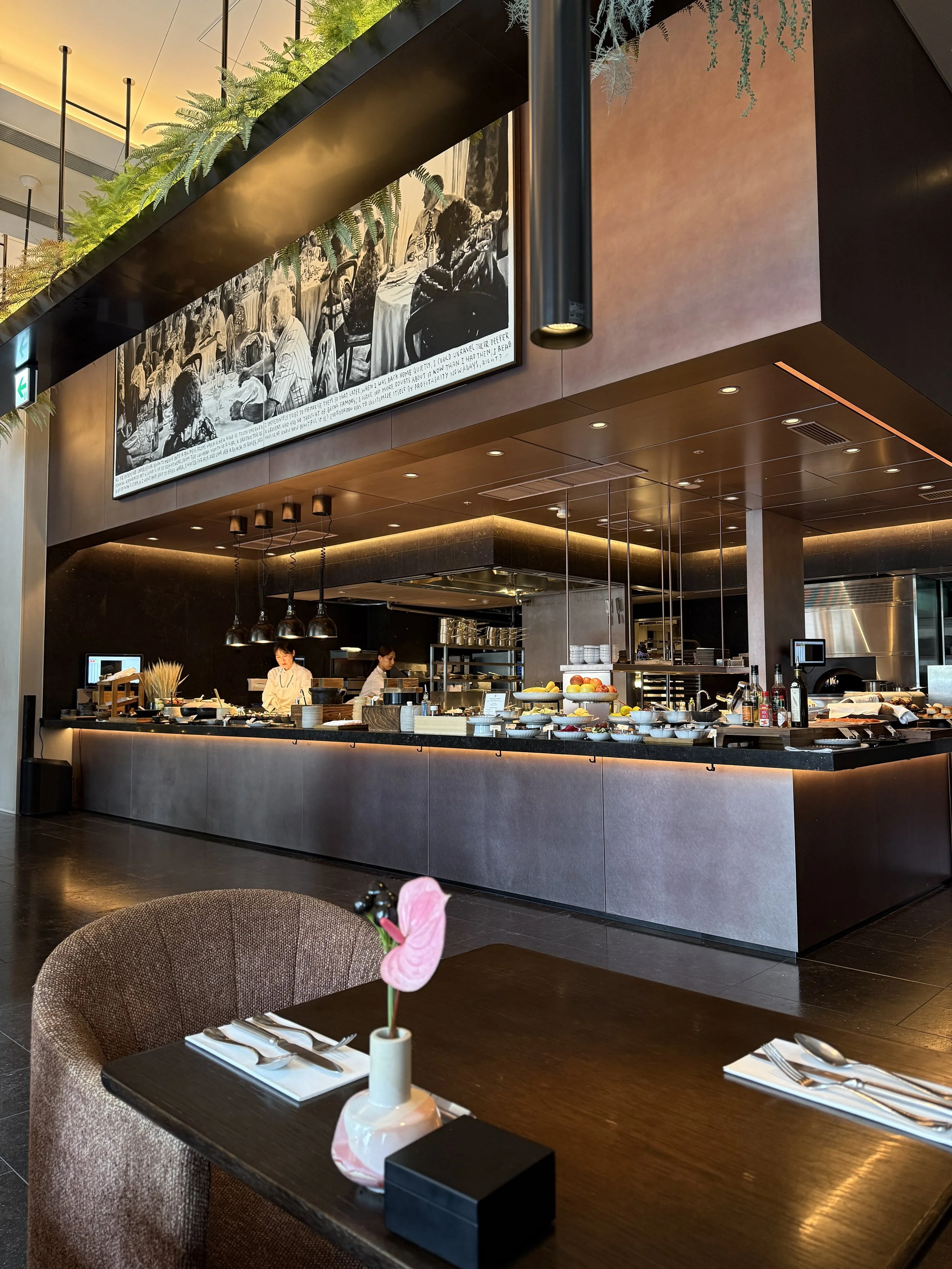
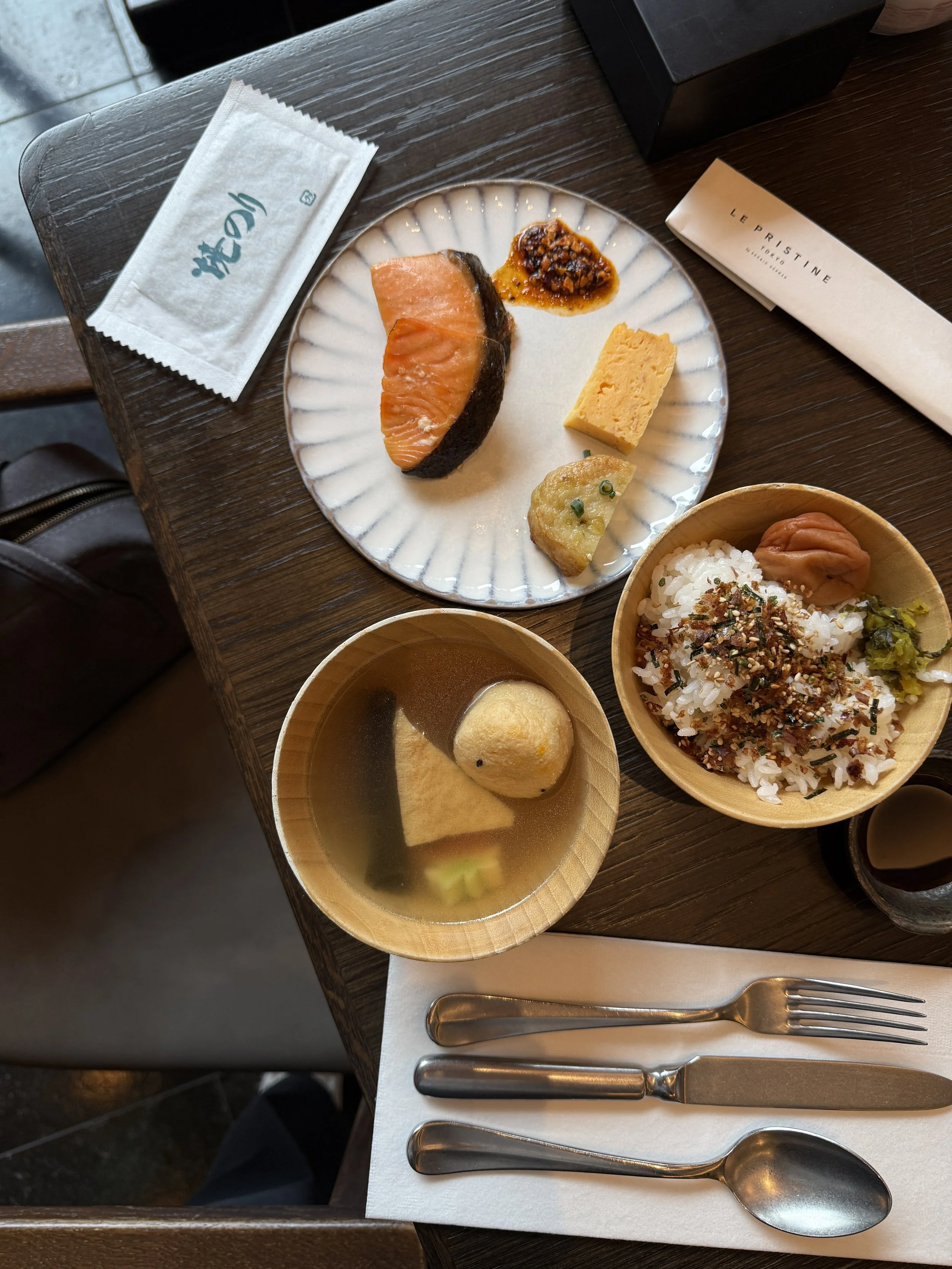
The breakfast program for asians
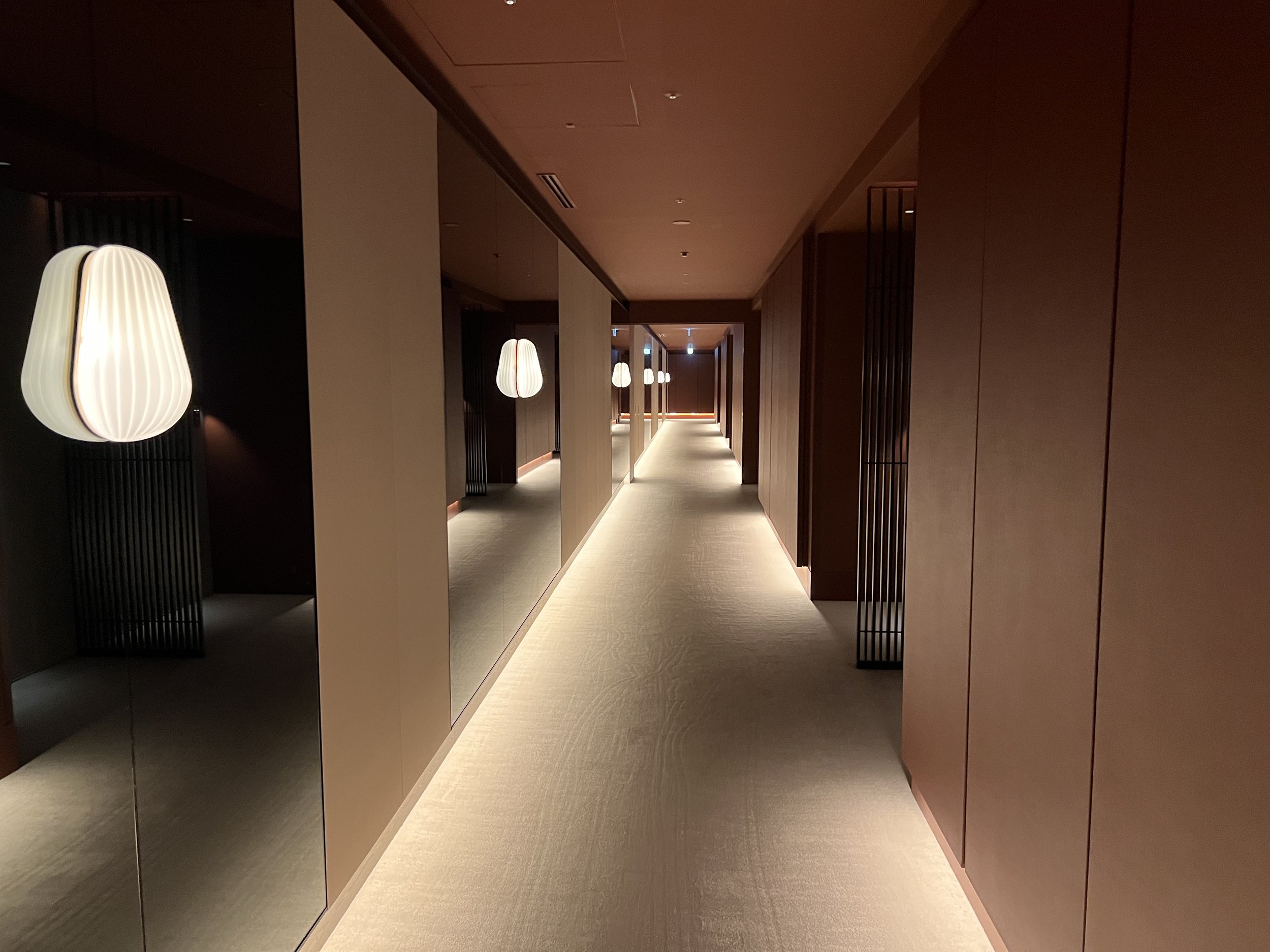
Very chic corridor that leads you to the hotel room. Complete zen vibes.
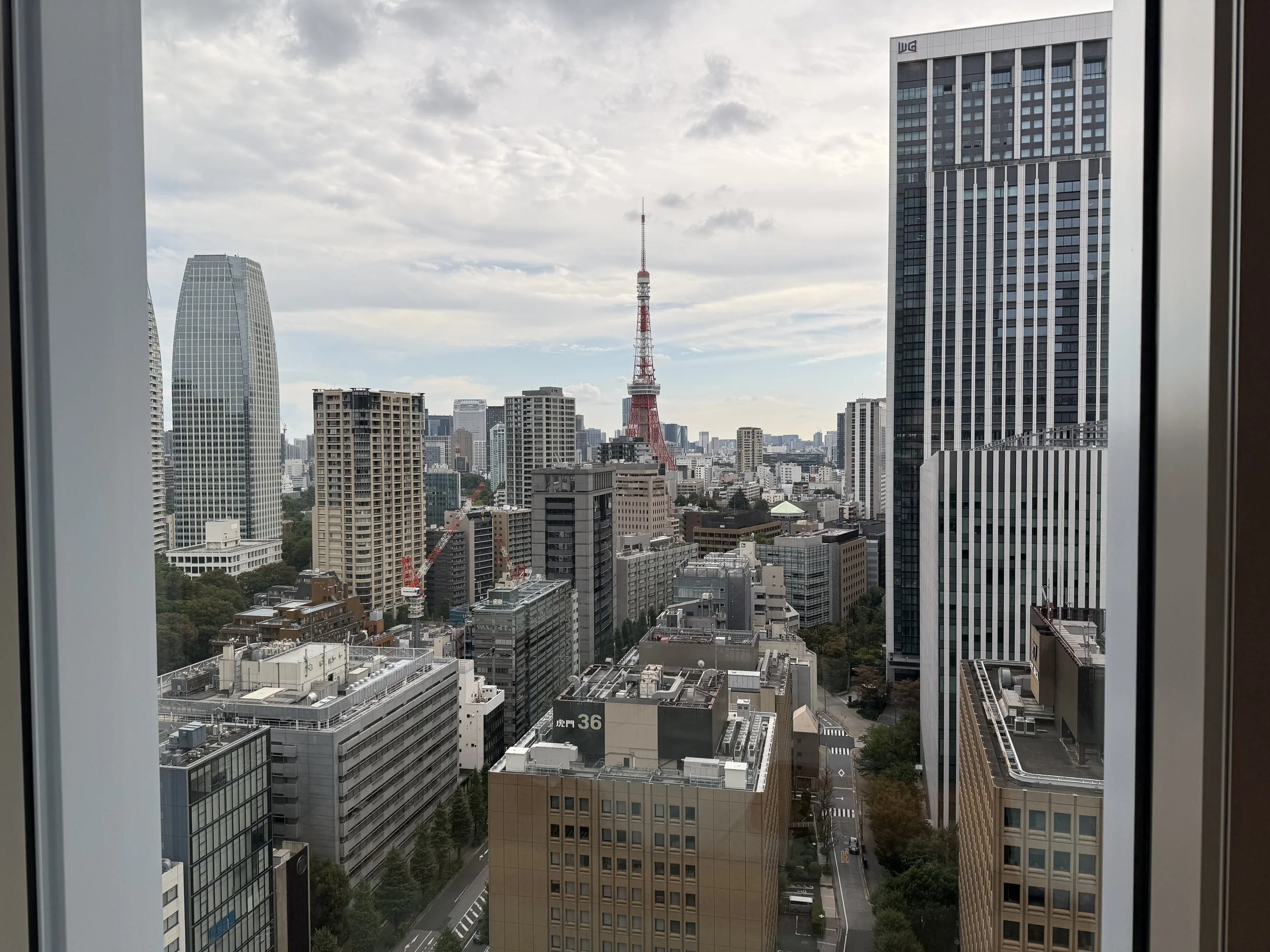
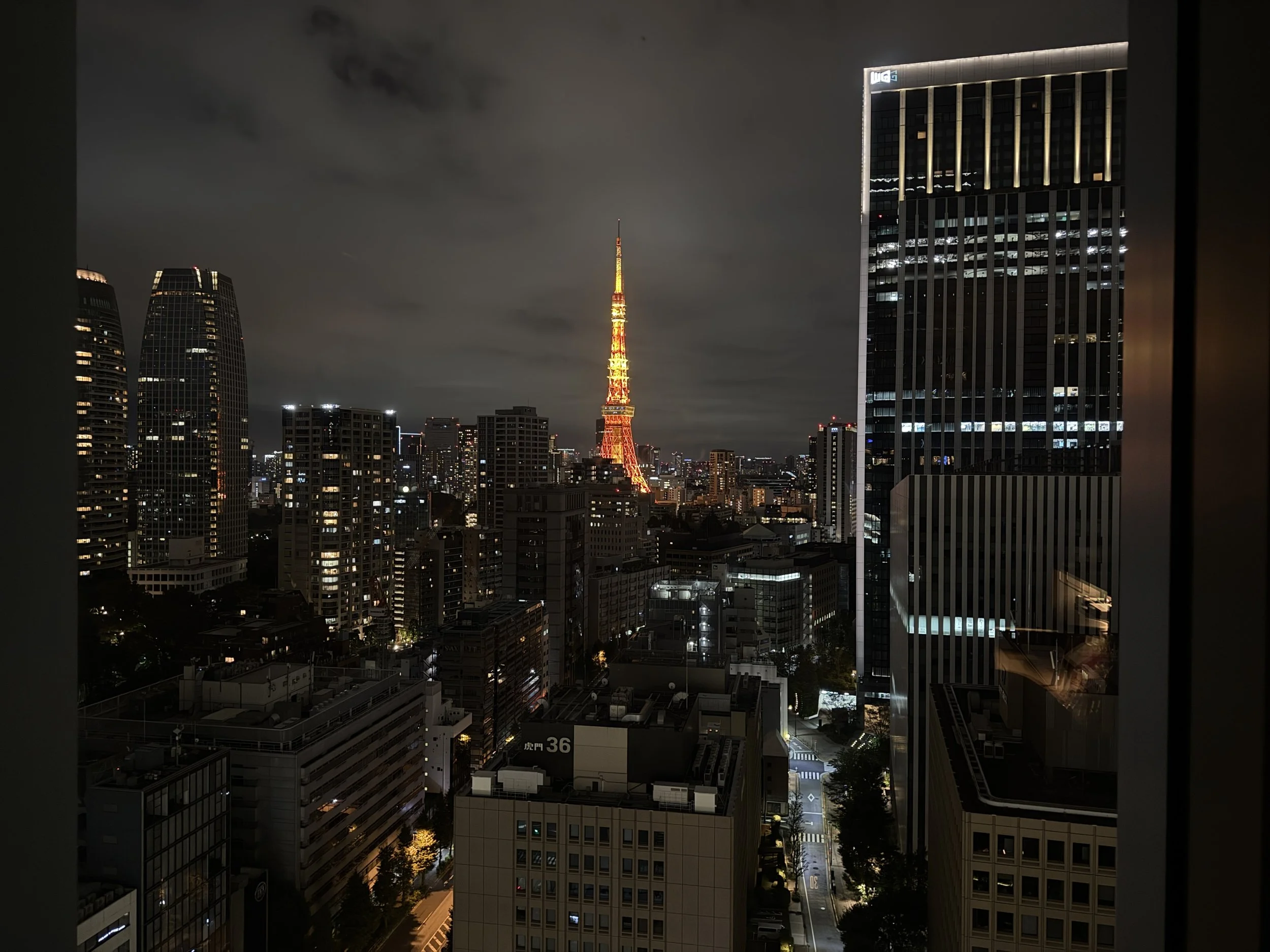
The view from the room, with the Tokyo Tower as the focal point
The Tokyo Tower is Japan’s living reminder of the country’s post World War rebirth, symbolizing resilience, development and modernization. Originally a radio tower to unify all television and broadcasting reception, it was modeled after the Eiffel Tower, showcasing Japan’s structural capabilities of transitioning from a war-torn country into an emerging superpower in just thirteen years.
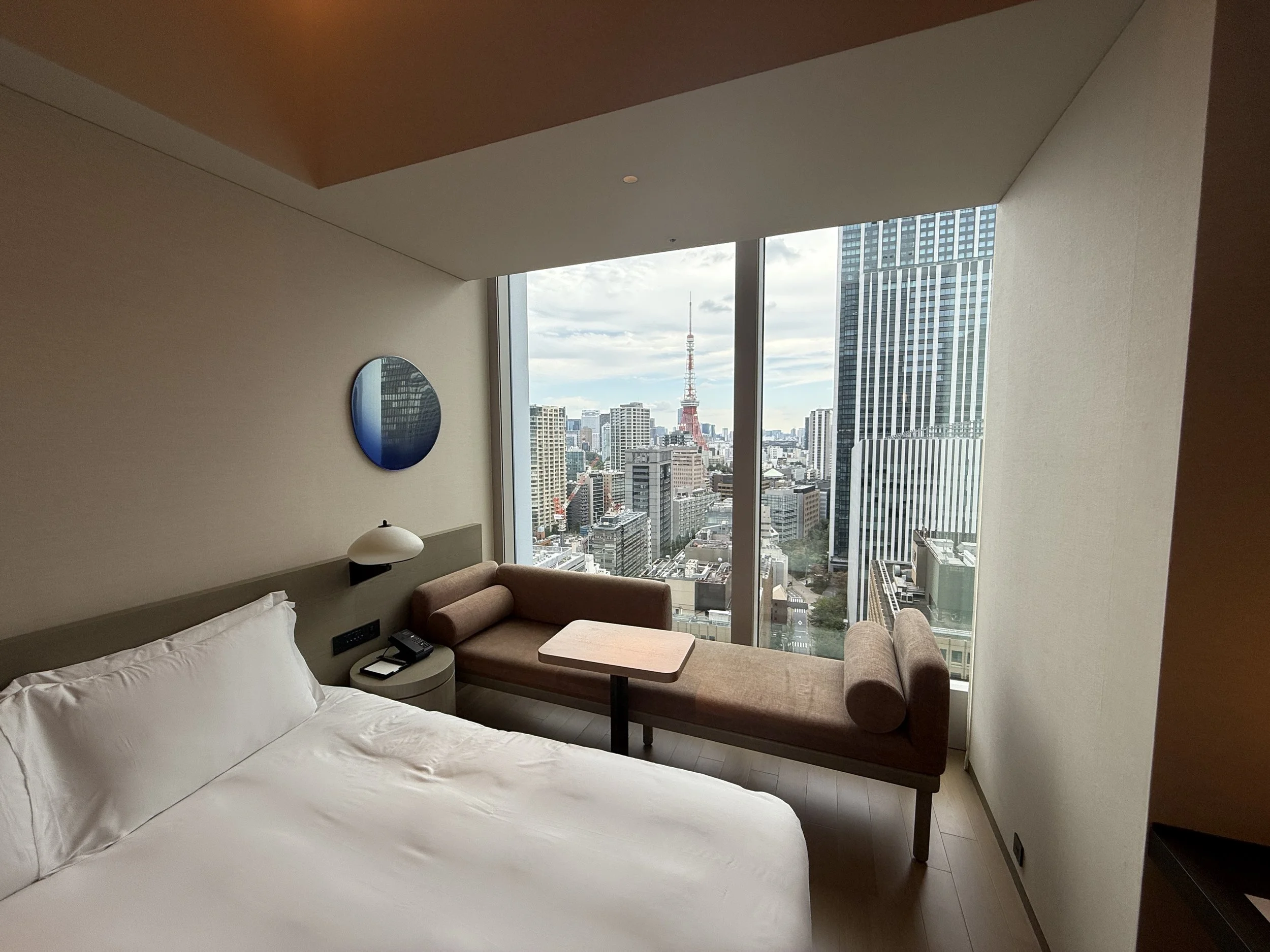
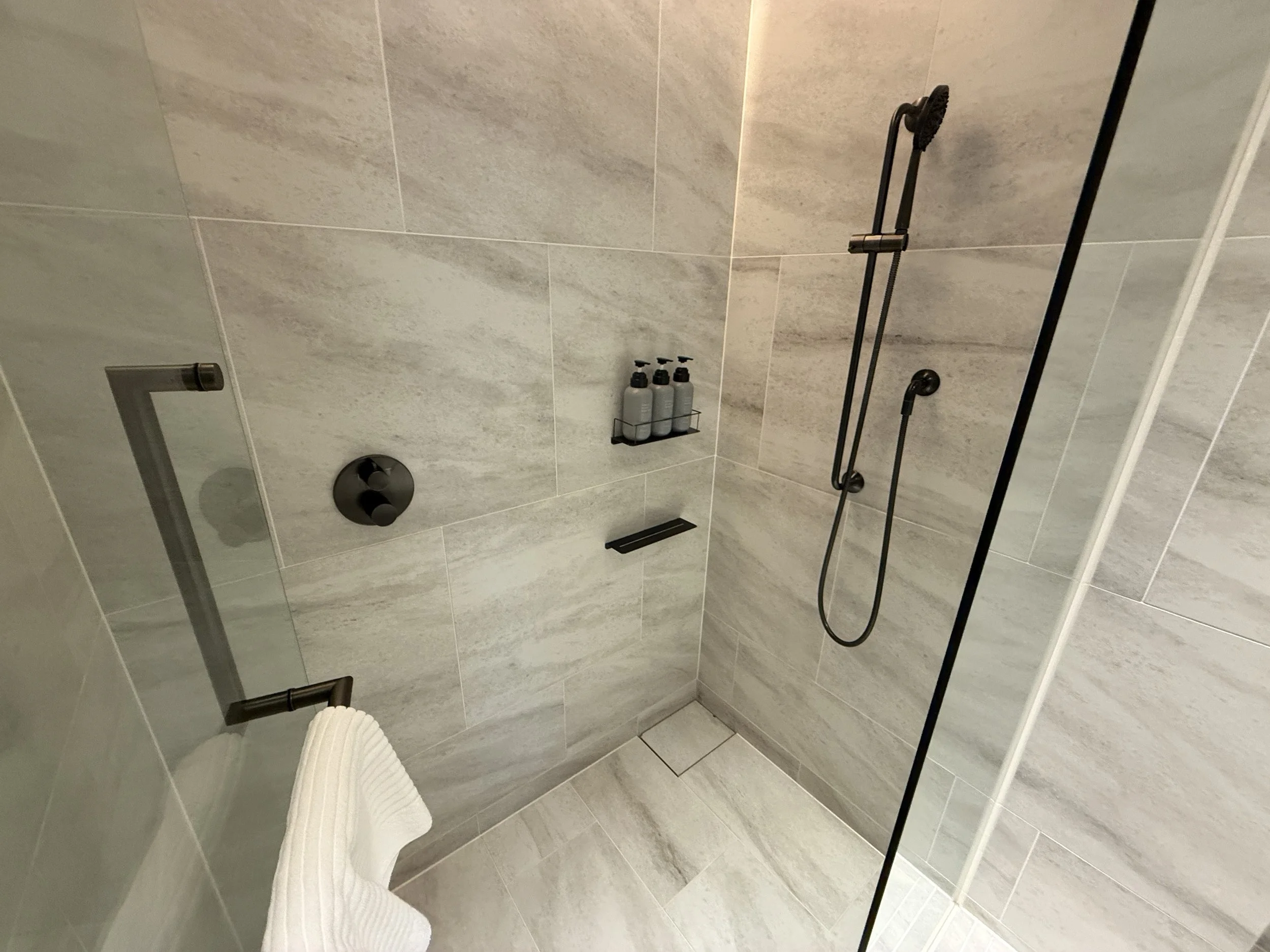
From the photos below, you can see how curated our hotel is. I just appreciate how Japanese people make things with sense and calming aesthetics.
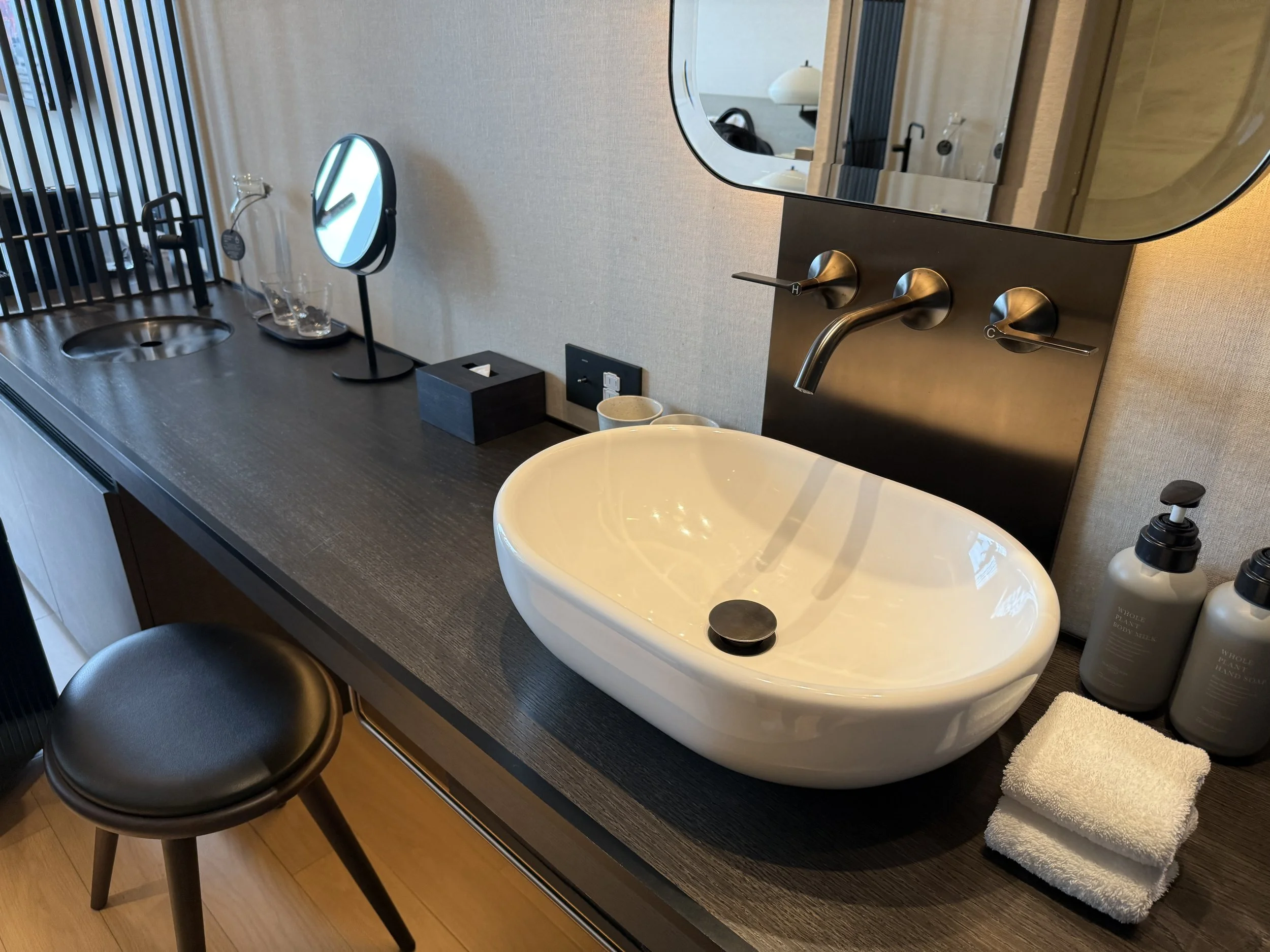
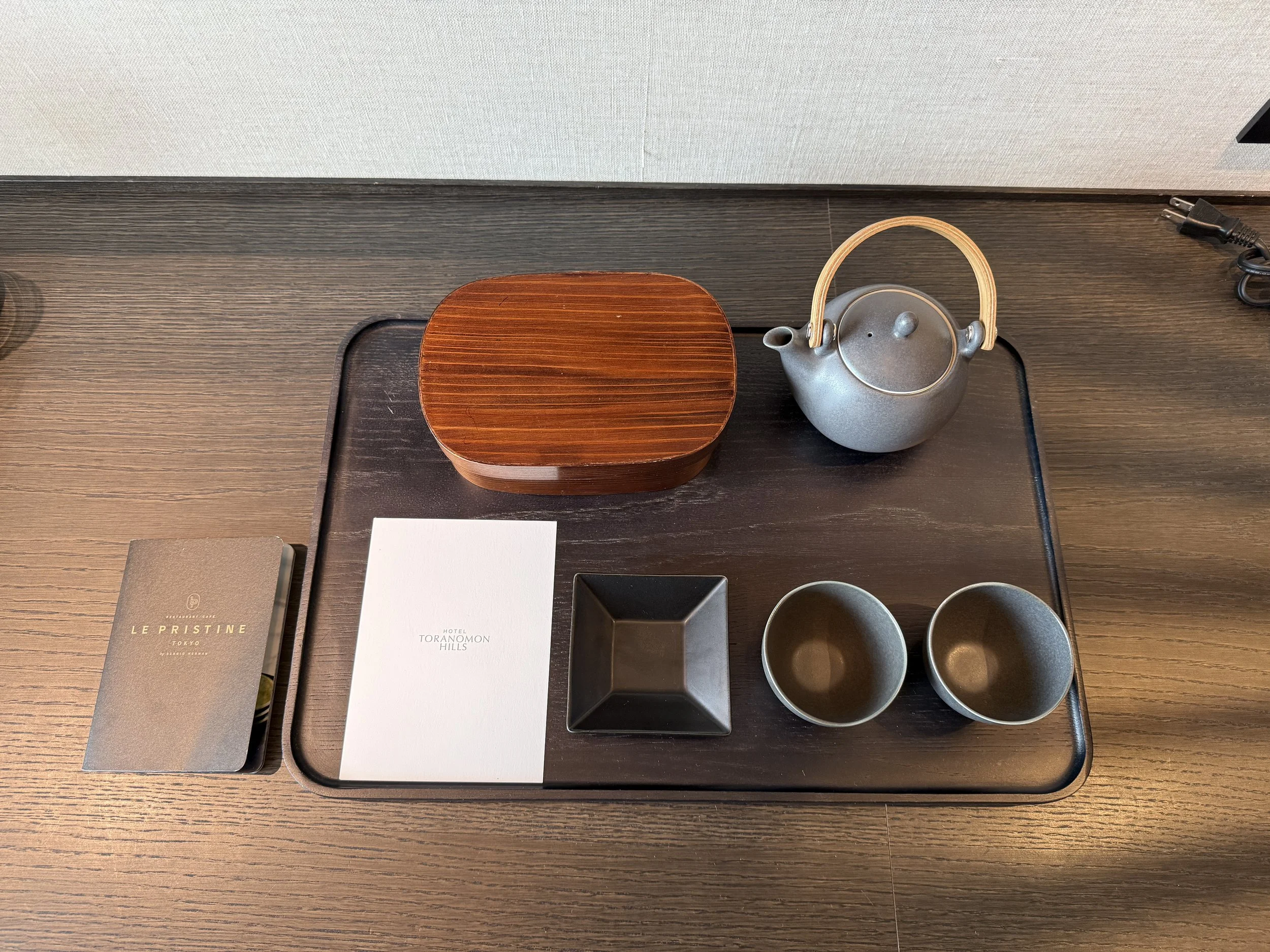
Jarvis, my new best friend.
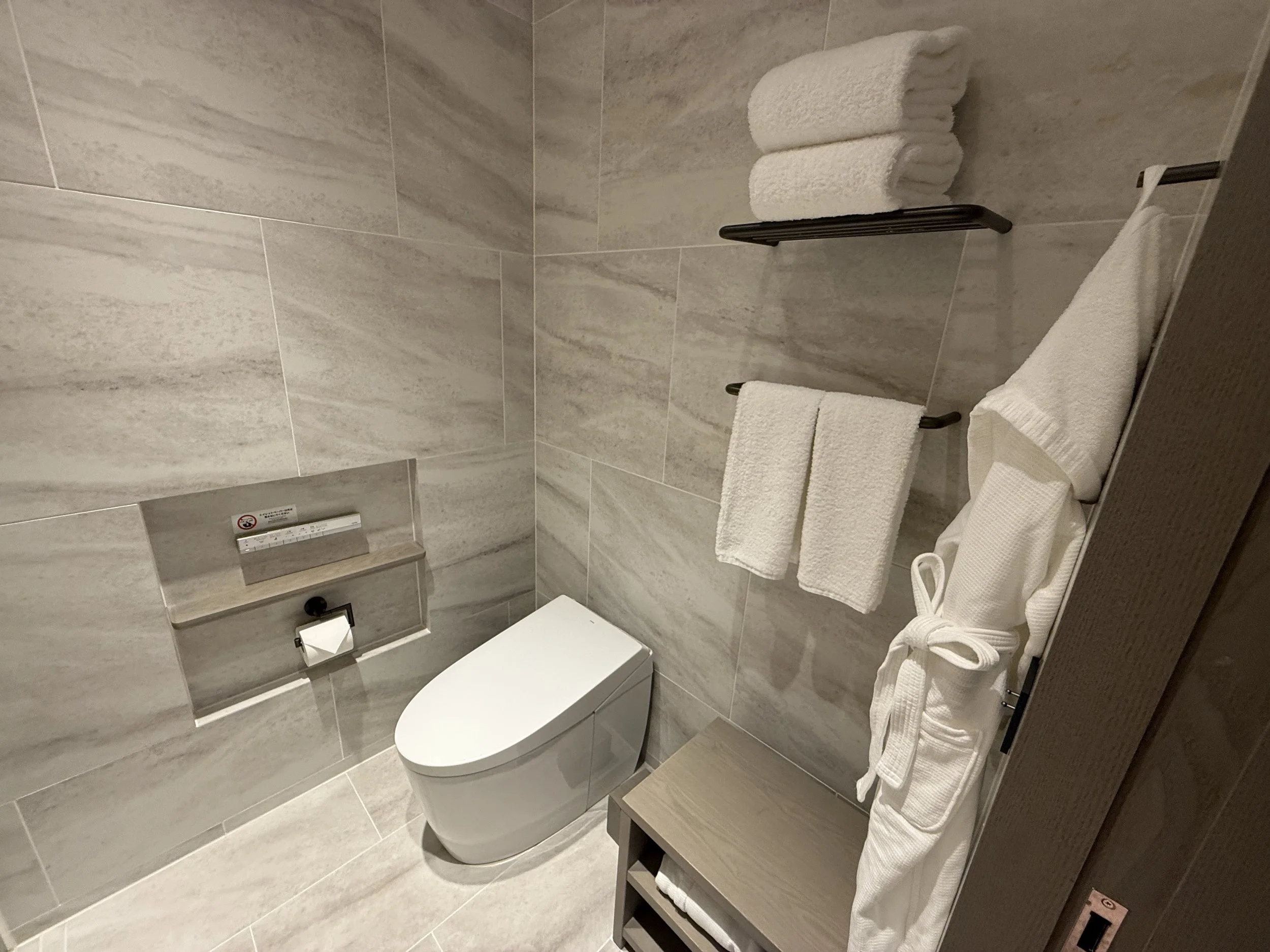
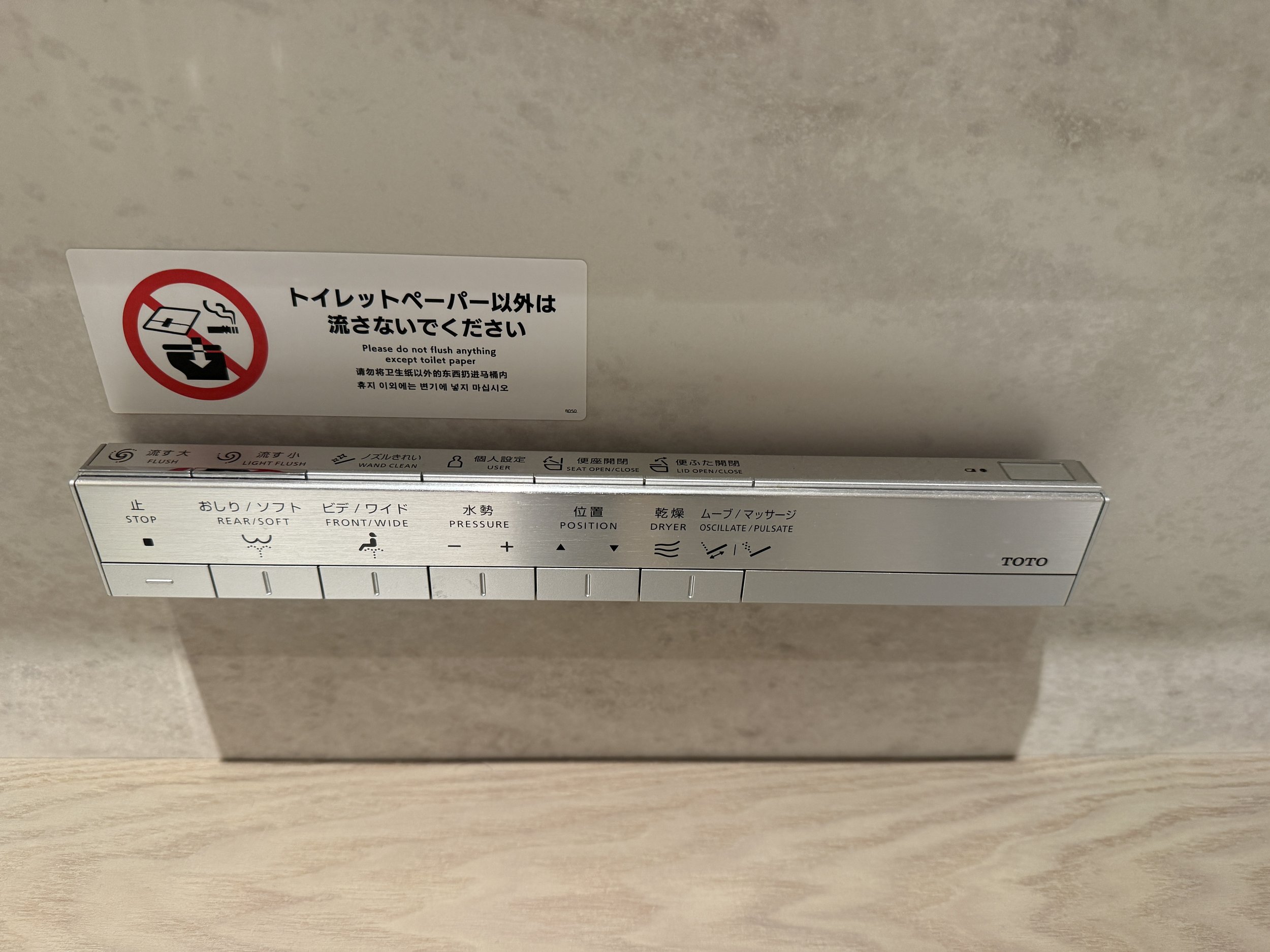
Have you ever experienced waking up in the middle of the night to use the bathroom and get immediately surprised by how cold the toilet seat is? Not in this country.
Japan is famous for their futuristic toilet machines. From heated seats, a built-in bidet and an automatic cover that opens and closes, why won’t the entire world adopt this as the standard? You’ll surely leave feeling clean and refreshed. There surely is an art to enjoy your throne in the morning—it’s like having a personal butler when you have to “go.” This machine has completely changed my life and I don’t see myself going back to a regular one. If my toilet doesn’t have as much buttons as this, then I’m gonna hold it in—probably not a good idea.
Tip: don’t be experimenting too much with the buttons, you might enjoy something that you shouldn’t be… if you catch my drift.
Ginza
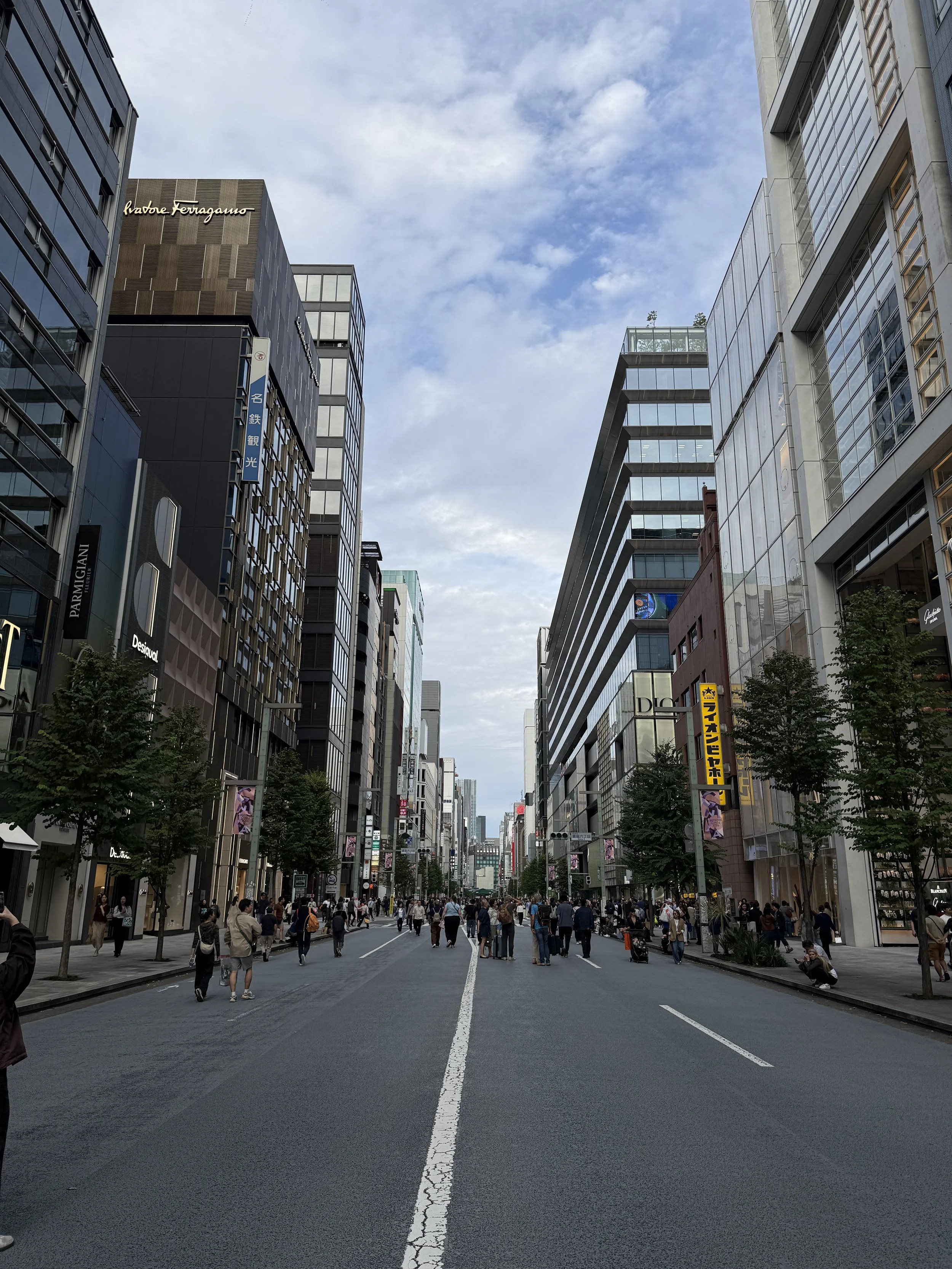
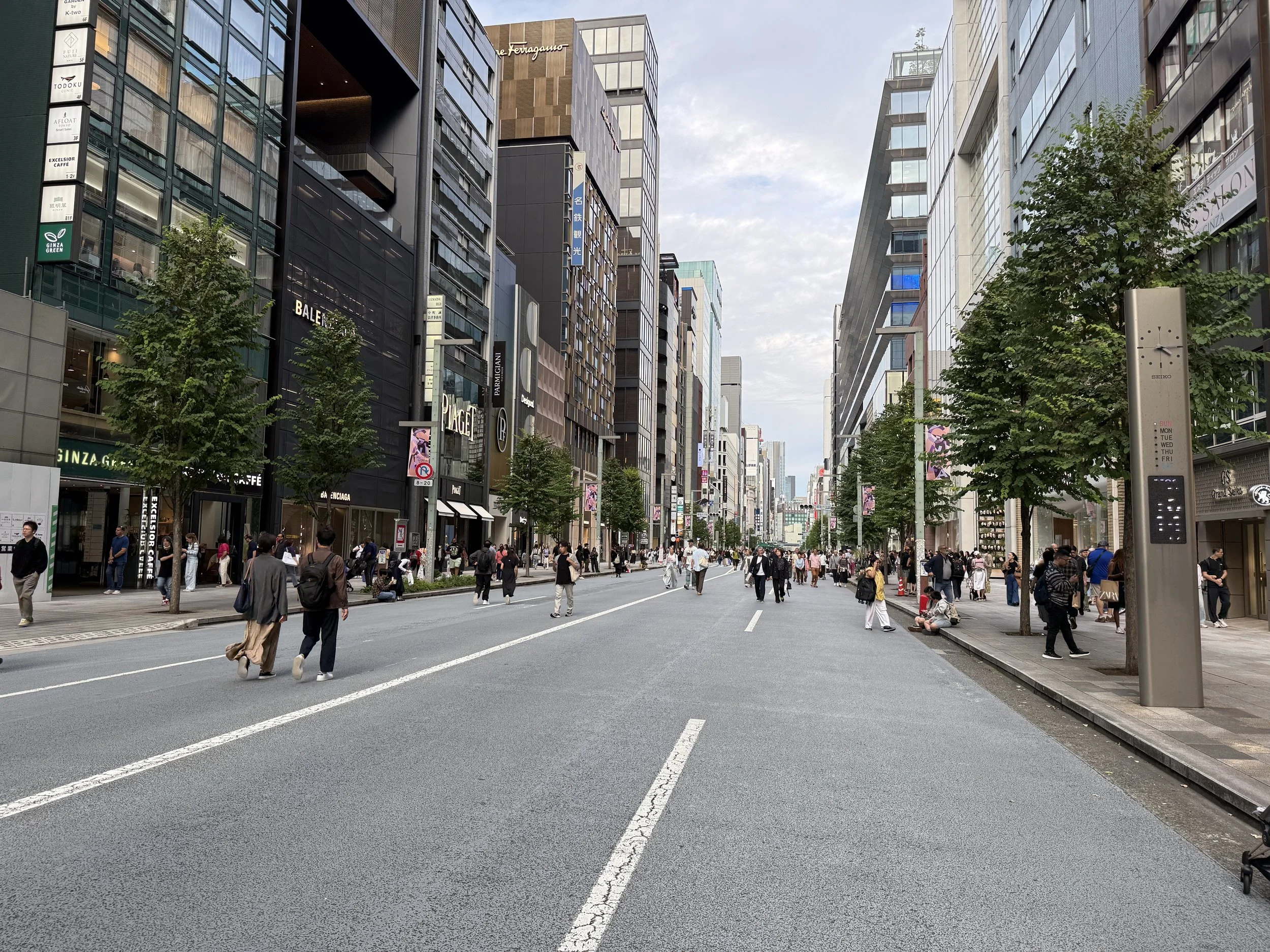
After a quick refresh, we headed out to explore. Ginza is synonymous to luxury shopping—think Fifth Avenue, New York on a grander scale. All the luxury brands have set up shop here and the options are endless. A portion of the road way is closed every Sunday morning until the afternoon, allowing for travelers to enjoy the stroll and to maximize in snagging the “it” photo.
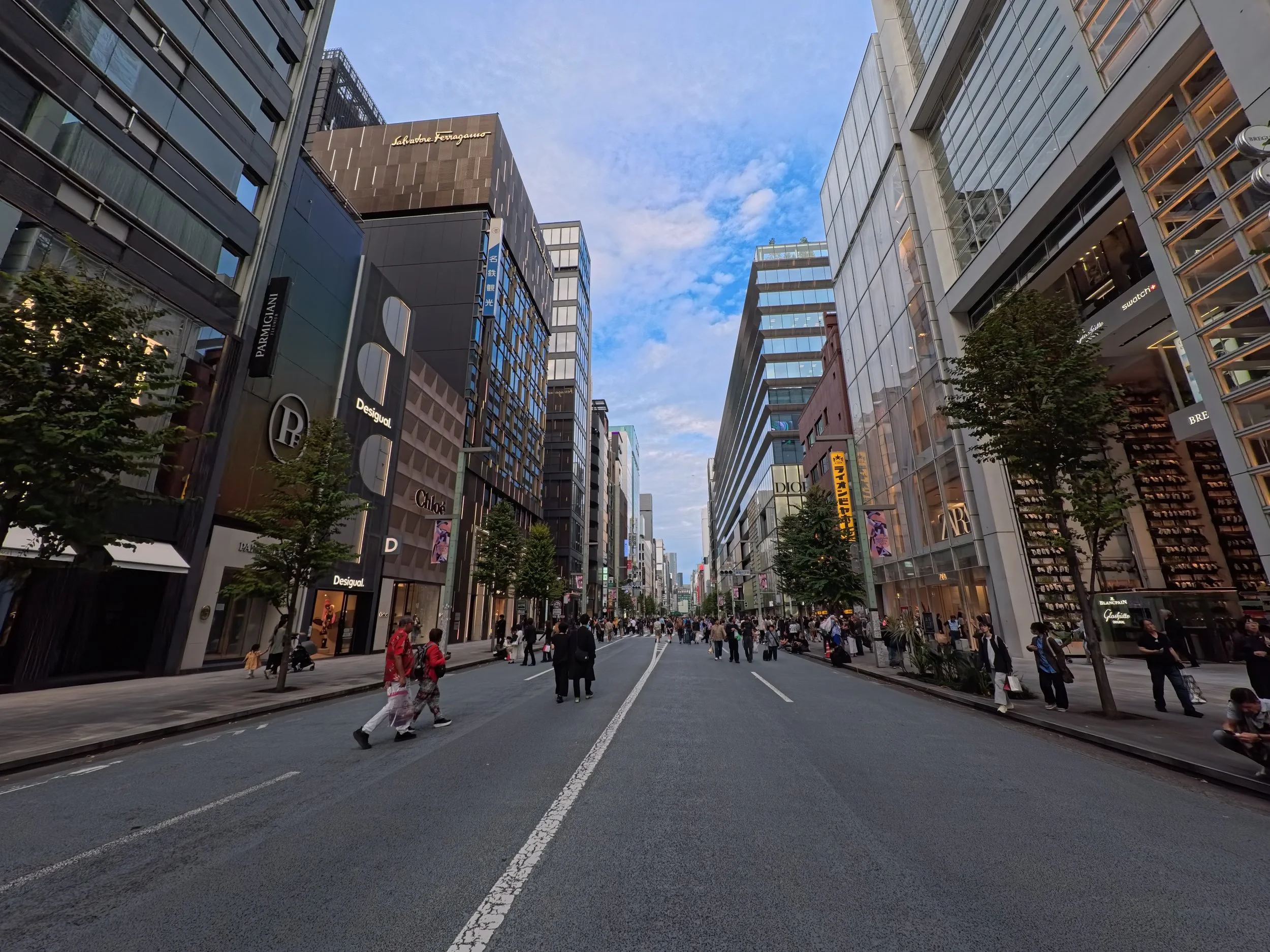
In the evening, enjoy how the area transforms into a living urban jungle, full of life and lights, dazzling shoppers from every corner of the globe. The road system opens up for a normal evening to resume.
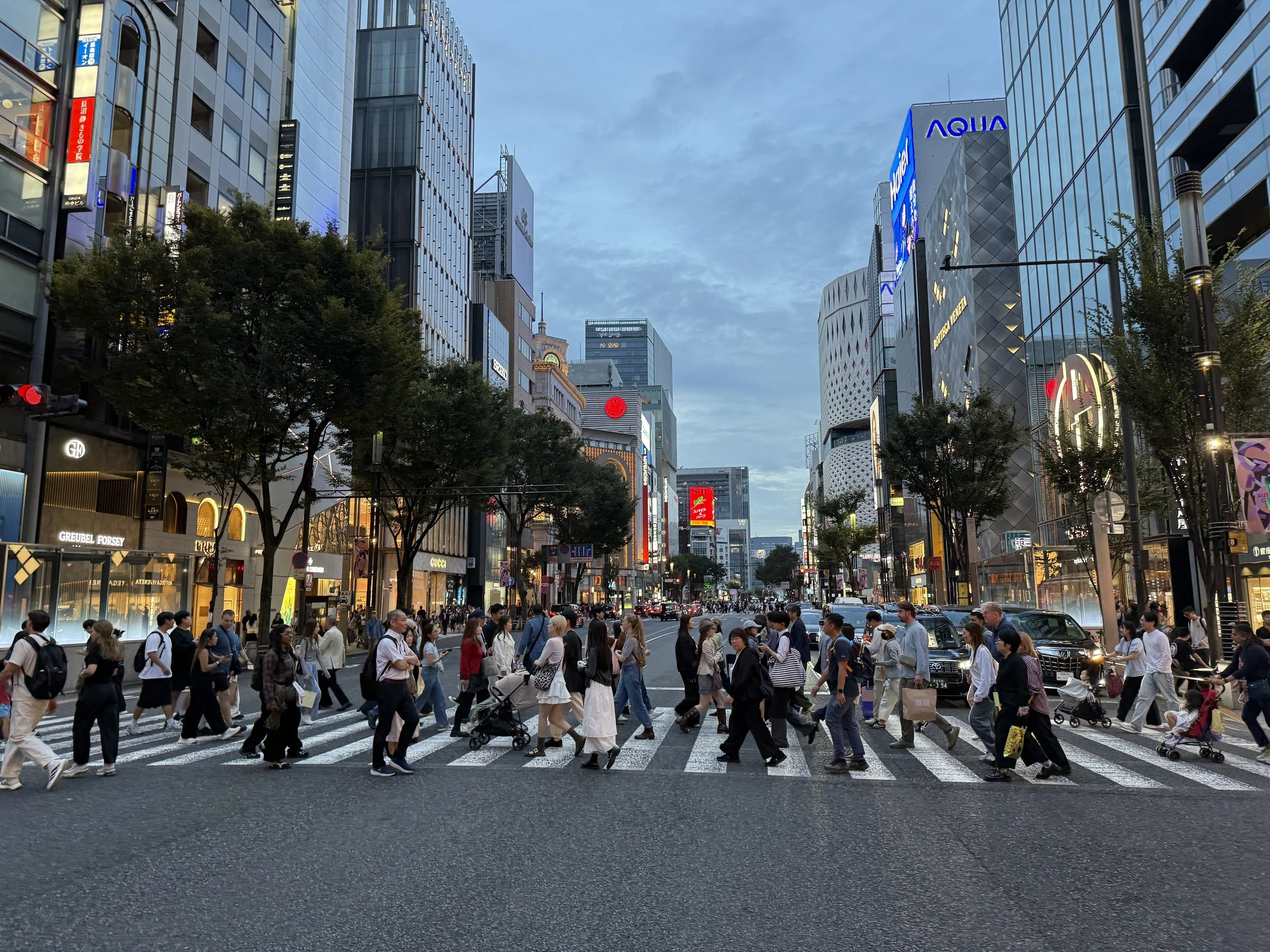
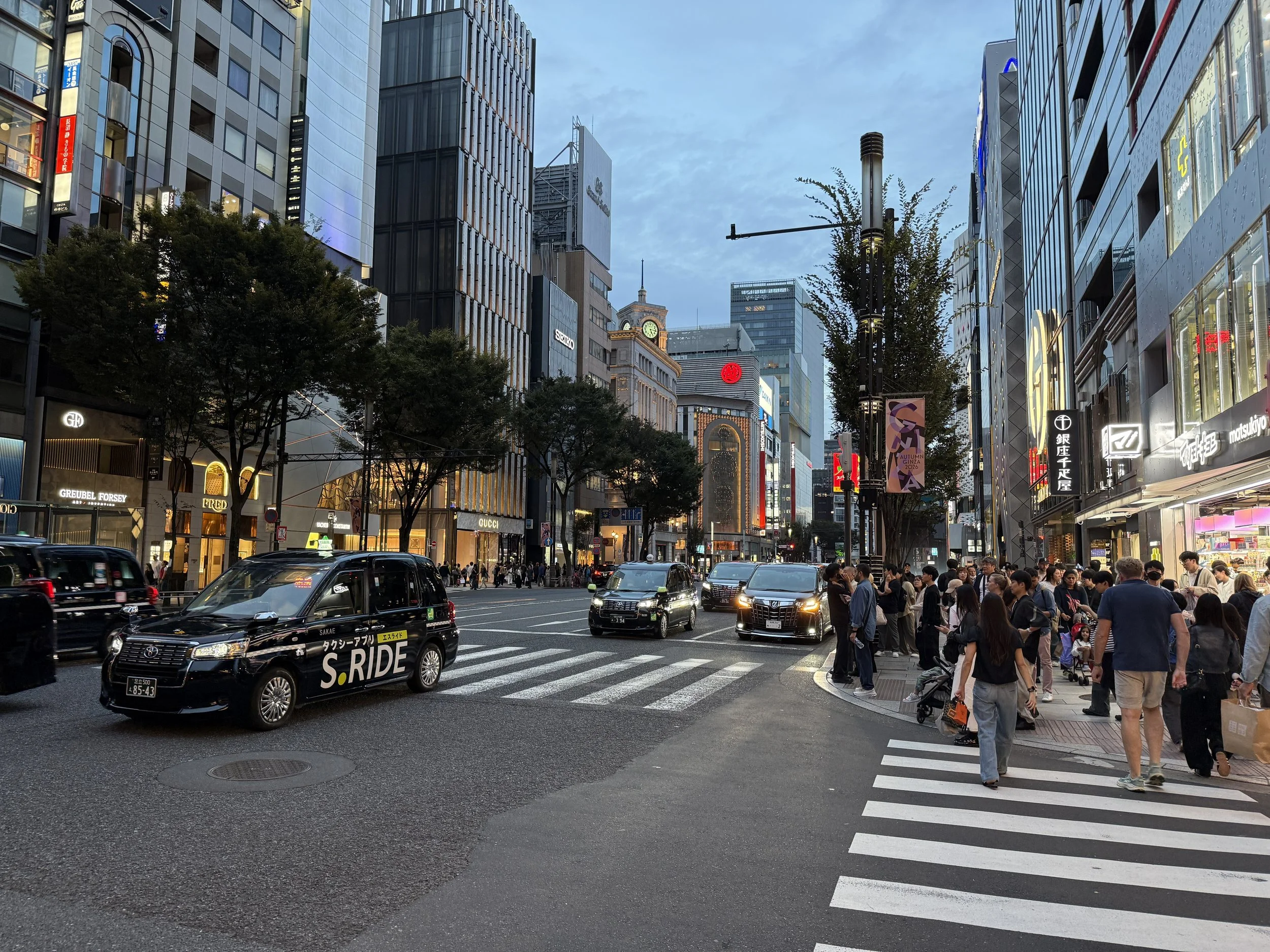
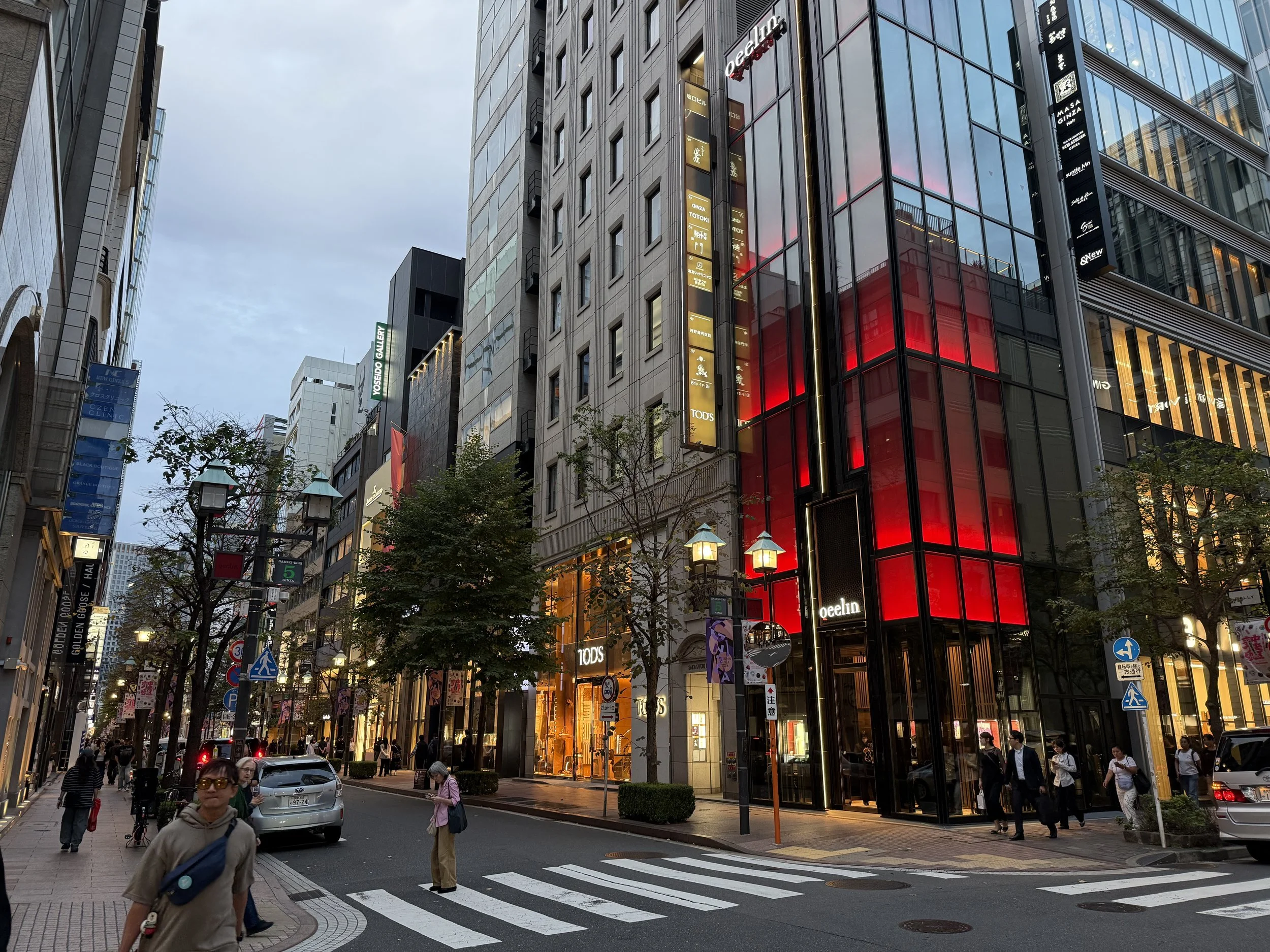
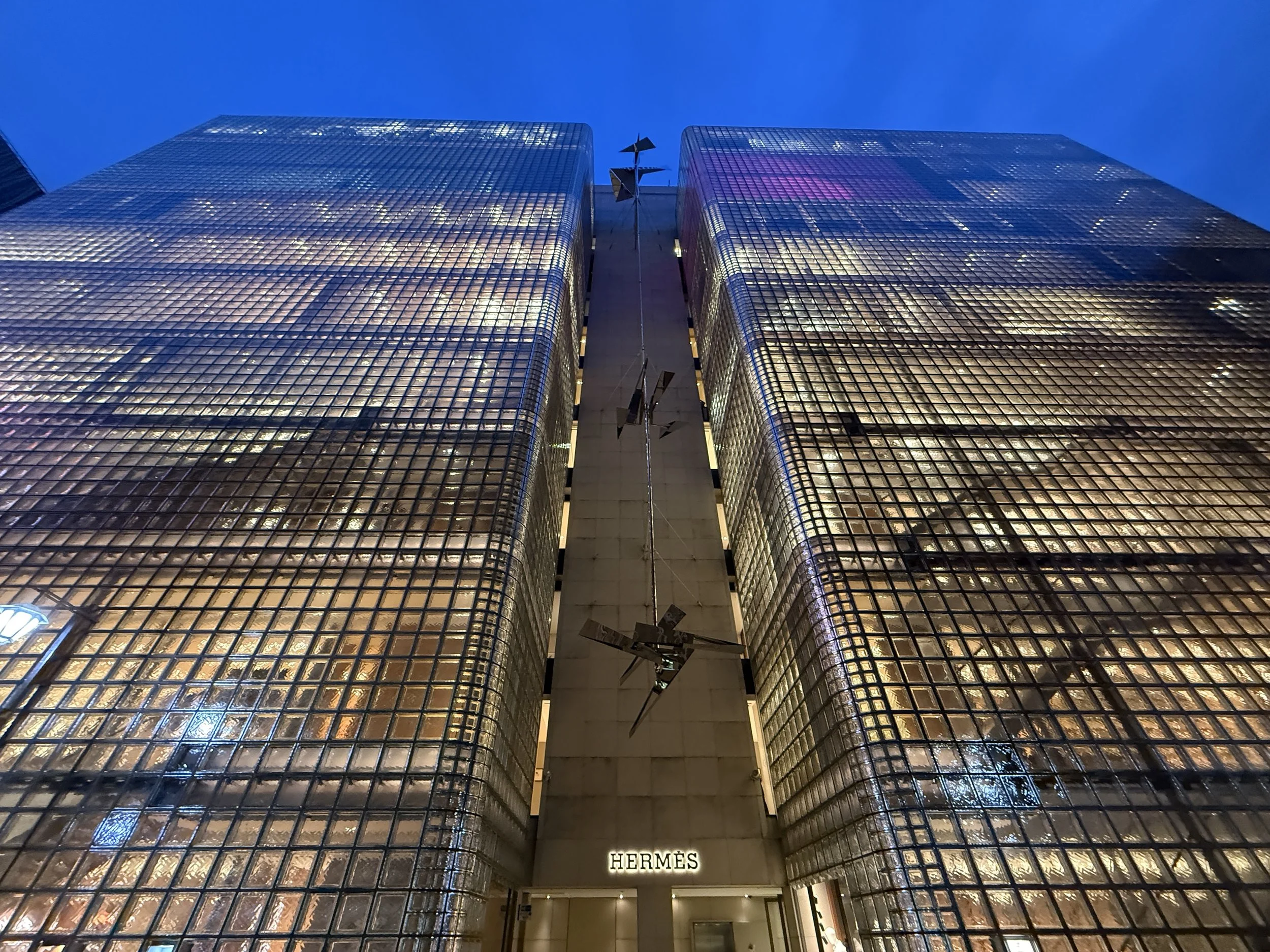
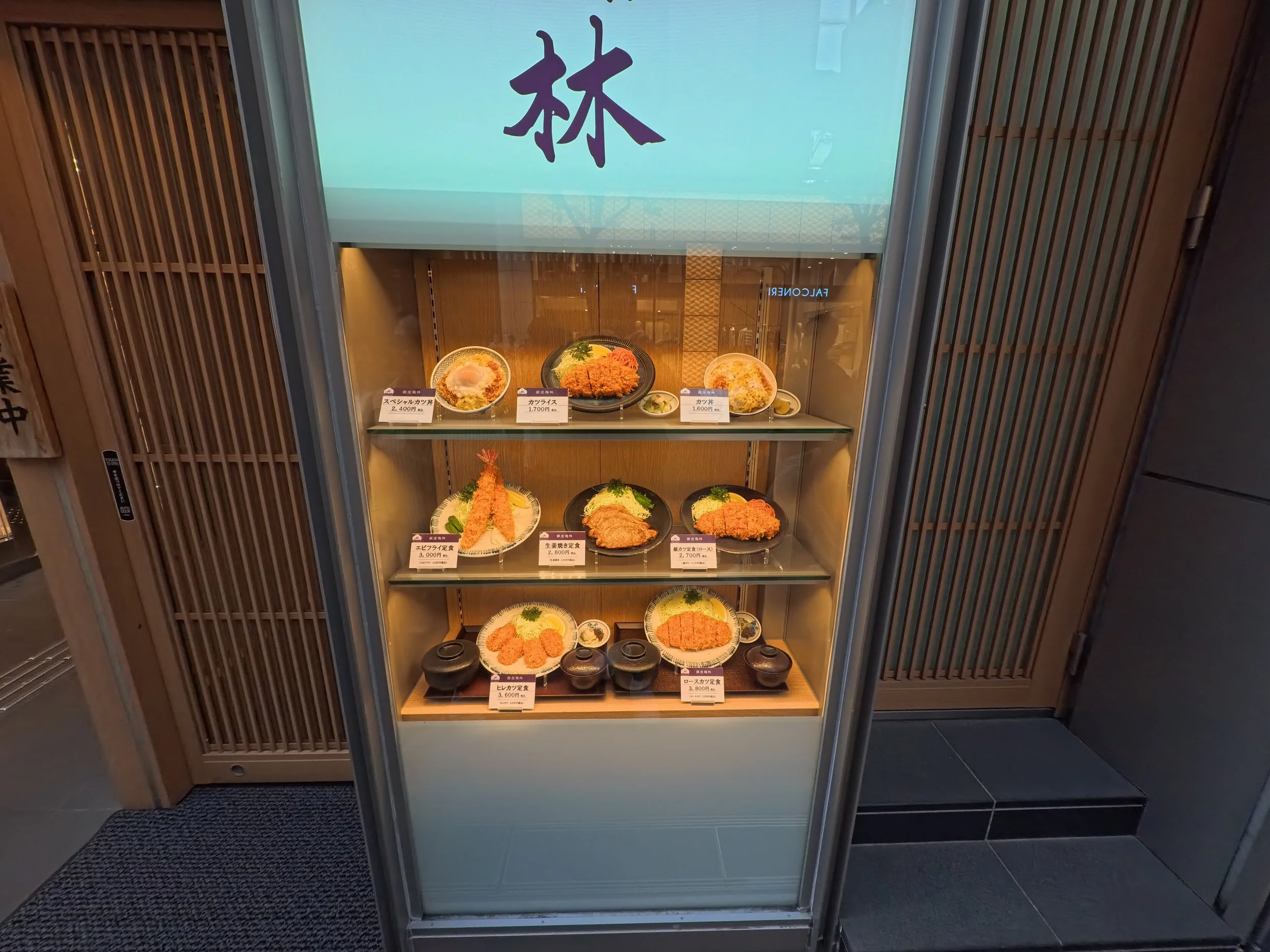
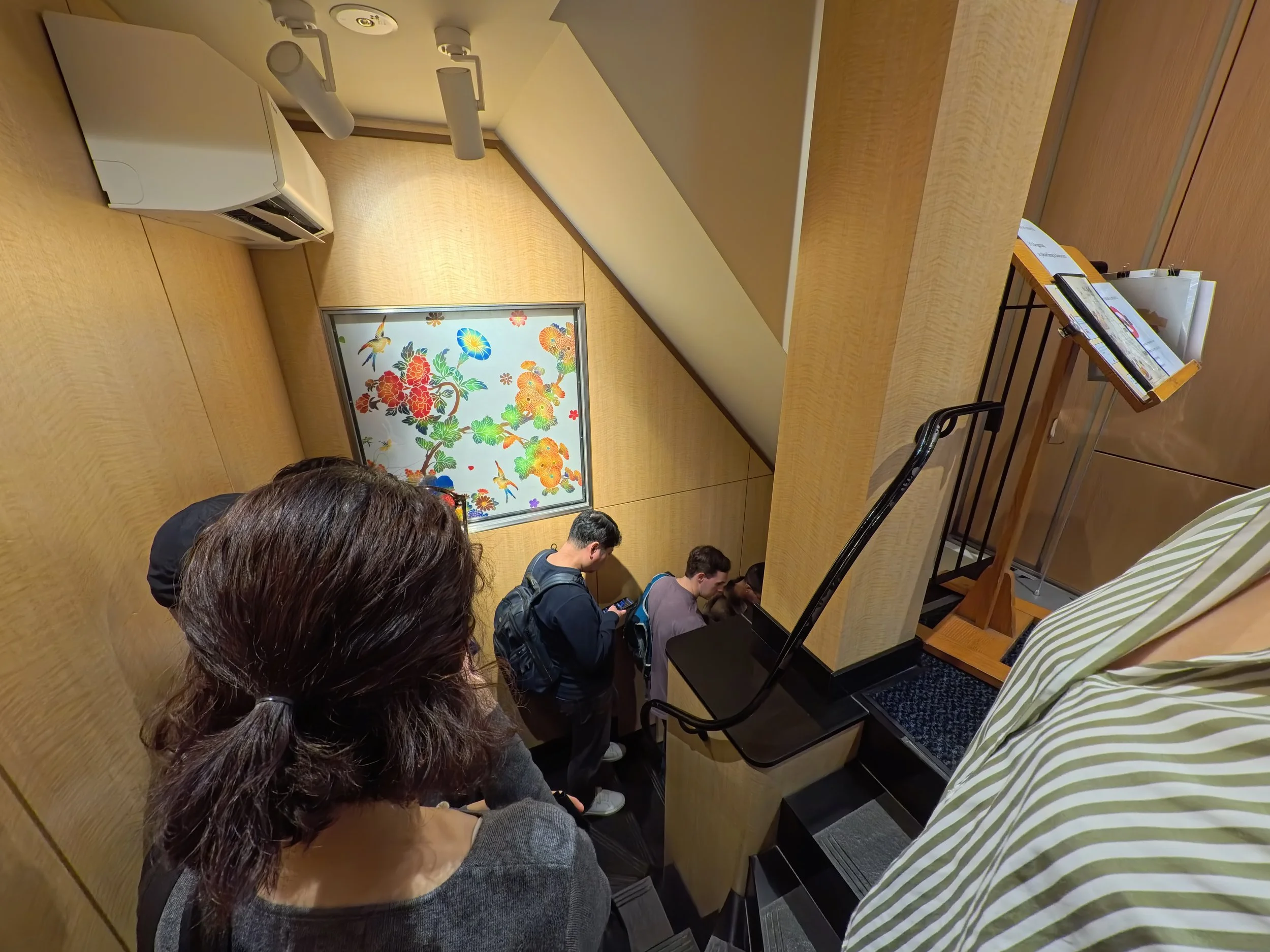
Of course, we got hungry and caught ourselves waiting in line for about thirty minutes before abandoning the idea. This is the reason why you must book in advance. Since some or most of the good restaurants in Tokyo are small—having only 5-15 seats, places get filled up quickly and you have no choice but to wait. I don’t have the patience to wait for food so we went somewhere else. Although, this Katsu place seems to be really good.
Ginza Kagari Soba
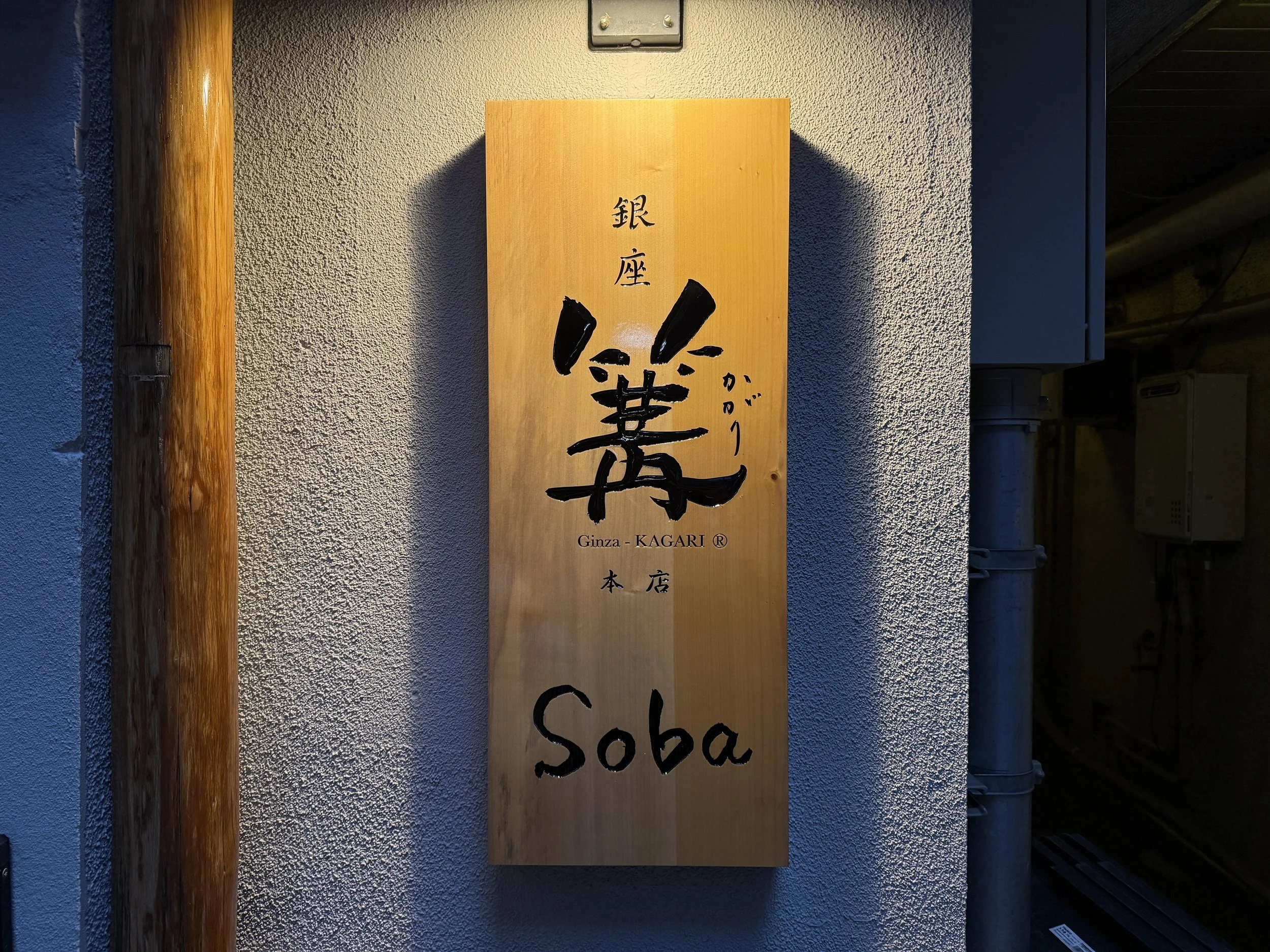
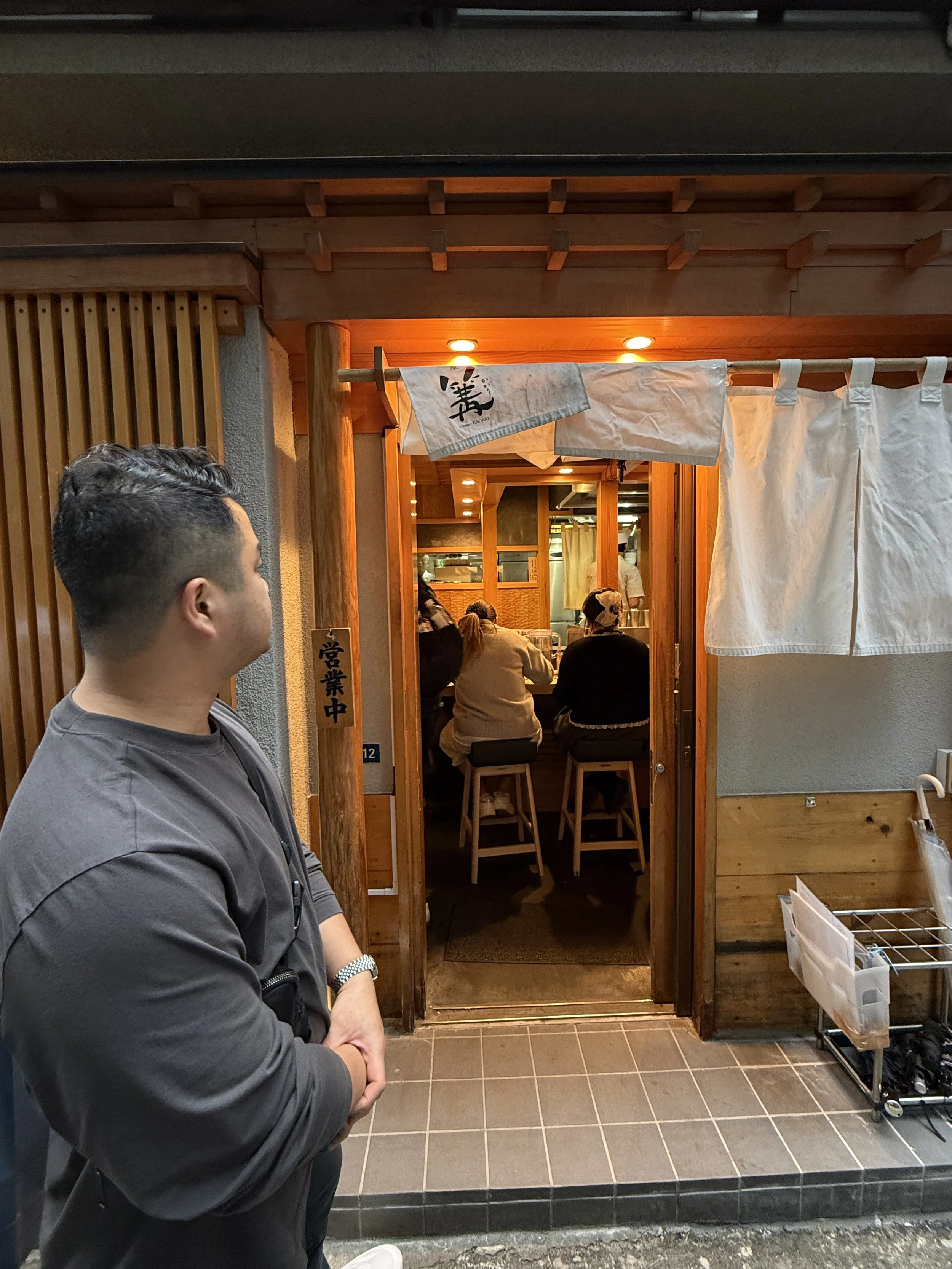
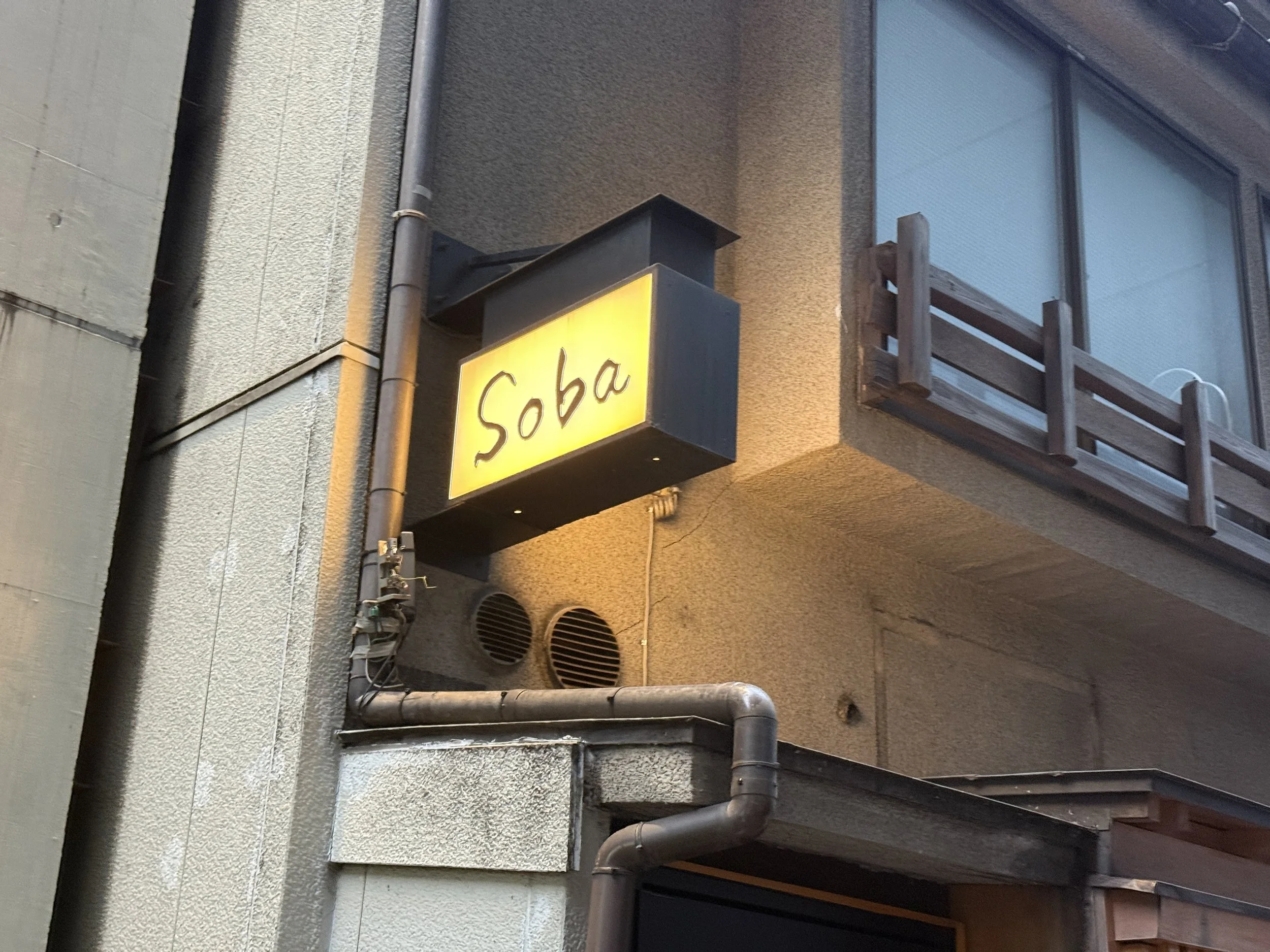
Luckily, after being dragged into a random alley by Google Maps, we were able to snag a quick dinner at a Soba shop. This is the first meal of the trip and boy was it a treat to the belly.
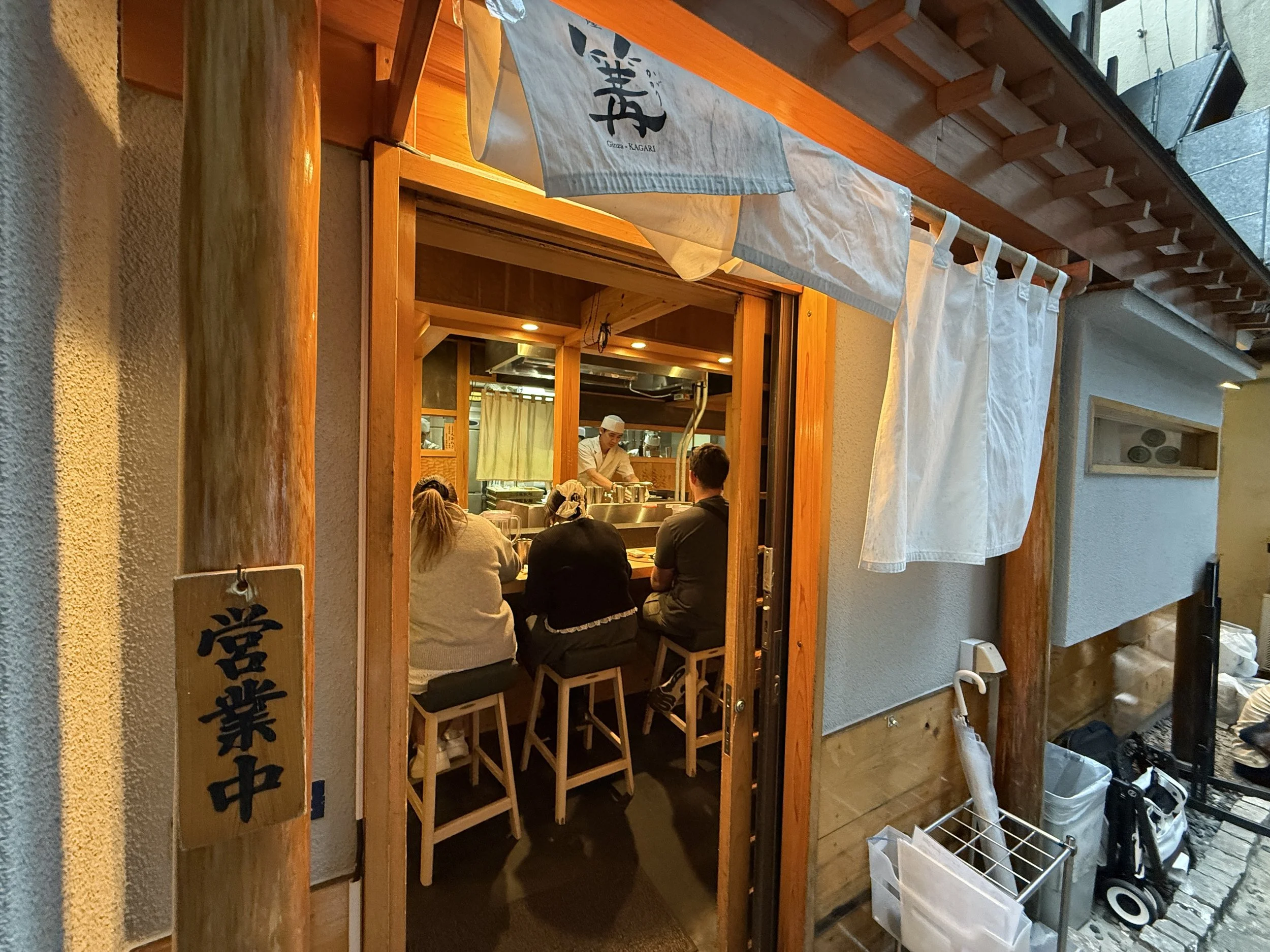
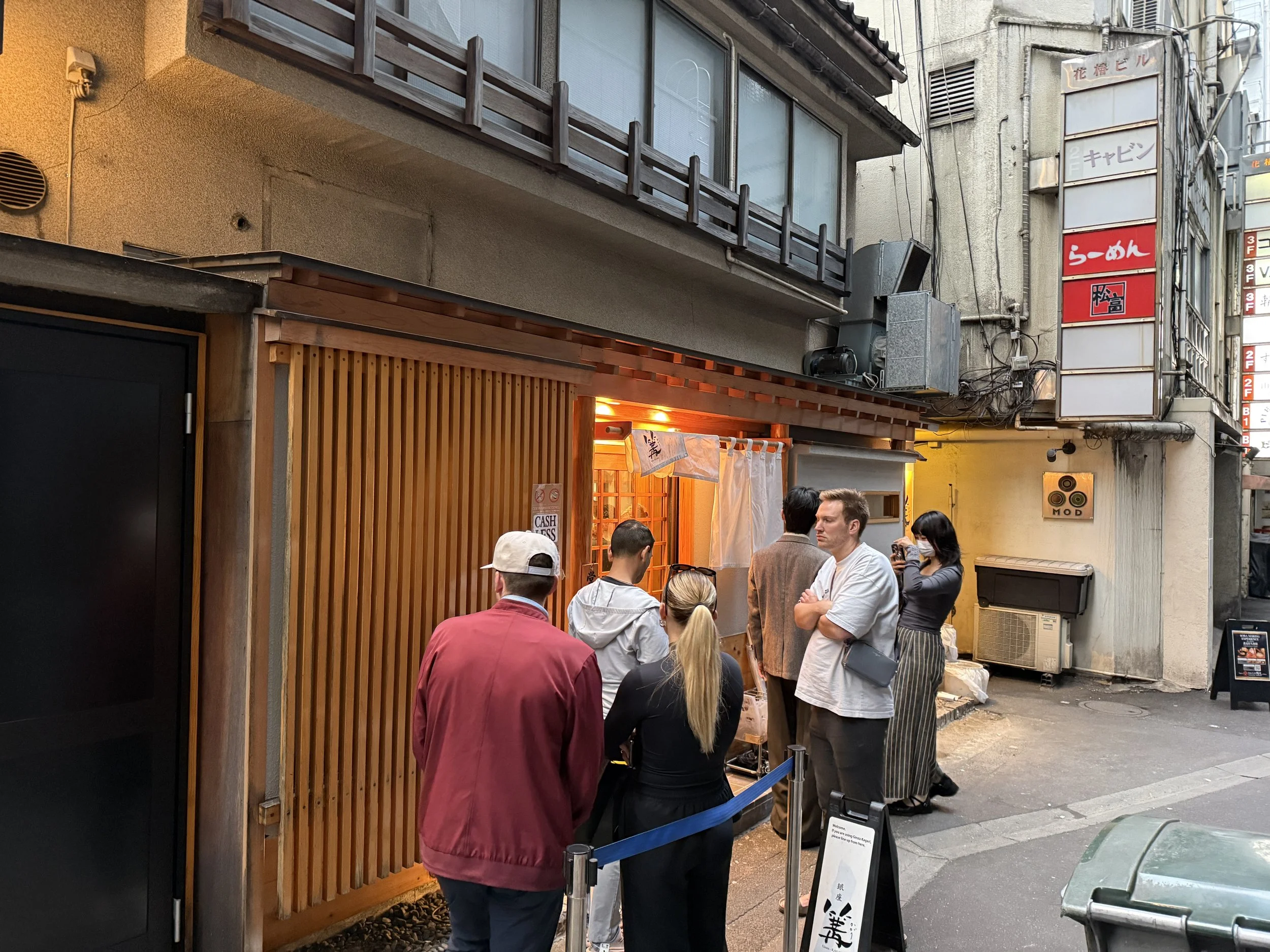
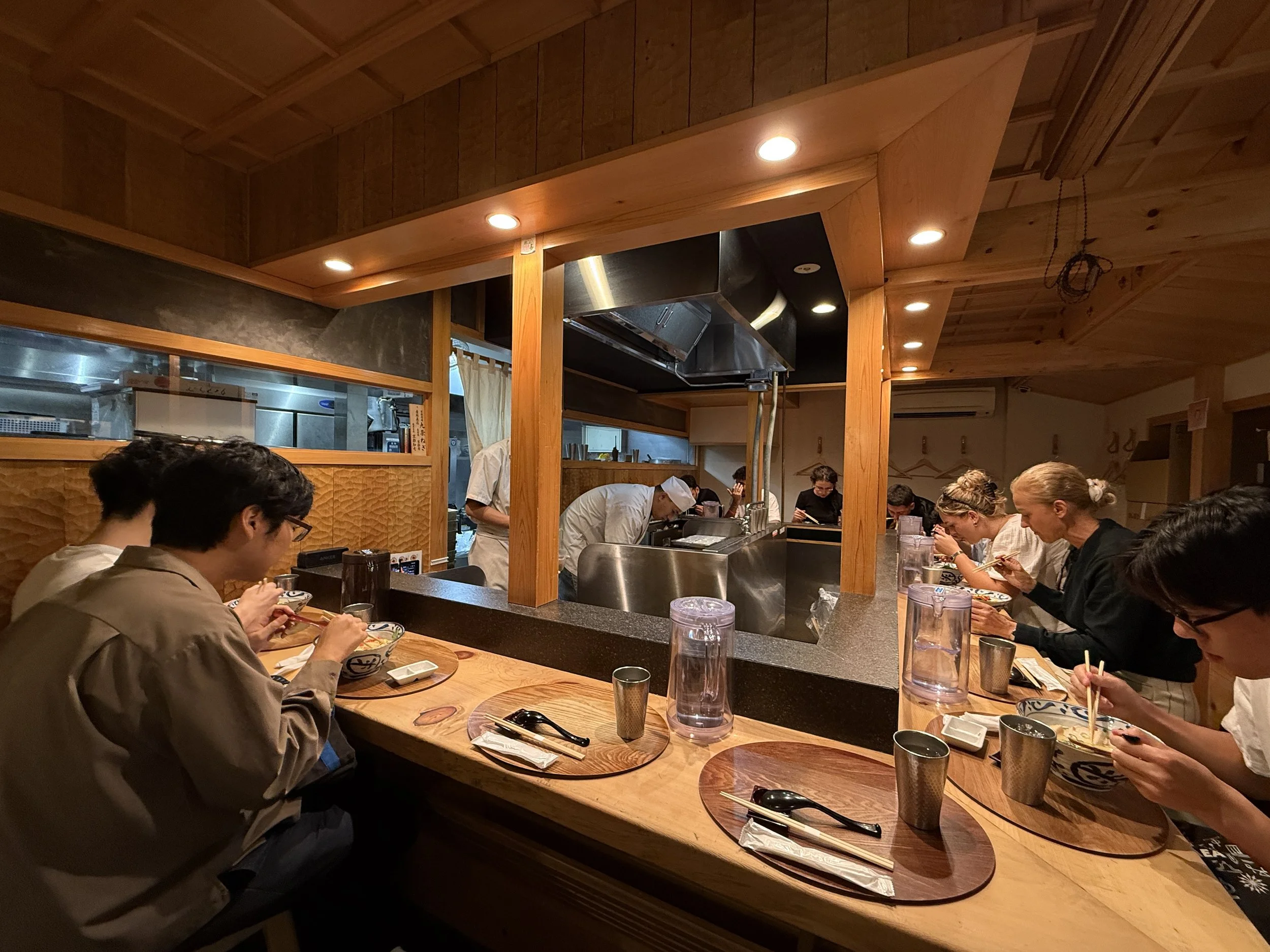
Ginza Kagari is a tiny shop with counter seating. Expect to seat next to random strangers due to the limited space which is pretty common practice in Asia. The only problem is that asians are not fans of small talk, so don’t feel awkward when they’re just slurping the bowl of soup rather than chatting with you.
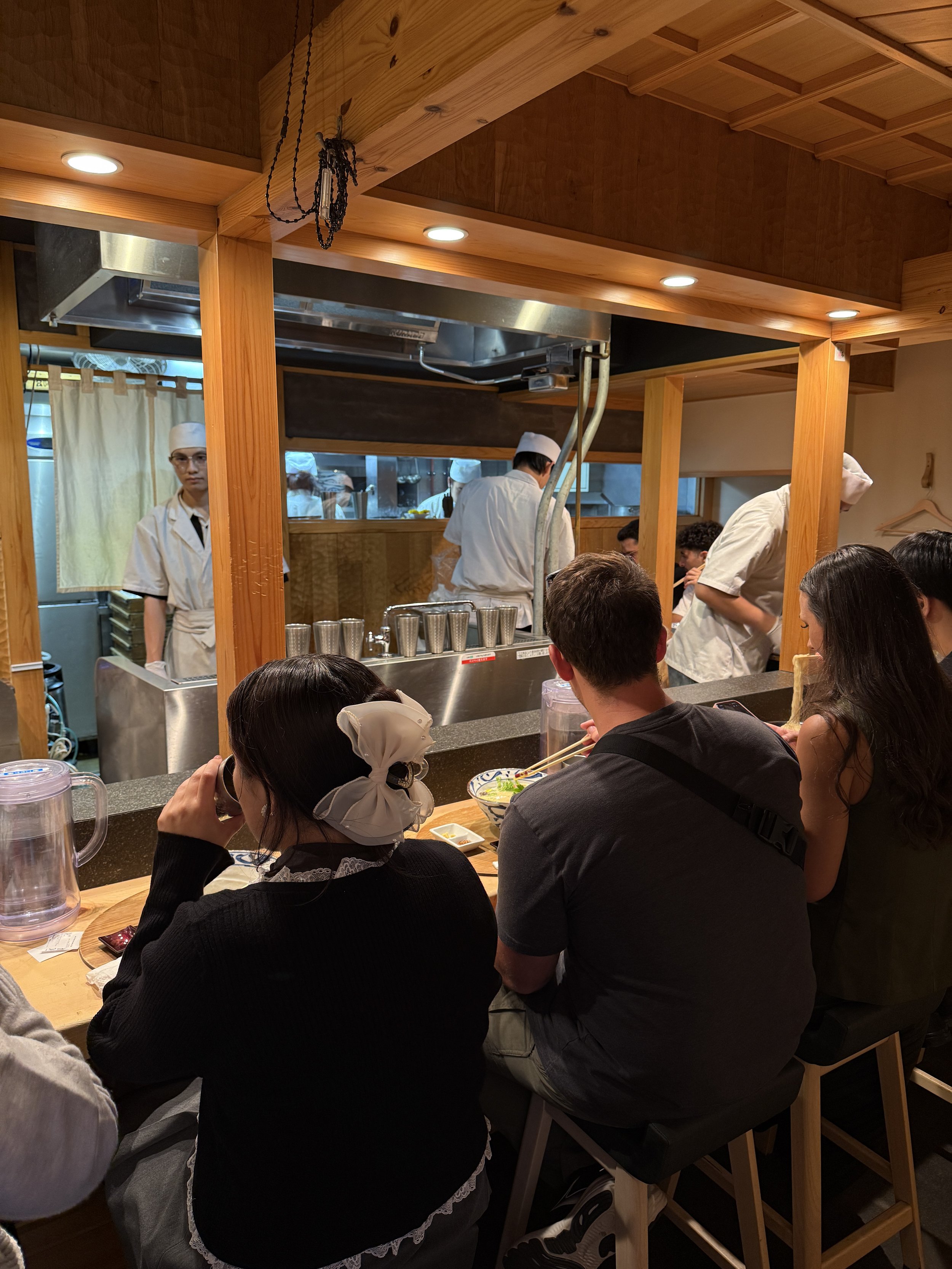
I enjoy when the host notifies the entire restaurant staff that they are welcoming new guests. It makes people feel important and seen despite being occupied with what they’re doing—not that I need any attention. It only shows that they still have the focus and awareness of their surroundings.
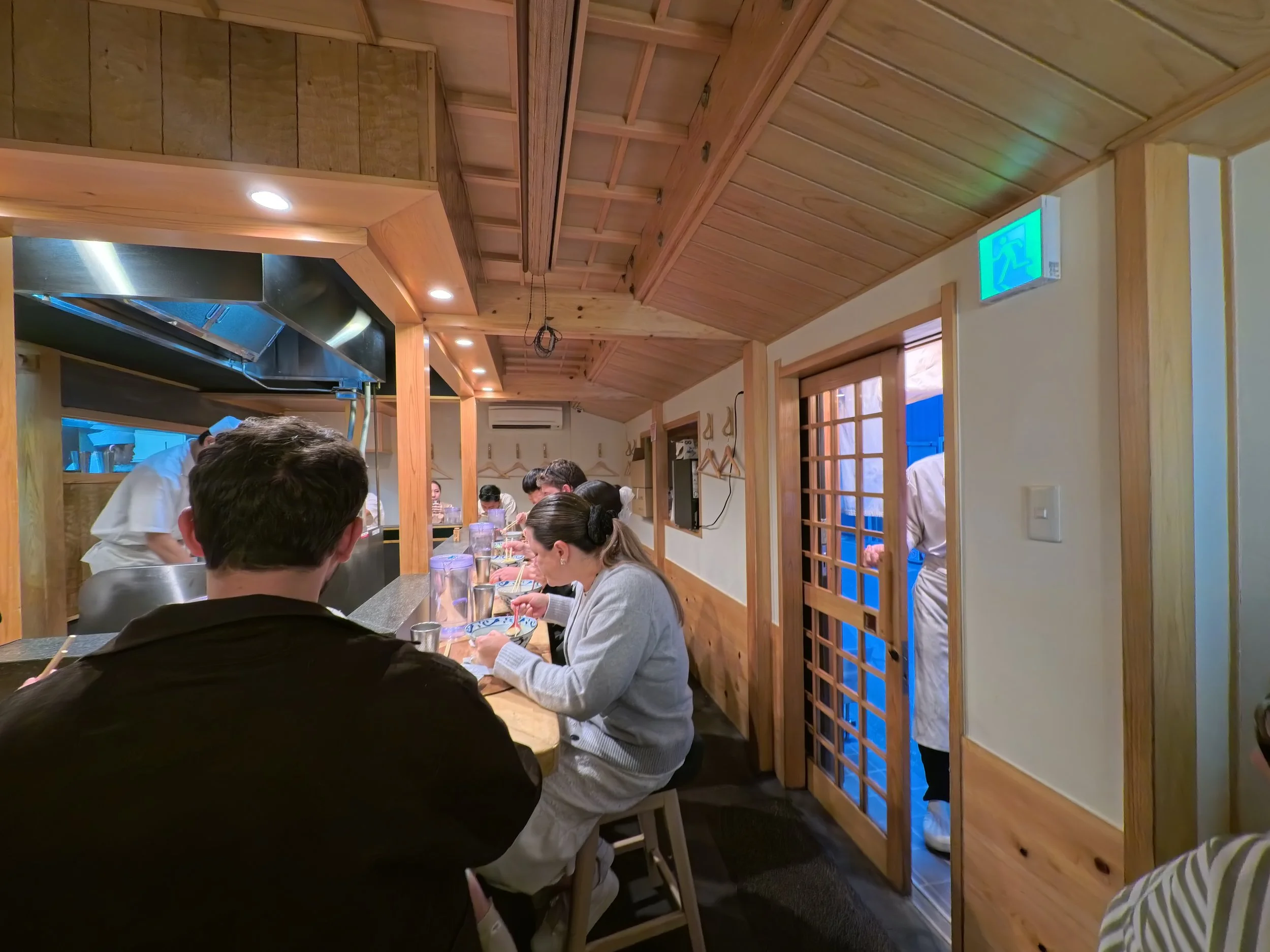
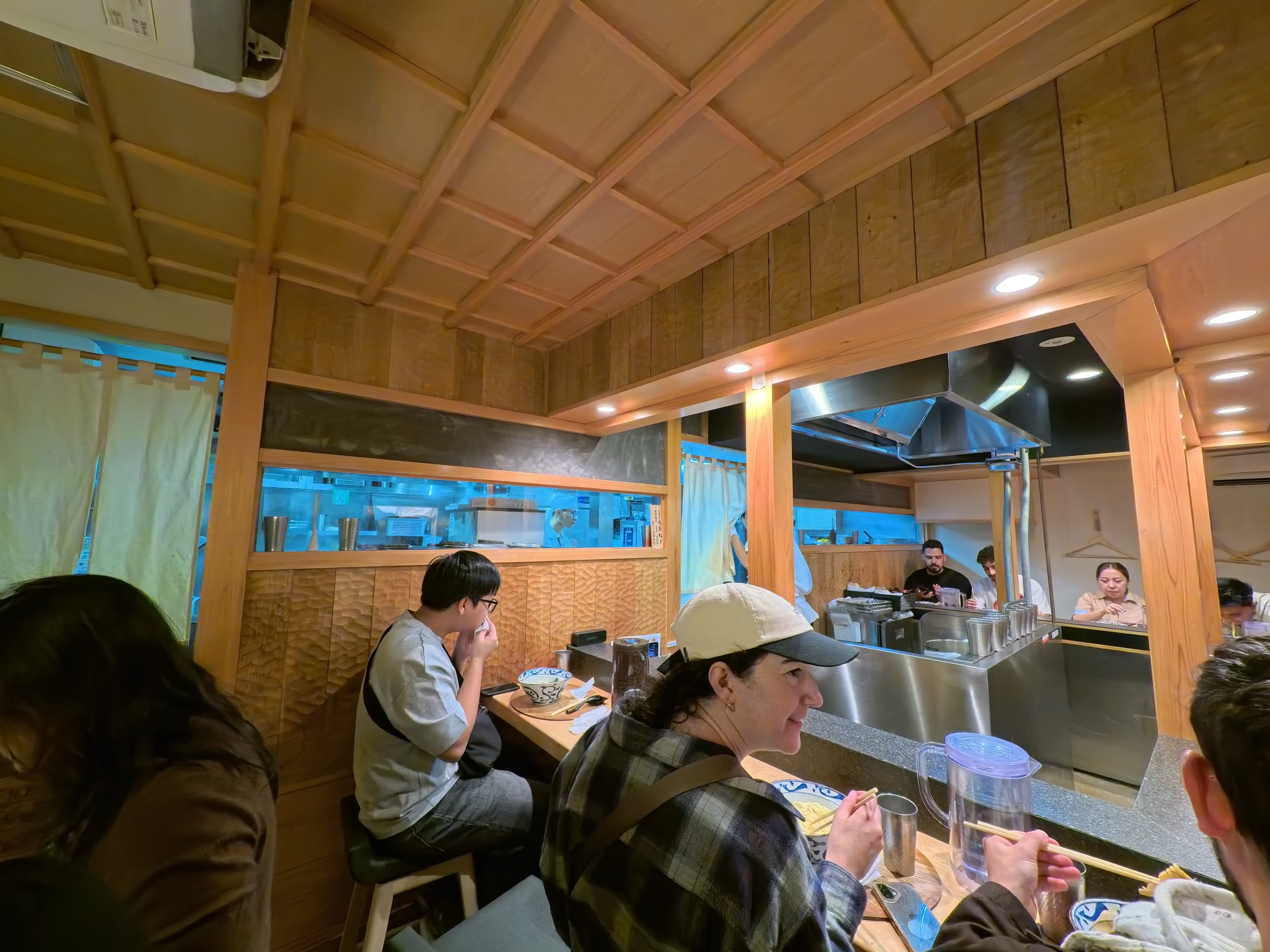
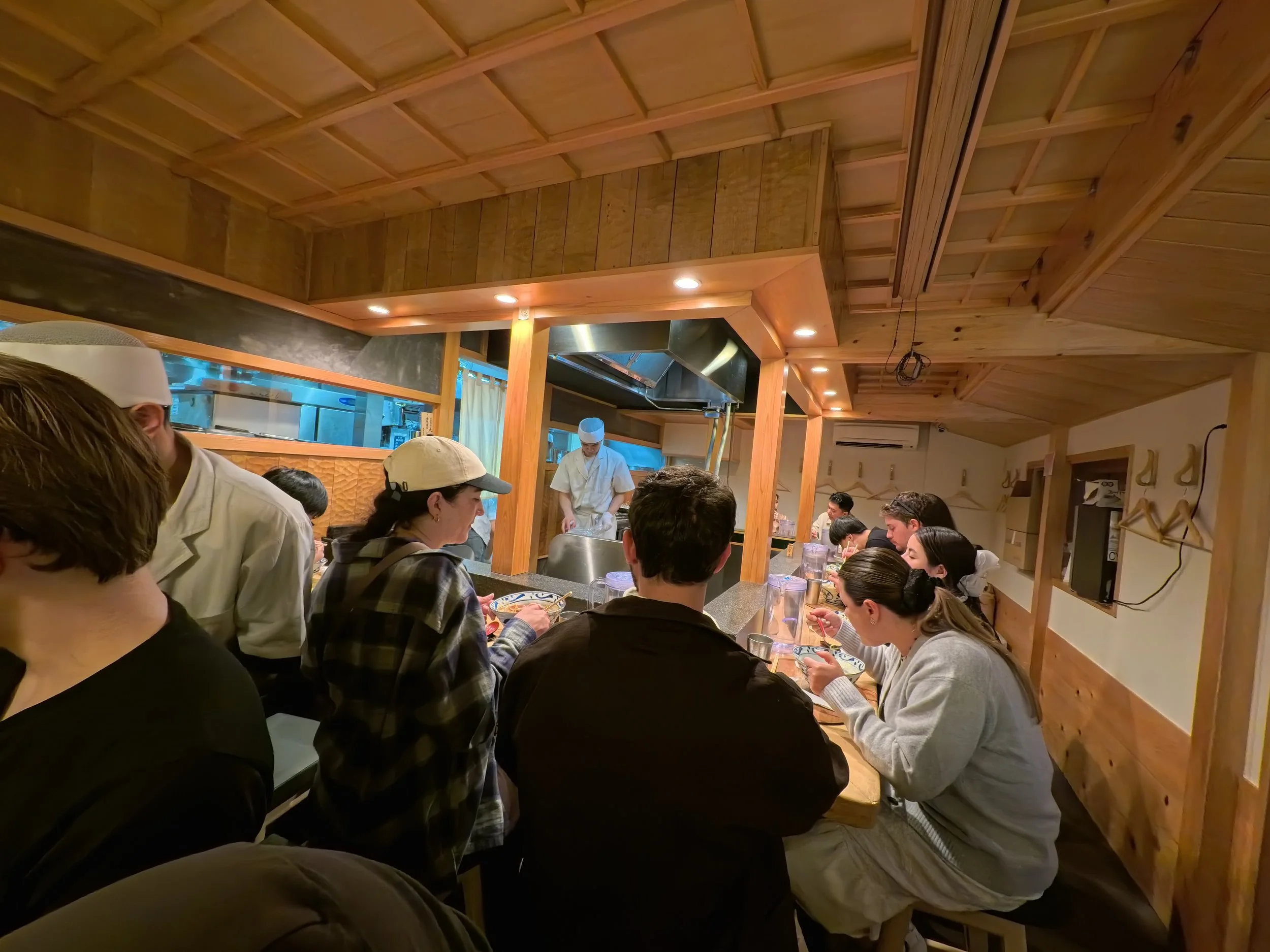
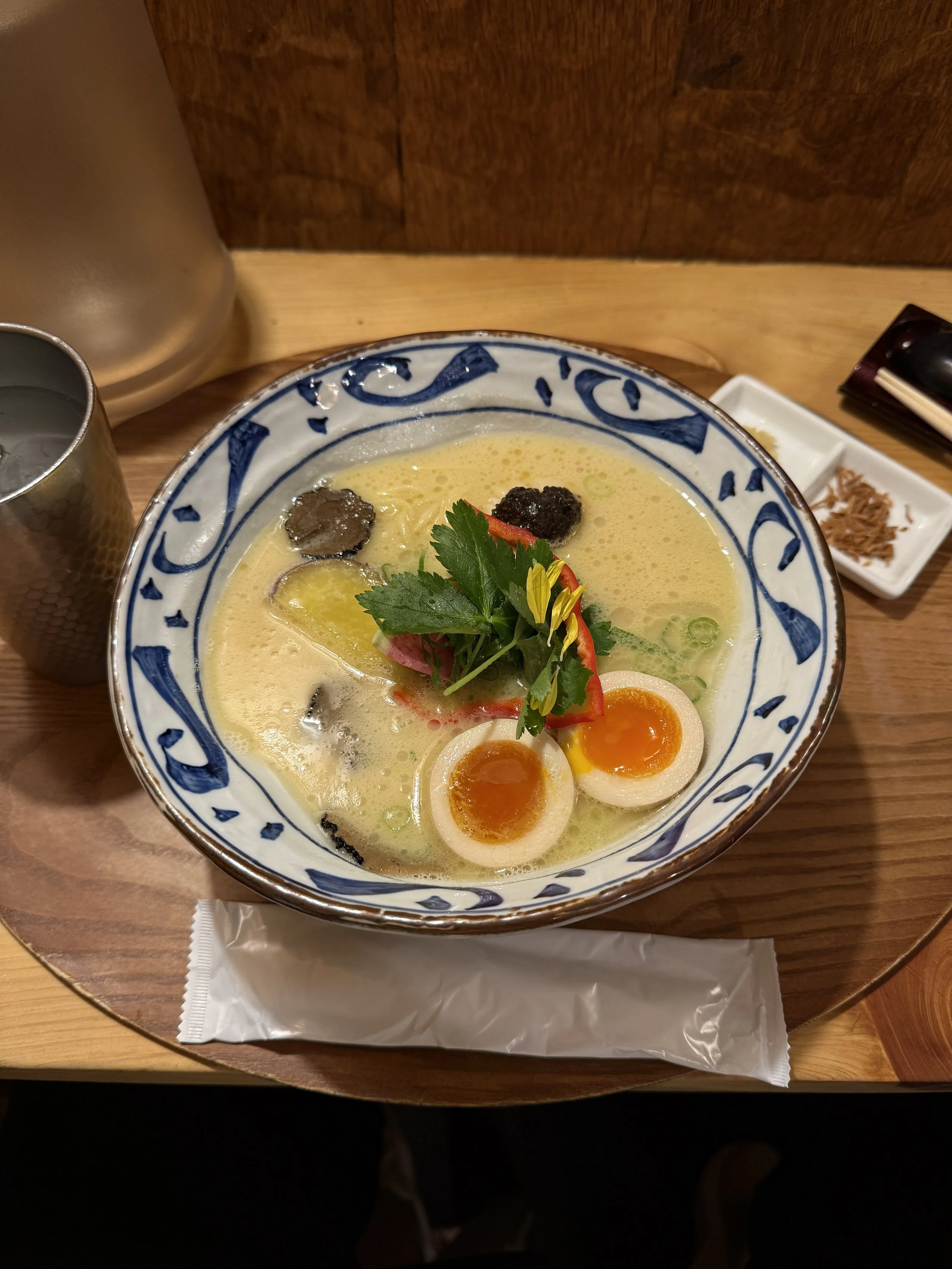
We got a bowl of chicken and truffle soba ramen. Don’t let the light-colored broth fool you, this was rich and seasoned perfectly.
Over here, an amazing bowl of tsukemen with soba. The texture of the soba was out of this world chewy. It was the perfect dinner.
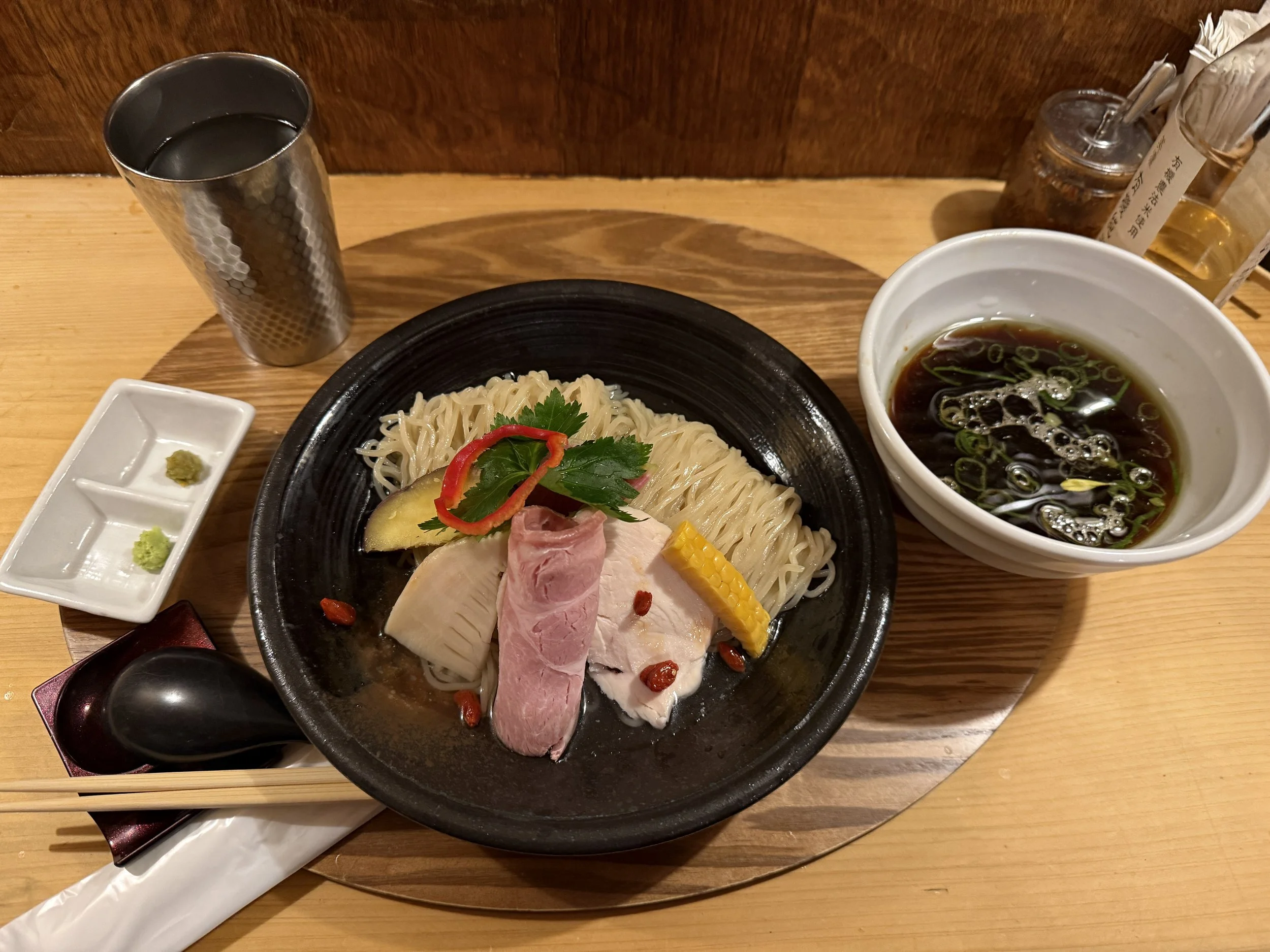
Despite some random tourist’s elbow rubbing against mine while I enjoy my dipping style noodles, I did enjoy my first Japanese meal. There’s not much difference compared to the US, except for one fine detail and a couple of observations. The food here tastes cleaner and doesn’t leave a bloat-y feeling. The portions are smaller and just right. Prices are cheaper than home—causing notorious foodies gain more than fifteen pounds after their trip by ordering Texas style portions! I know because I did.
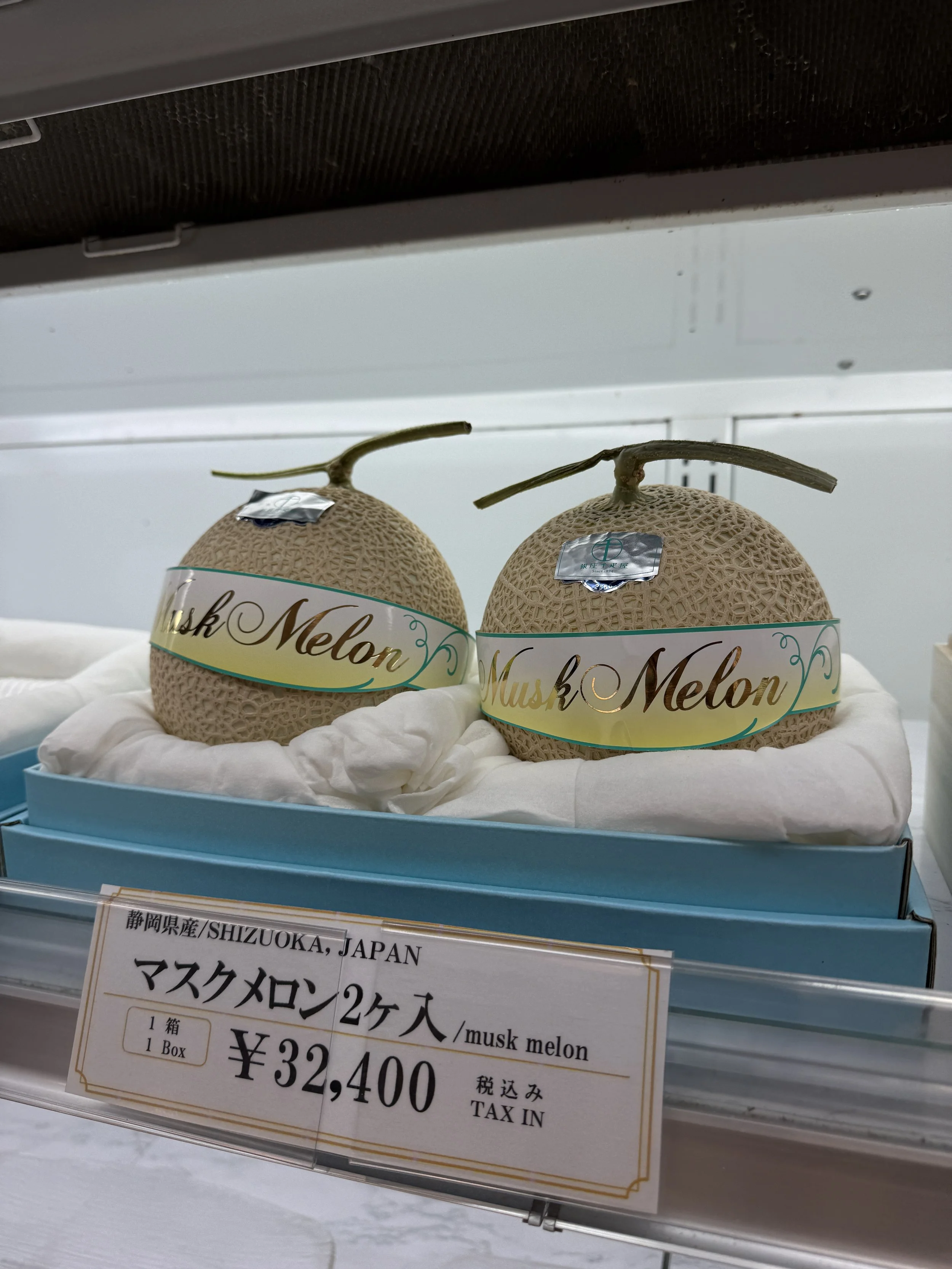
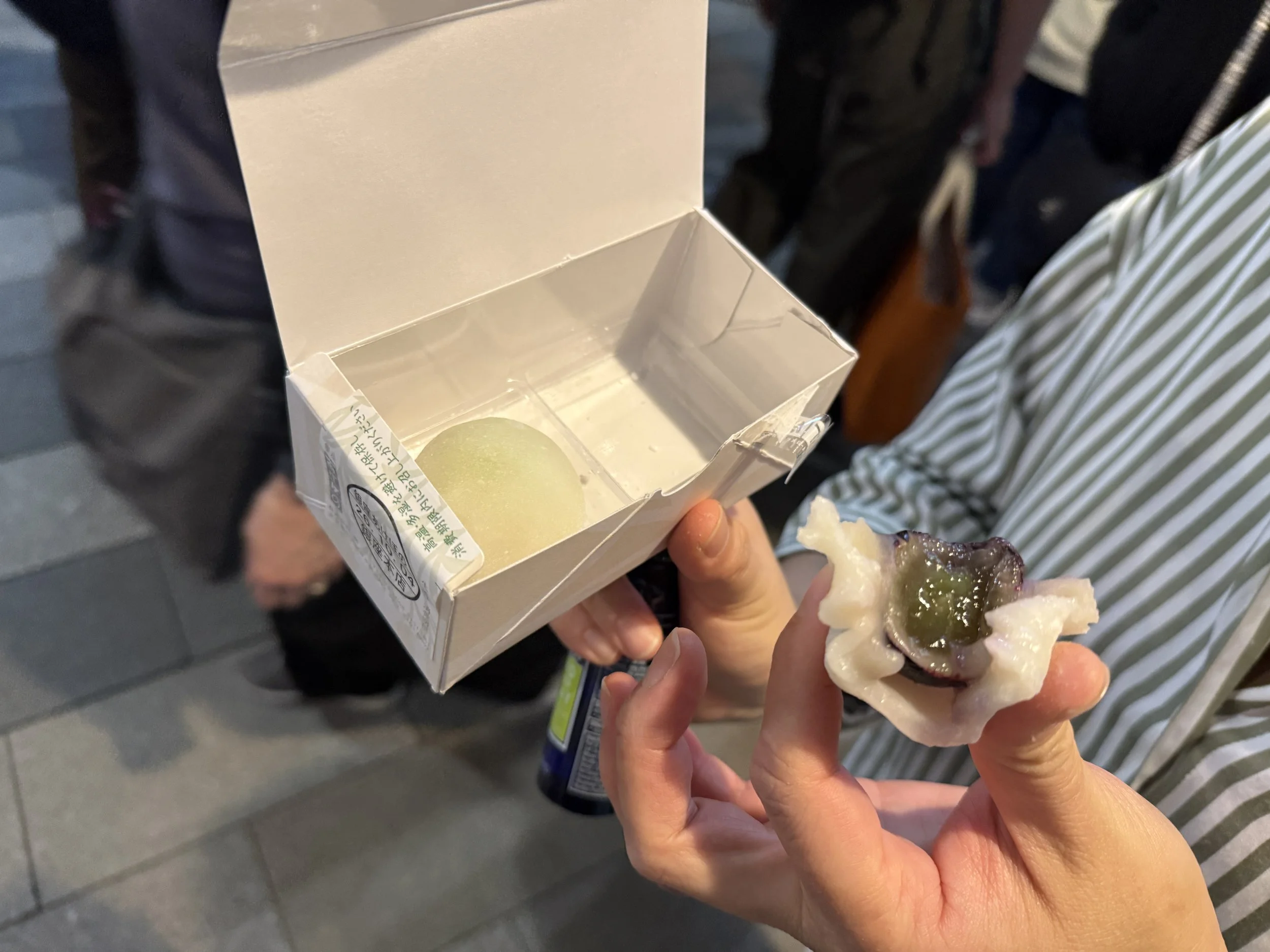
Just when you think we’re done with the food, then you are completely mistaken. After the soba, we were back to the streets of Ginza where we found the coveted Japanese sweet Musk Melons that are too perfect to even consume. Not only that, Barley pancakes with red bean puree, Muscat Grapes wrapped in mochi—these are a first for us. Japan really knows how to take your money—and we’re not even gonna fight it!
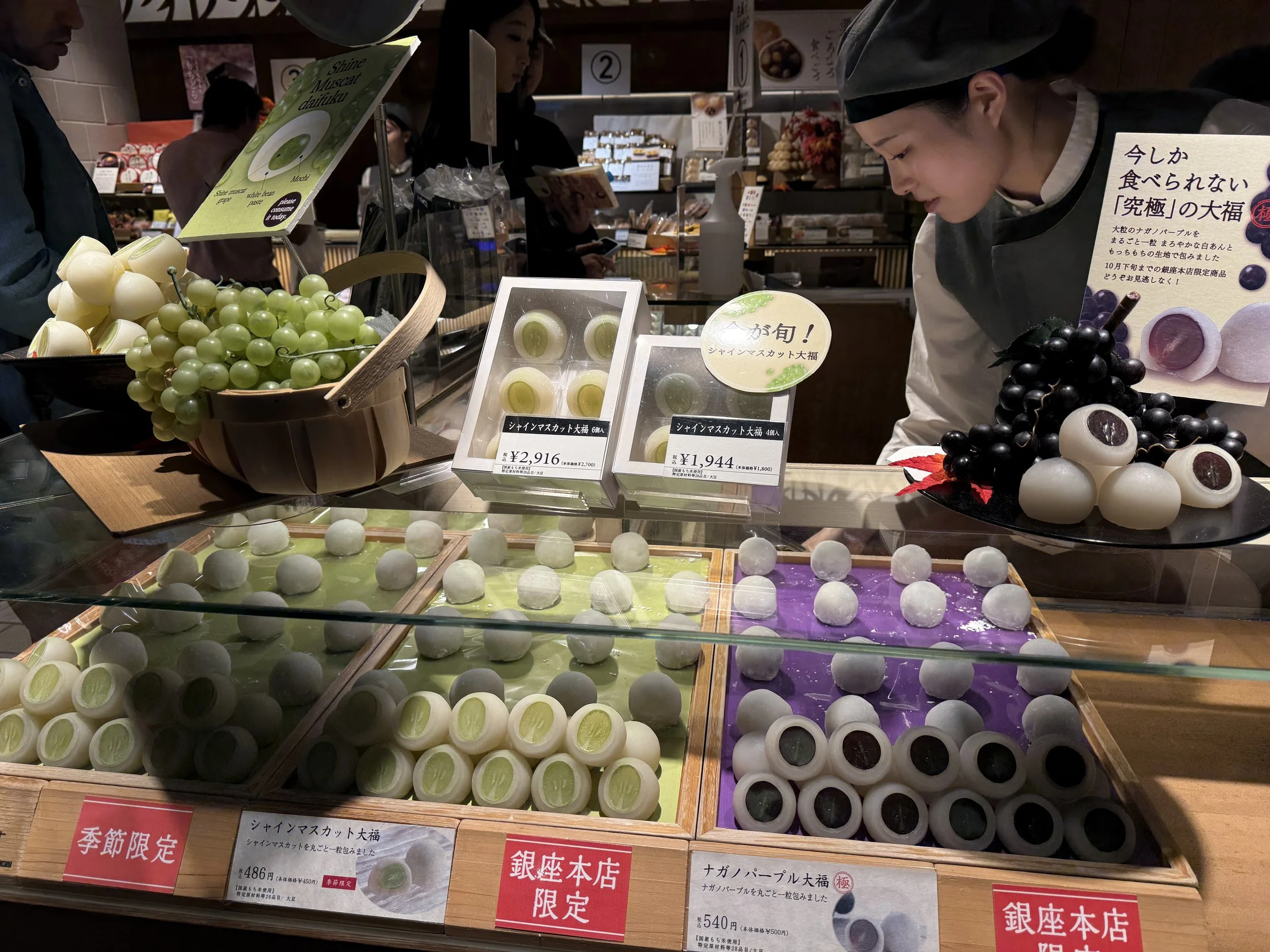
Muscat Grapes are an ancient variety that consists of two hundred types. They are prized for their floral and sweet flavor. Here, they wrap them with a thin mochi layer. It’s weirdly interesting but delicious. Like mentioned before, when Japanese people discover something good, they make it great. These flavor bombs are a testament to taking things to another level.
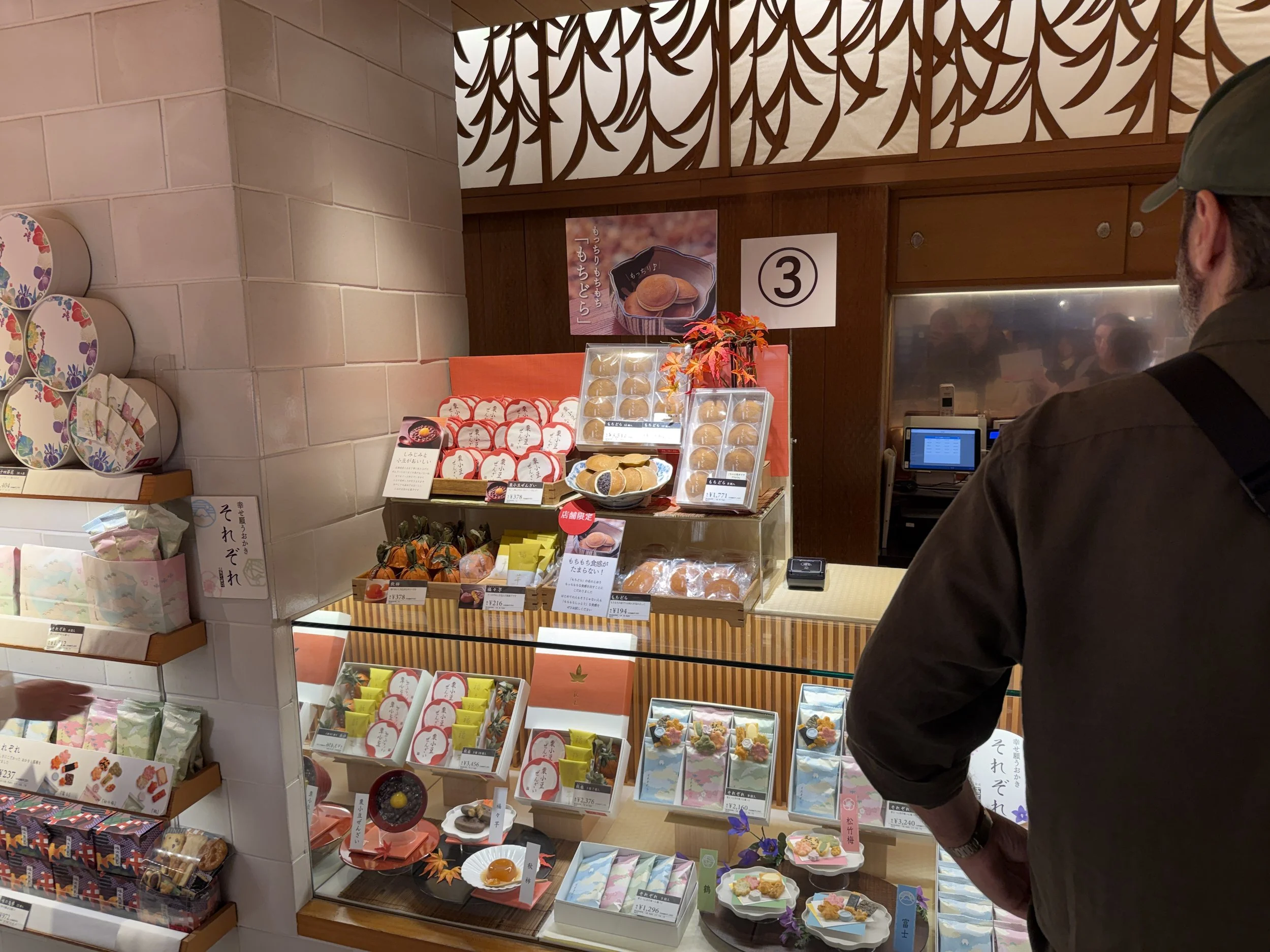
In the world of asian desserts and treats, the best compliment that one can get is that “it’s not too sweet.” If an asian auntie approves something, then the whole neighborhood follows. That’s how you gain a dedicated following.
Shisheido Parlour Salon De Cafe
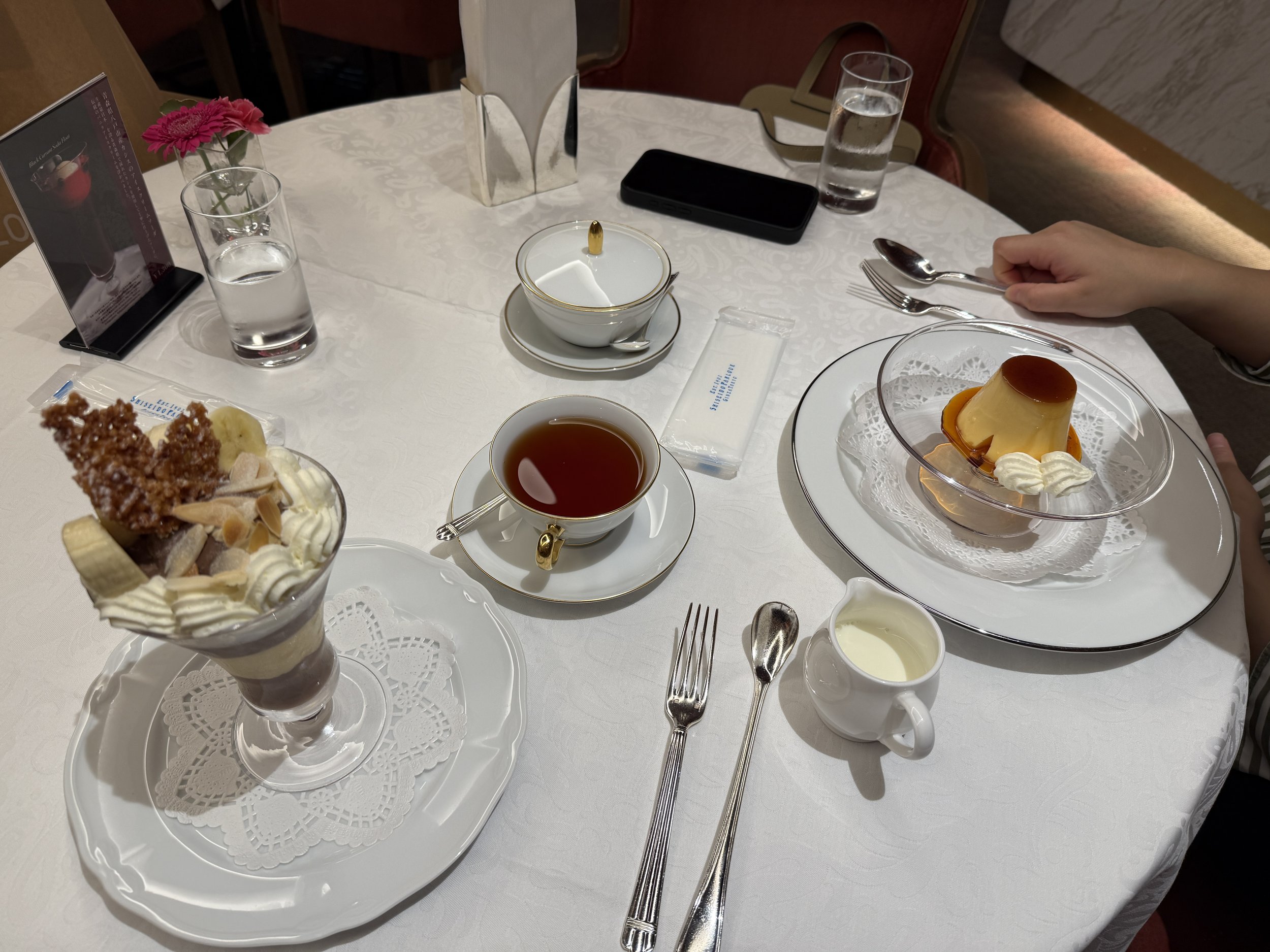
Continuing our food coma saga, we headed to the Shiseido Parlour Salon De Cafe. Shiseido is a famous cosmetics company that is well known by the aunties who were from brown the 80’s and 90’s. Seems like most retail companies have ventured into the hospitality business—Tommy Bahama Cafe, Louis Vuitton Cafe, which one is next? Catered to those who want to be seen and feeling a bit fancy, like the Brits, our eyes ate first before we took a bite of the desserts, they were all delicious. This is where the calories started to pile up. But who’s counting? I’m on vacation.
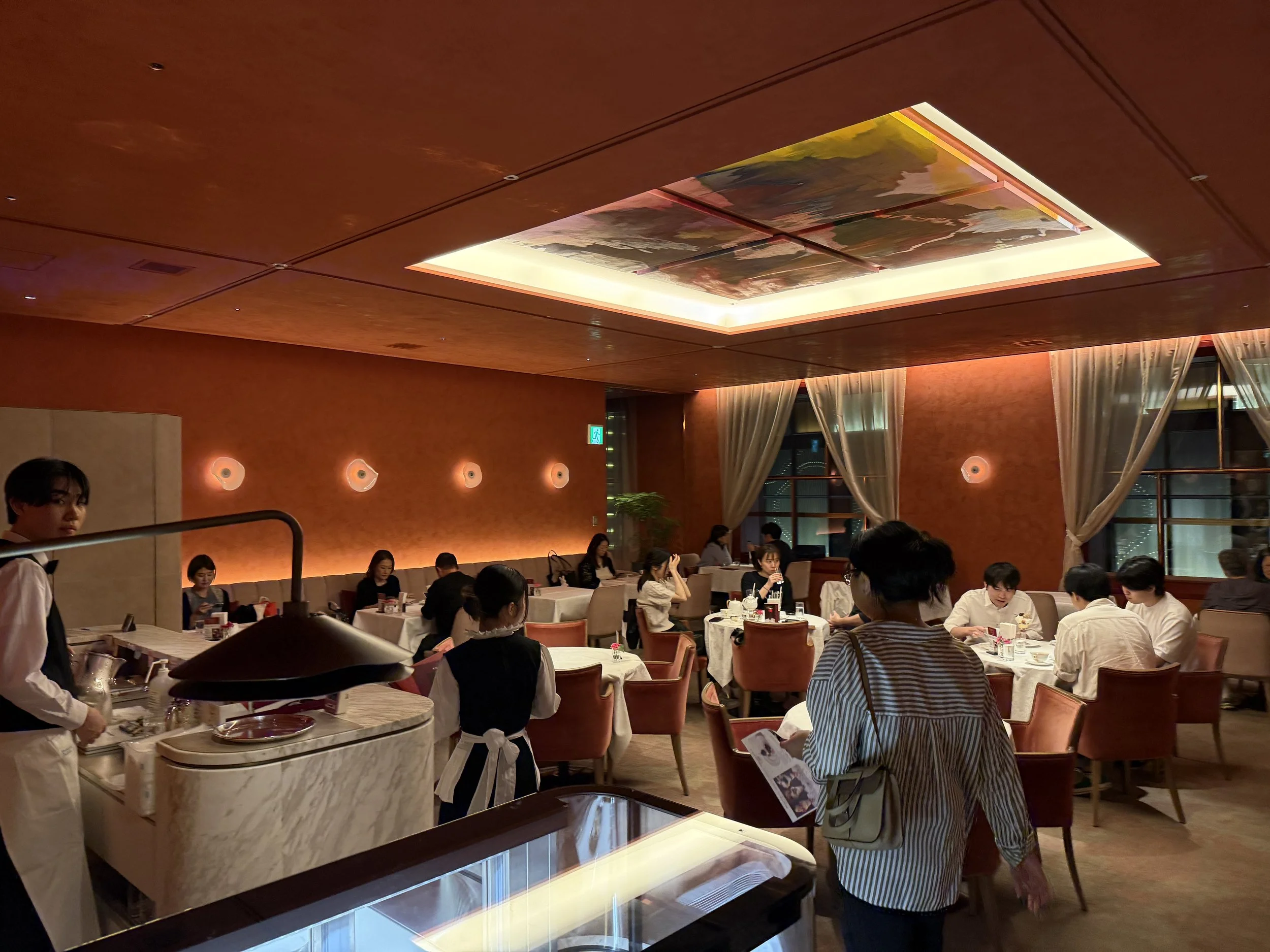
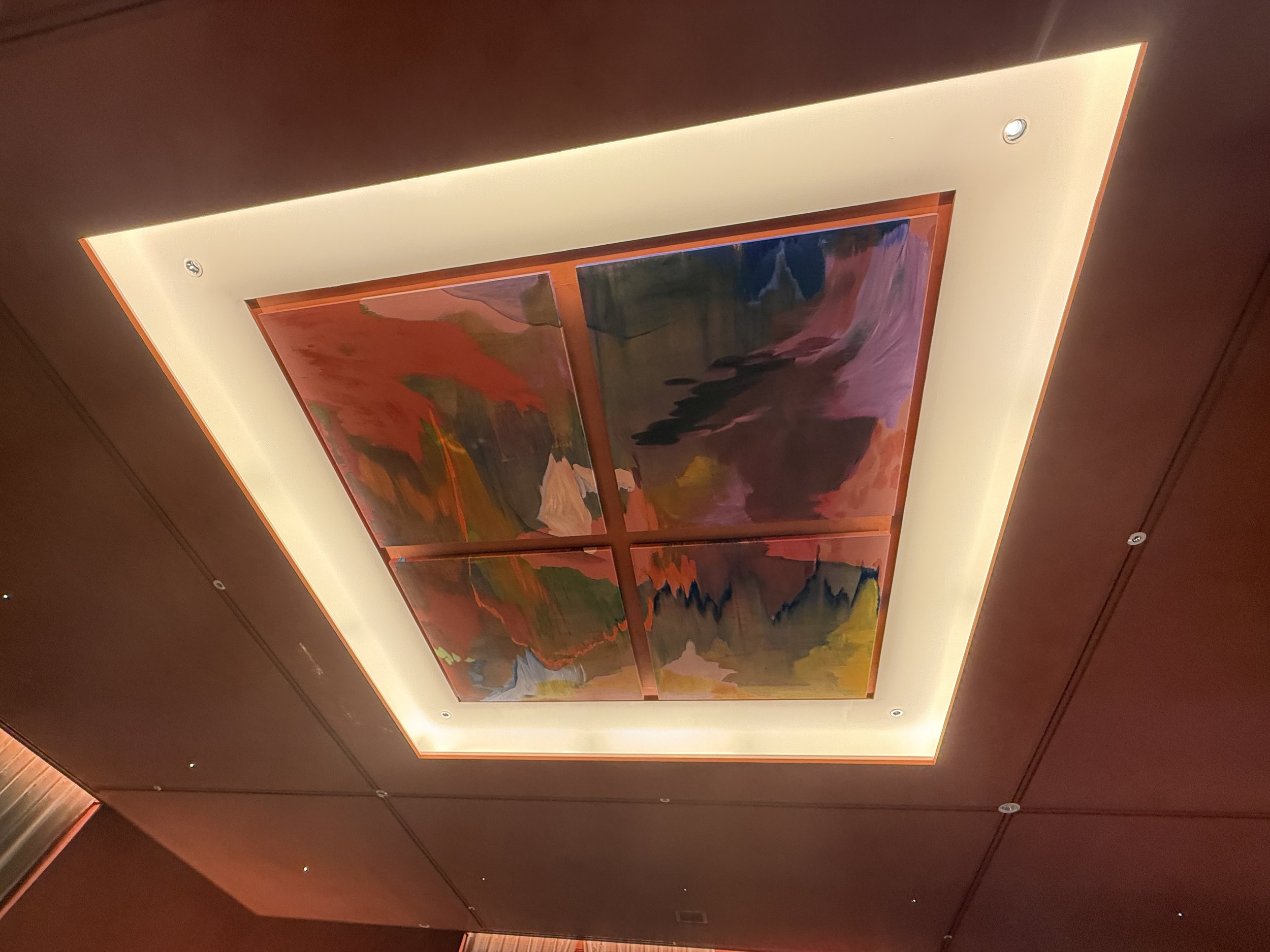
The vibey interiors cater to the girlfriends who drag their boyfriends by force. When you dine here, sipping your tea requires you to lift your pinky, like a duke or a duchess.
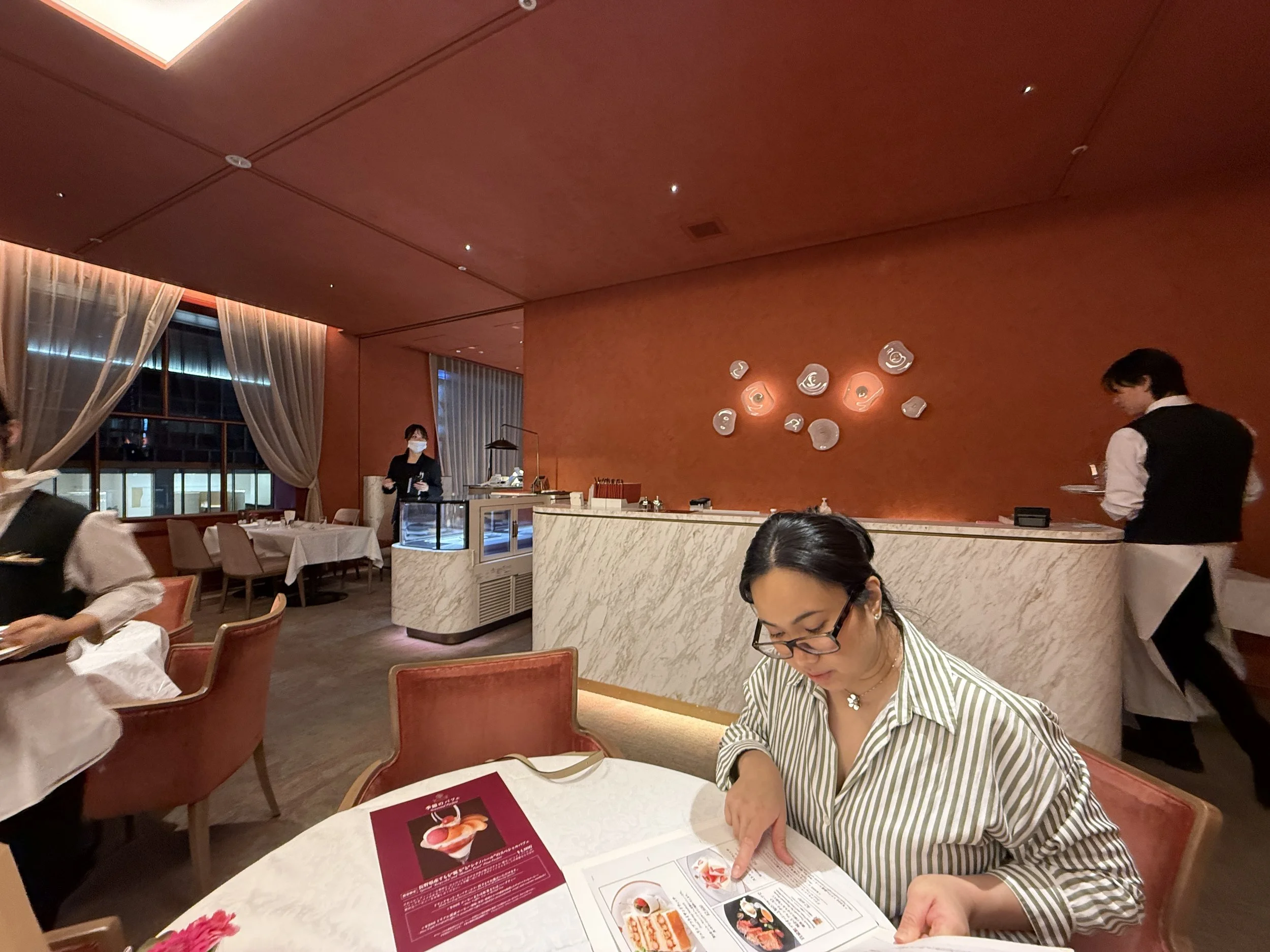
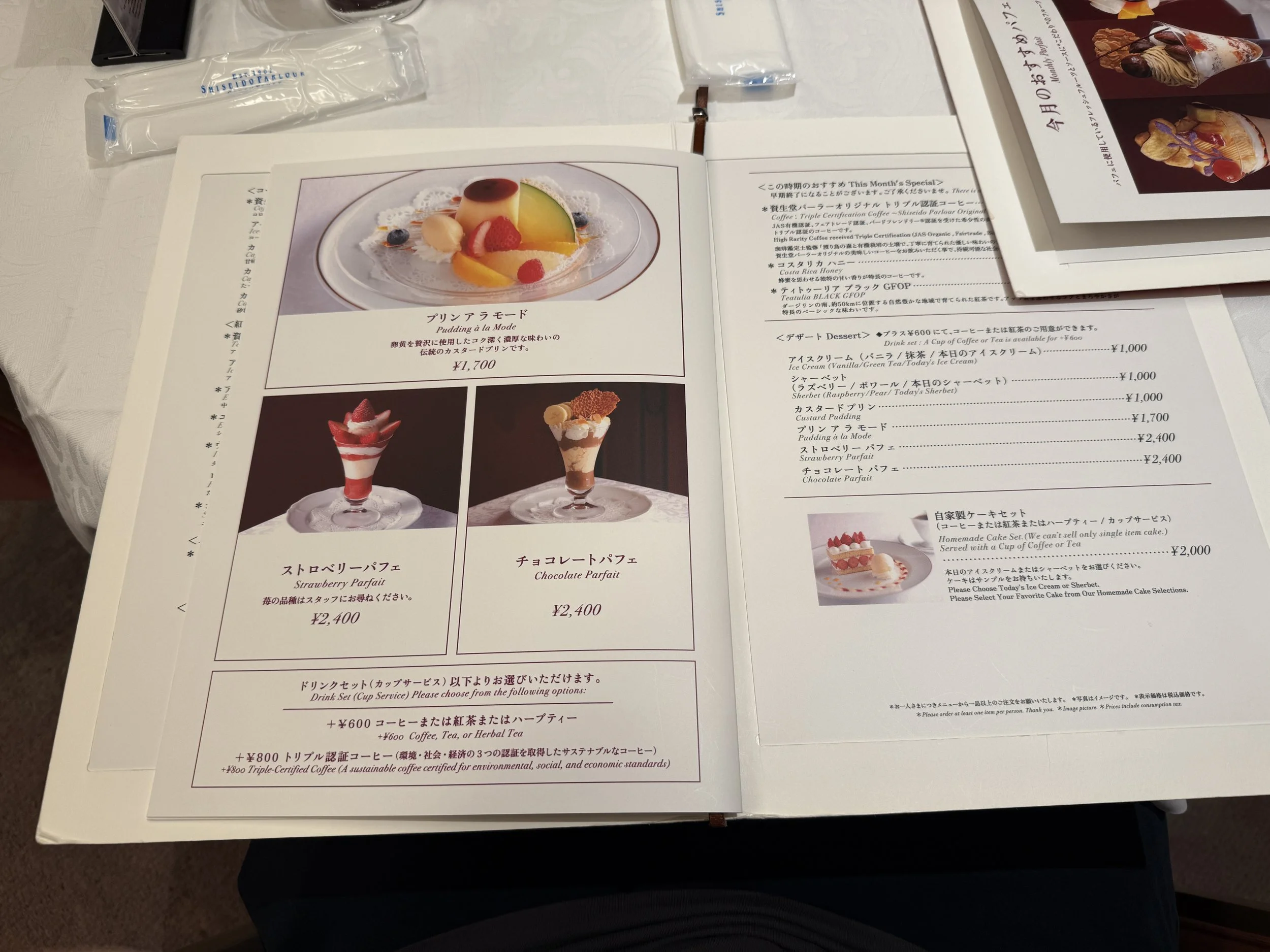
The chocolate parfait and pudding didn’t last long. They were that good.
Don Quijote
To get rid of the bulging belly, we had to walk. Unfortunately, we wound up at the doorsteps of Don Quijote.
Folks, I’ve never freaked out in my entire life until I went inside a Don Quijote store. The story is while my wife was shopping, I went a couple of steps ahead and when I turned around, I couldn’t find her. It didn’t help that I was already feeling sleepy, jetlagged and fatigued all at the same time. To make matters worse, all the blinking lights, signages and the Don Quijote anthem playing on loop made me feel that I was about to have a seizure. It took me a solid ten minutes before finally retracing my steps back to find her. Parents, don’t let go of your kids in this store.
Don Quijote is a one-stop shop for all your Japanese needs, a labyrinth with no way out. Literally, this shop sells everything—from pain killer pads, instant ramen, chocolates to pre-loved luxury goods, name it, they have it—it’s a jungle inside. They are open twenty-four hours a day and have tax-free shopping (for non-residents). Be prepared for ten million people crammed inside a building. I am impressed by the genius mastermind behind this business plan, s/he surely is sitting on laurels right now.
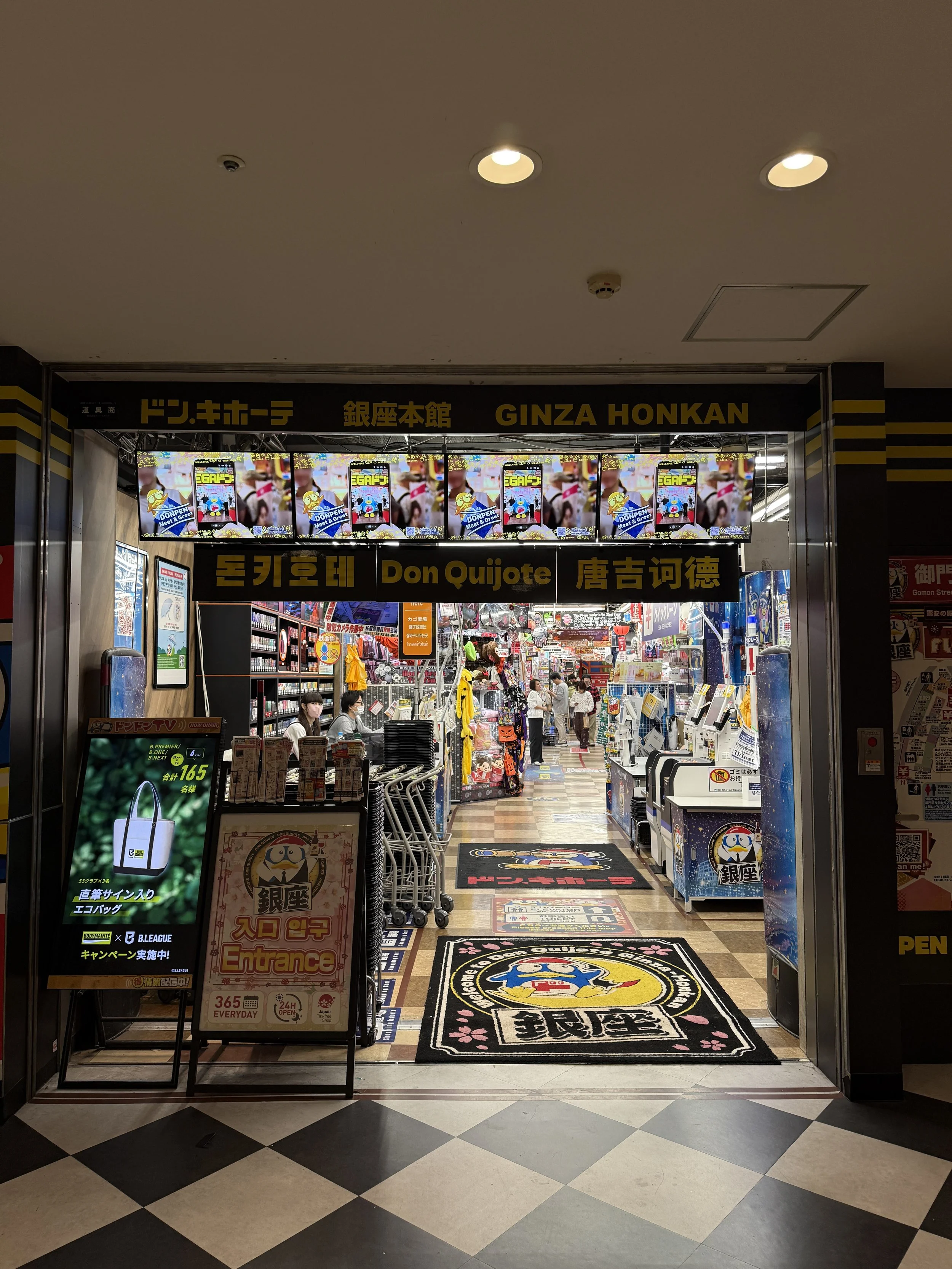
Enter if you dare
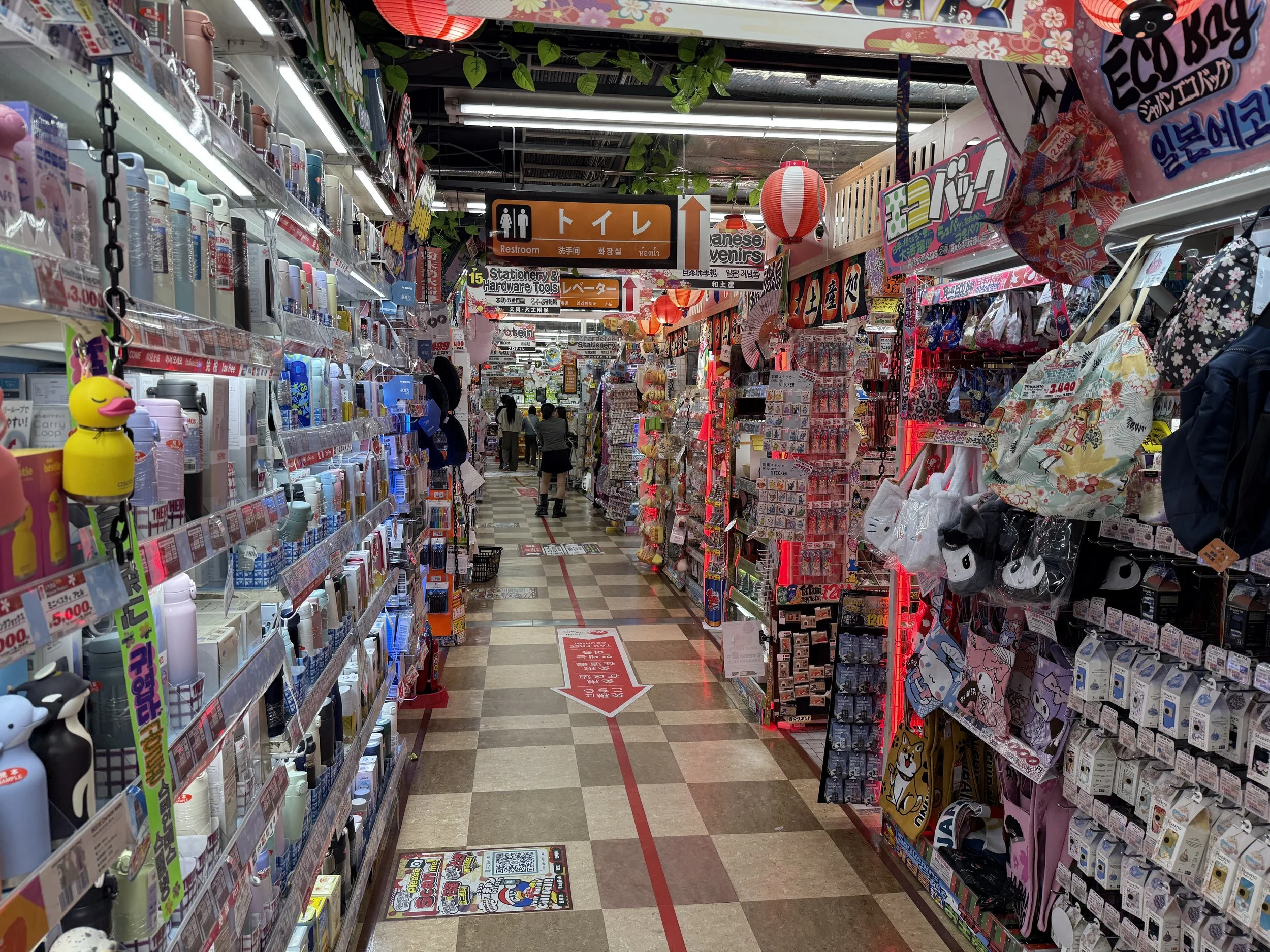
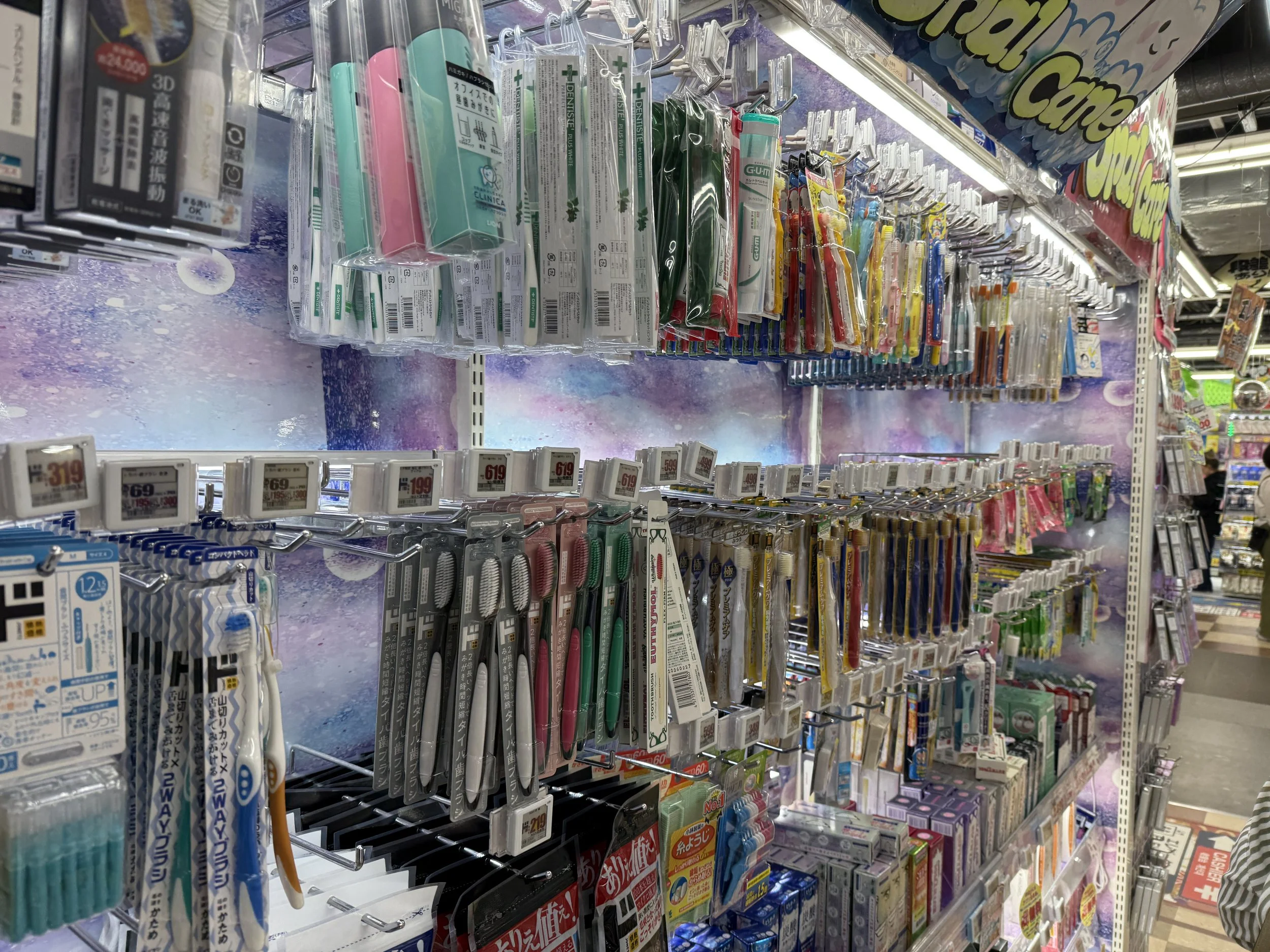
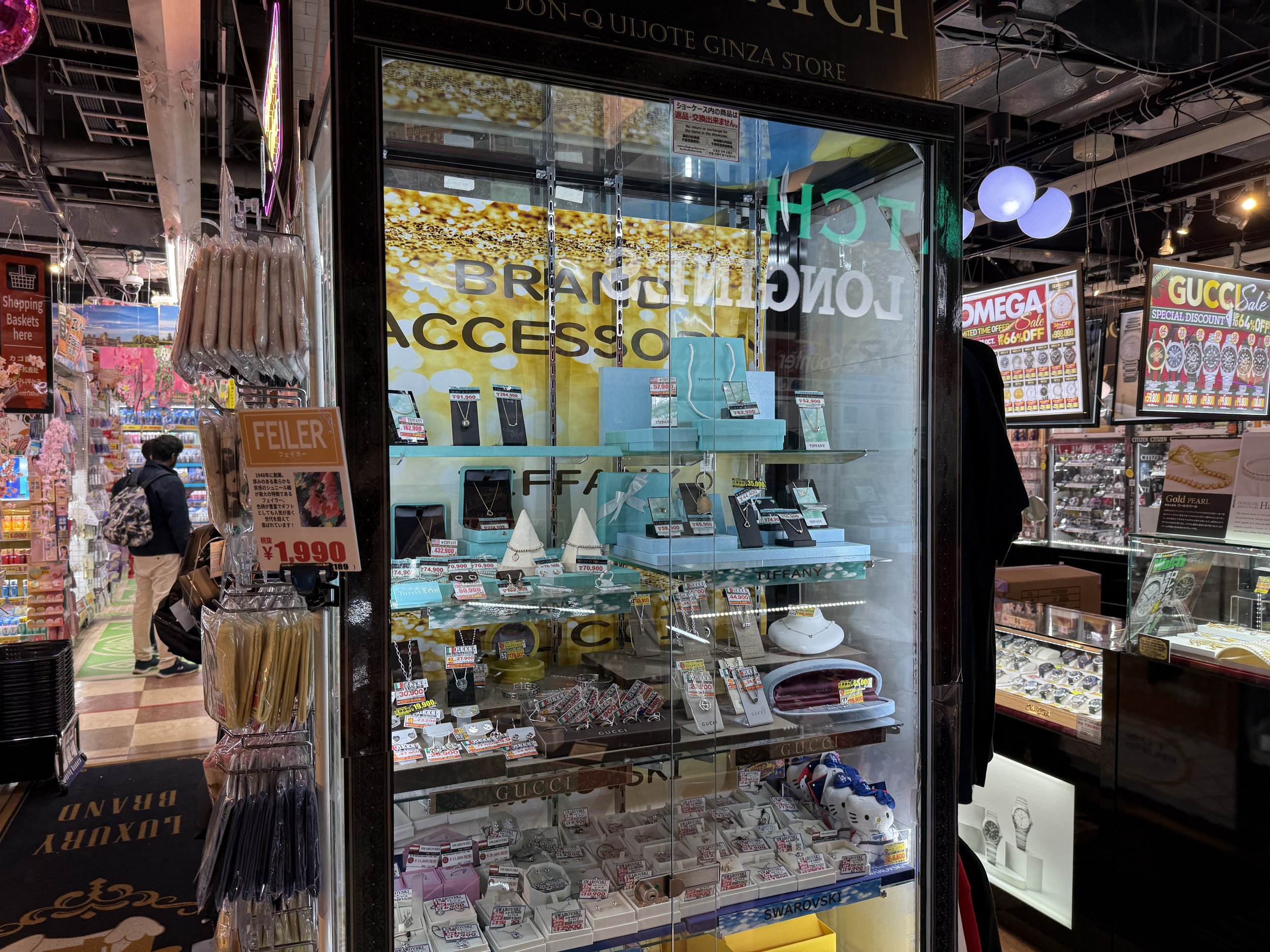
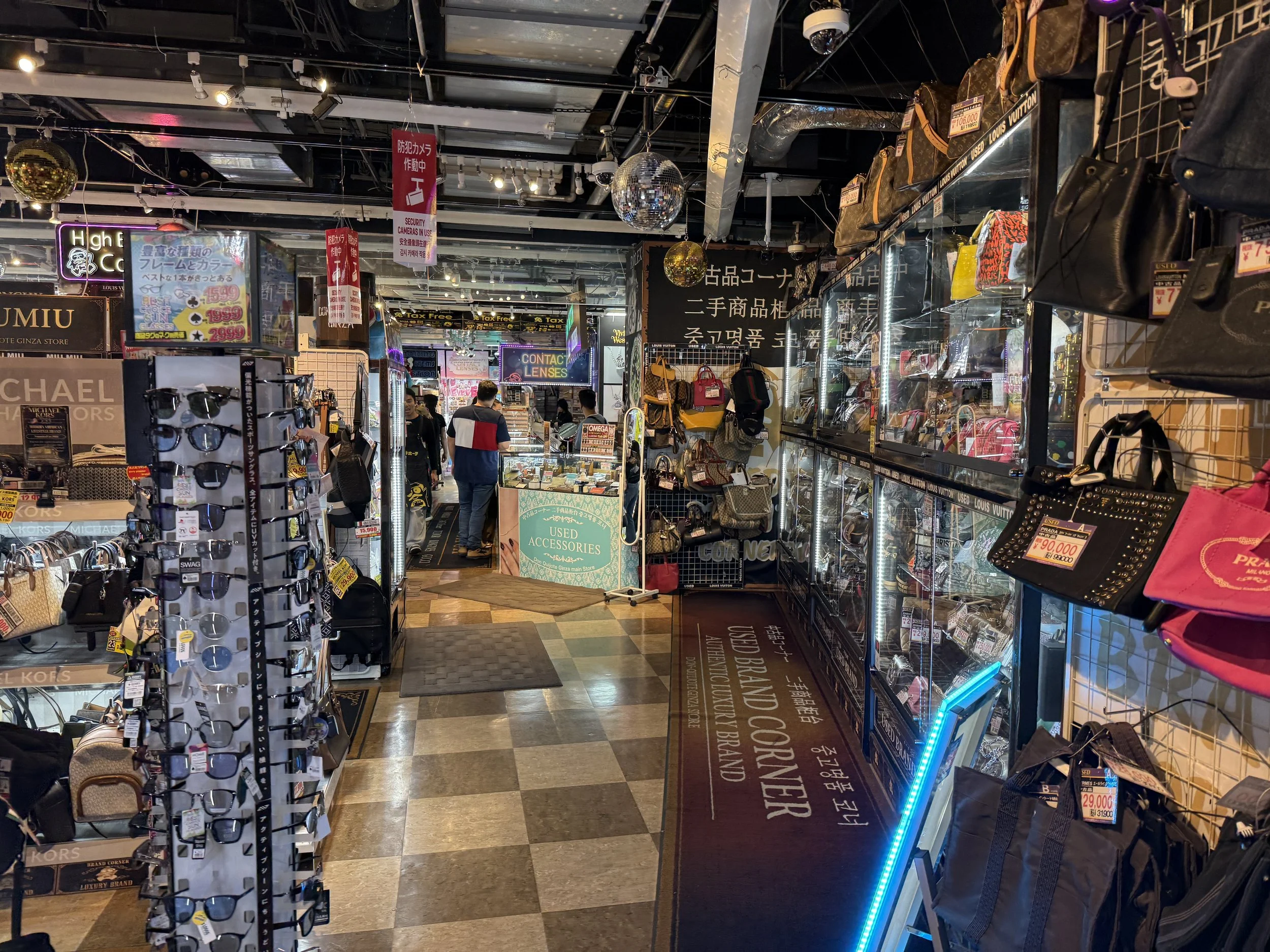
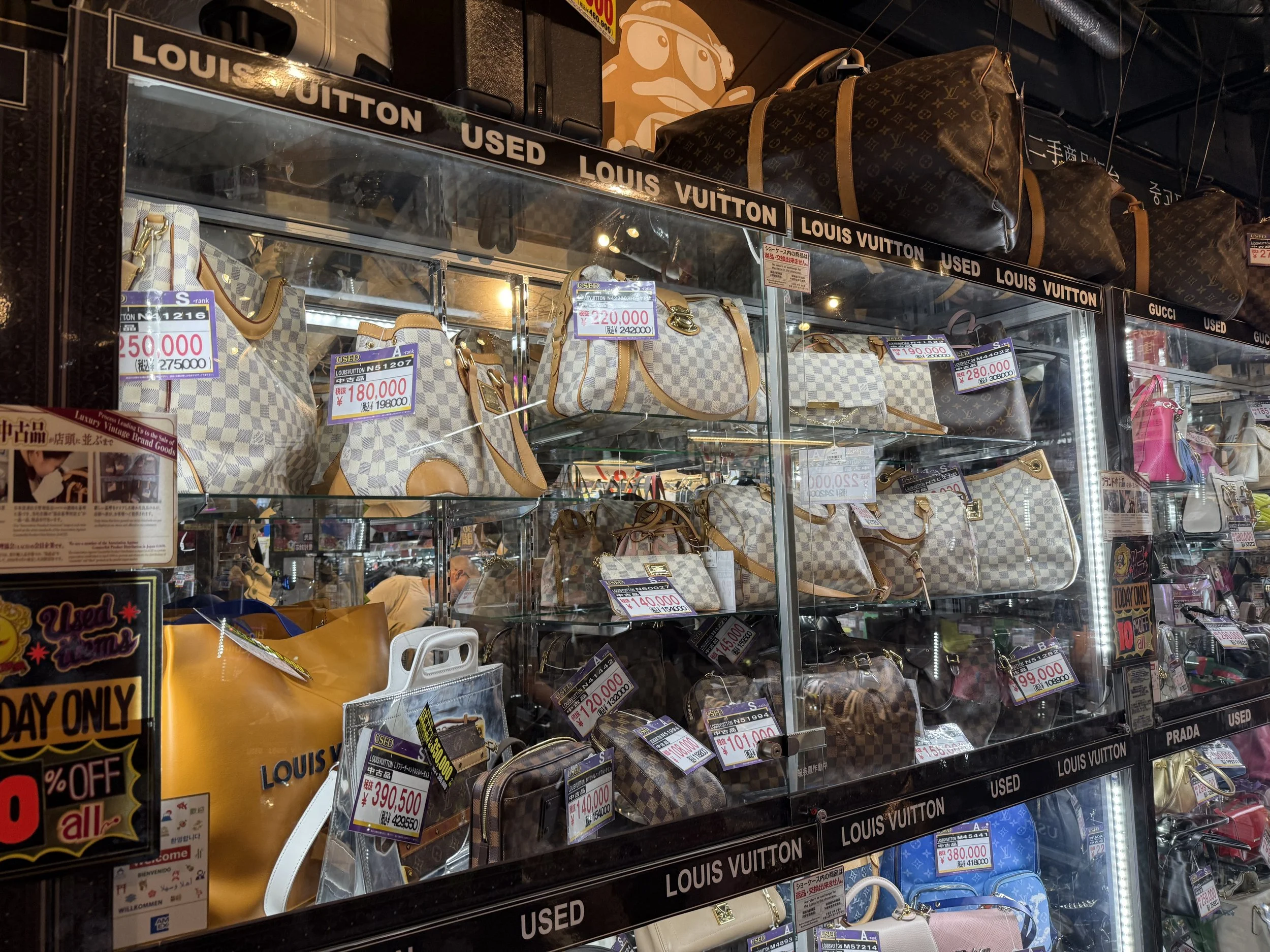
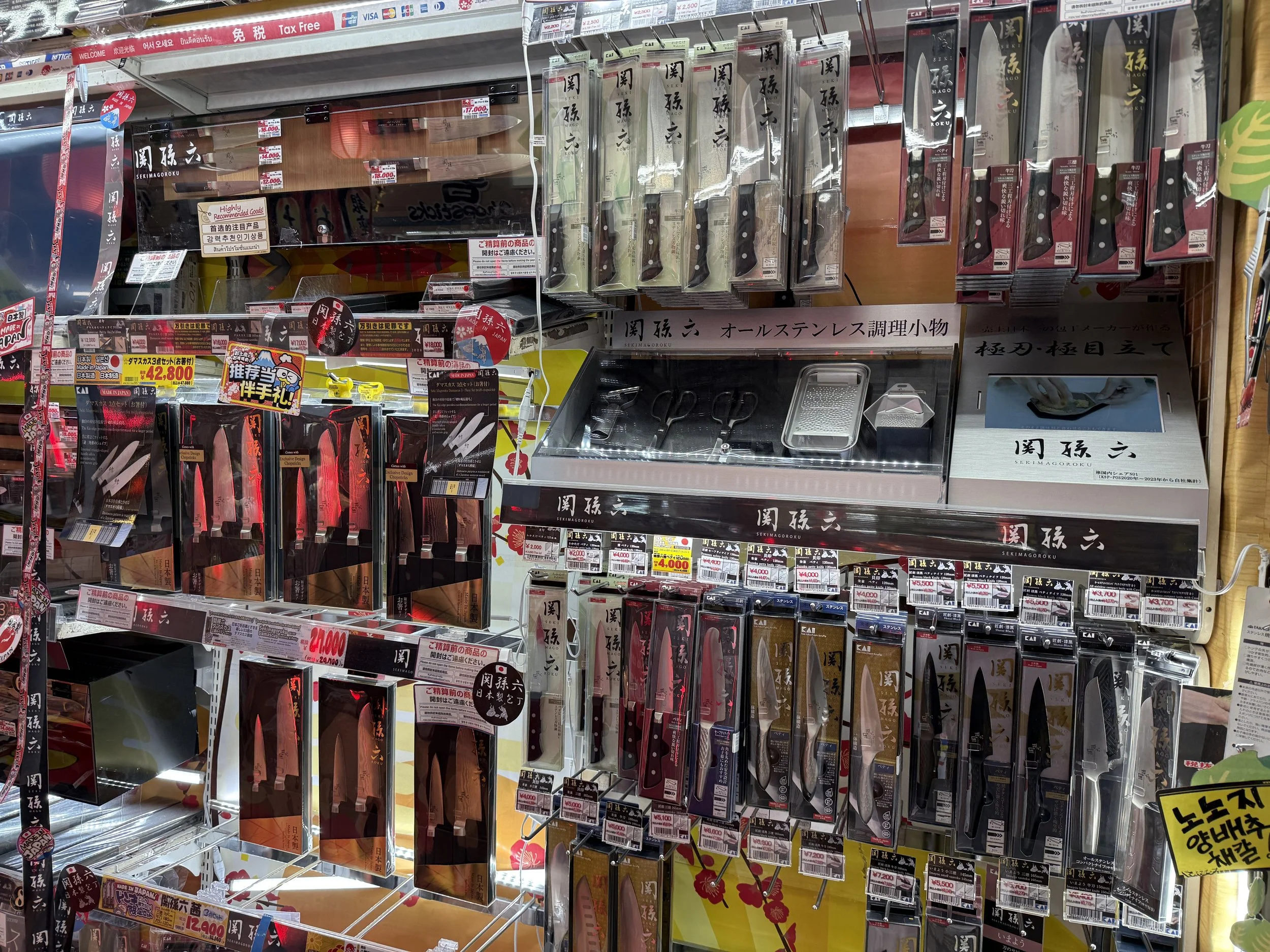
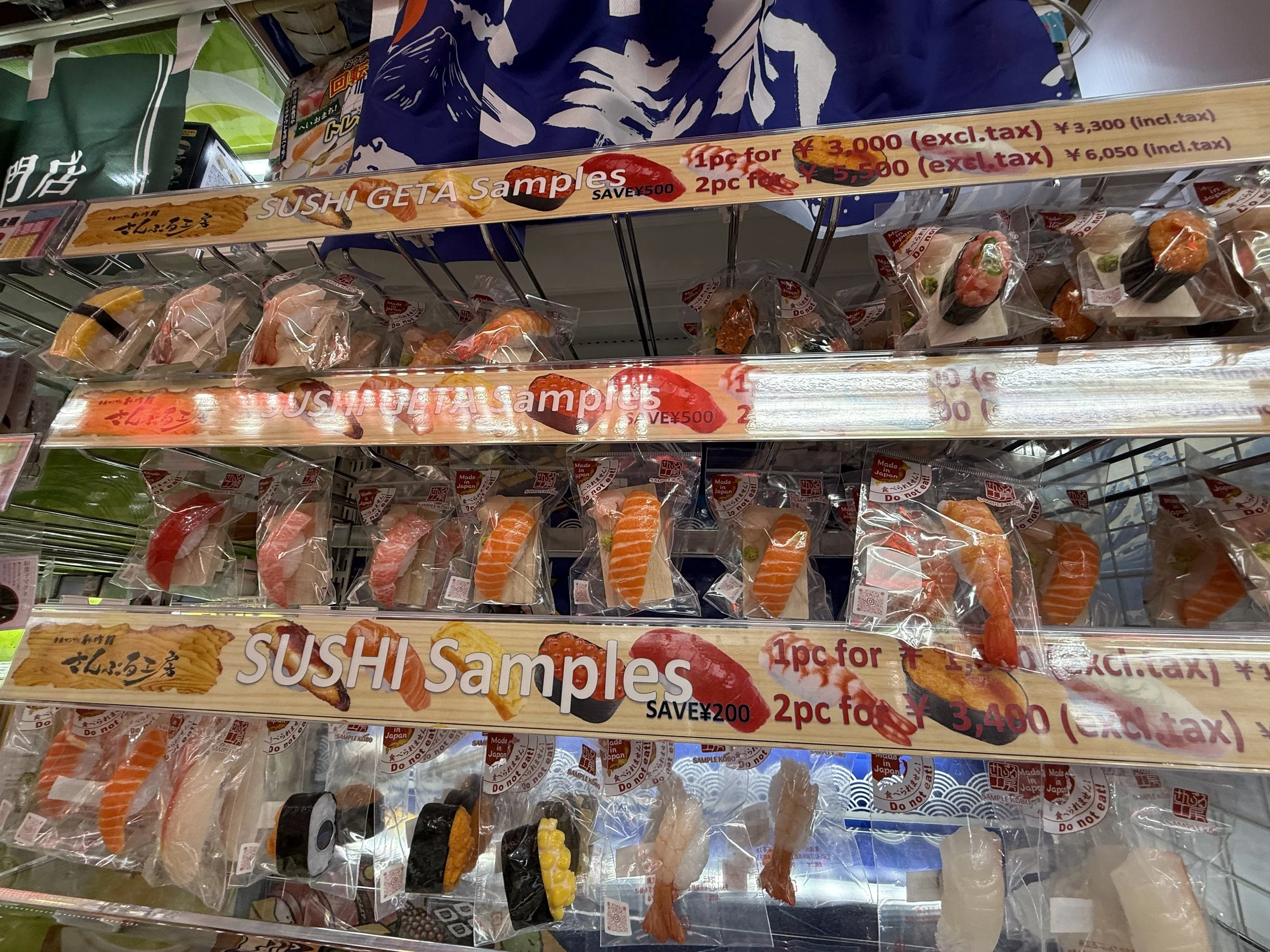
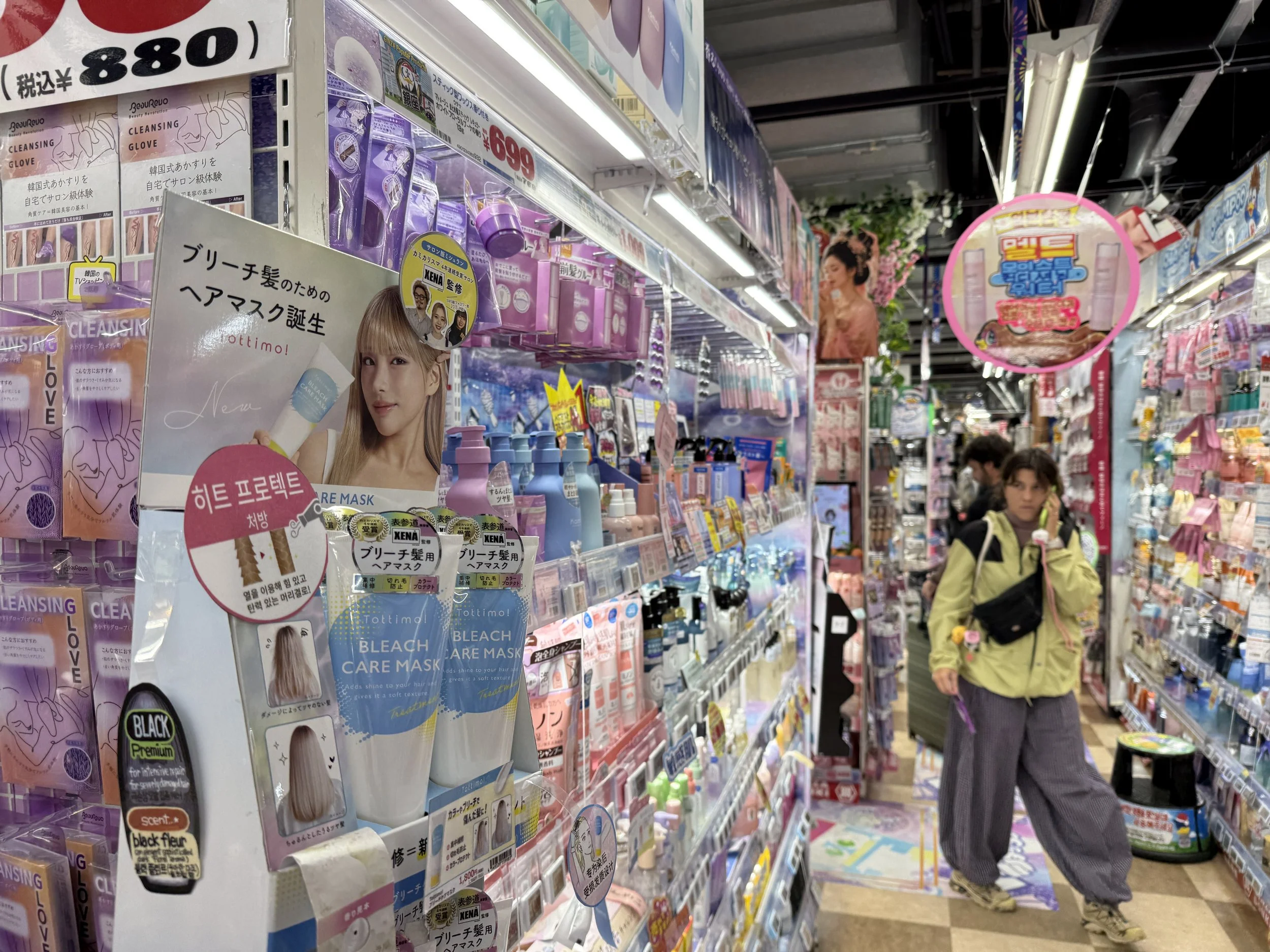
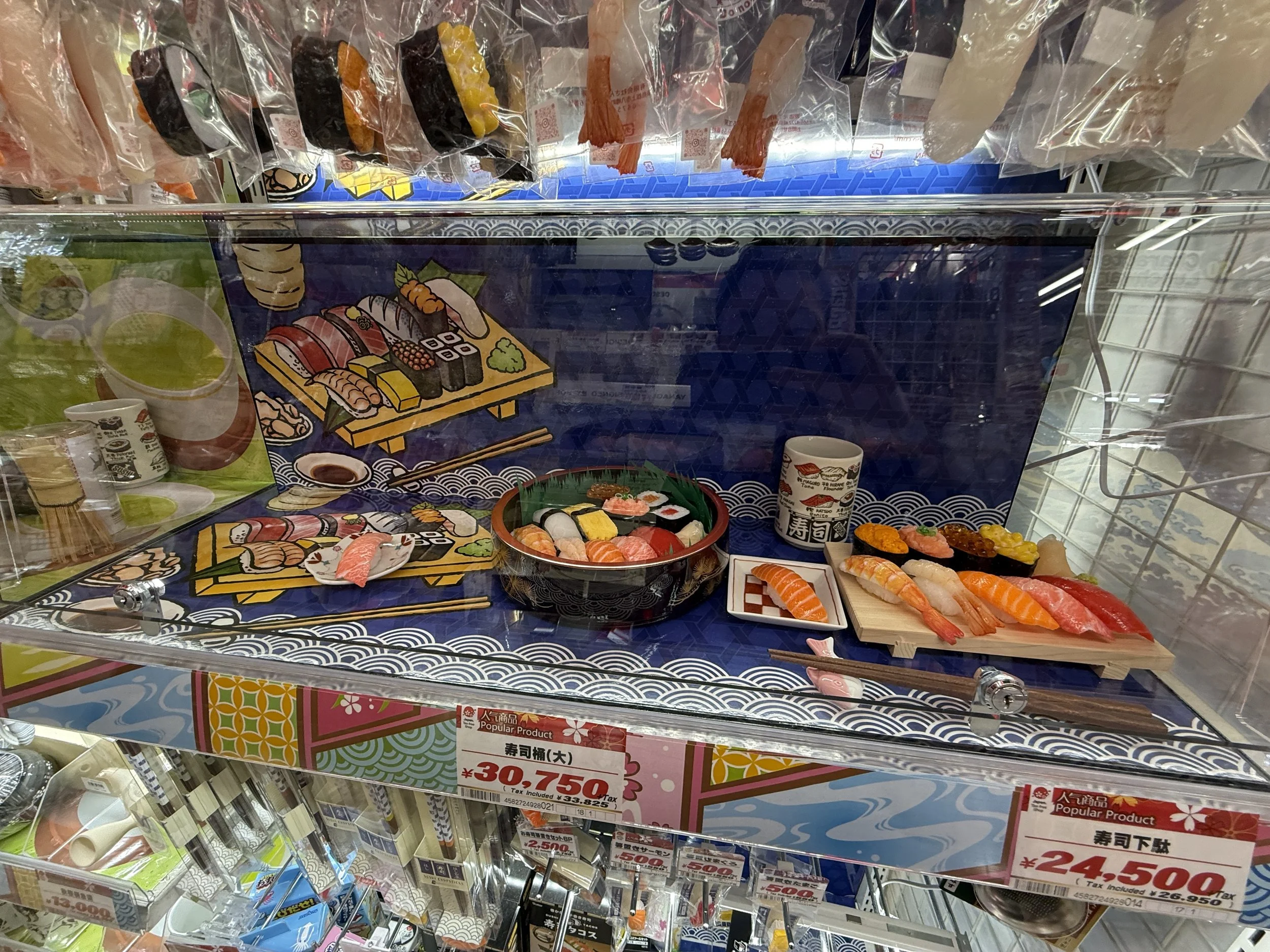
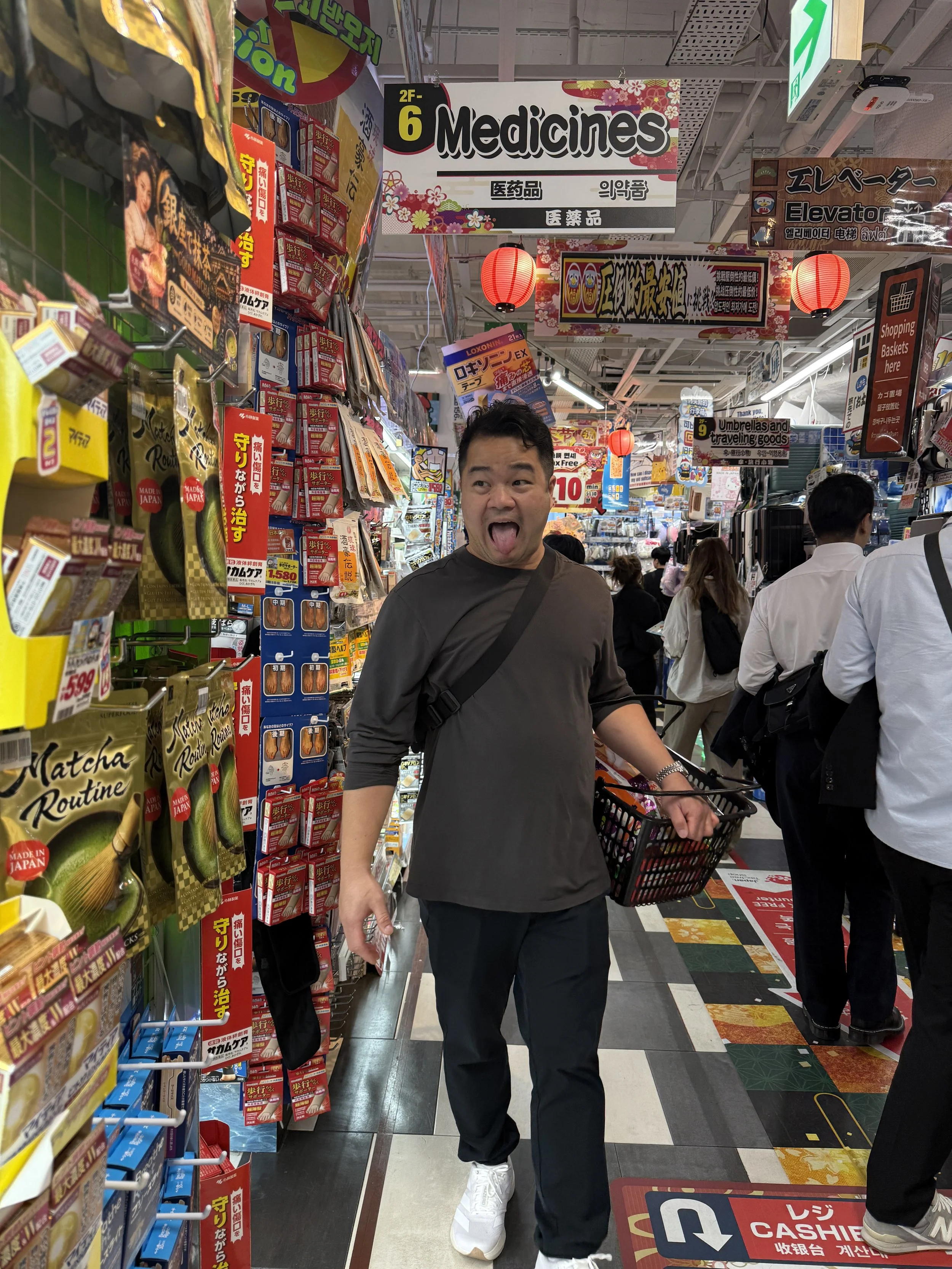
This is me giving up on shopping.
Ginza Music Bar
Before the night ended, we stopped by Ginza Music Bar. We’ve been frequenting listening bars ever since we had a good experience at Bar Orai in New York. If you want to read about it, click here!
What we really like about music bars is the experience we get from listening to amazing music, enjoying the calm ambience and the drinks. It’s only you, your company and good music that you sing along to—such a carefree moment. If they have a good bar food program, then it is a plus! I’ll tell you that sipping an old fashion with Japanese cheese and crab croquettes while listening to Sade is one of life’s greatest gifts. The DJ plays a very crucial role as s/he holds the key to a night that is well spent. Try it and let me know what you think.
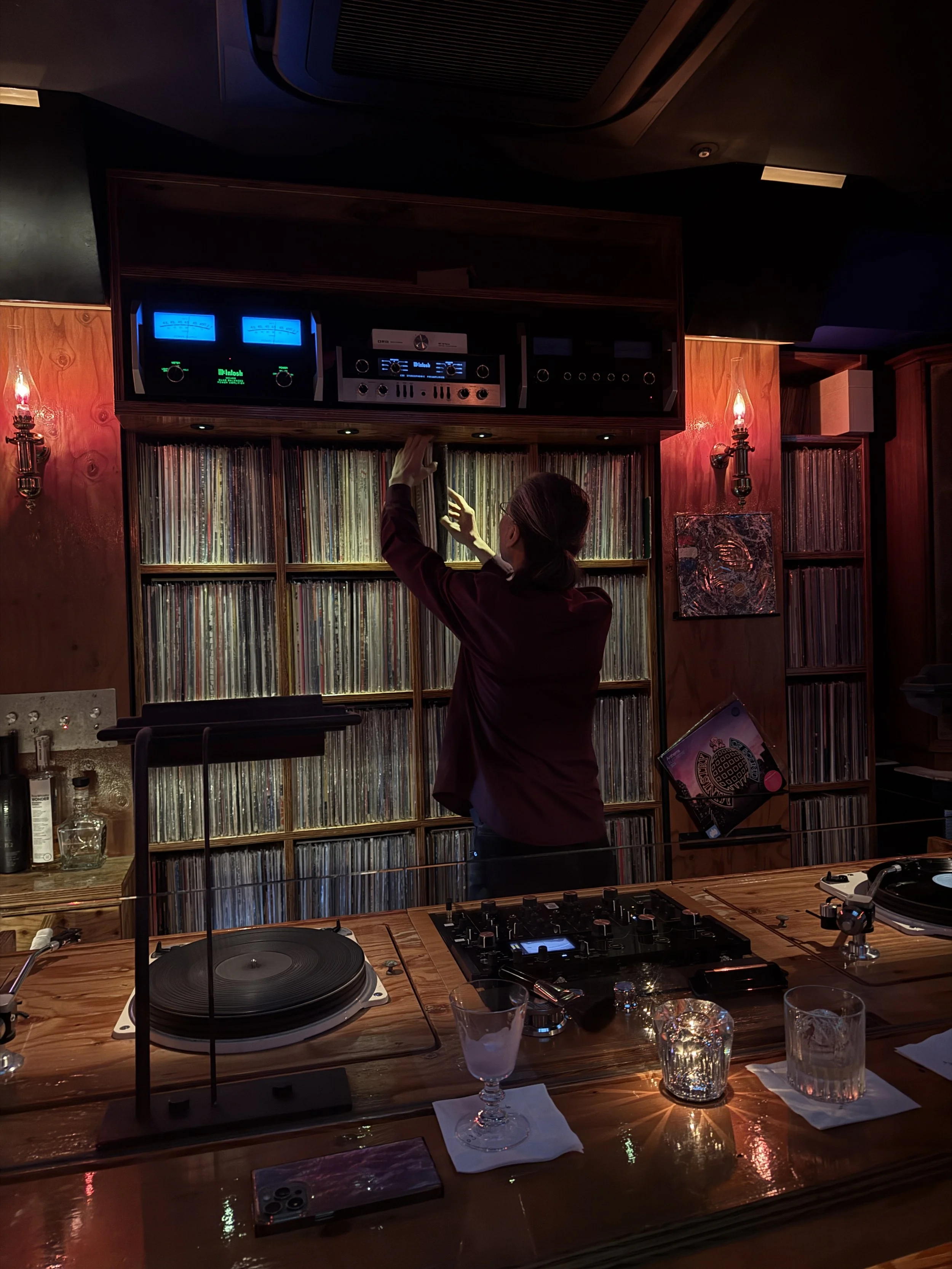
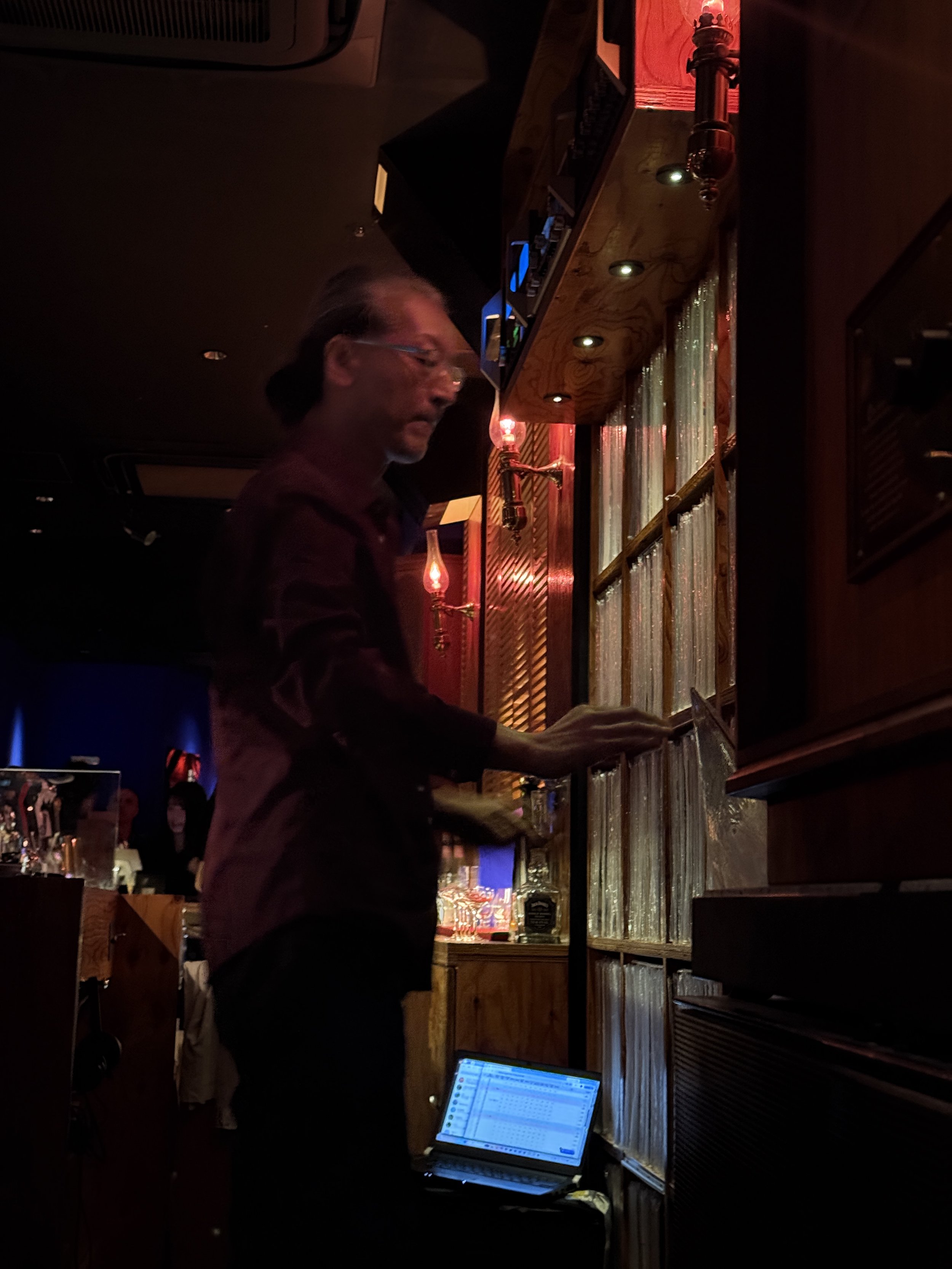
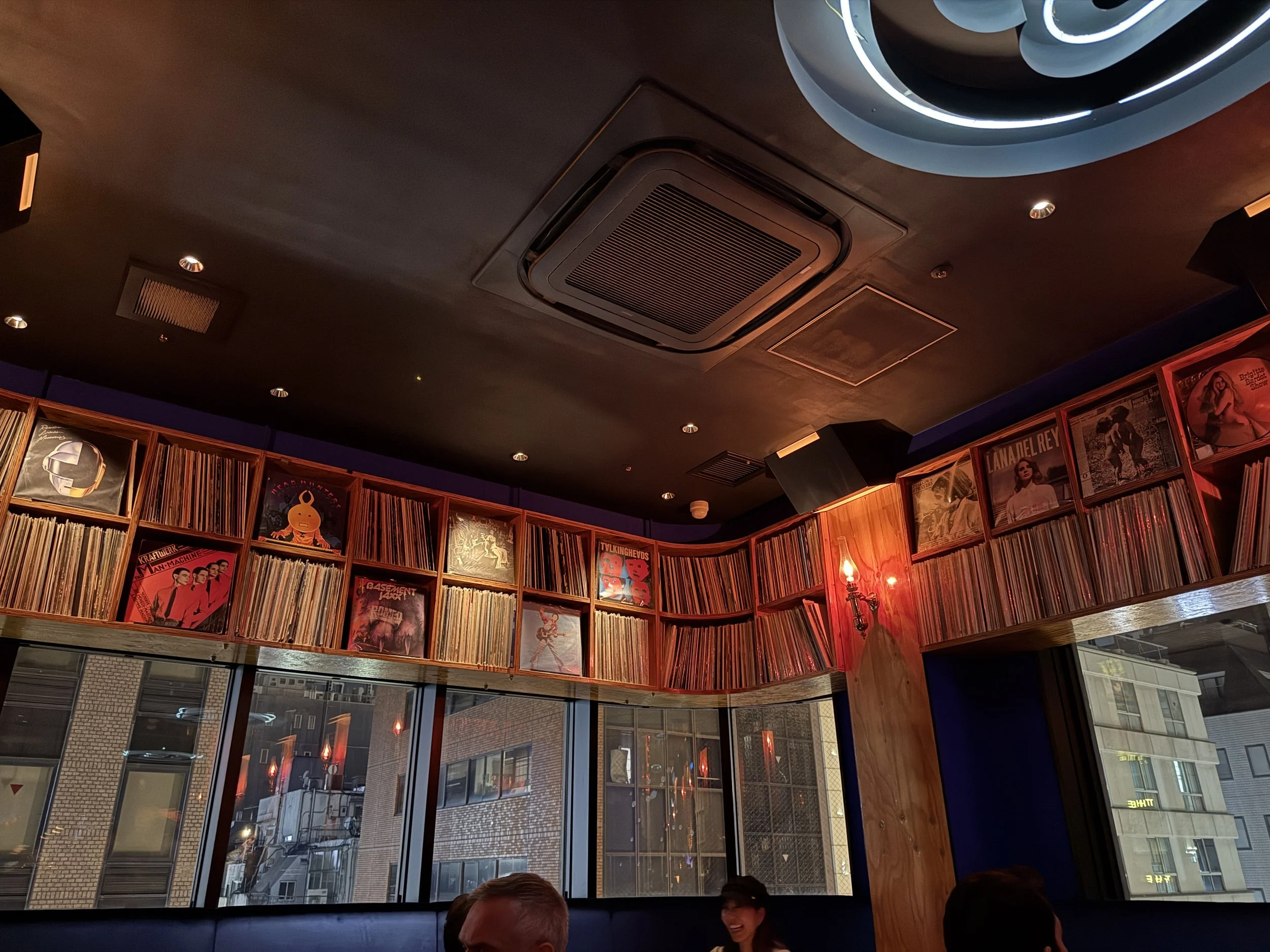
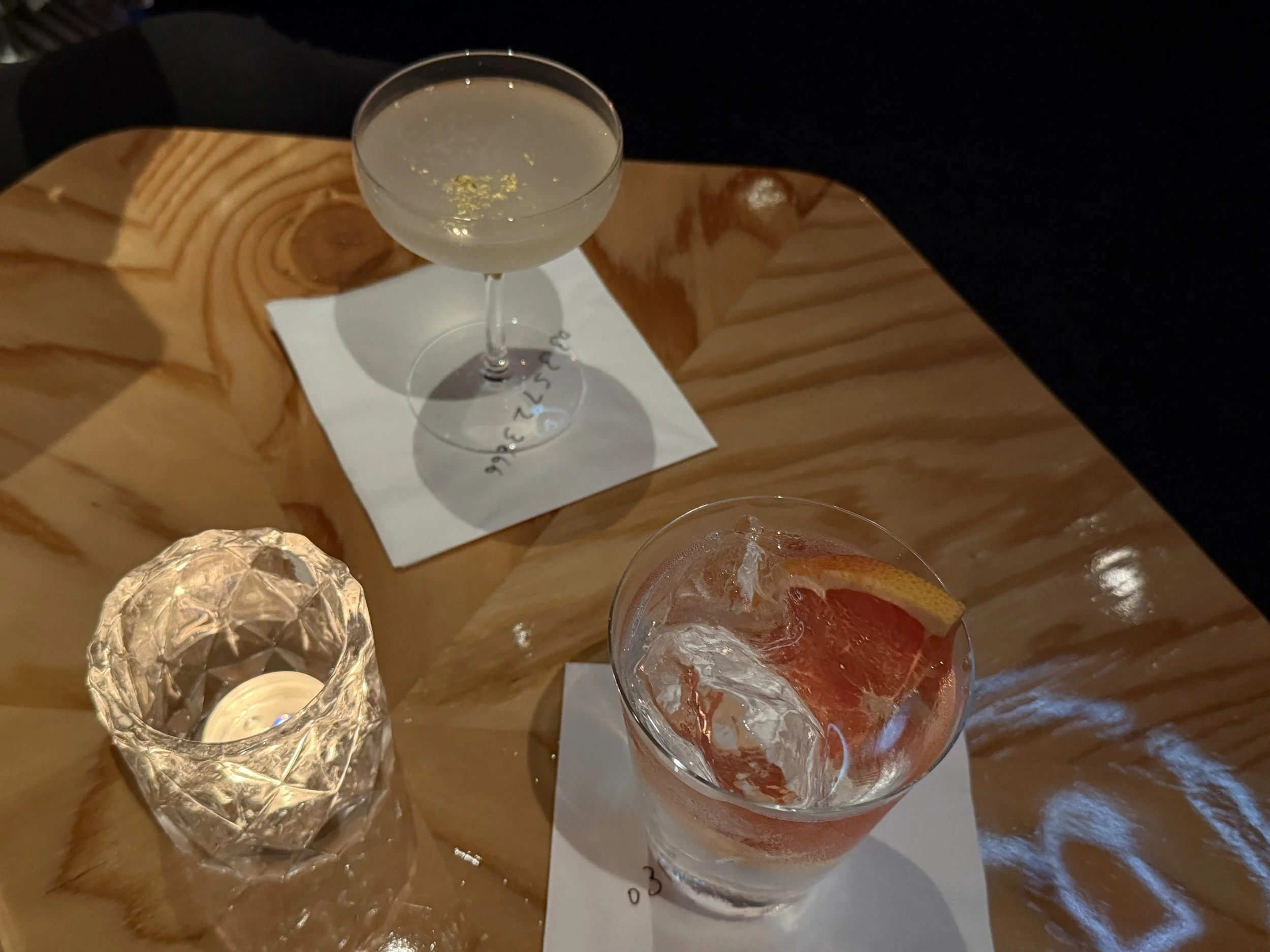
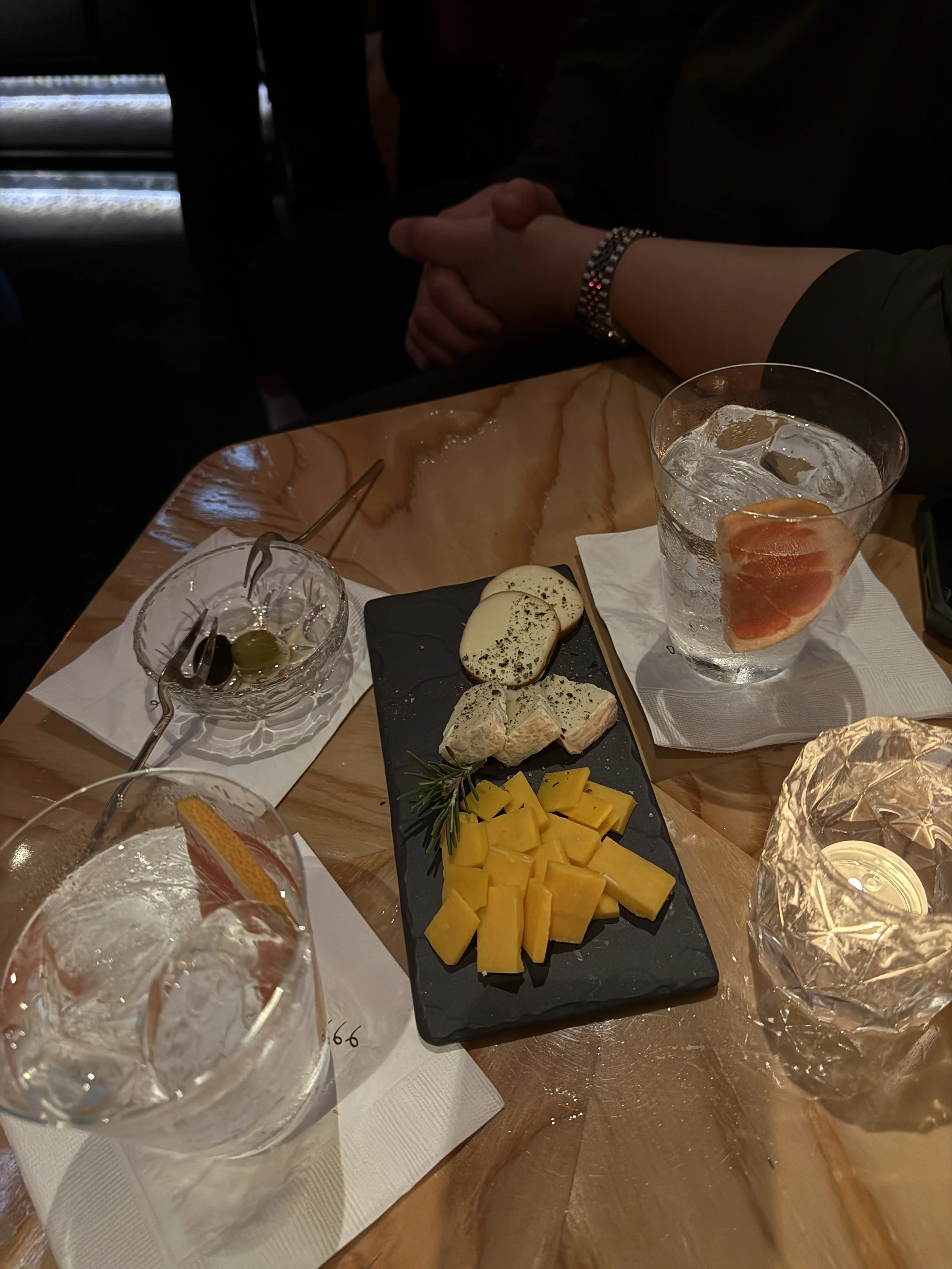
By this time, my eyes were shutting involuntarily, it could’ve been a better experience if the jetlag didn’t kick in. Overall, the vibe was amazing, a bit too crowded for my taste, but hey, with an estimated forty million annual visitors, can you really find a place in Japan that’s popping without the crowd? I don’t think so.
Entering our hotel room, we were greeted by this magnificent view of the Tokyo Tower in it’s full glory. I took a mental picture of it, closed my eyes and dropped. What an amazing first day.
Day 2
Tsukiji Market
The following morning, after a wonderful breakfast at the hotel, we traveled to Tsukiji Market. This is the world famous market where Bluefin tunas are auctioned on a daily basis that command a hefty price tag more expensive than real estate. Japanese chefs fight over these almost-extinct creatures just to offer them to their loyal patrons. To be clear, the auctioning of fish happens privately and quite early. The public does not get to witness these transactions happening. Tourists are allowed to enter the main market complex where you can buy fresh seafood from vendors. Photo and video taking are not allowed inside.
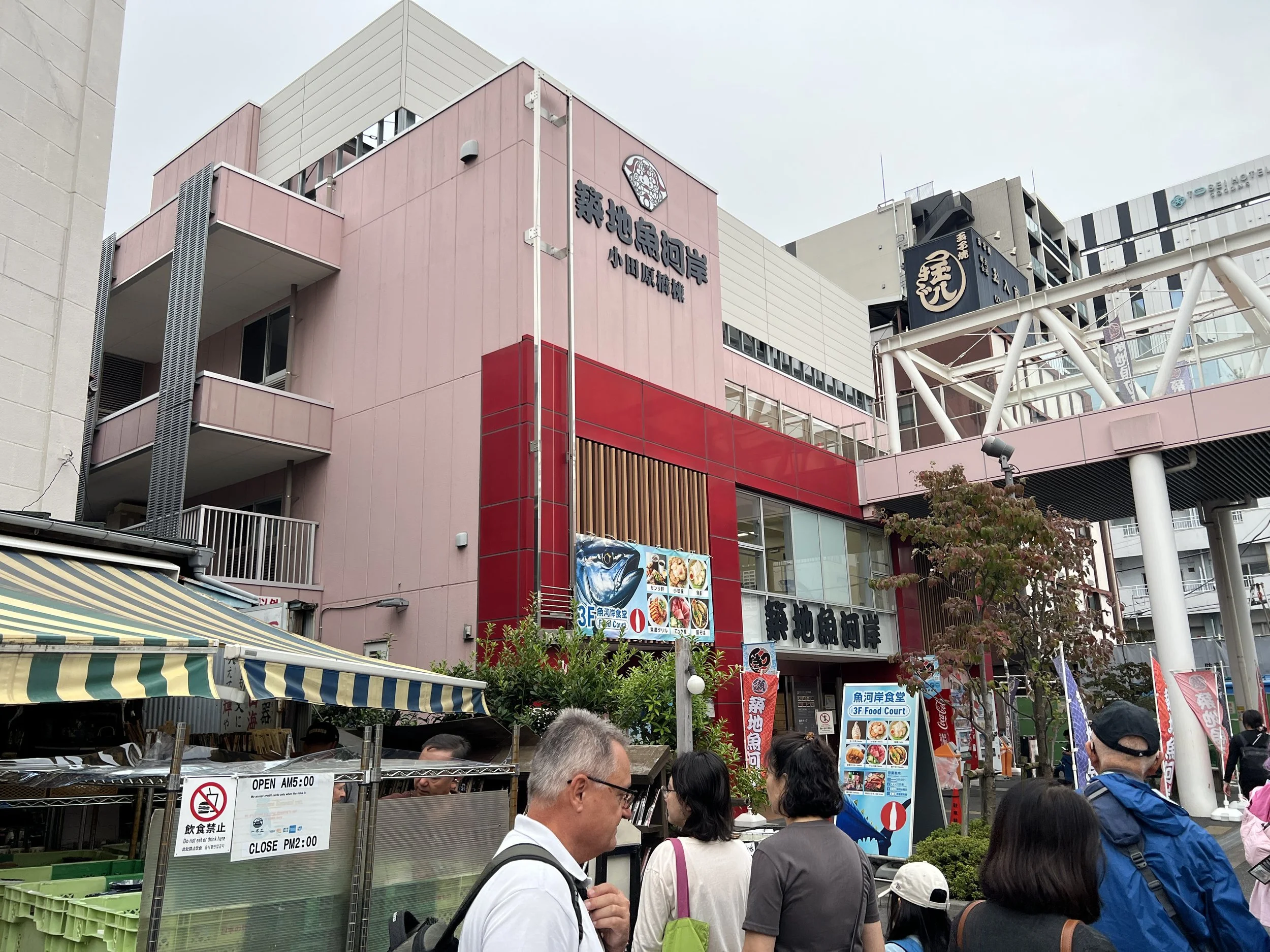
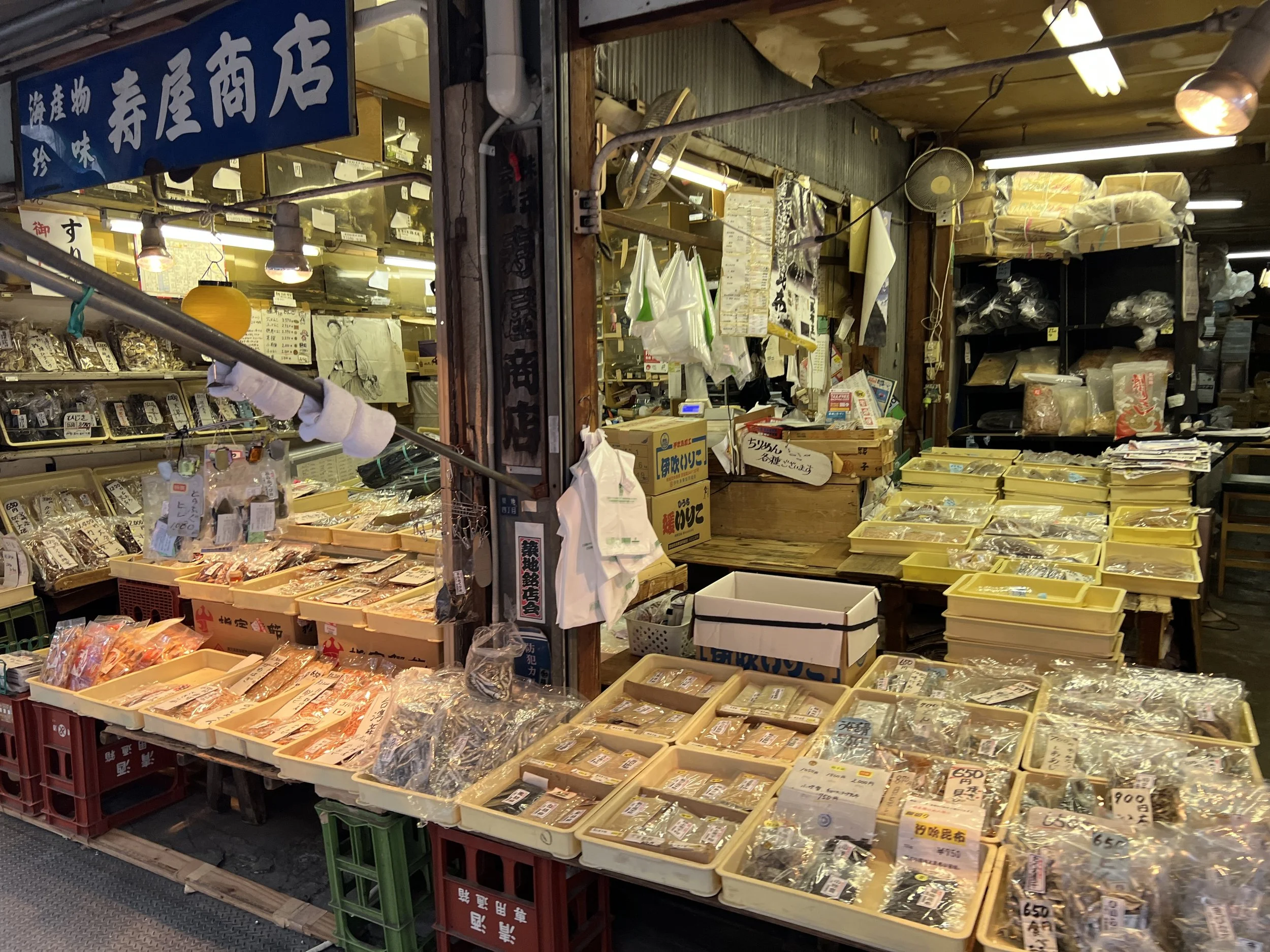
With all honesty, Tsukiji Market trip was pretty underwhelming. Aside from the food stalls and shops located outside the main market compound where all the frenzy takes place, there was really nothing to see except for some seafood that are native only to Japan. This country is surrounded by magnificent waters—abundant and filled with treasures that cannot be rivaled.
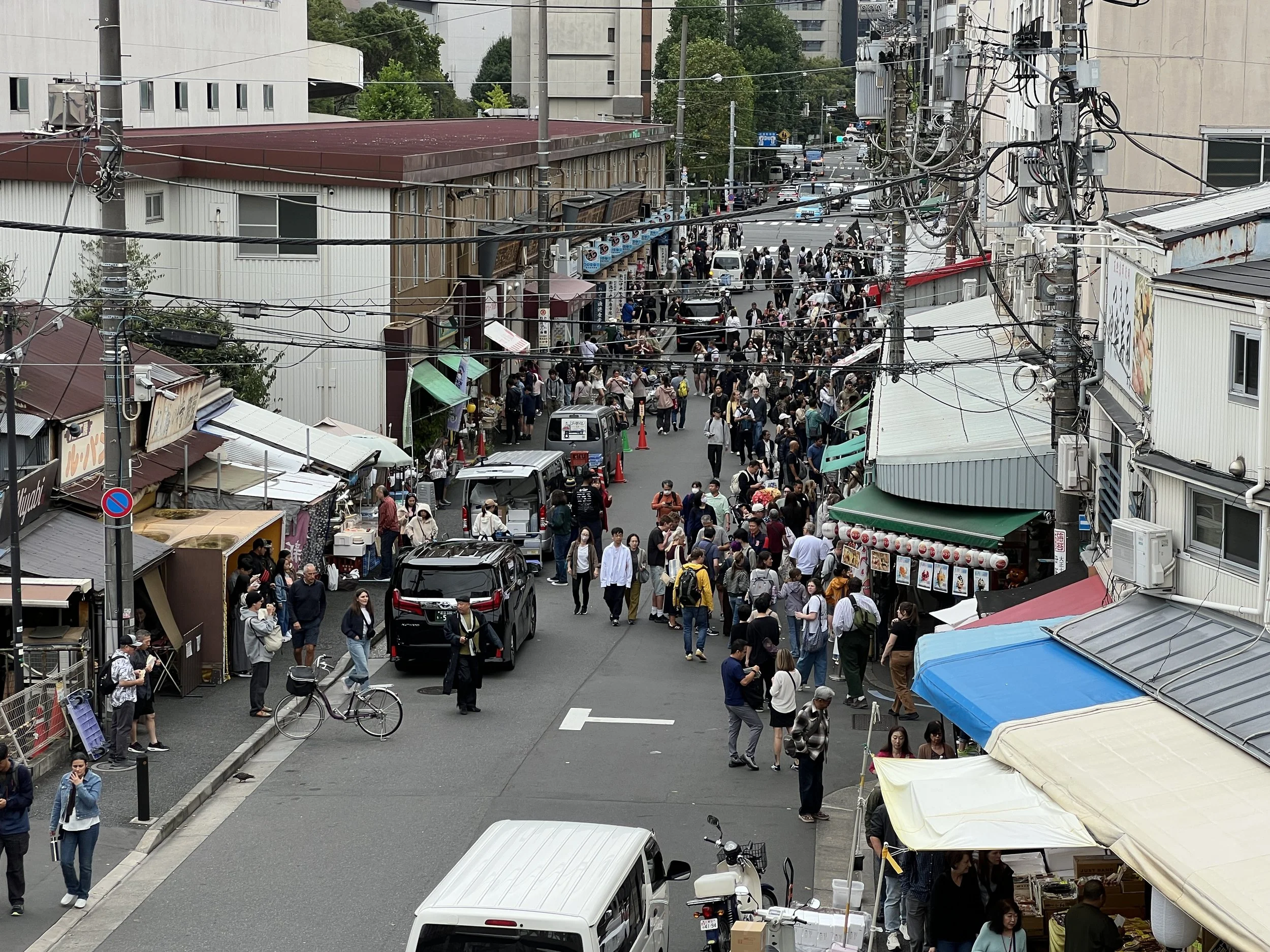
The crowd starts to flock at about 10:00am-11:00am, be prepared to have a hard time strolling around.
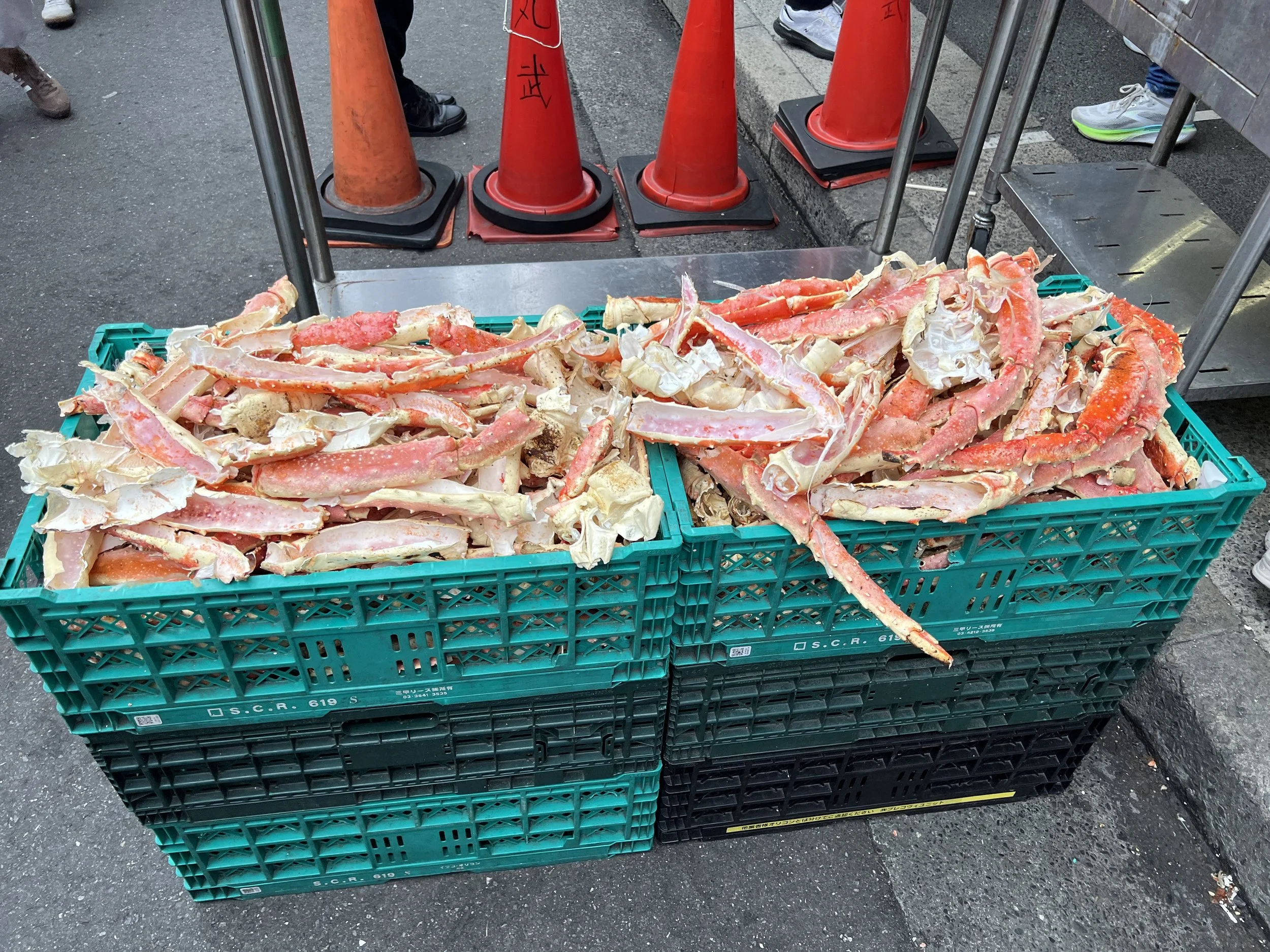
Piles of empty king crab leg shells. They grill them in front of you.
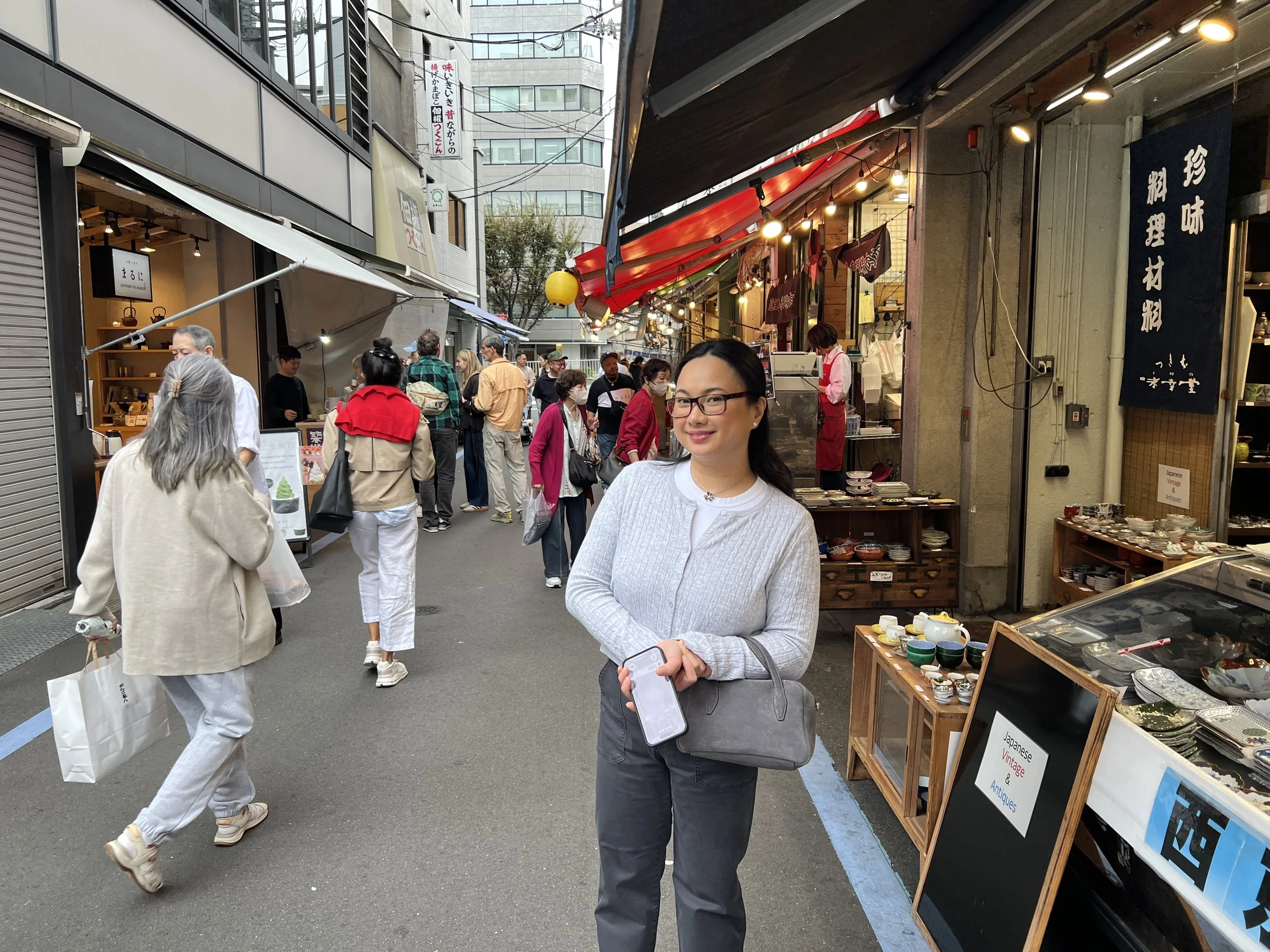
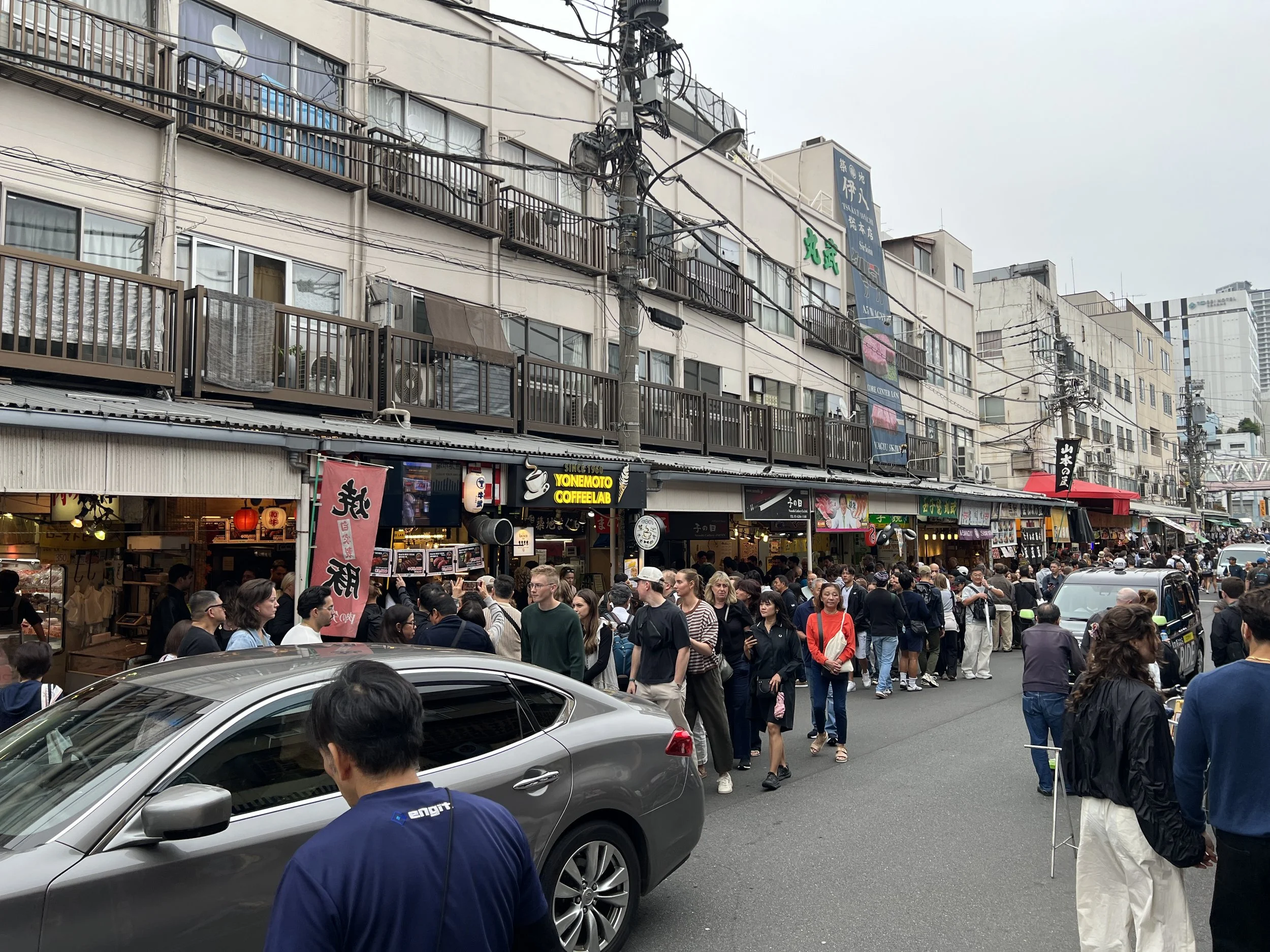
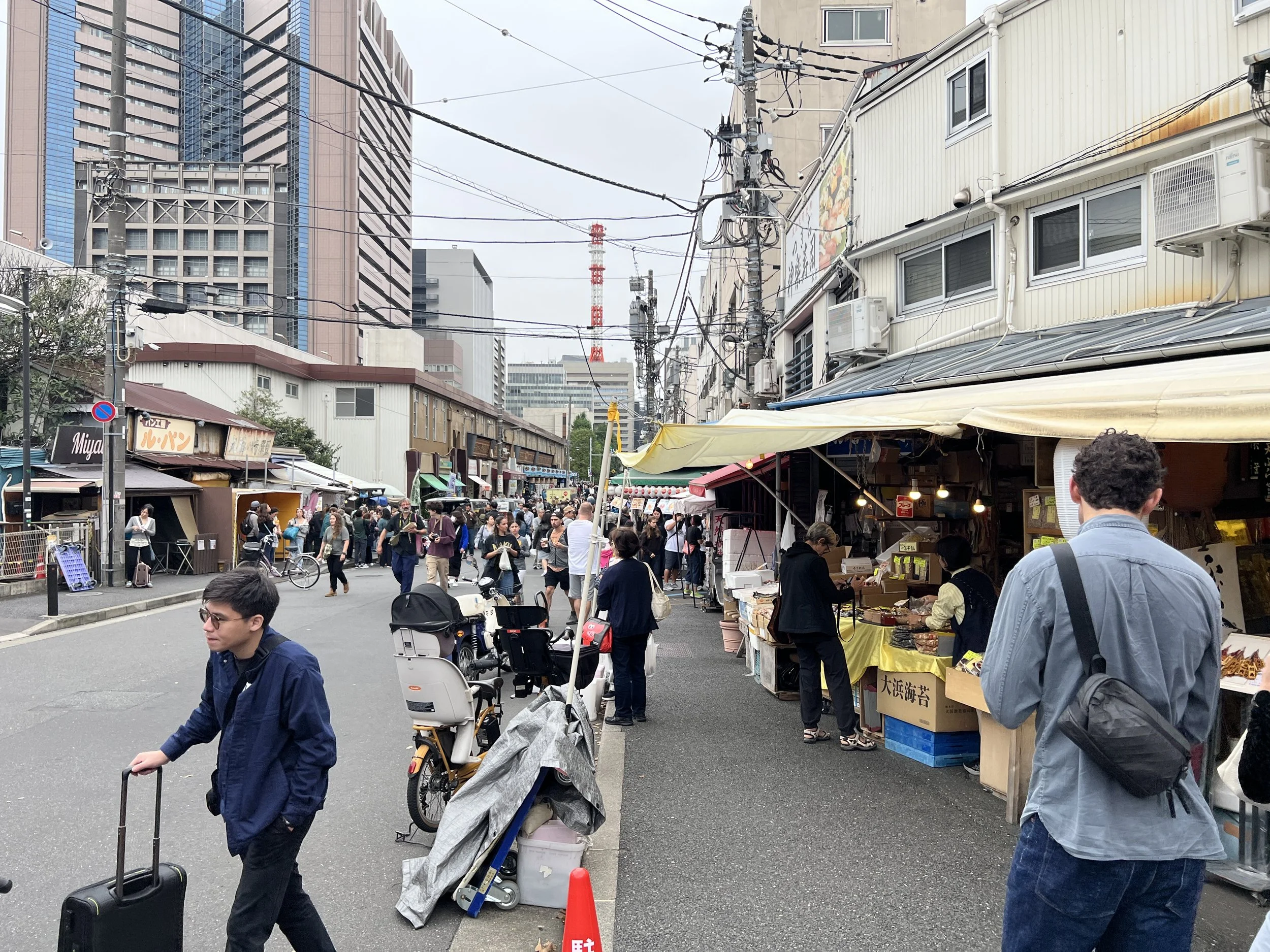
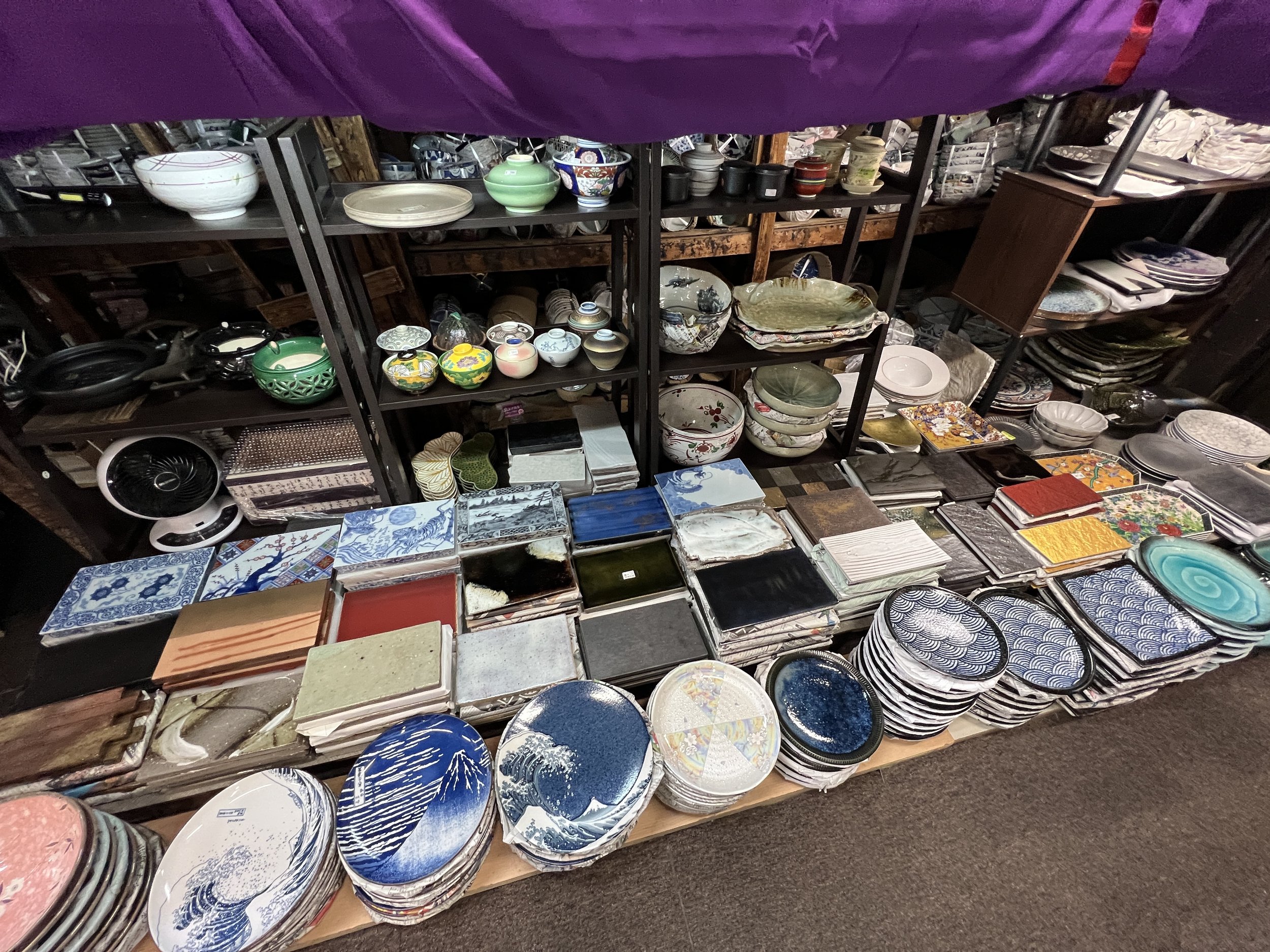
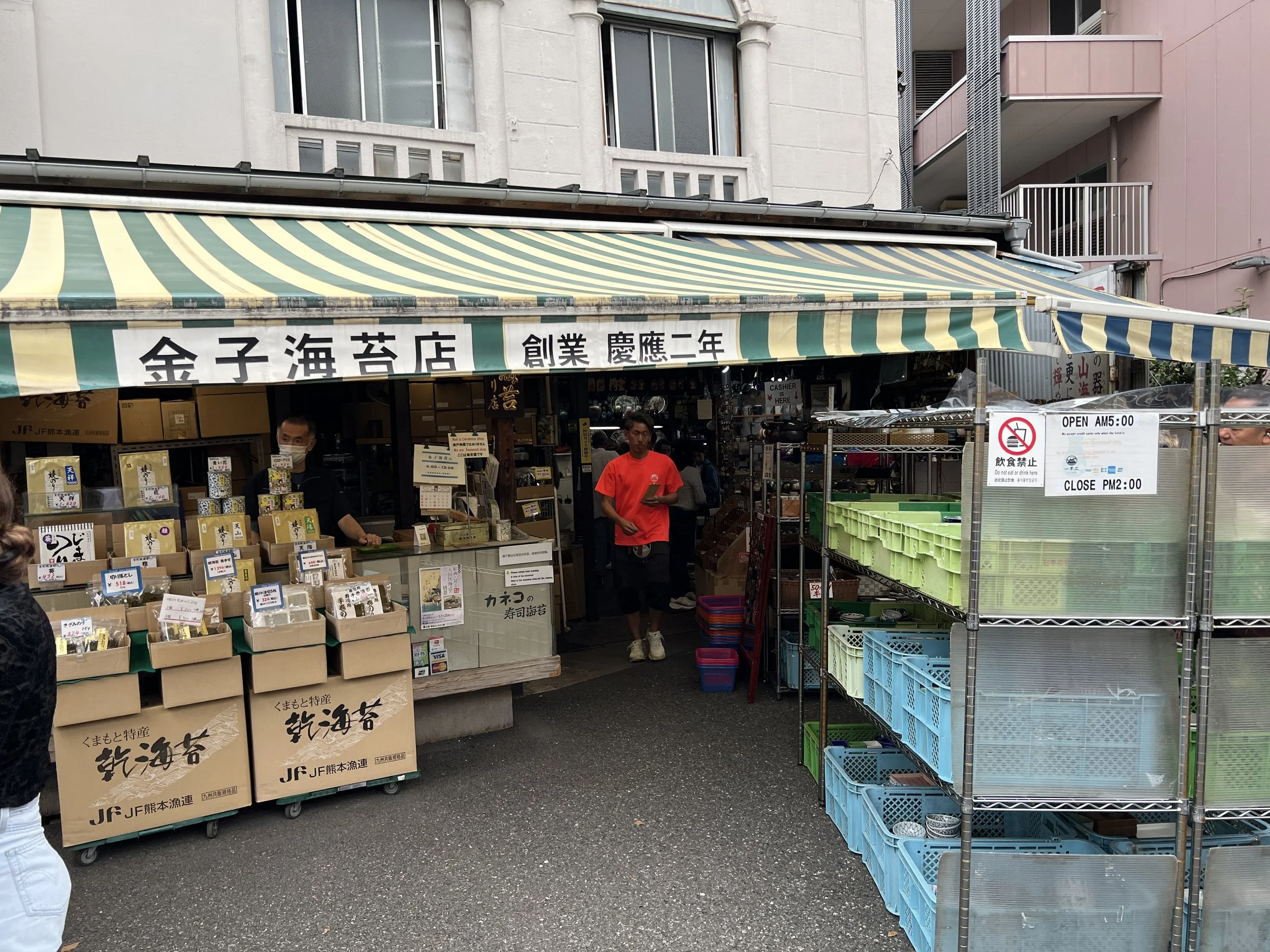
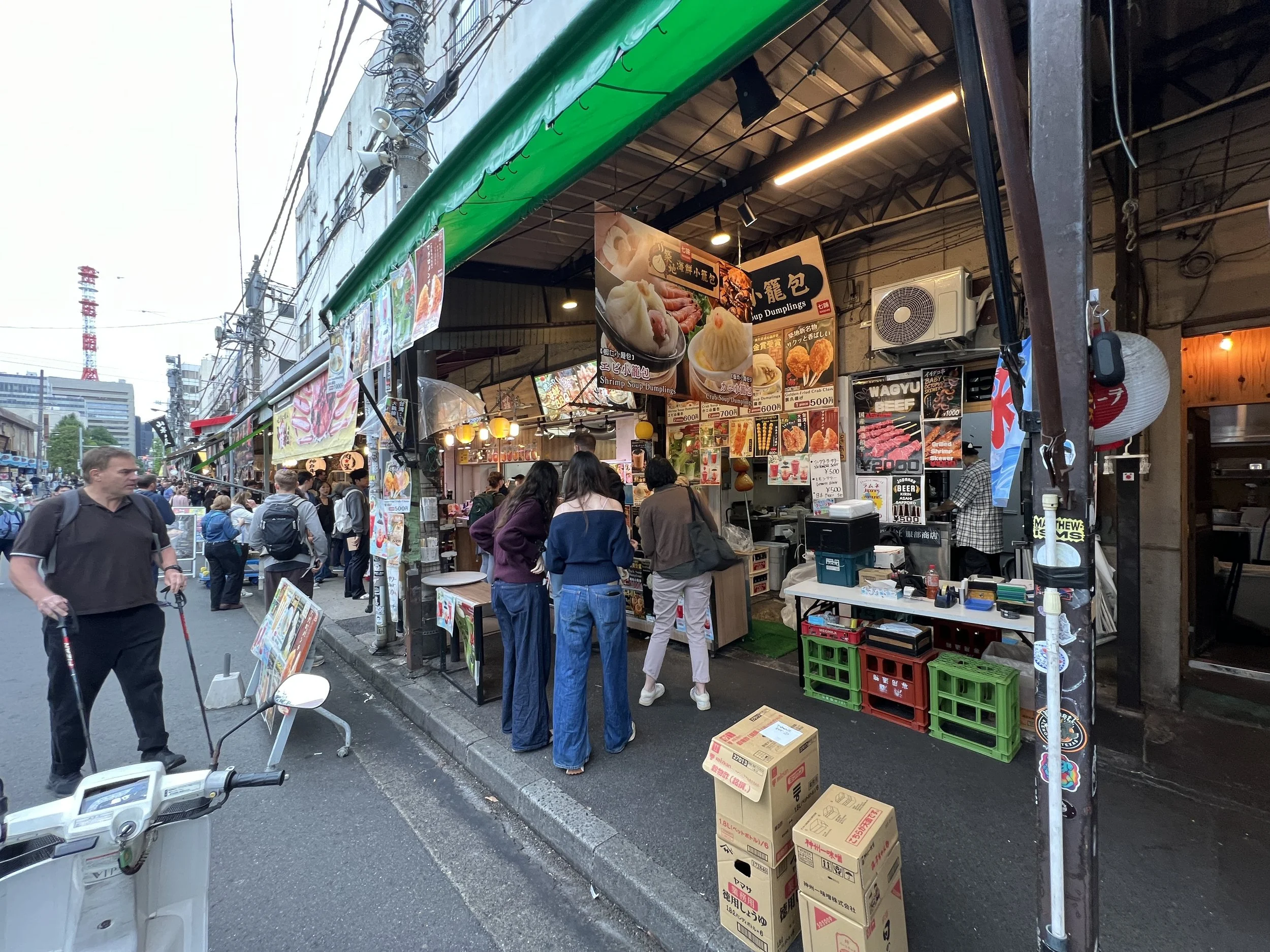
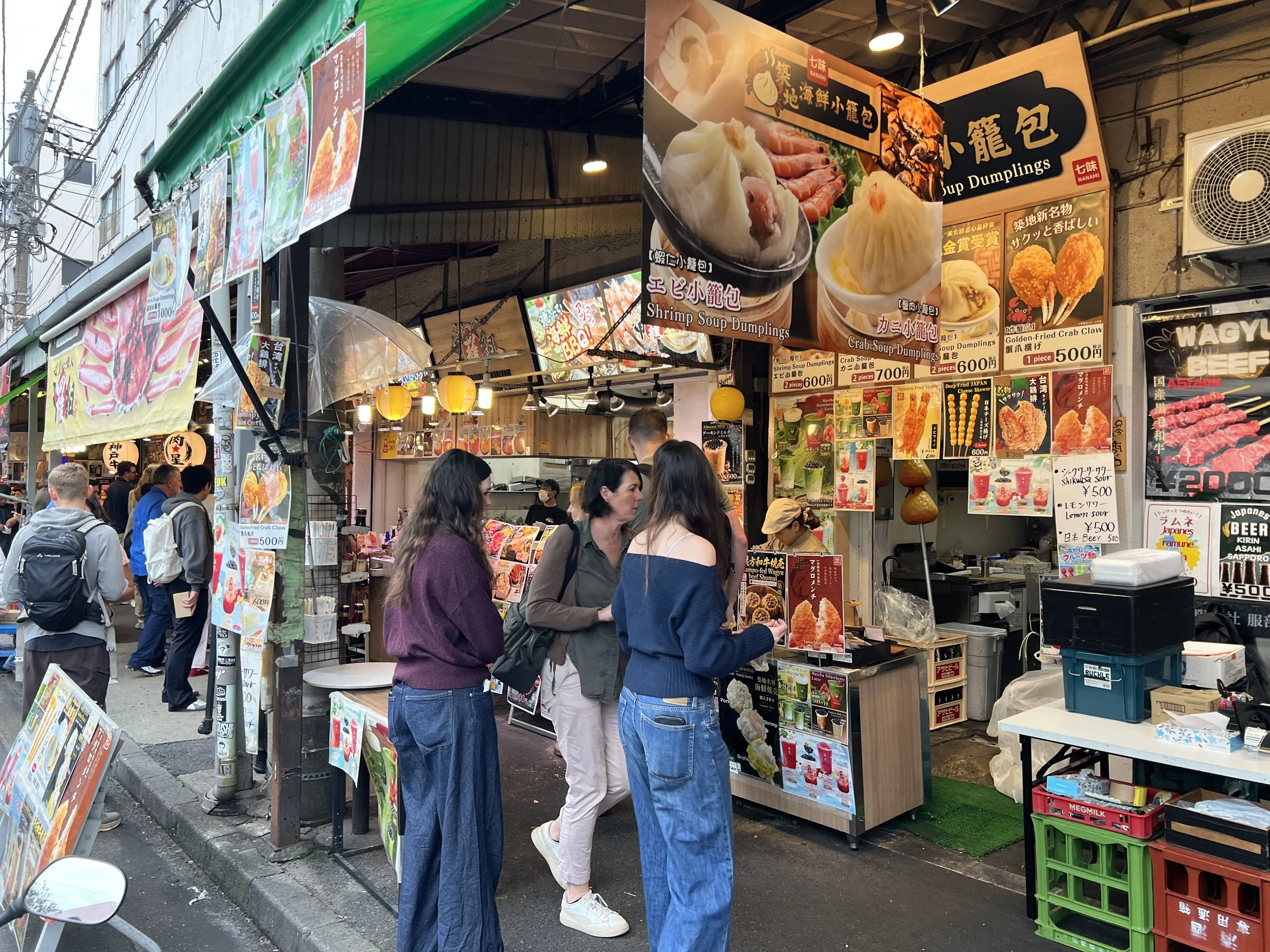
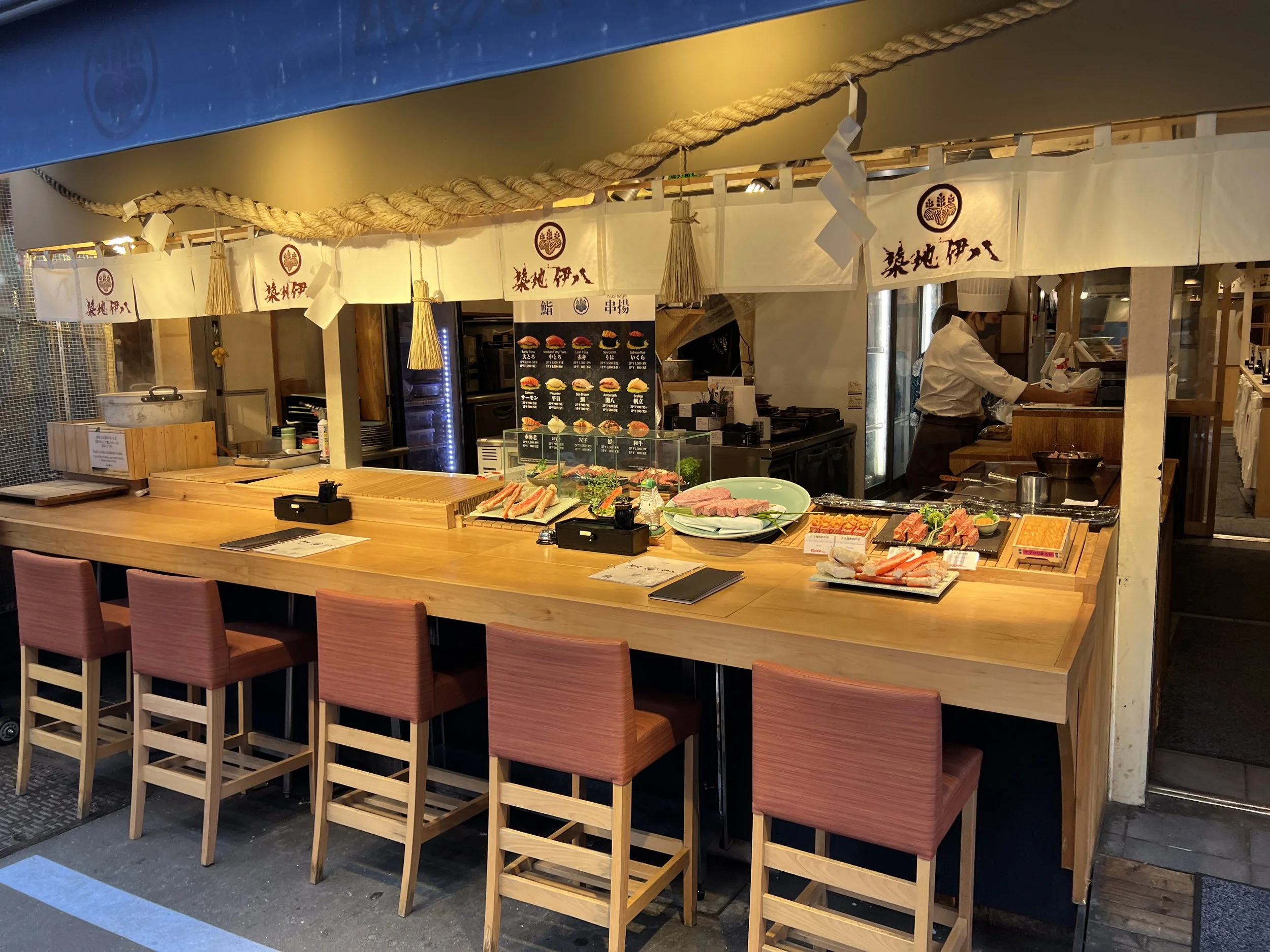
You’ll find the most unassuming restaurants hidden in between alleys. Come to think of it, having an omakase while we were there wouldn’t have been a bad idea after all.
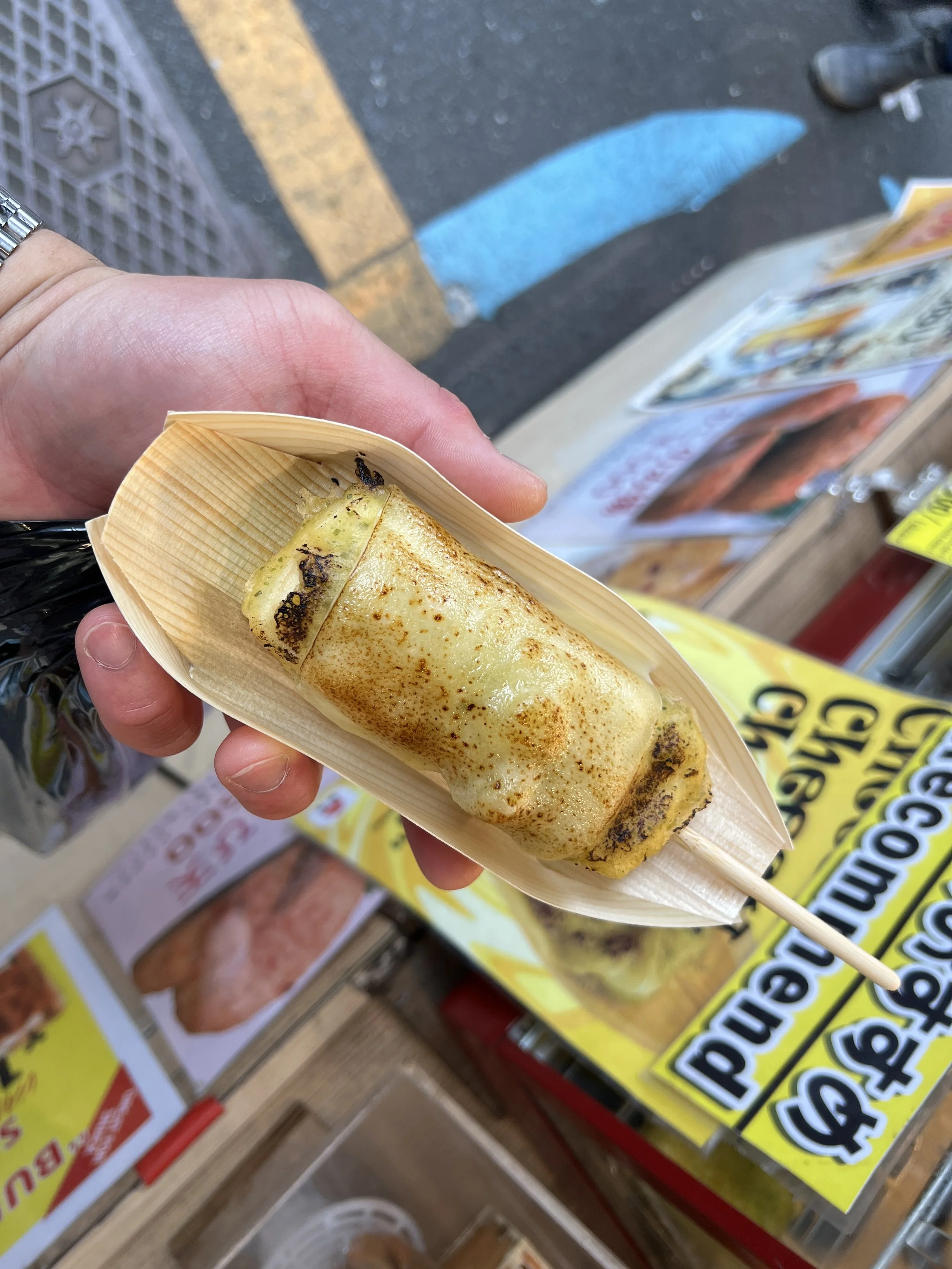
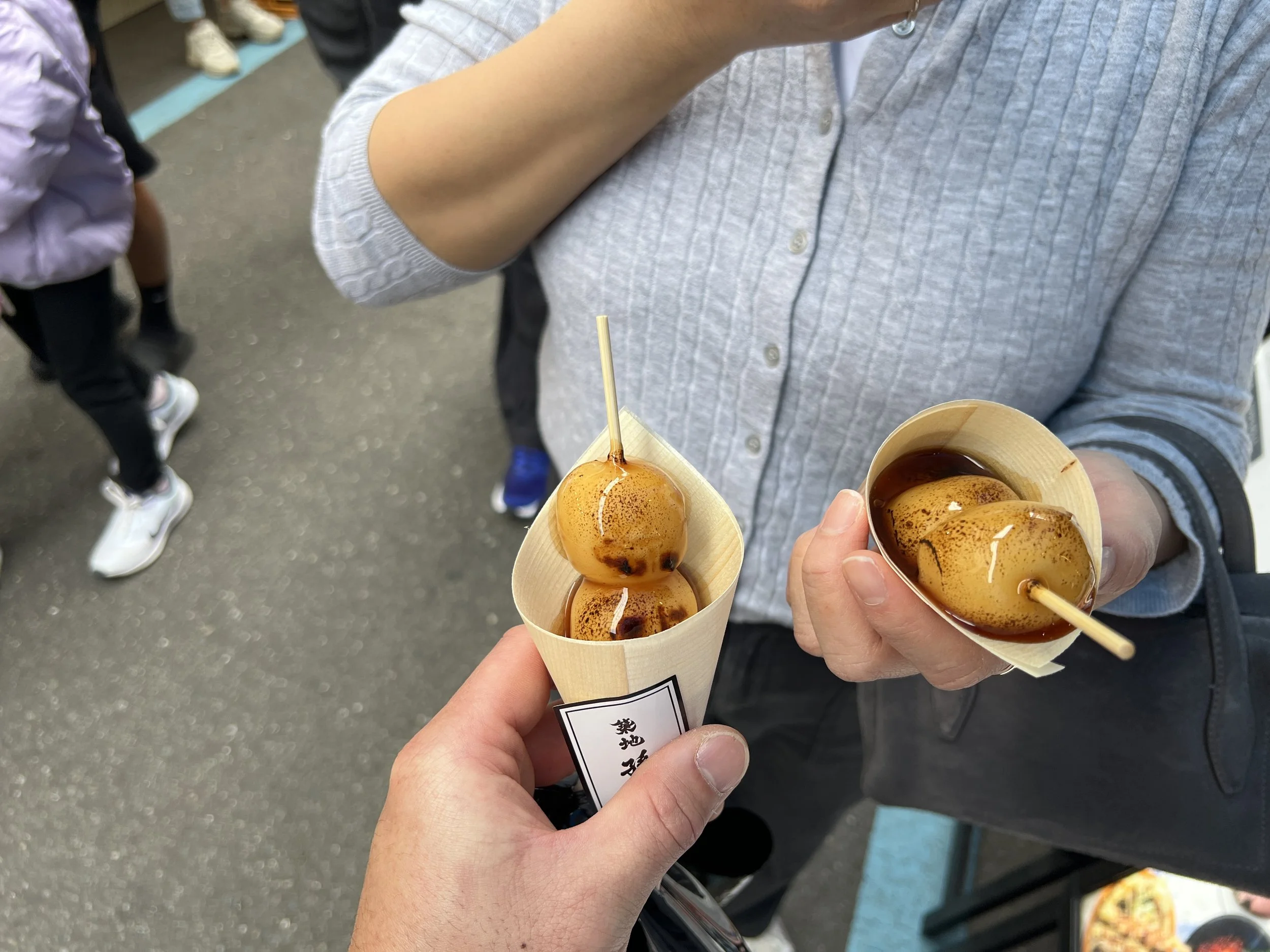
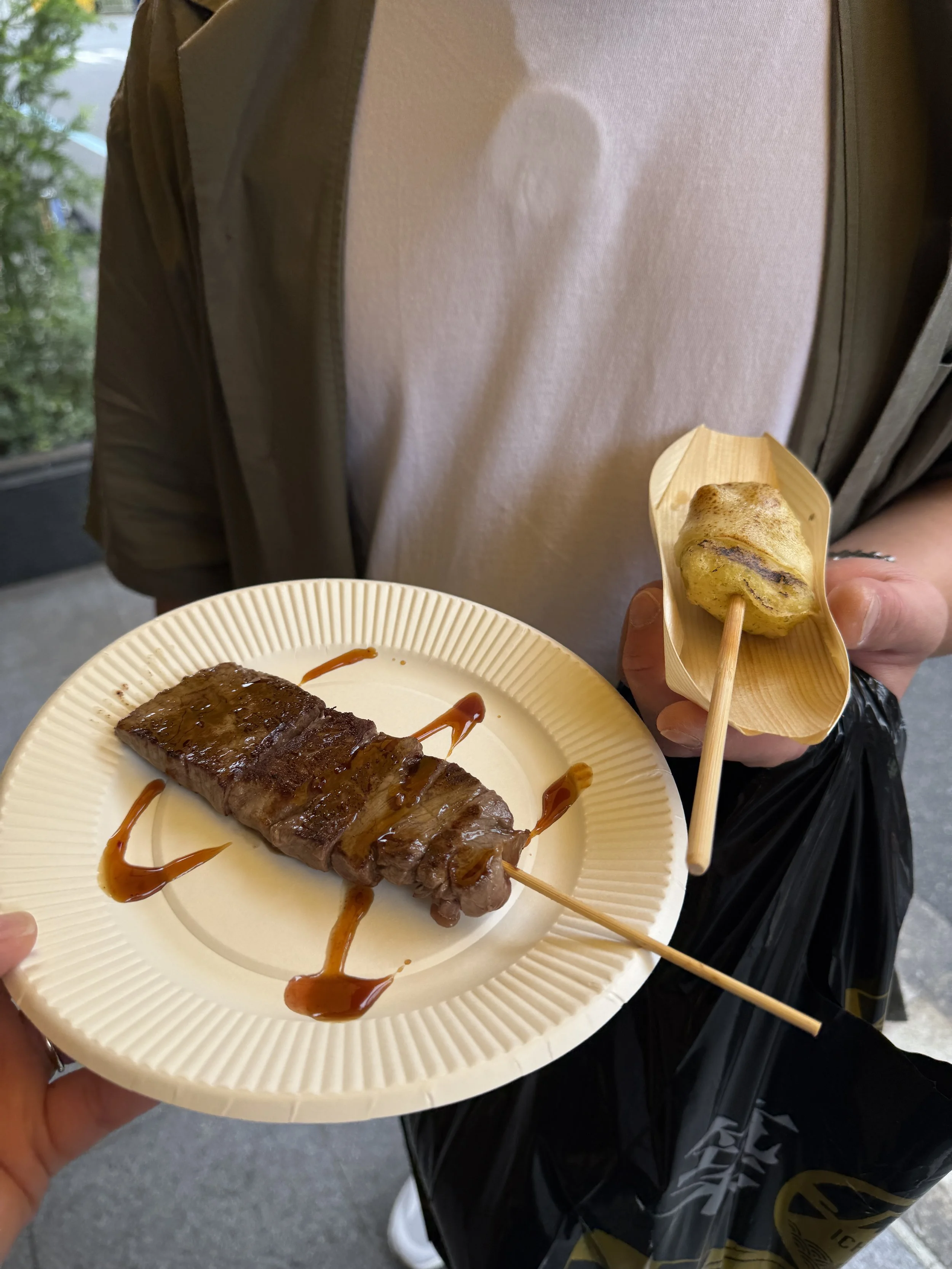
The snacks that we tried were all sub-par.
Fish cake with melted cheese=skip
Starchy Rice Balls with sweet sauce=skip
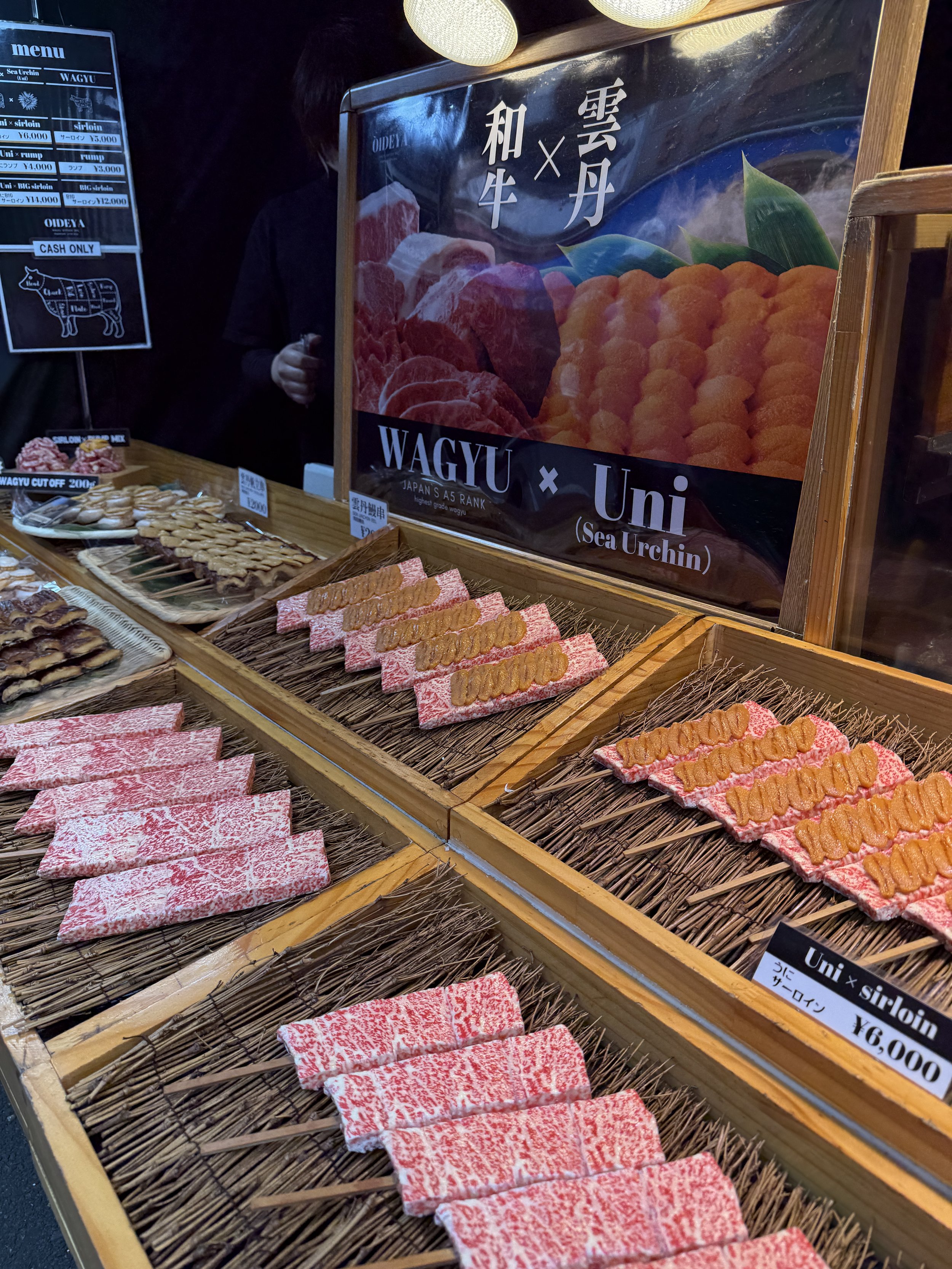
Wagyu Sirloin Skewer with Teriyaki Sauce=skip, I think the grill guy forgot to season the meat with salt.
Lunch at Unitora Sushitakamitsu
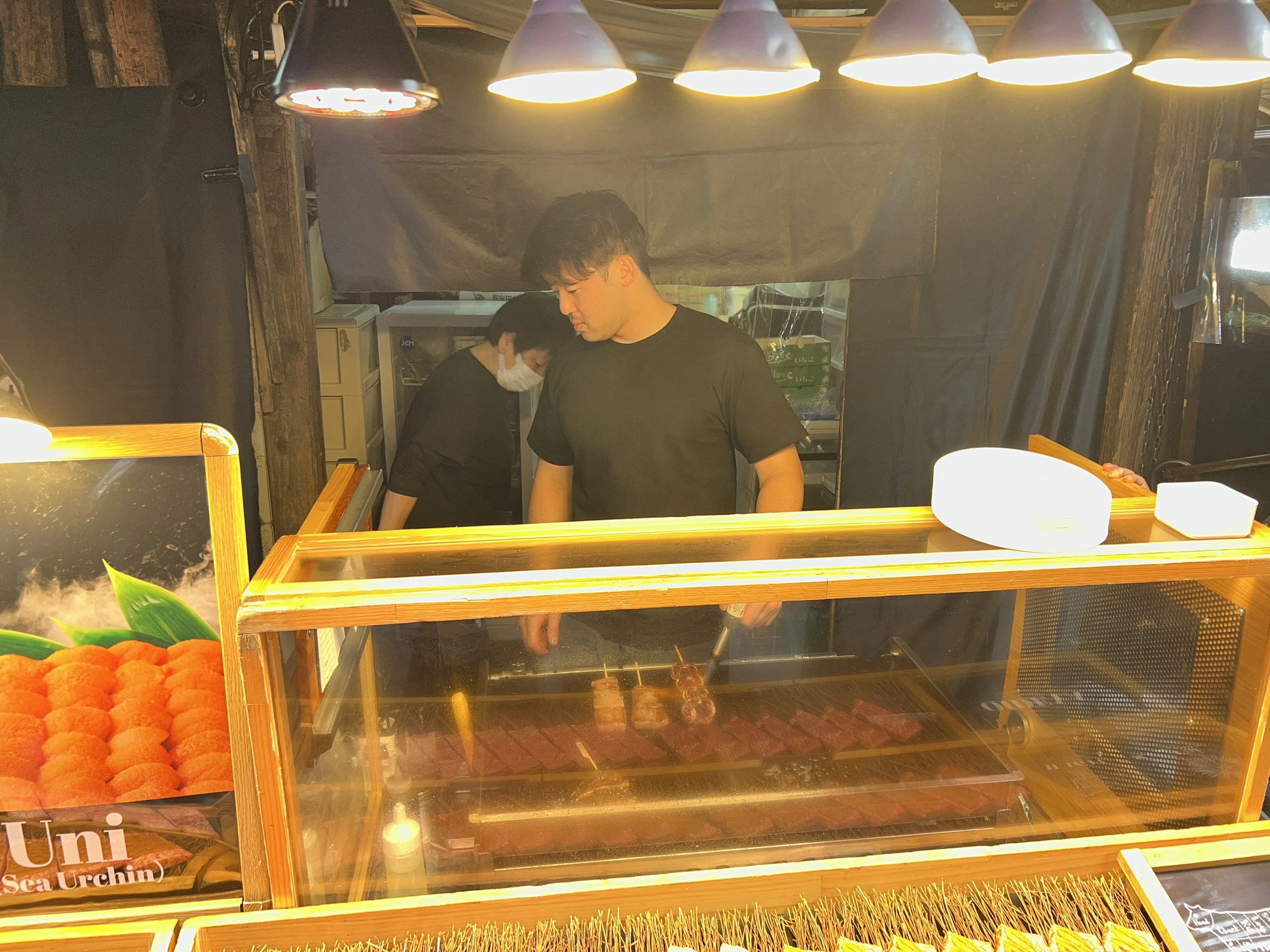
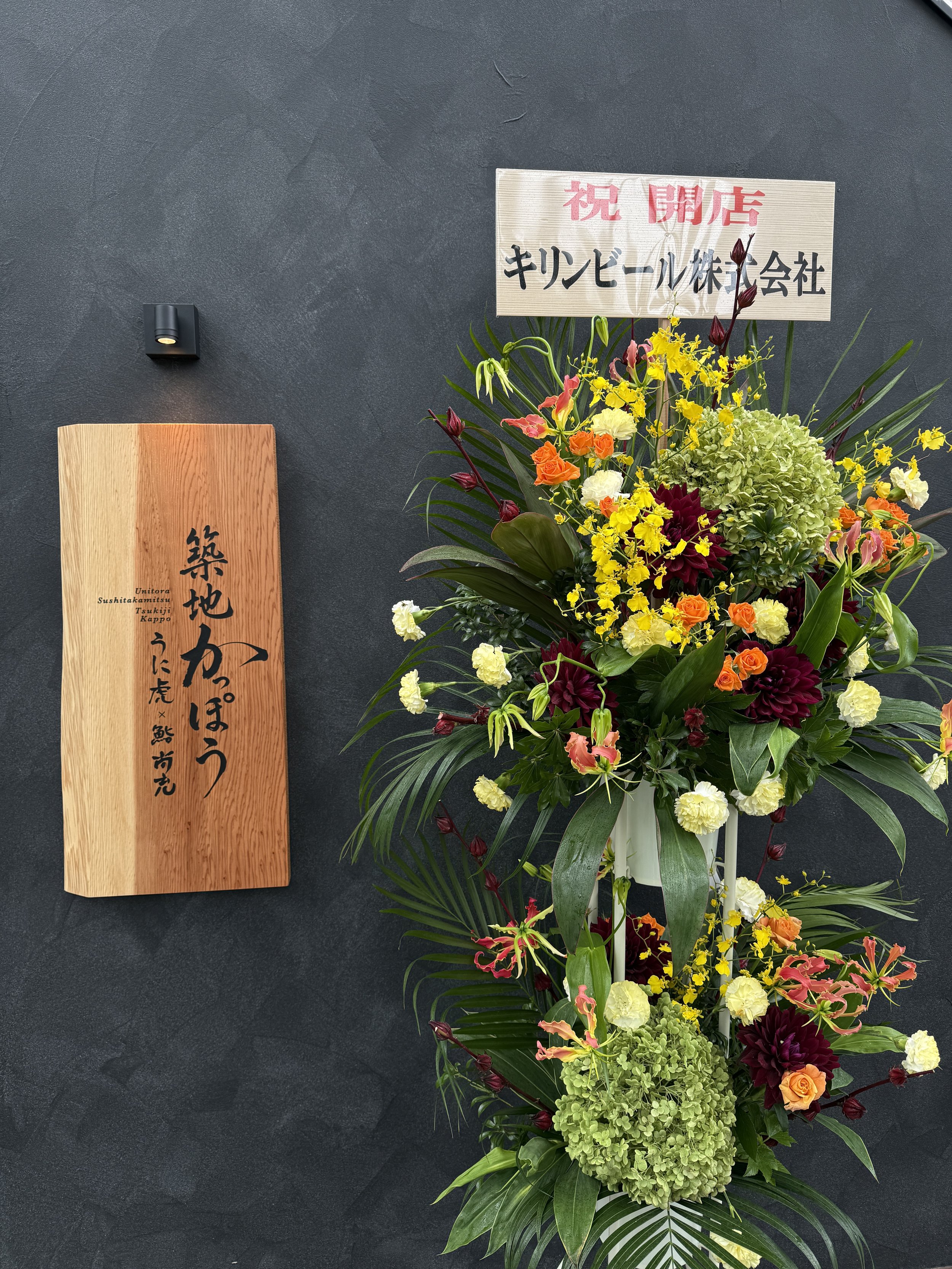
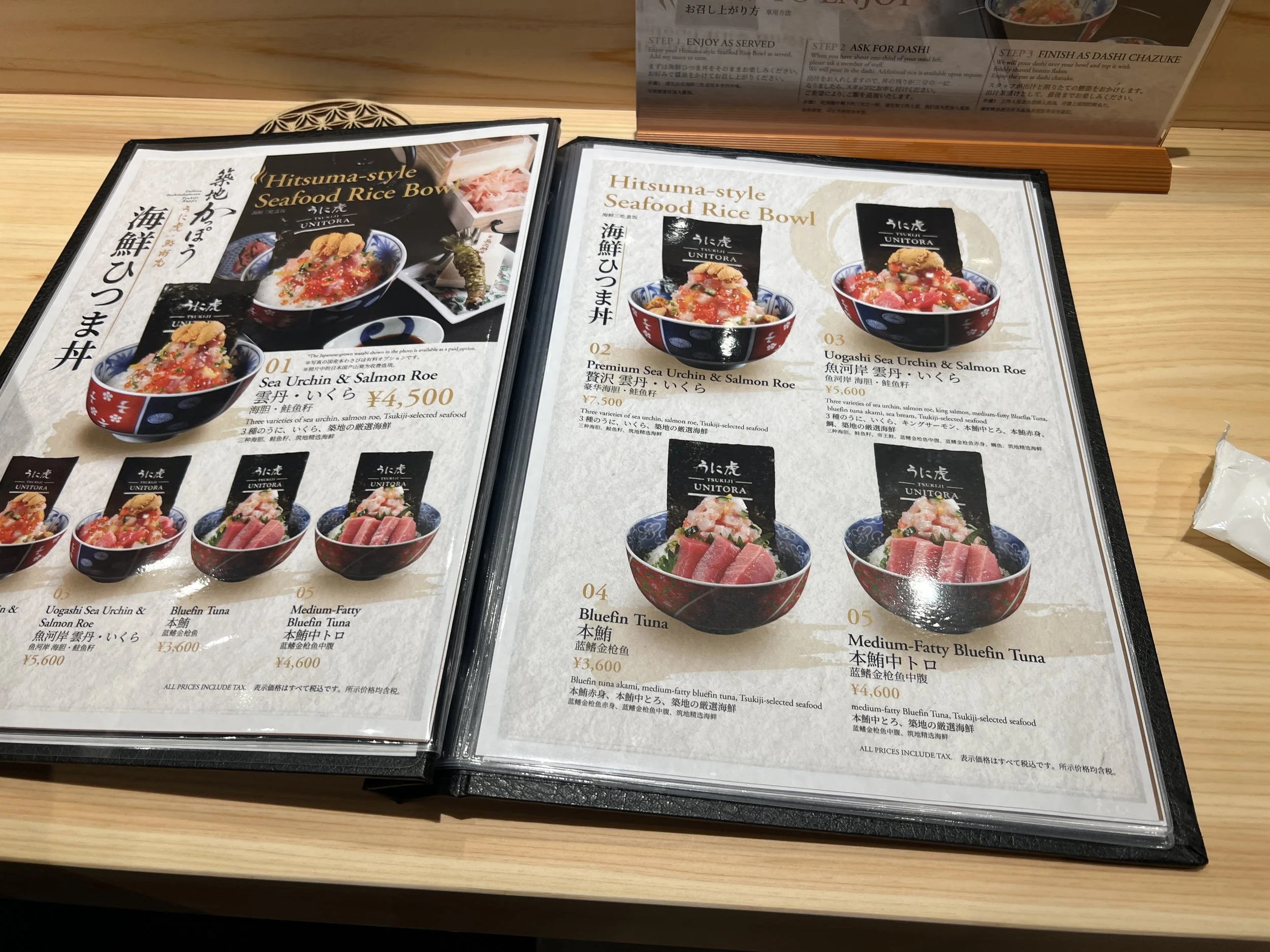
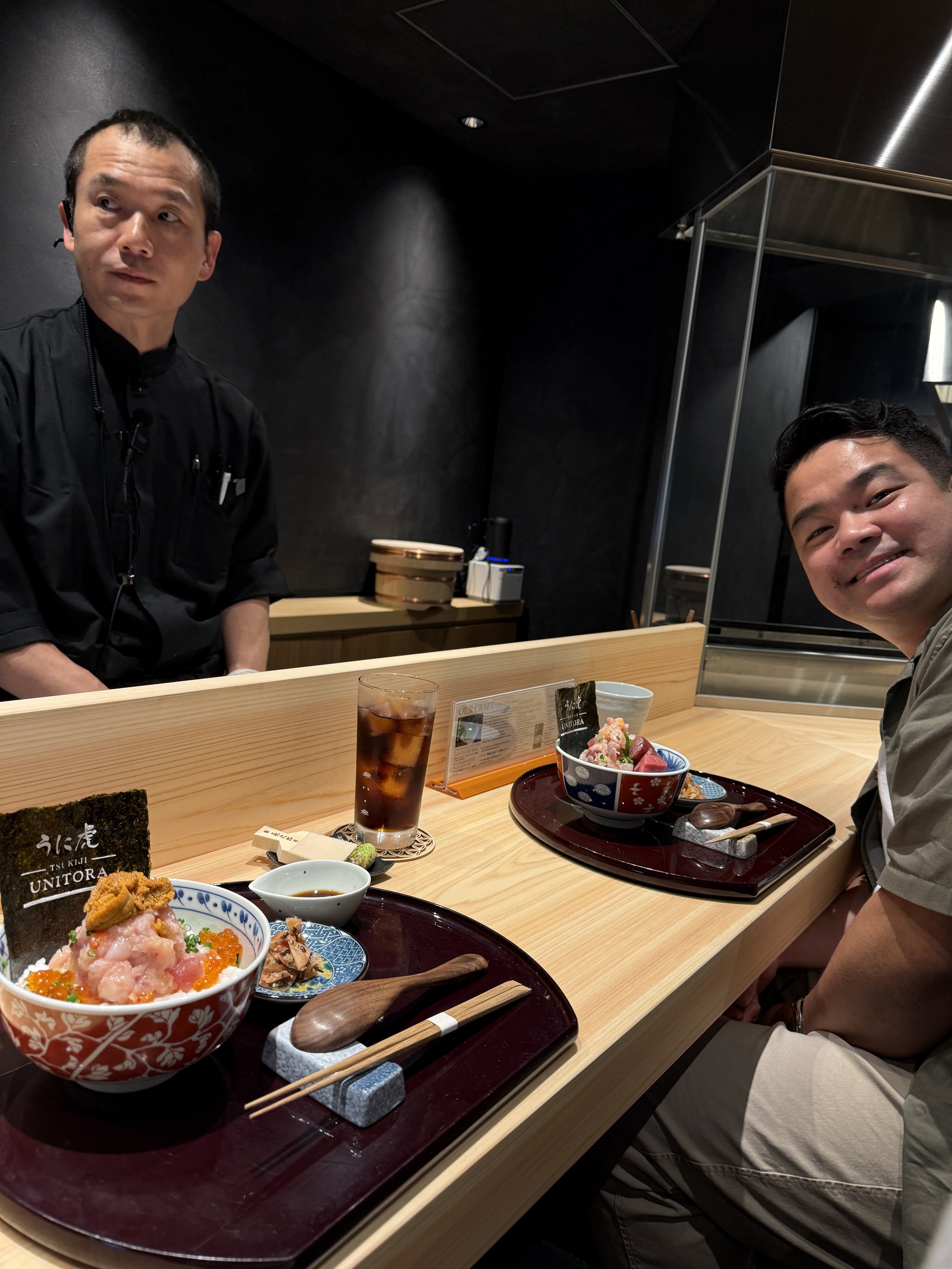
After failing to find a good chow three times in row, we didn’t plan to have lunch in the area until employees of a newly opened concept lured us in. Enter Unitora Sushitakamitsu, a counter-only seating shop that focuses in Hitsuma-style seafood bowls.
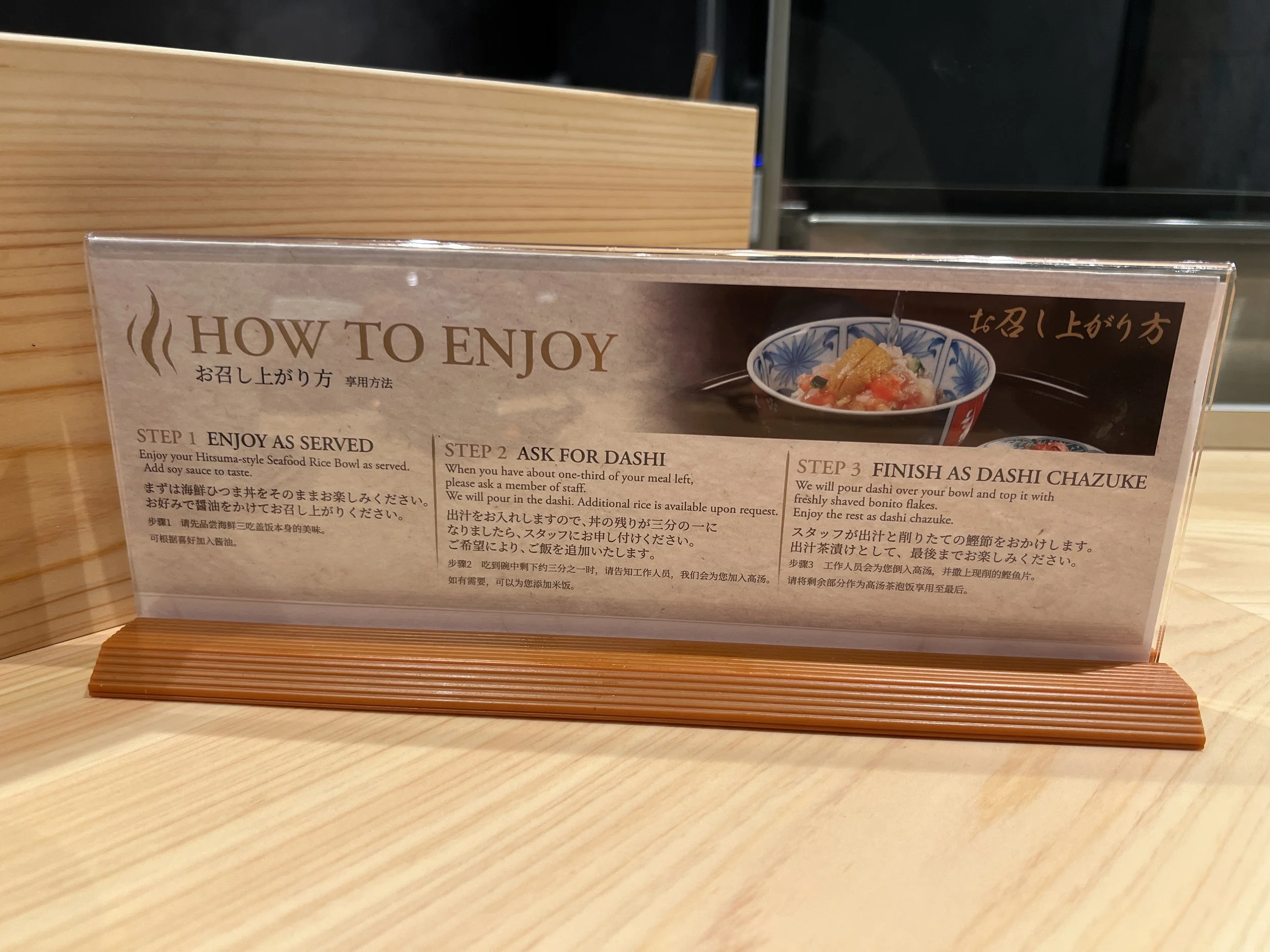
Hitsumabushi style is a type of dining practice where one enjoys the bowl in three different stages:
The first stage is to enjoy the seafood bowl by itself.
The second stage is to incorporate the seasonings and sides that come with the meal.
The third stage, which is the most interesting, is to enjoy the remainder of the meal by pouring dashi (soup) over the bowl, resembling a porridge.
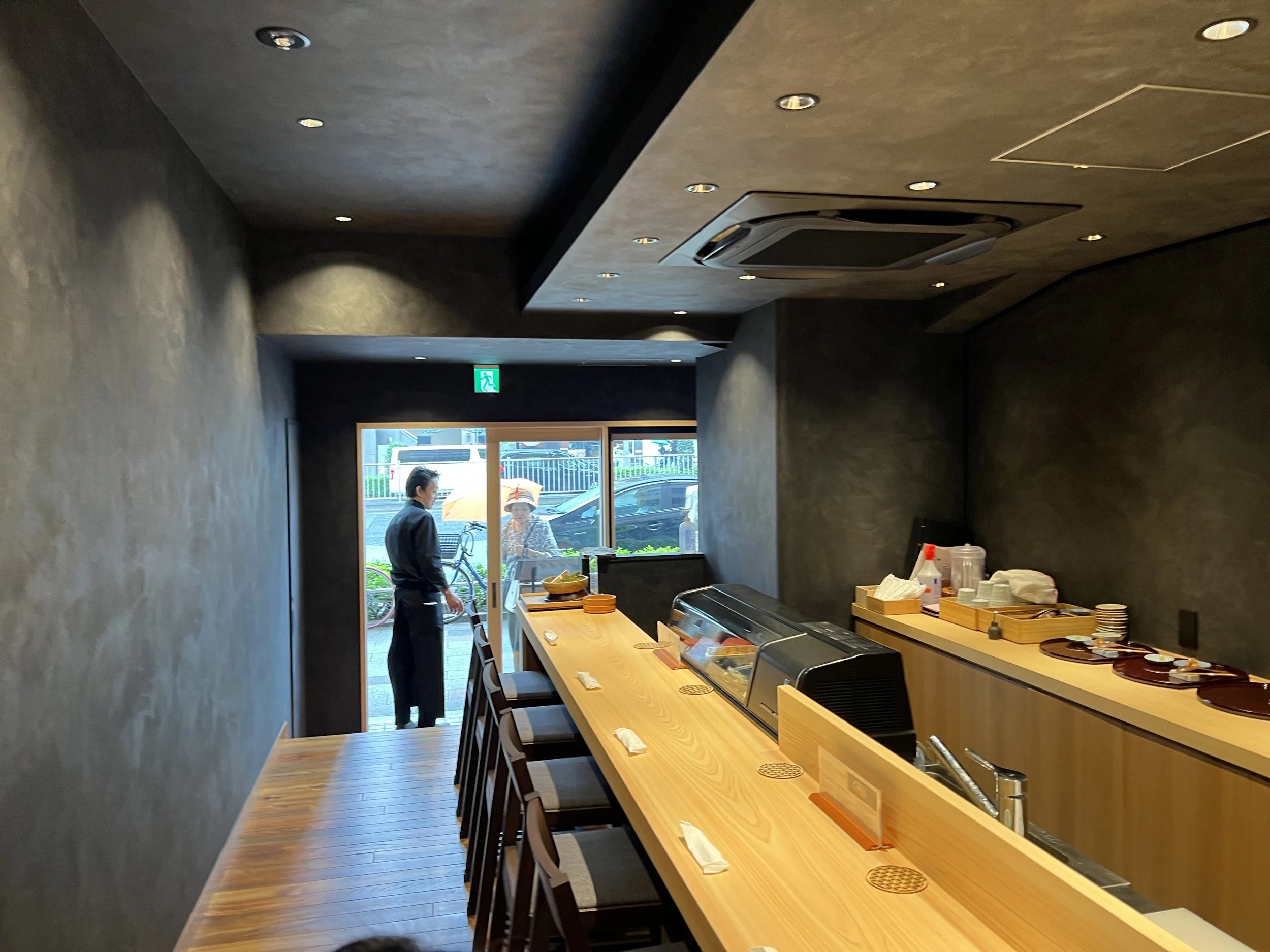
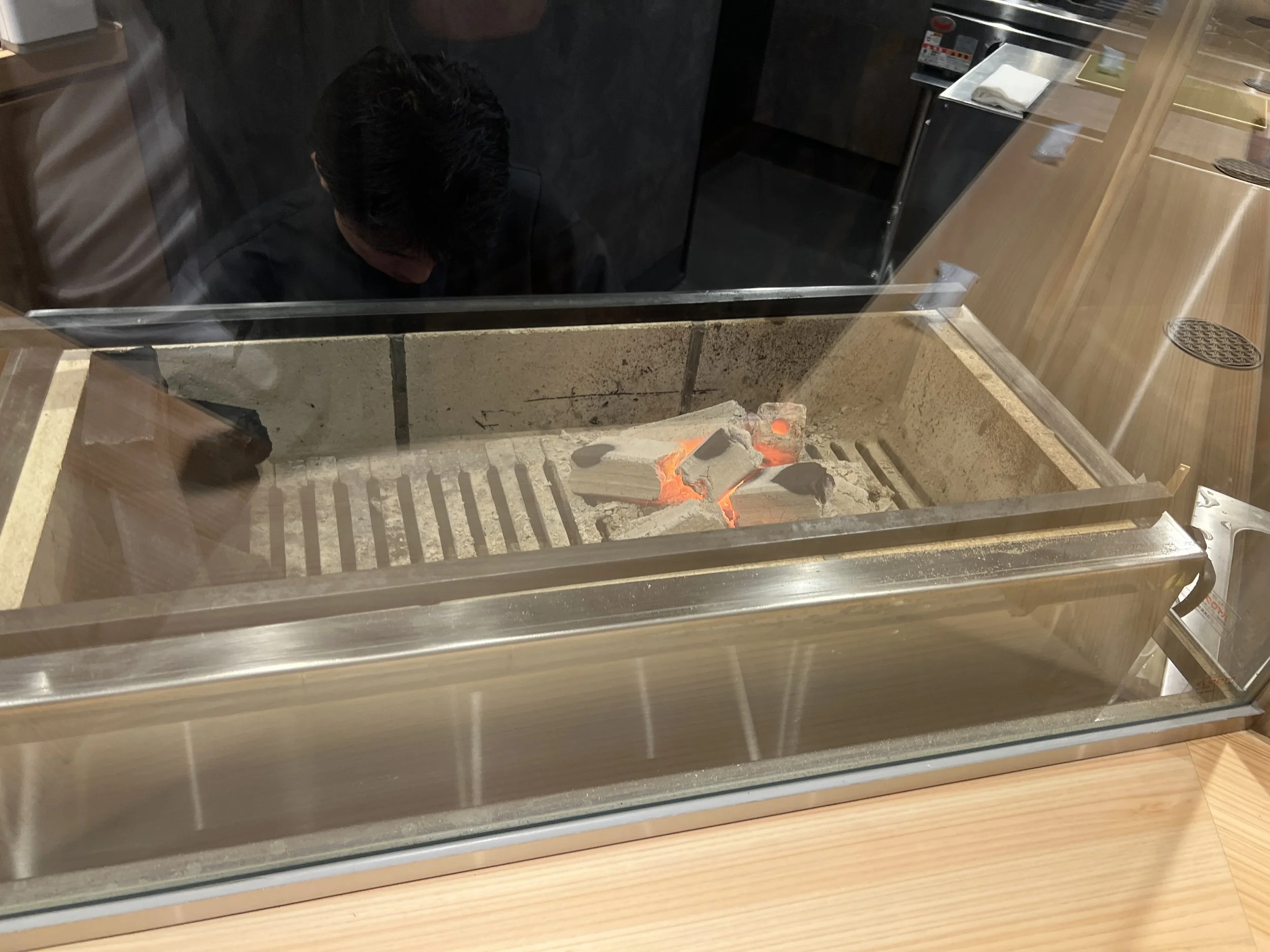
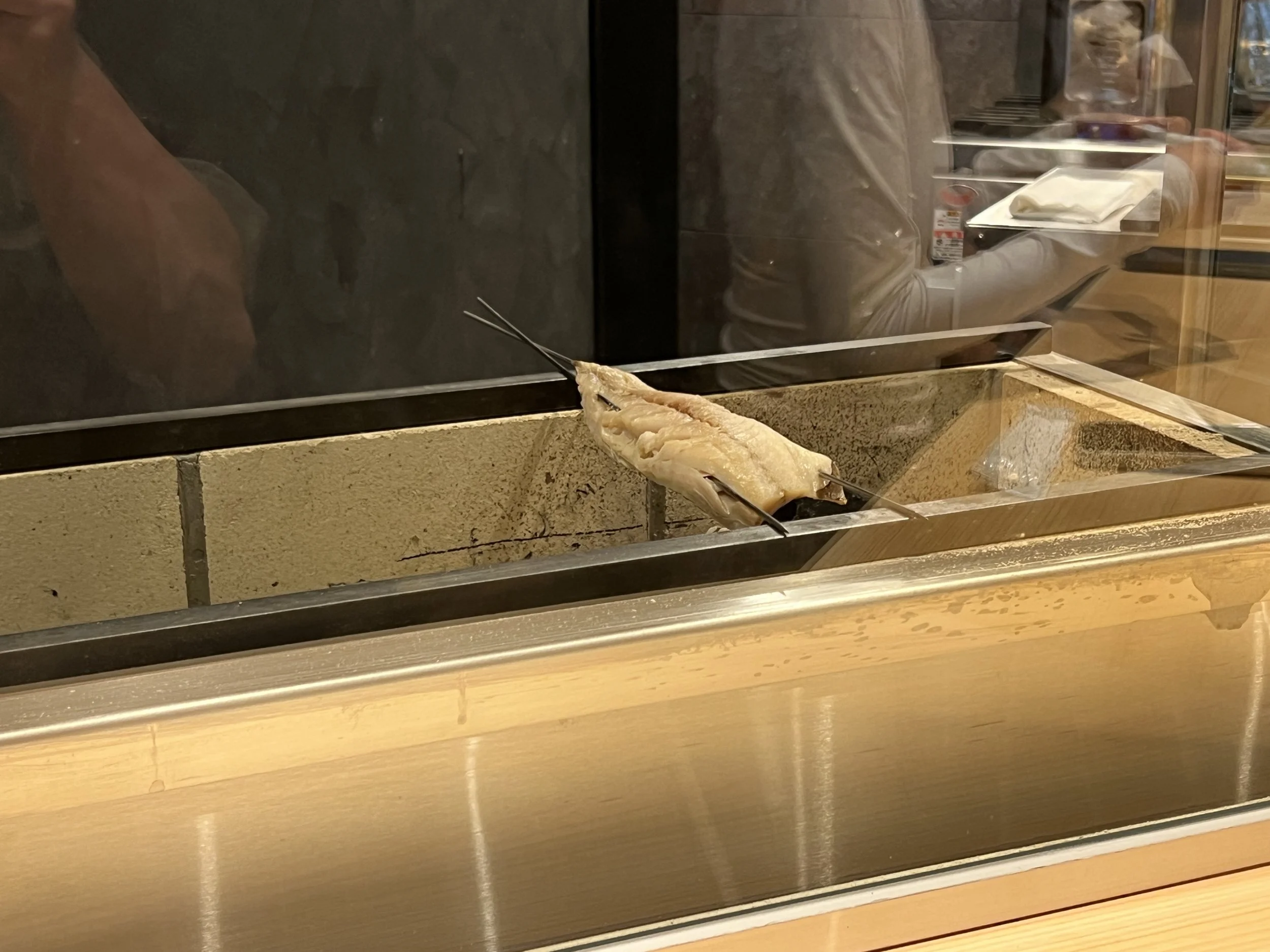
We were the very first customers and got lucky to see all the action and effort that went behind our meals. The staff was kind enough to explain the whole concept. They do not skimp on the seafood toppings as you will see in the photos below.
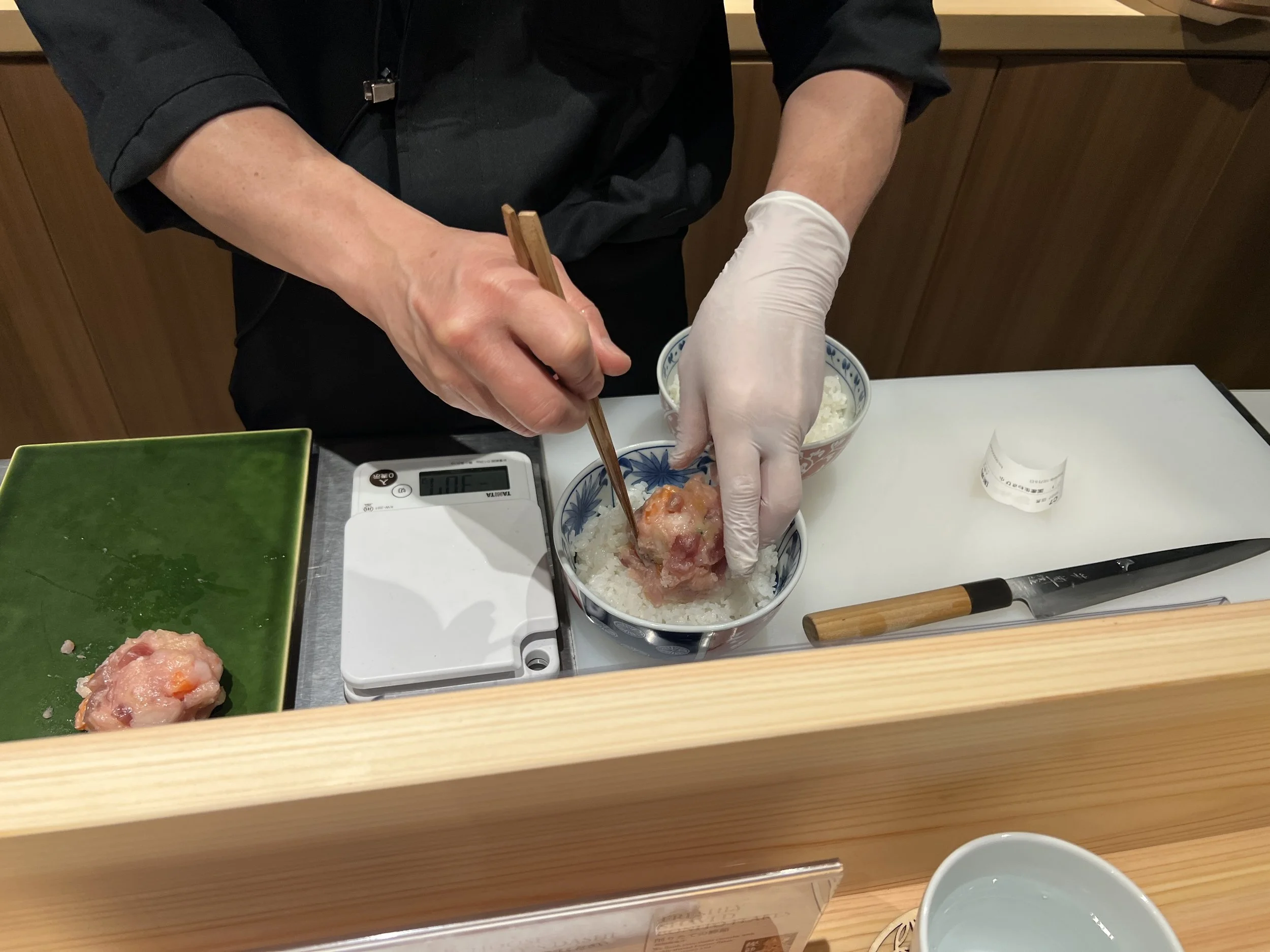
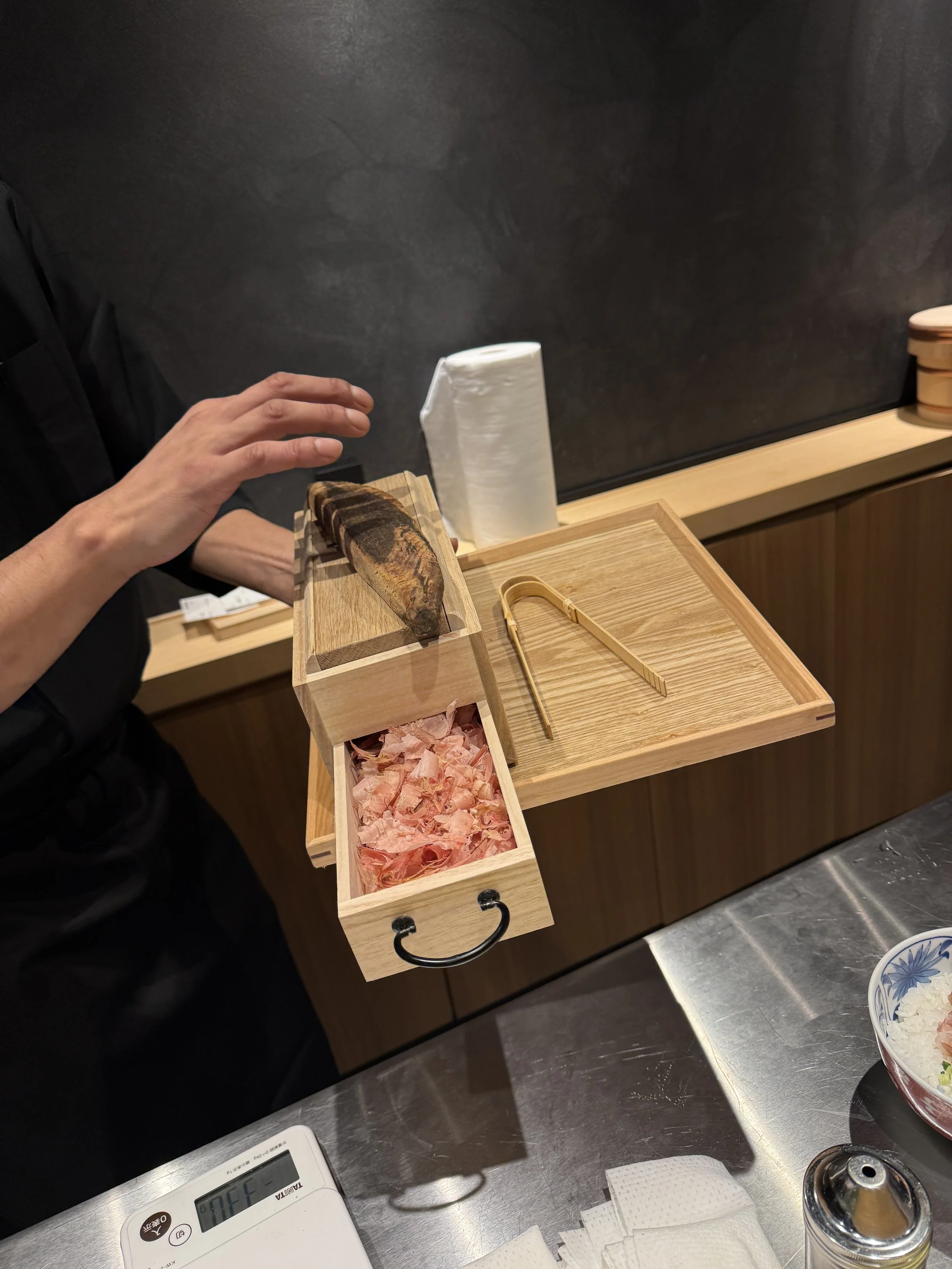
The goal is to consume the dish “dry” until you’re left with 1/3 of the portion. They then get your bowl and pour hot dashi over. Fresh bonito flakes will be shaved in front of you added as the final touch to your (now) soup bowl. It’s like having two different meals for the price of one. What an interesting experience.
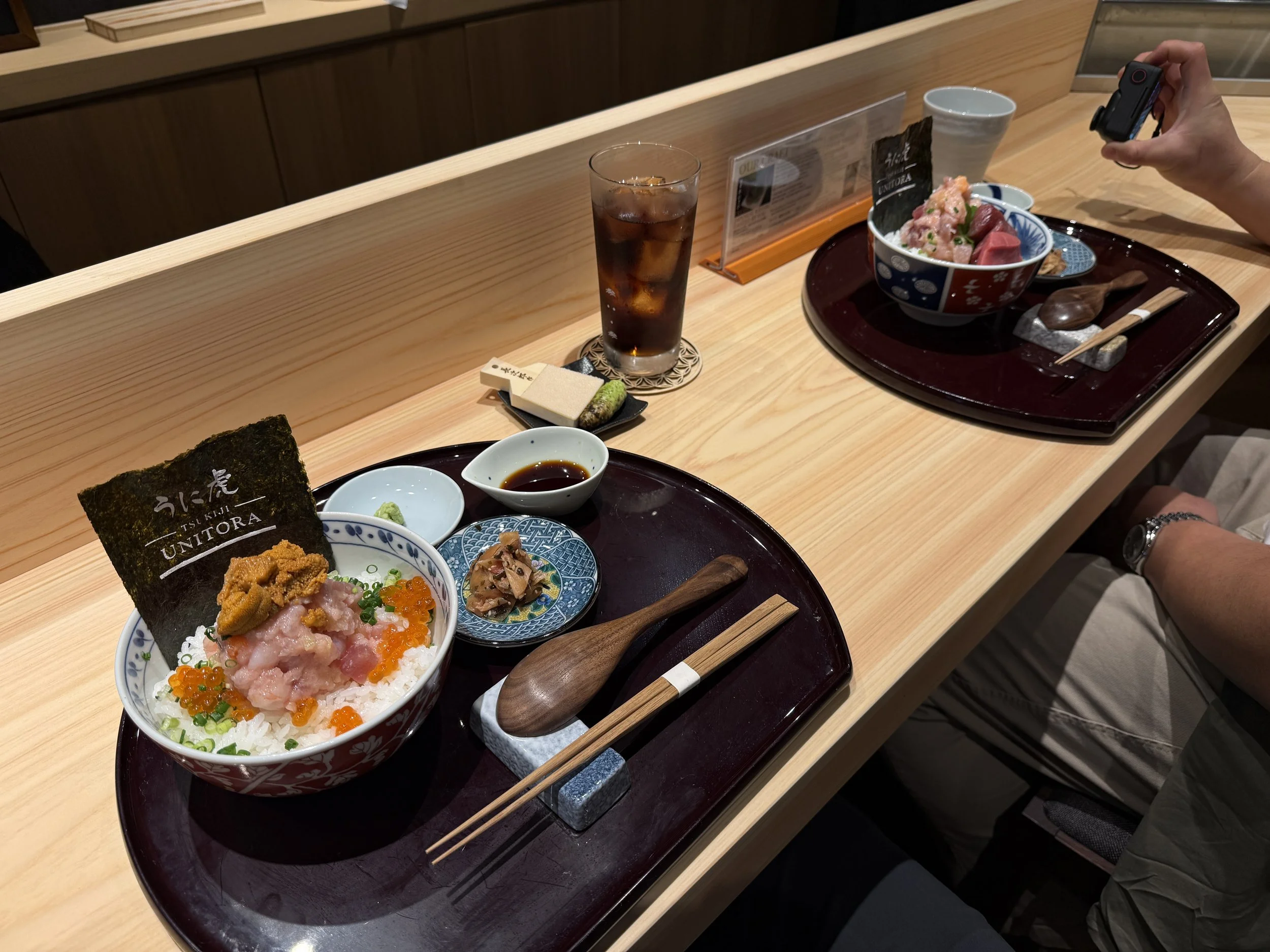
Can you believe that we even paid to grate our own fresh wasabi? I would never in a million years get duped but I don’t know what happened—it just happened.
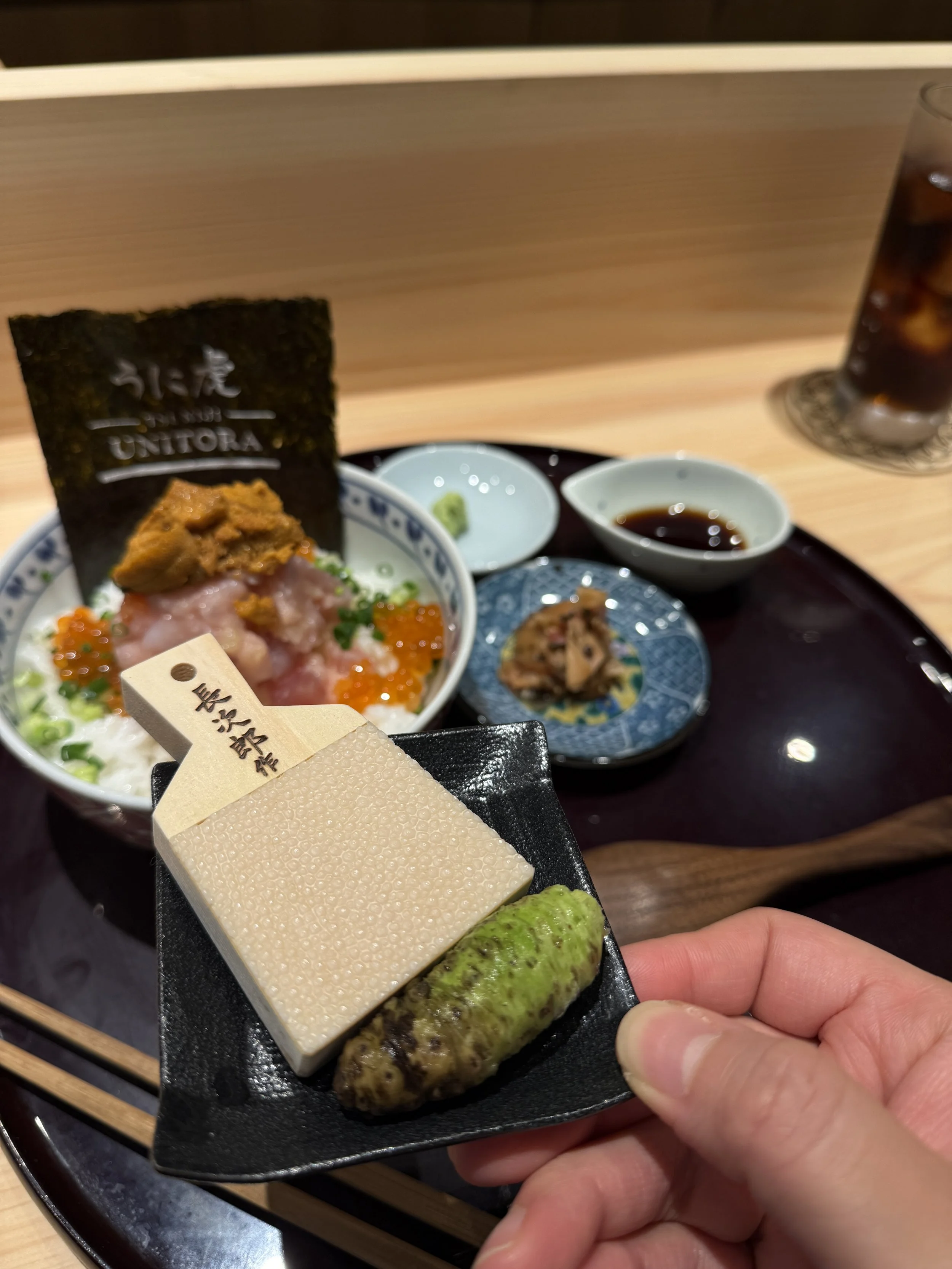
You can distinguish good bonito flakes from bad ones easily, just by looking at the color. Notice how pinkish or red-ish the bonito flakes are down below? This is the real deal. I would describe the flavor as mellow and may even contain hints of floral notes. The supermarket ones are brown and look old with flavors being too strong.
Shintoism
For reference, Japan follows Shintoism, a belief system focused in allowing the sacredness of the natural world, with the kamis (spiritual gods) present in every form of land and water—say like mountains, oceans and trees. It is indigenous to Japan since god knows when. While there’s a lot of overlapping and similarity in practices, Buddhism is a different religion (that started in India) with sacred scriptures preserved for its followers.
There’s no known origin of how Shintoism developed nor are there any manuscripts that help trace its founder. By building shrines and Torii gates, Japan was able to preserve
Senjo-Si Temple
The oldest temple in Tokyo.
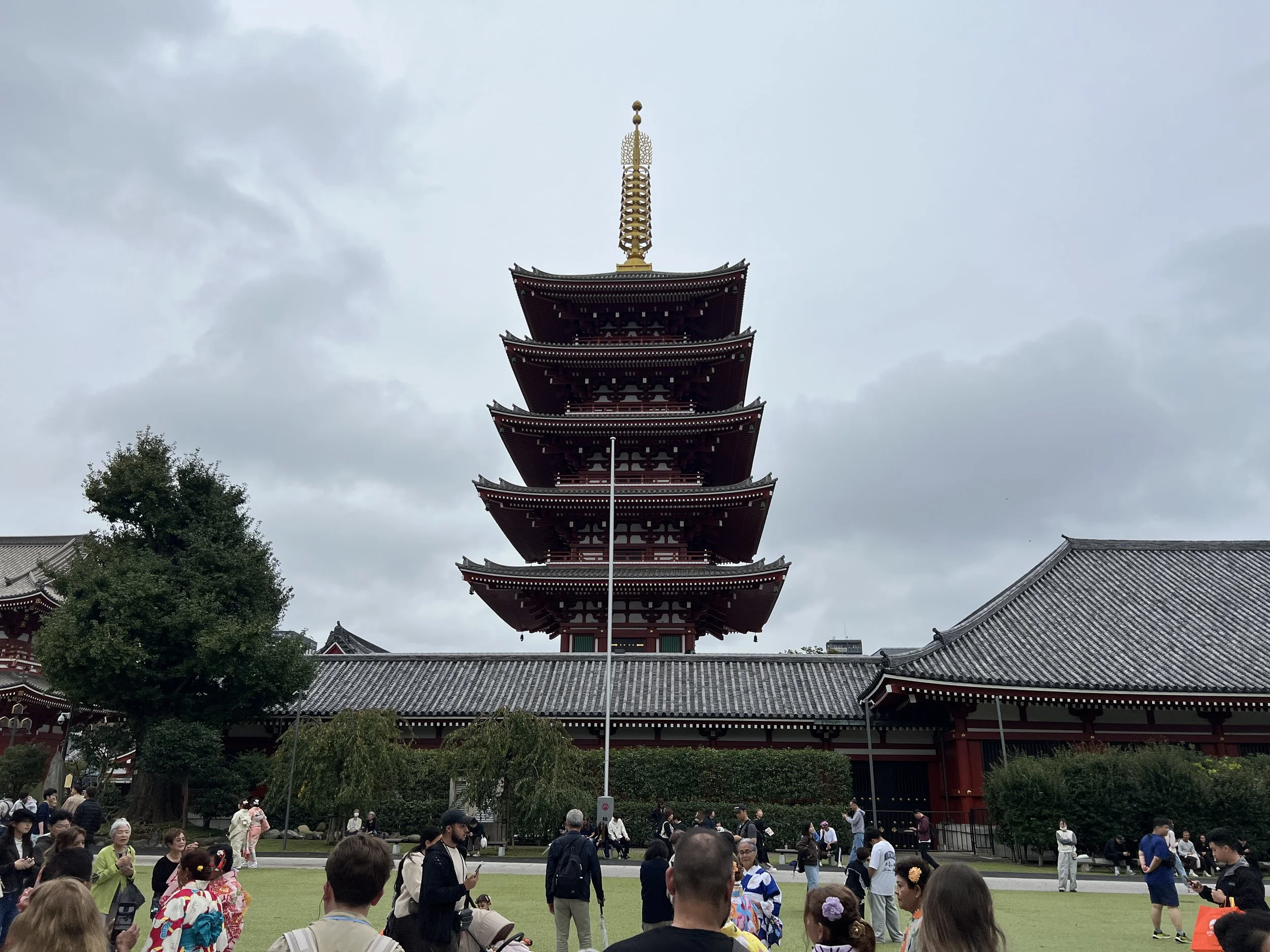
This is the first of many shrines, pagodas and temples that you will encounter in Japan.
If you want to avoid the crowd, you better be early here, otherwise, you’re not getting that Instagram-worthy photo.
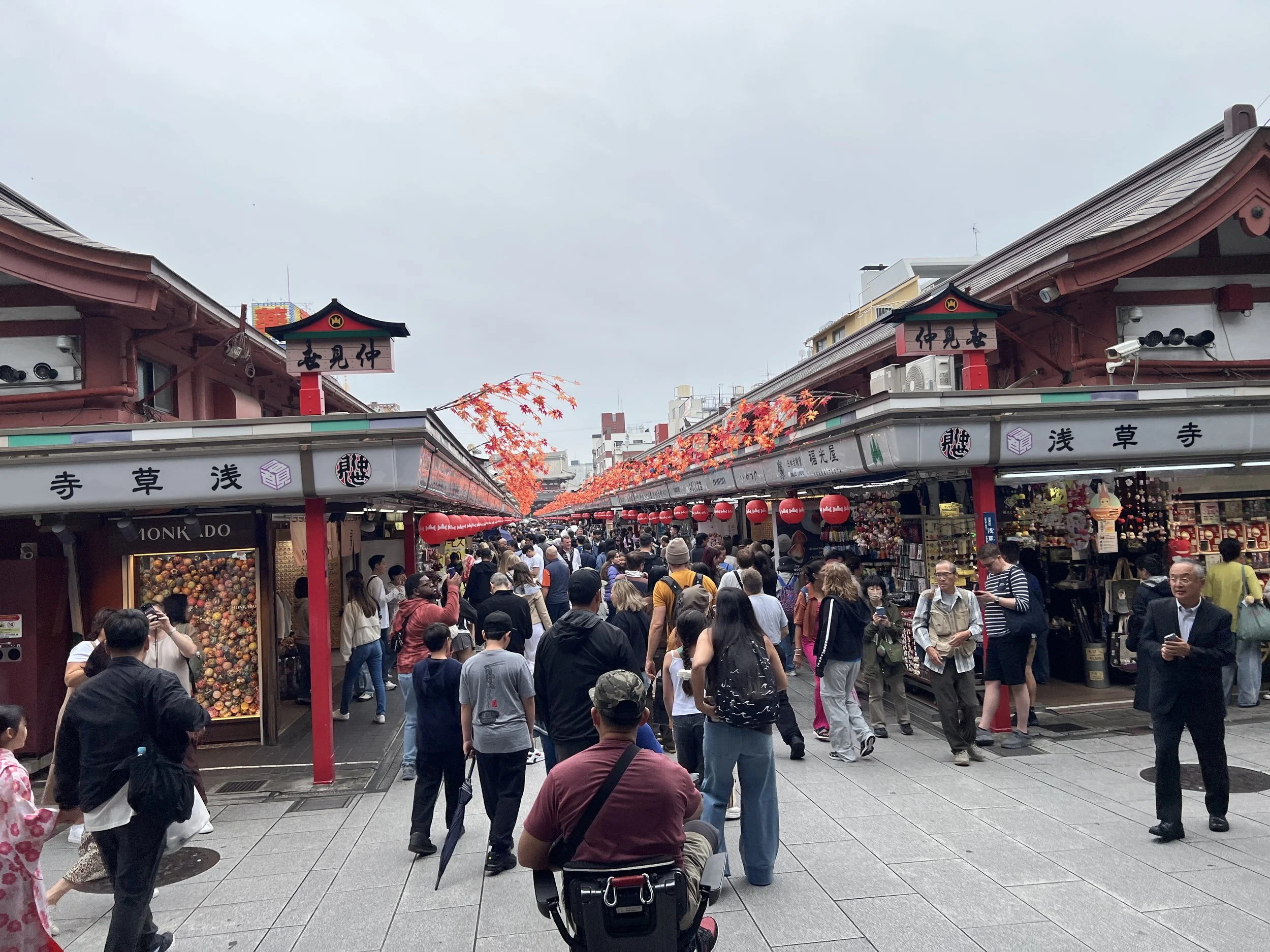
Upon arriving, you will have to pass through a gate with a huge red lantern called the Kaminari-Mon Gate. After, walk through a row of shops—this is your chance to rent a kimono before the final reveal of the temple.
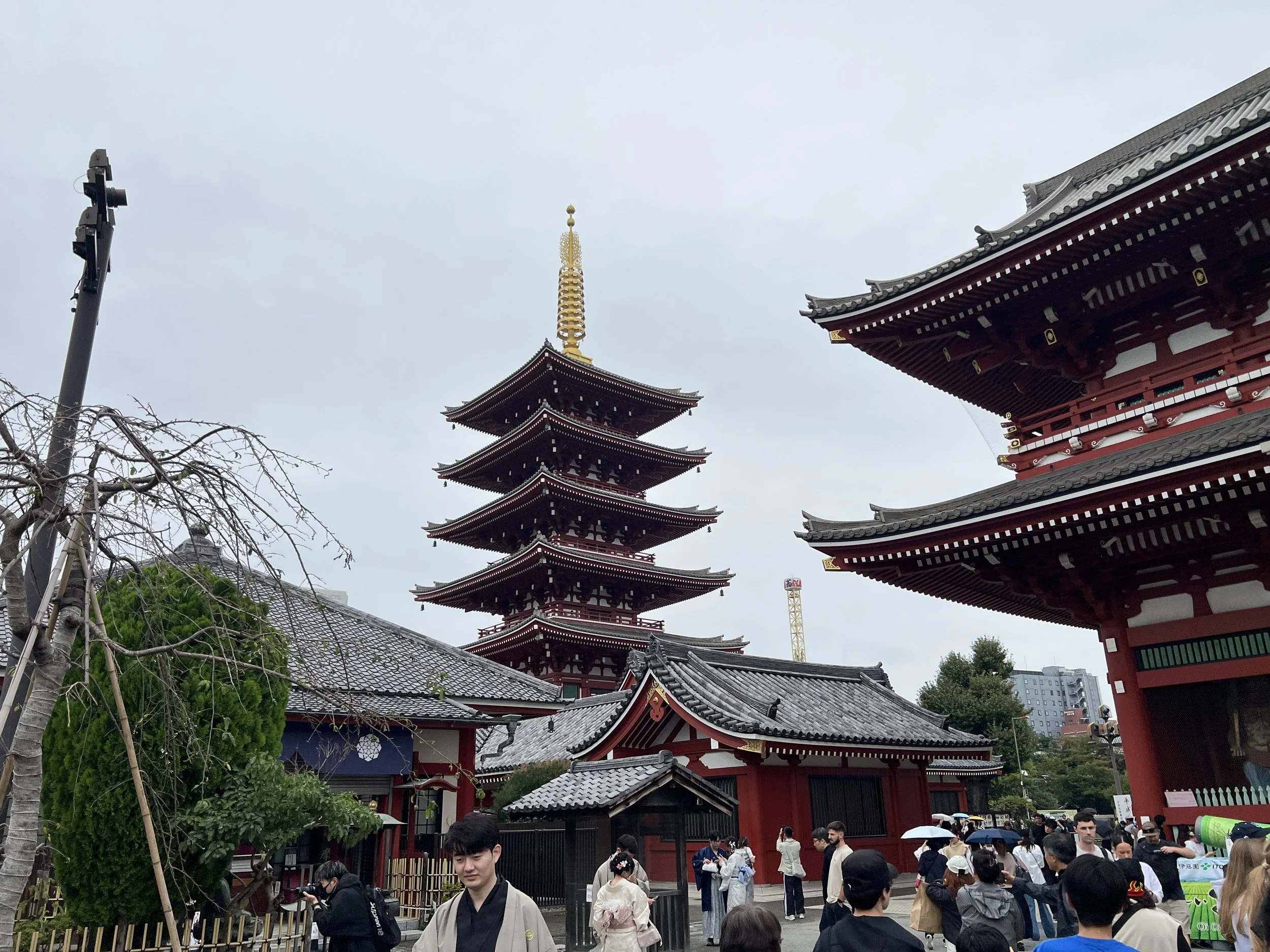
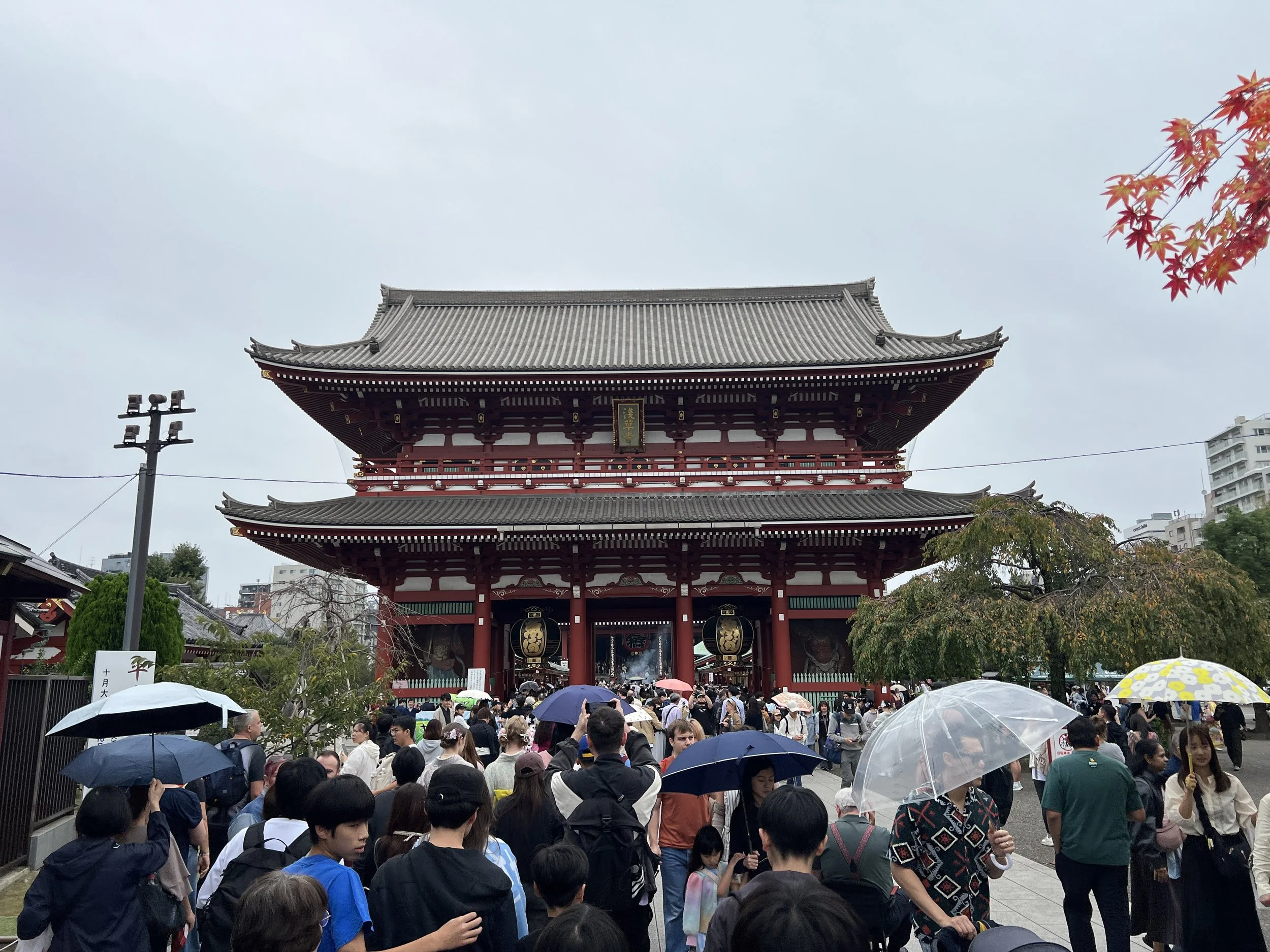
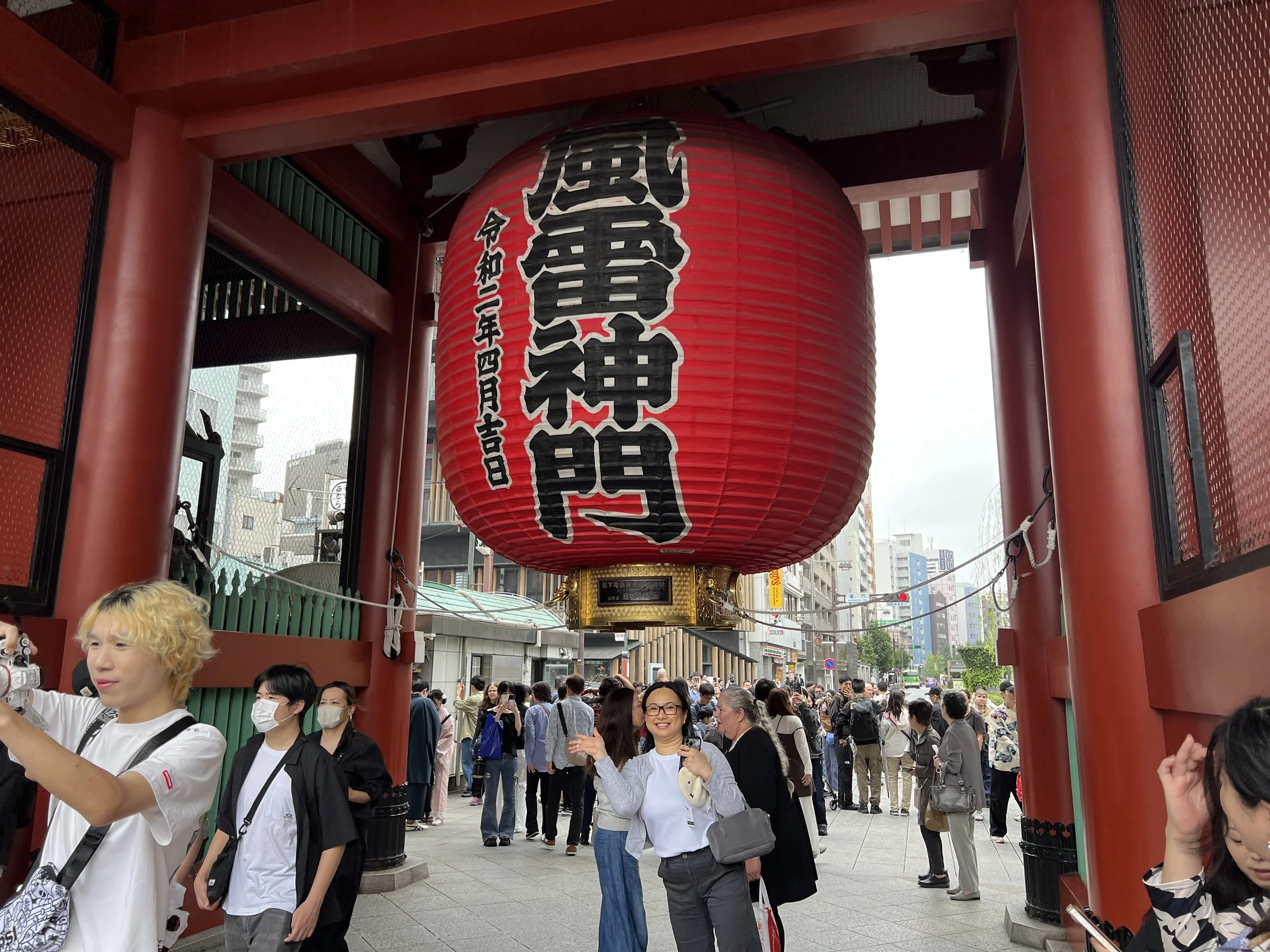
Welcome to the Kaminari-Mon Gate
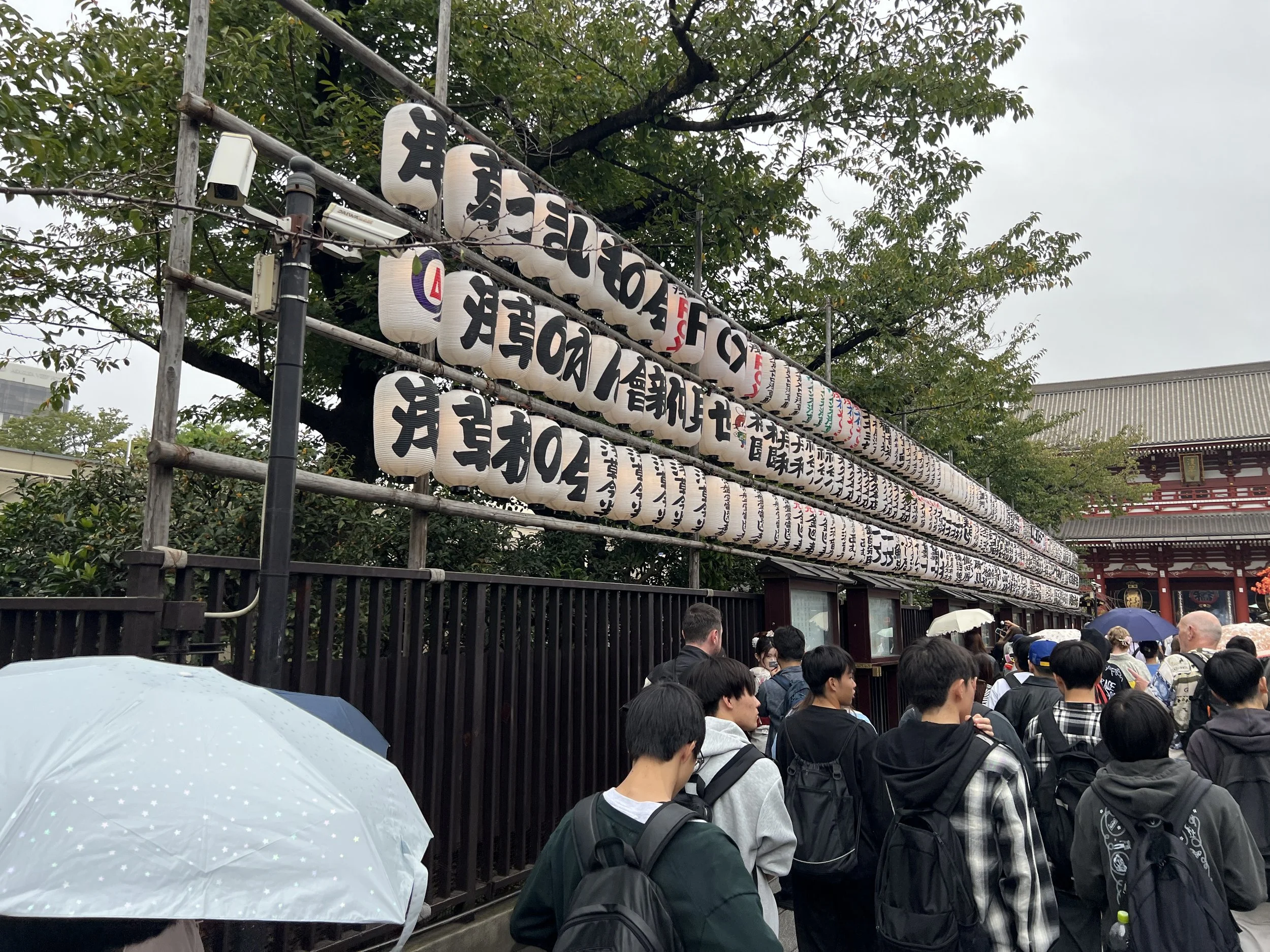
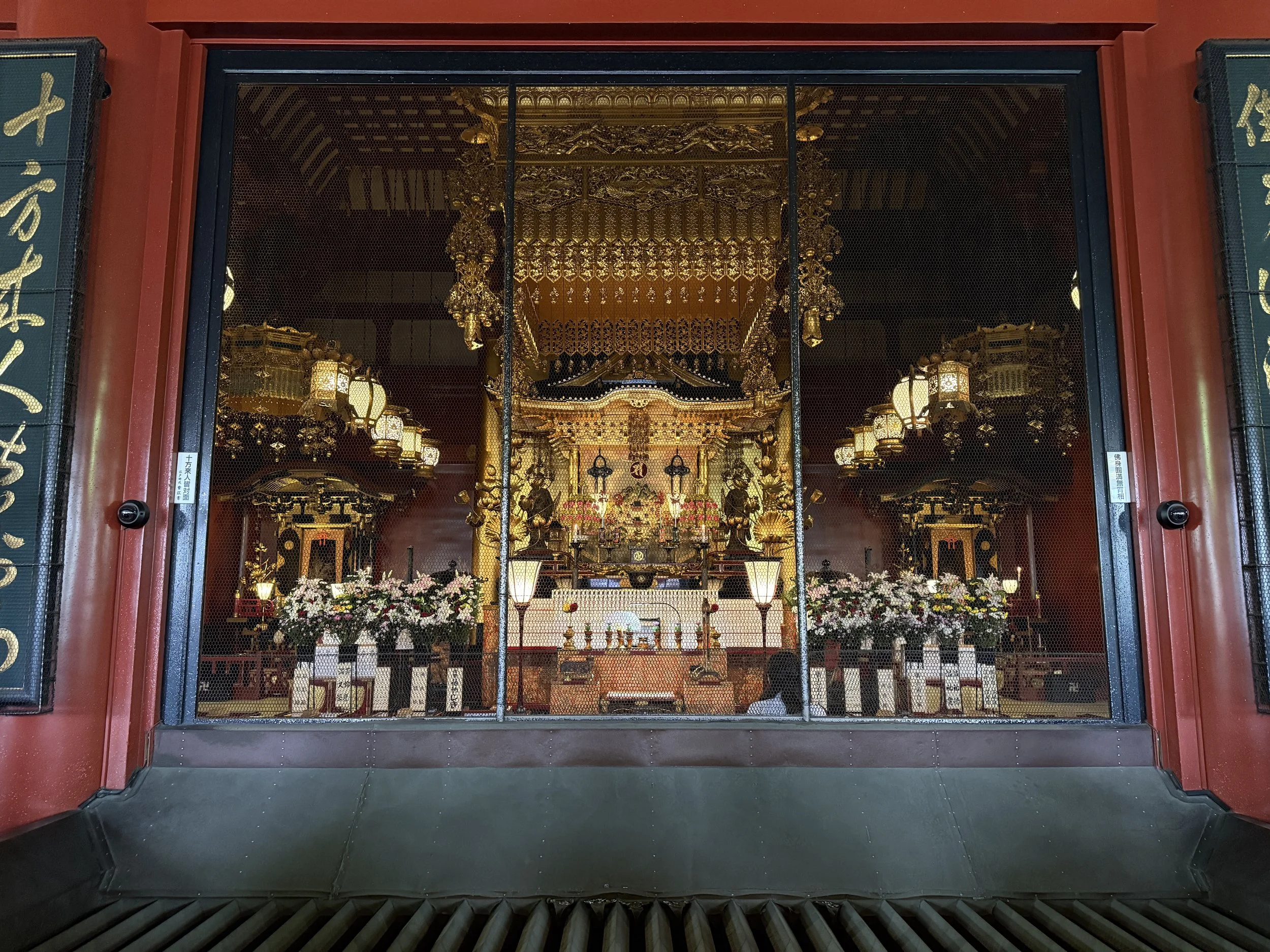
This is a Shinto / Buddhist altar. Do you know that feeling when something gets too religious that it gets a bit creepy? I had that feeling here. Also, Shinto and Buddhist altars in Japan gravitate towards a “darker” appearance or display.
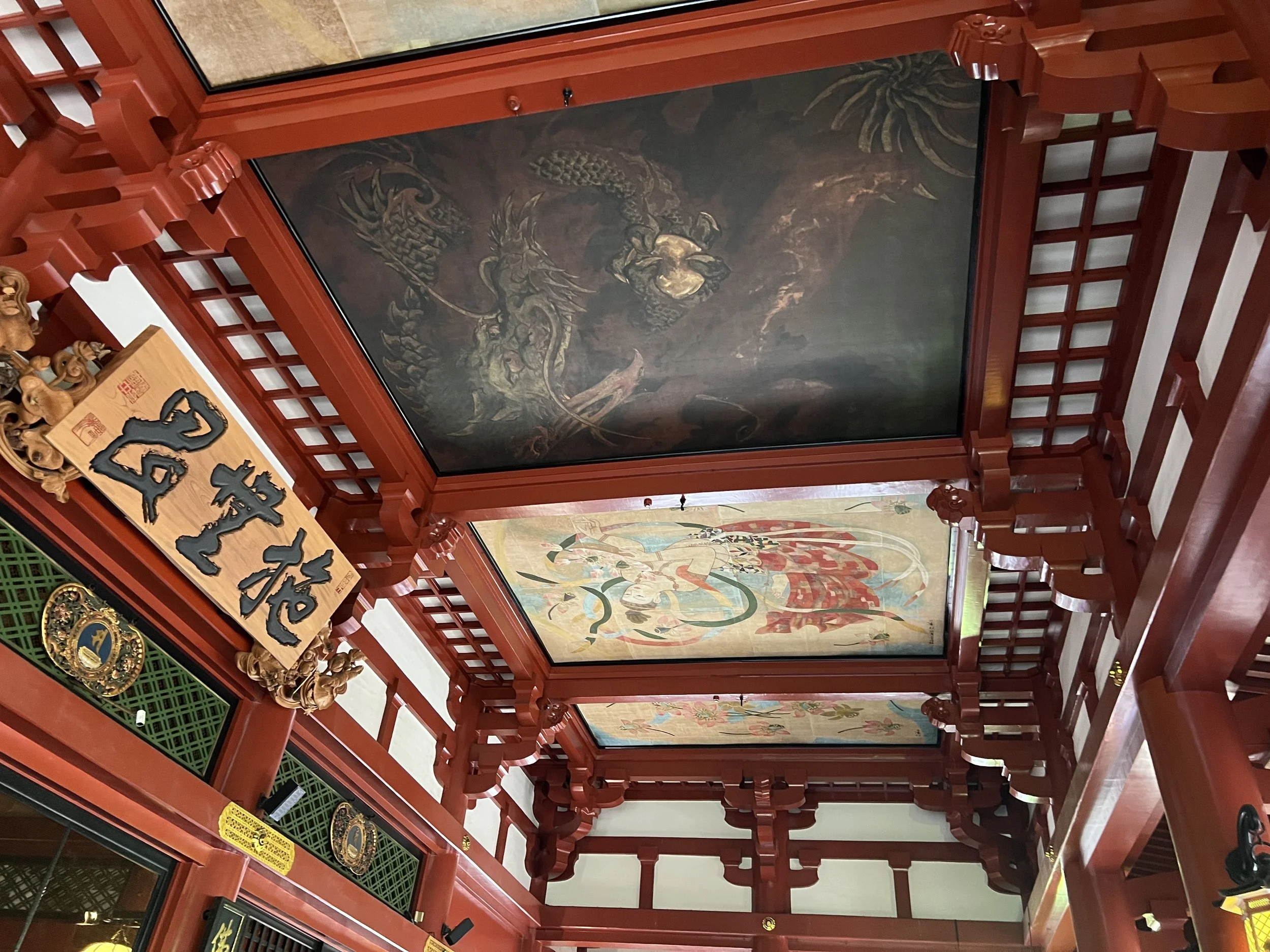
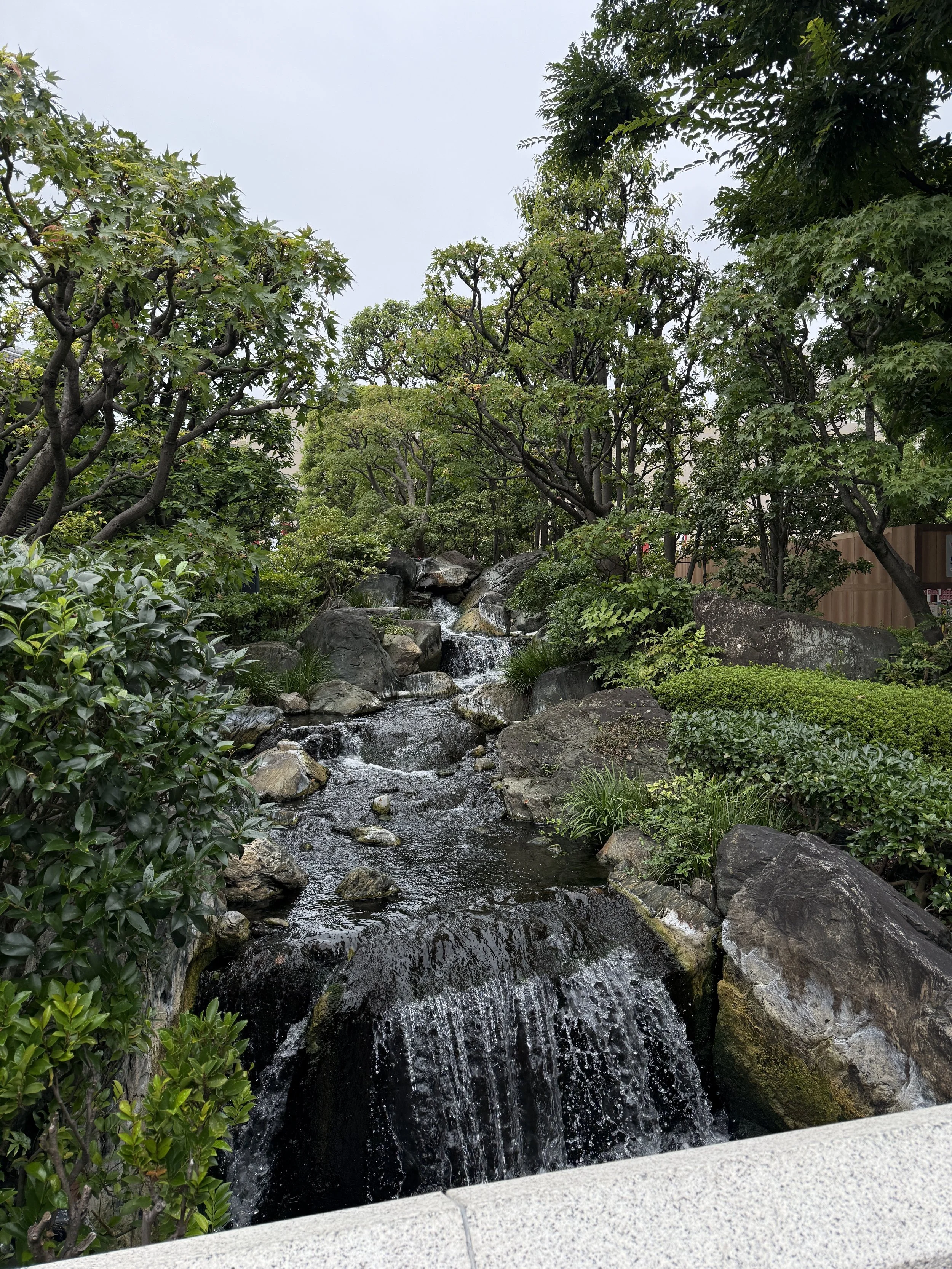
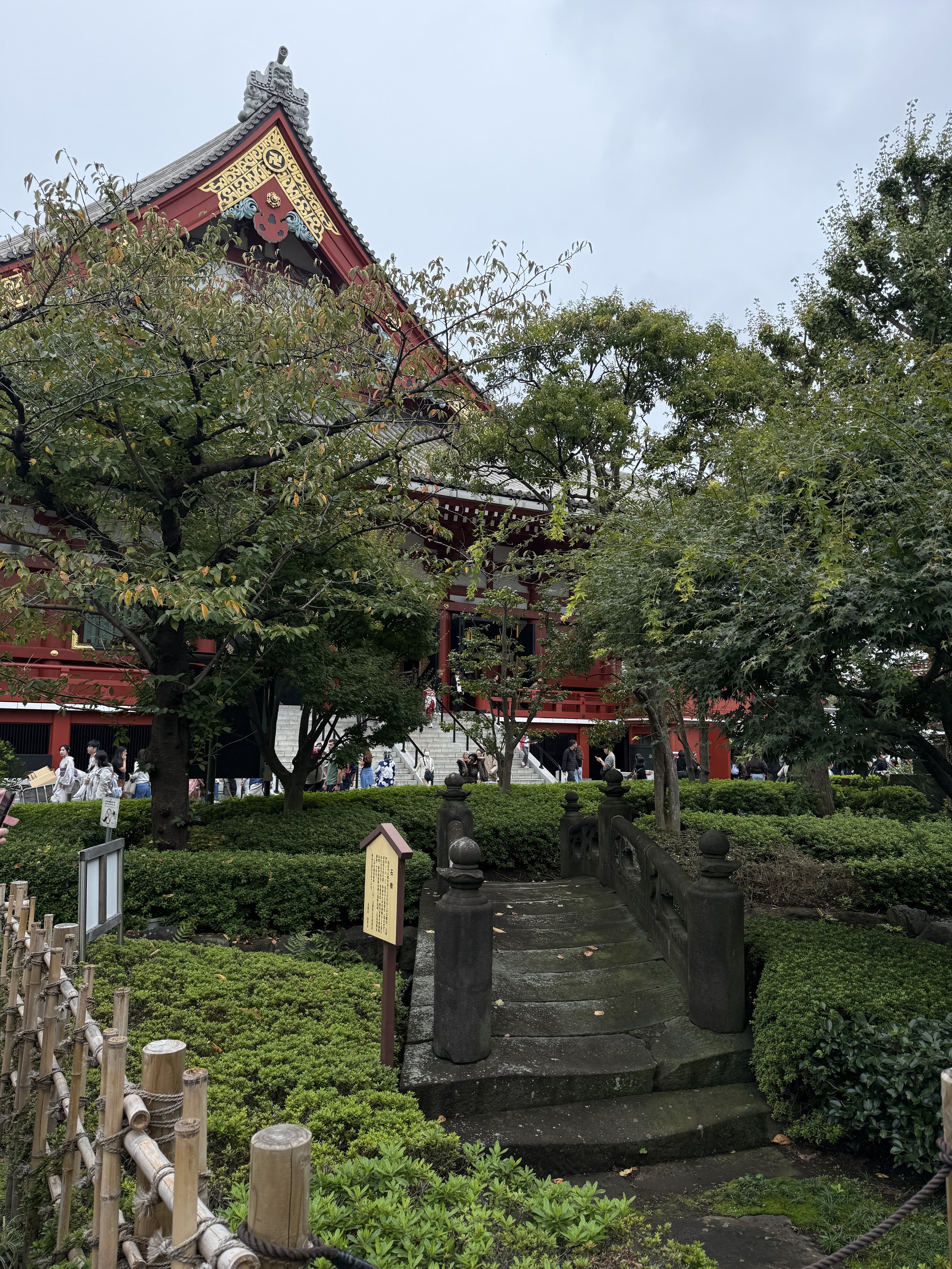
Right outside the temple is a huge botanical garden with miniature shrines and other finds. There are a lot of activities that you can pursue when visiting temples, we just didn’t really participate in any of them. Shakyo or hand-copying buddhist scriptures is one of them. Burning of incense to ward off bad luck, shaking the fortune box and bell trees, and a whole lot more.
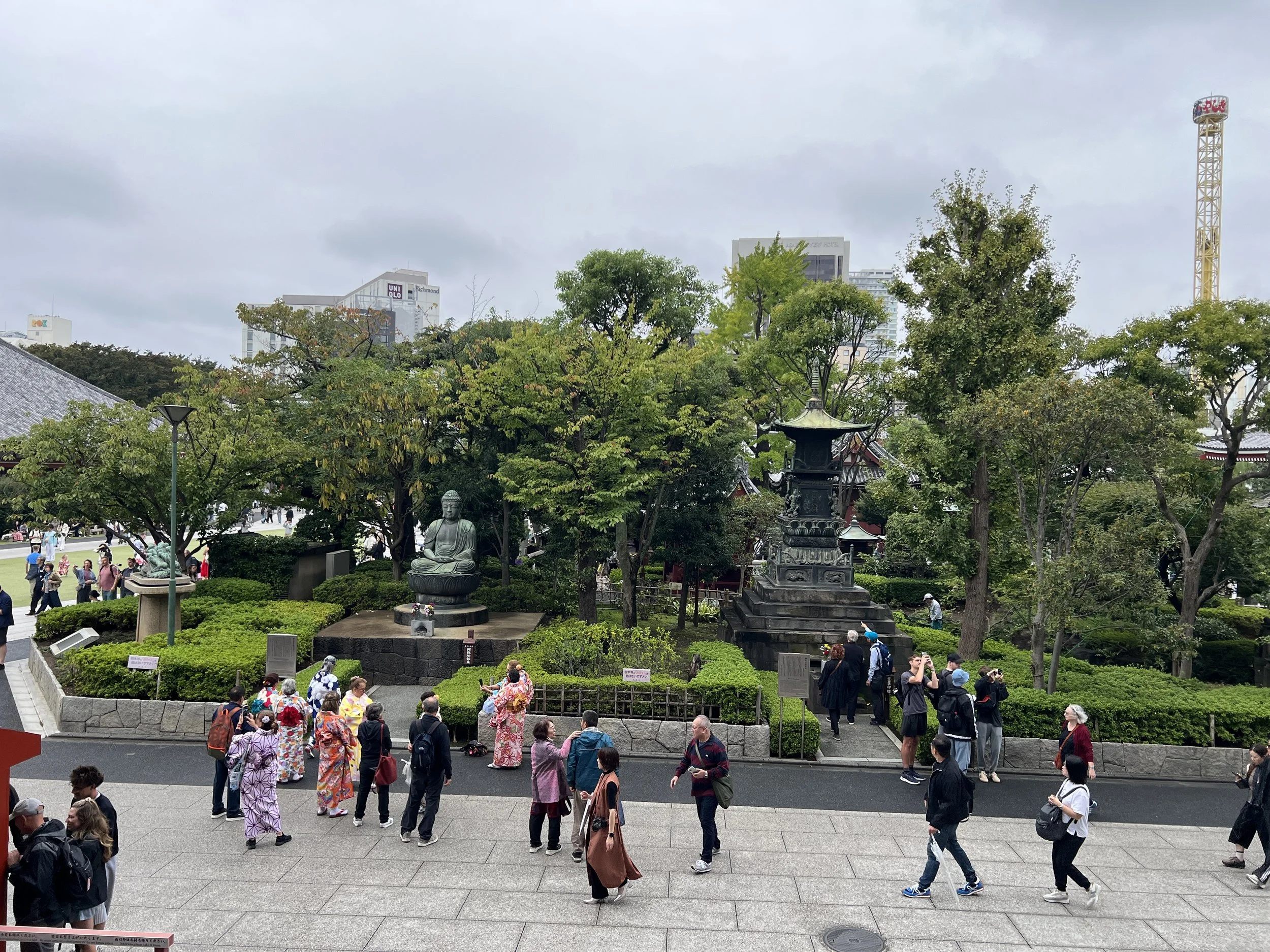
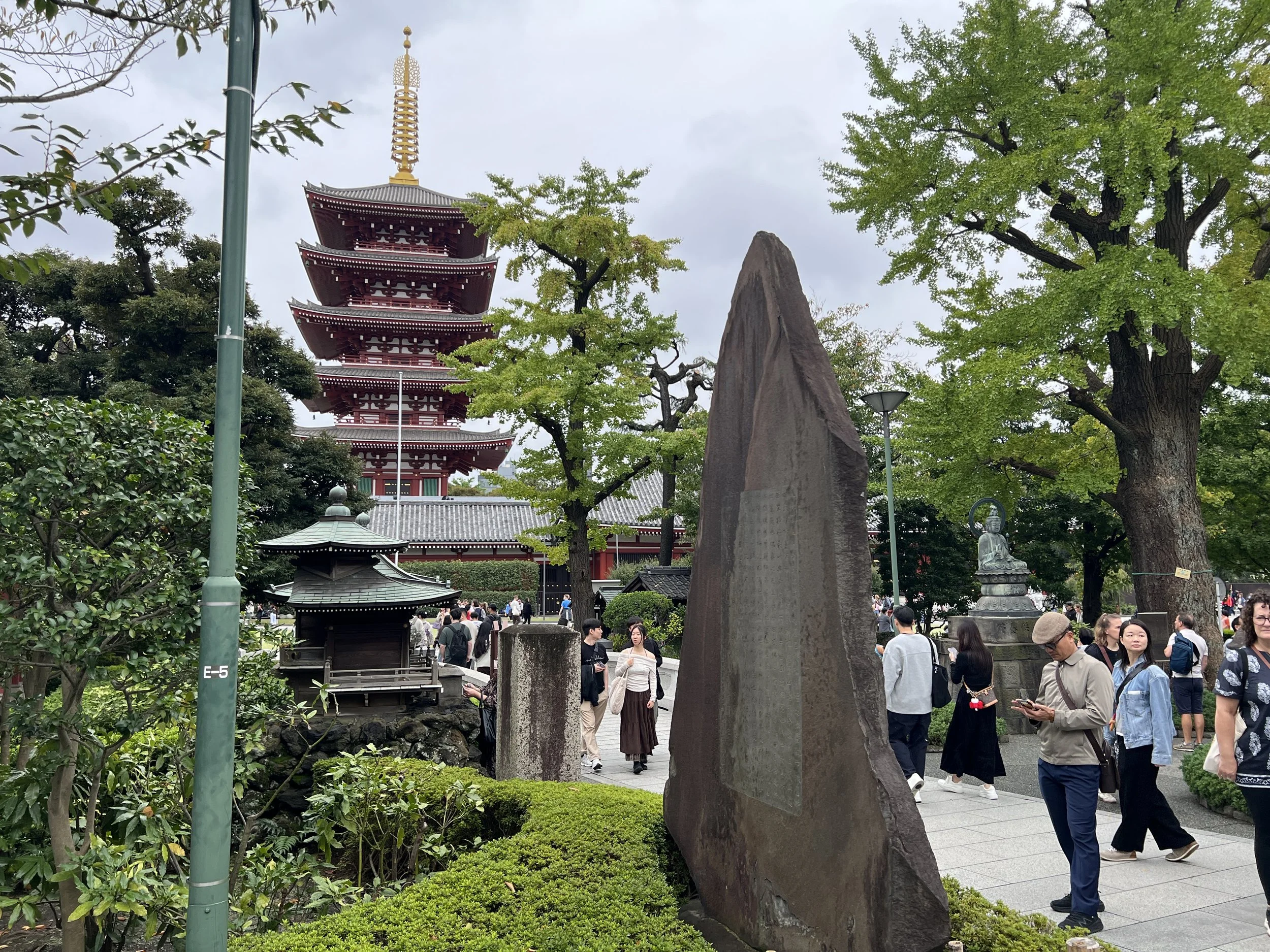
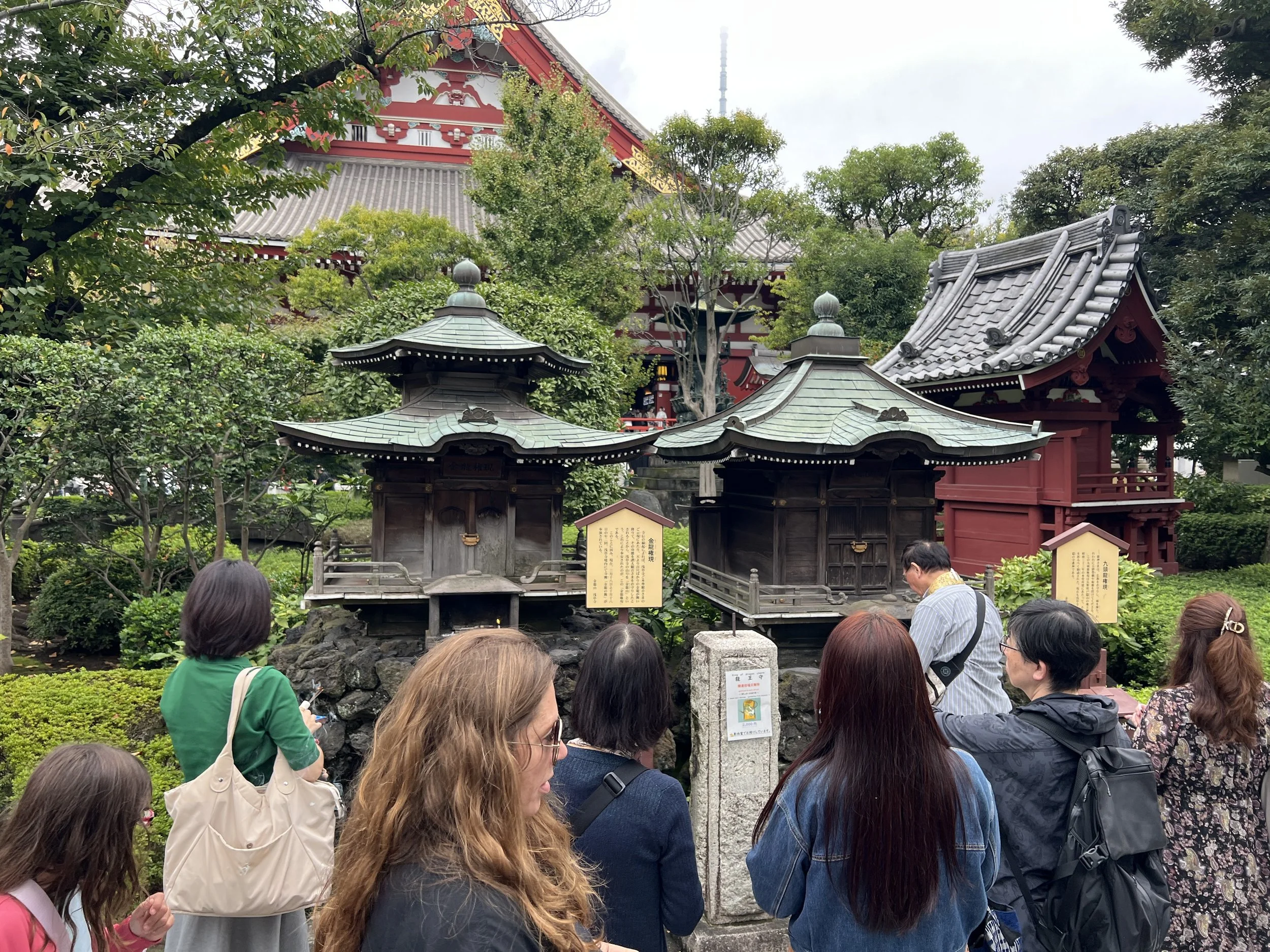
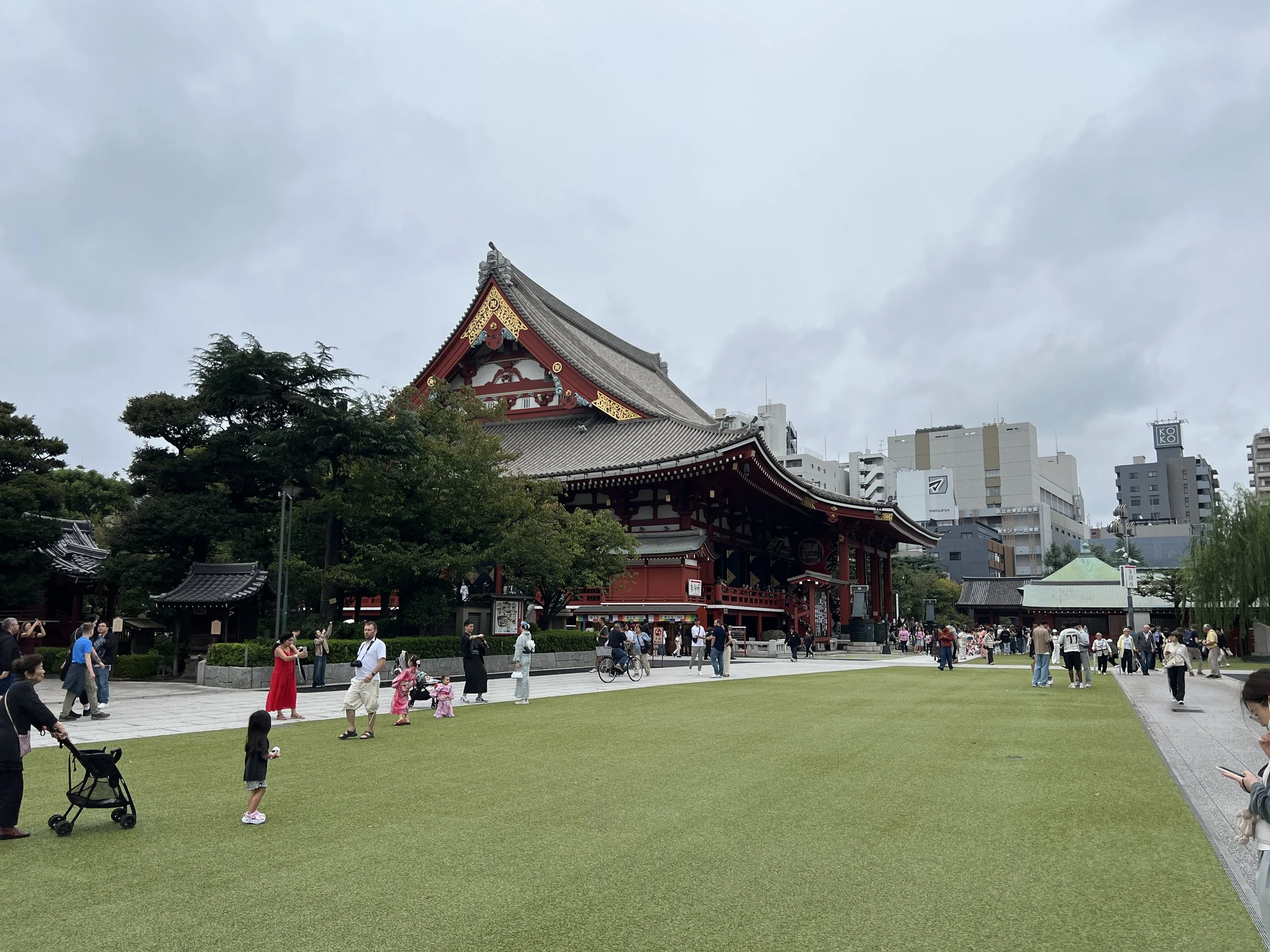
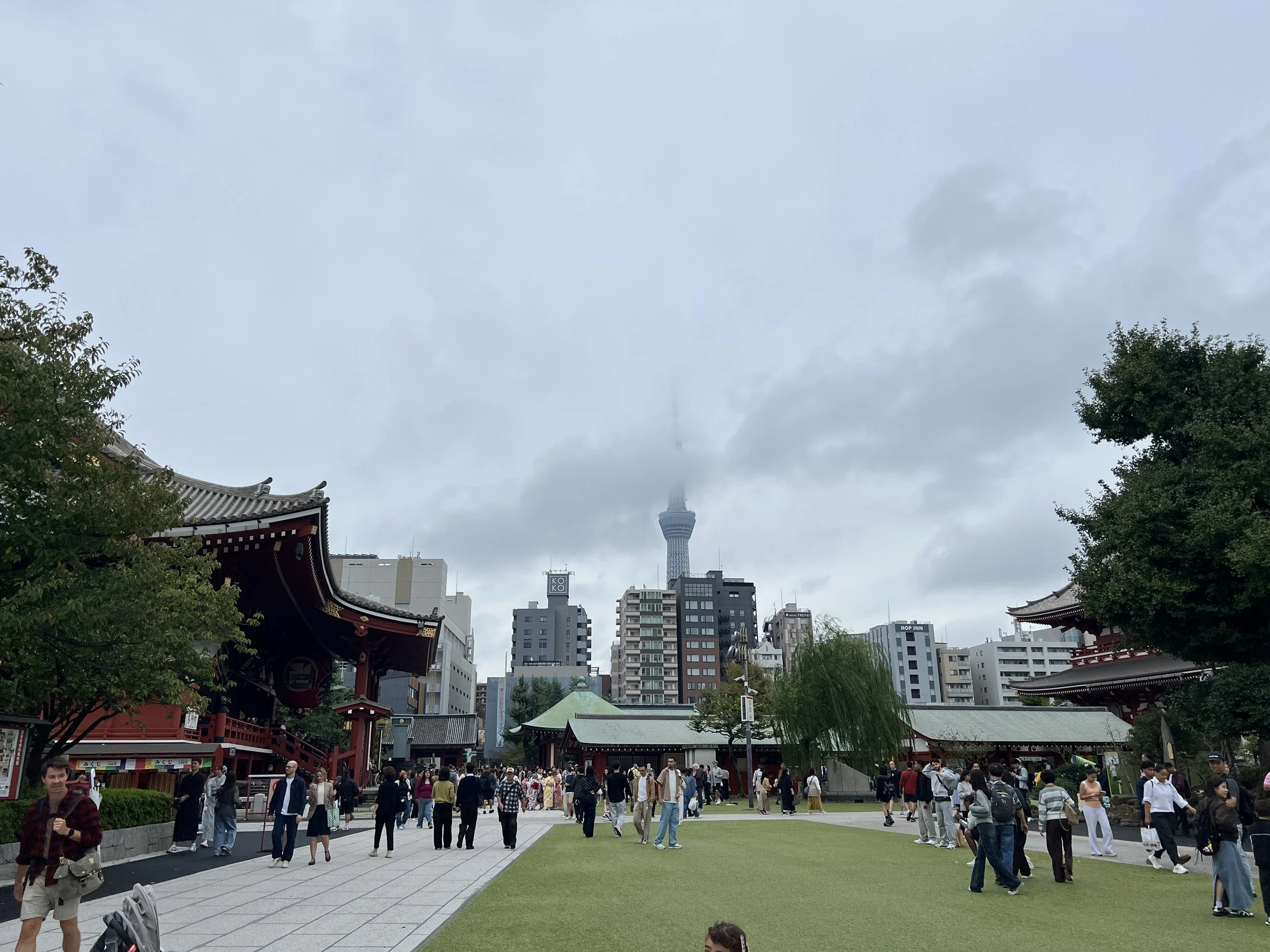
When you’re lucky, you might be able to take a photo of the Tokyo Sky Tree on a sunny day.
The Tokyo Sky Tree is an overlooking observatory with sweeping views of the land. It bridges the connection between traditional Japanese heritage and innovation while also acts as a broadcasting reception tower.
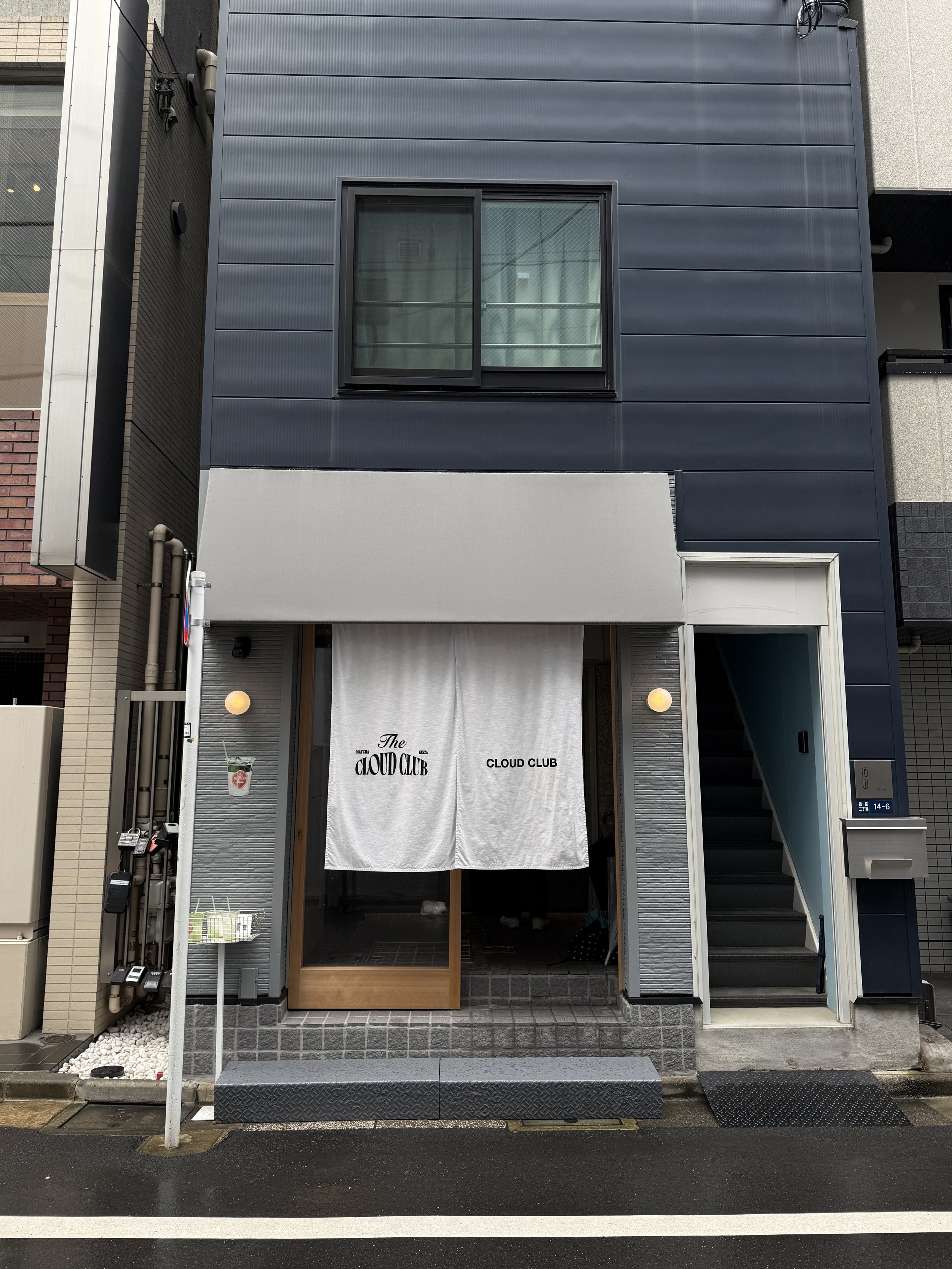
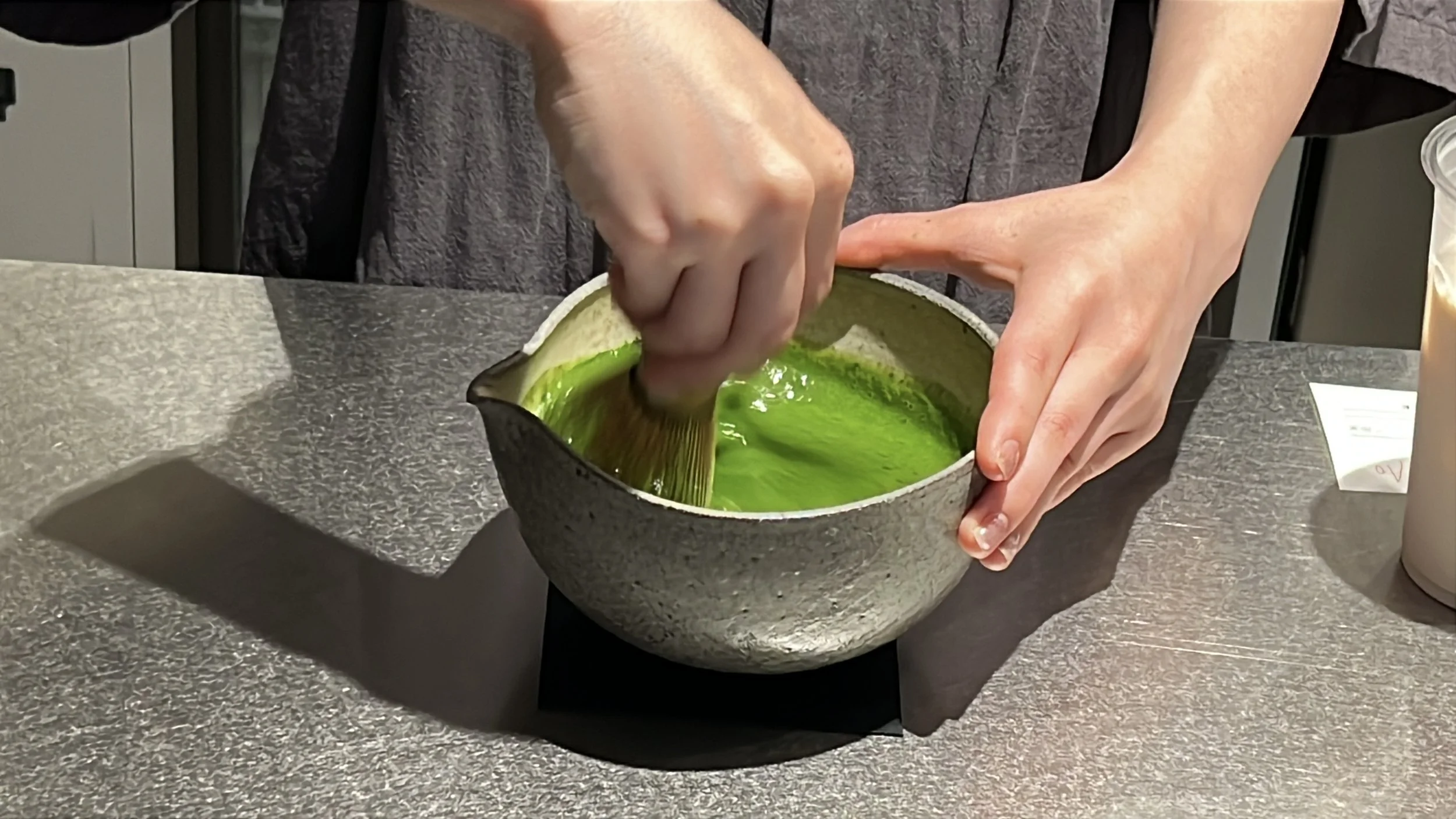
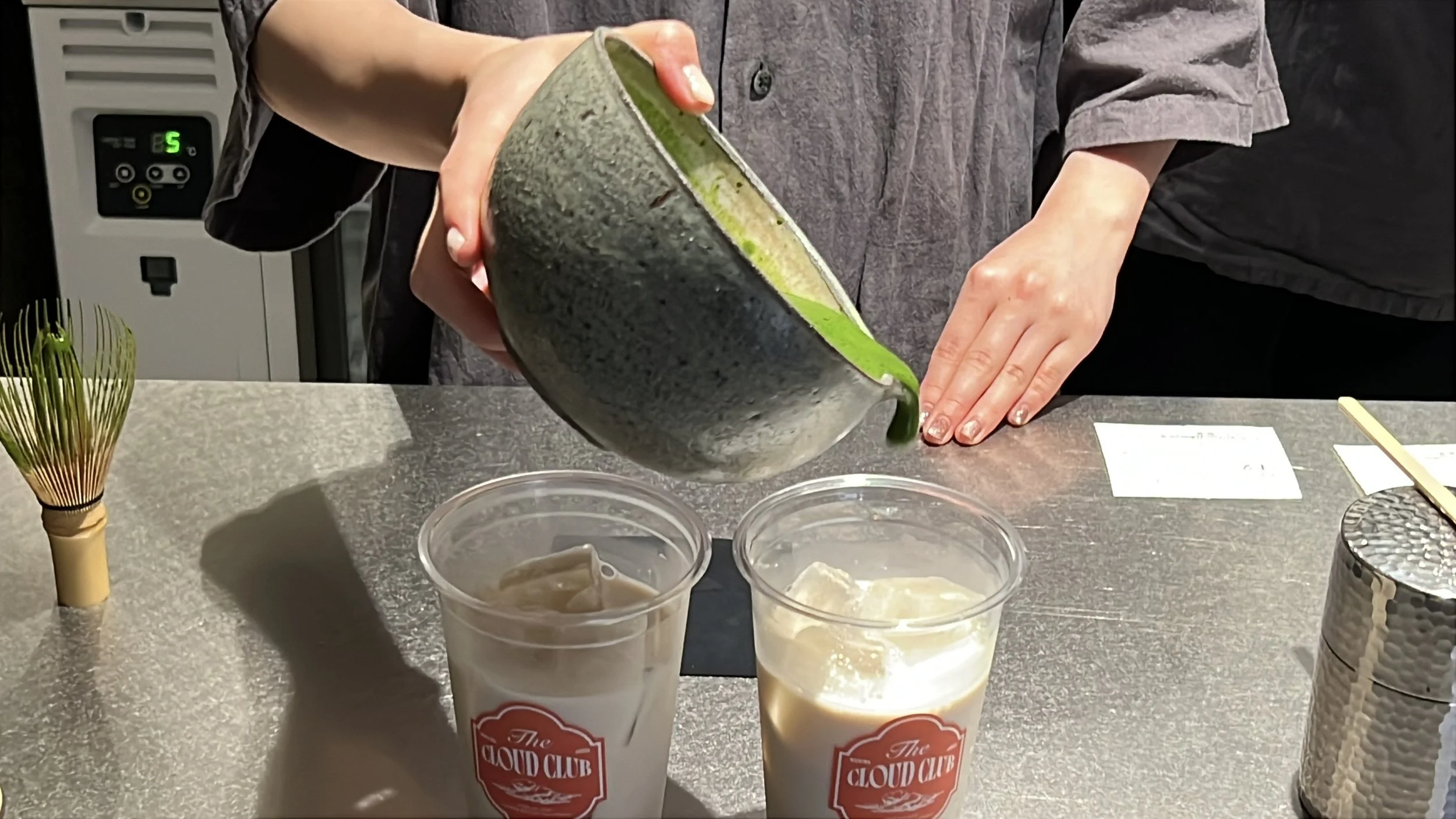
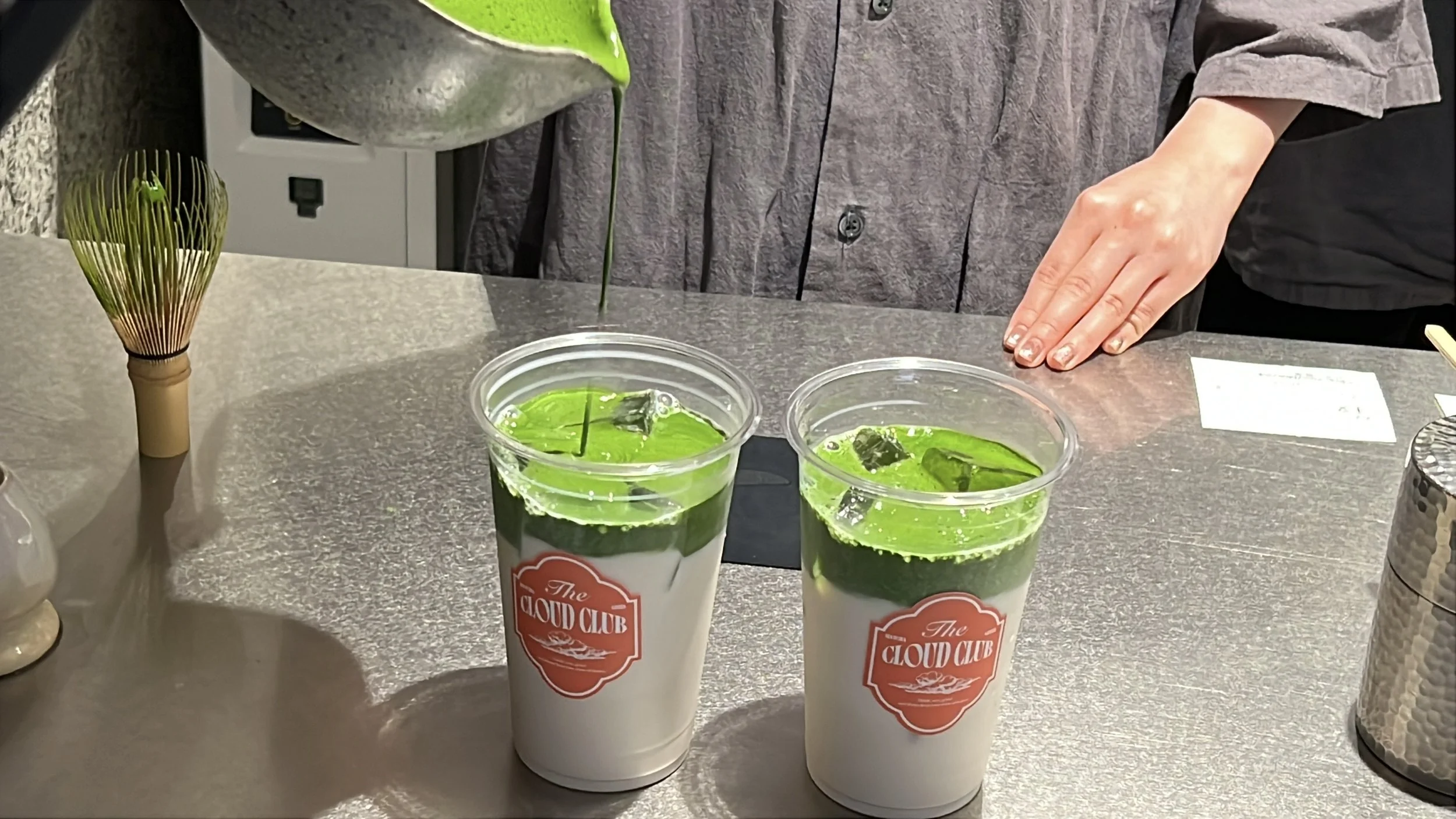
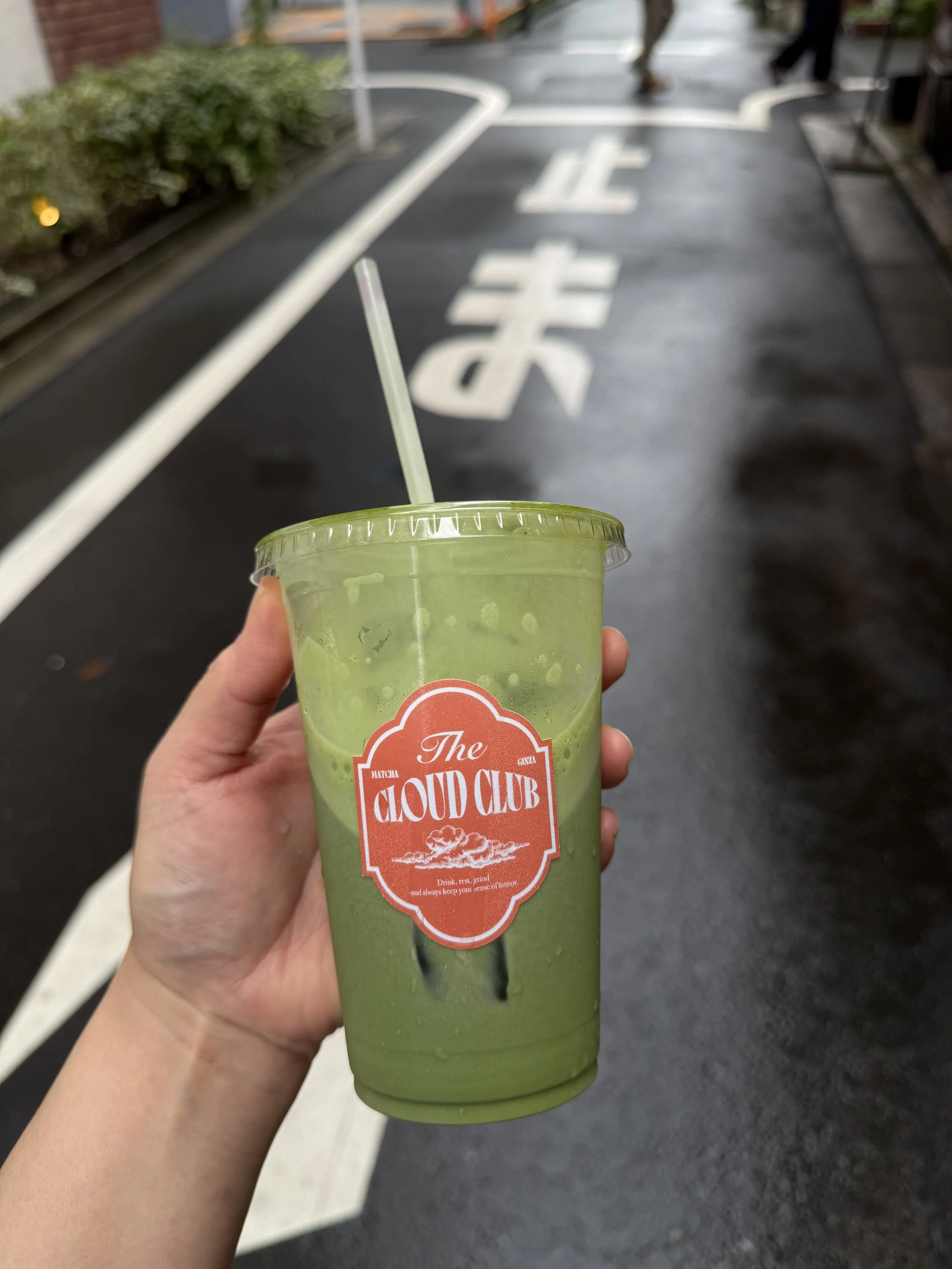
For a quick refresher, we went to the viral Matcha spot called The Cloud Club, you need to be patient for they really whisk the matcha powder and water in front of you until it becomes foamy (the cloud). It doesn’t make the beverage better, just for the sake of seeing it.
Kappabashi
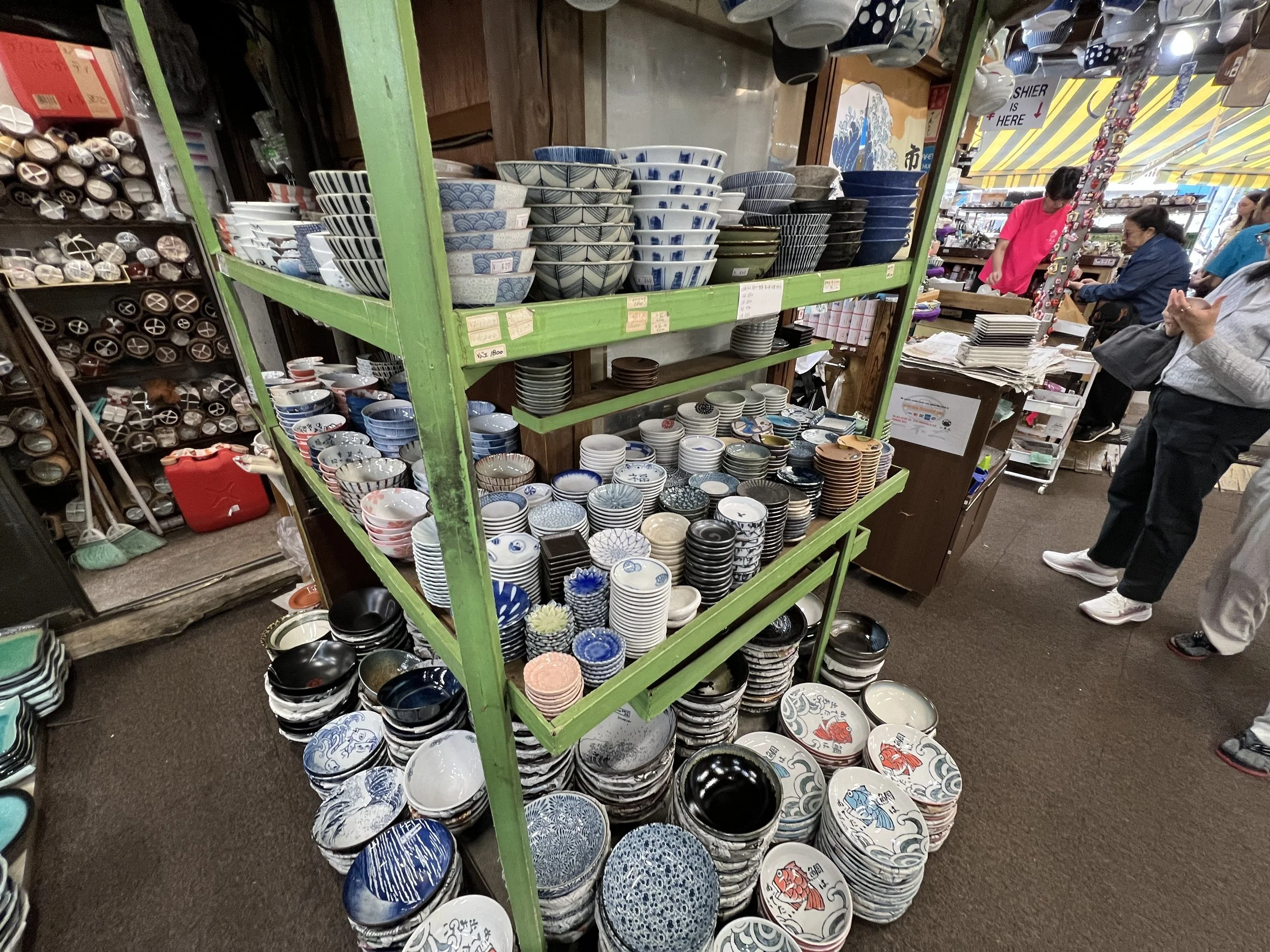
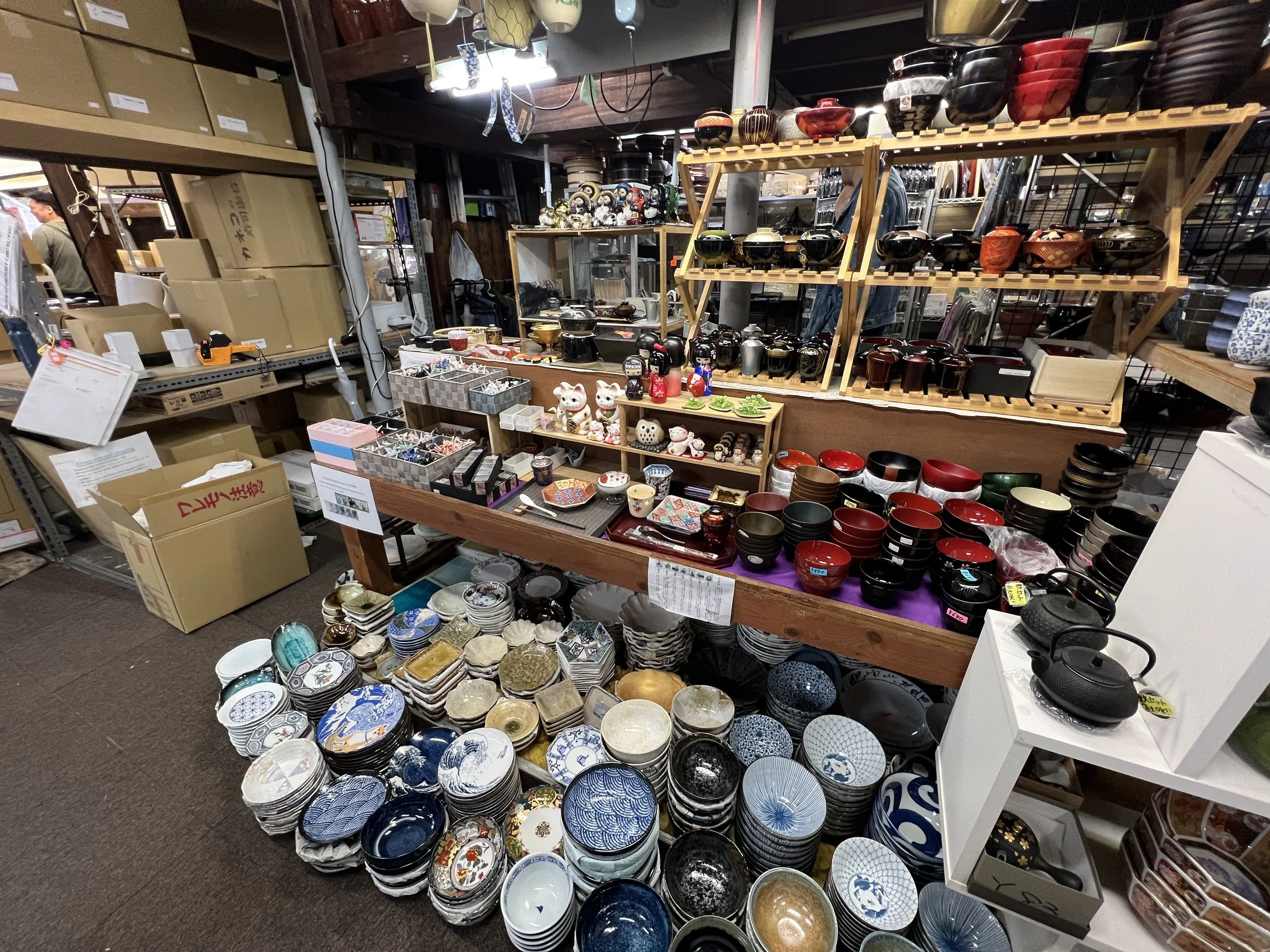
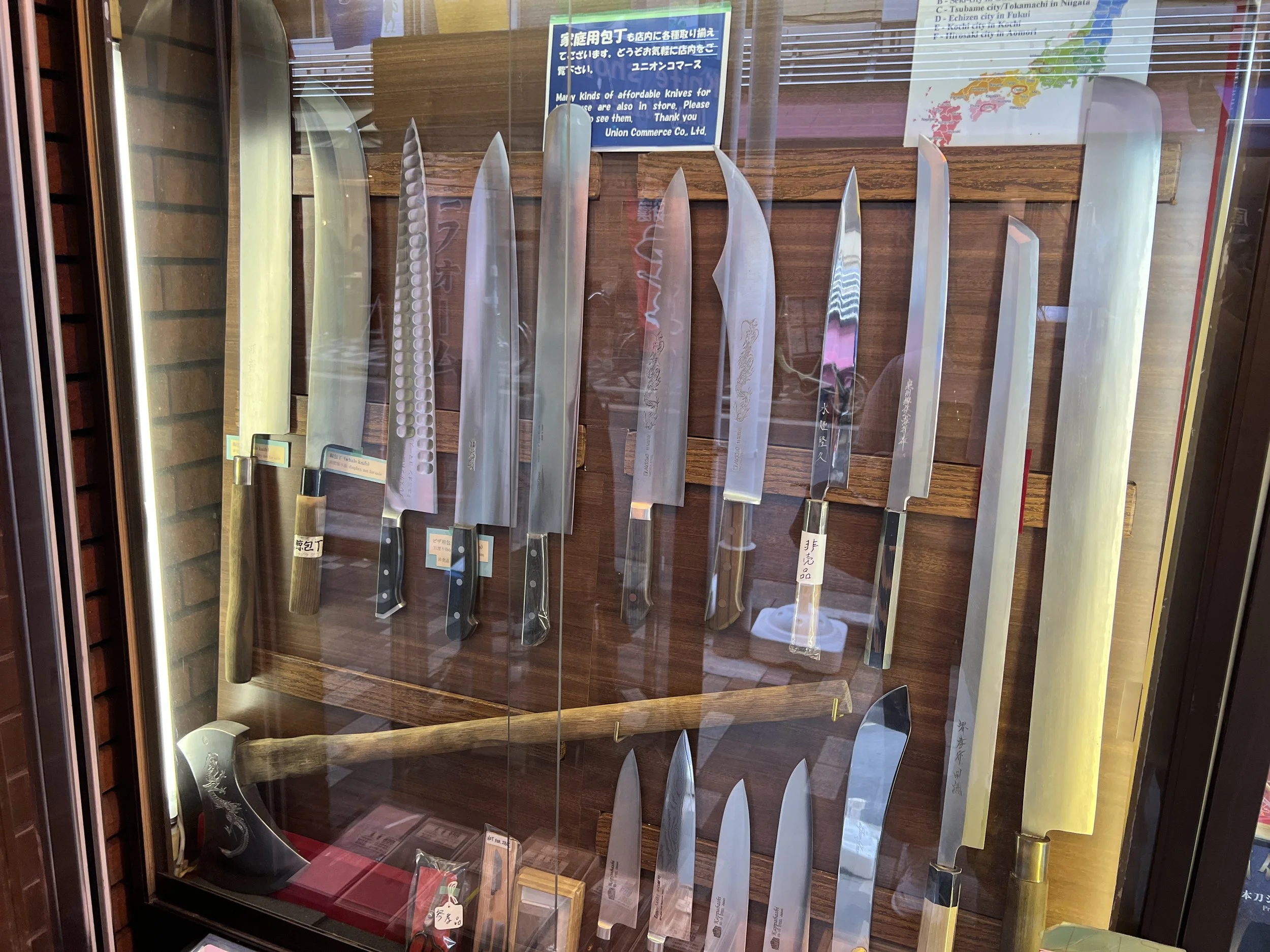
Kappabashi is the district for everything related to culinary and kitchen supplies. Knives, chinaware, equipment and uniforms—you name it, they have it. My younger self would have enjoyed seeing endless knife shops selling the most perfect mirror-finished knives that cost more than a Toyota. Now, I just buy whatever Crate and Barrel carries.
The knife to the right, captured below is longer than my entire arm. What do they use it for? Whales?
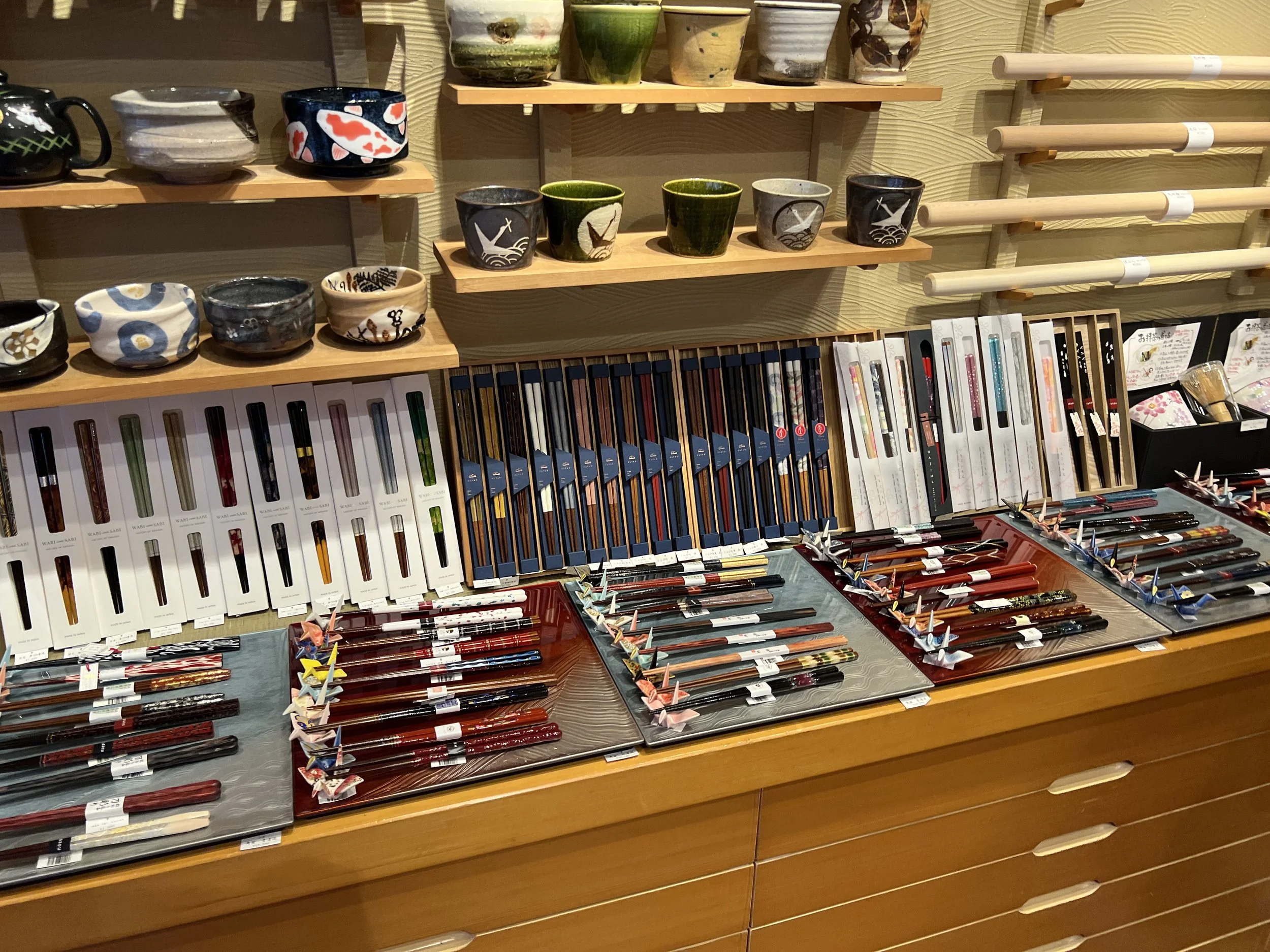
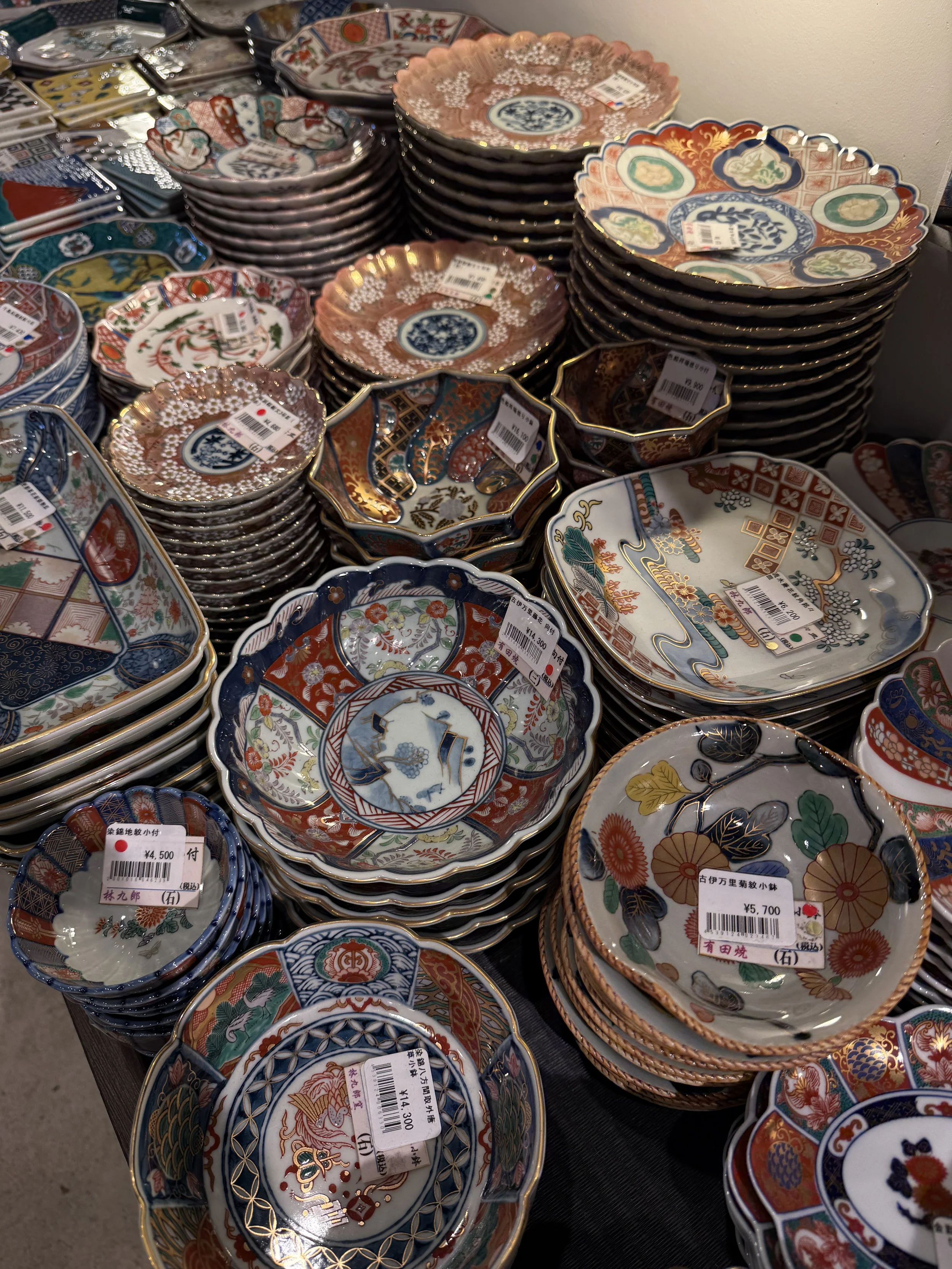
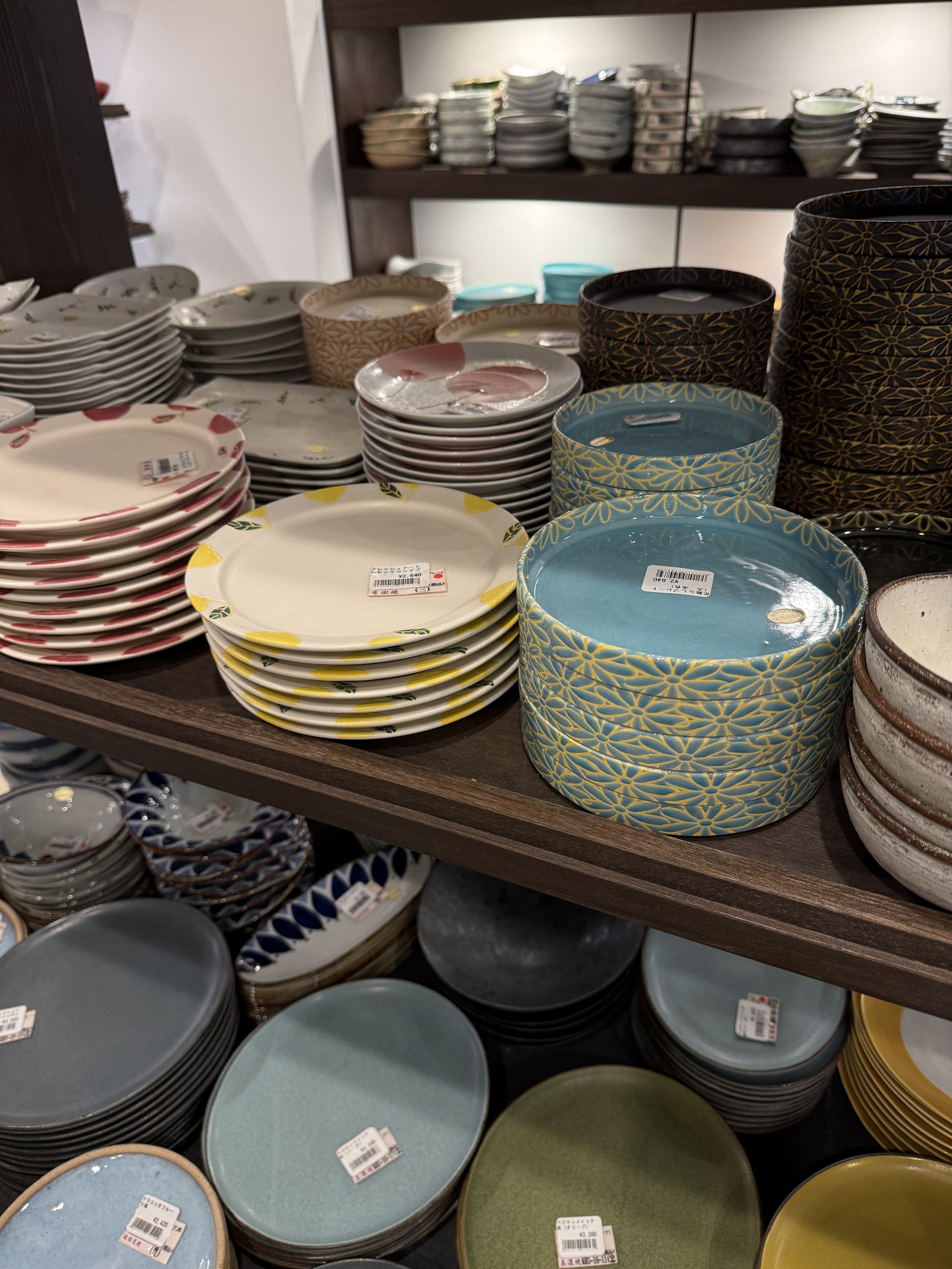
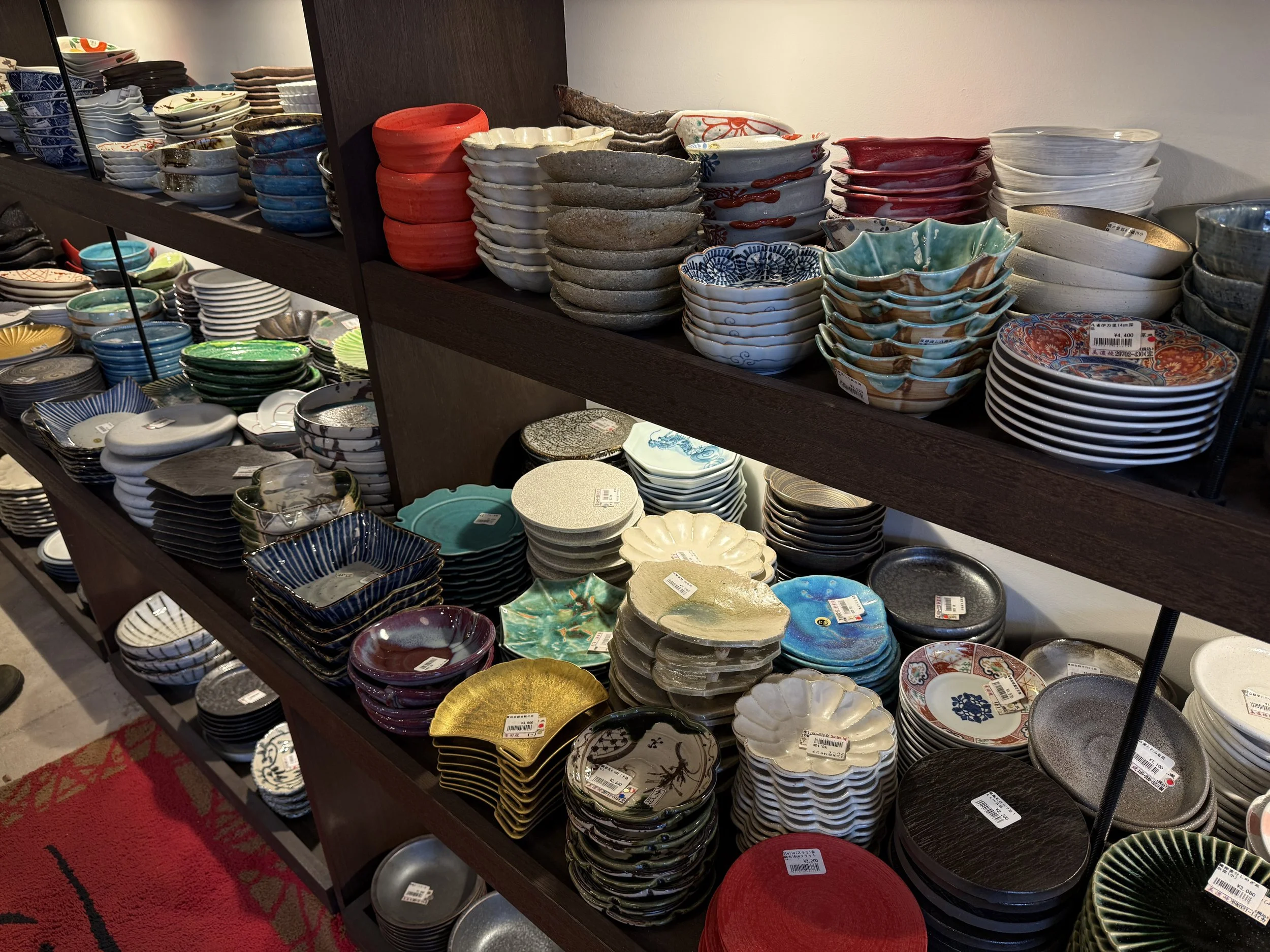
These Japanese made plates, dishes and other serveware are quite expensive. Although, you can’t deny how beautiful they are. If luggages weren’t weighed at airports, then I would have bought so much already. Traditional Japanese pottery and ceramic making is a dying art. It is said that veterans are having a hard time trying to pass the knowledge to younger generations. These items you see below are most likely commercial machine made pieces while those that are handmade cost triple or quadruple the price.
Dinner at Coco-Ichibanya
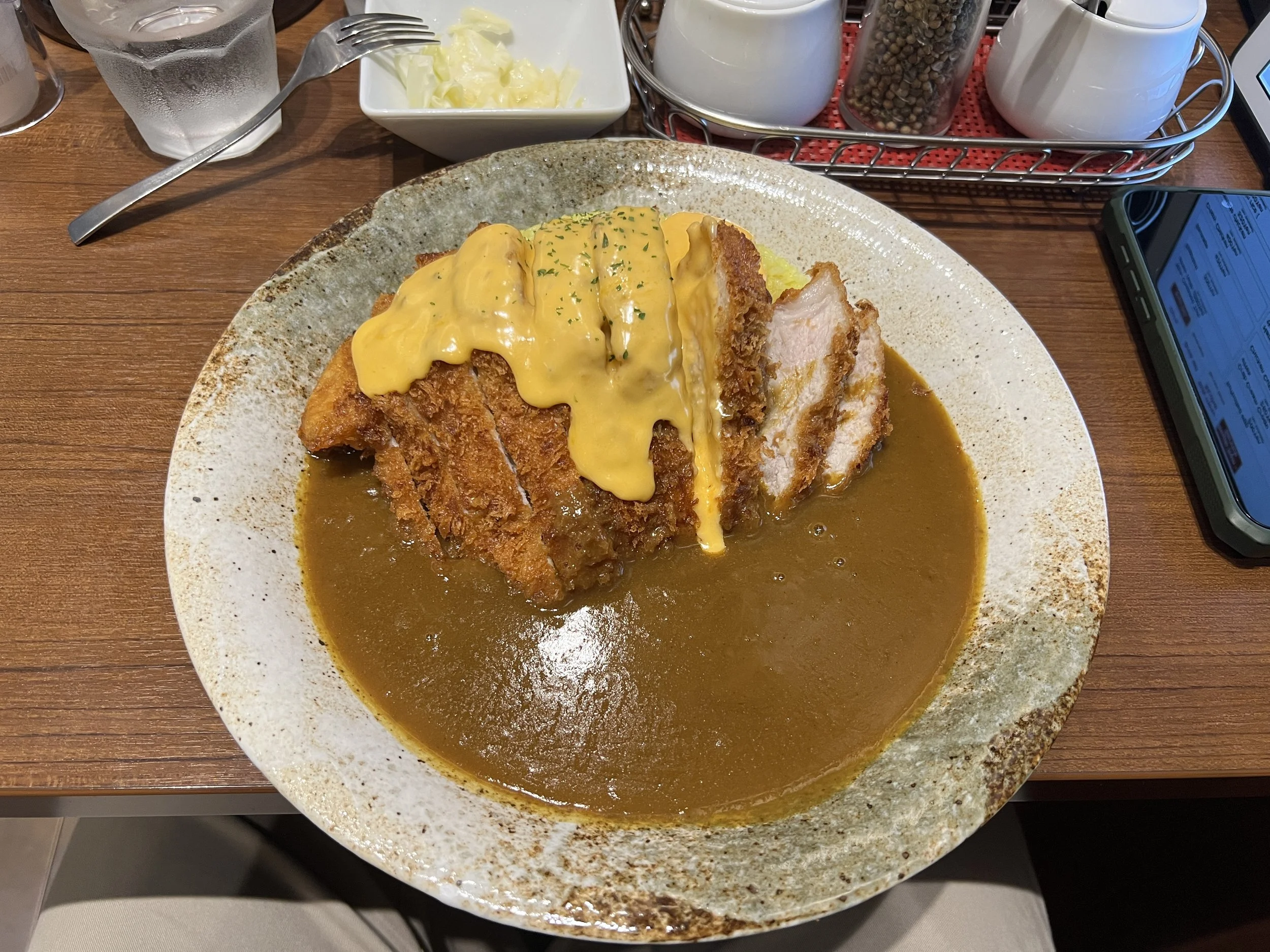
I grew up eating katsu curry. In fact, it will be one of my last meals if I were on the death row. As commercial as it can get, I enjoy Coco-Ichibanya and since we were in Japan, I had to try the real deal. Let me tell you… it did not disappoint. This surely is one of my guilty pleasures.
Below, is pork katsu curry with cheese sauce. The cheese sauce might be overkill, but my soul needed it that time. This is how I reached the final stage of Maslow’s Hierarchy of needs of being self actualized. God bless Japan. I forgot to chew my food and just snorted everything in.
Bar Libre, Ginza
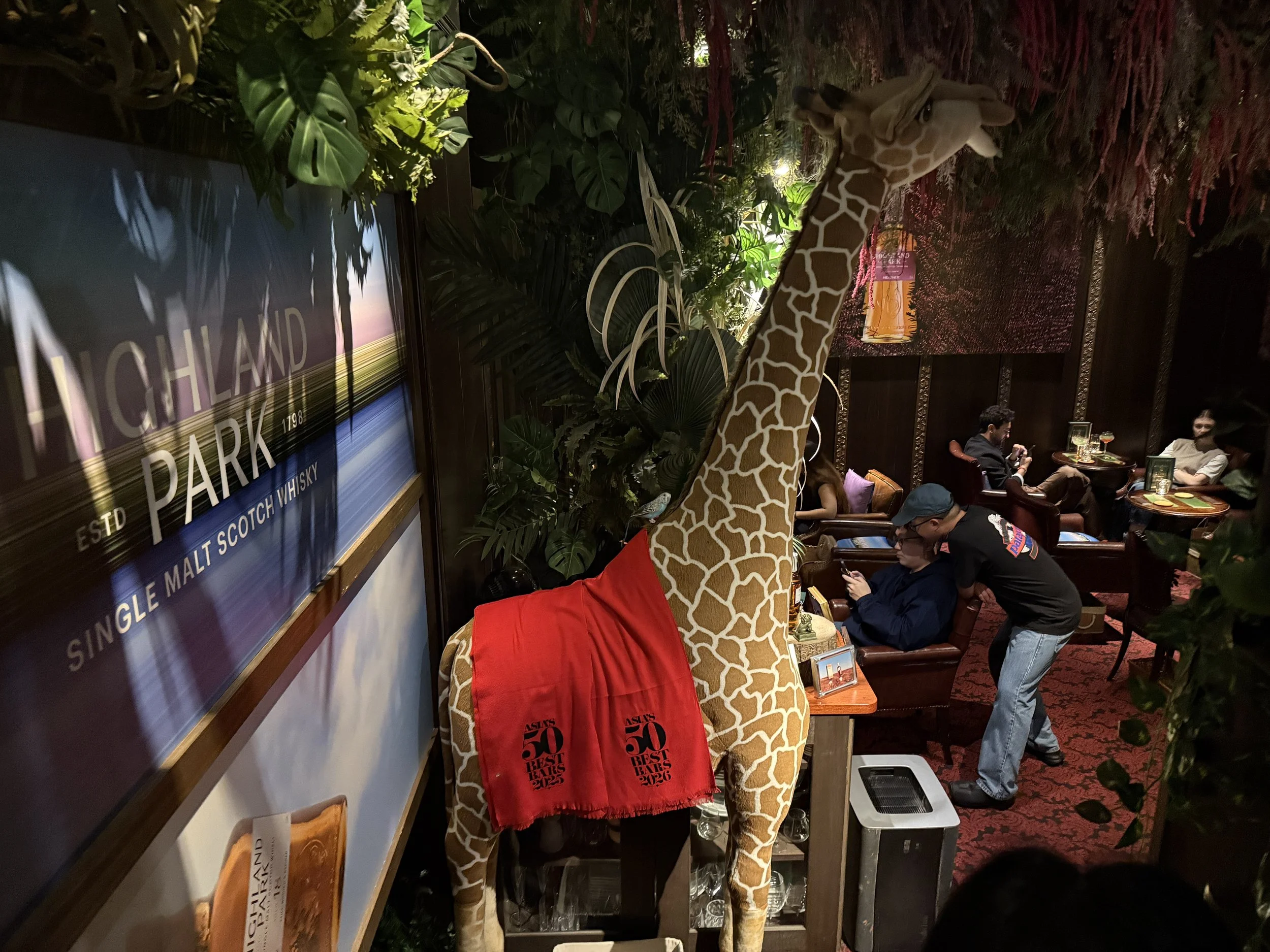
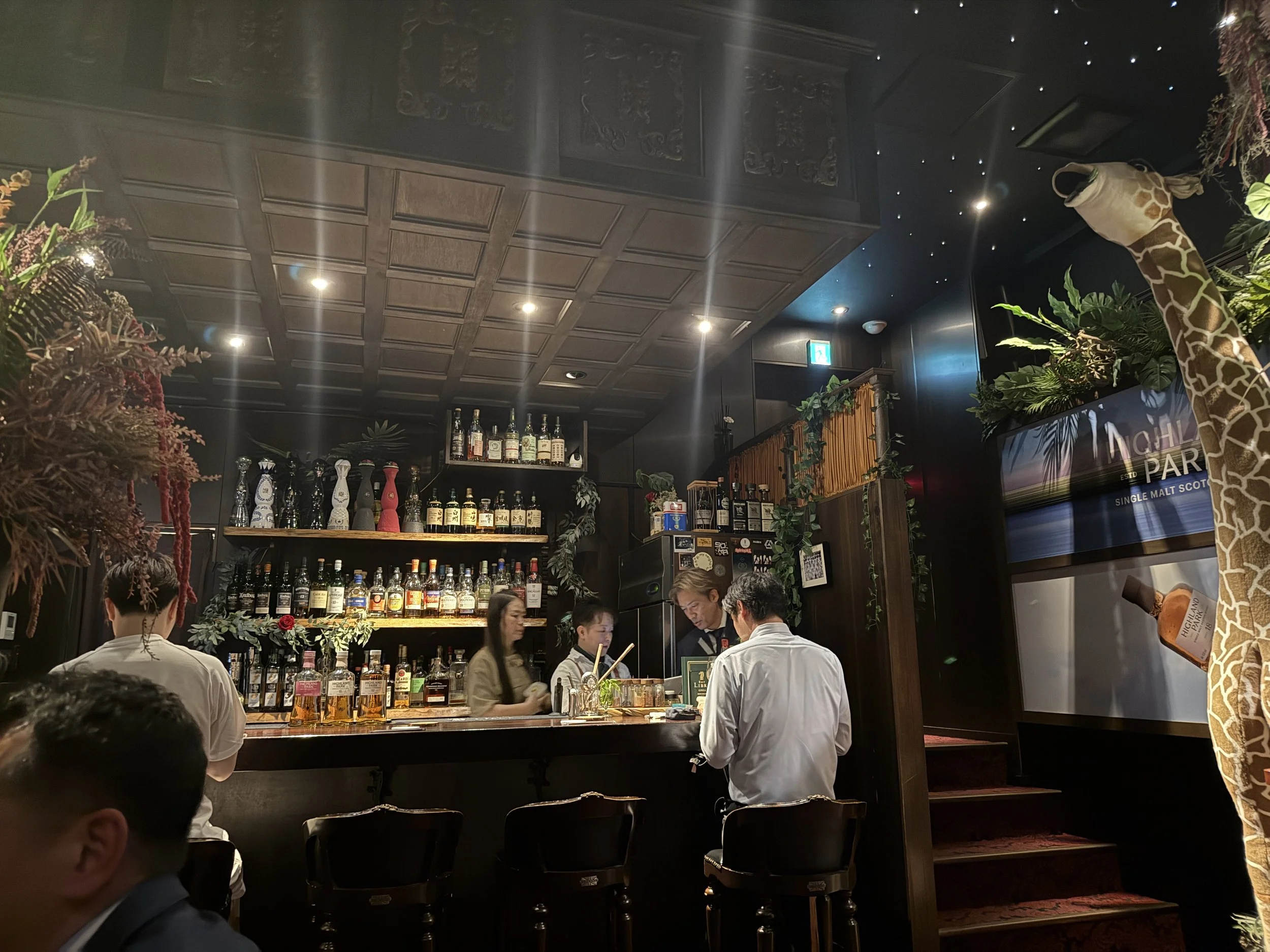
To end the night, we went to Bar Libre in Ginza, a bar that rivals at the 39th position of the Best Bars in Asia. With a hidden underground location and a forbidden jungle theme serving out of this world concoctions, this place deserves all the praises it gets.
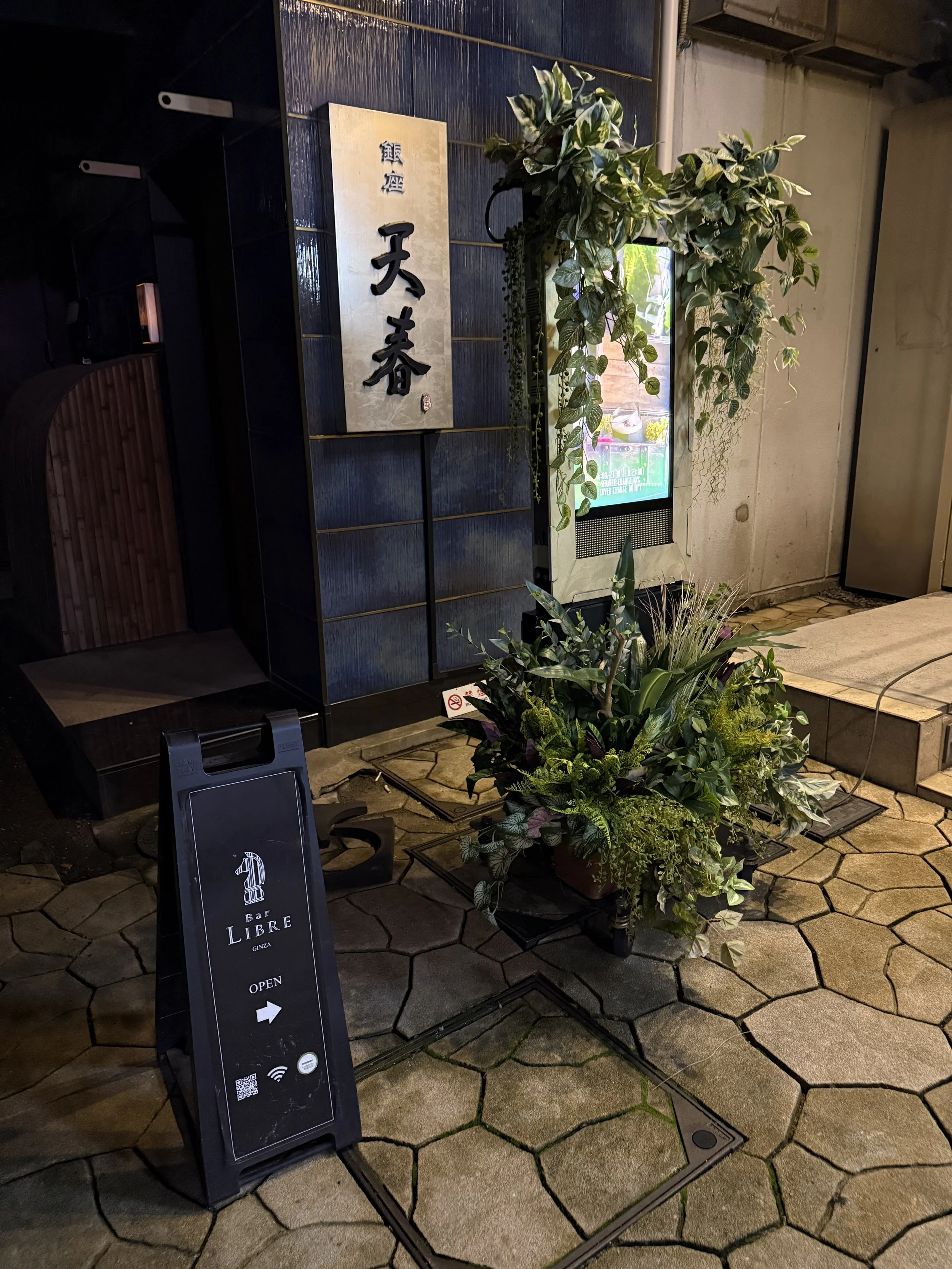
The giraffe is standing proud carrying the Asia’s 50 Best Bars banner on its saddle.
You have to make reservations in order to get in.
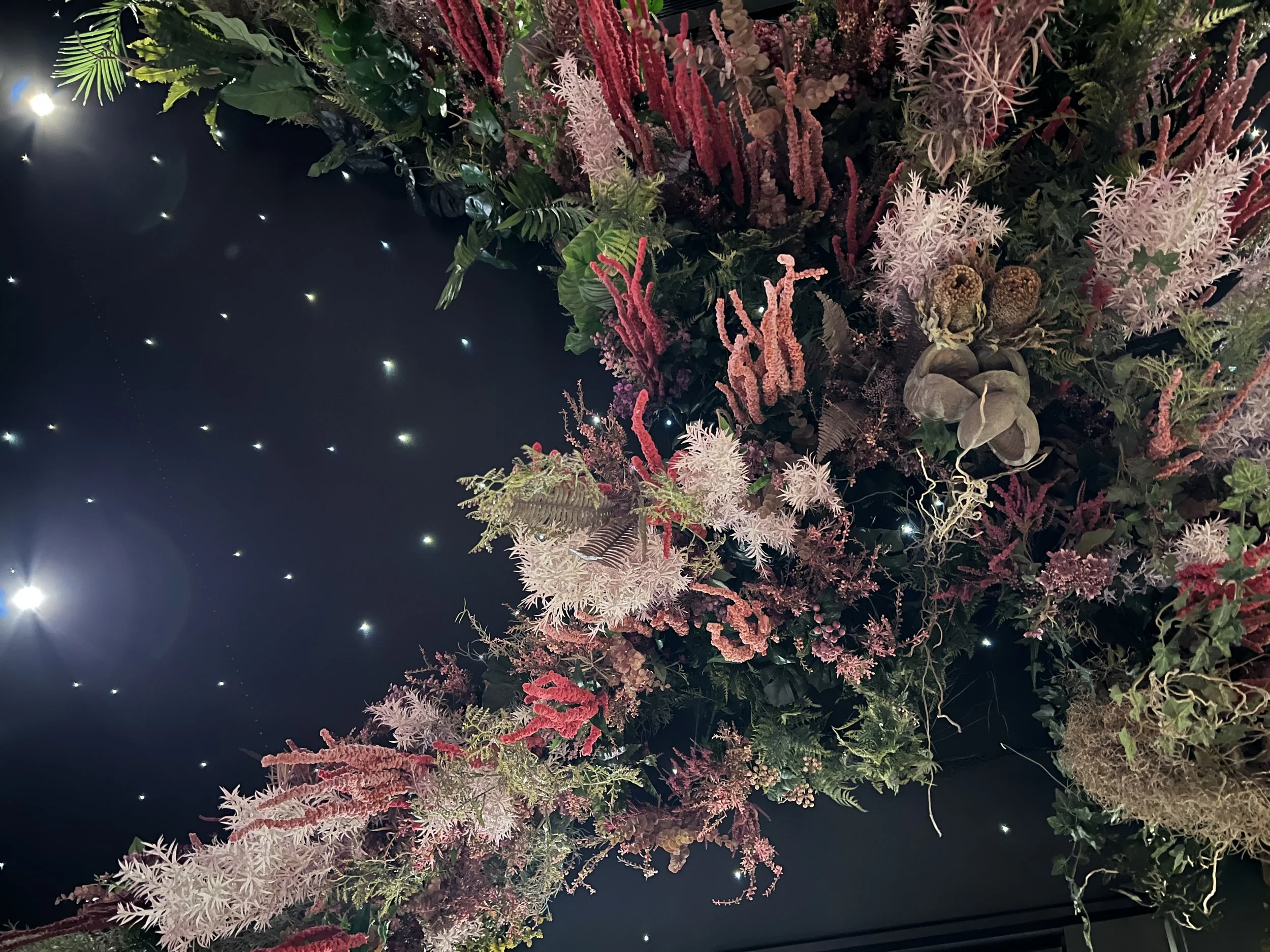
Even the ceiling is decorated with lush, exotic vegetation and lights that resemble the stars in the sky.
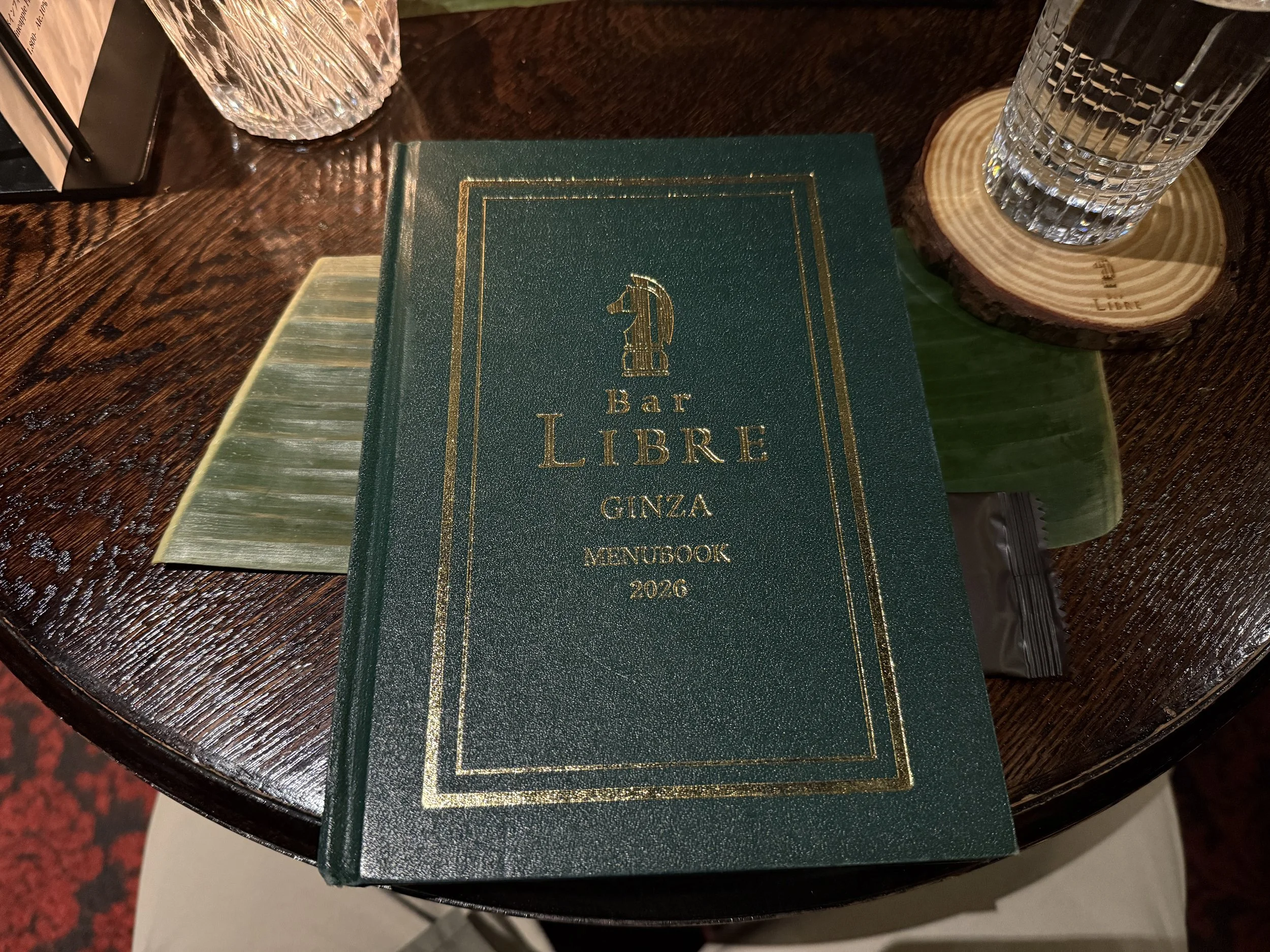
The layout of the menu is amazing. What sold me is the banana leaf, a very tropical touch. It really made me feel like I’m in a jungle. For some reason, it reminds me of Peru.
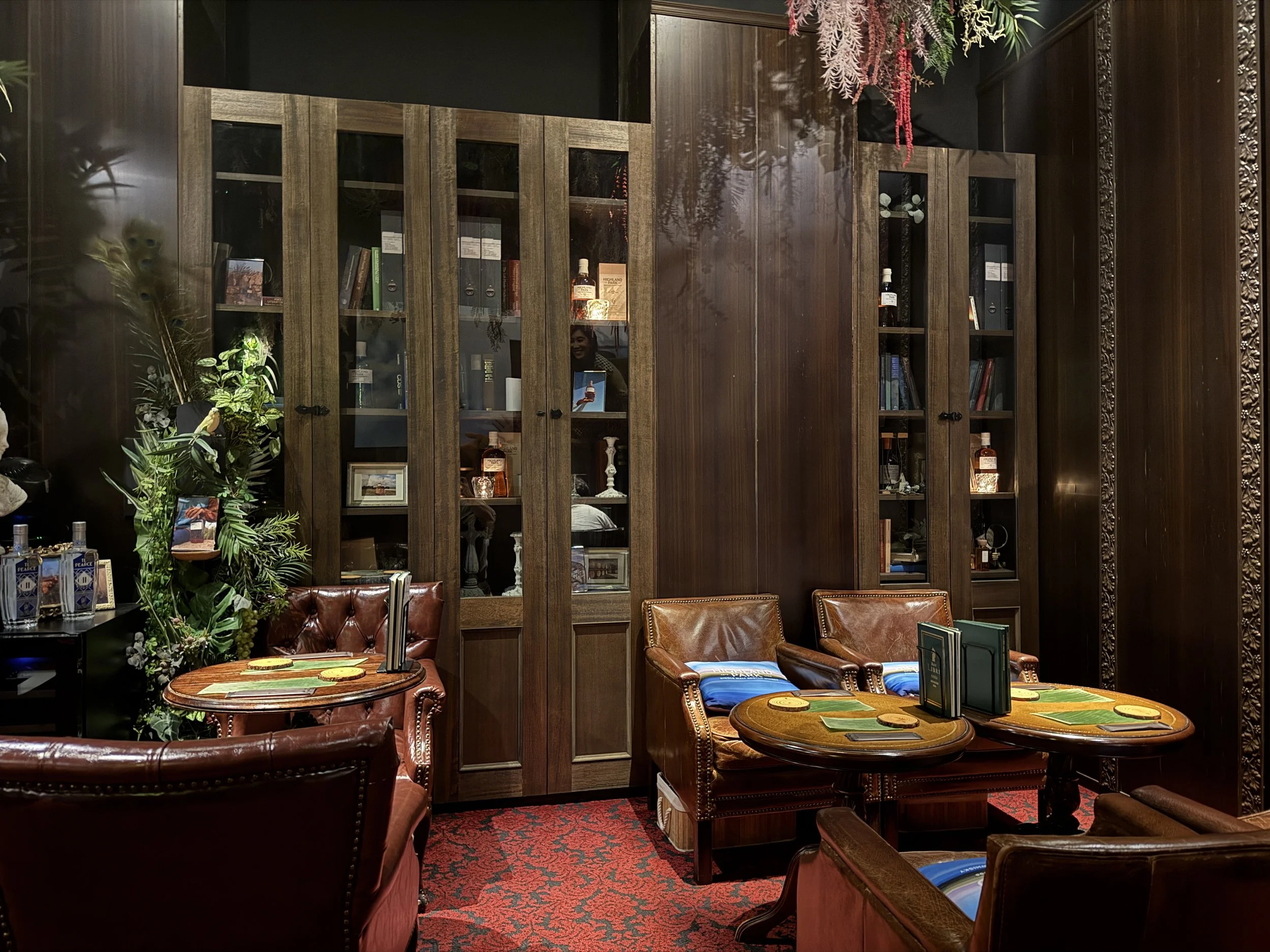
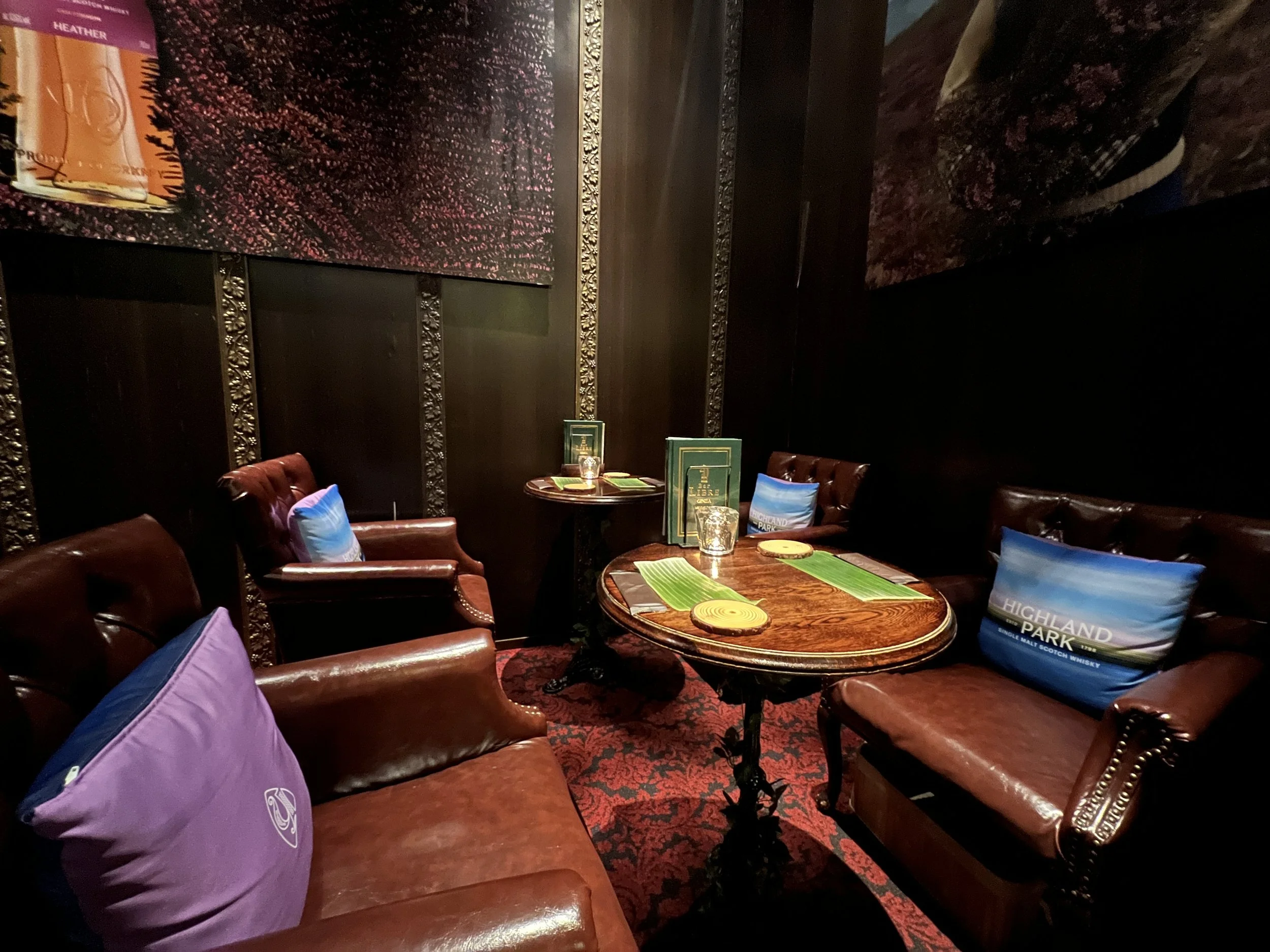
Drinks are categorized by country, drawing inspiration from dishes, practices and culture.
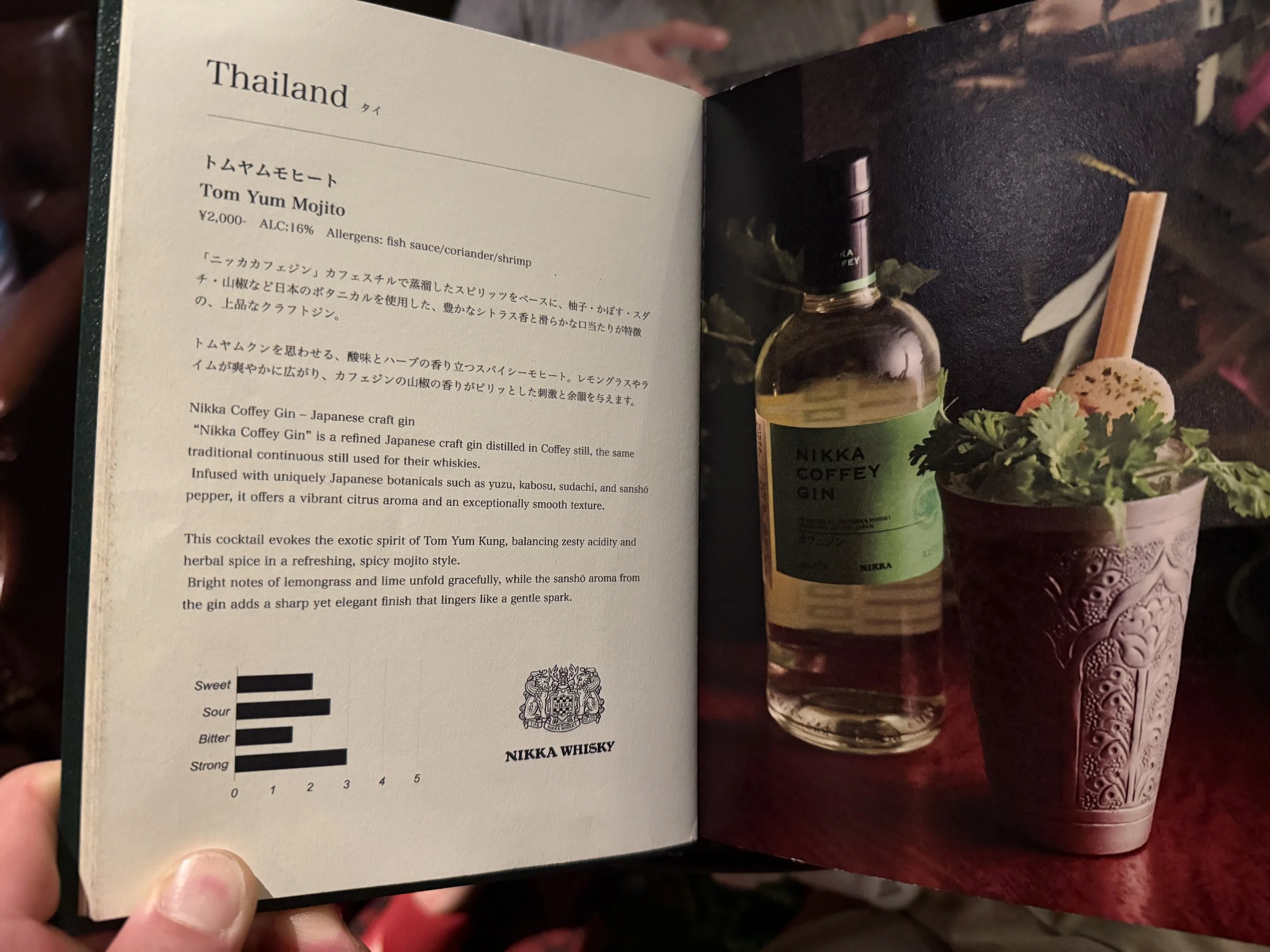
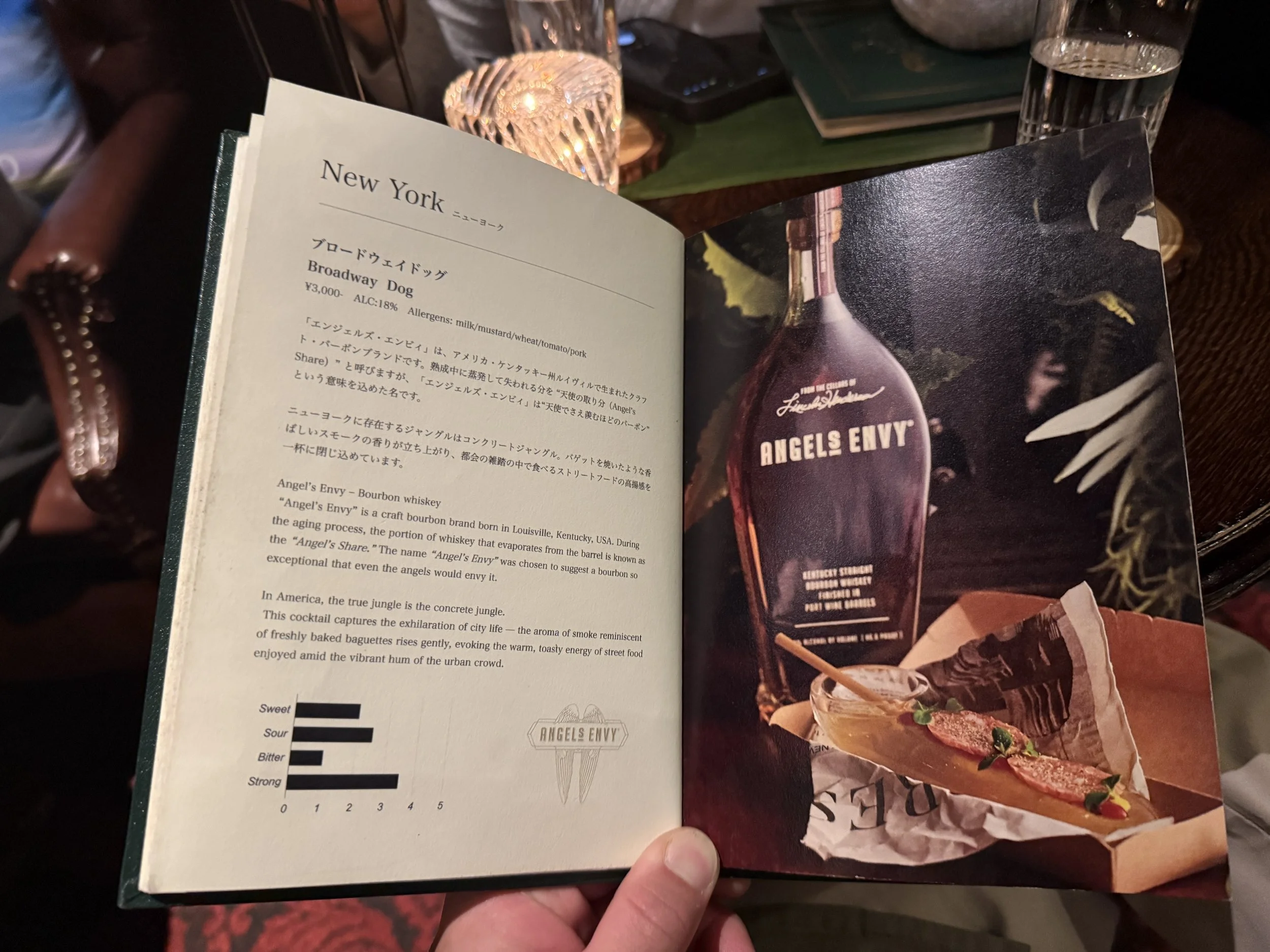
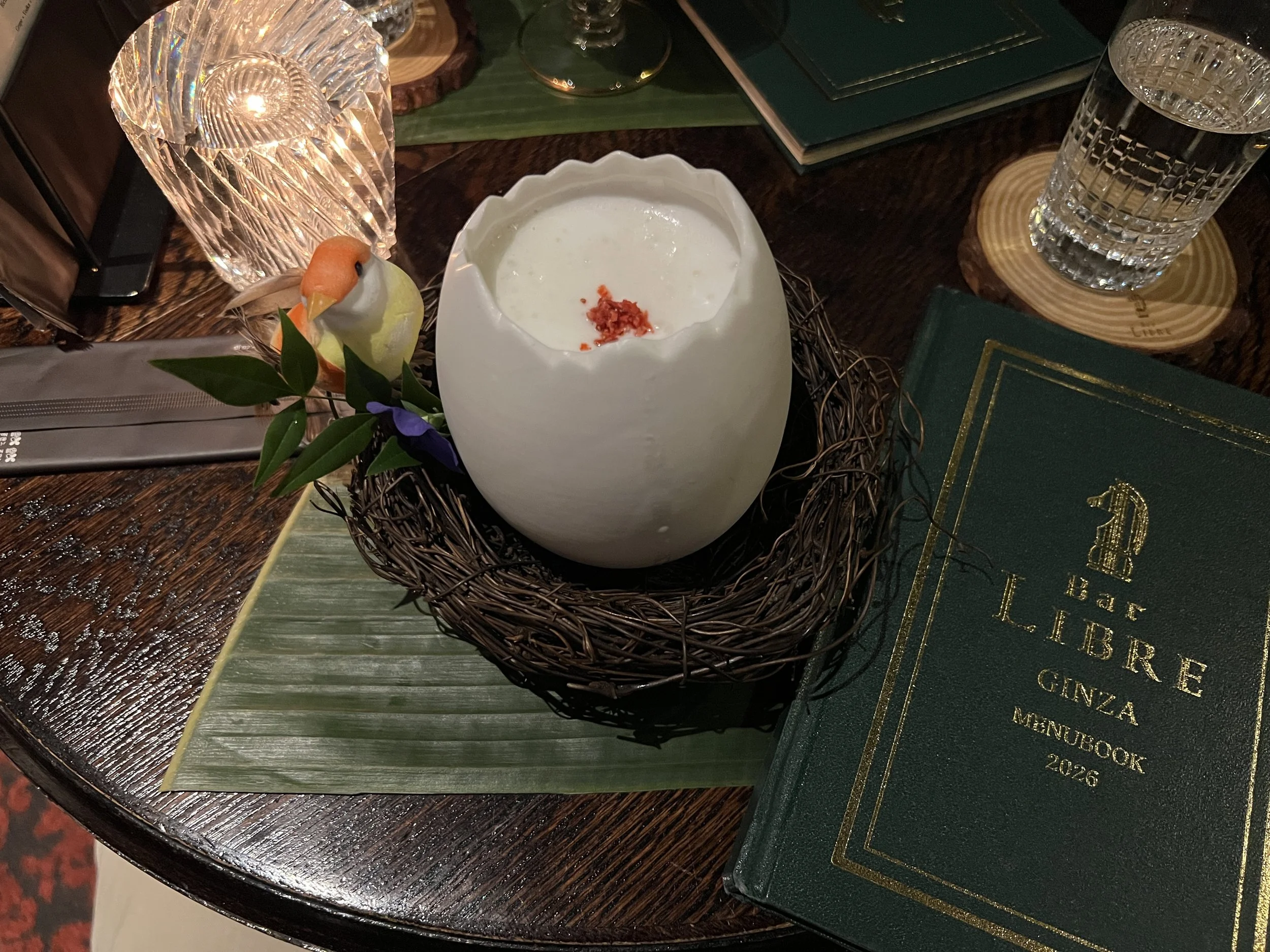
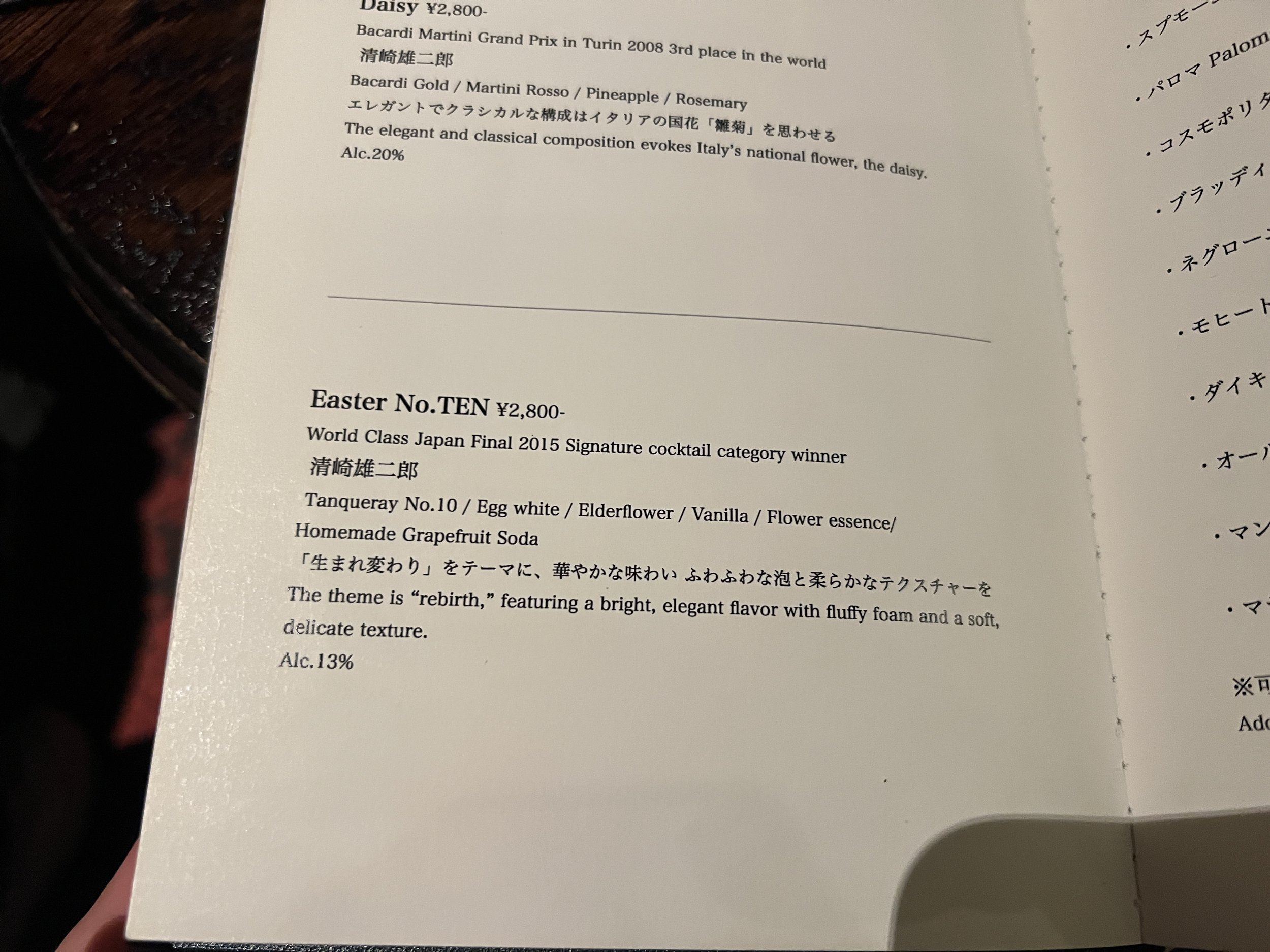
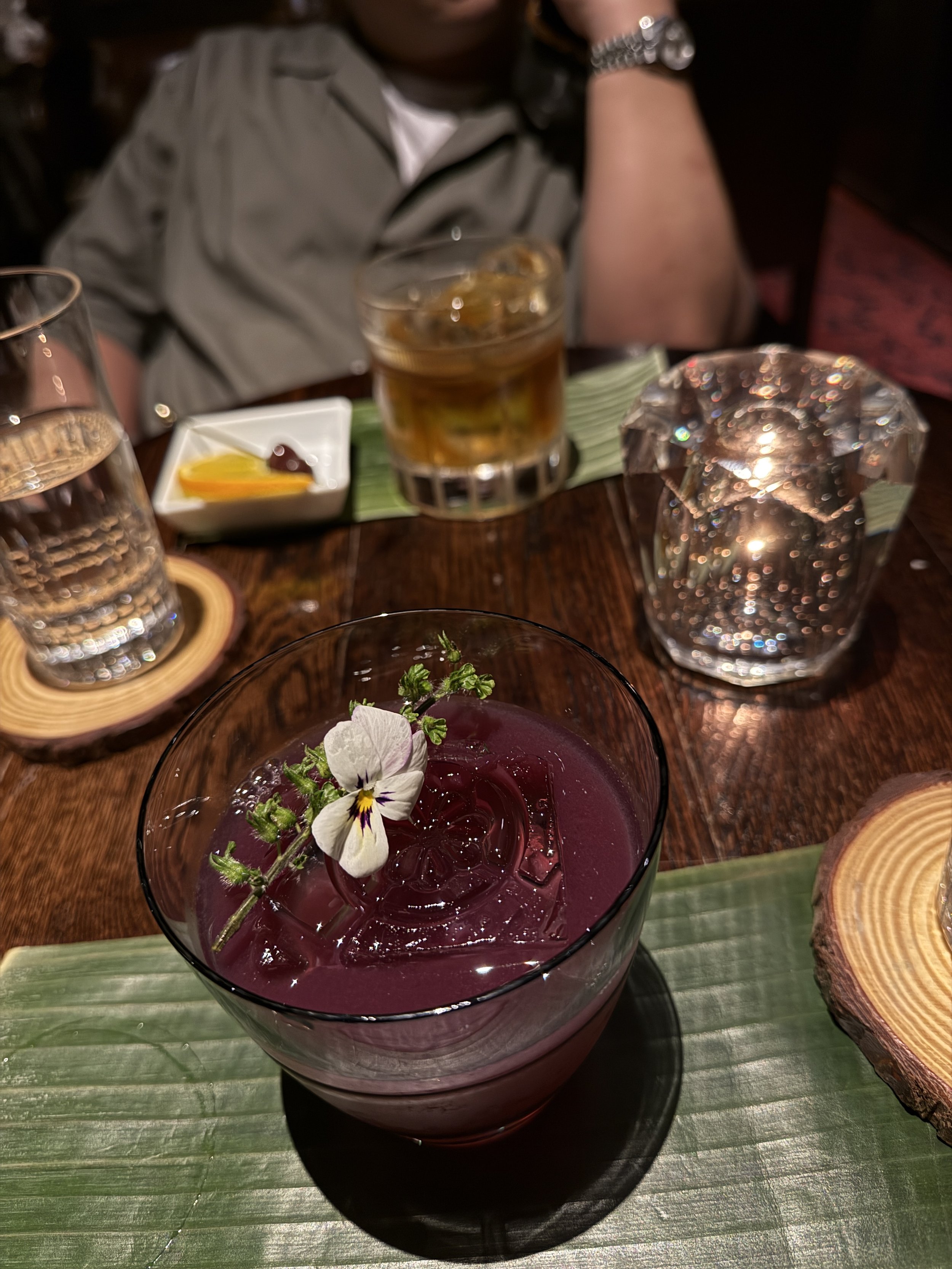
Easter No. TEN | A drink reminiscent of a Pisco Sour, characterized by the white foam on top that can only be made with egg whites
They keep an archive of all the award-winning drinks they’ve competed with in the past and are able to serve to their guests.
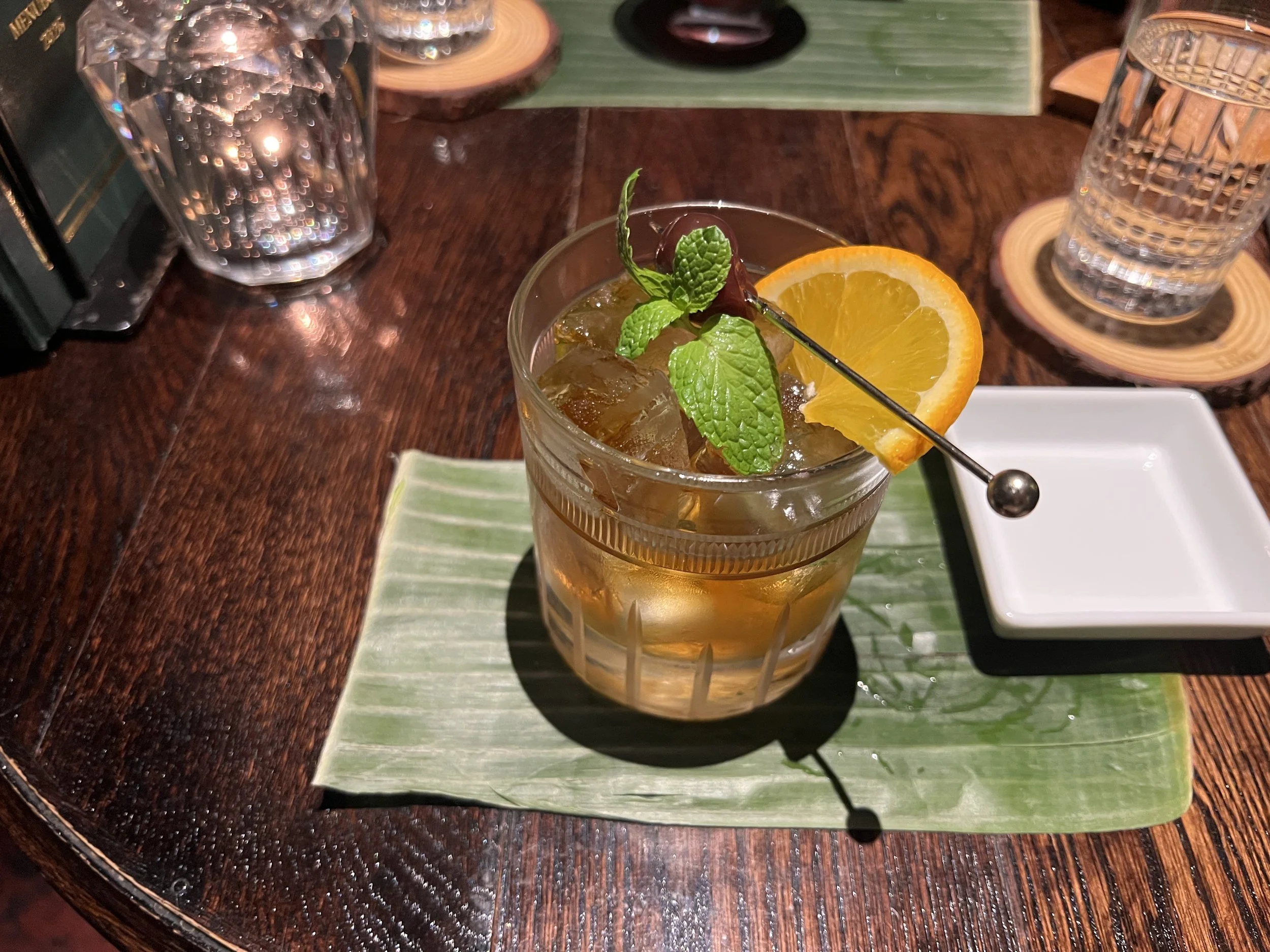
You can’t beat the classics, an Old Fashion—not too sweet
Day 3
Azabudai Hills
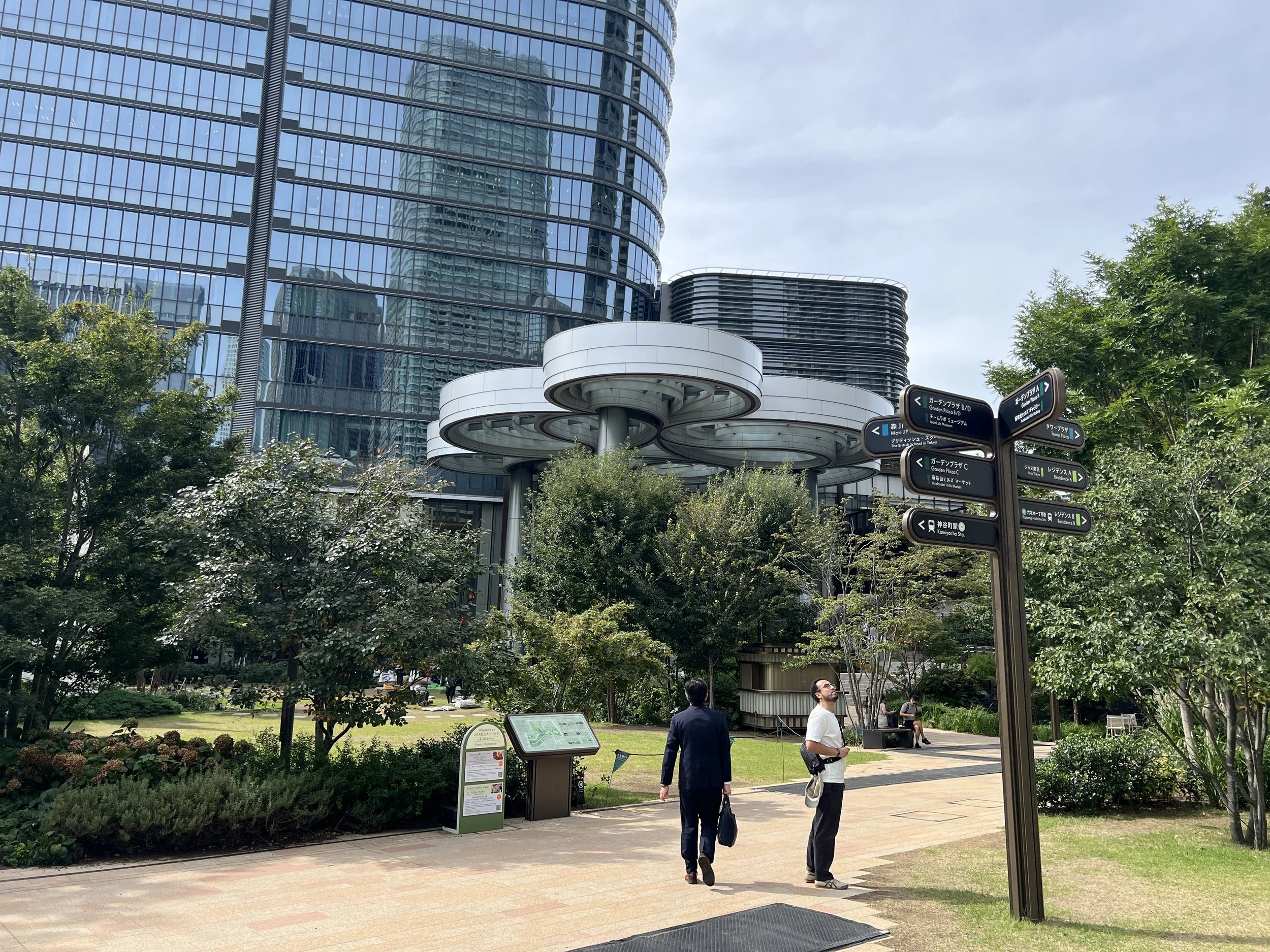
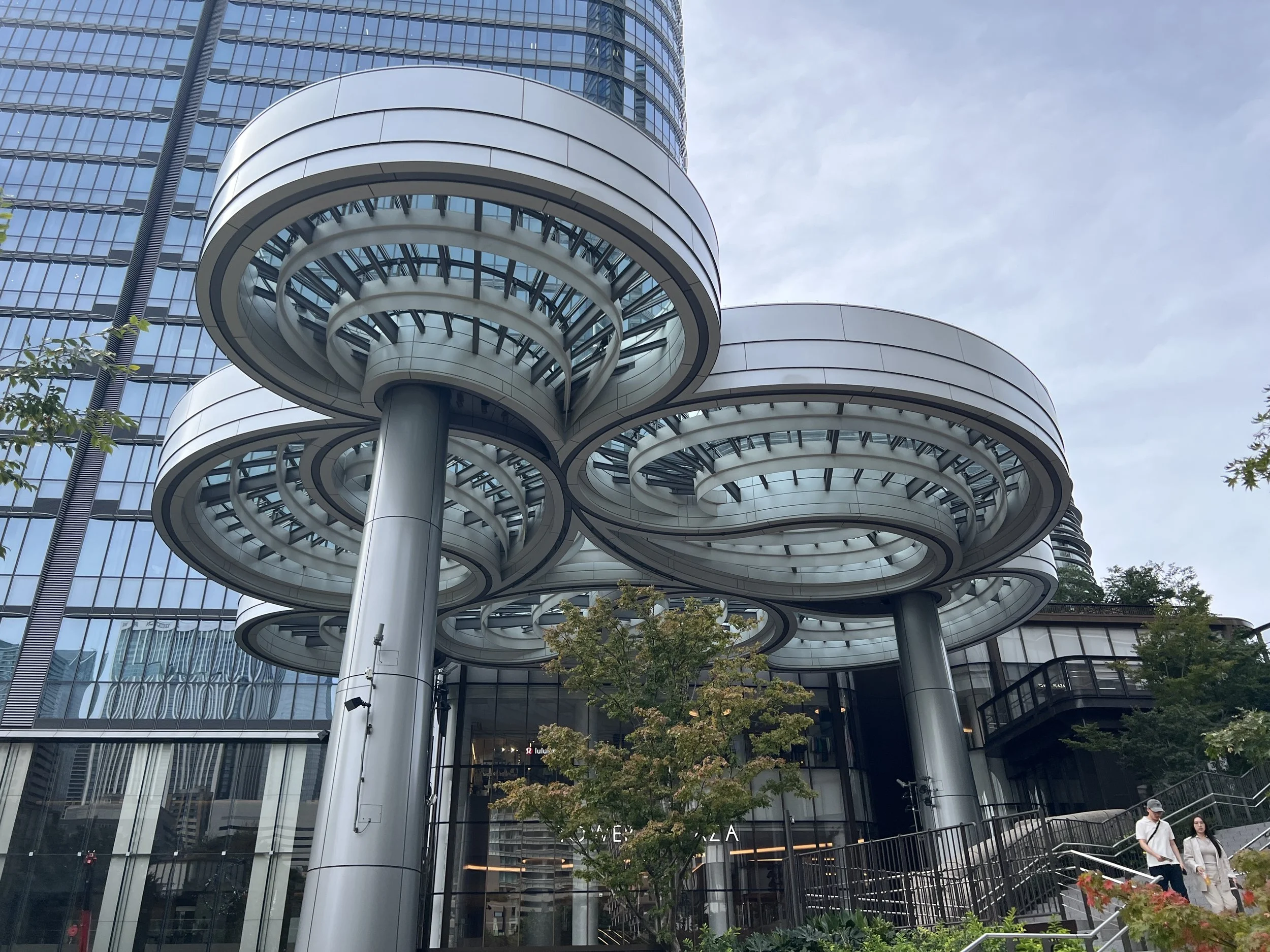
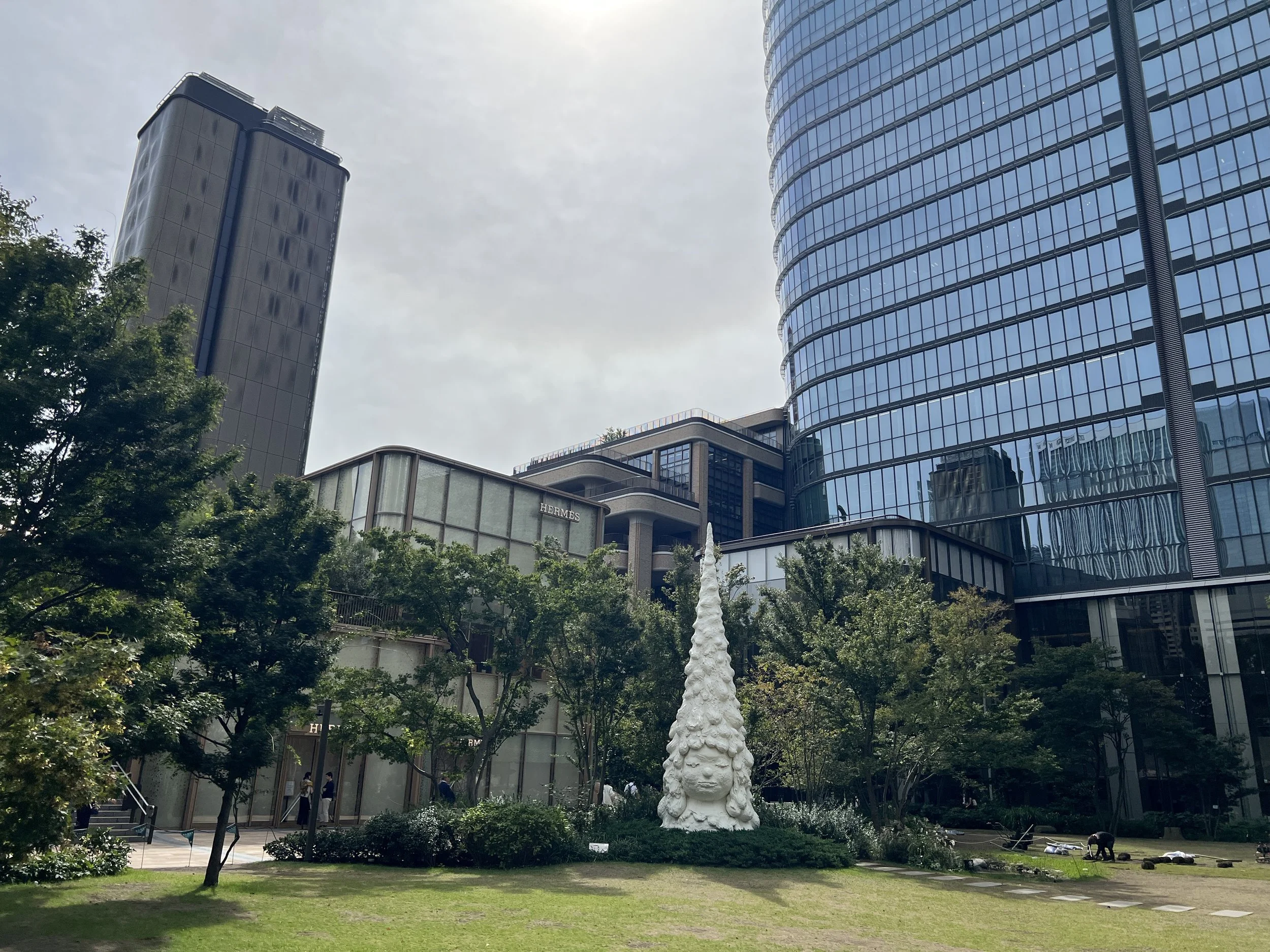
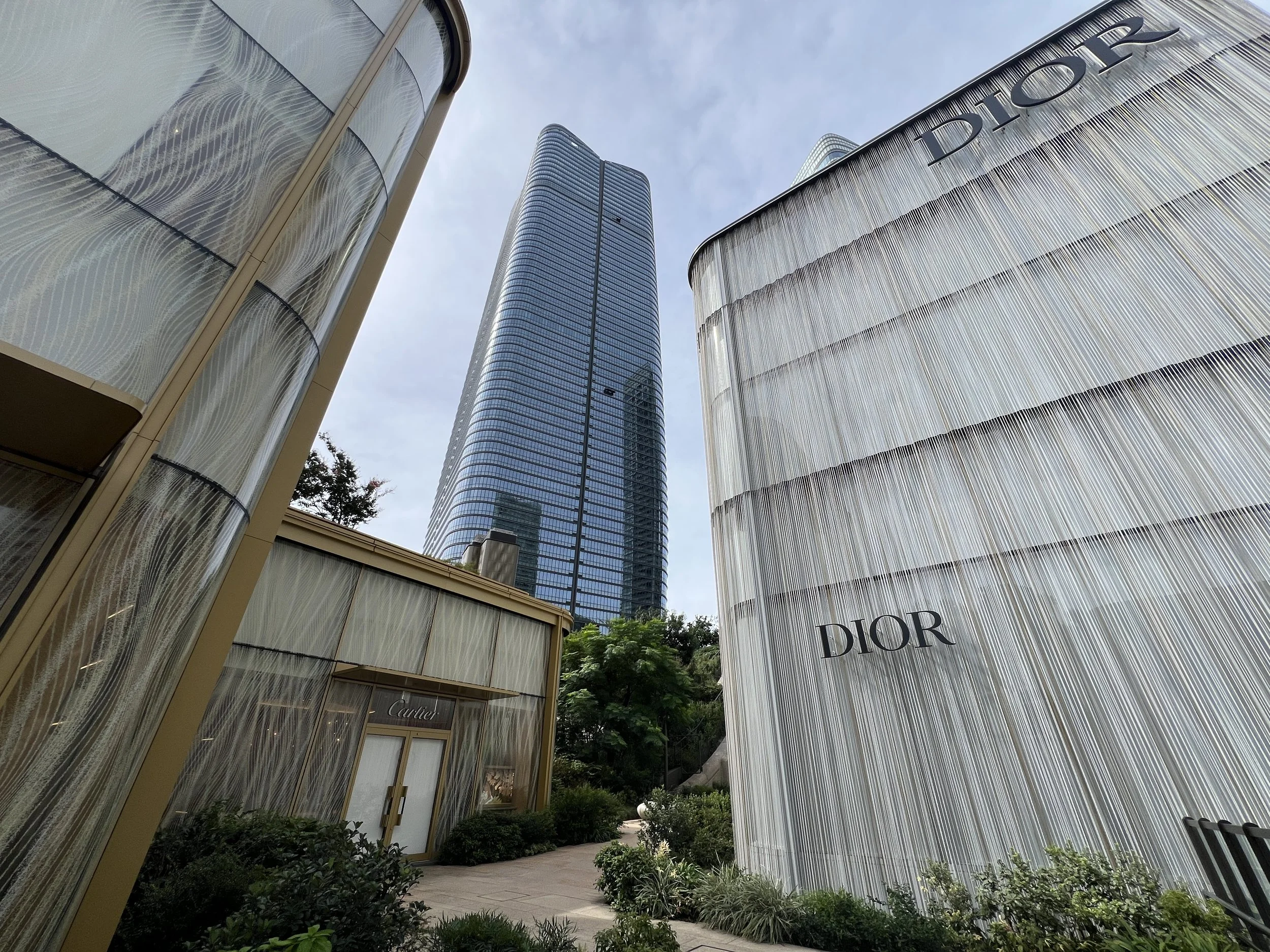
Continuing our relentless pursuit for shopping, we traveled to Azabudai Hills, another affluent shopping center. This is Japan’s answer to Rodeo Drive—an ultra modern, well-manicured district teeming with offices and luxury goods stores.
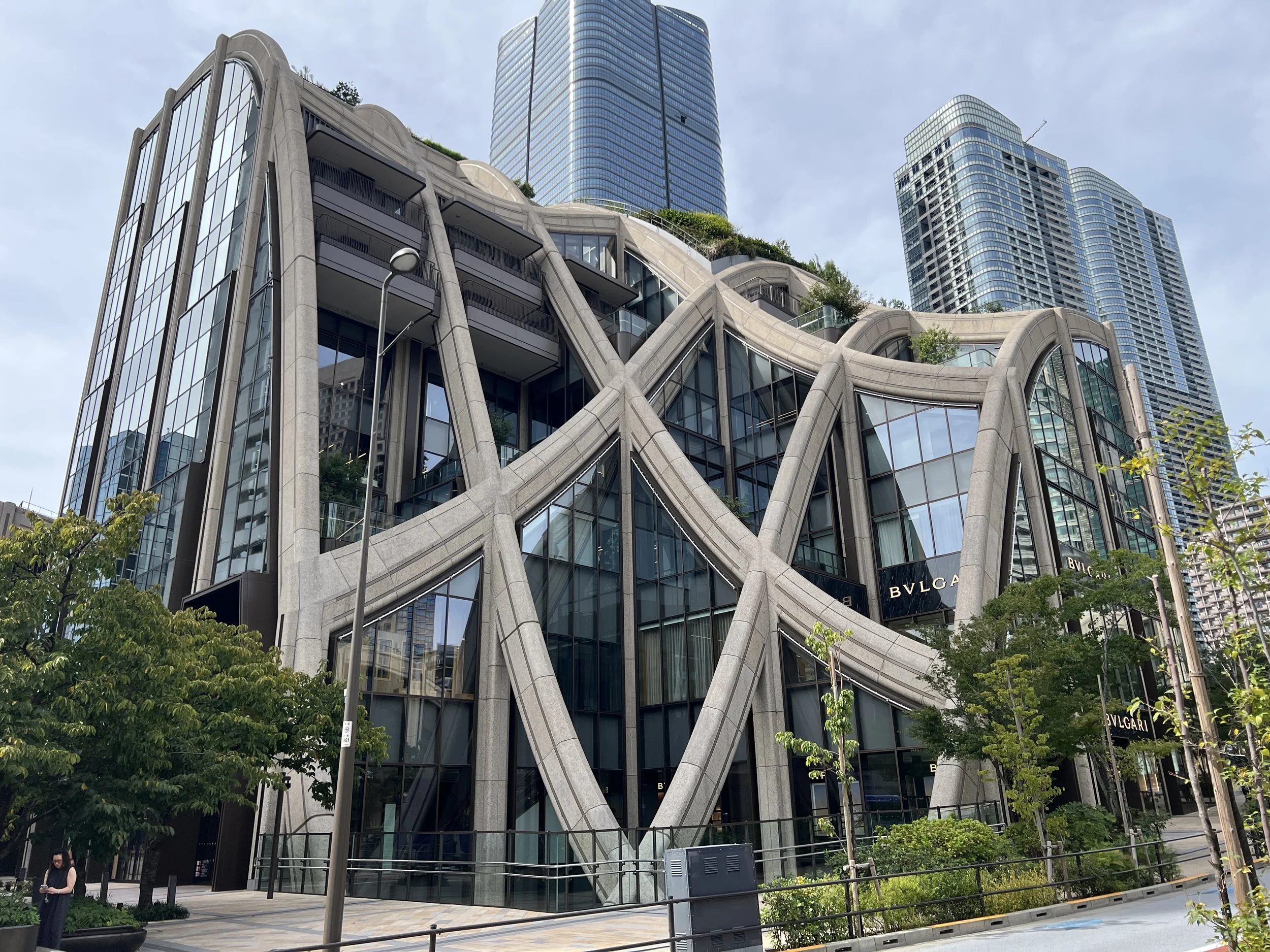
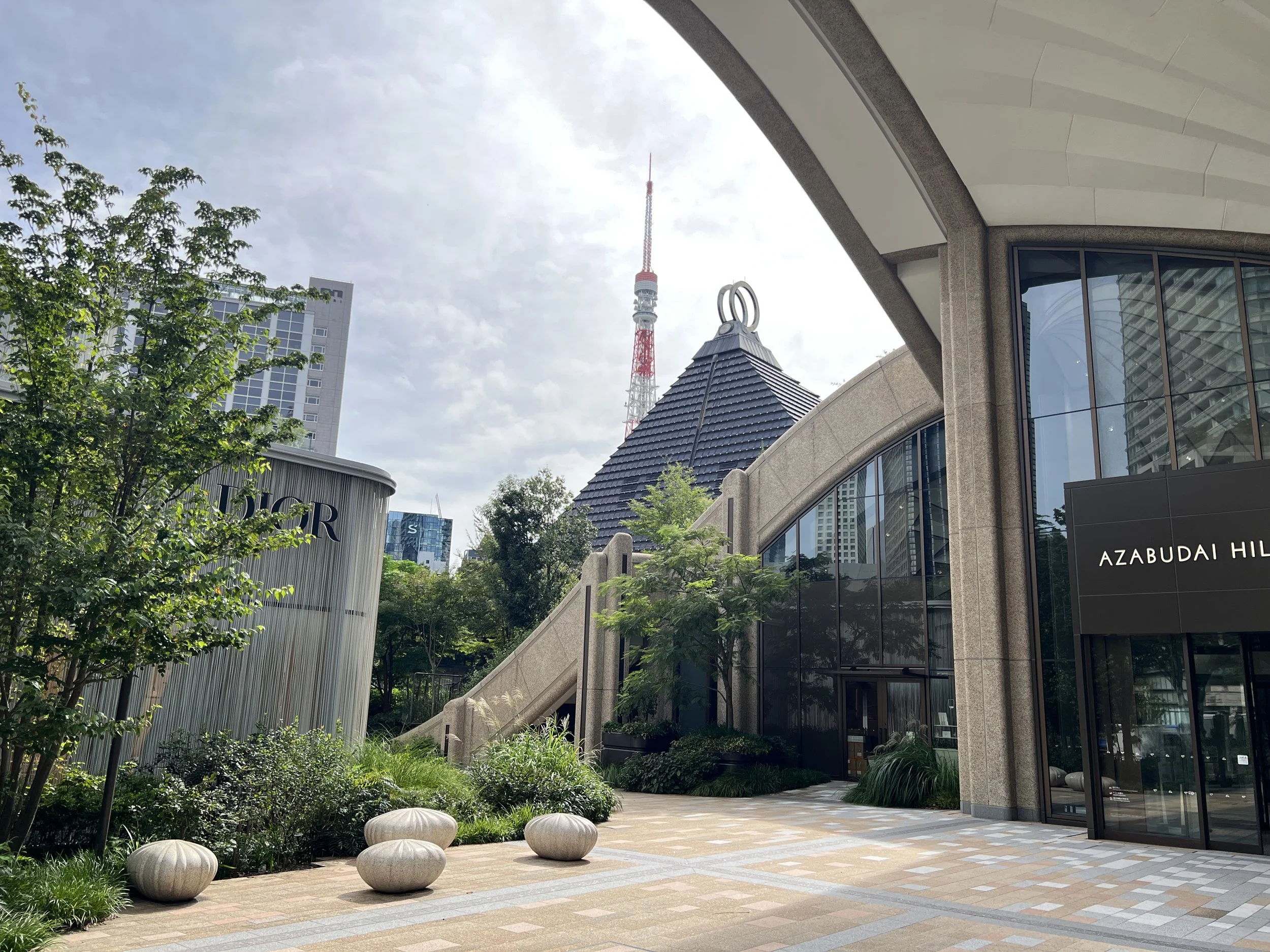
One of the coolest thing we’ve seen in Japan is a building in the shape of a samurai helmet.
Famima Convenient Store
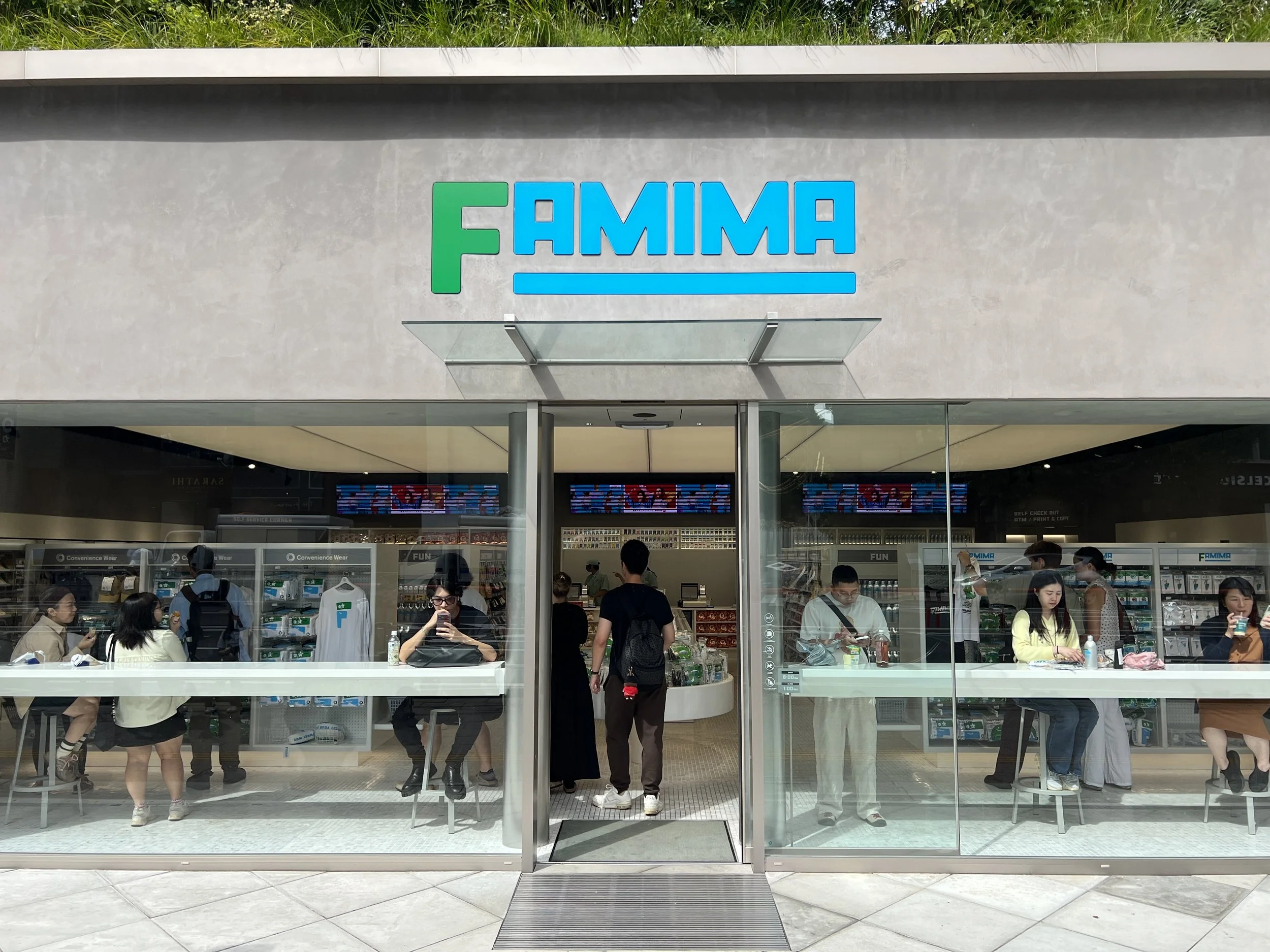
Every tourist that goes to Japan stops by at Famima. Famima is the high-end store of Family Mart. This store has a cult following stronger than Taylor Swift’s fan base. When you visit, try their famous crispy chicken snack.
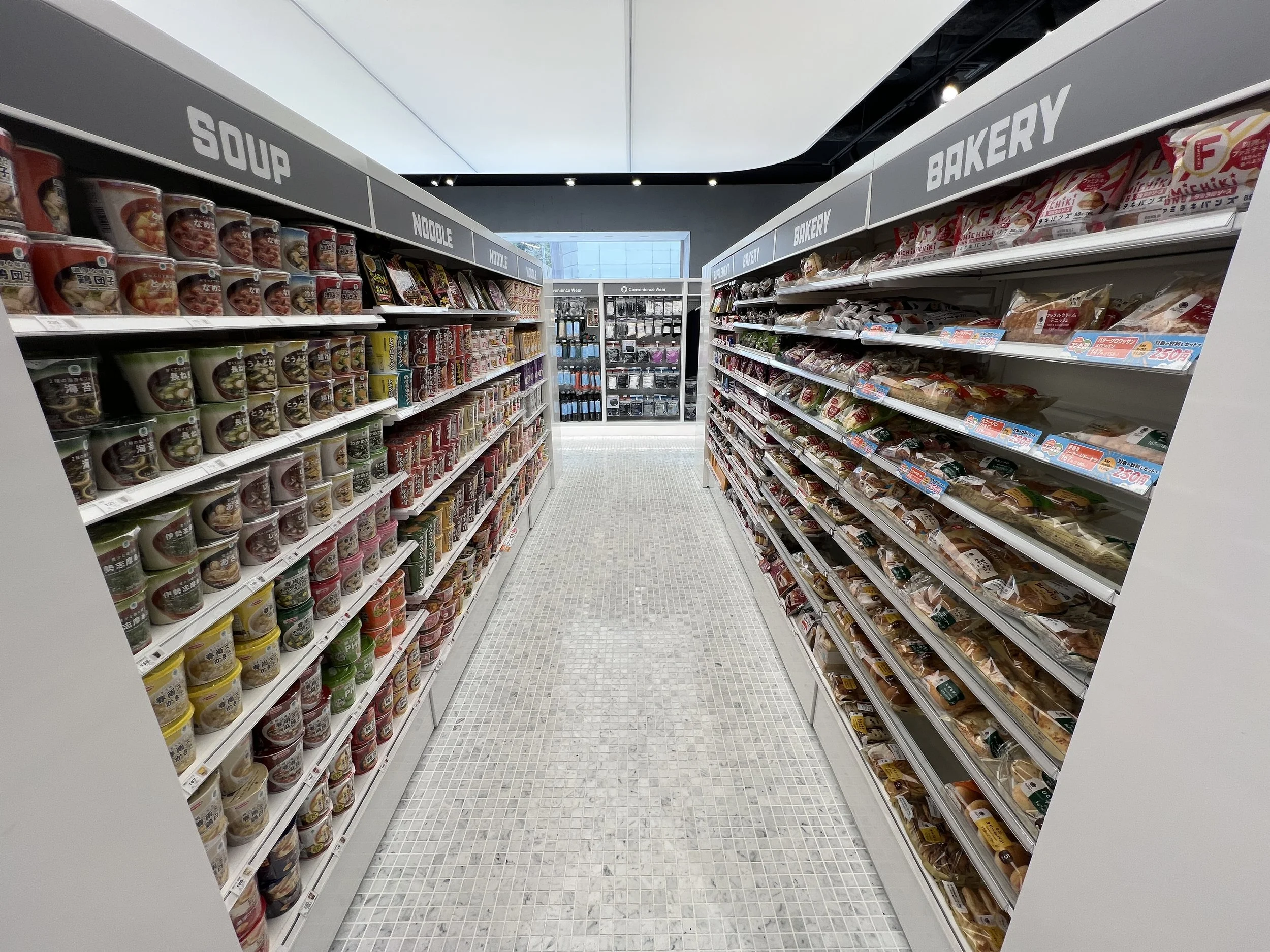
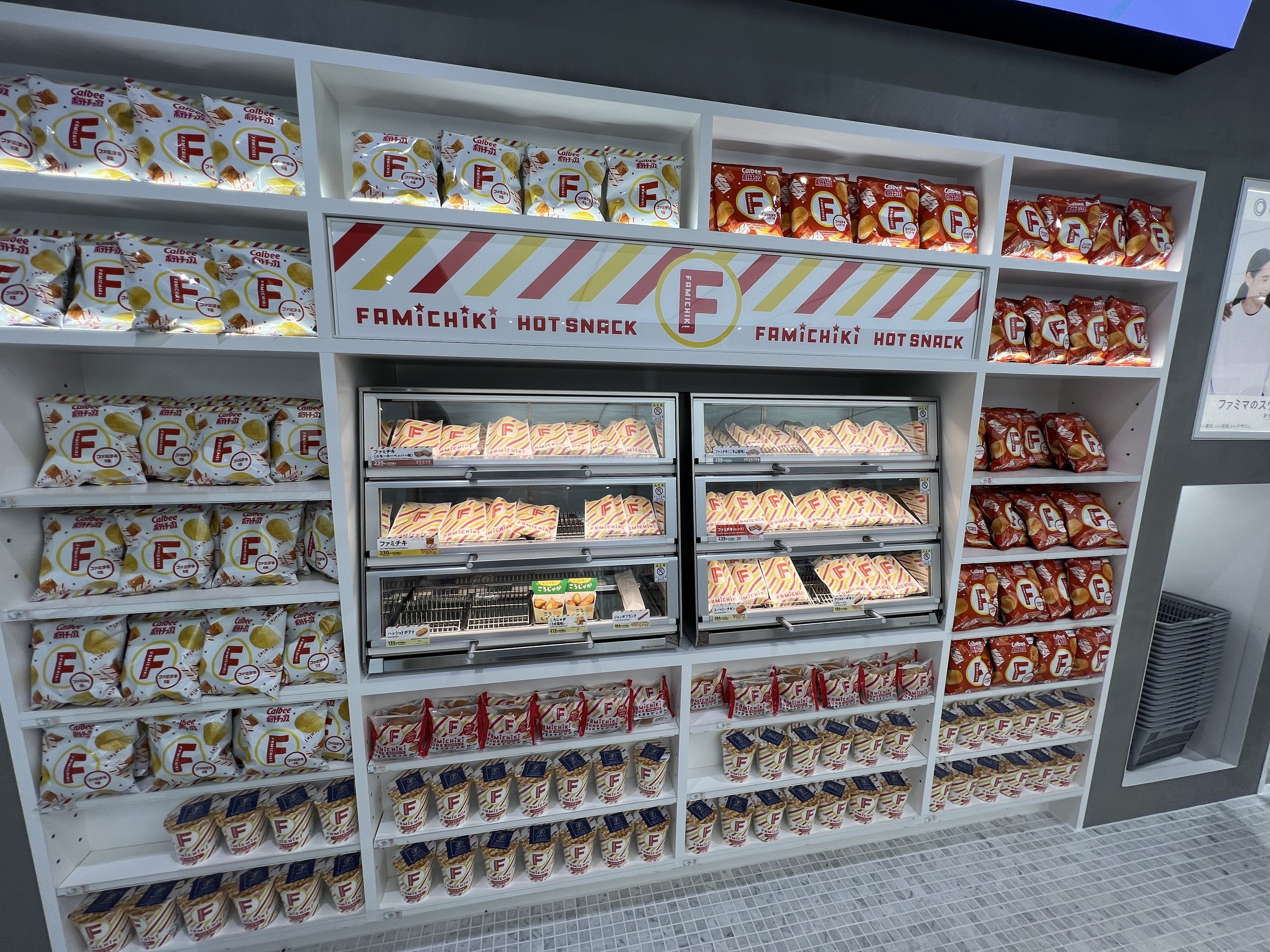
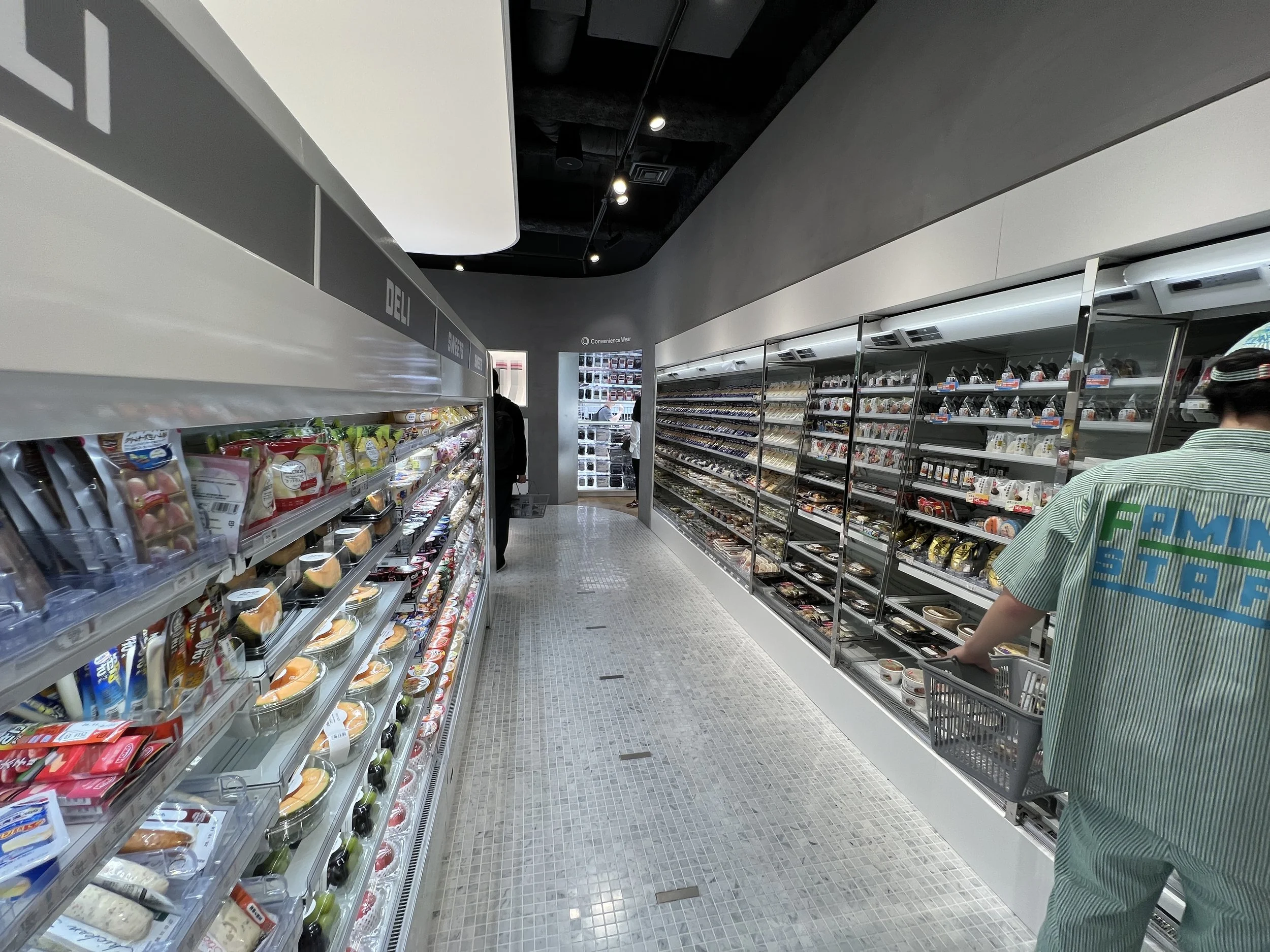
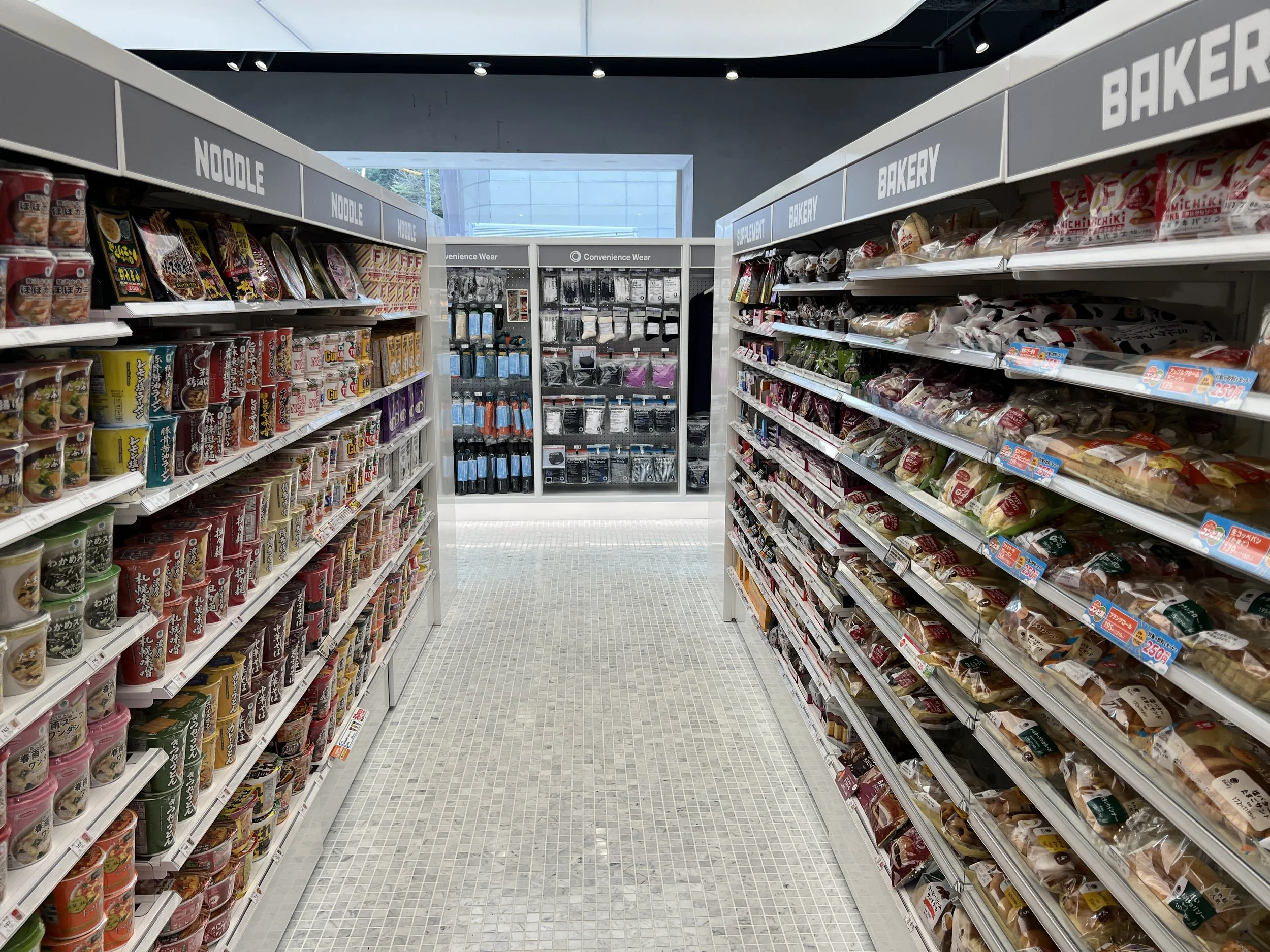
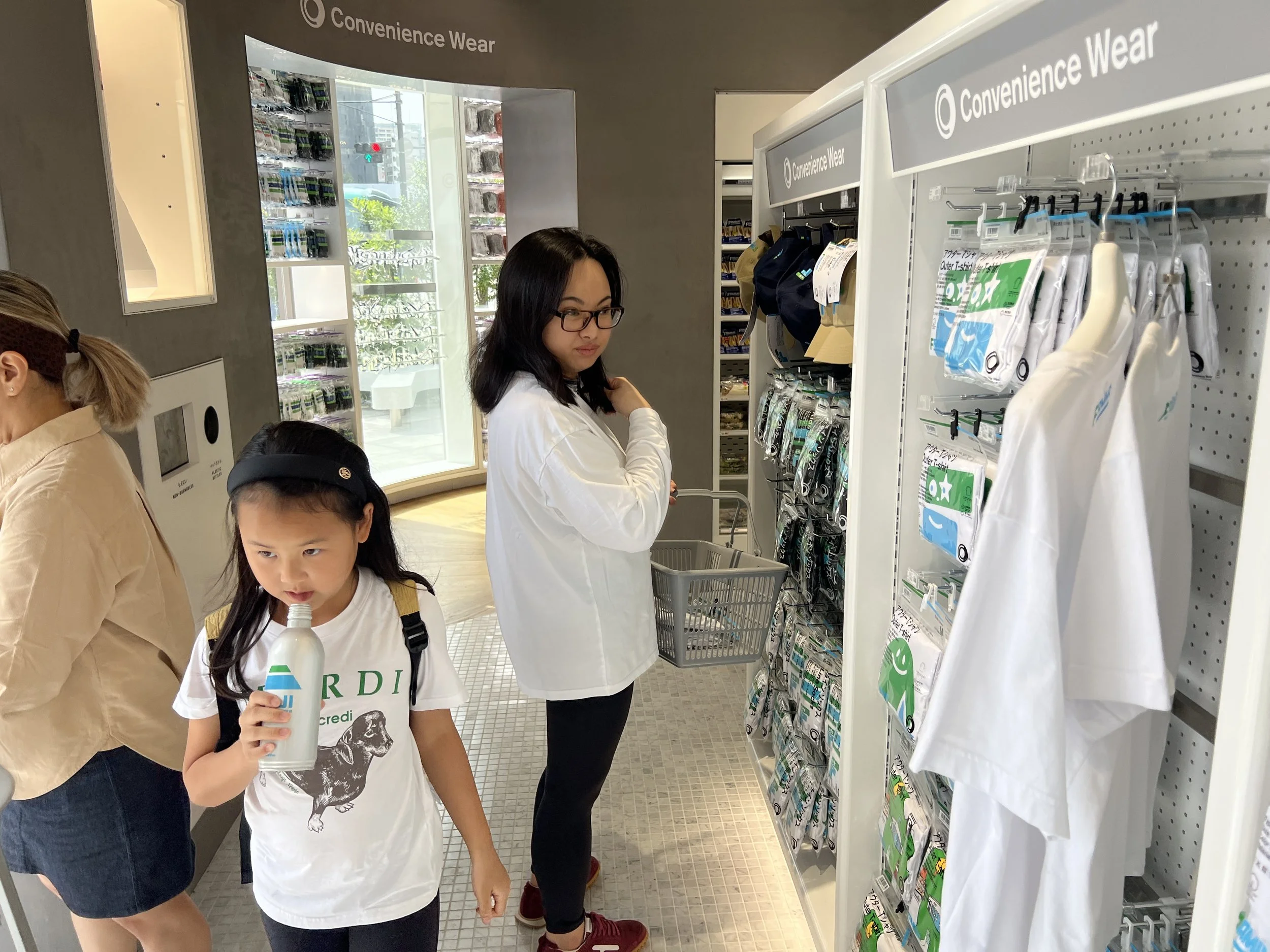
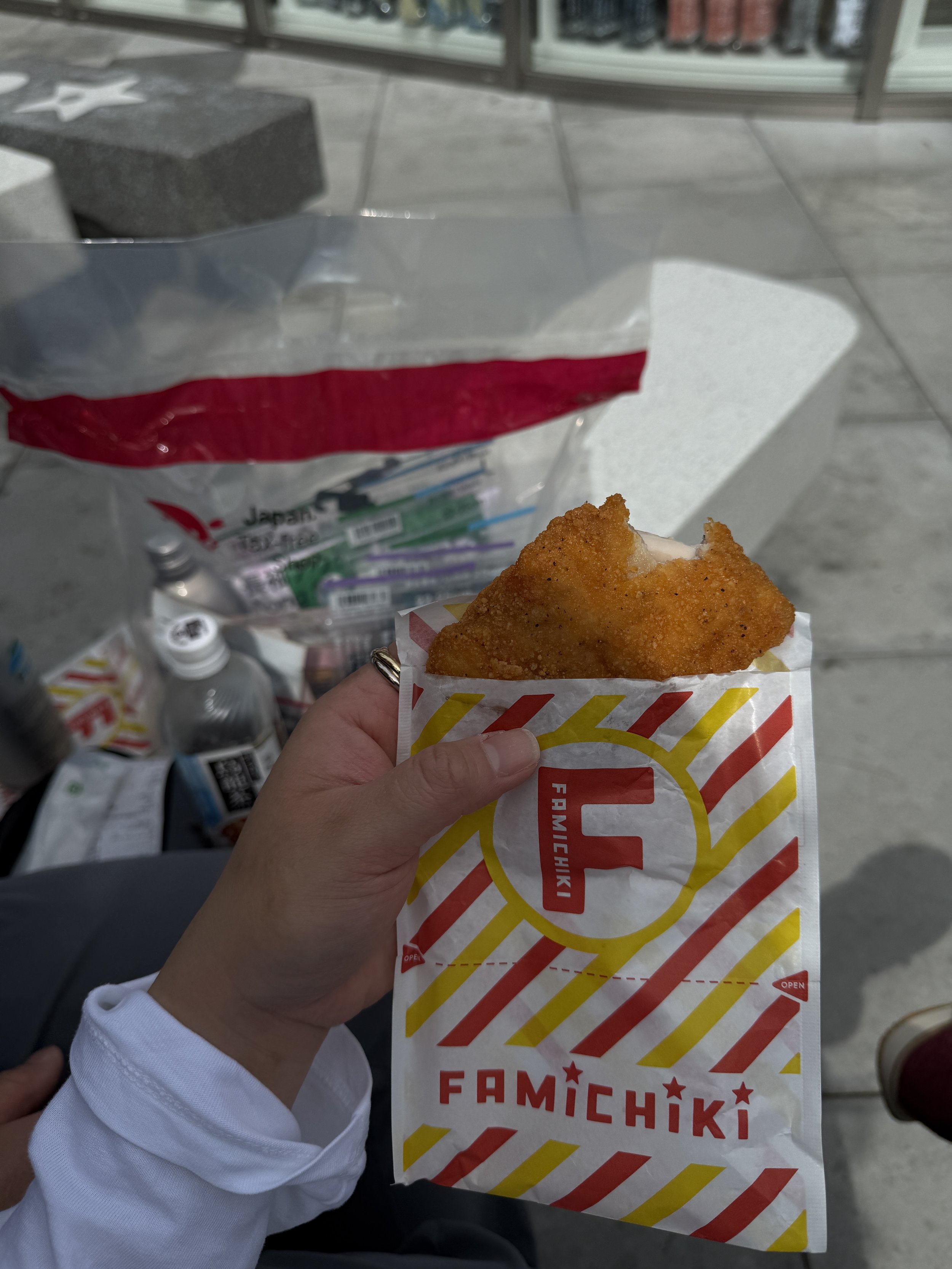
After Famima, we traveled to Kyoto. Like mentioned earlier, I am putting Kyoto at the second part of this blog.
Day 6
Lunch at Omotesando Hills
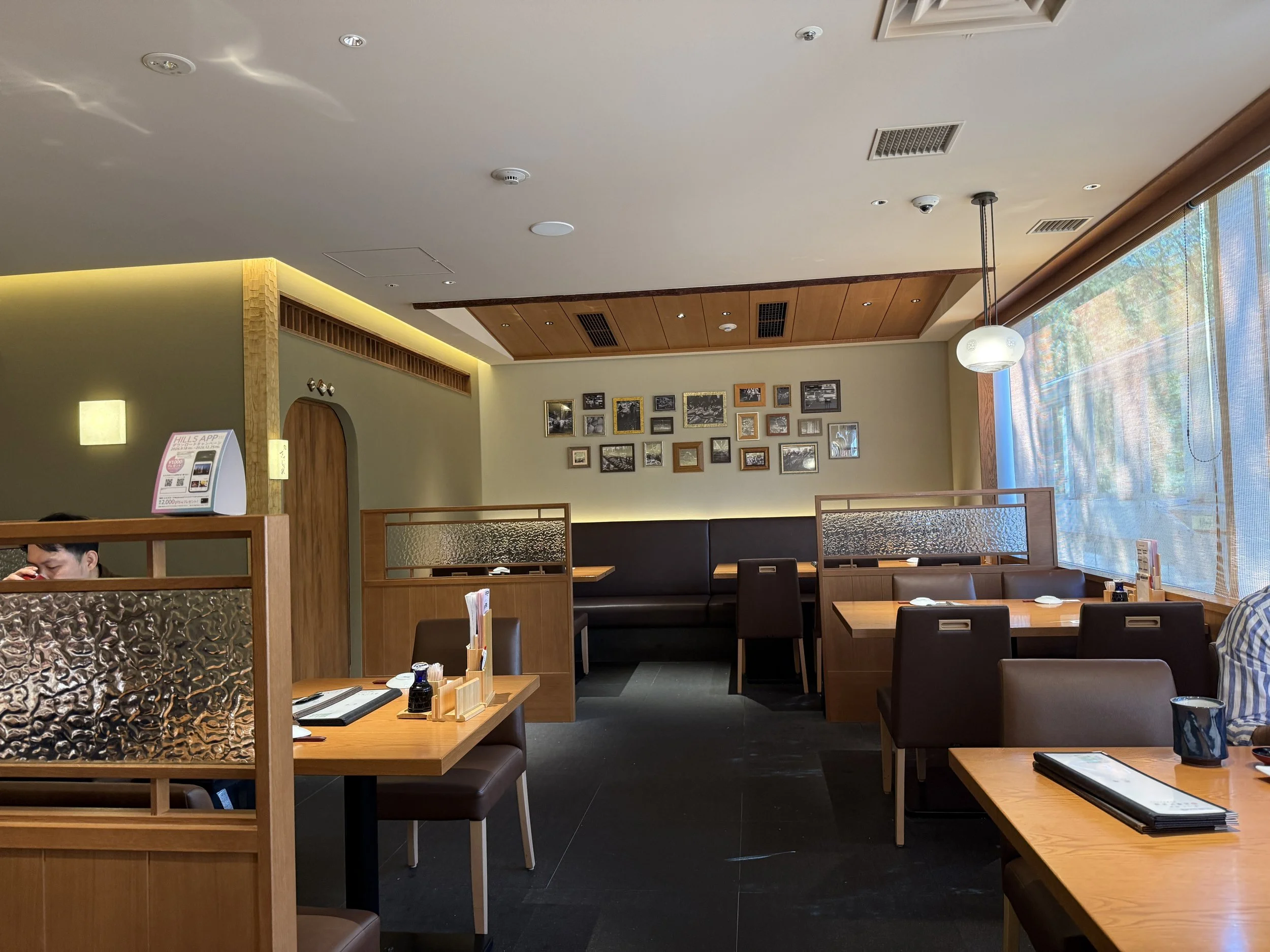
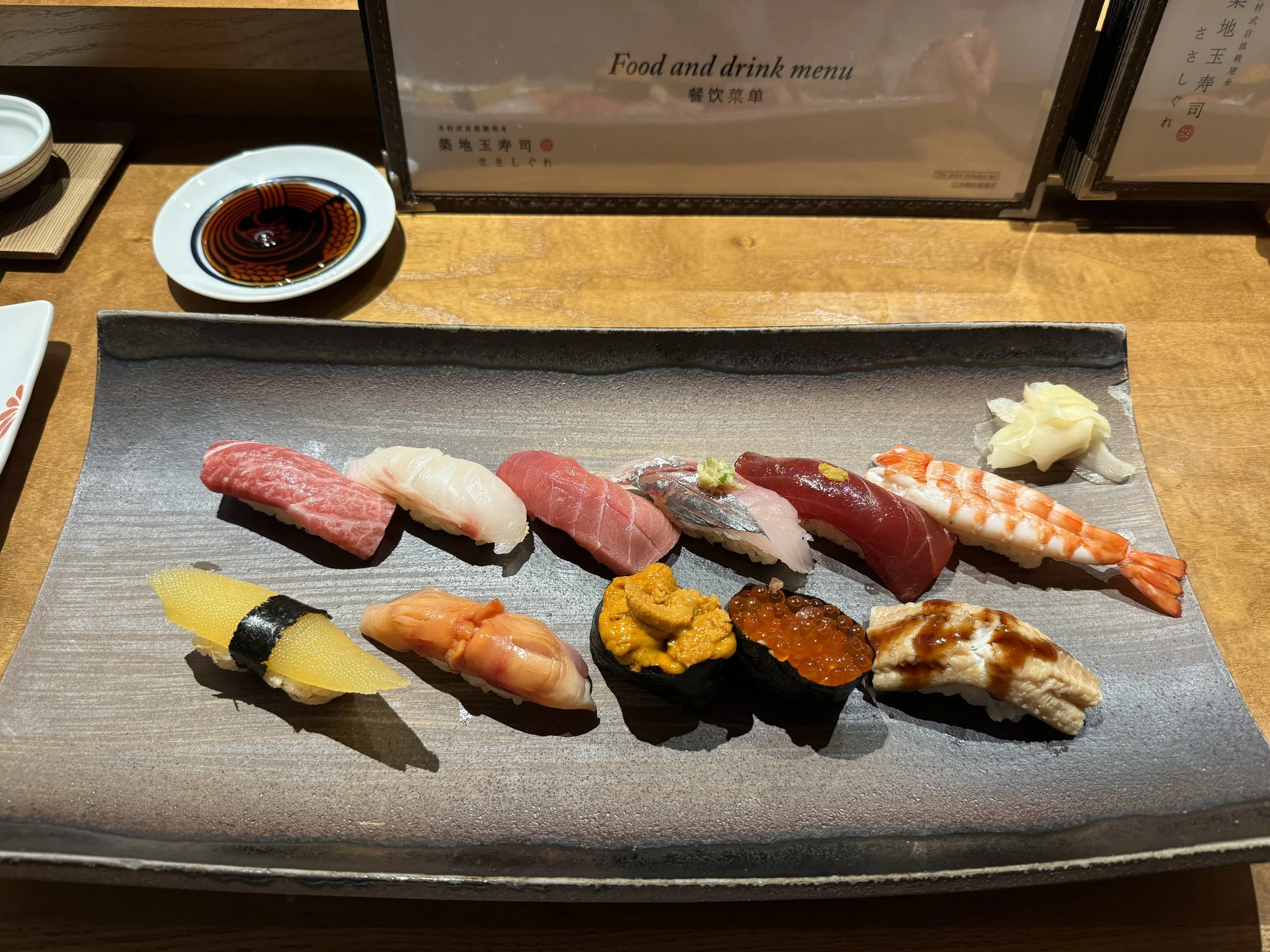
Lunch sets in Japan are a thing. When they do it with sushi and nigiri, it’s even better. Where can you find a lunch set complete with a salad, soup, 11-piece nigiri and dessert for about $30?
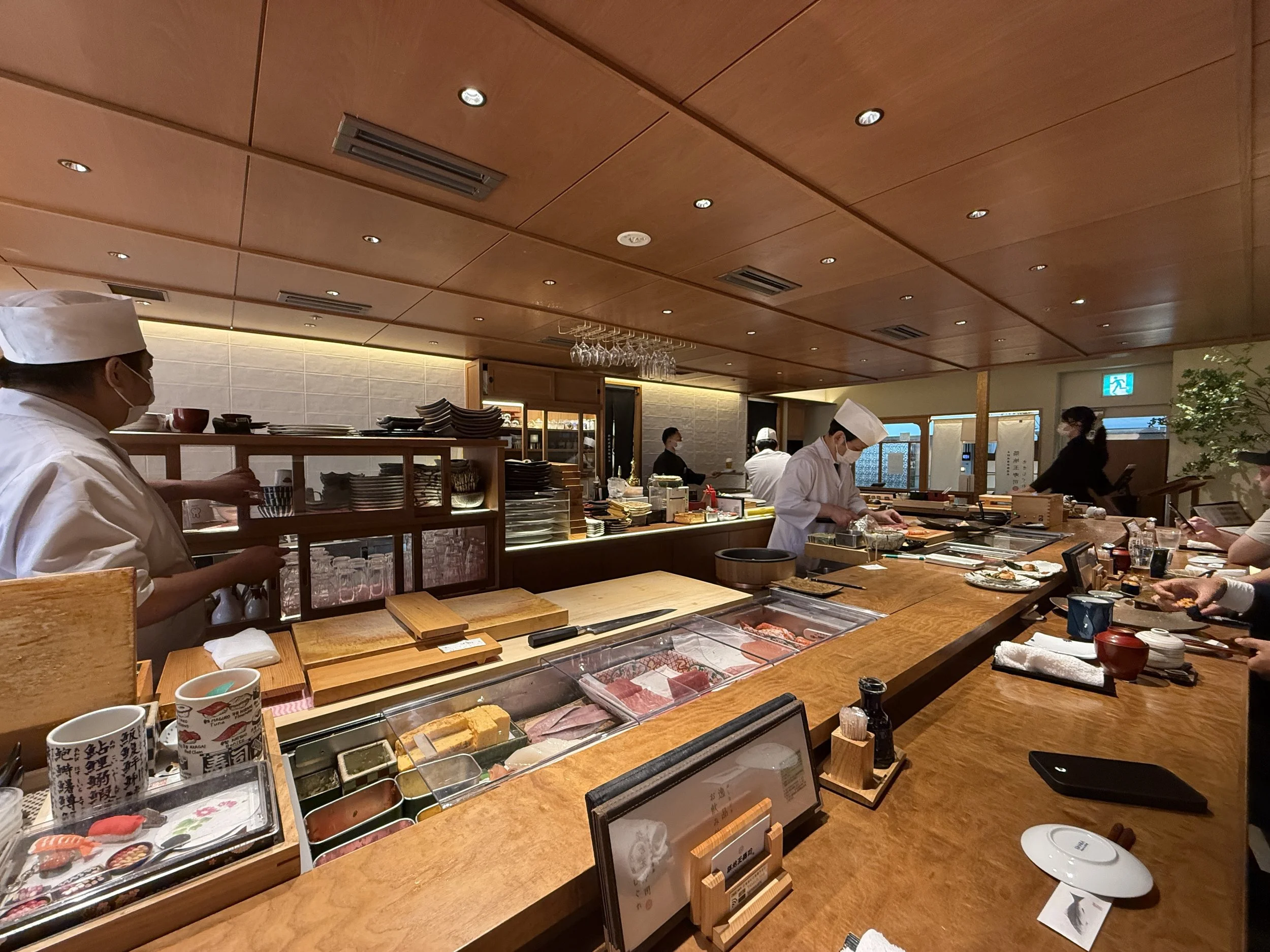
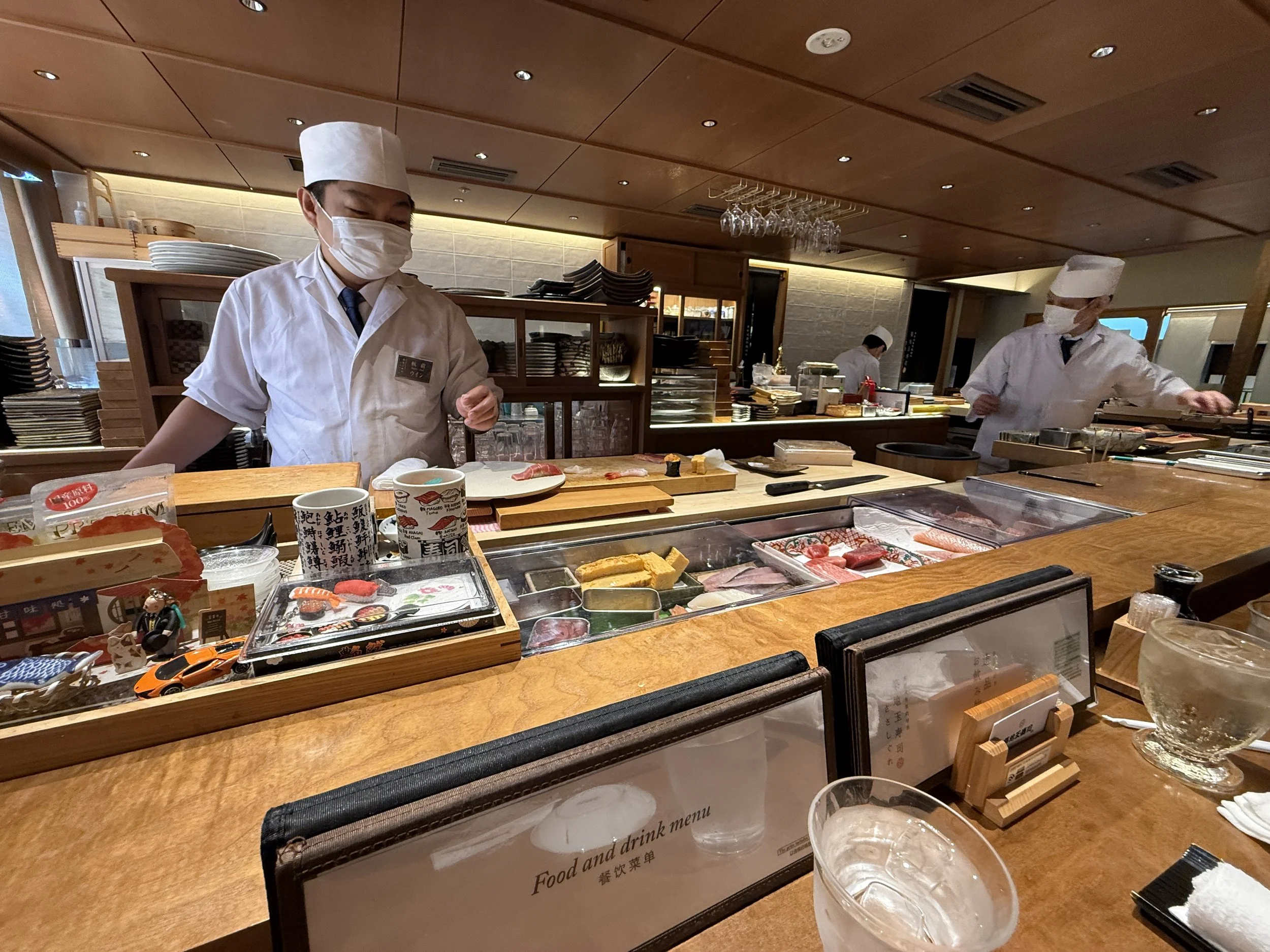
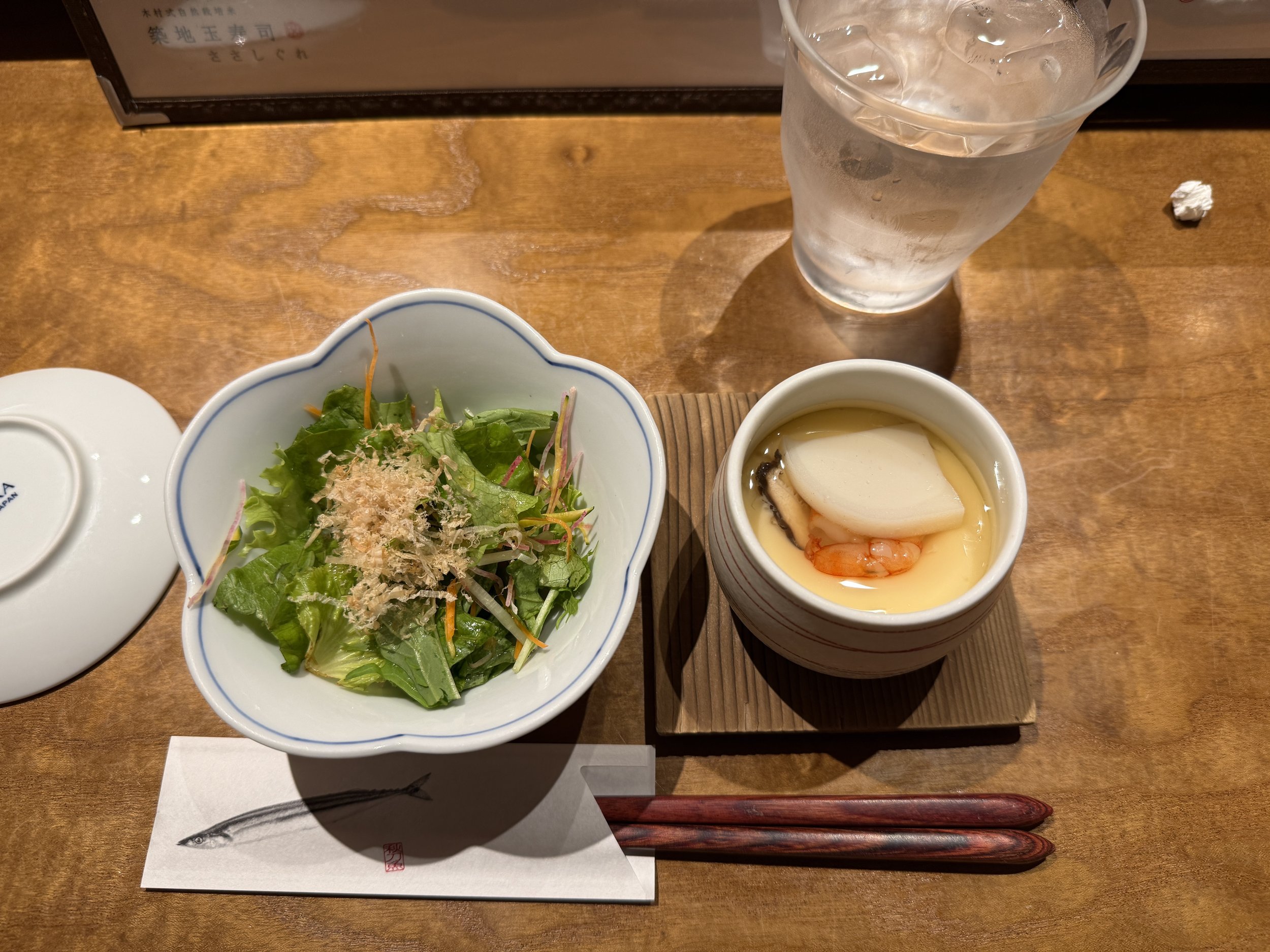
A tiny salad with chawanmushi ( you can choose between soup or the former)
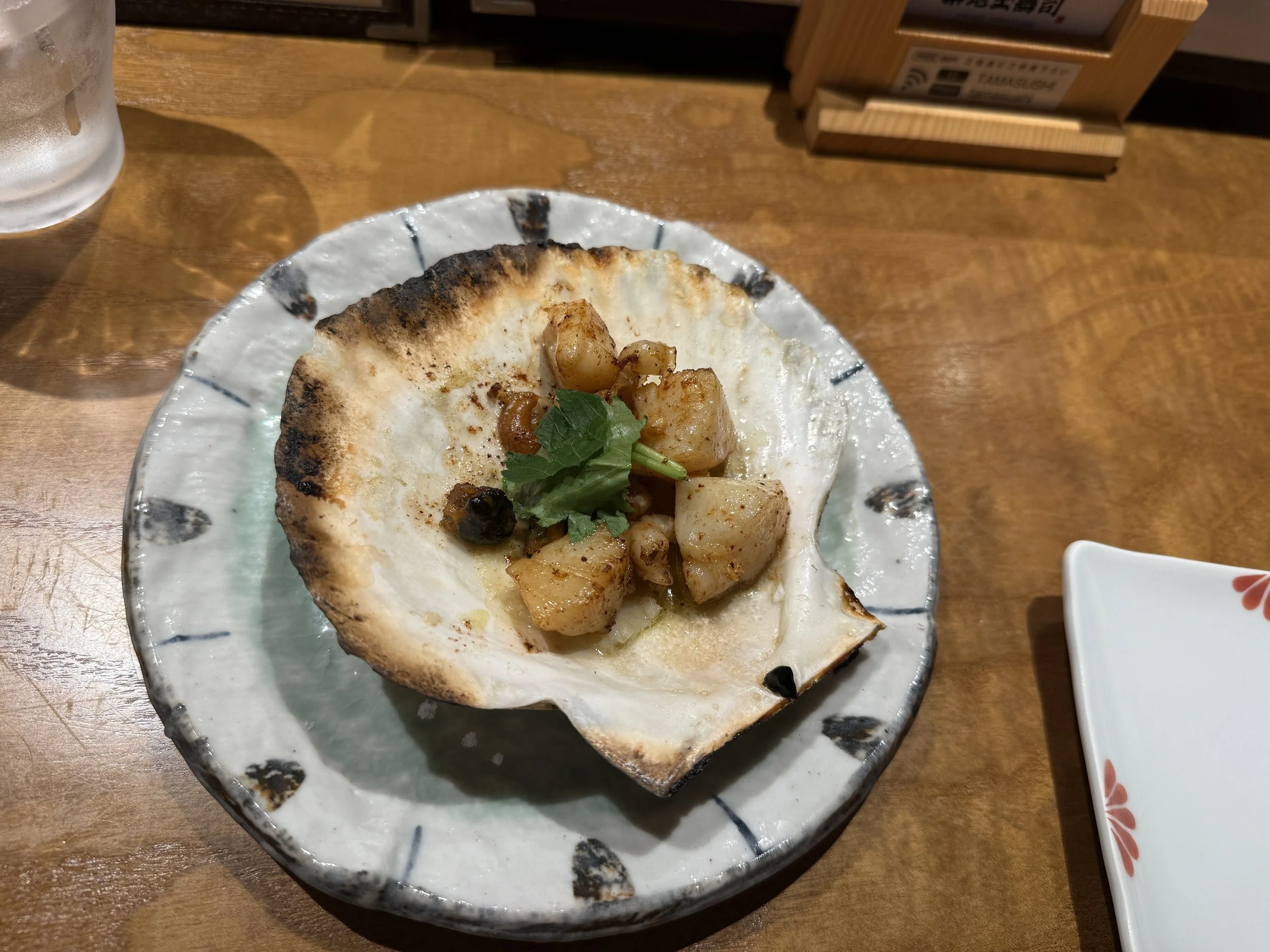
Grilled Hokkaido scallop with soy and brown butter
The nigiris were very well presented and you can see the quality of choices. an Uni gunkan (a wrapped nigiri) alone in Miami costs around $20-$30 per piece just for reference—that’s the price of the whole meal.
We started with the most exotic pieces first, like the yellow fish roe to the left, the conch next to it and ended with the best piece: the tuna toro. My tongue could feel every grain of rice that was perfectly cooked. In Japan, I guess it’s a crime to overcook rice, that’s why you’ll never experience such a problem.
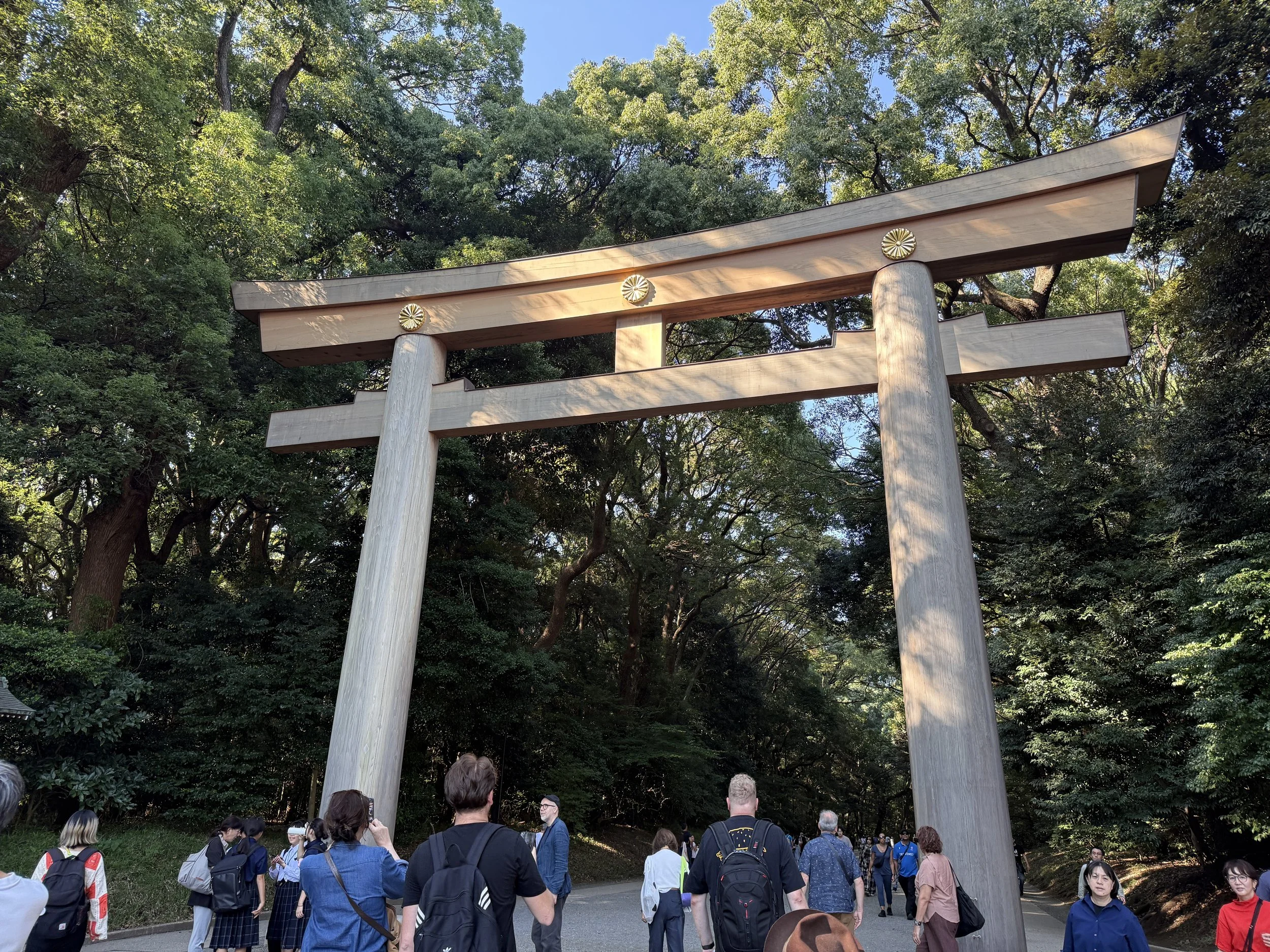
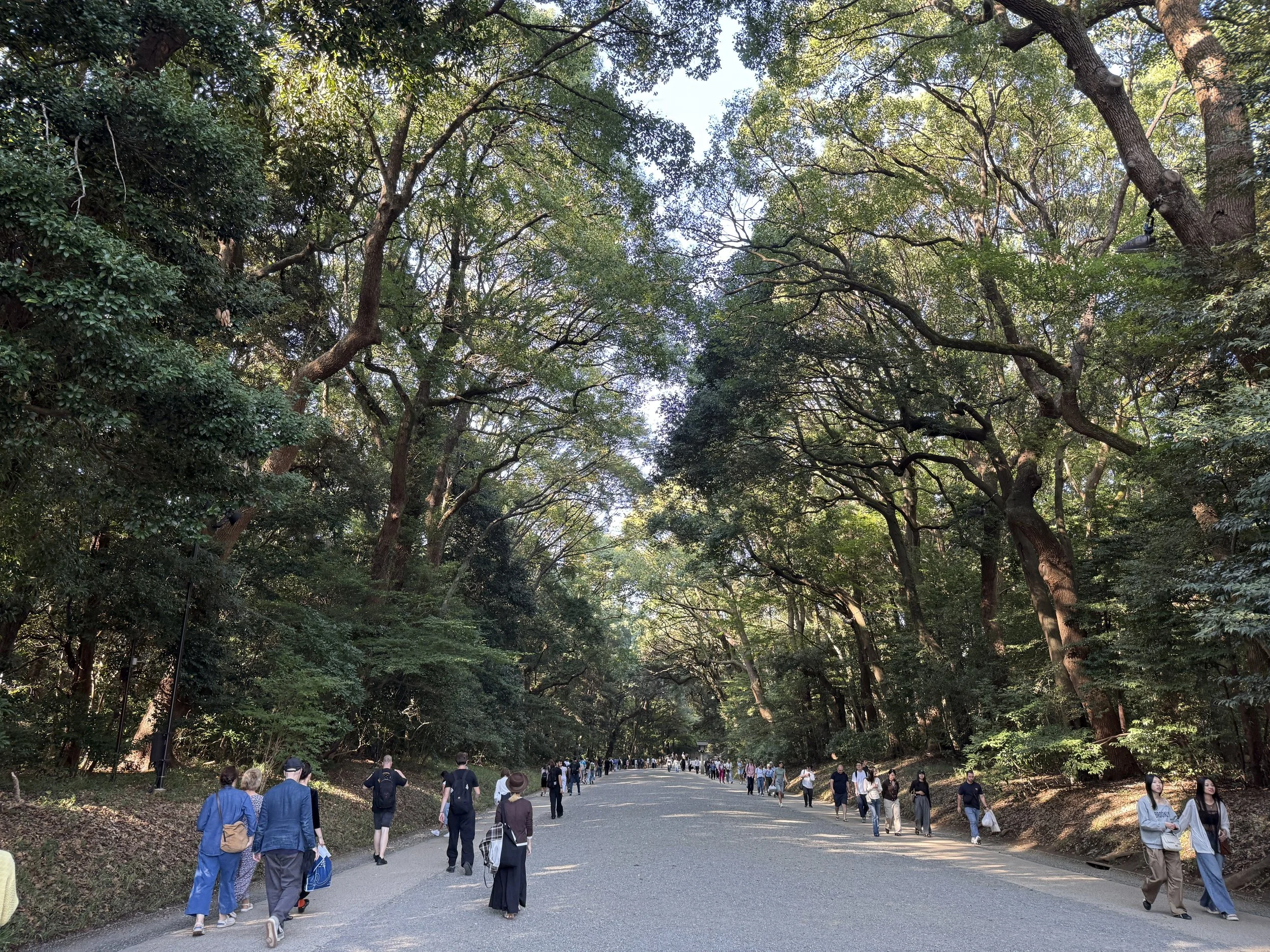
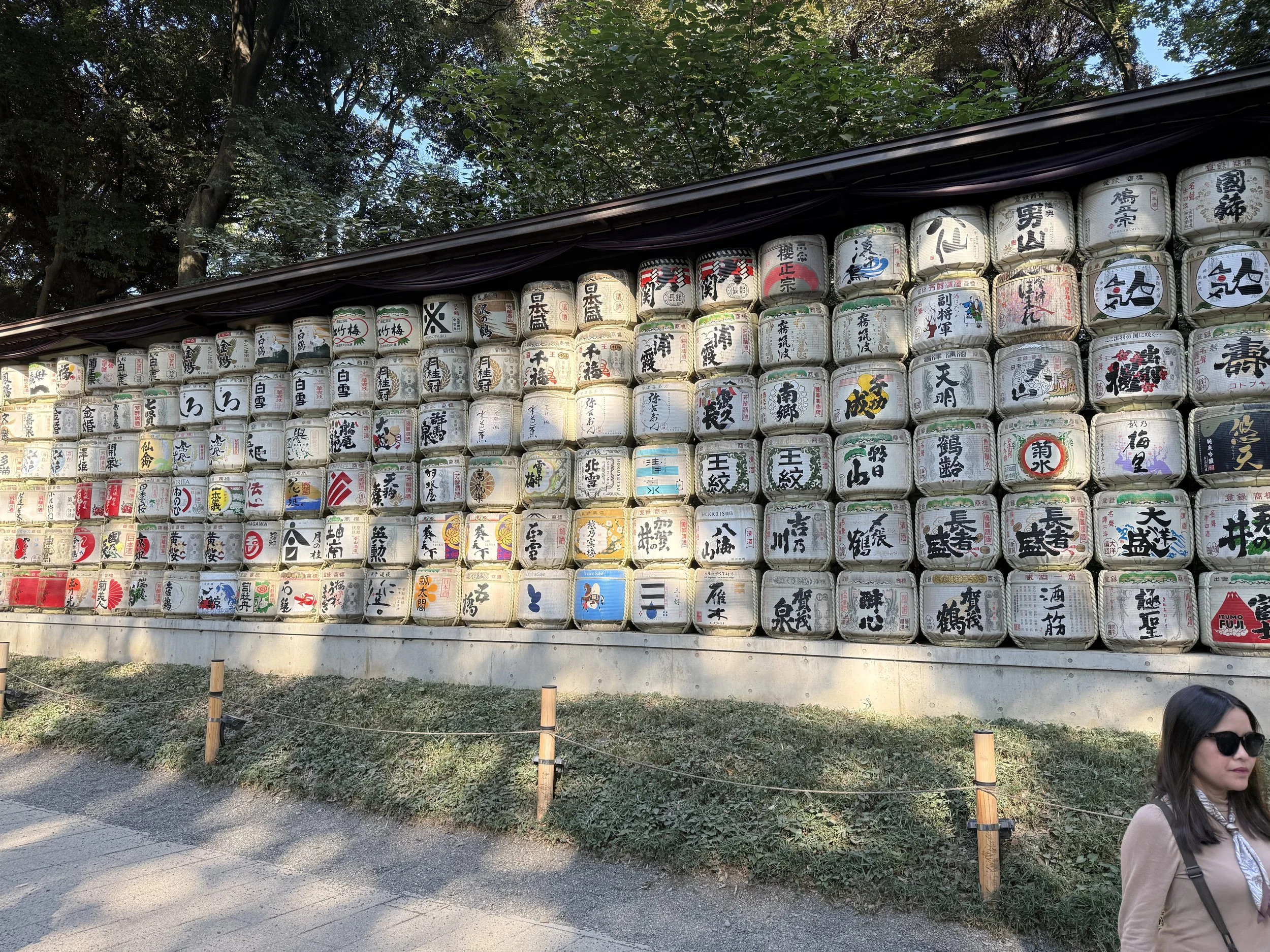
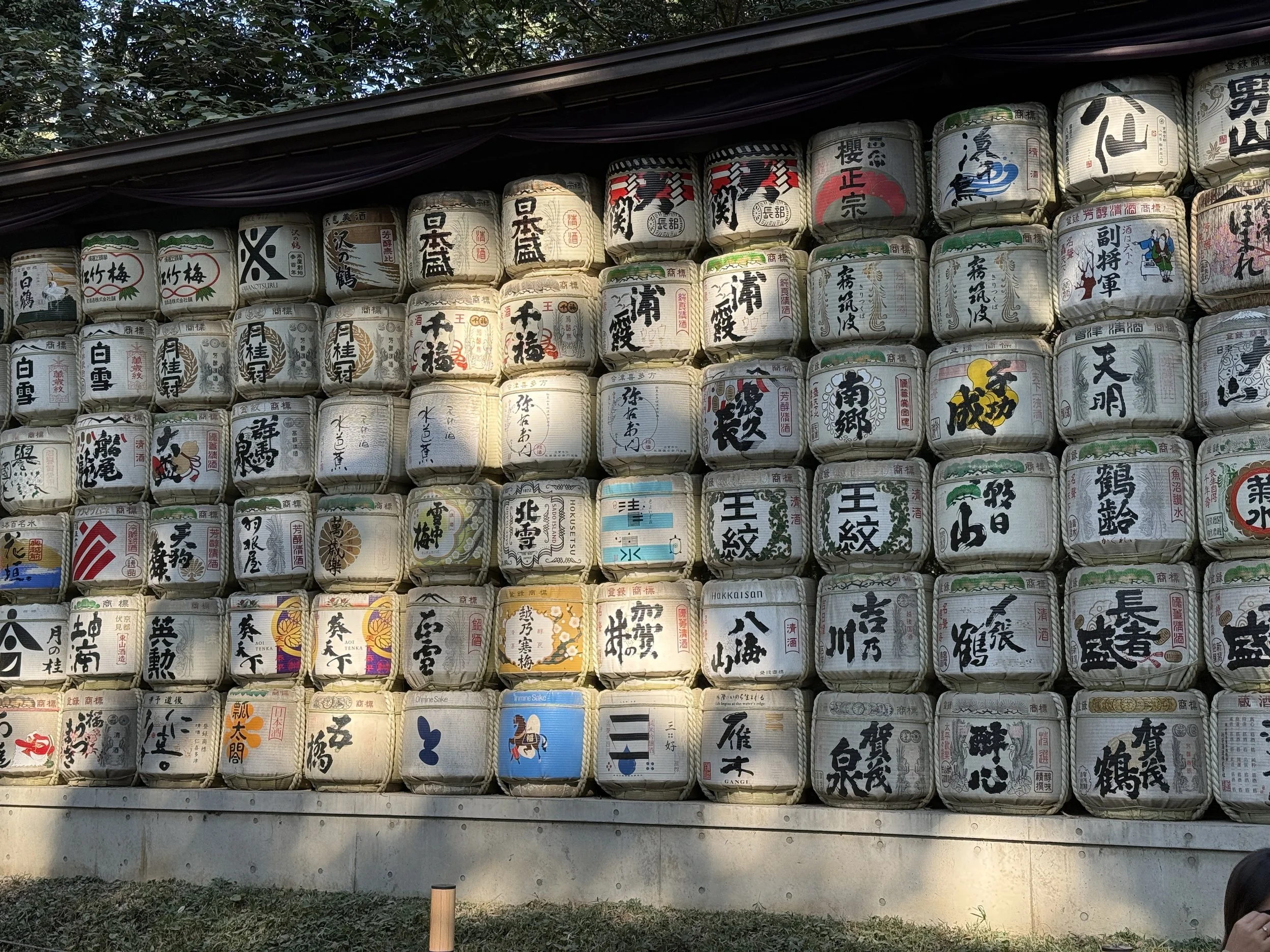
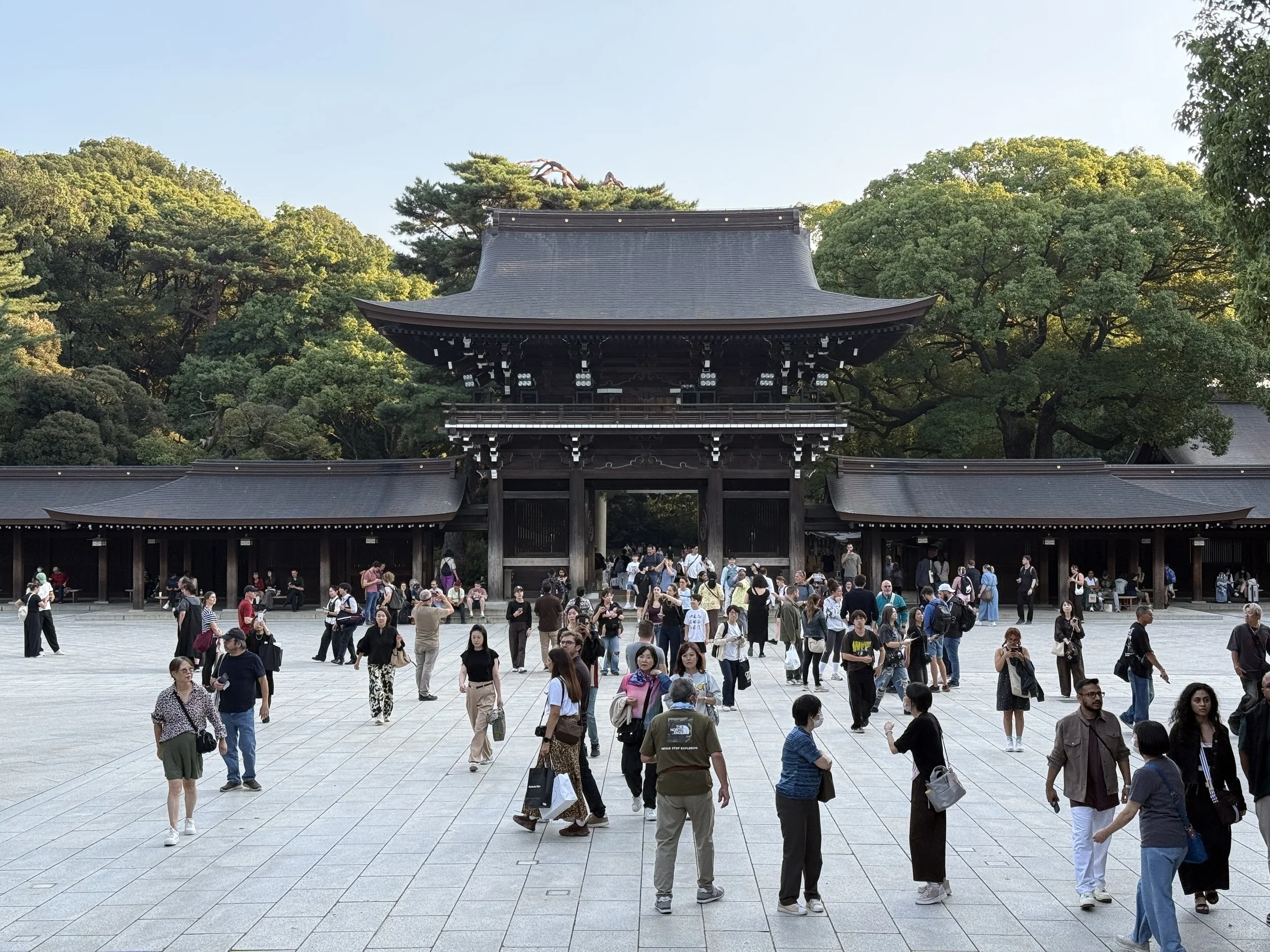
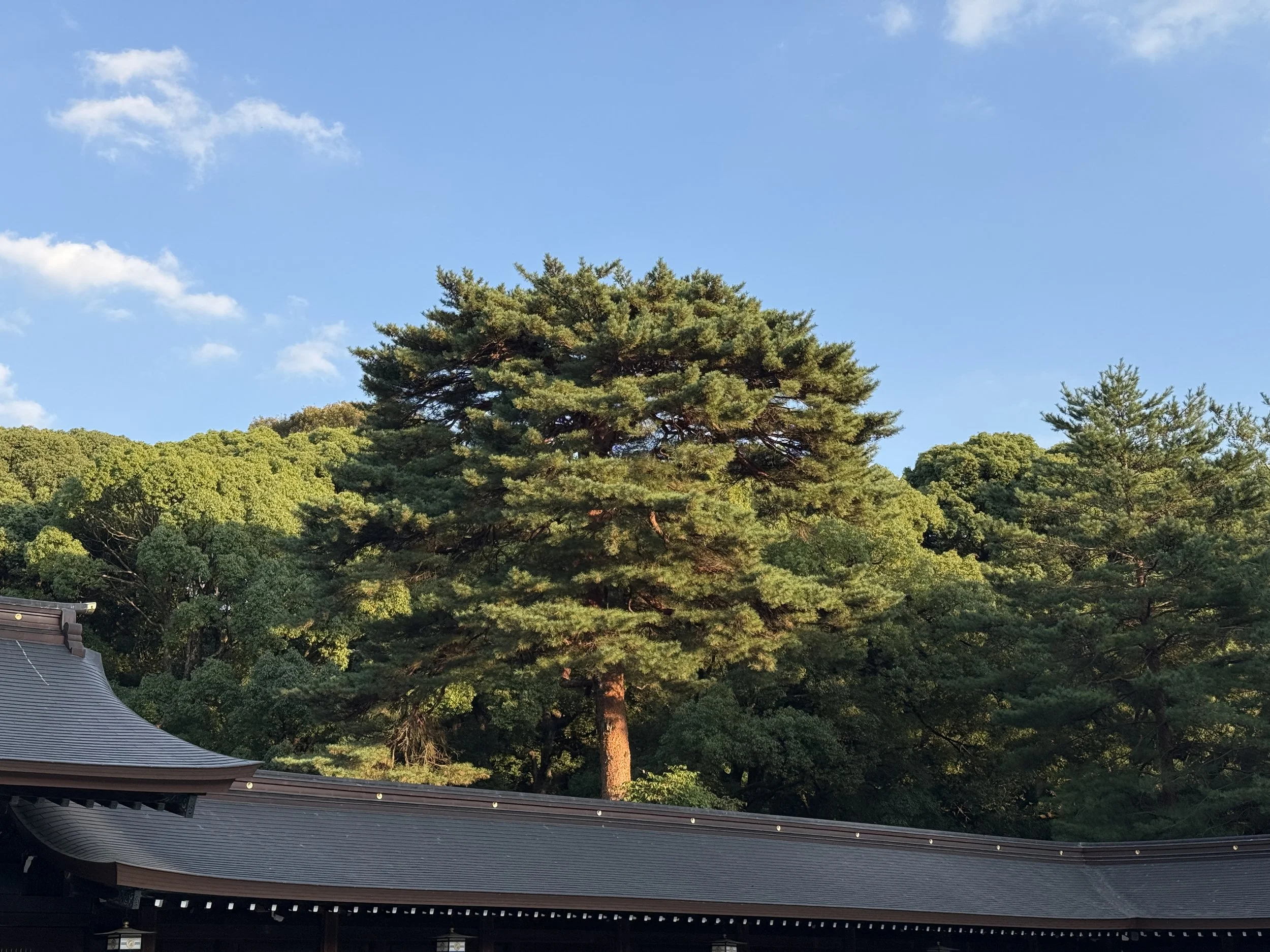
Meiji Jingu
A Shinto shrine located in Shibuya. It is dedicated to the deified spirits of Emperor Meiji and his wife.
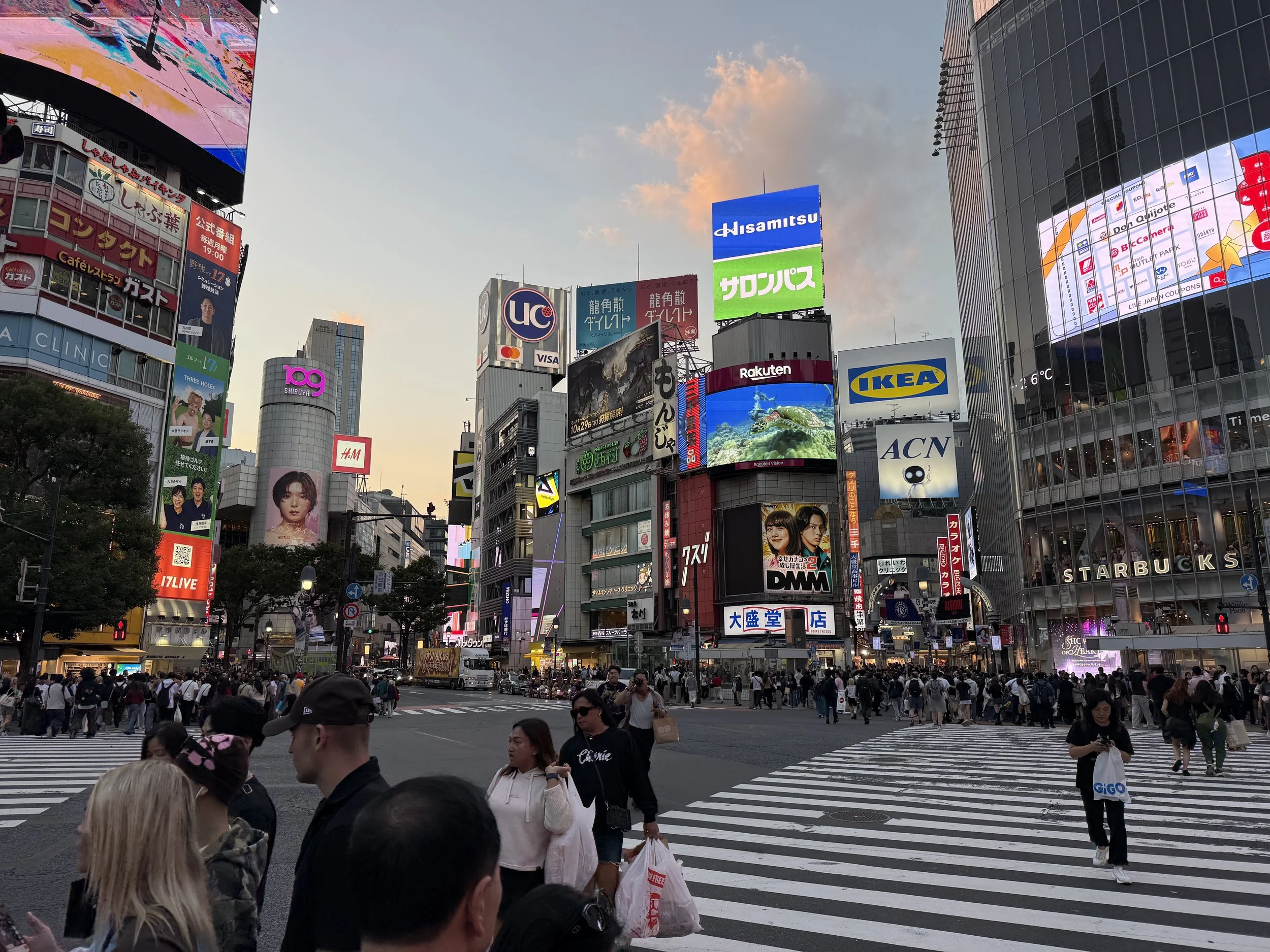
Shibuya Crossing
It’s hilarious to witness desperate tourists trying to run to the middle of the crosswalk as fast as they can just to get a good photo util they find out that Japanese people are fast walkers by default. It’s a waste of energy, but you can’t deny the fact that this famous crossing is electrifying.
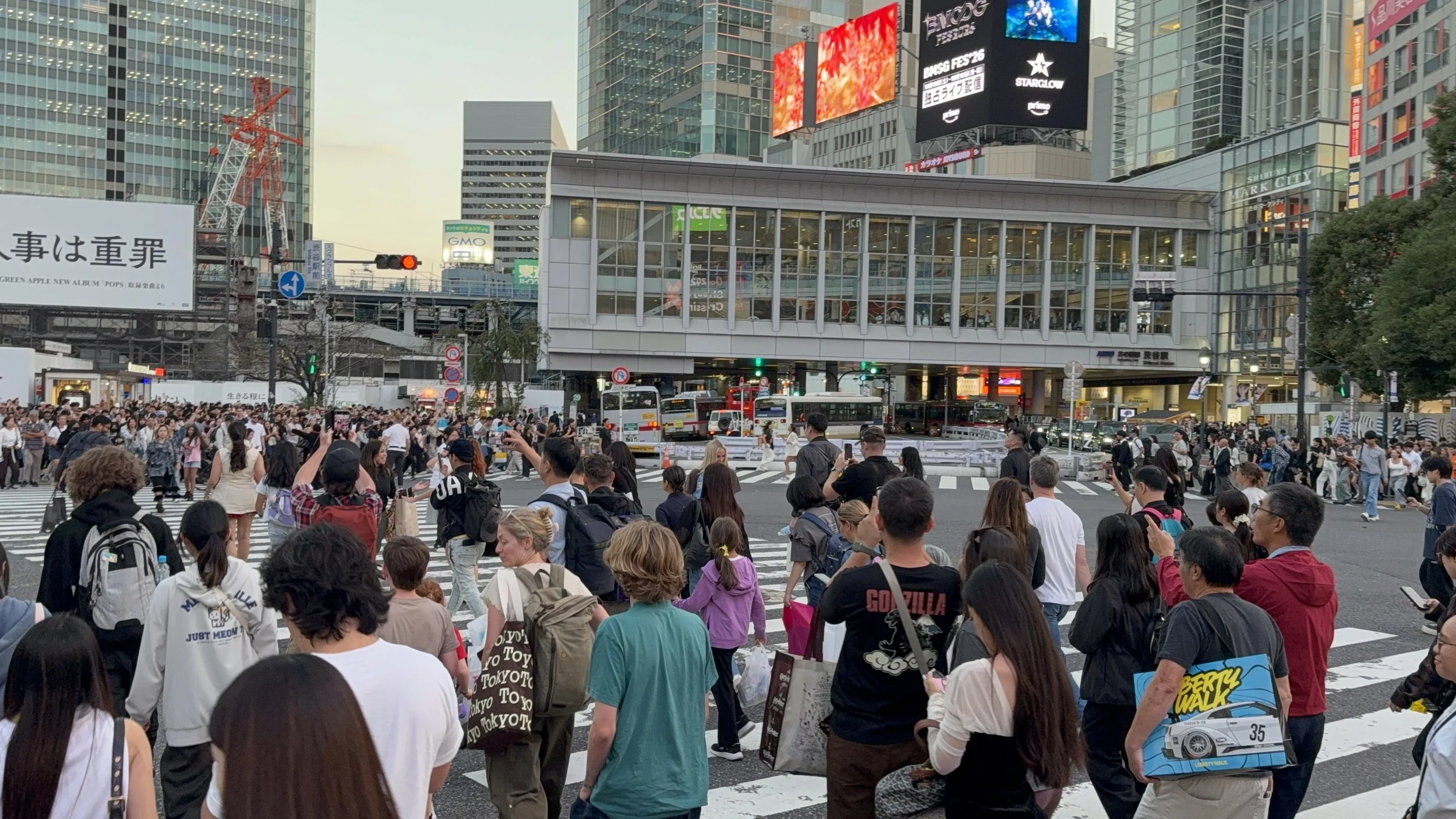
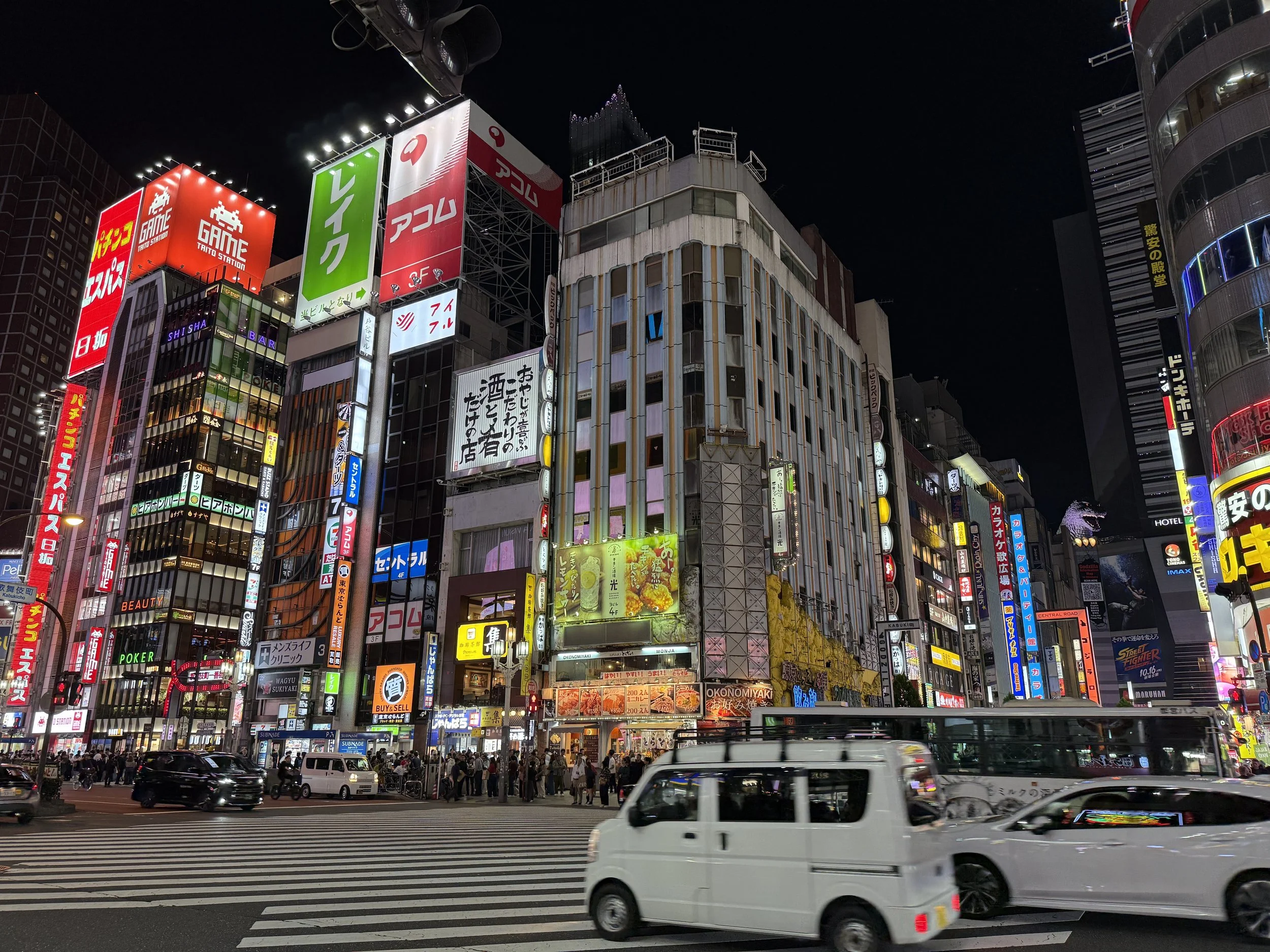
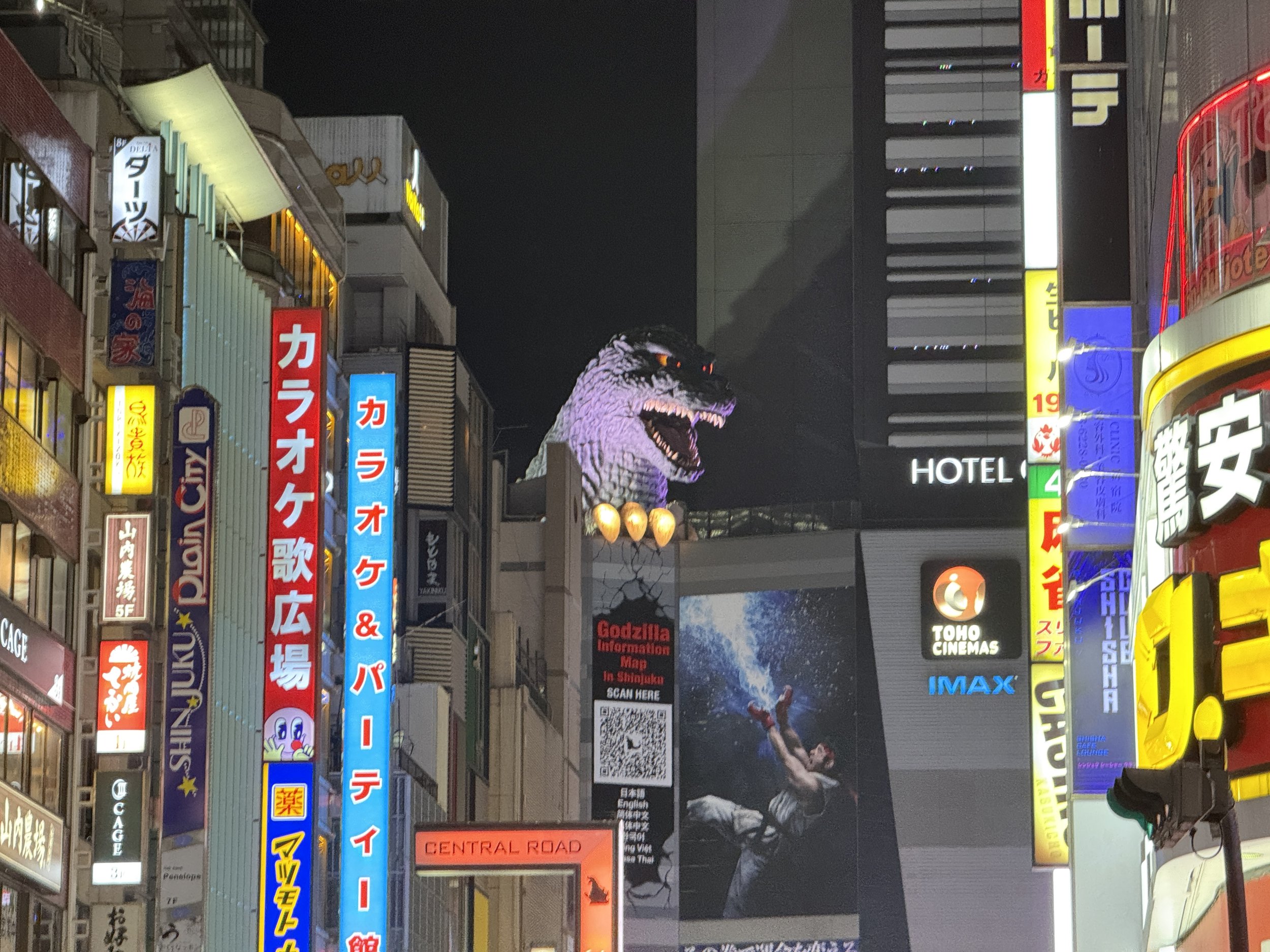
Not too far, Godzilla lurks in the midst of the city, ready to rain radioactive hell.
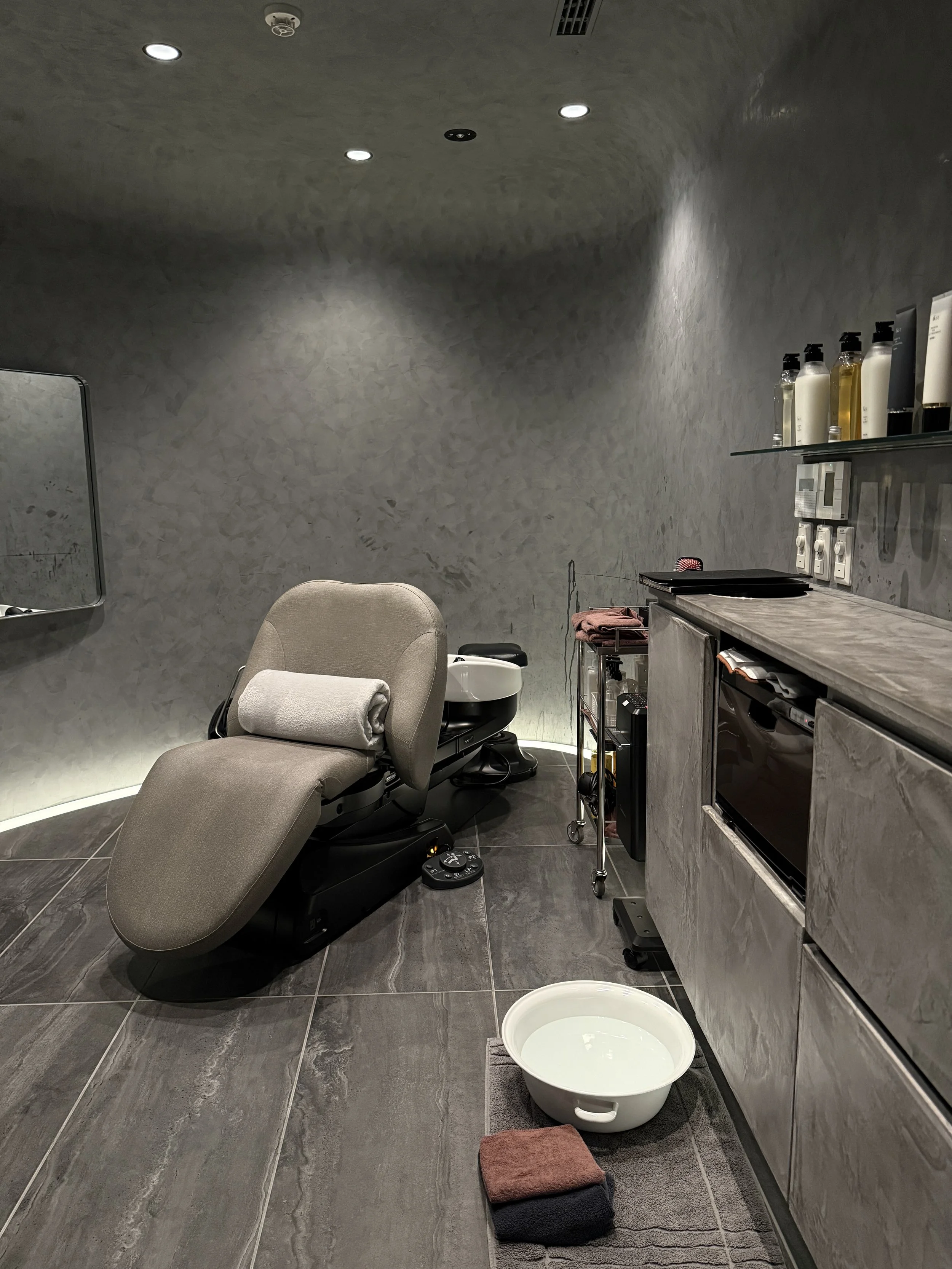
Headspa Kuu
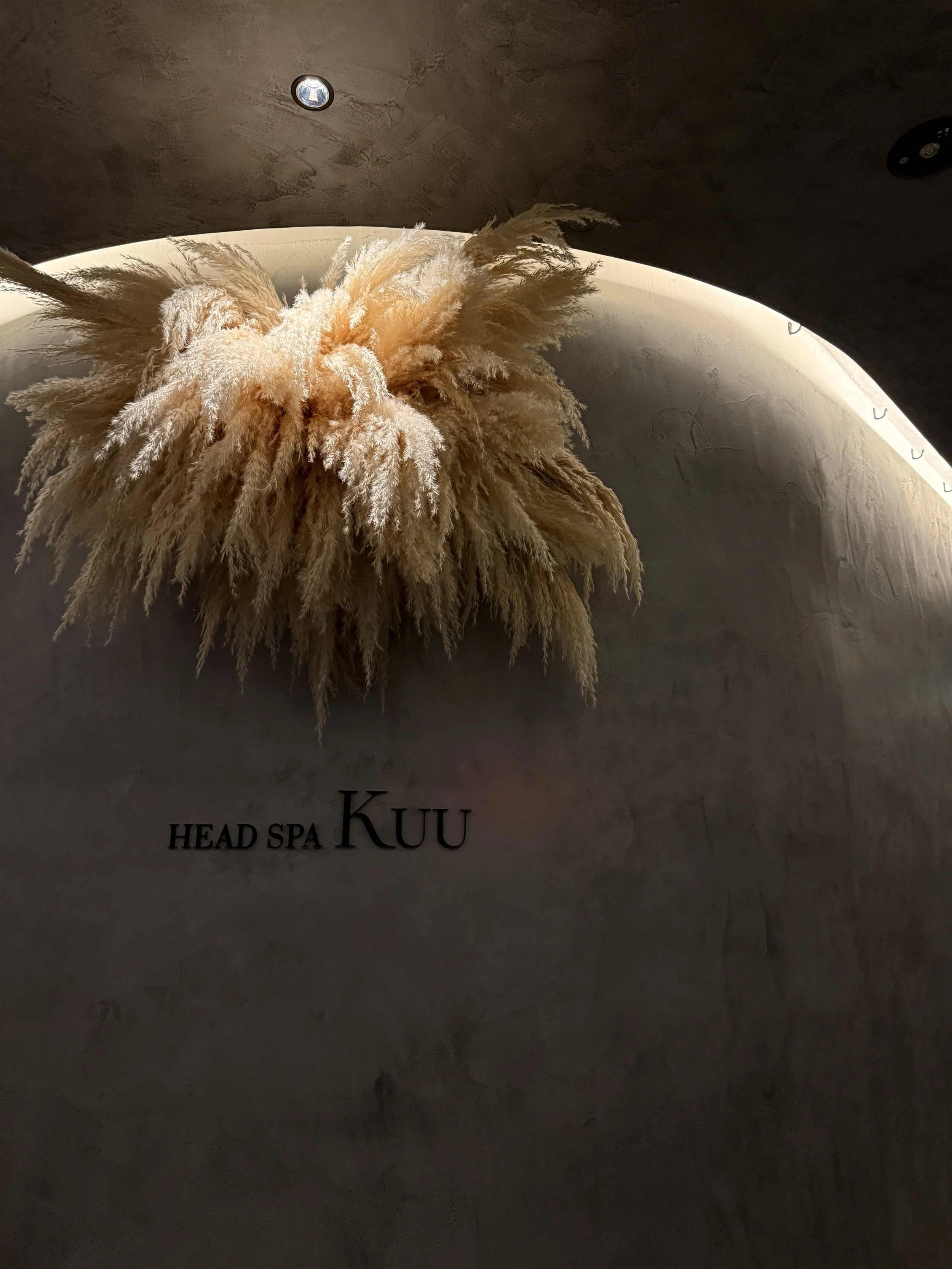
Headspa Kuu is as the name suggests, a headspa treatment shop. Upon entering, the very respectful staff greet and welcome you warmly. You will be asked to change clothes and the treatment begins immediately. They give you an amazing head shower, scalp massage while applying some treatments and offer you a consulting report regarding the health of your hair and scalp. When the treatment is done, you are led to a blow drying area and are offered a mug of hot tea of your choice. The service is quite costly, something that you do once in your lifetime without regret.
What I like about the service the most is how detailed they explain your scalp health. SInce their english is limited, they talk to their phone to get their message translated in english for you.
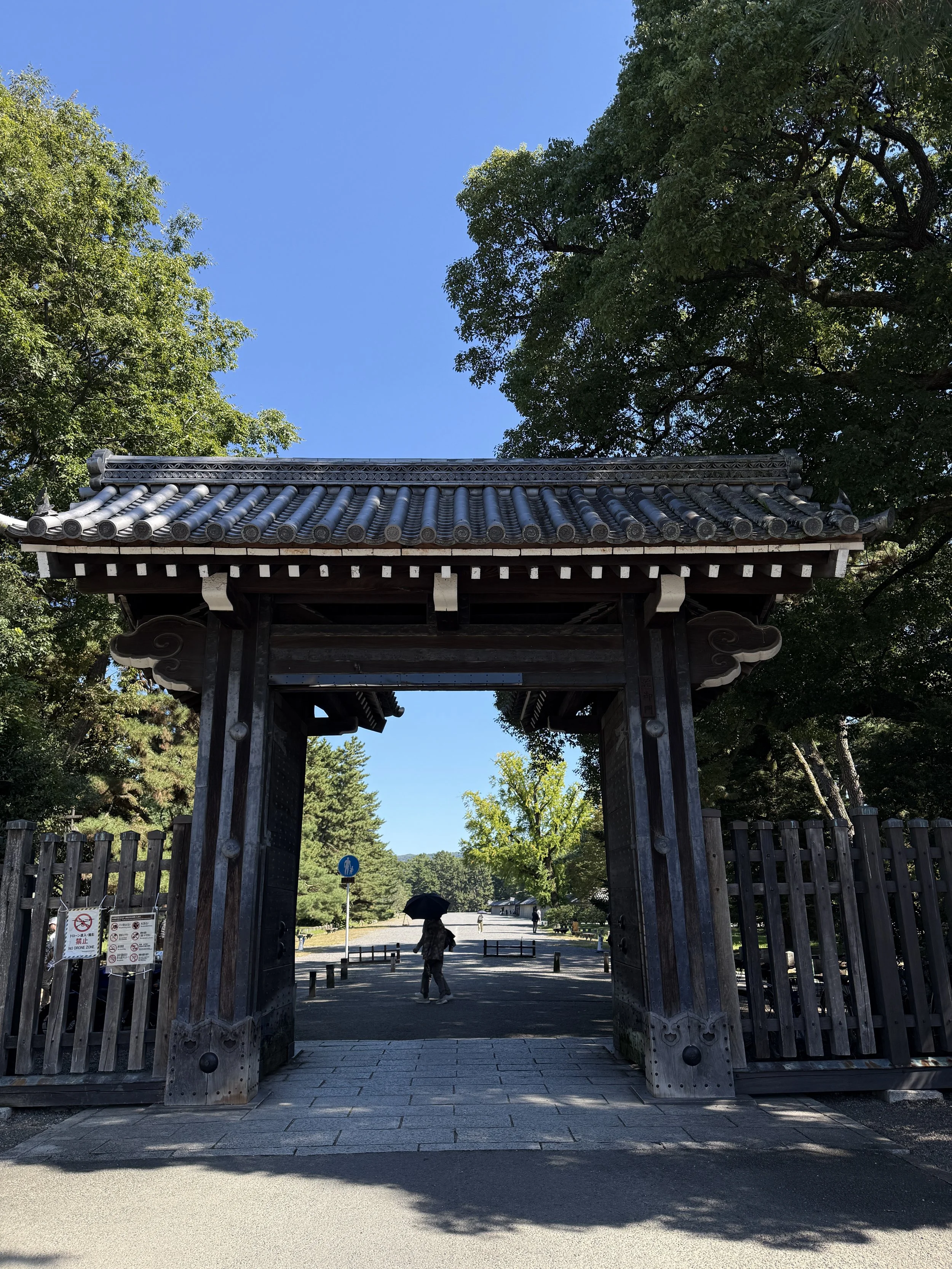
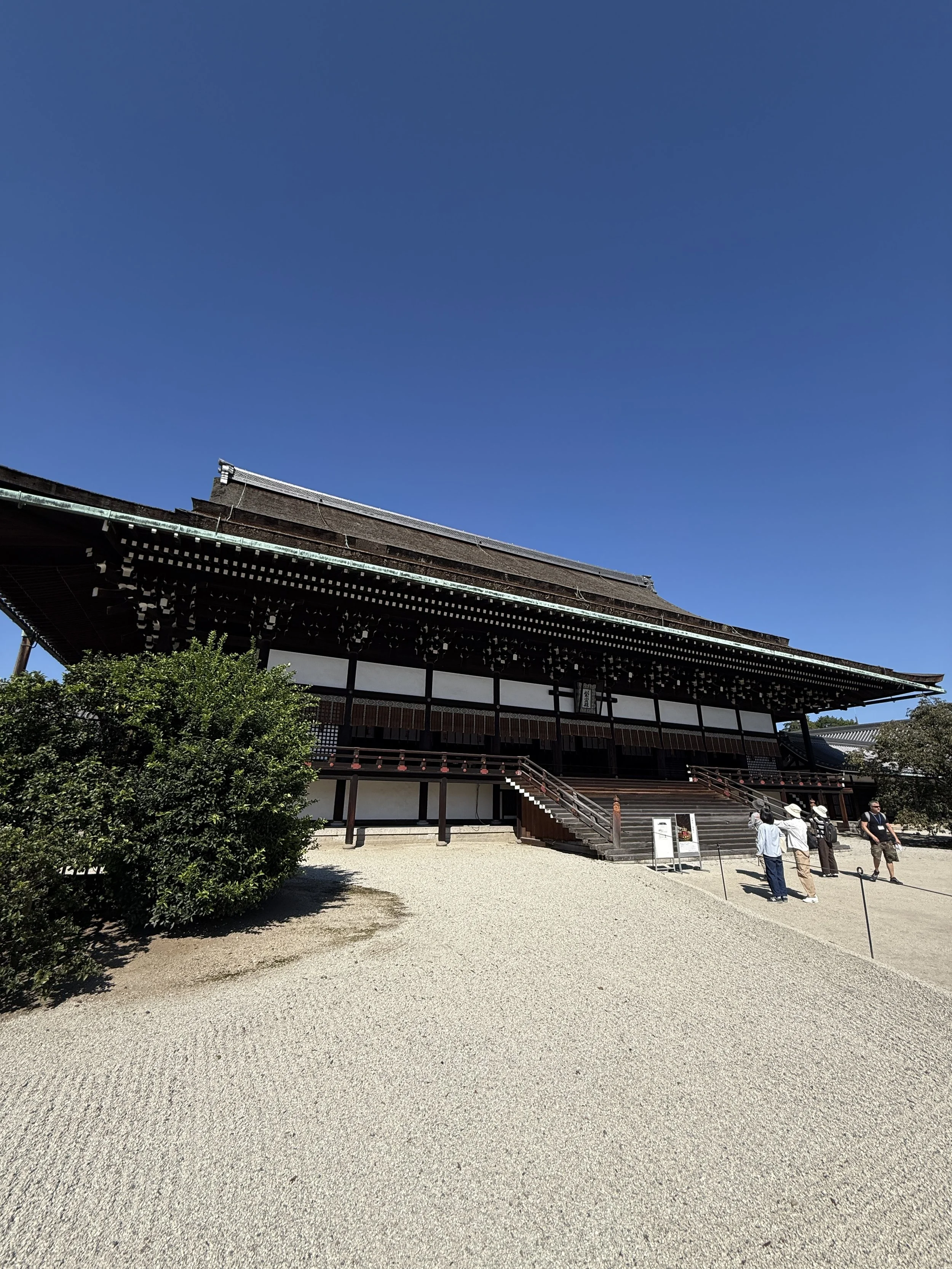
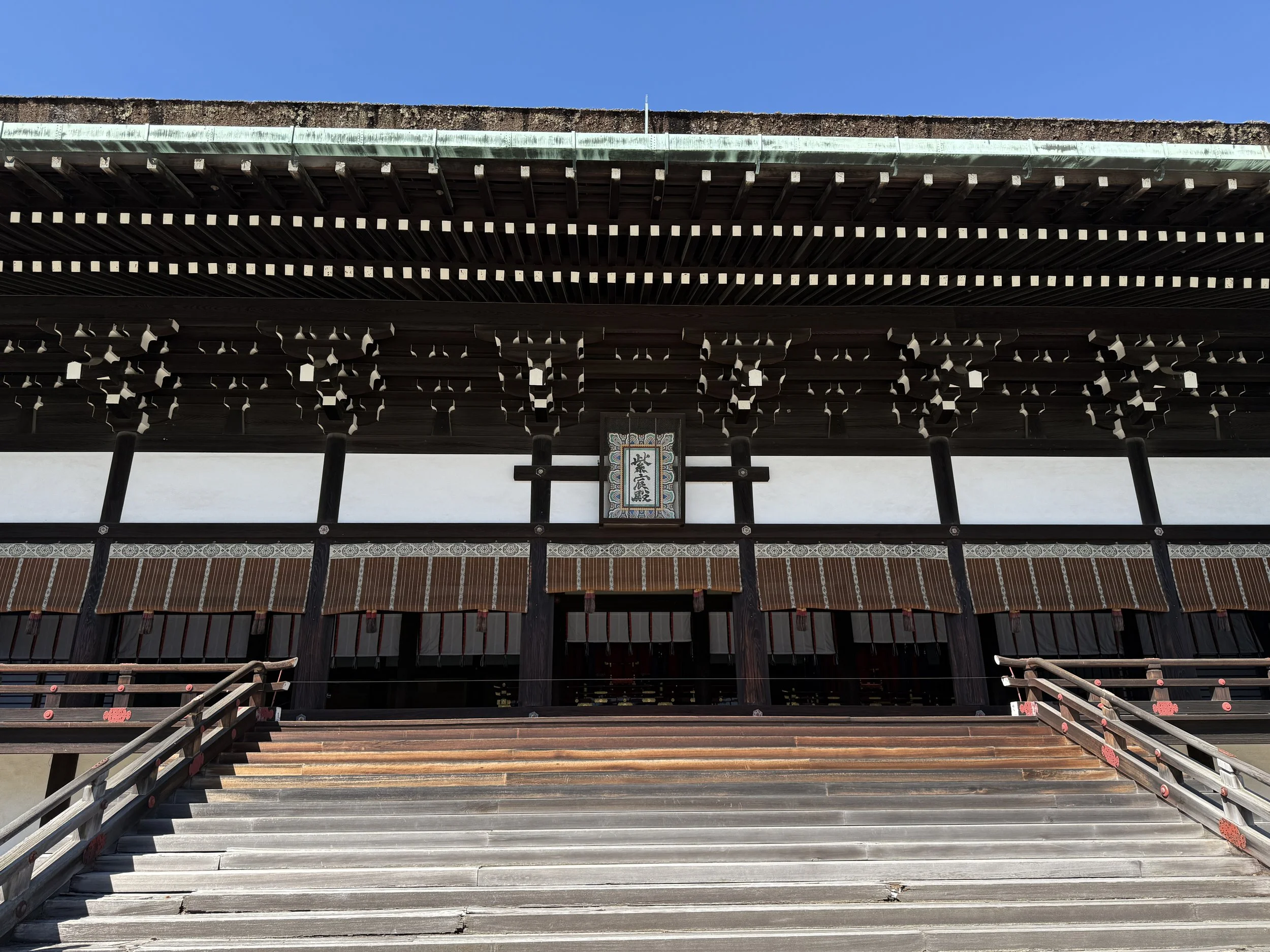
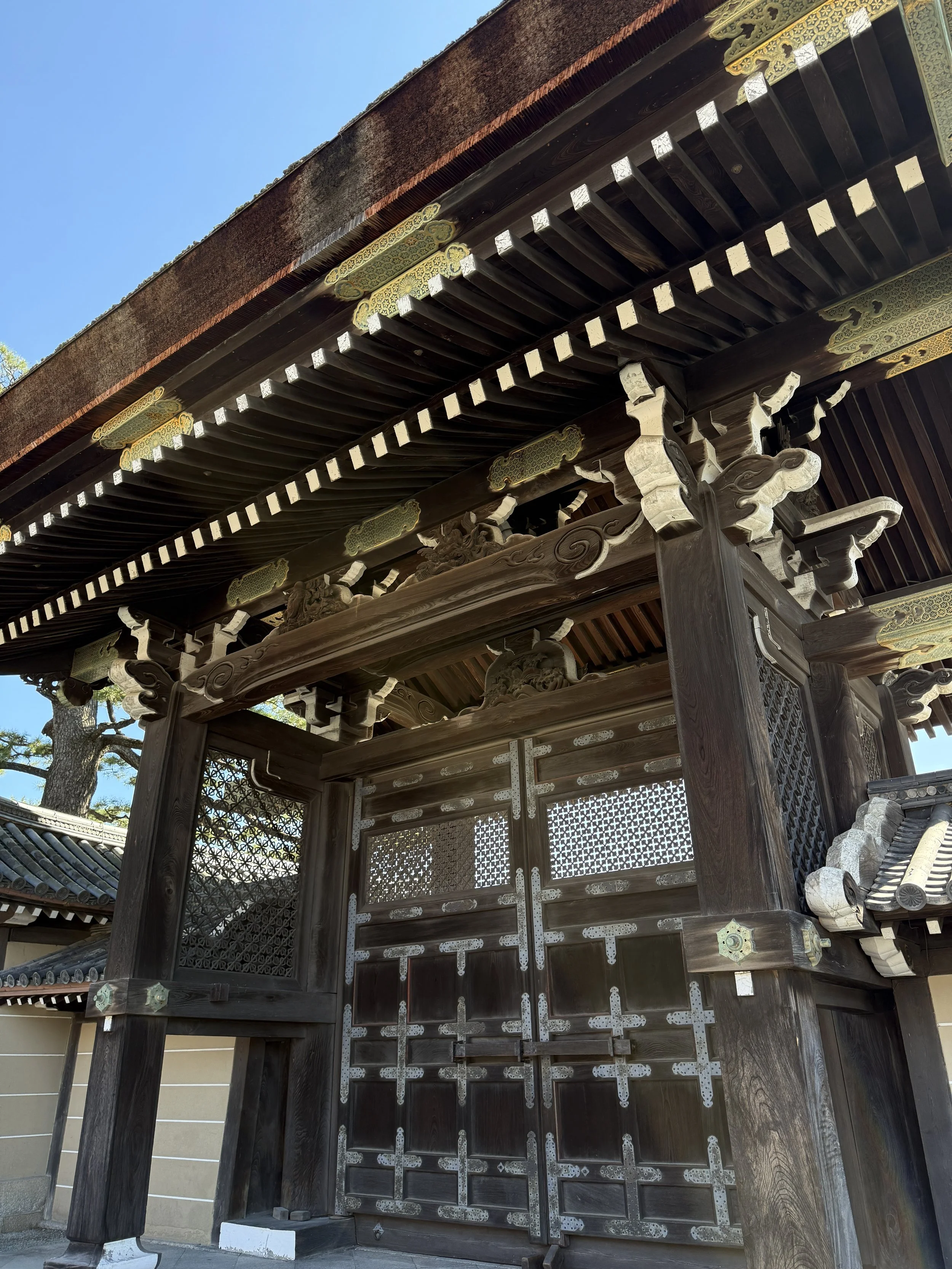
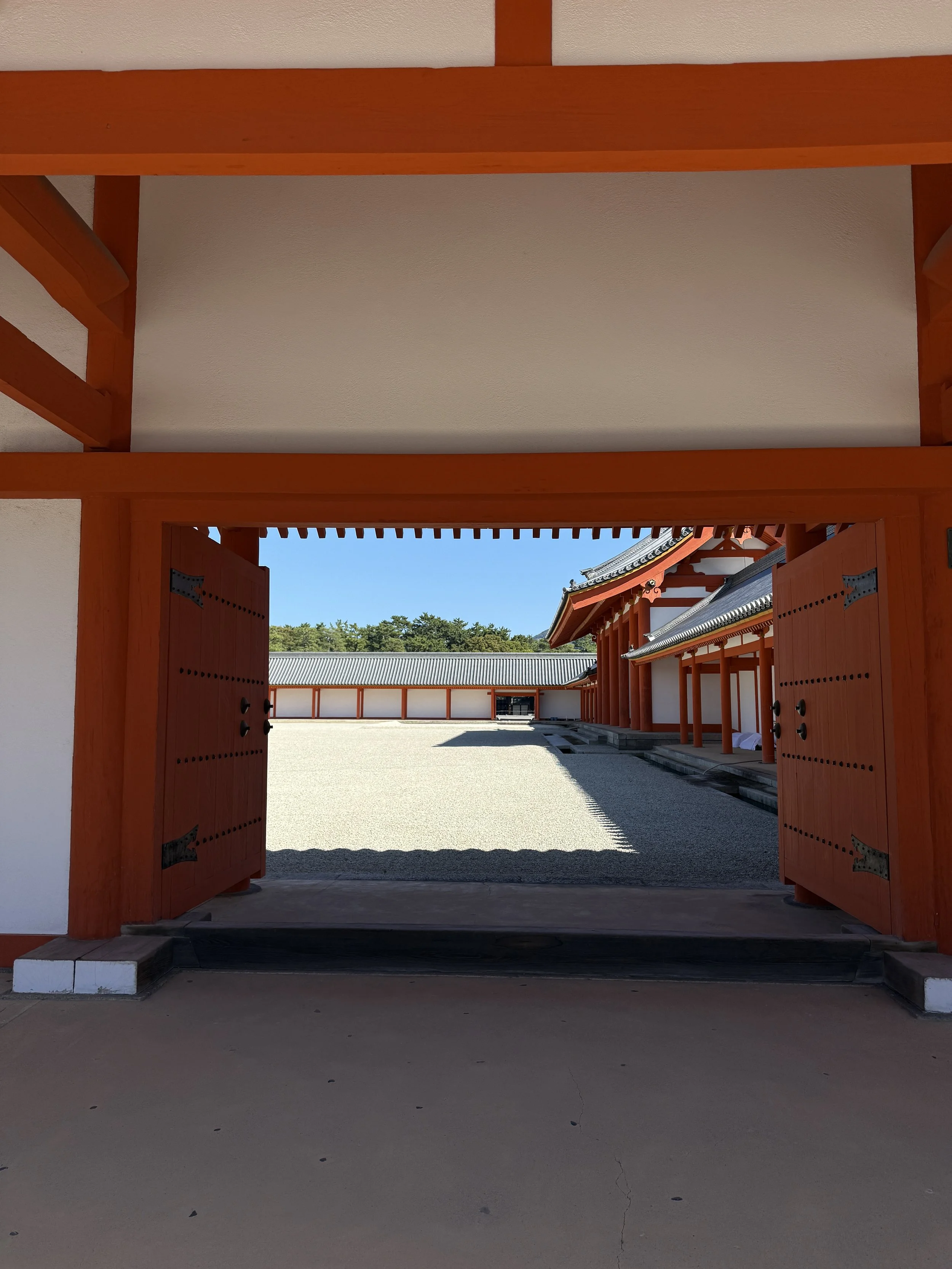
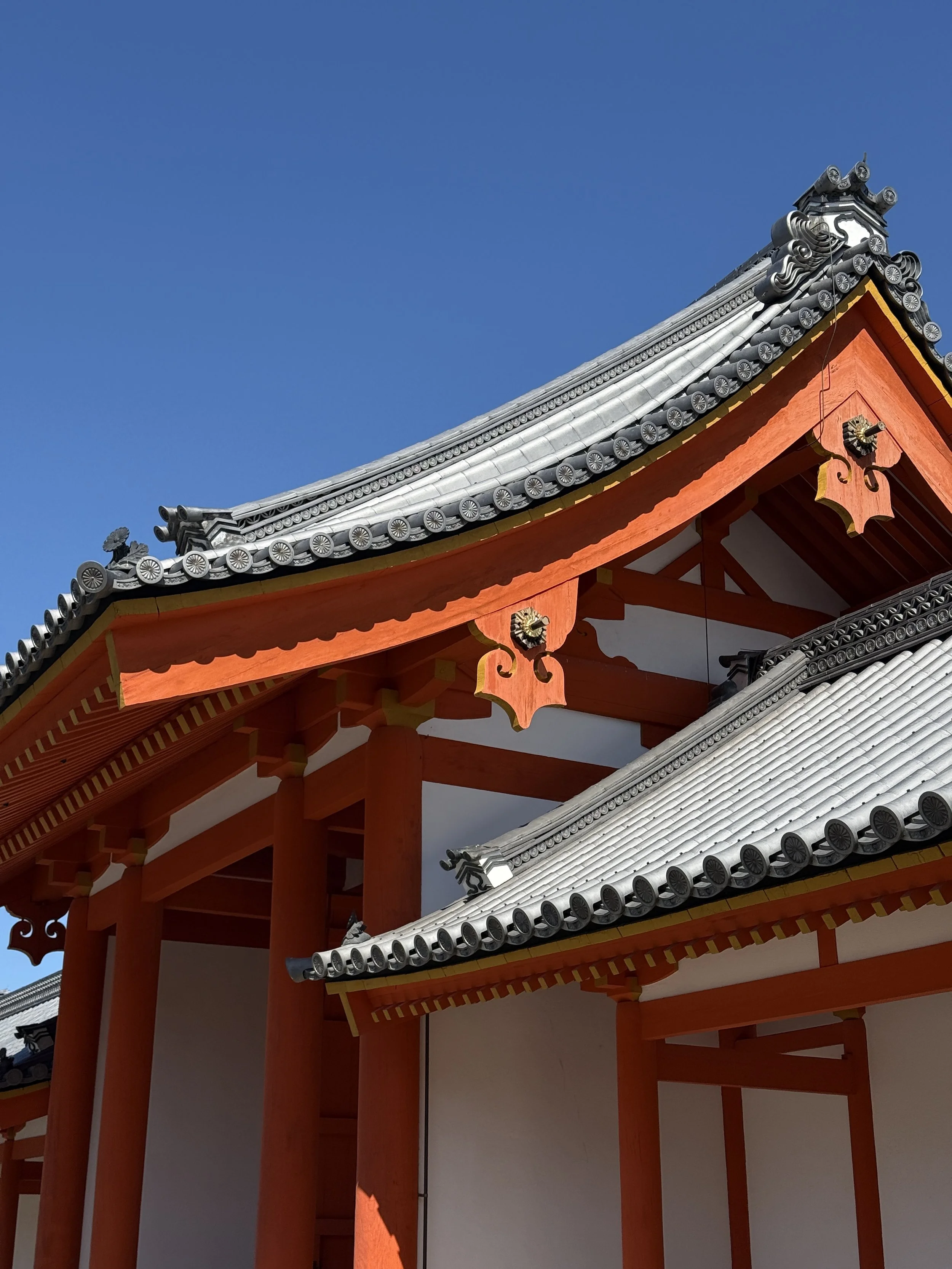
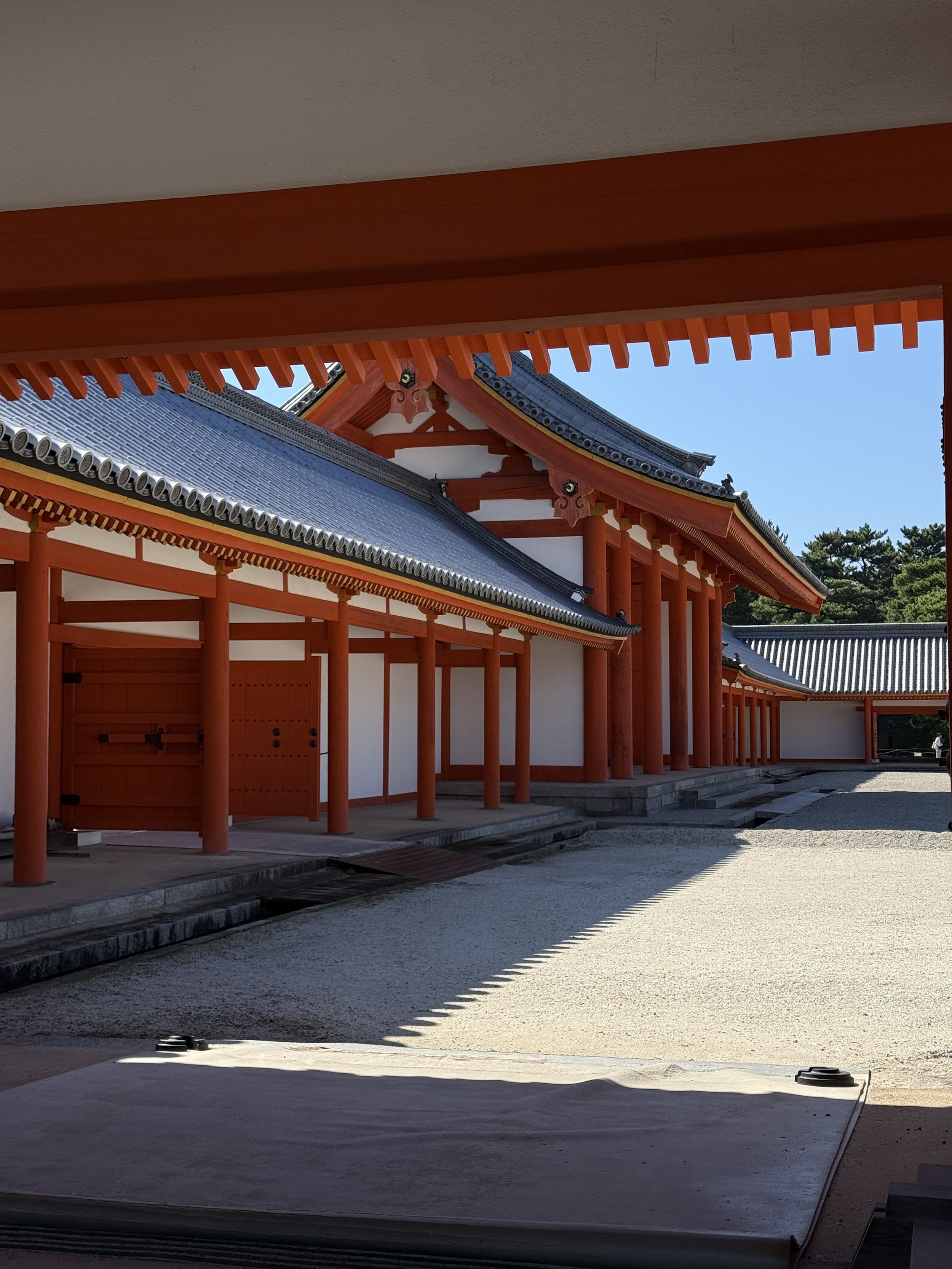
Tokyo Imperial Palace
The Tokyo Imperial Palace is at the center of the Japanese civilization. The Palace housed emperors and empresses for two thousand years. When the monarchy was temporarily abolished, The Tokugawa Shogunate dwelled in and maintained the Palace.
The Palace is filled with plenty of rooms of different purposes and a beautiful botanical garden that’s very well manicured and maintained.
Saryo Tessin
Another amazing meal happened at Saryo Tessin, a Bib Gourmand awardee, drawing people in for their amazing soba and breakfast program. Book in advance. Saryo Tessin is undeniably one of the most beautiful restaurants that we’ve been to in Japan.
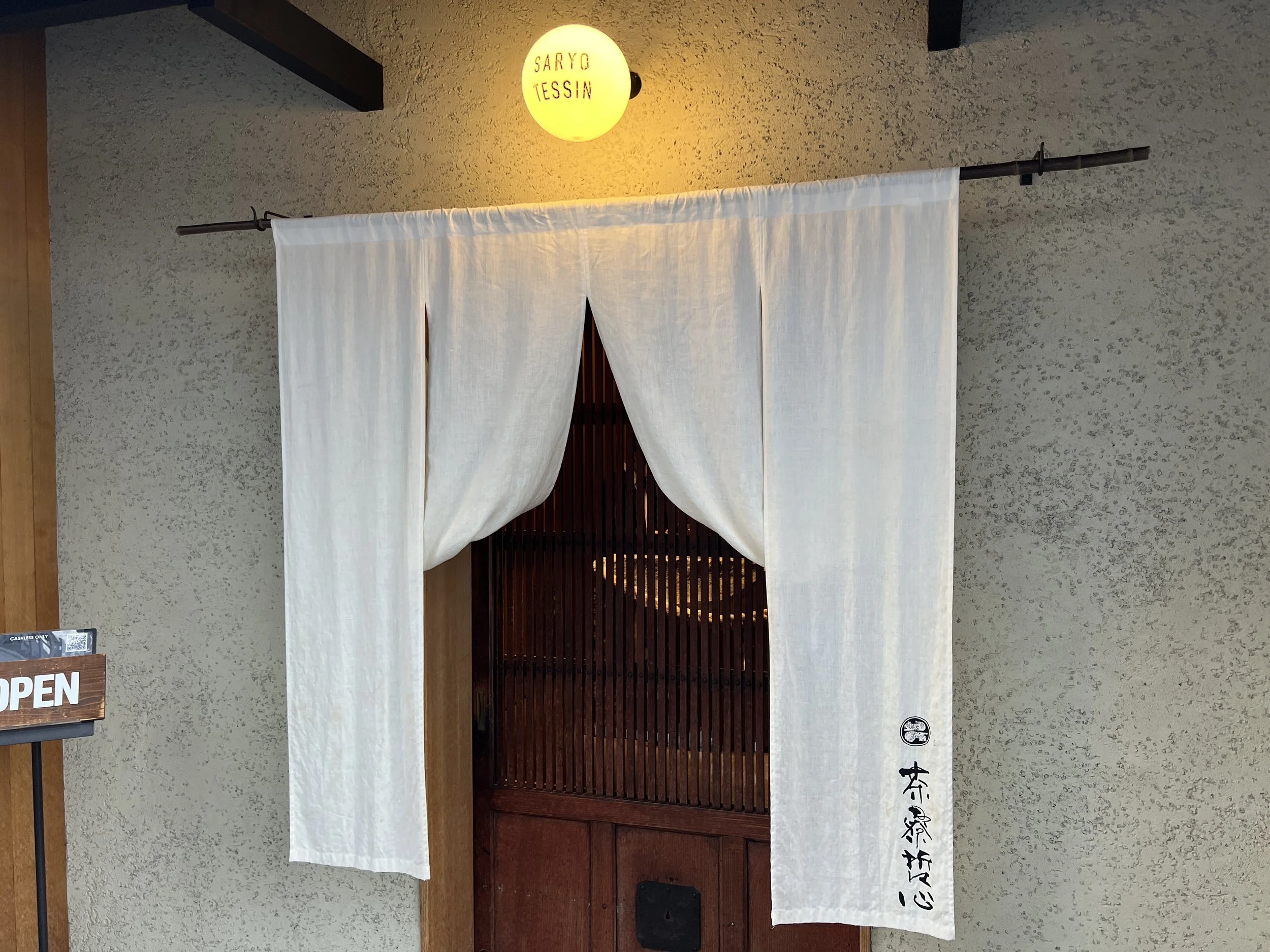
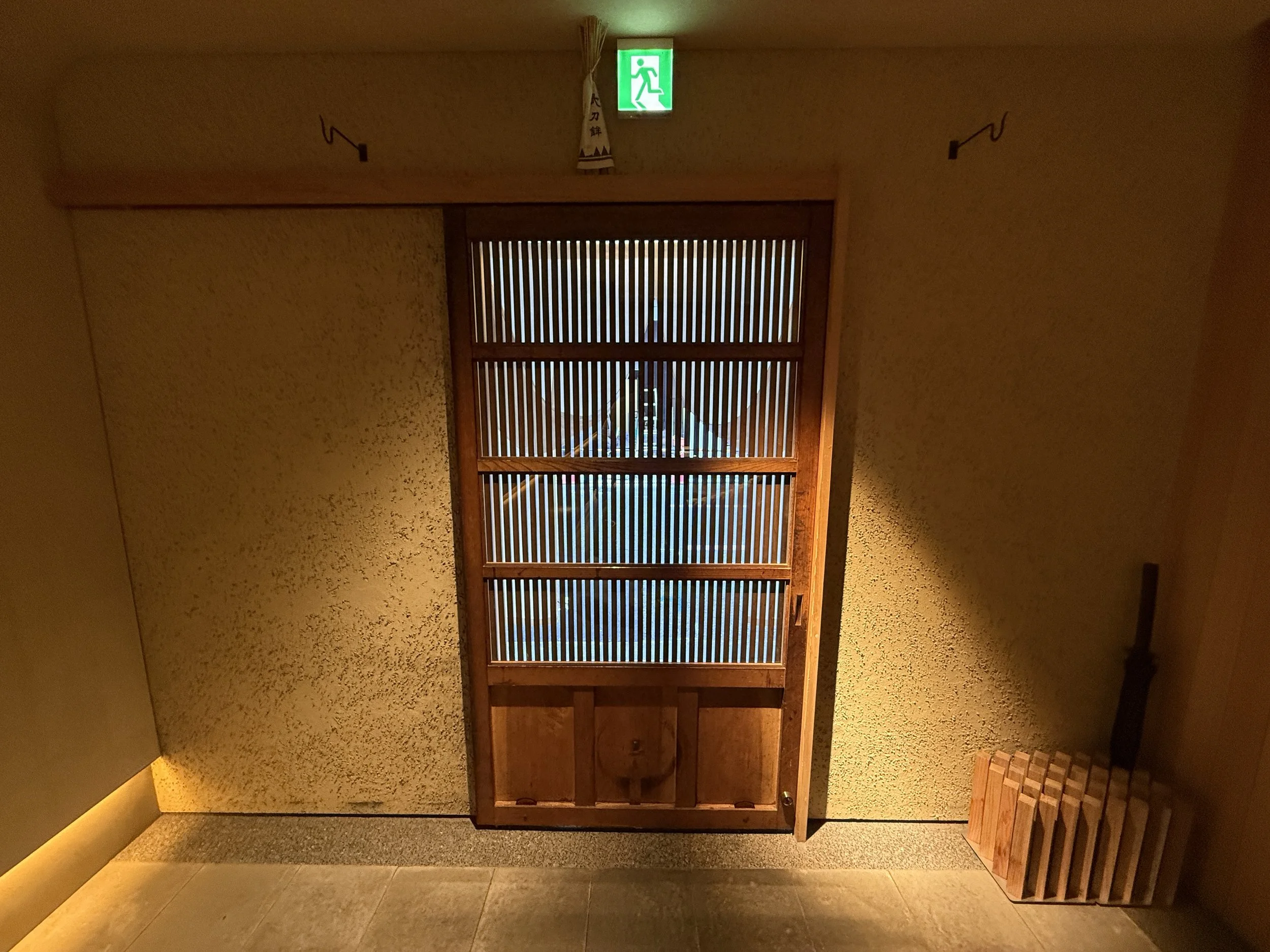
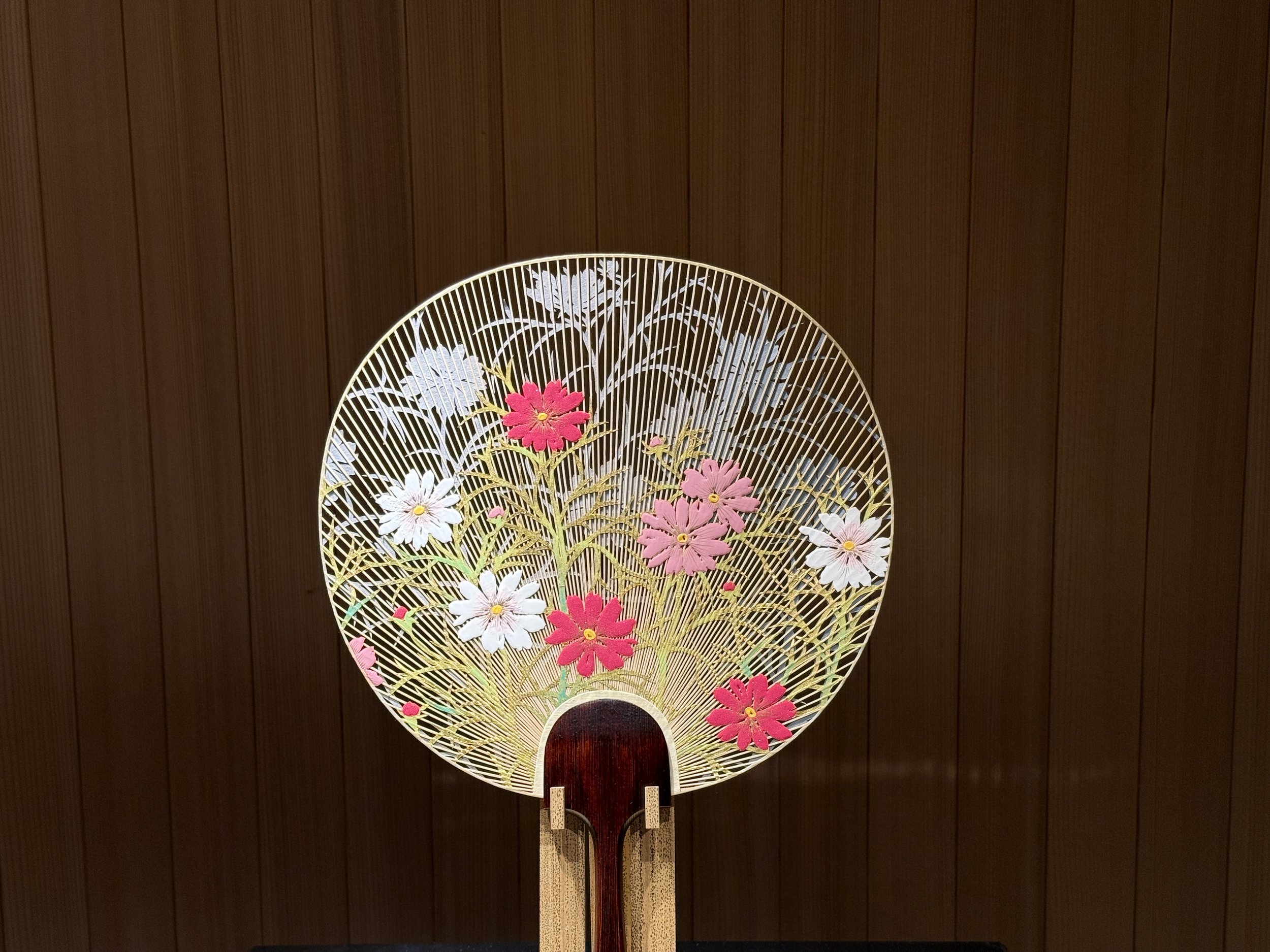
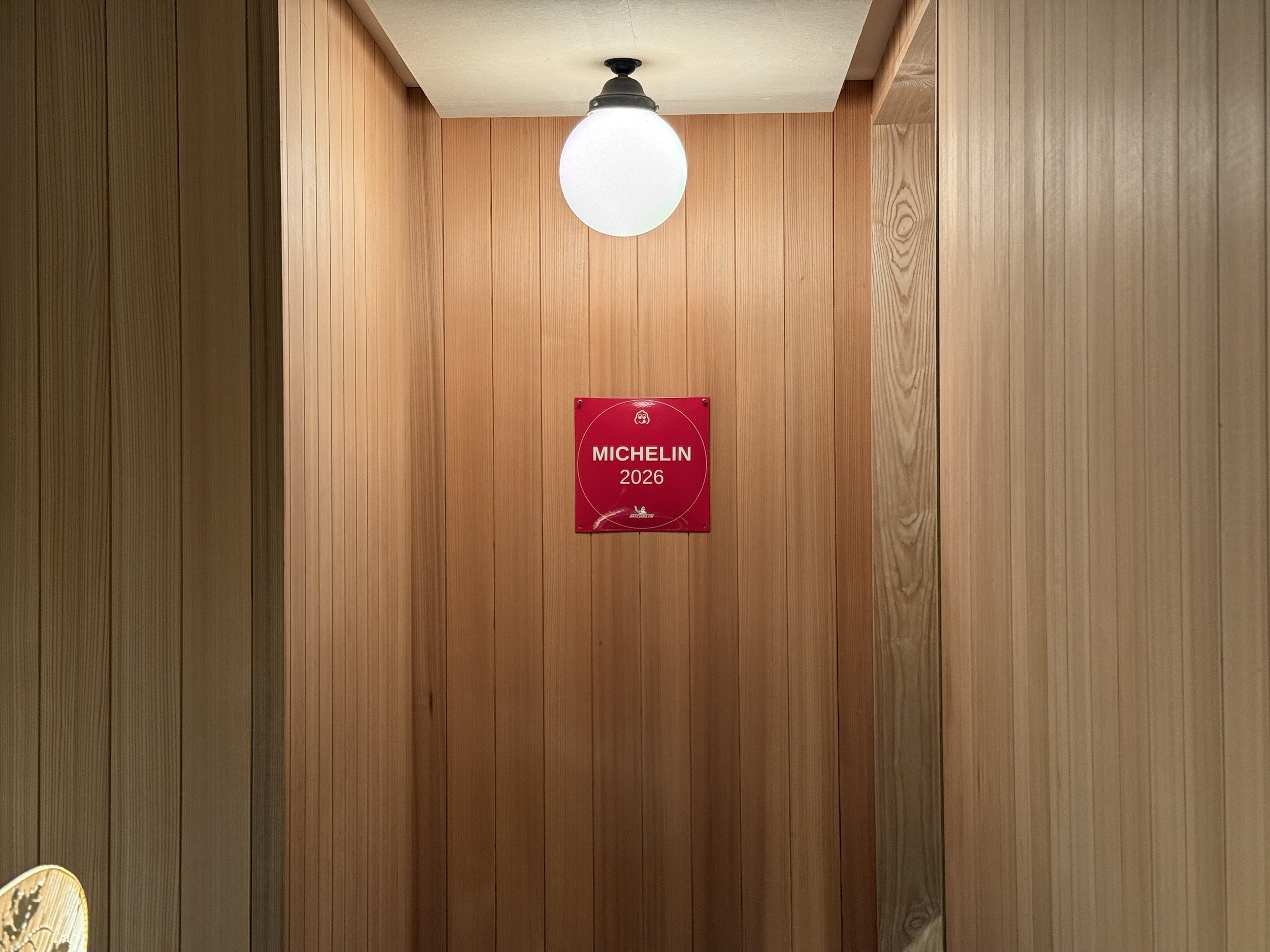
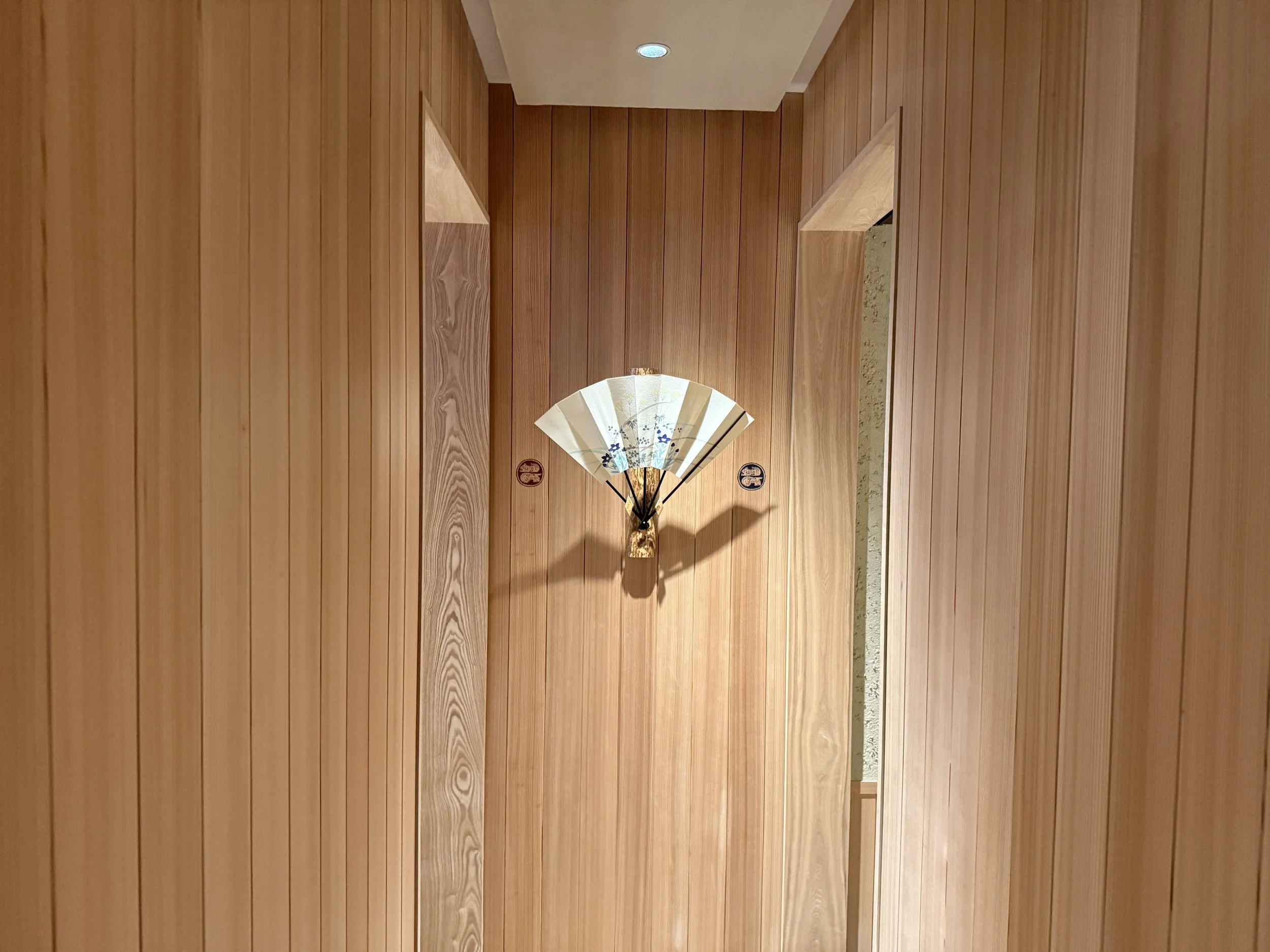
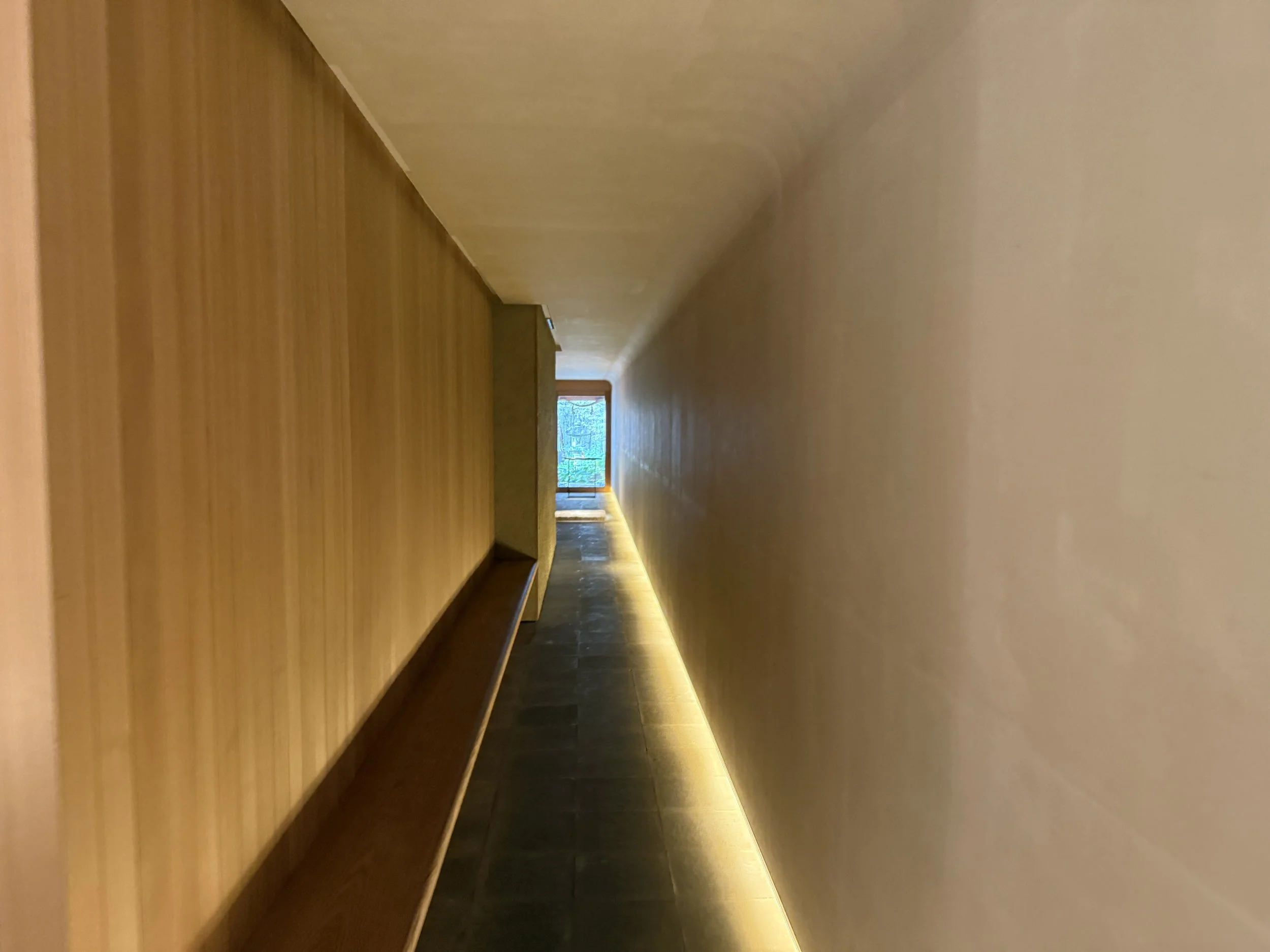
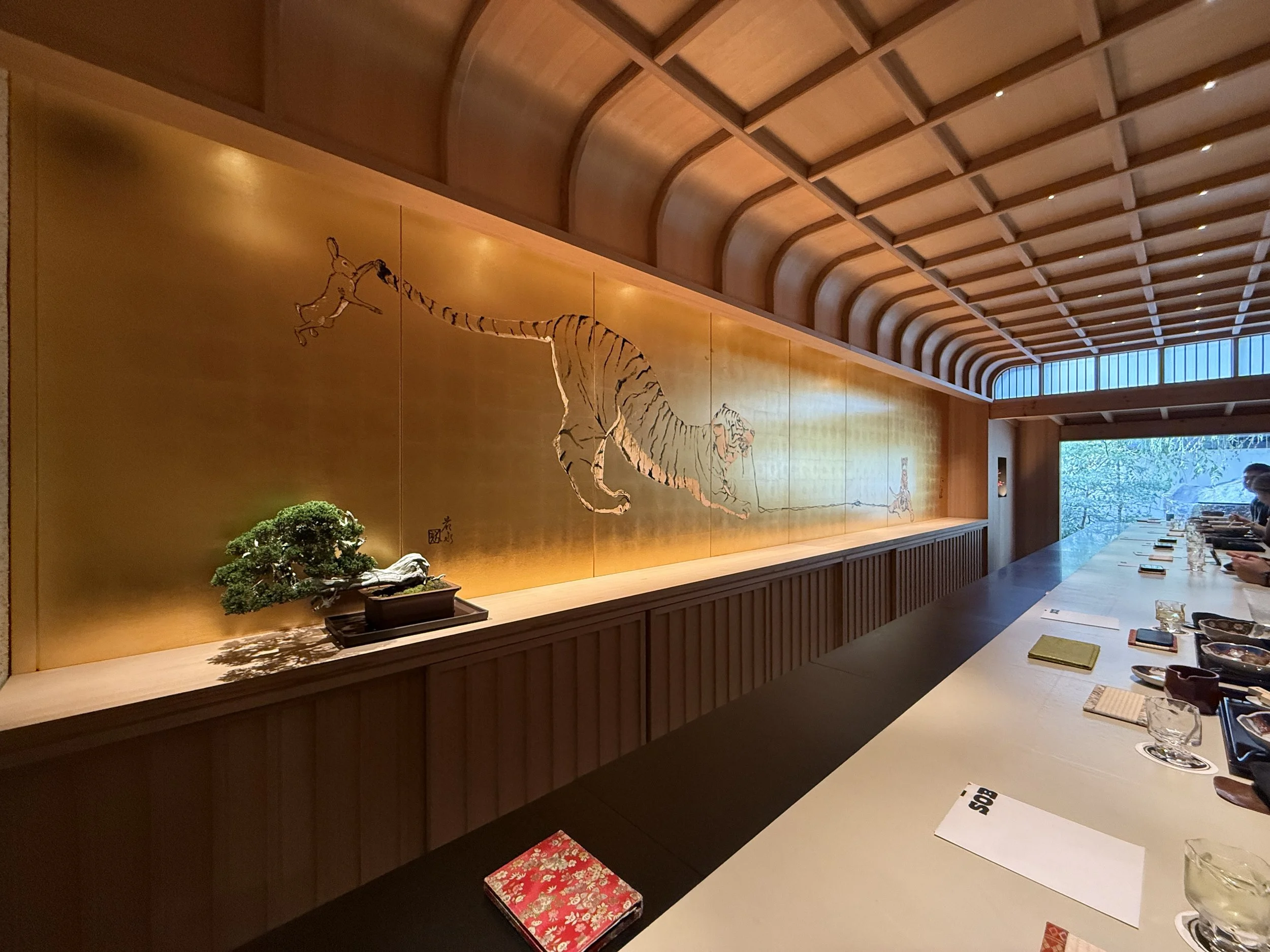
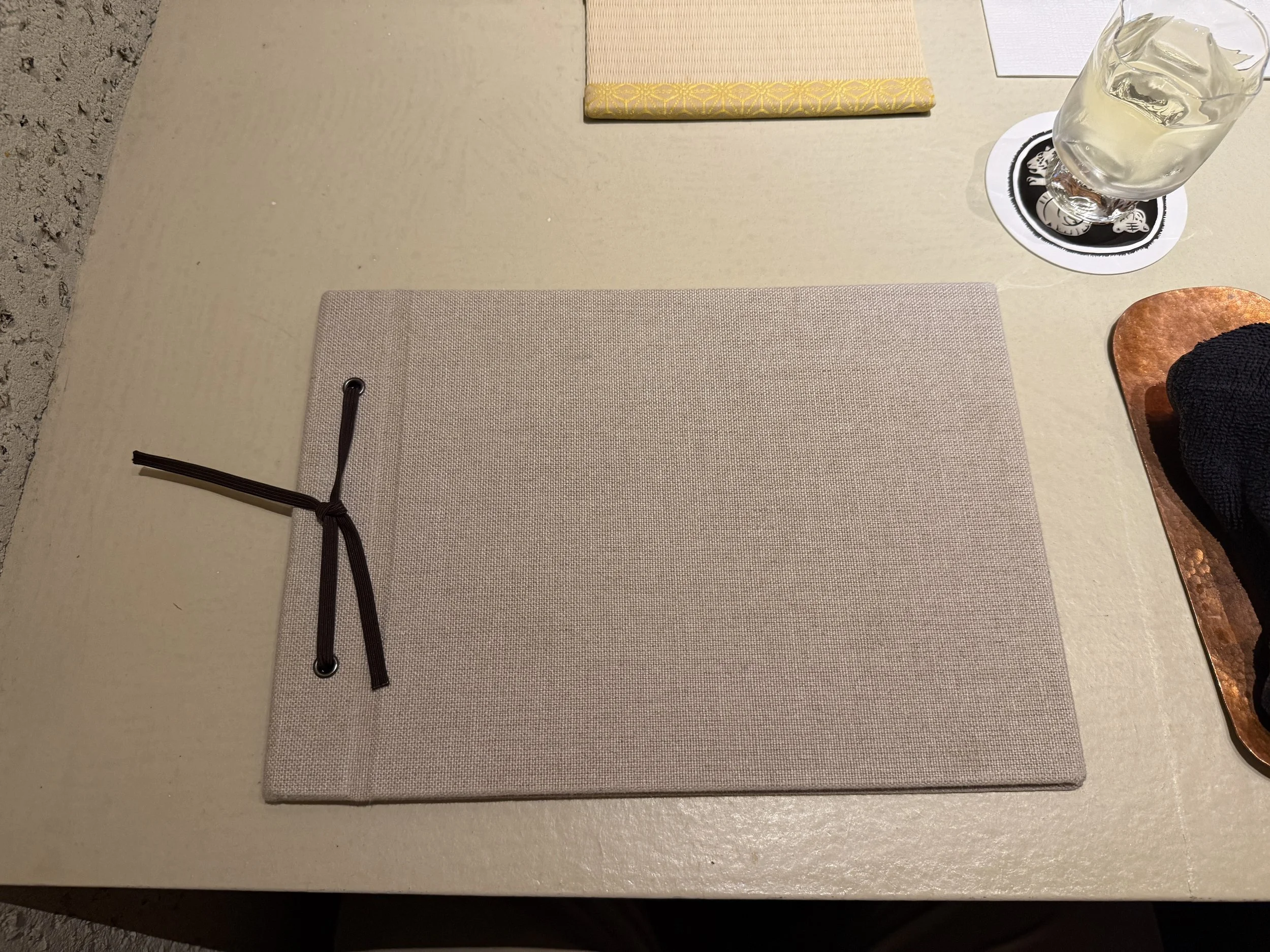
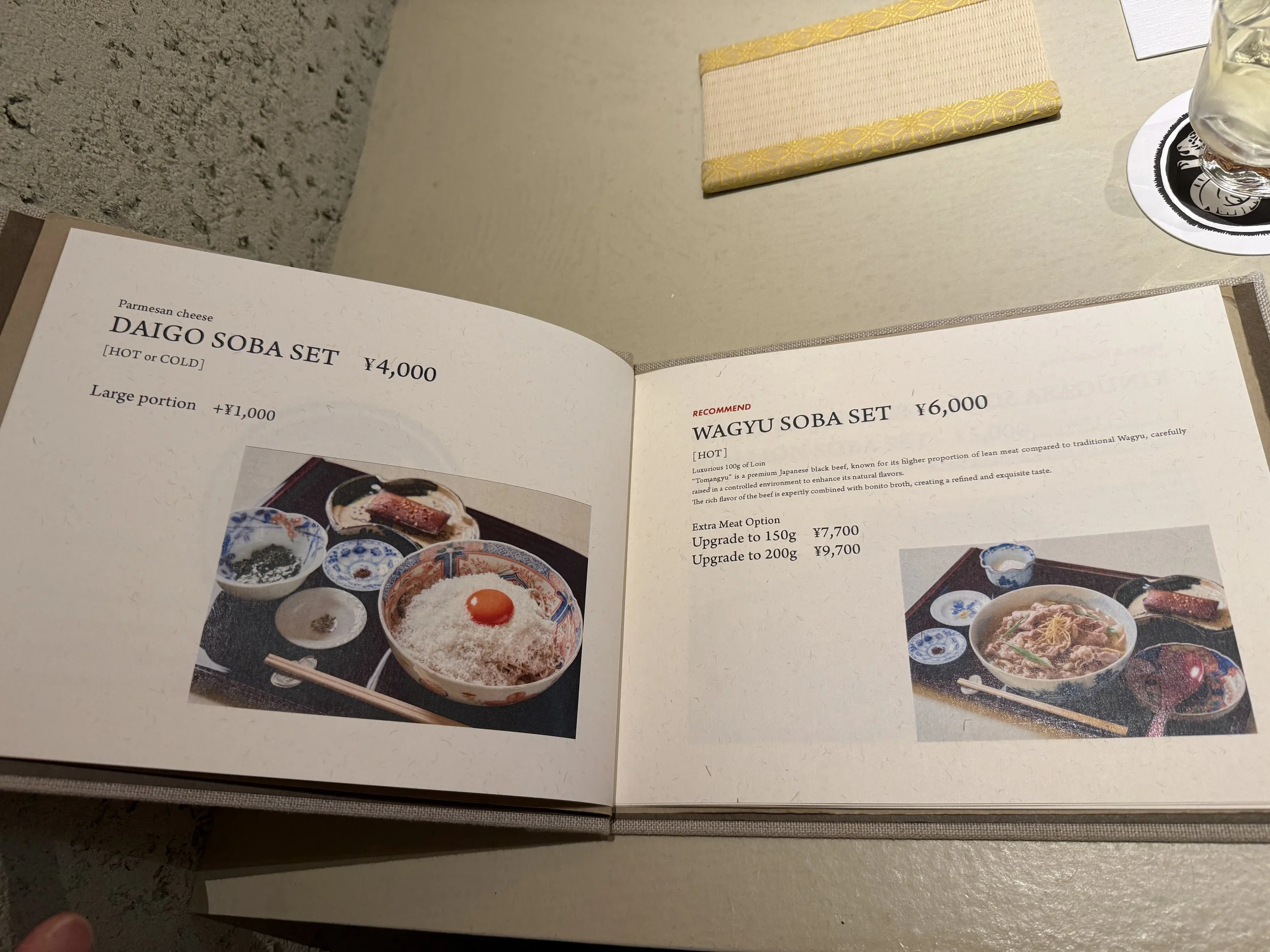
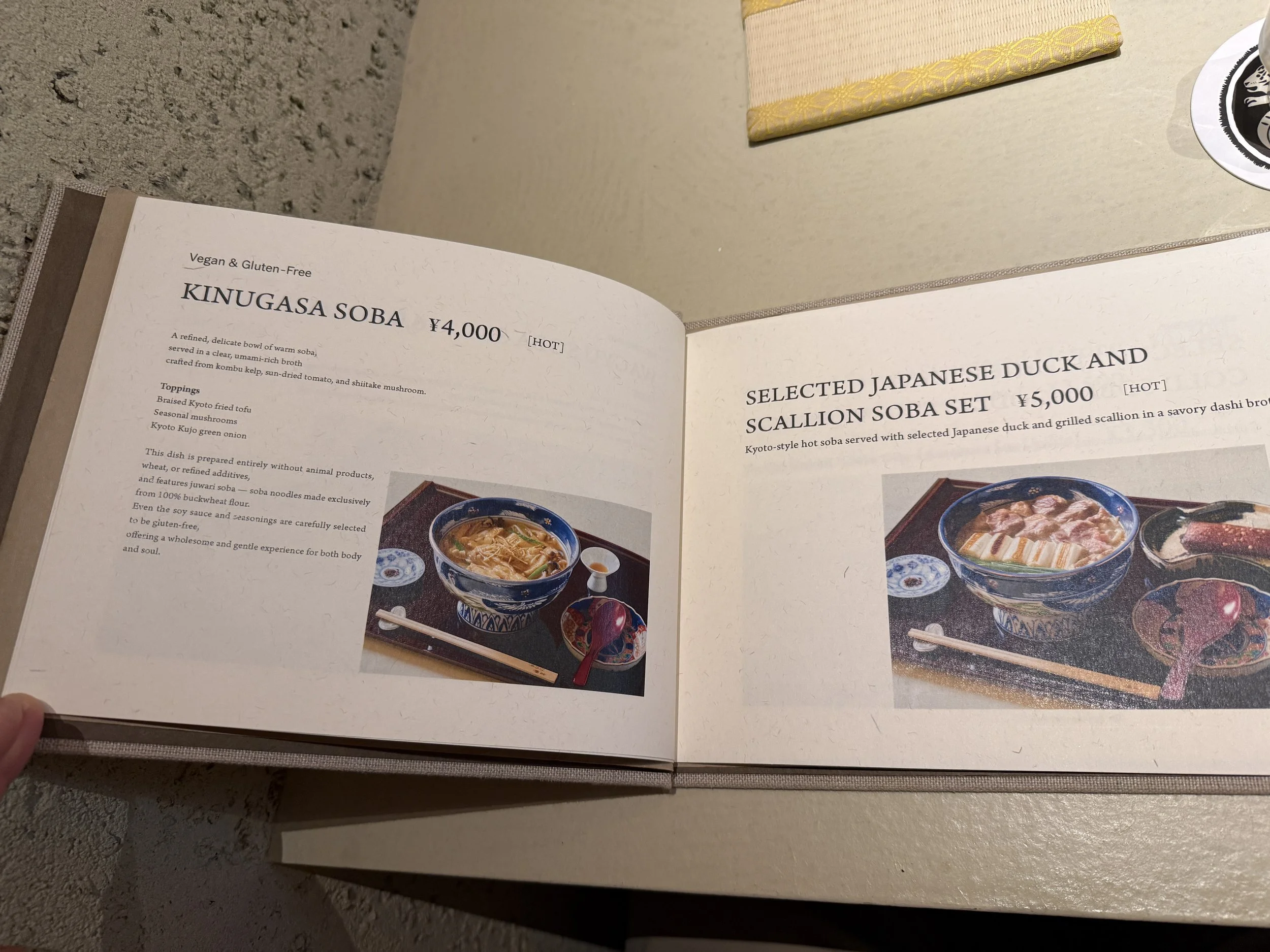
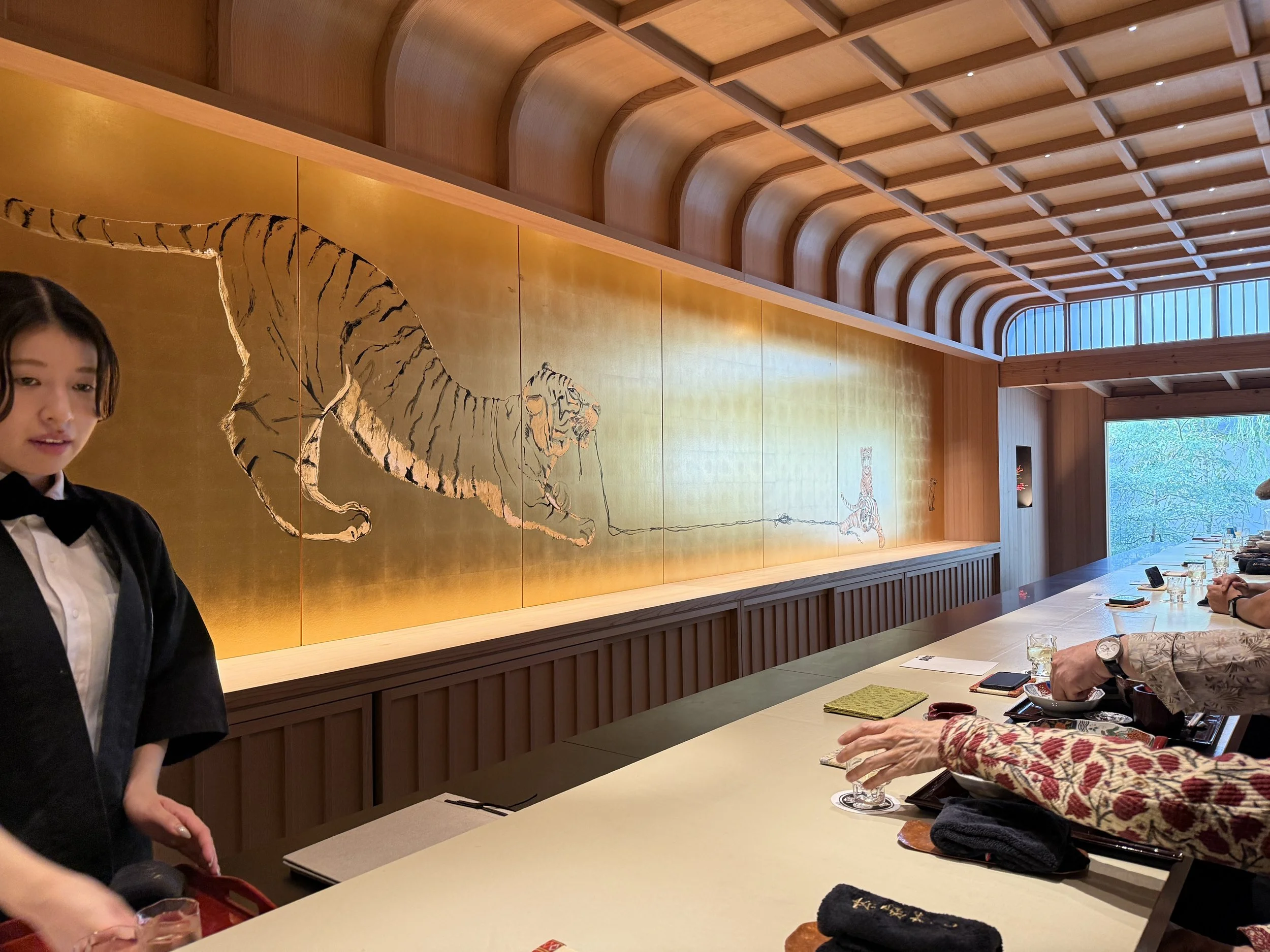
With only about 12 to fourteen seats, the restaurant gets filled fast.
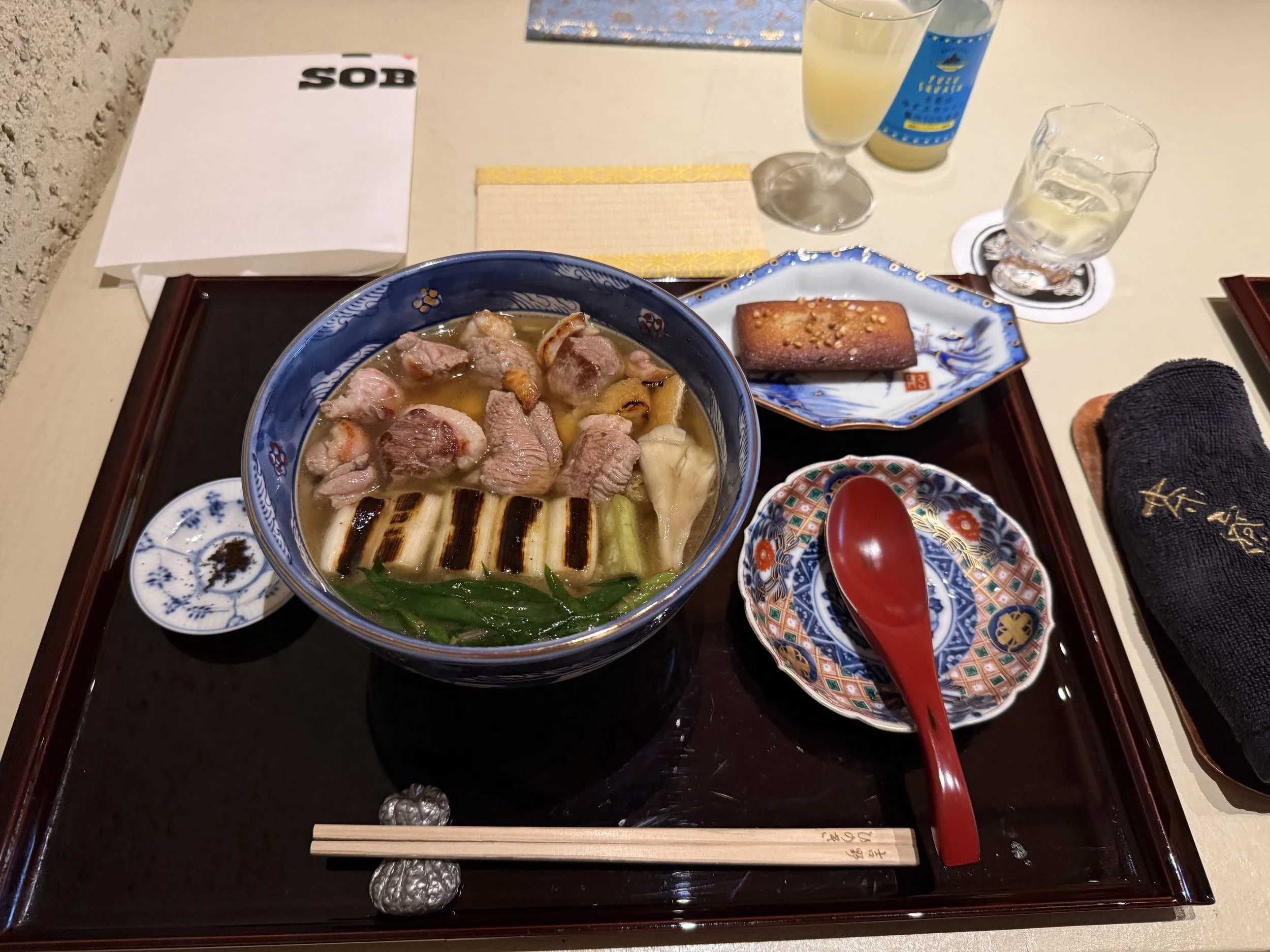
Below, I had my duck soba noodles with charred leeks and a piece of financier to help me get through lunch. The broth had deep umami flavors while the char on the leeks gave way to a smokey flavor sensation. It was really good.
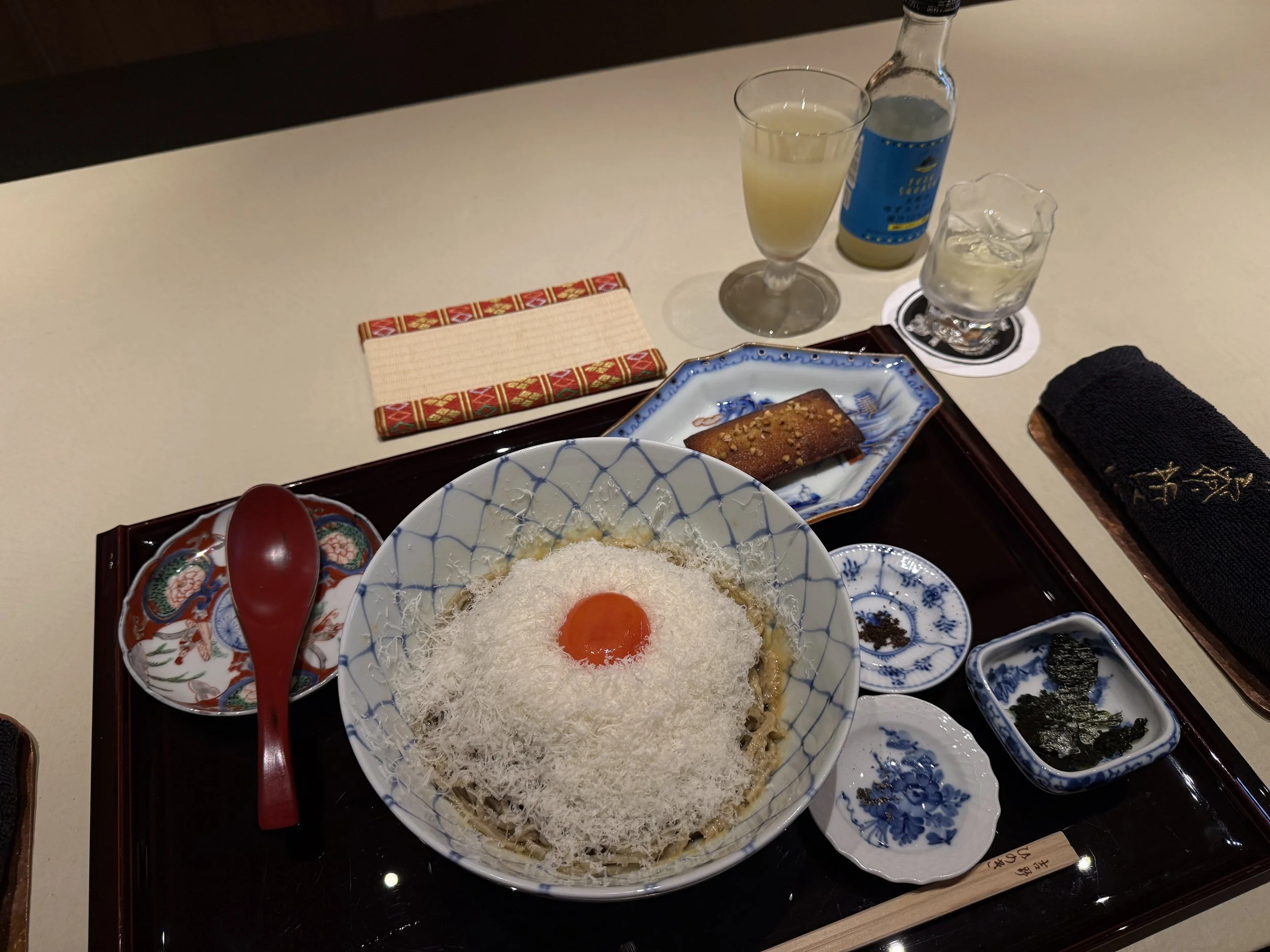
Meanwhile, the wifey had a carbonara style soba noodles.
Shinkansen (Bullet Train) to Kyoto
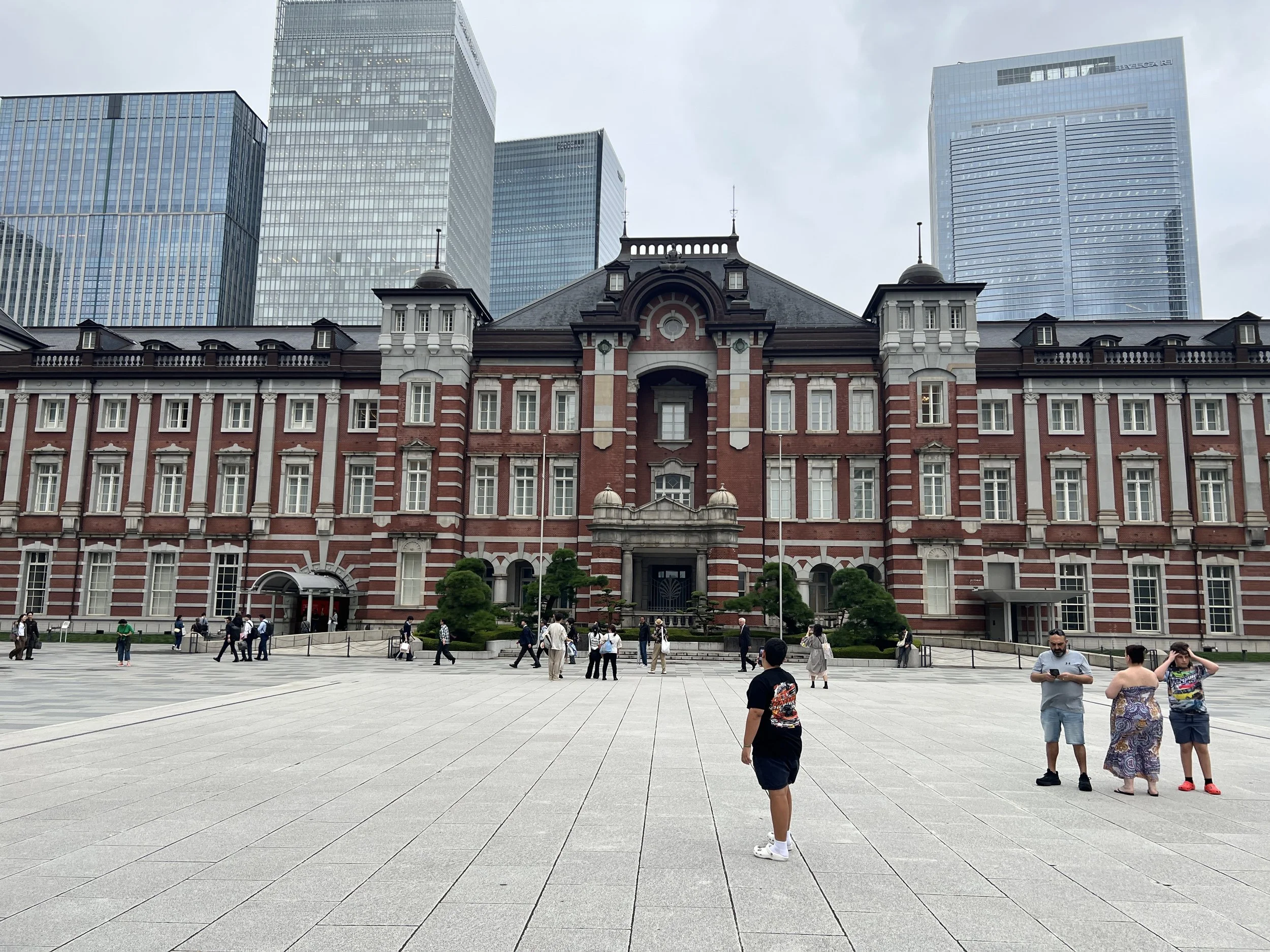
In order to hop on the Shinkansen, one must travel to the Tokyo Station. Give a thirty minute allowance for yourself to navigate through it. The train departs as scheduled, nobody will wait for you even if you’re ten seconds late. I suggest booking the Green Car or the Business Class for convenience and luggage space. If you are carrying more than two luggages per person, then you might opt to reserve the seats that are next to the doors—there’s a space for oversized luggages that will help you tremendously. Trust me, it was worth it.
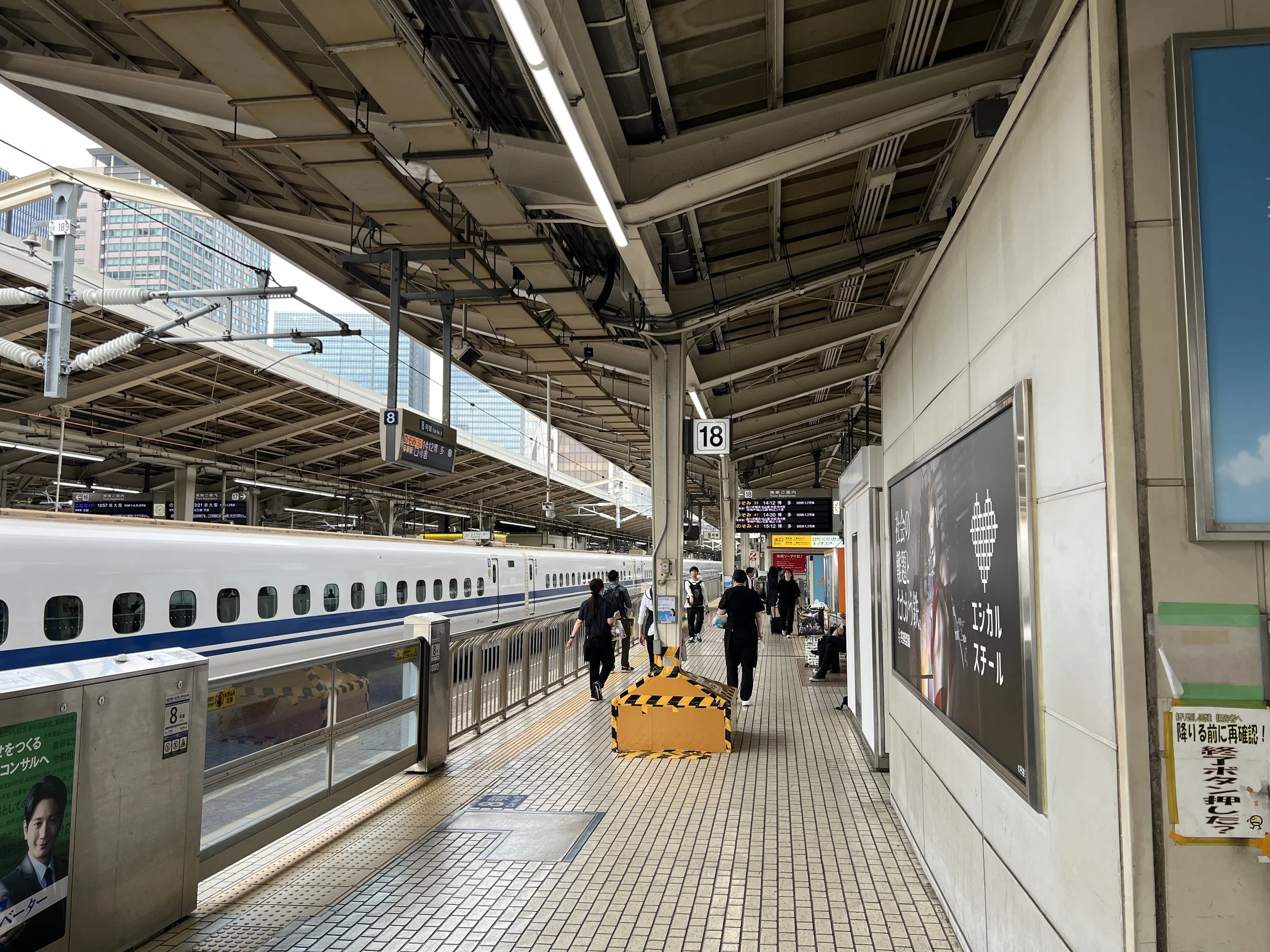
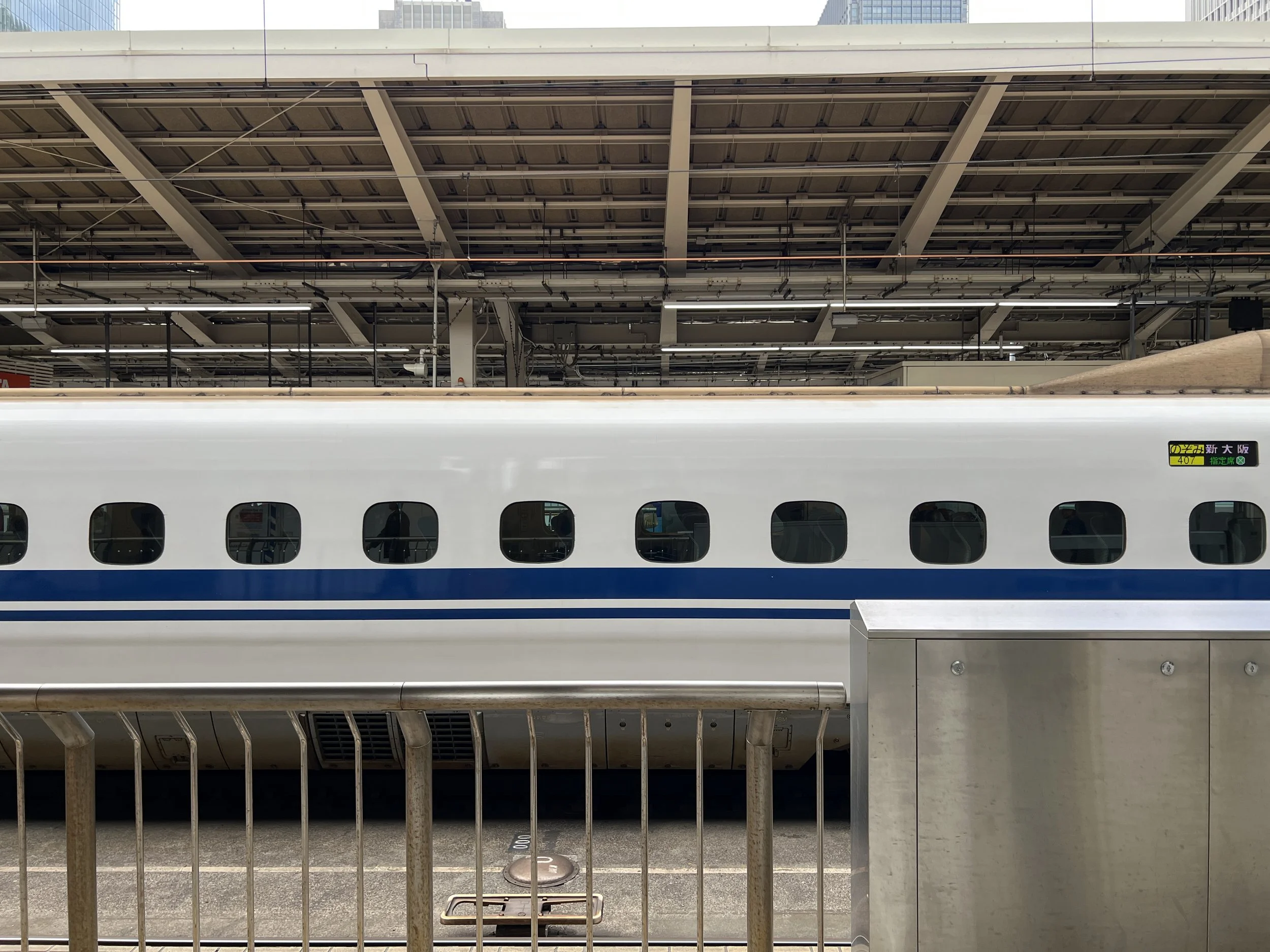
Here are some shots of Japan while in transit to Kyoto. If you sit on the right side of the bullet train, you might have a chance to see Mount Fuji on a good day. The entire trip lasted about one hour and forty-five minutes. These trains go really fast. There’s not a lot of stops going to Kyoto, making the commute as convenient as it can be.
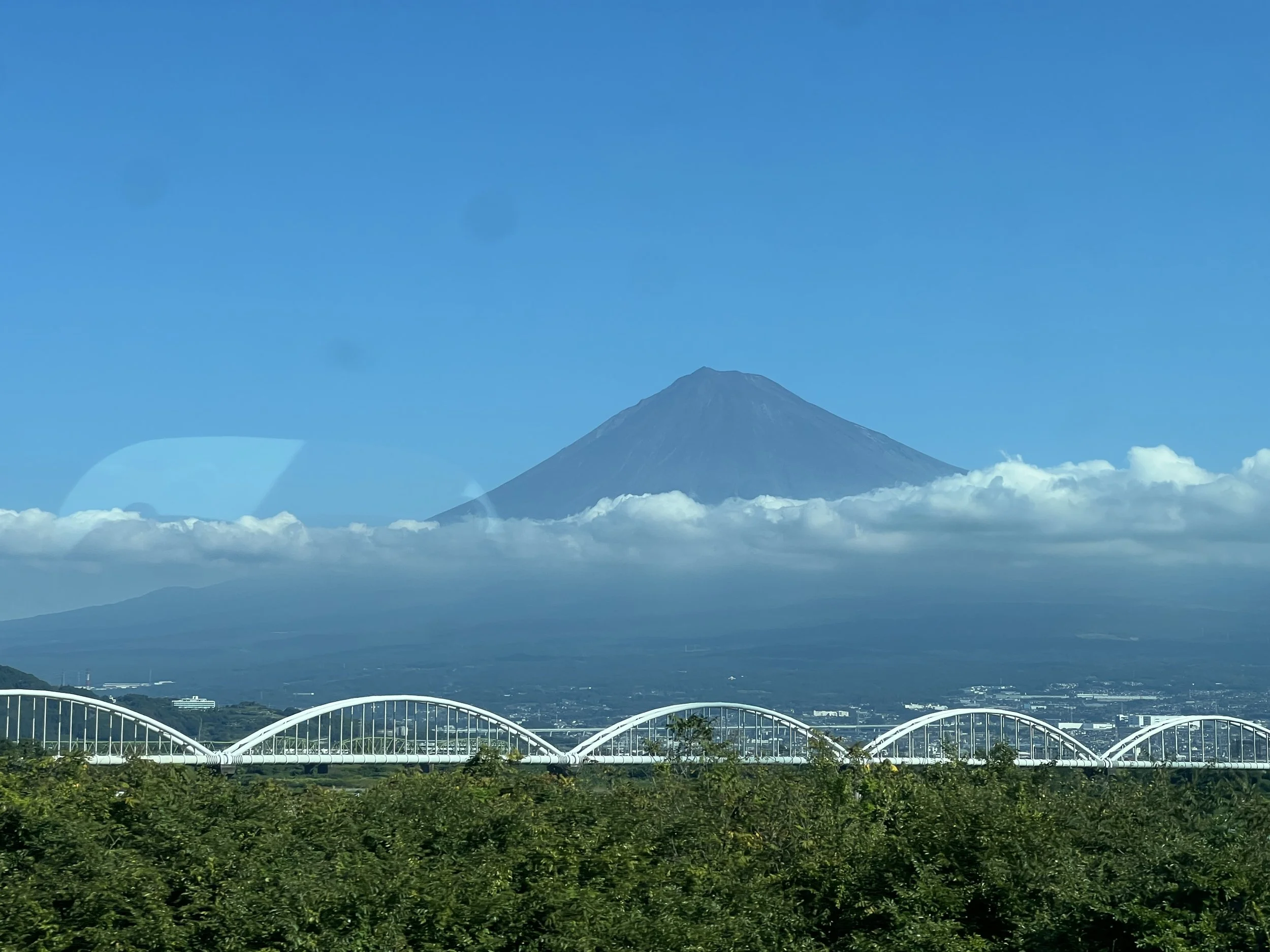
Mt. Fuji
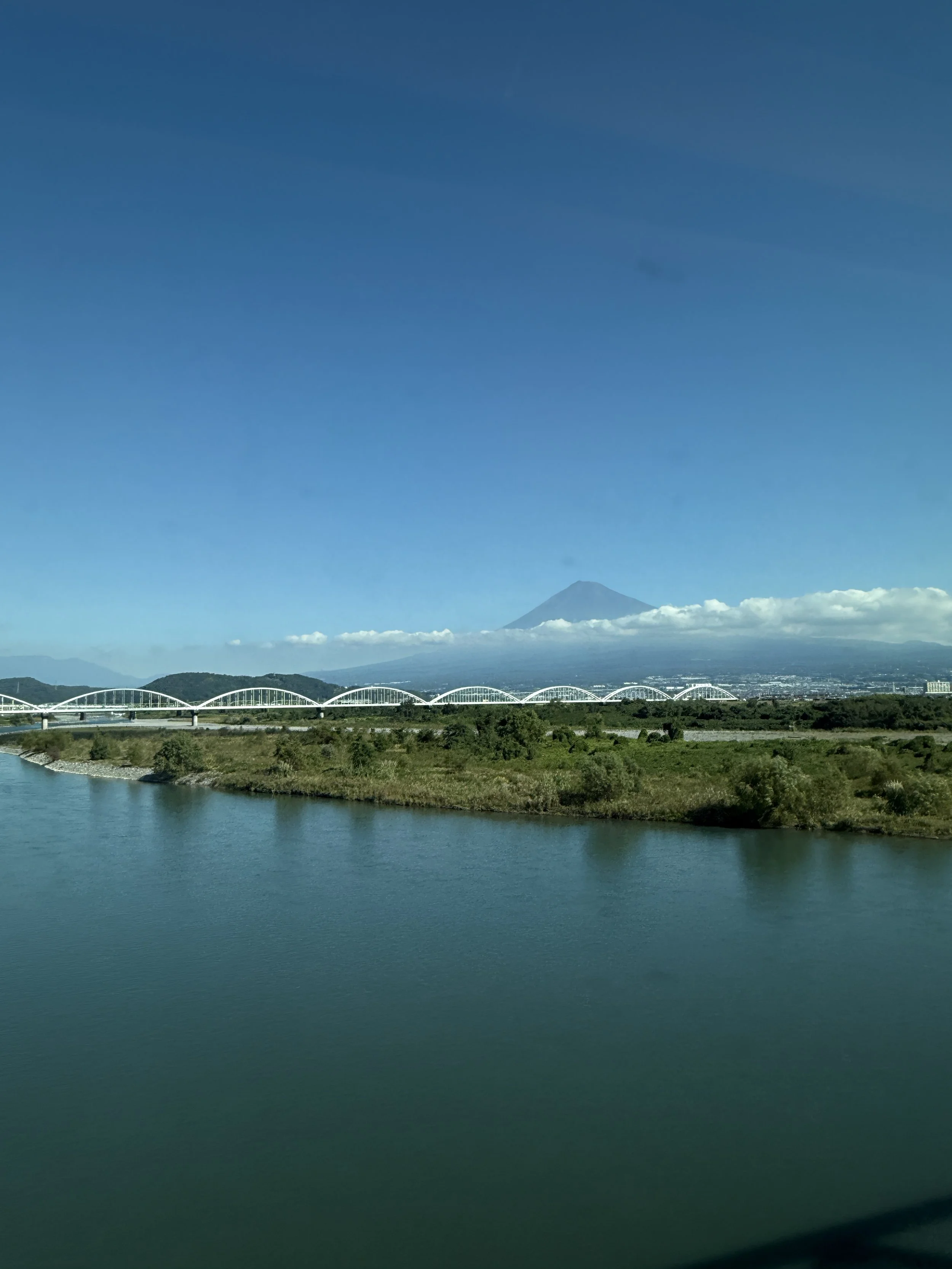
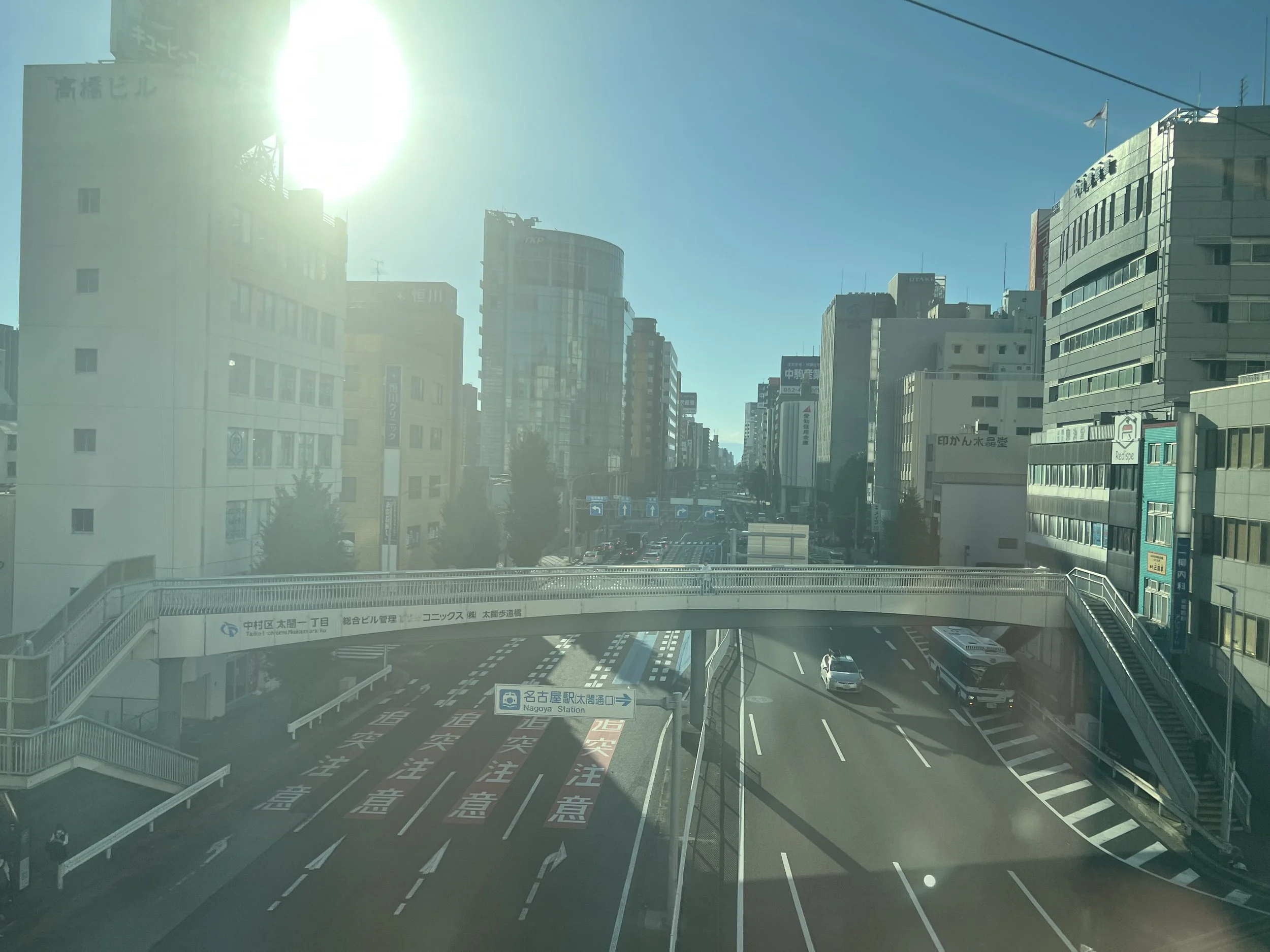
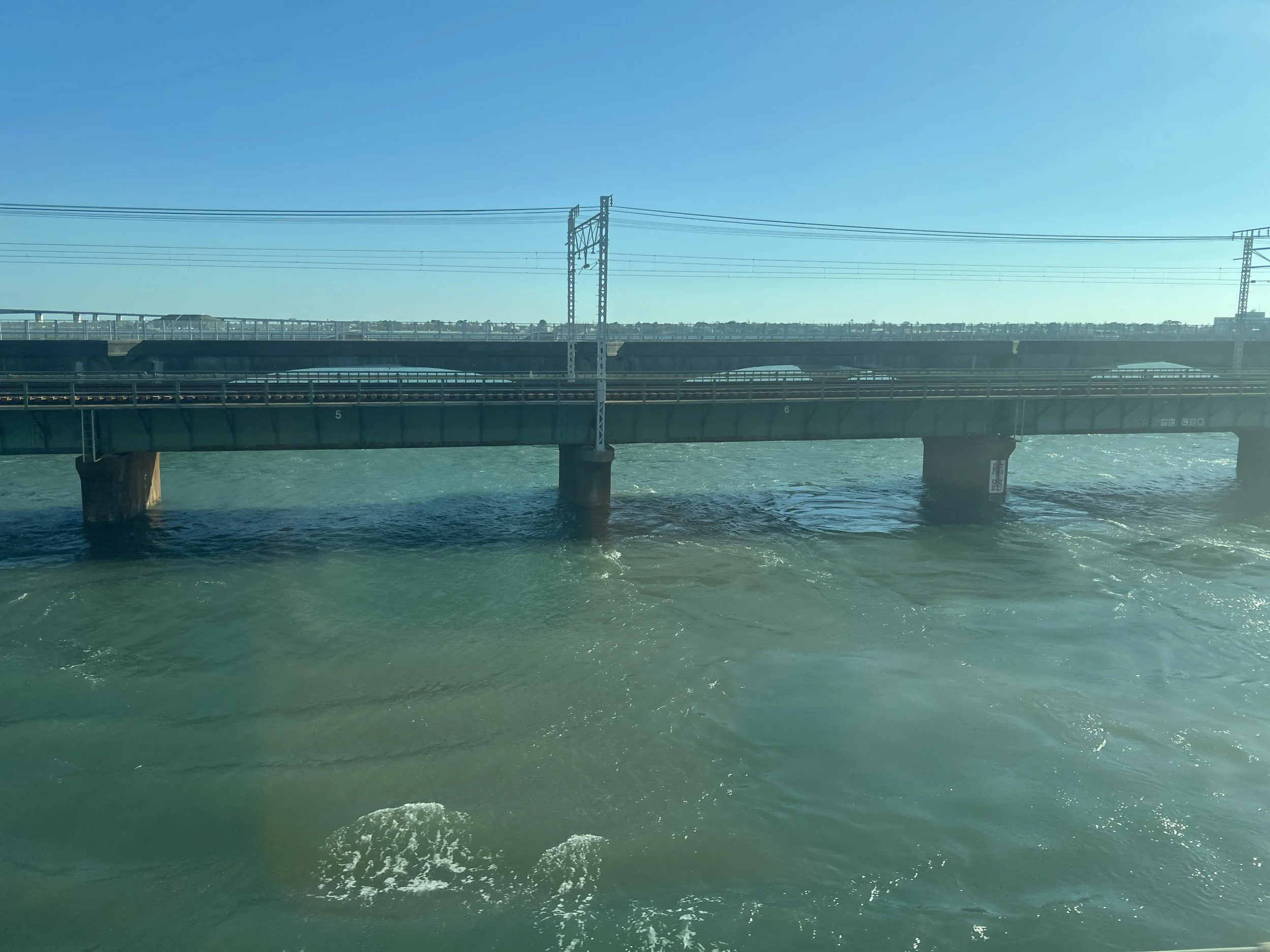
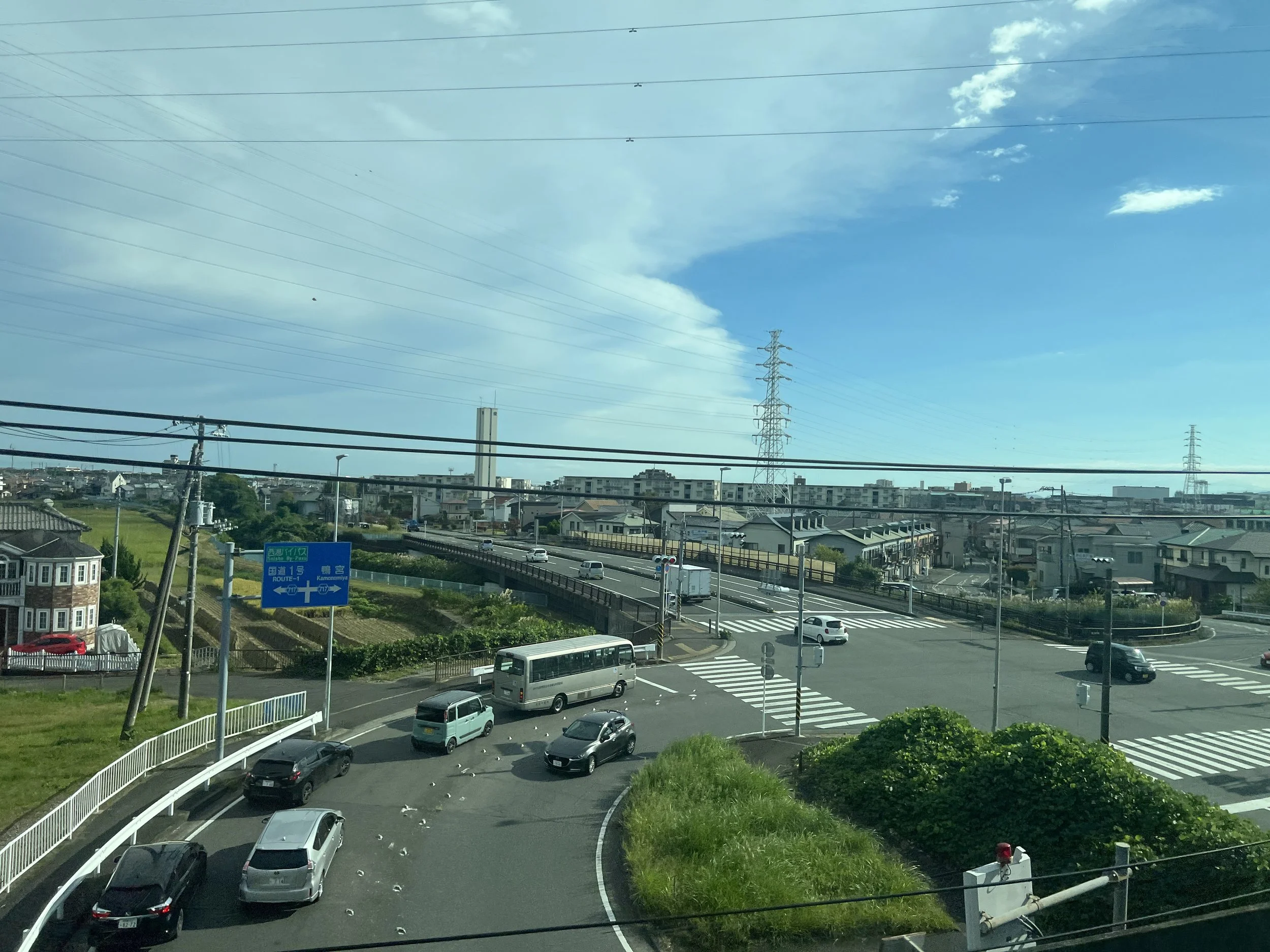
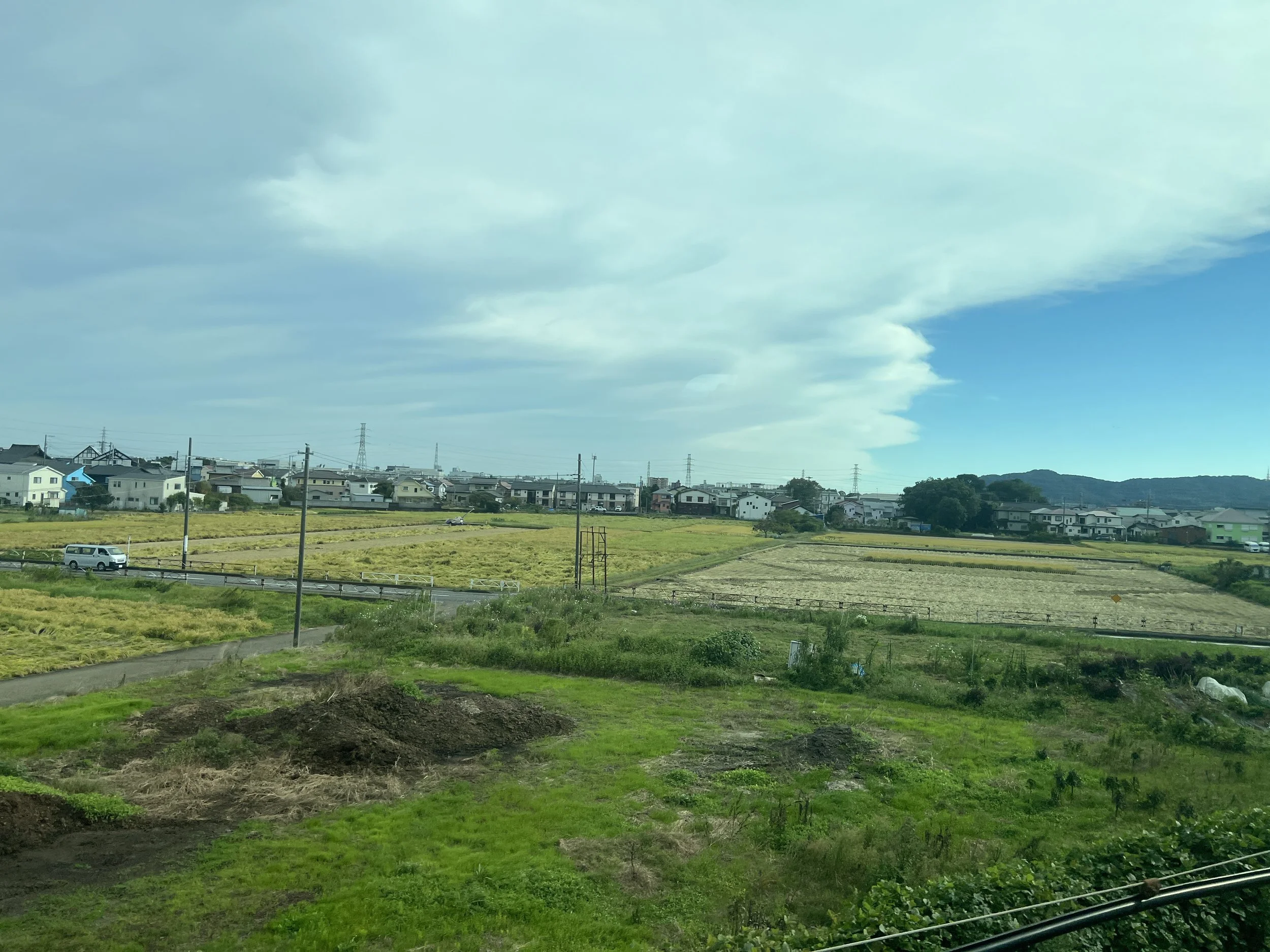
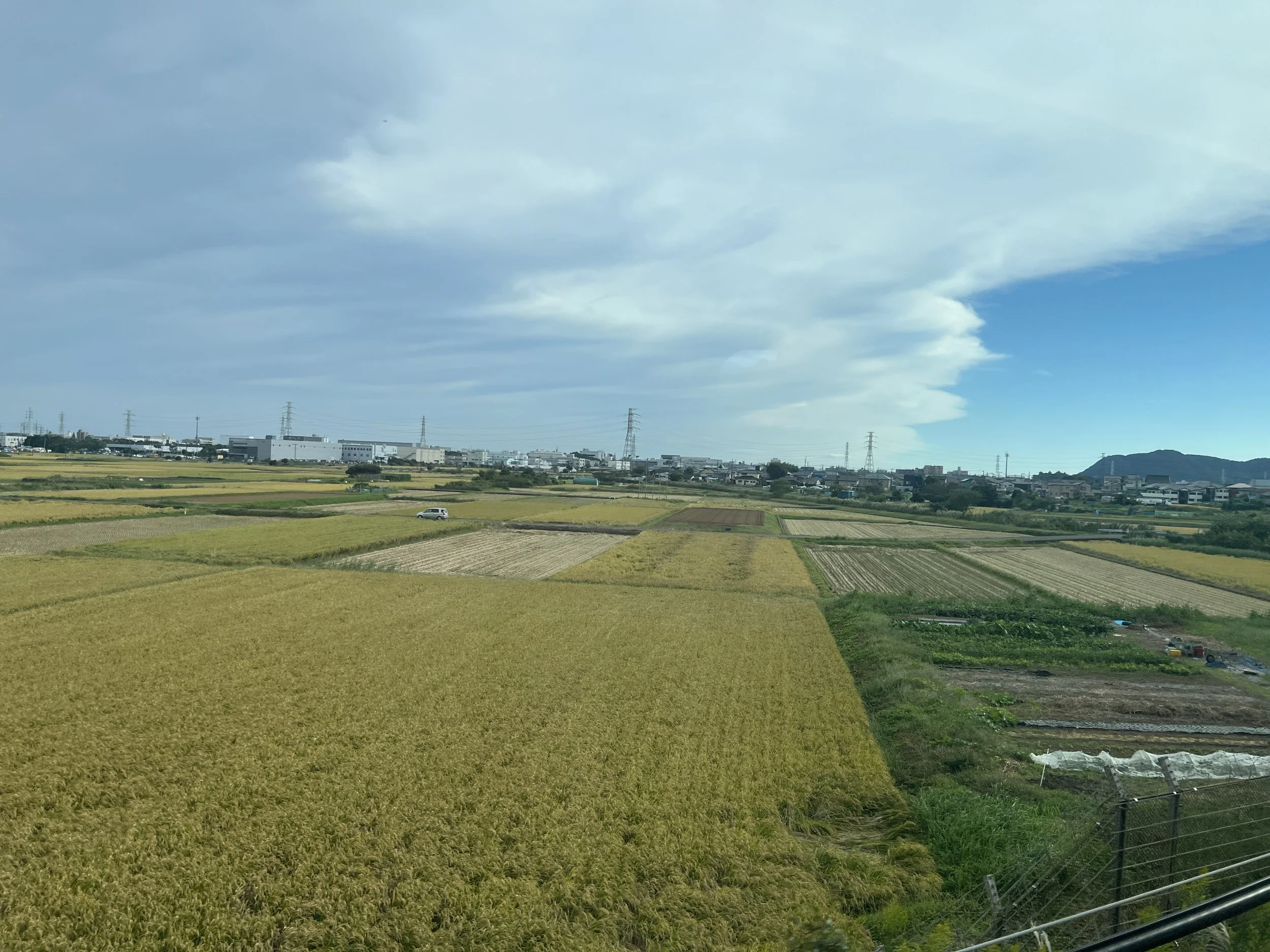
This is where Tokyo ends and Kyoto Starts.
ΩΩΩΩΩ
Kyoto
Kyoto made me fall in love with Japan. Reminiscent of Florence—the history, the facade and overall vibe, this UNESCO World Heritage Site puts me in a state of Yūgen or a deep, mysterious awareness of the beauty of the universe that triggers an emotional sigh. Japan is a country of paradox and balance. Admittingly, Tokyo felt a bit dry and cold. My emotions were as still as the metal plates and glass panels that wrapped every towering building—impressive, but it didn’t have character. While Tokyo is at the center of cutting edge modernism and advancement, Kyoto, got lost in time—and that comparison moved me.
If we were to think of a tree, Tokyo resembles the stems, branches and leaves that grow upward, flourishing the more they are exposed to the world. Throwing in a bit of Confucianism in the context, men are easily impressed by what they see, but what makes a tree even more remarkable is the intricate root system buried deep in the ground that holds history for centuries, older than the whispers of tales and time—this is Kyoto in a nutshell. Kyoto is the foundation of Japan, the heart of culture and arts for the Sun people and the former seat of the emperor. In fact, it used to be the capital from 794 to 1868.
Both a prefecture and city that is admired by the entire world, you will not run out of activities to be involved in. Kyoto needs at least five days of your time to fully make the most of it. There’s just so much to see and witness that it’s hard to stop. You will take millions and millions of photos and videos, as every street or corner looks like a candidate for a postcard.
Minn Gion Apartment-Style Hotel
Circling back to the topic of exceptions for hotels, our hotel room at Minn Gion, despite being a 2-3 star apartment hotel, was spacious enough for all our needs. They have a digital check-in and check-out procedure where you can talk to an outsourced agent—live, on webcam, that helped tremendously. The beds were comfy, or maybe we’re just really exhausted? Regardless of our situation, the room felt very homey and family-friendly. There’s a Family Mart Store just outside the hotel, within the same building that compensates for the lack of a breakfast program, although we had other plans for breakfast and it was guuuuuuuhhhddd. Stay tuned!
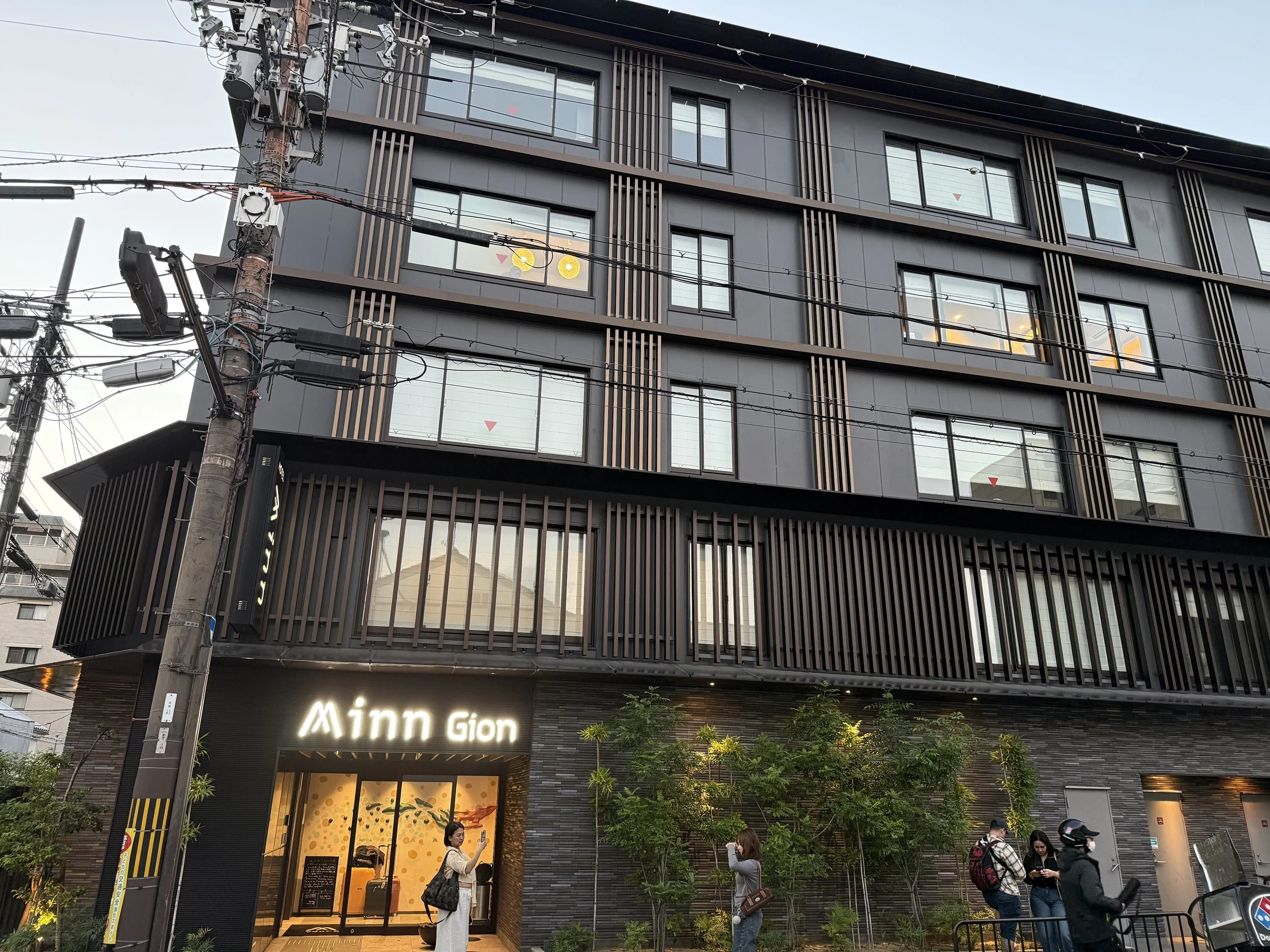
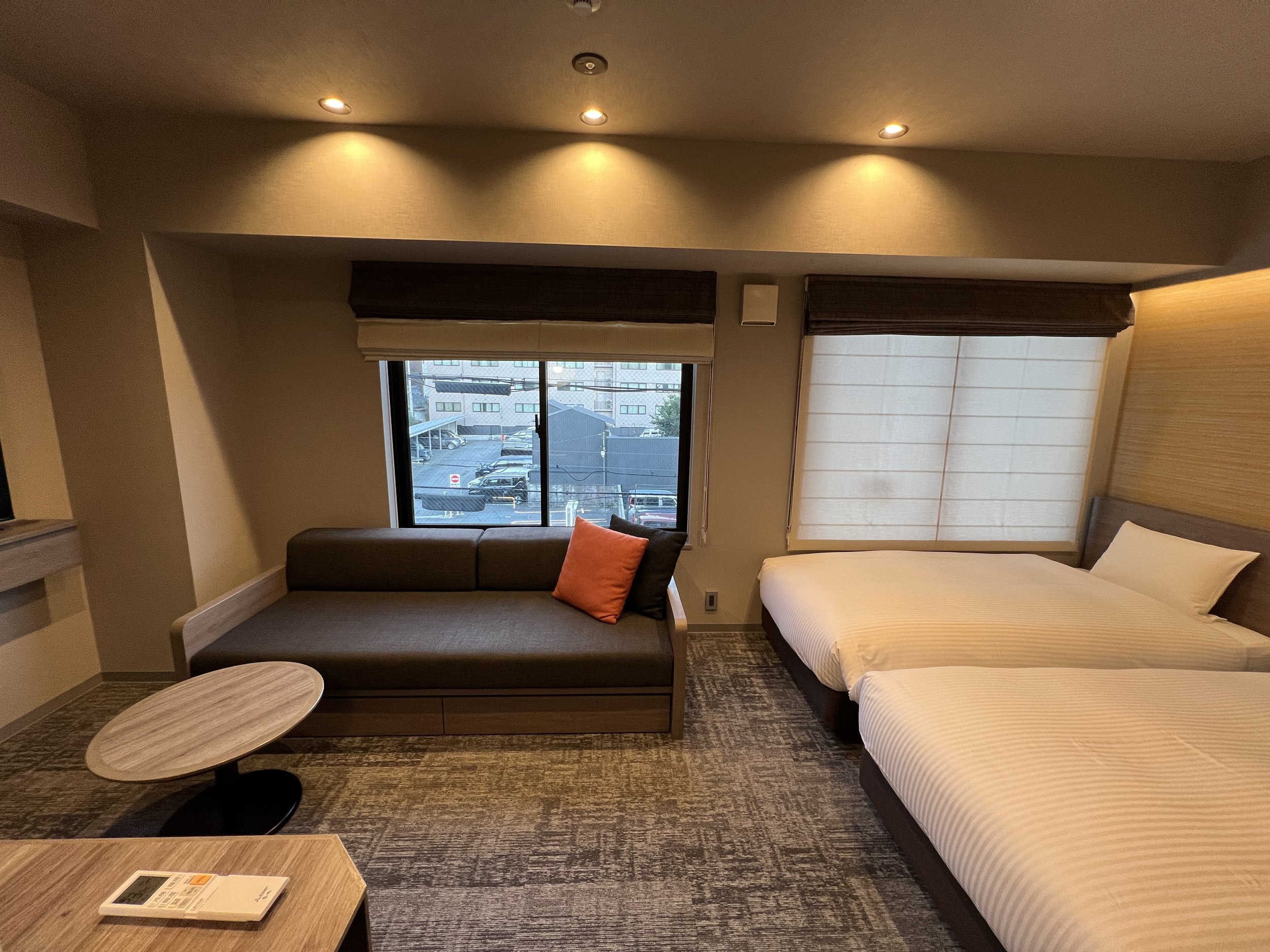
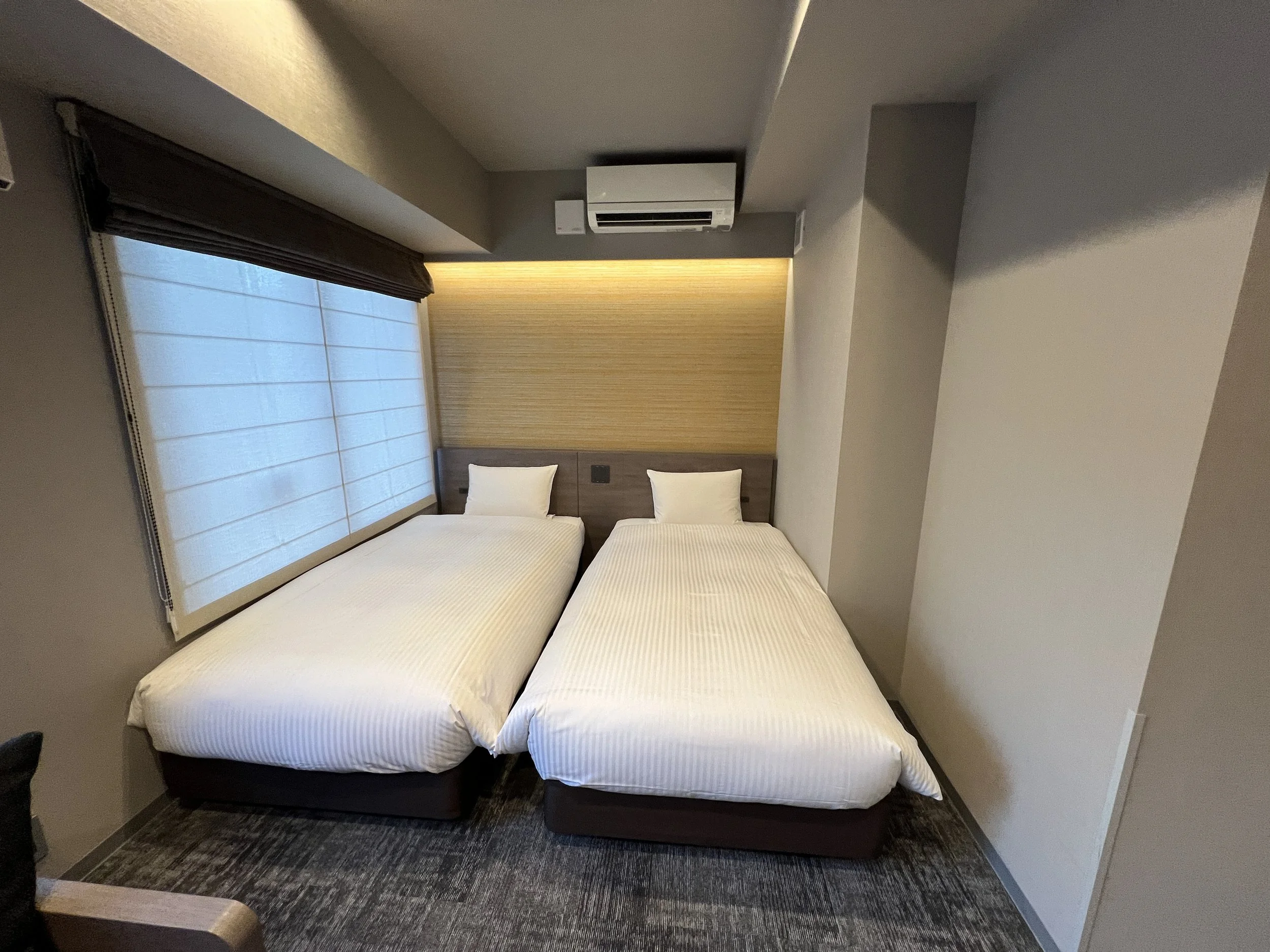
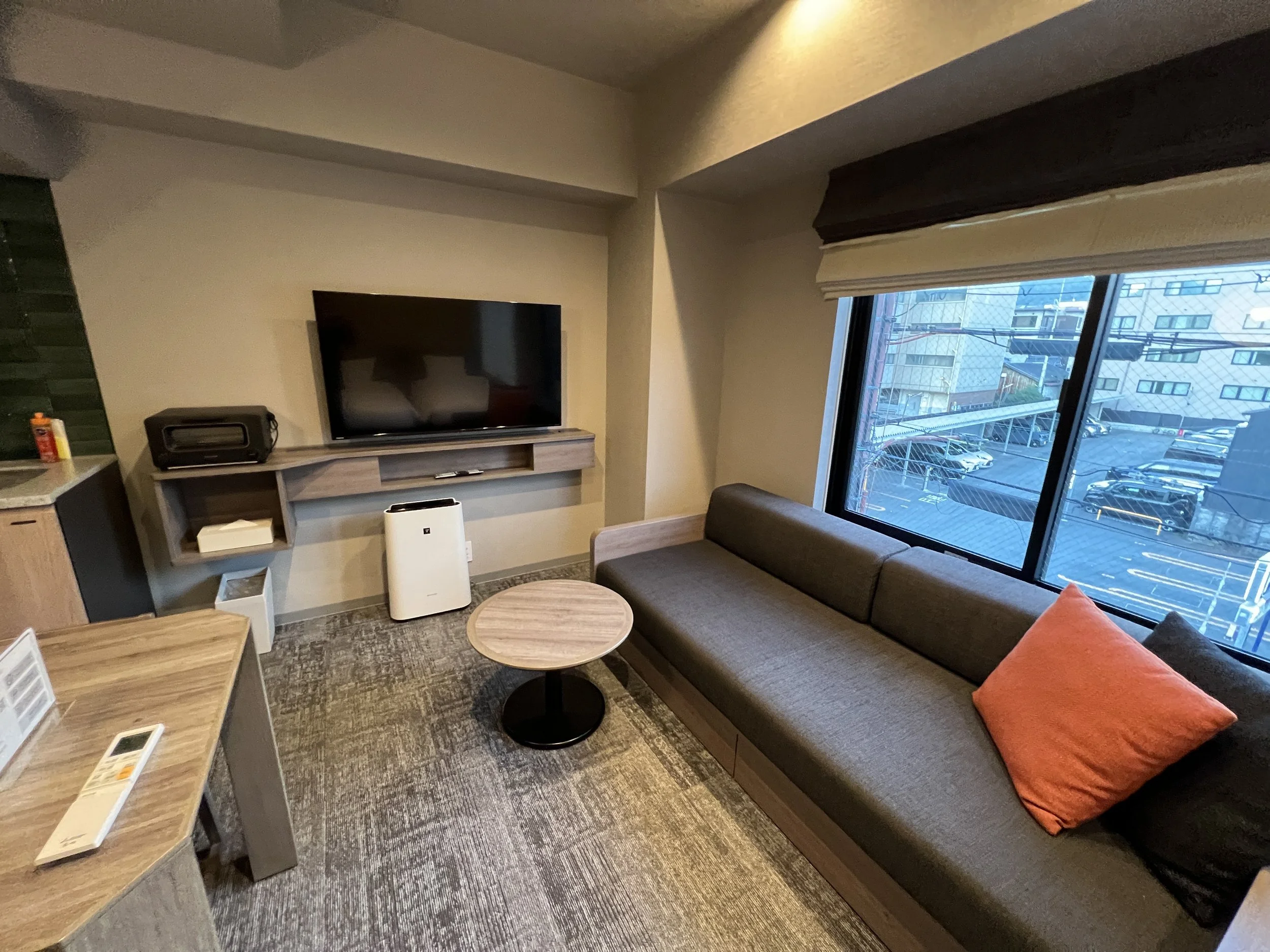
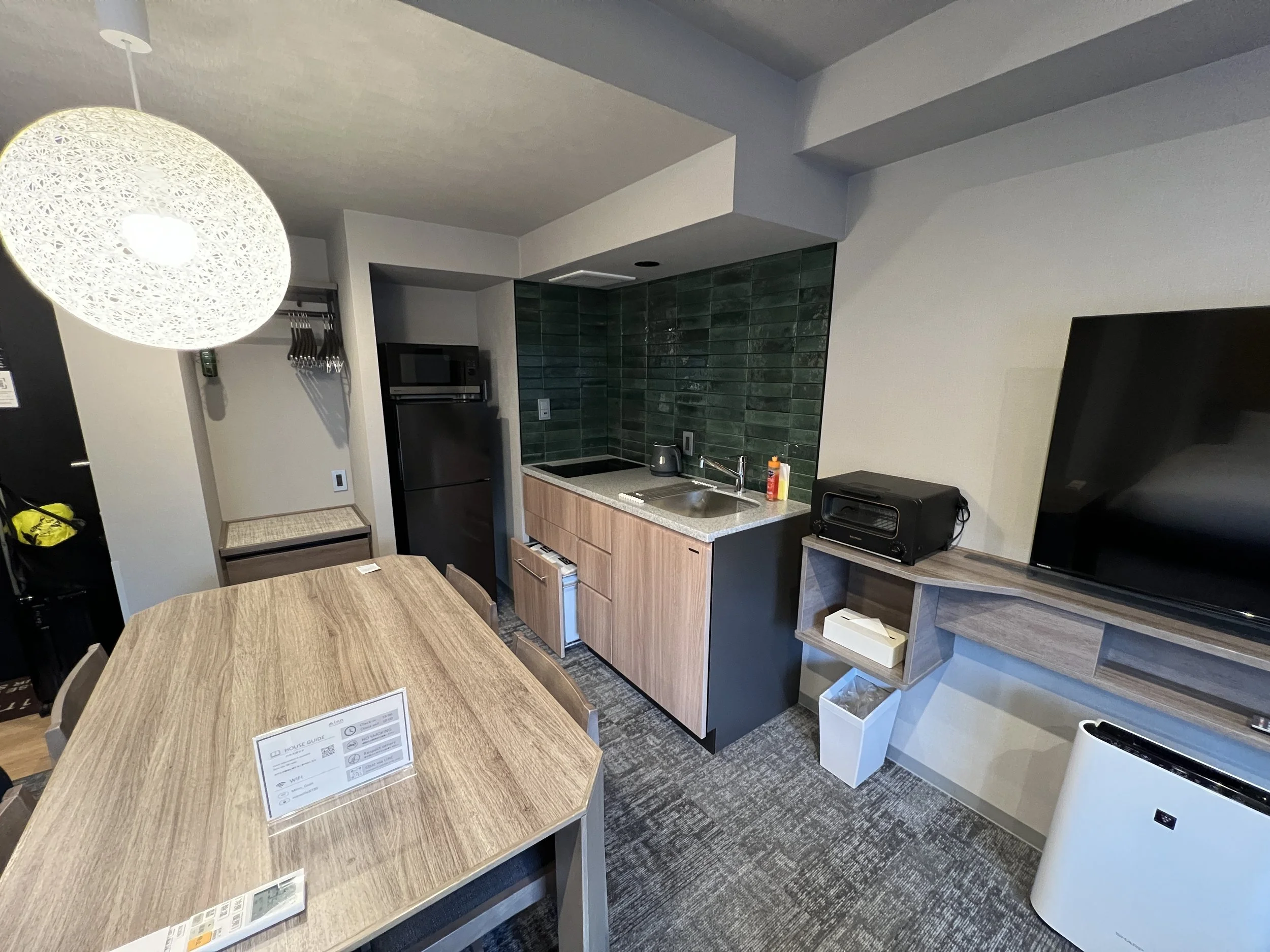
Facade & Surroundings
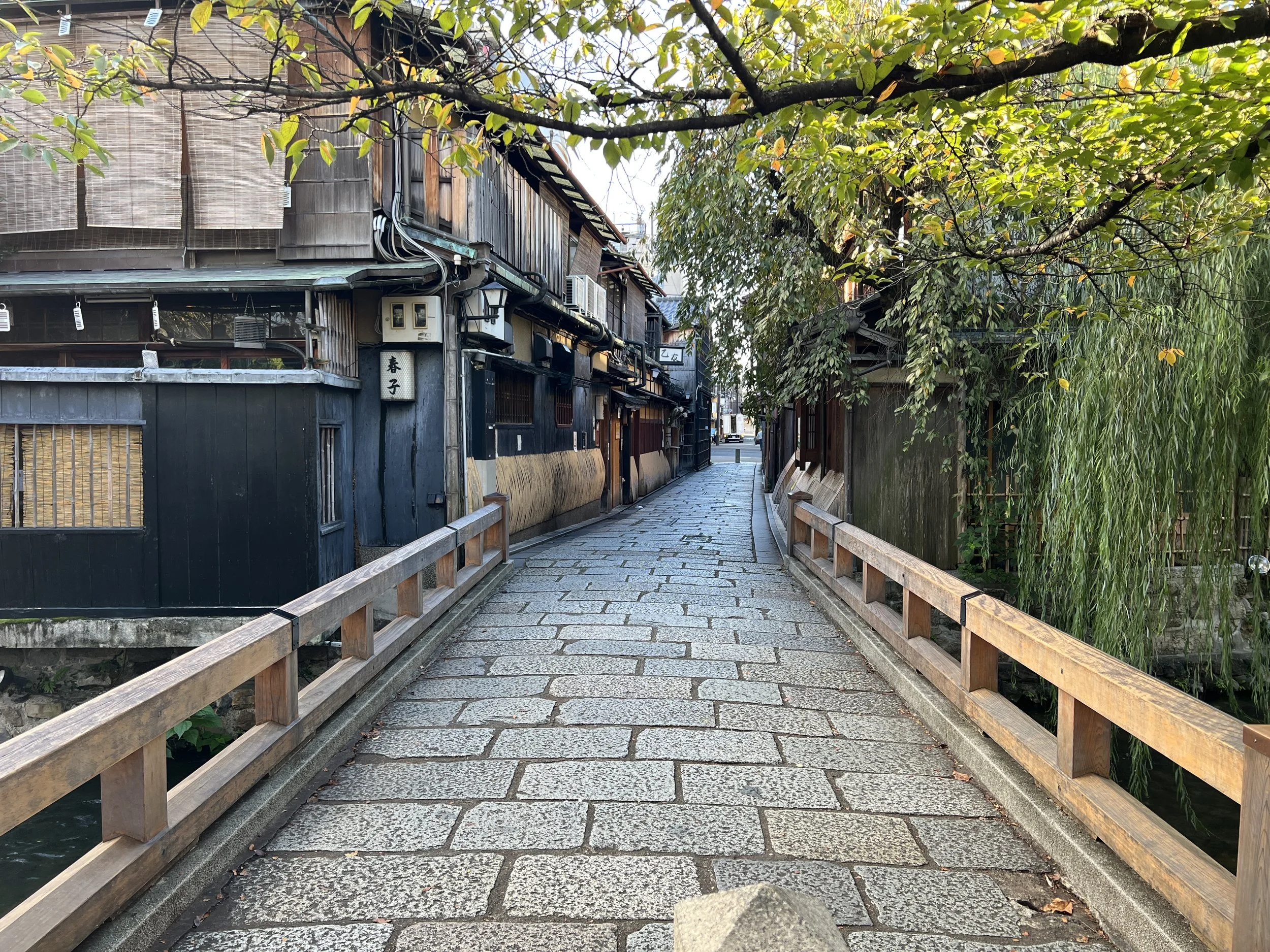
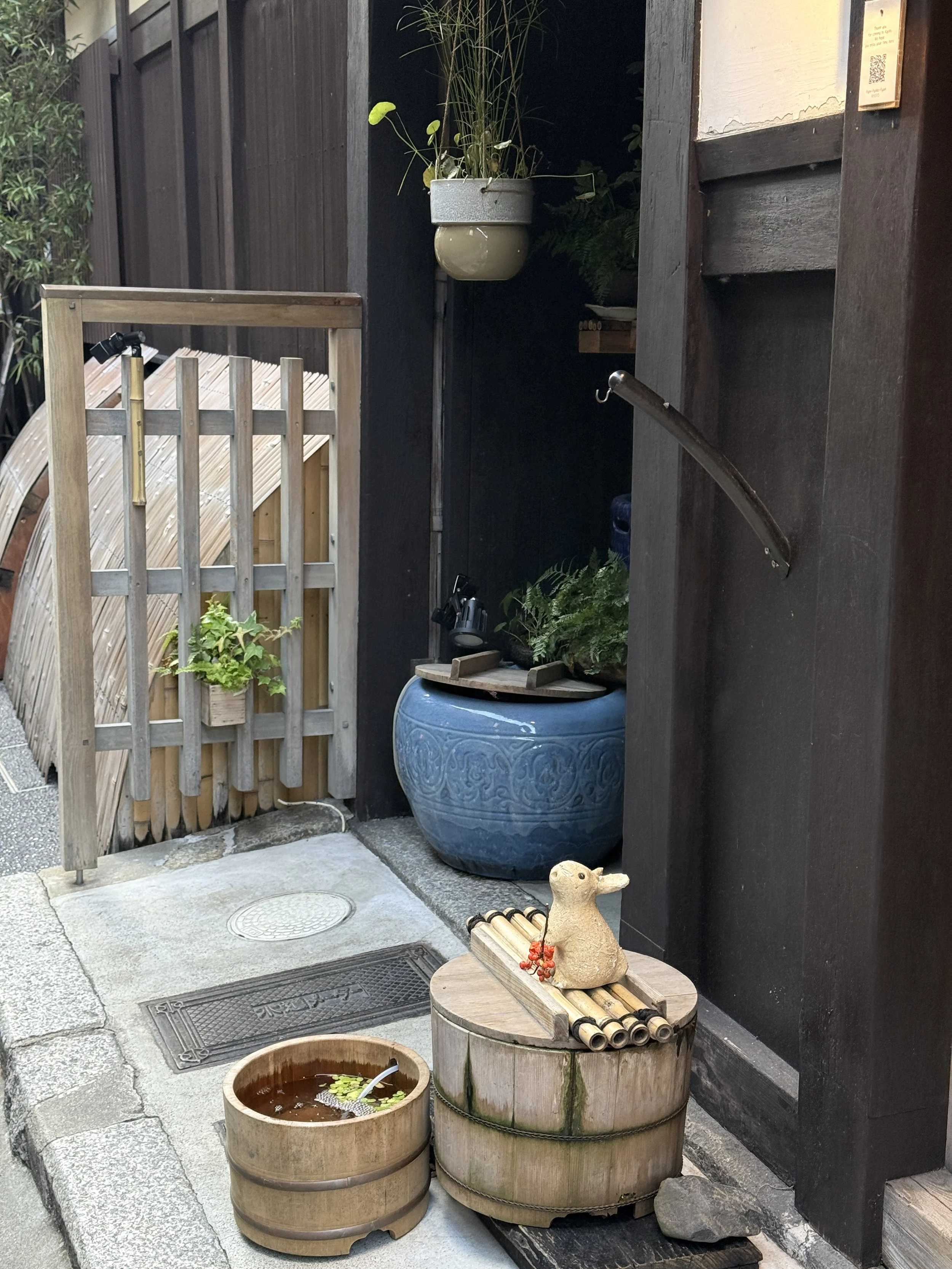
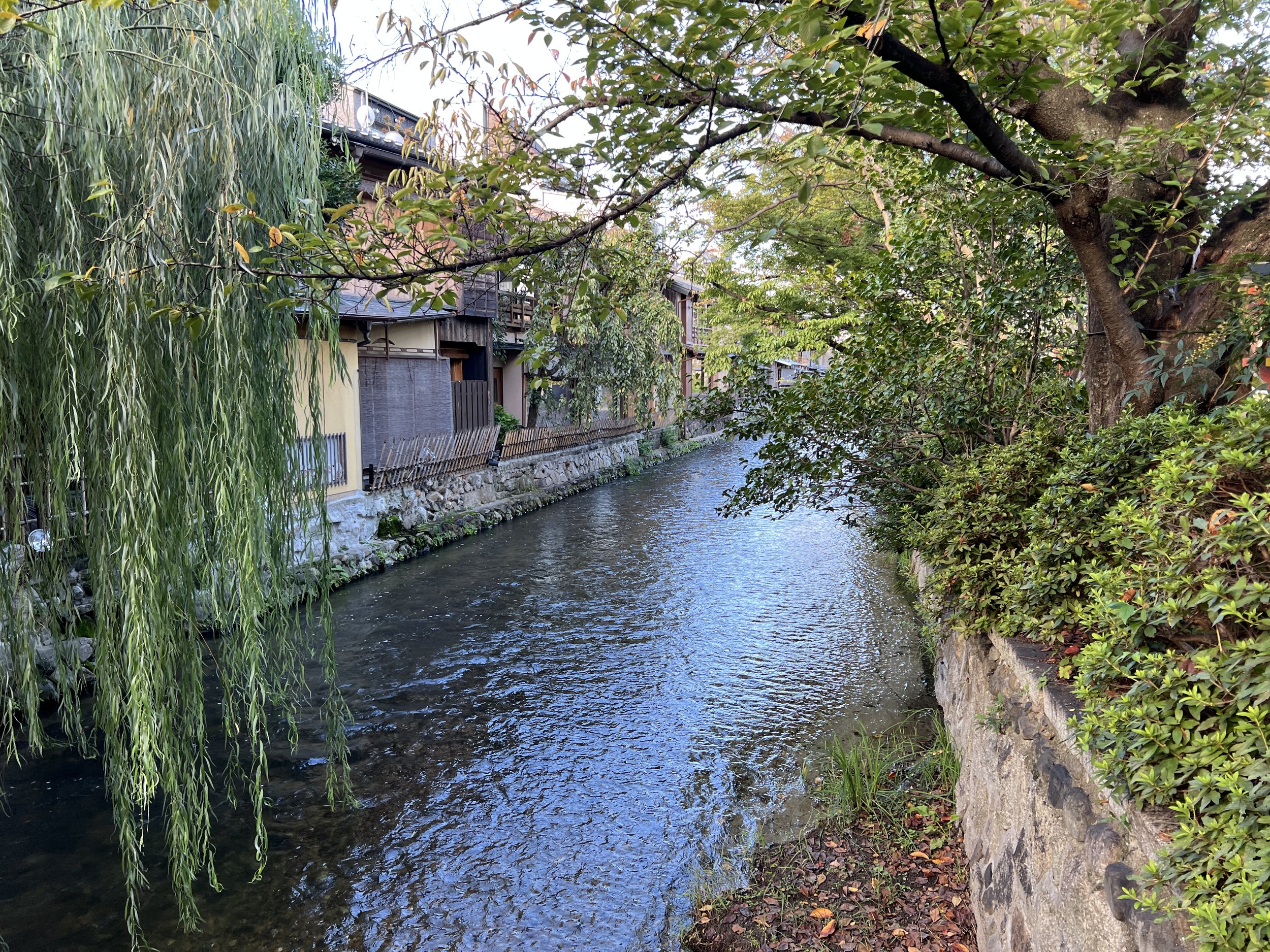
When walking the streets and alleys of Kyoto, you are instantaneously taken back in time. The gentle breeze that hits your face, the glare of the morning sun, the calm flow of the river water all tell of stories that aren’t always the most optimistic or inspiring. Something about Kyoto tells me that life wasn’t just about happy endings and triumphant tales, it was also about strife, judgement and sacrifice.…which reminds me that I composed an instrumental a year or two ago about Kyoto. Now that I’ve been here, I am positively in tune with the overall concept of the song. Click here to listen! Do you agree?
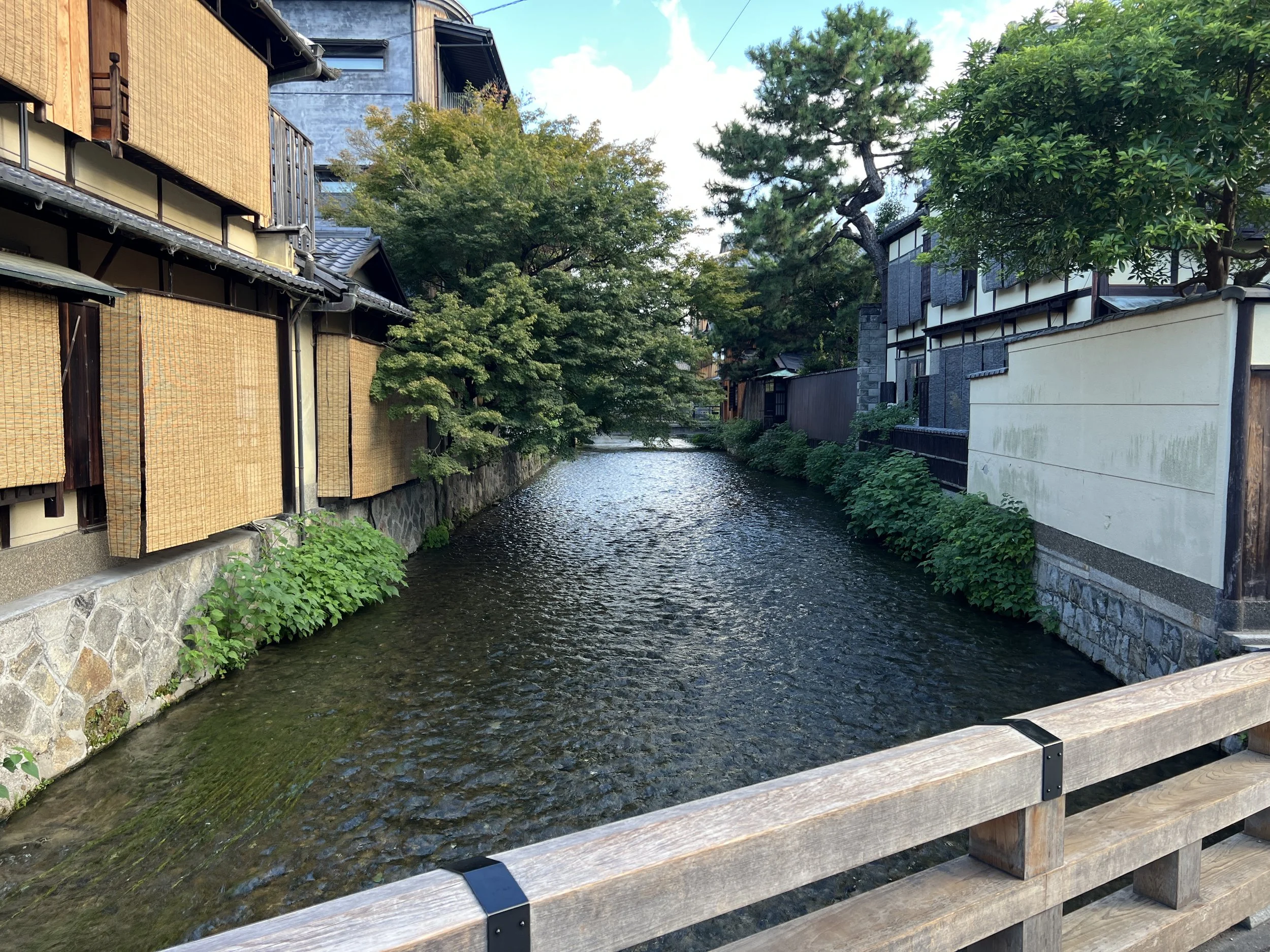
Nonetheless, Kyoto’s facade is gorgeous, for all man made structures seem to allow the flow of nature so peacefully. Like mentioned before, Shintoism values the sacredness of nature and Kyoto exemplifies that practice.
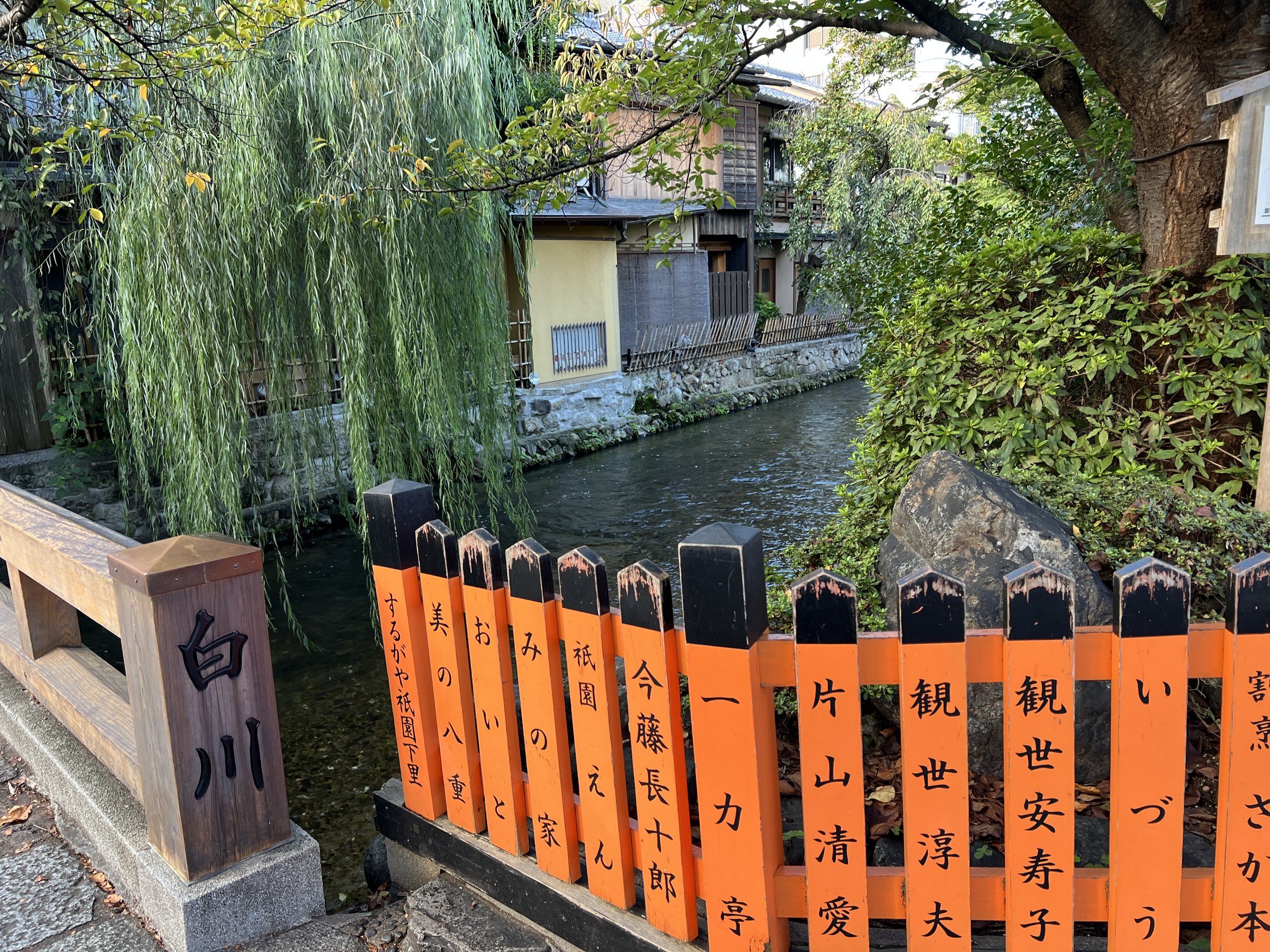
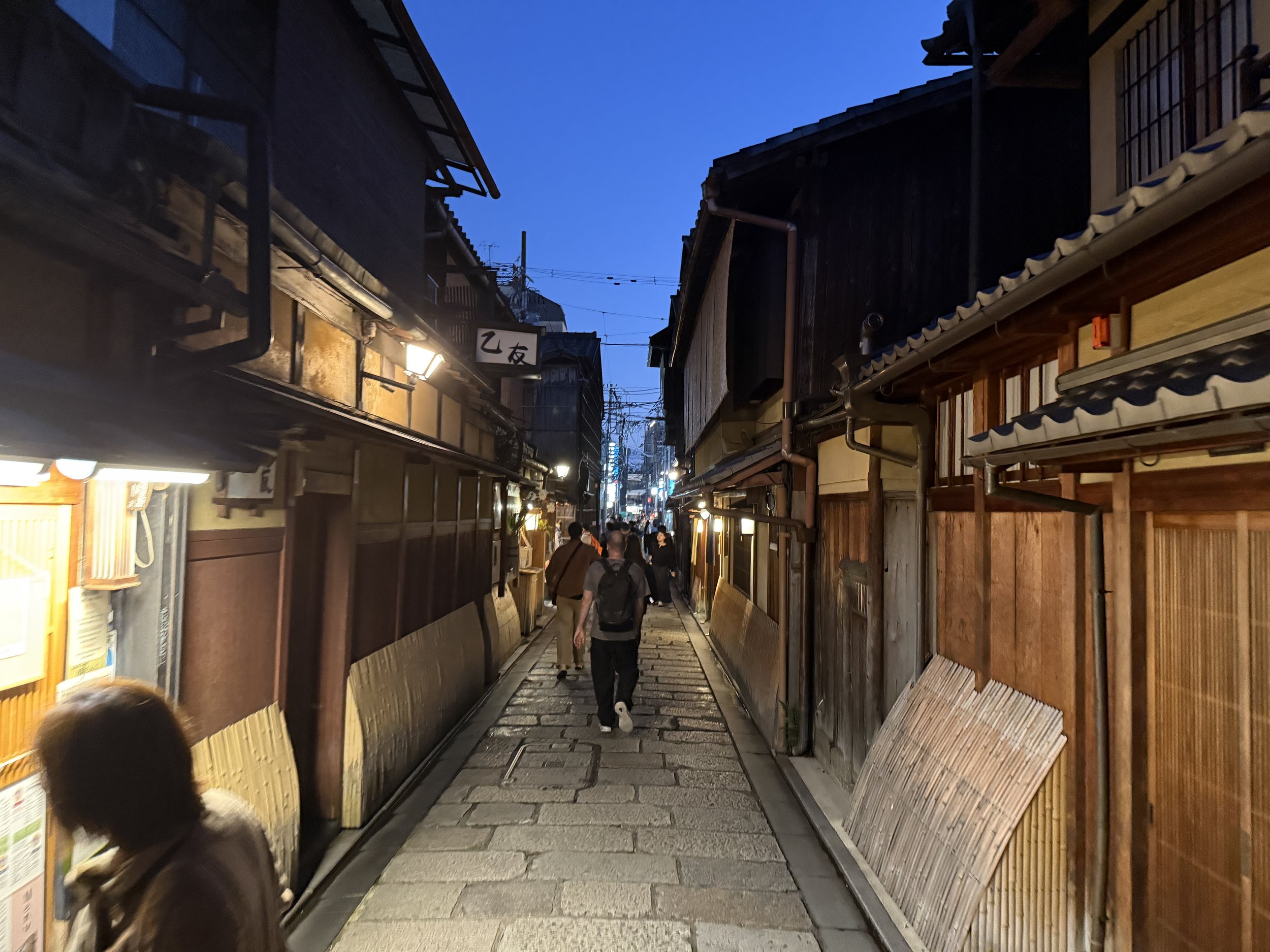
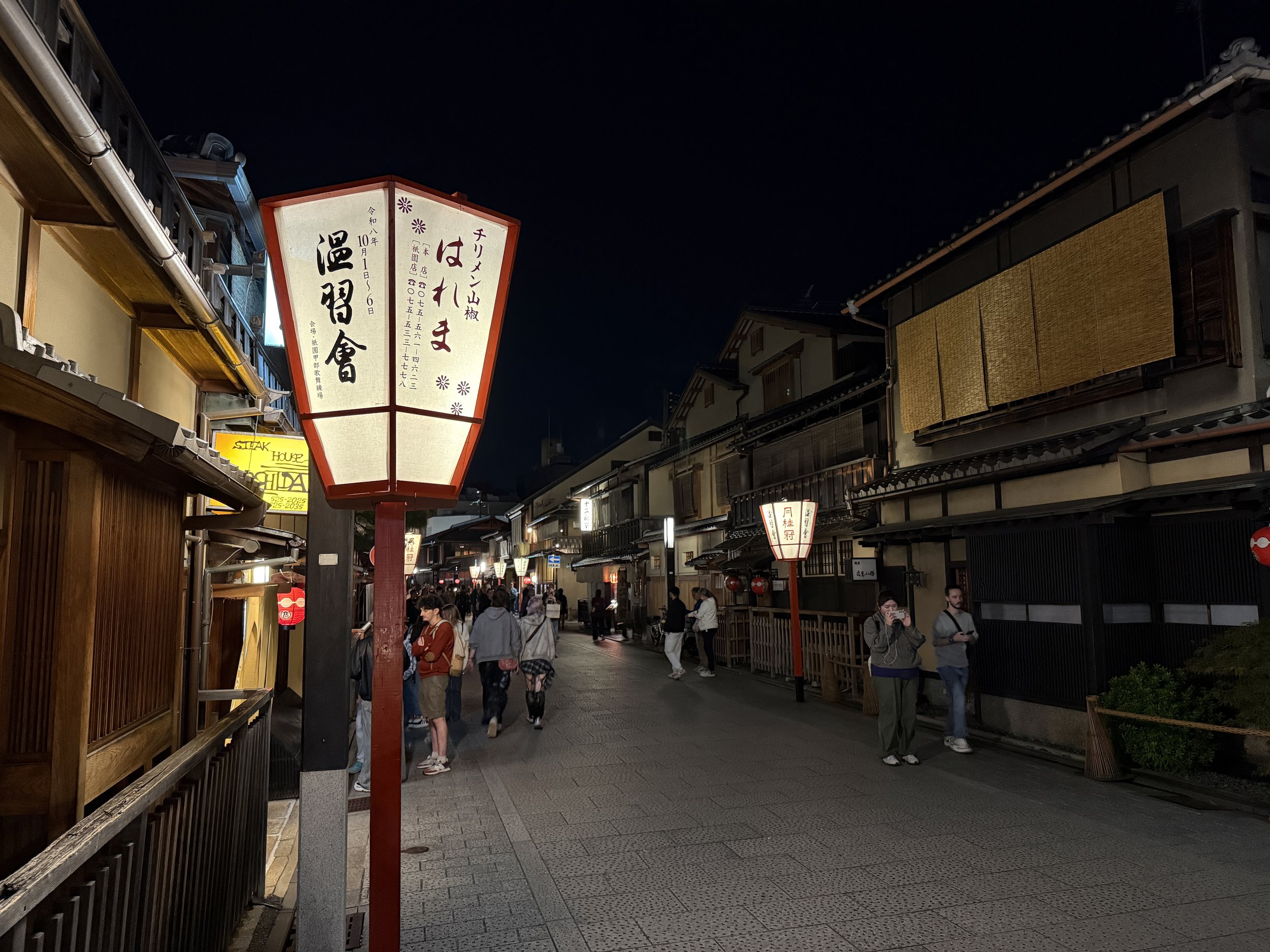
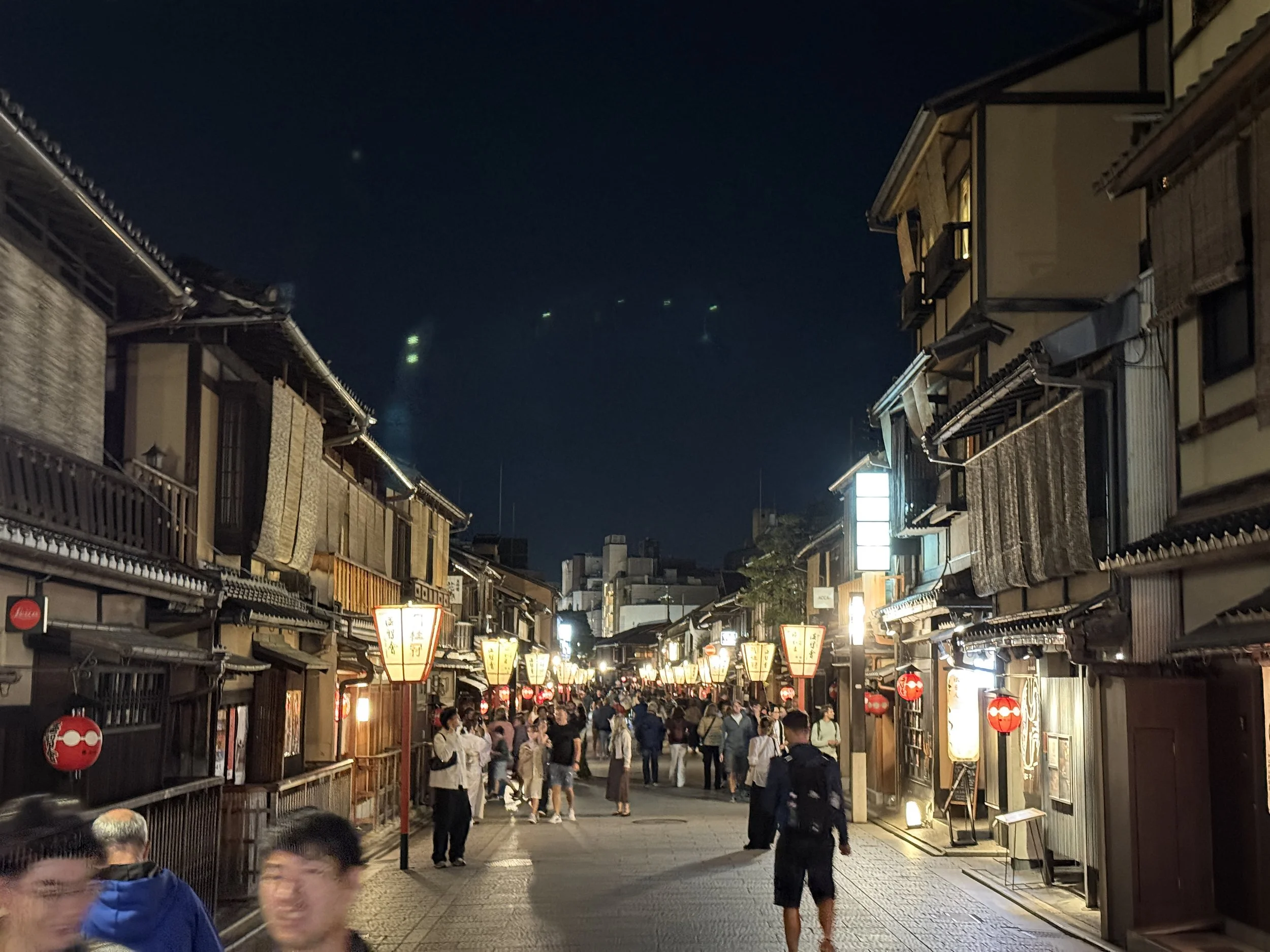
You must see the streets and alleys during the day time and night time. Both provide a different charm.
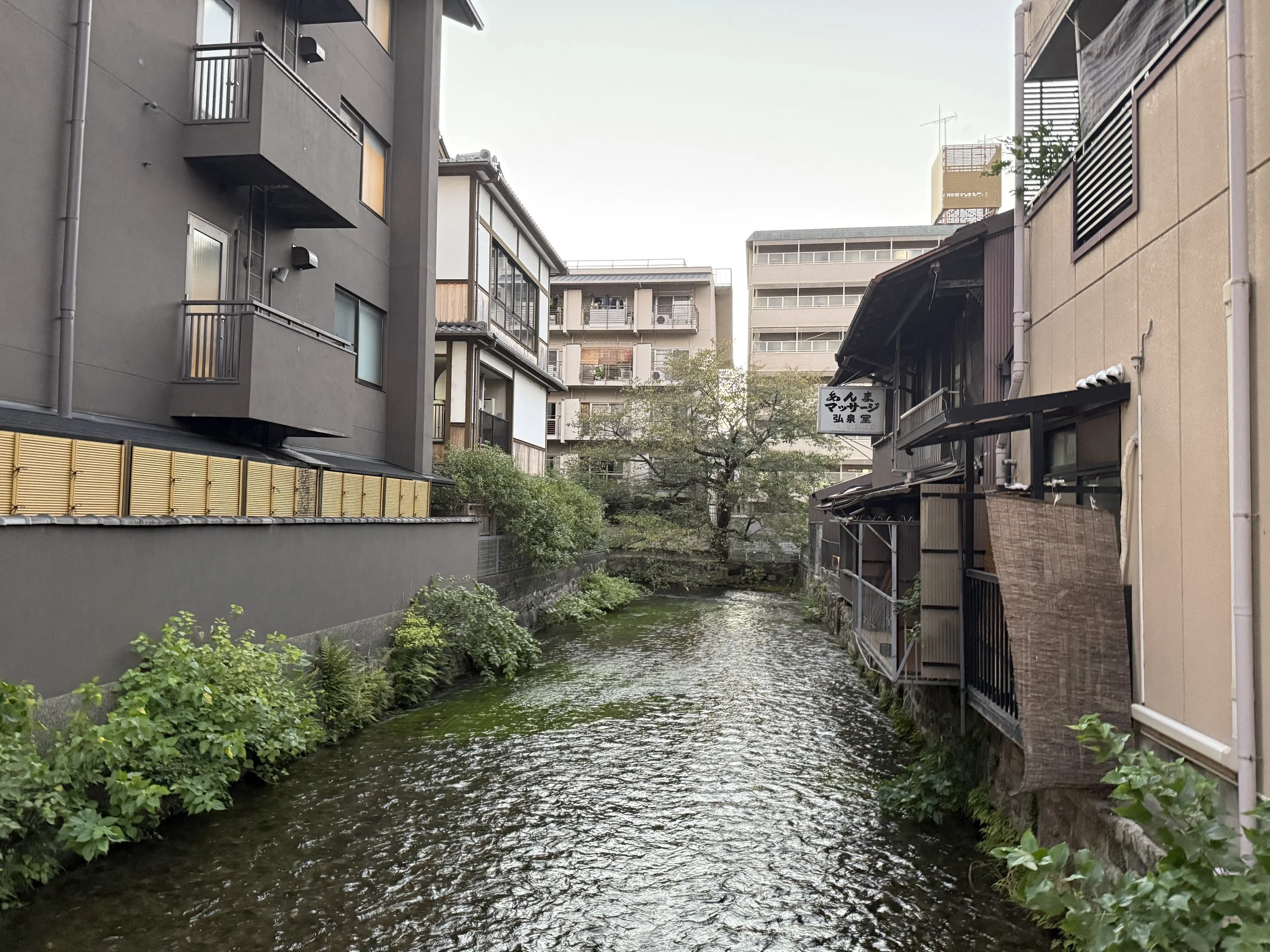
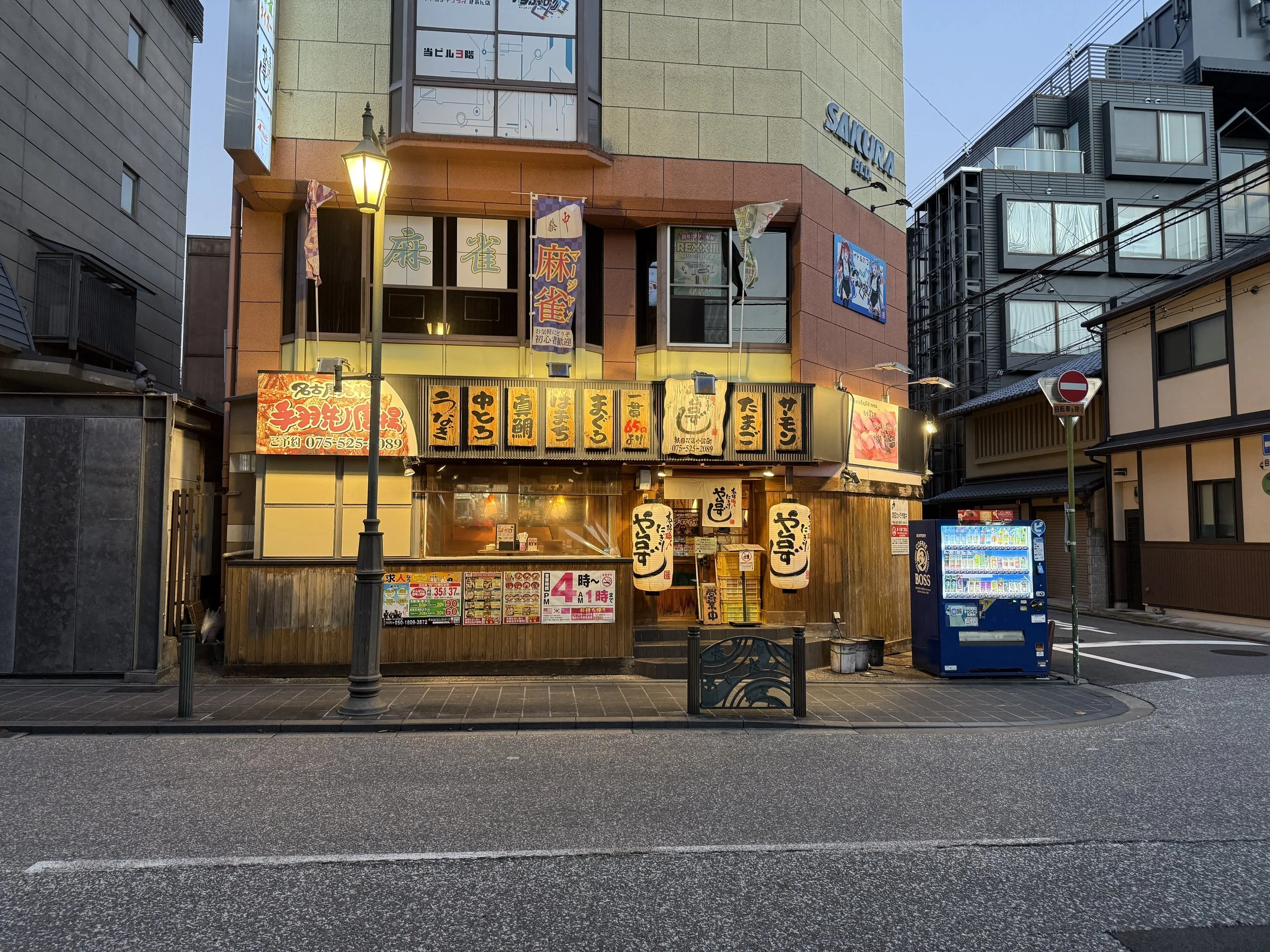
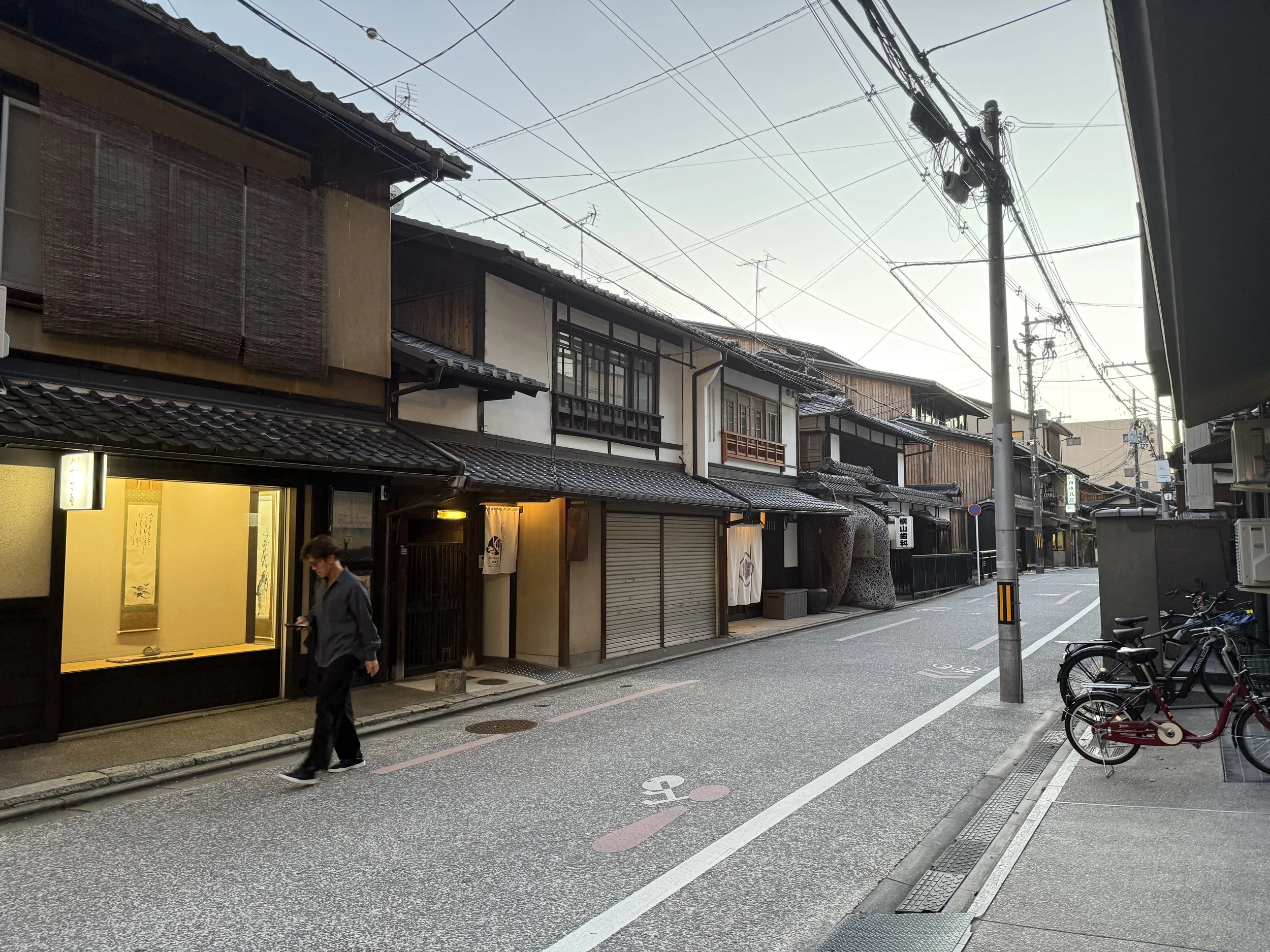
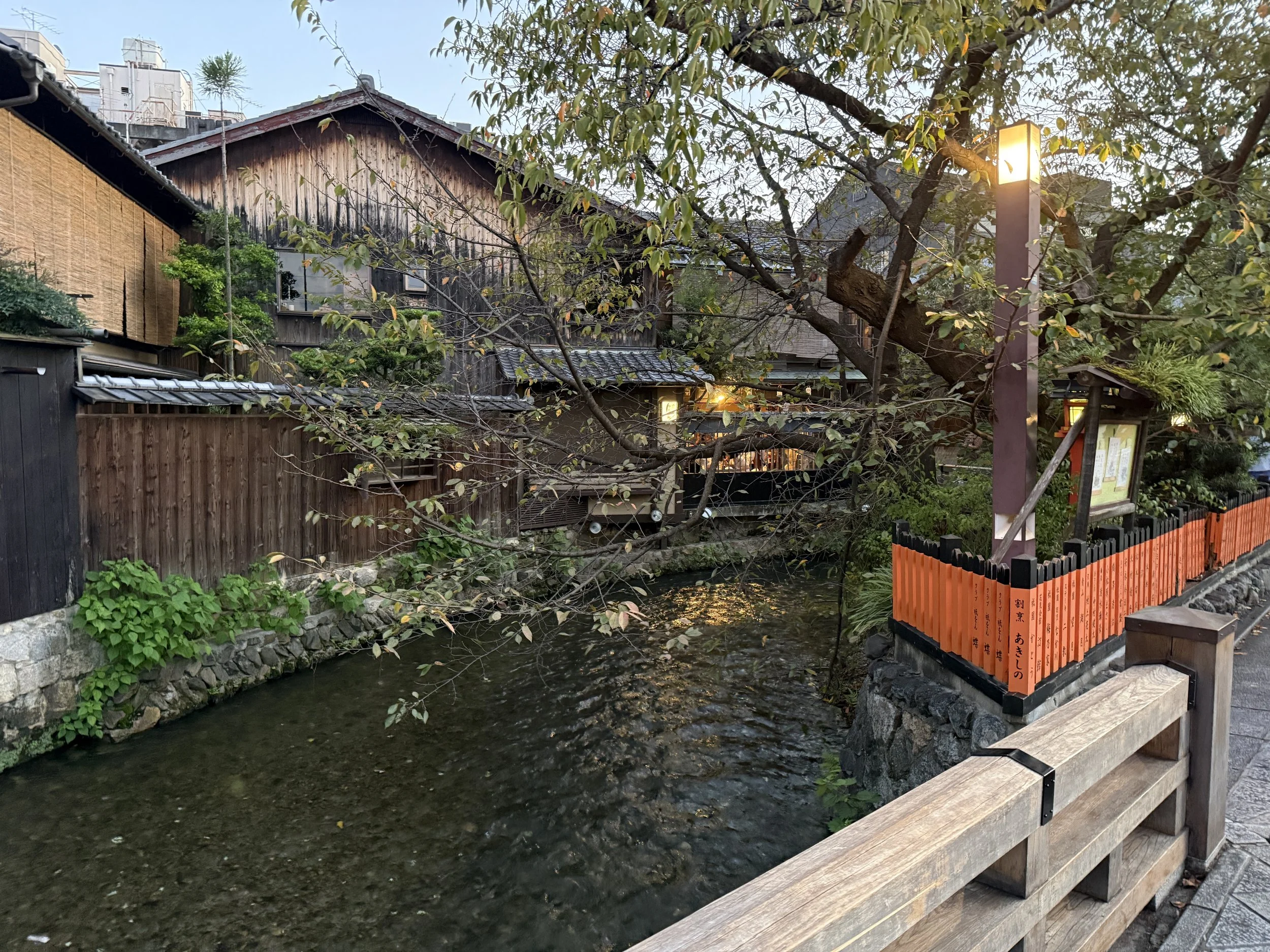
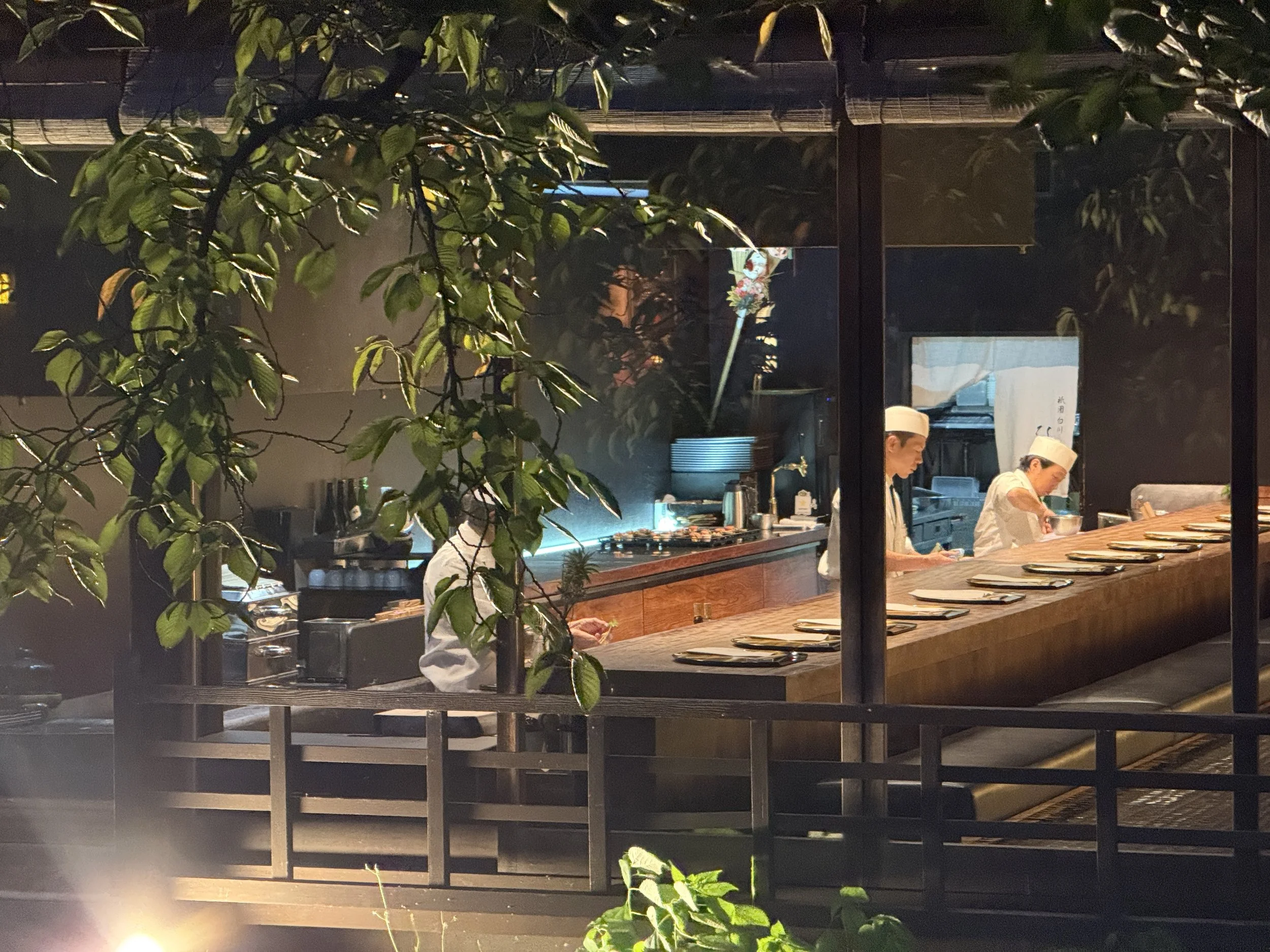
When the political power subsided and shifted from monarchy to Samurai Governments back in 1185, also known as the Shogunate Period, wars became rampant and Kyoto spun into a mirage of chaos, civil unrest and fragmentation. Feudal Shogun Lords fought for territory and power in the expense of tearing down the city. A lot of what is seen today are only fragments that survived. At some point, the former capital almost burned to the ground, yet, it still remained as the cultural heart of Japan.
During the Allied bombings of Japan back in WWII, Kyoto was spared from the list as it holds tremendous heritage and value. This only means that Japan will lose its character and heritage if Kyoto got erased in the map. Thank goodness.
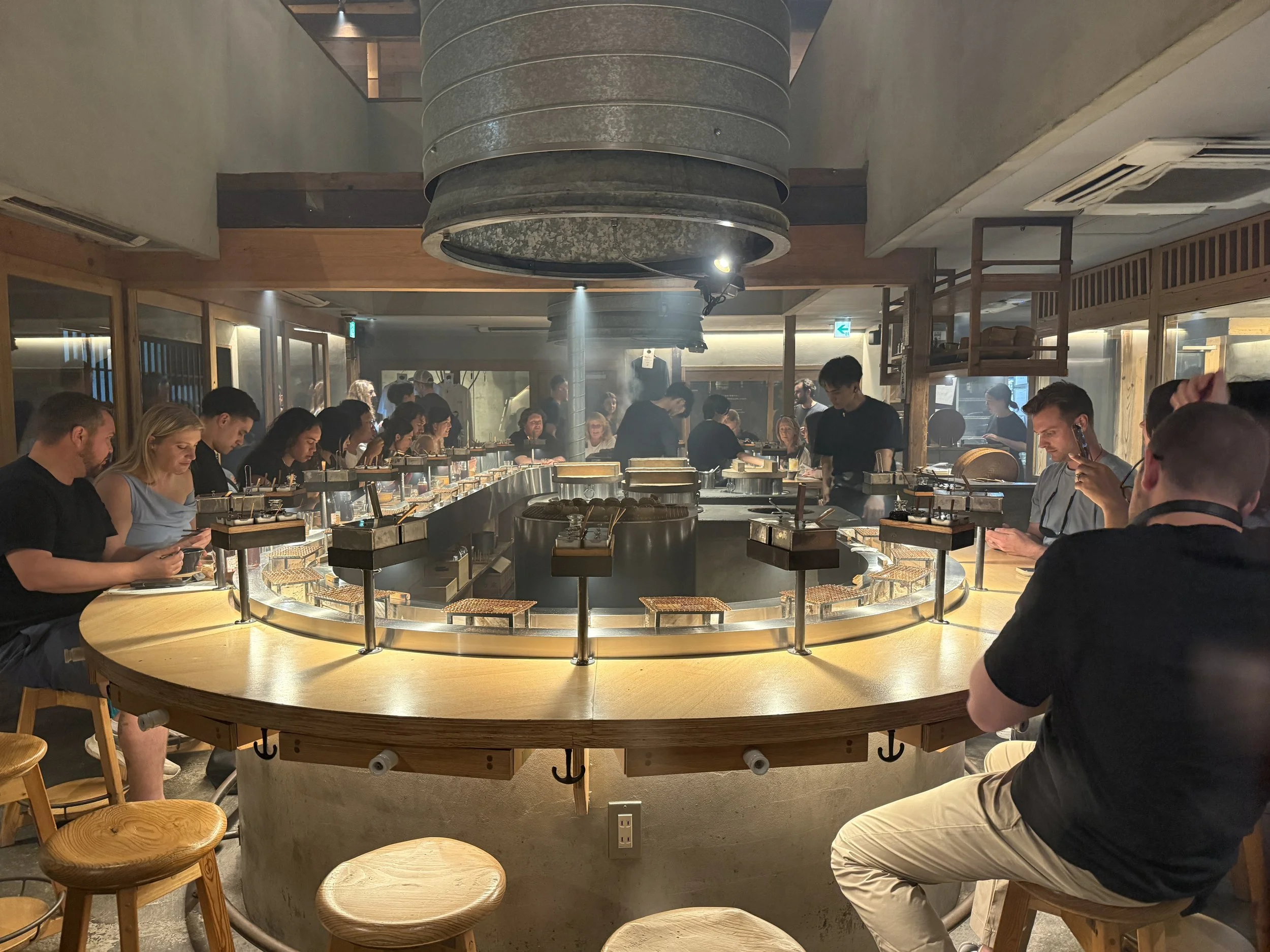
Hikiniku To Come | This is the viral restaurant where they grill burger patties and serve it with rice, sauce and egg yolk. We didn’t try it as reservations were already full till December.
Gion Duck Rice
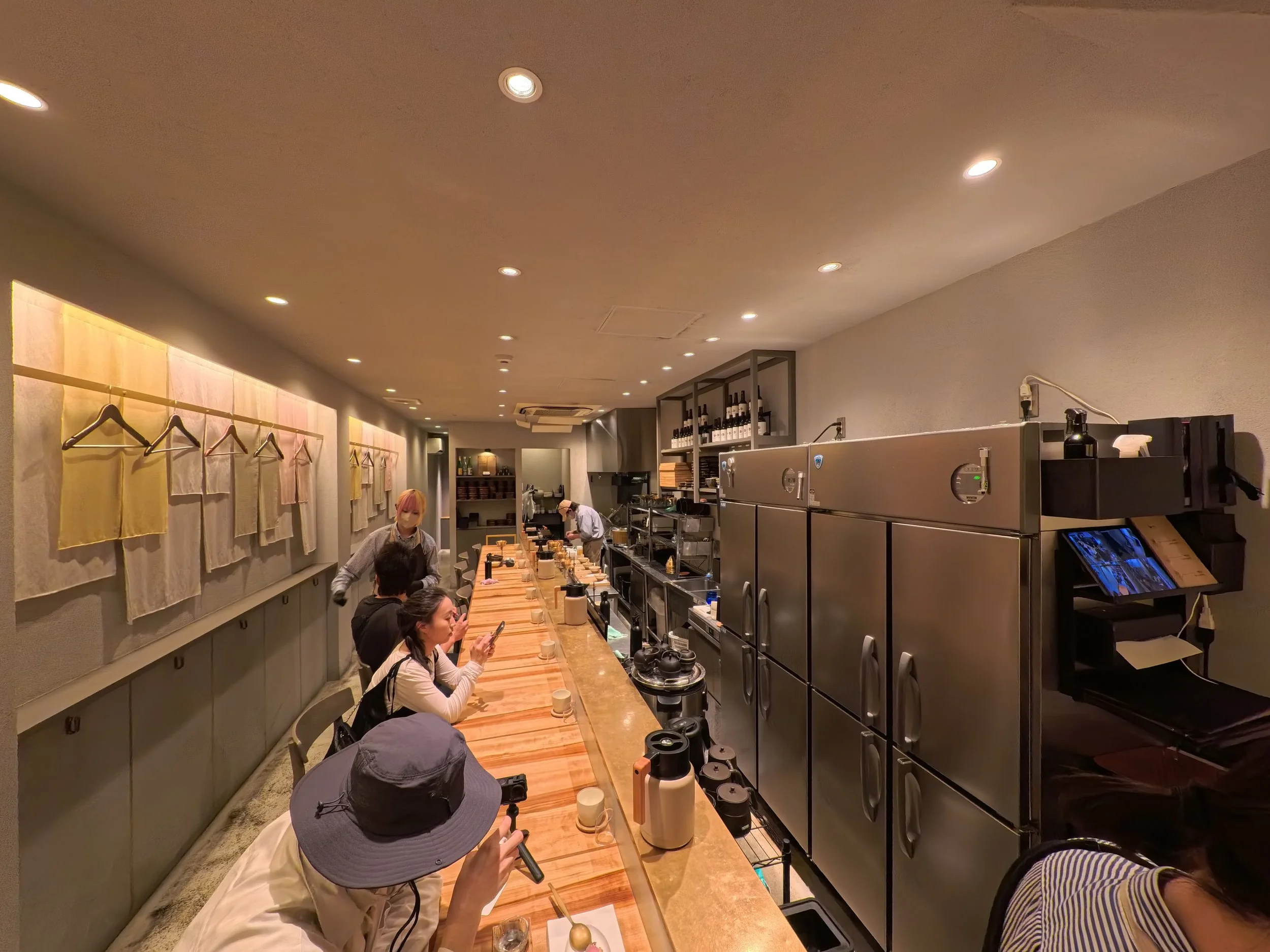
Better than cooking hamburger patties, Japanese chefs can utilize their skills with better ingredients such as cooking proper duck. Gion Duck Rice is an animal of a restaurant. Reservations were made in advance as it gets filled easily.
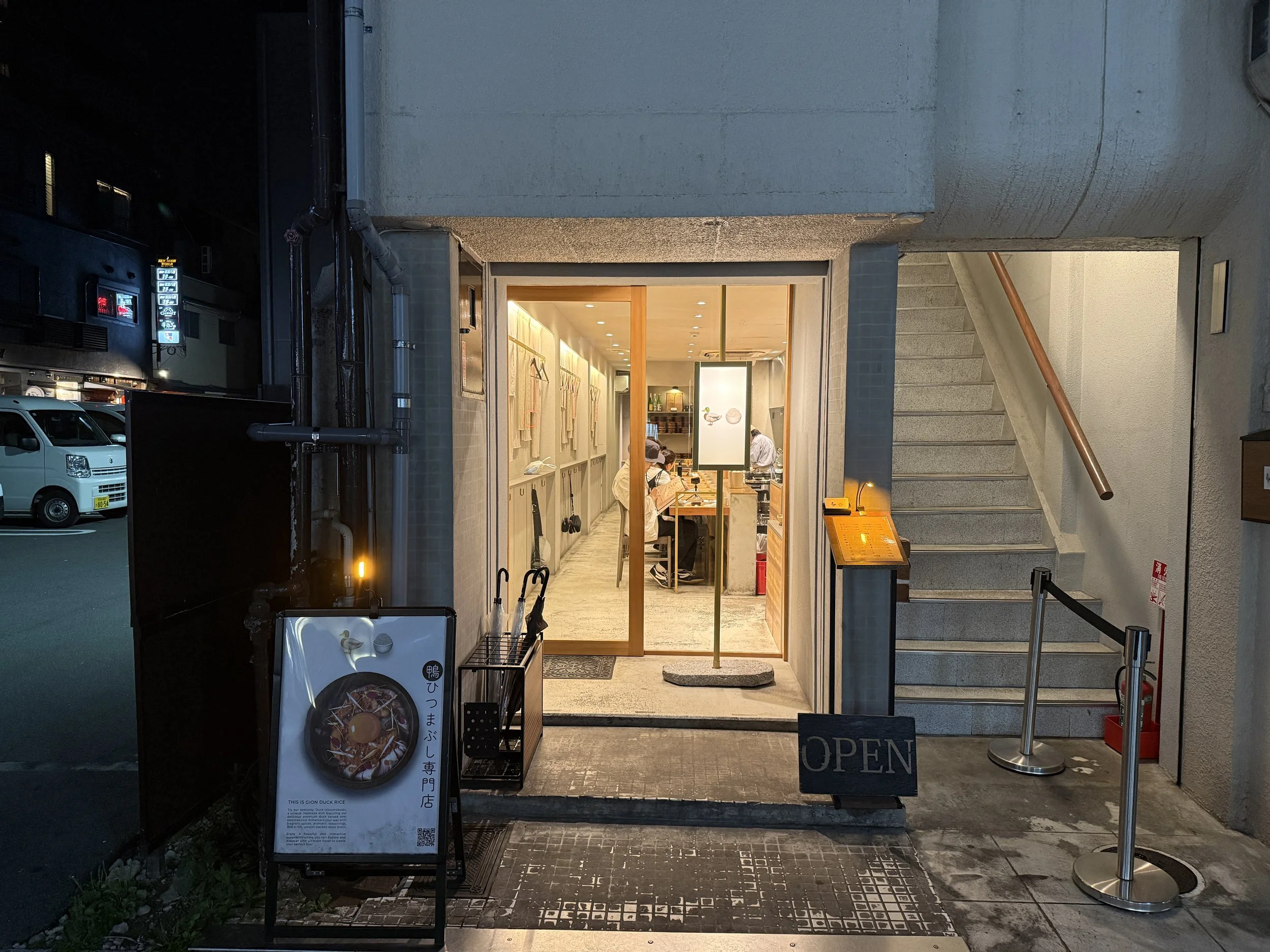
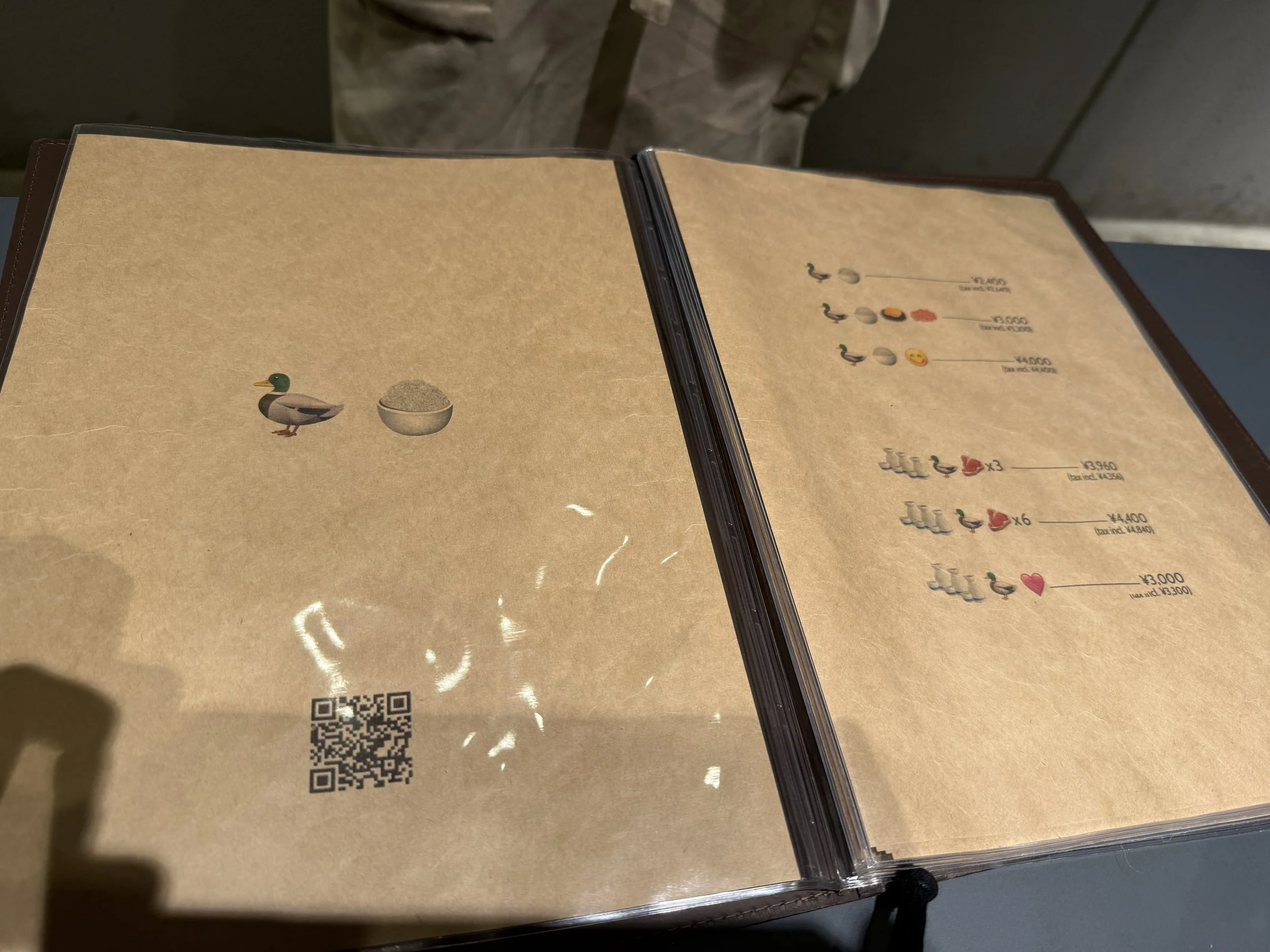
Their menu revolves around duck and rice plus whatever add-ons. No words, just Emojis, which is kind of hilarious and cool. Your server will explain everything, you won’t have to decode hieroglyphics.
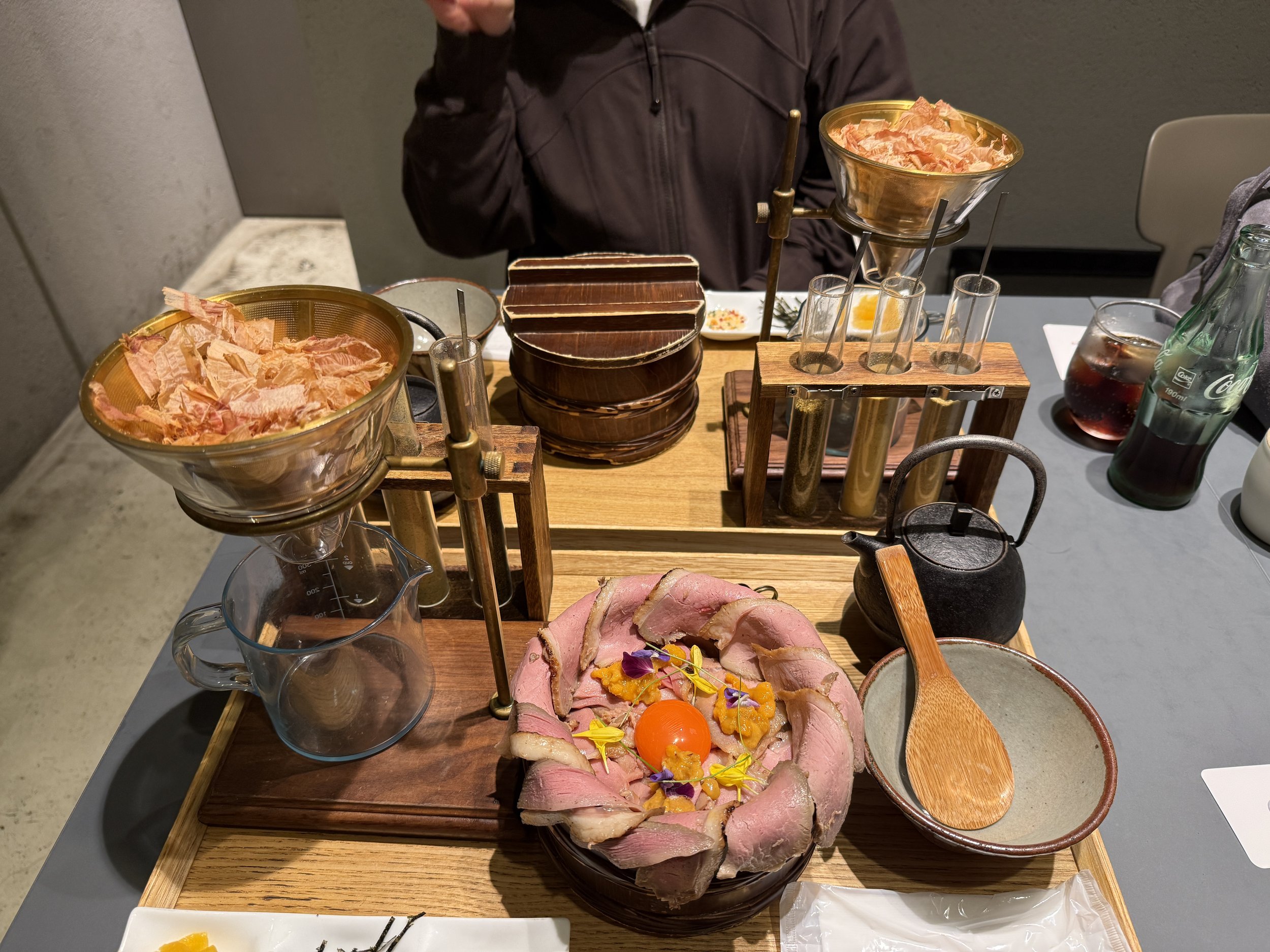
After a couple of finger pointing and “hai’s” to the emojis on the menu, we were presented with these trays. They look like Mad Max steampunk meets Japanese science laboratory project for fourth-graders, but edible.
The three test tubes are seasonings: Sancho Pepper, lemon pepper and curry powder
You have to pour the (soup) contents of the tea pot to the funnel with bonito flakes and sip whatever comes out of it using the measuring cup. While that is going, you transfer all the duck breast pieces to the empty cup with the rice paddle and re-introduce it while eating the rice bowl, which is filled with duck thigh morsels, by the way. Further below, there are some side dishes to accompany every bite. Sounds complicated? Yes it is, but not as complicated as the life of the dishwasher who works at this restaurant.
Let me tell you that this was D-I-V-I-N-E. Every slice of the duck breast was so subtle, flavorful and orgasmic. I could live without the soup, but the bowl with all the fixin’s and seasonings were all worth the trouble.
Not too far from Duck Rice is another concept of theirs called Duck Noodles. I bet it’s as good as this one is.
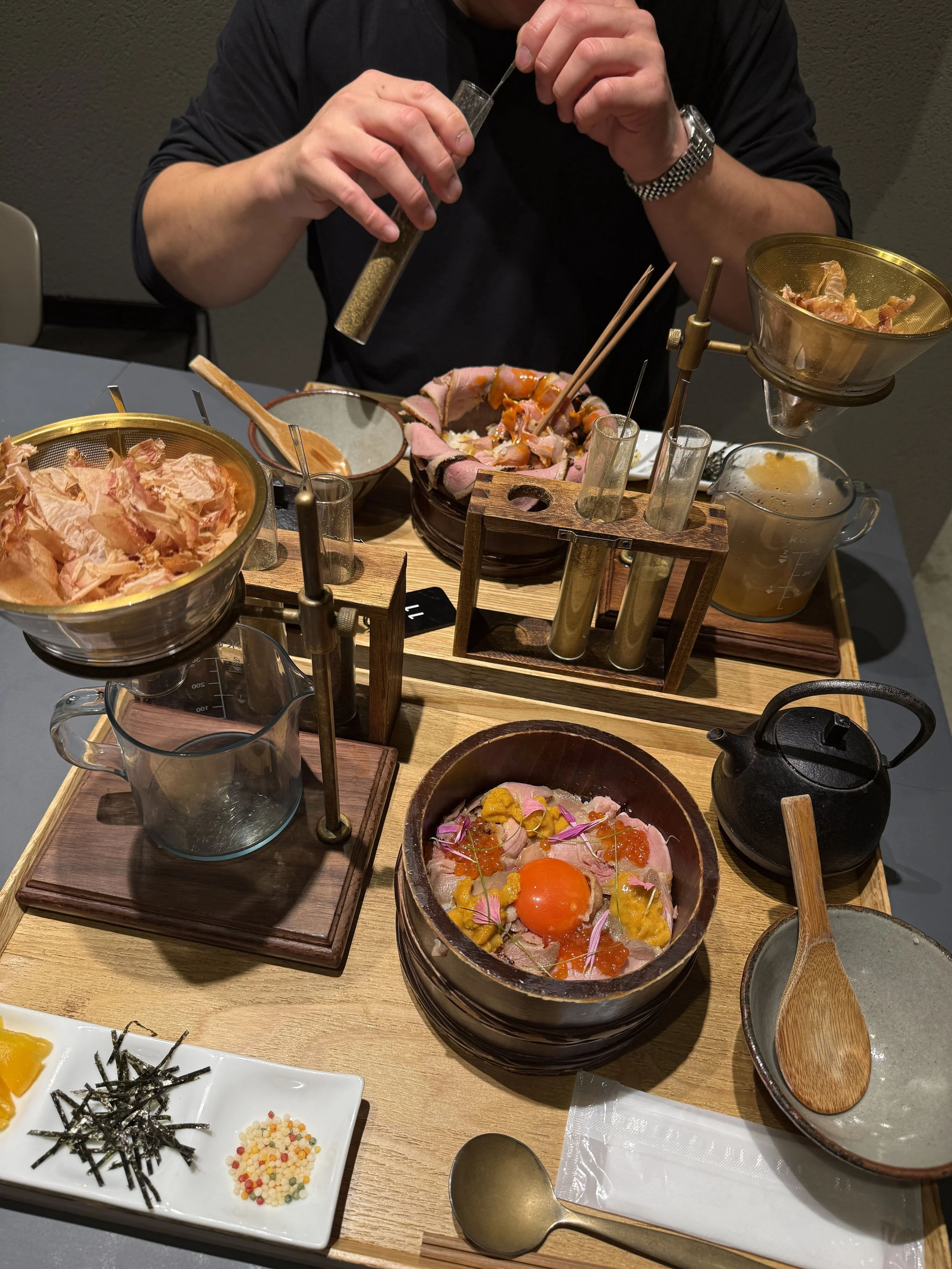
Wifey’s had regular duck, ikura and uni
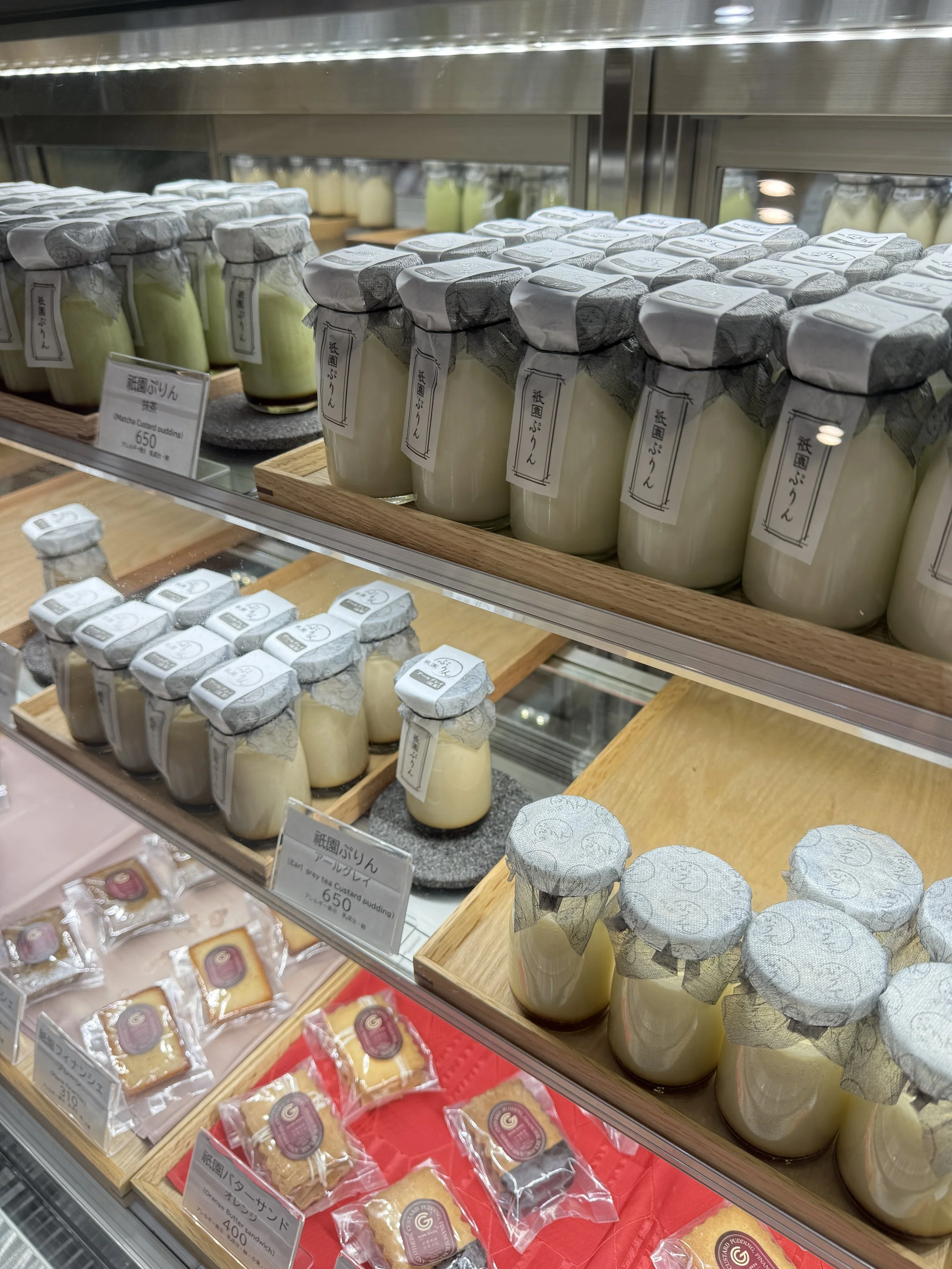
Literally across Duck Rice, there is a dessert shop that you have to go to. We forgot the name but you shouldn’t miss out. They sell milk puddings with different variations.
Hokan-ji Temple
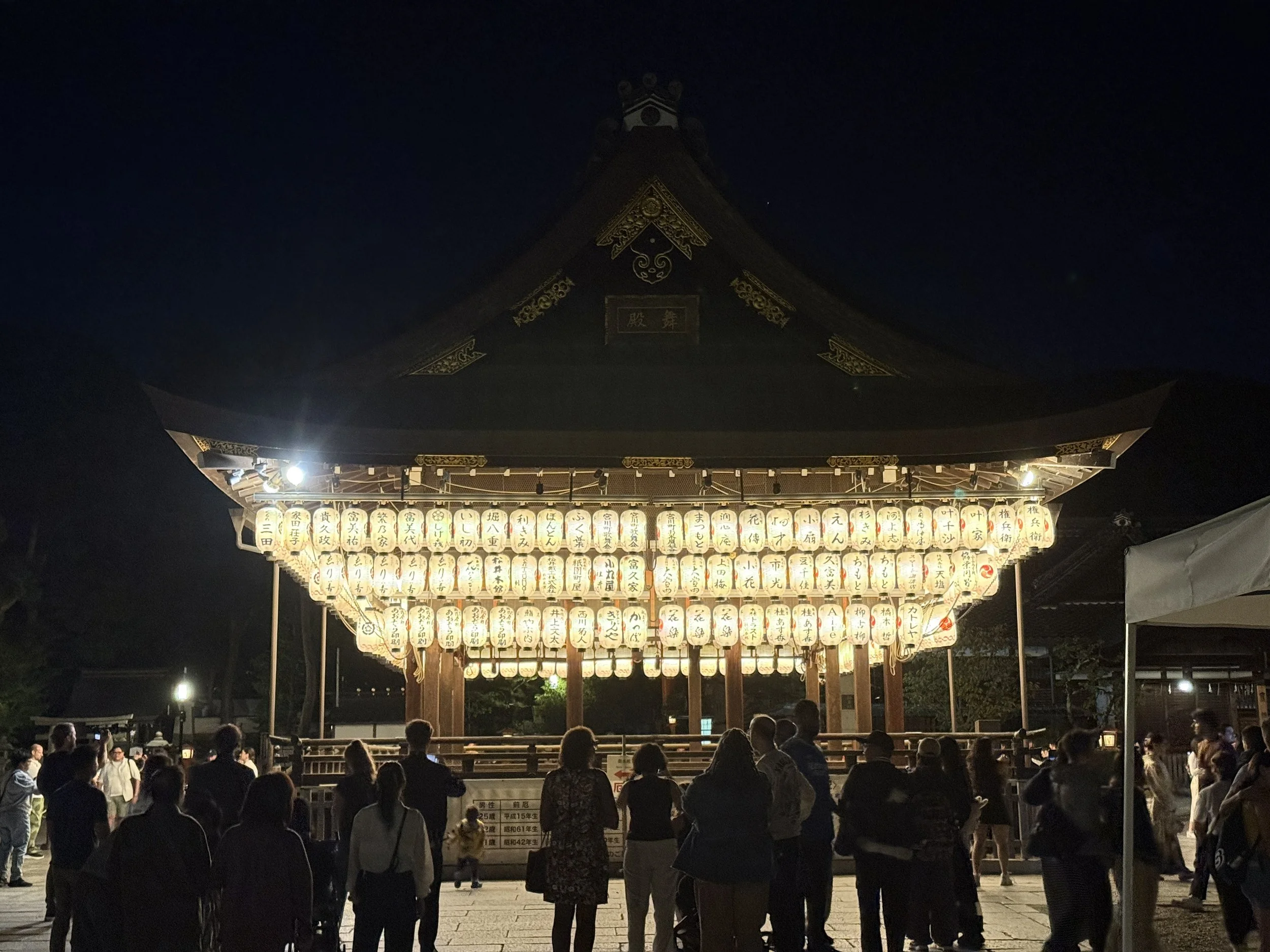
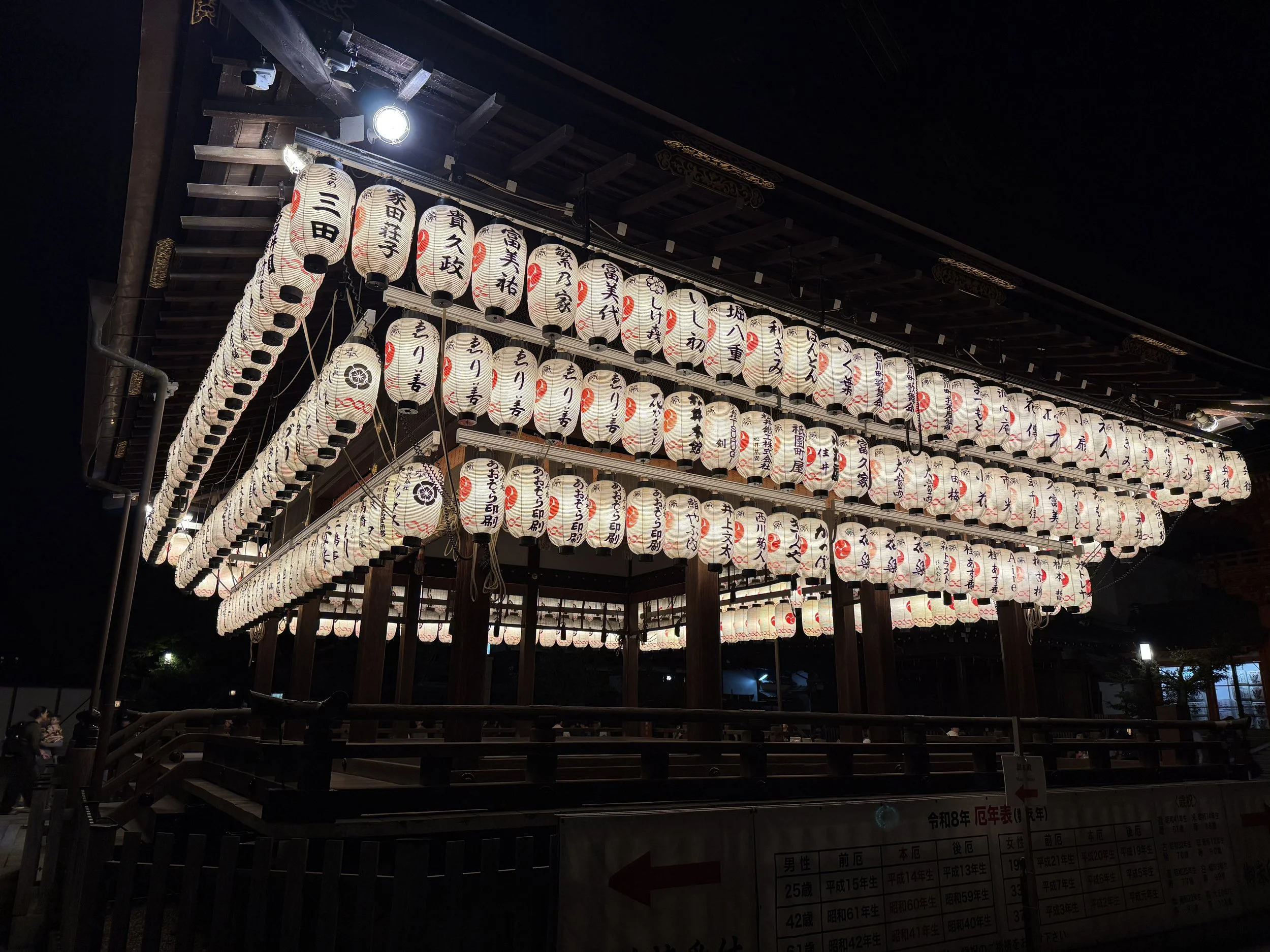
We accidentally stumbled upon the very famous Temple while ambling the streets of Kyoto that night. This temple was built without using a single nail. It was a mistake not come back in the day time so see a better glimpse of it.
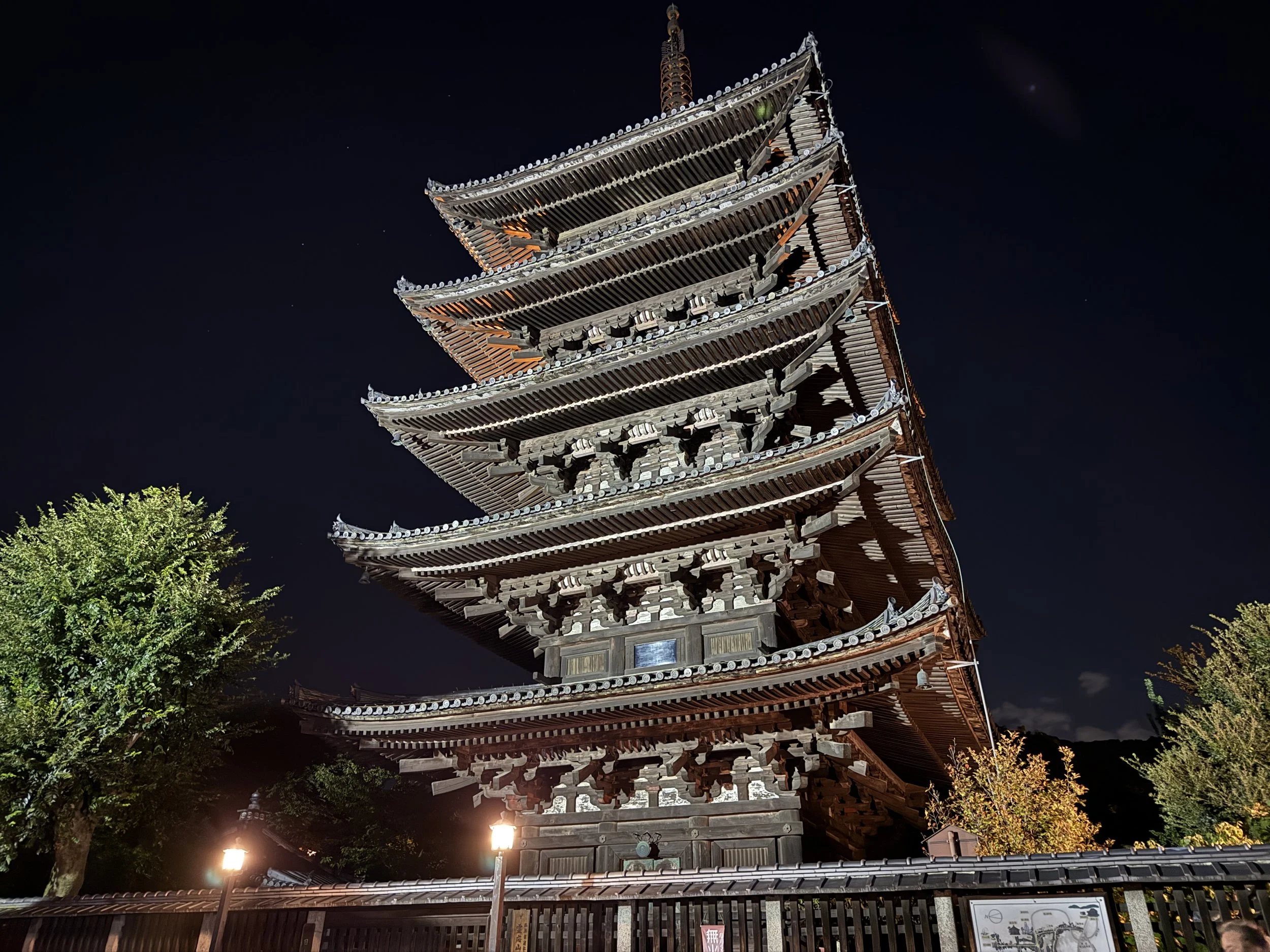
Although, the better angle of taking a photo of the temple is by hiking to a higher vantage point.
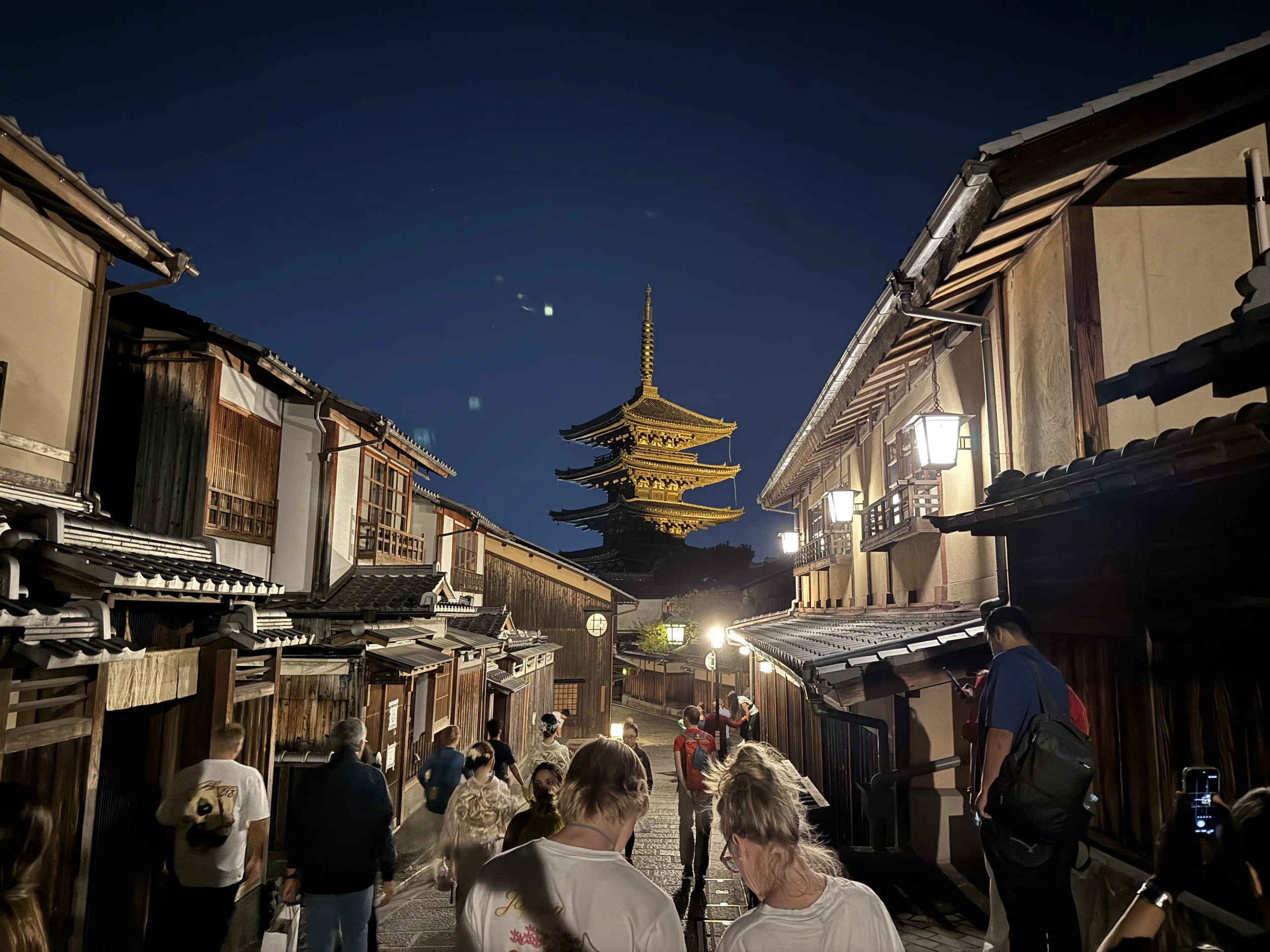
Ninenzaka Street
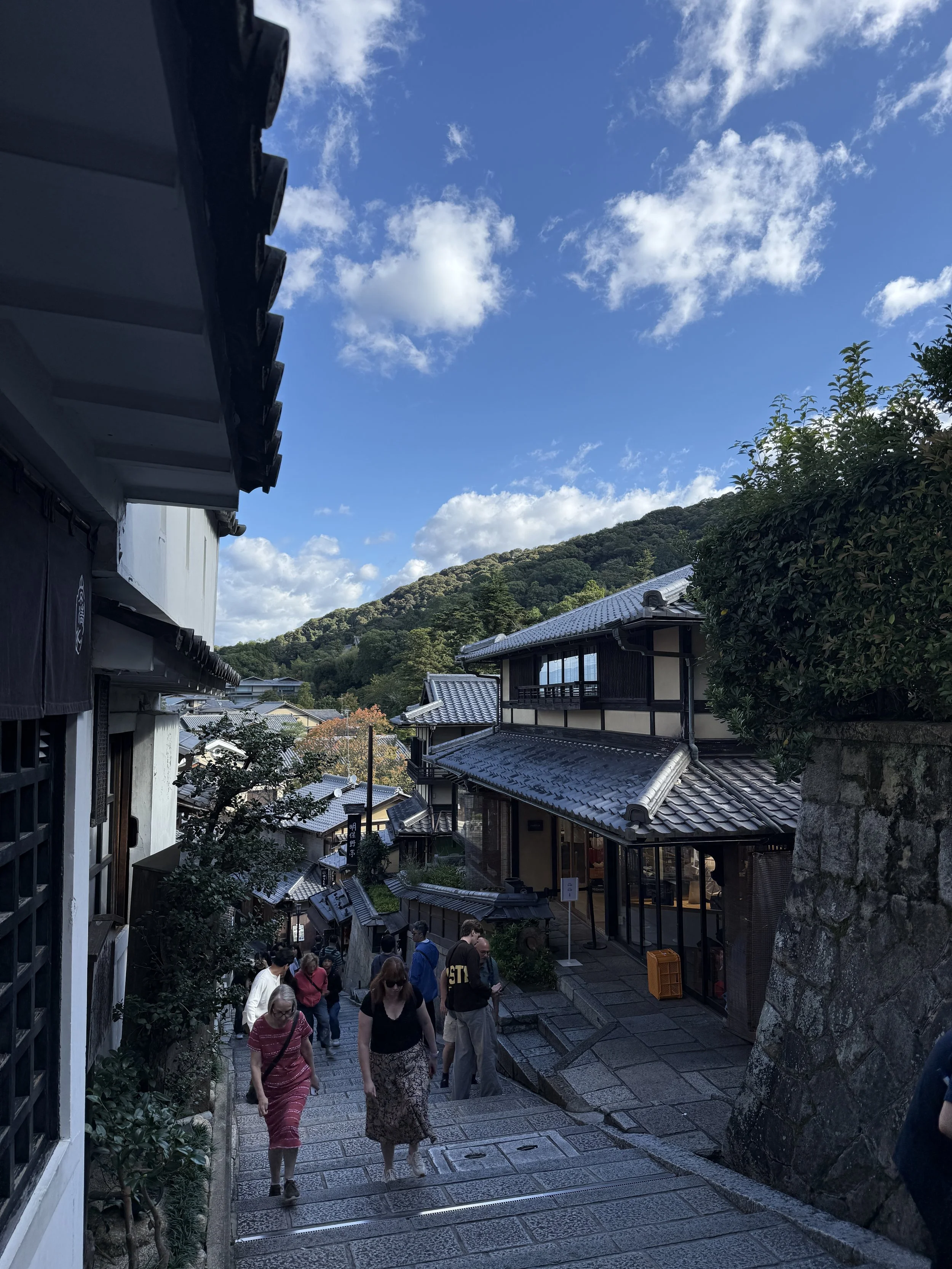
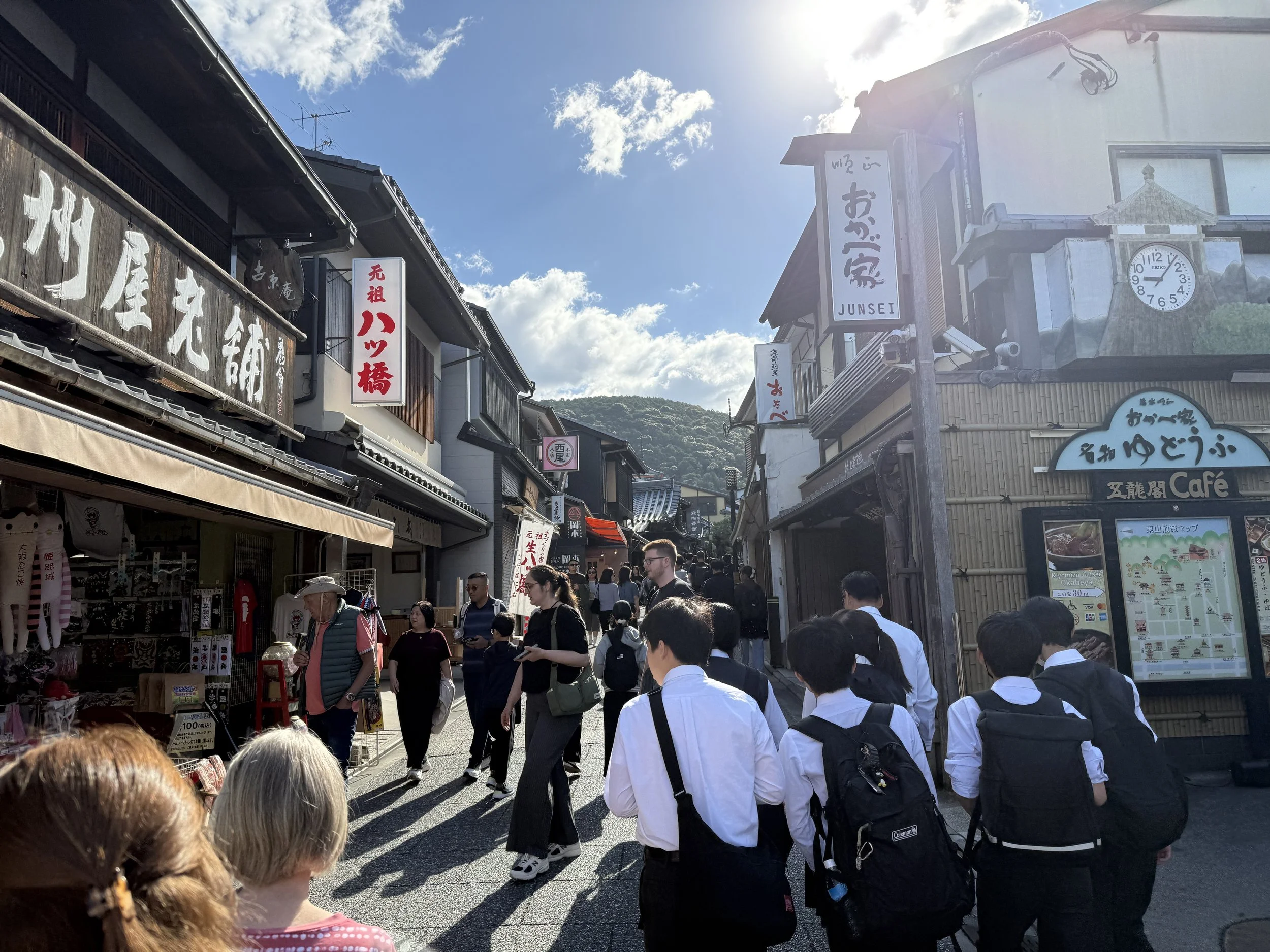
A street teeming with traditional Japanese shops that leads to the Kiyomizu-Dera Temple. Geisha sightings are scarce and be aware that you cannot take photos of them. We were able to witness some and respected their privacy while other people didn’t get the memo.
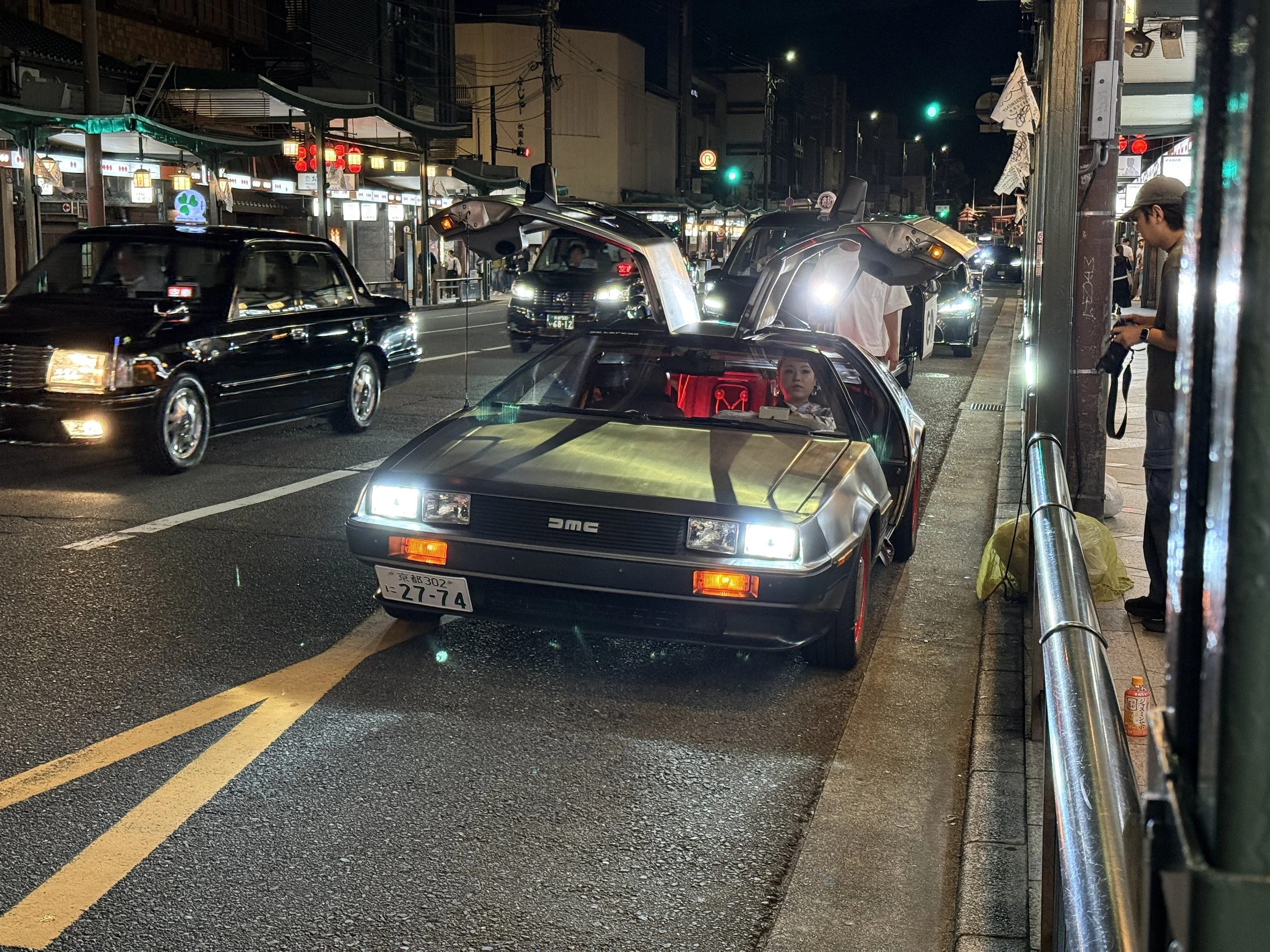
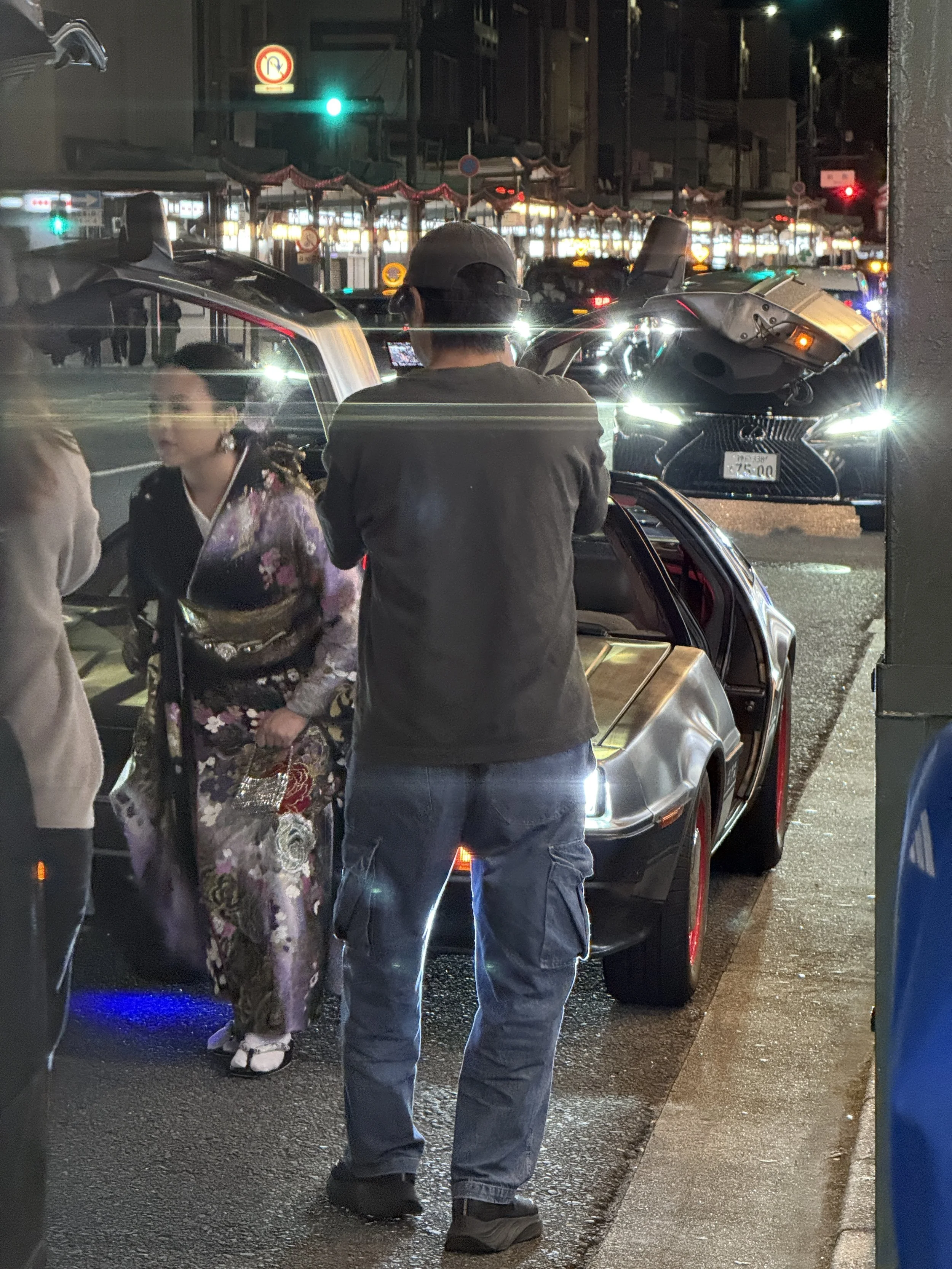
Below, you will see a model dressed in Kimono taking a pictorial in a DMC, which stands for DeLorean Motor Company—made famous by the movie Back to The Future. Bypassers thought that the lady was a real geisha so they took photos of her. It’s that mistake or it’s just cool to see something like this that caught people’s attention.
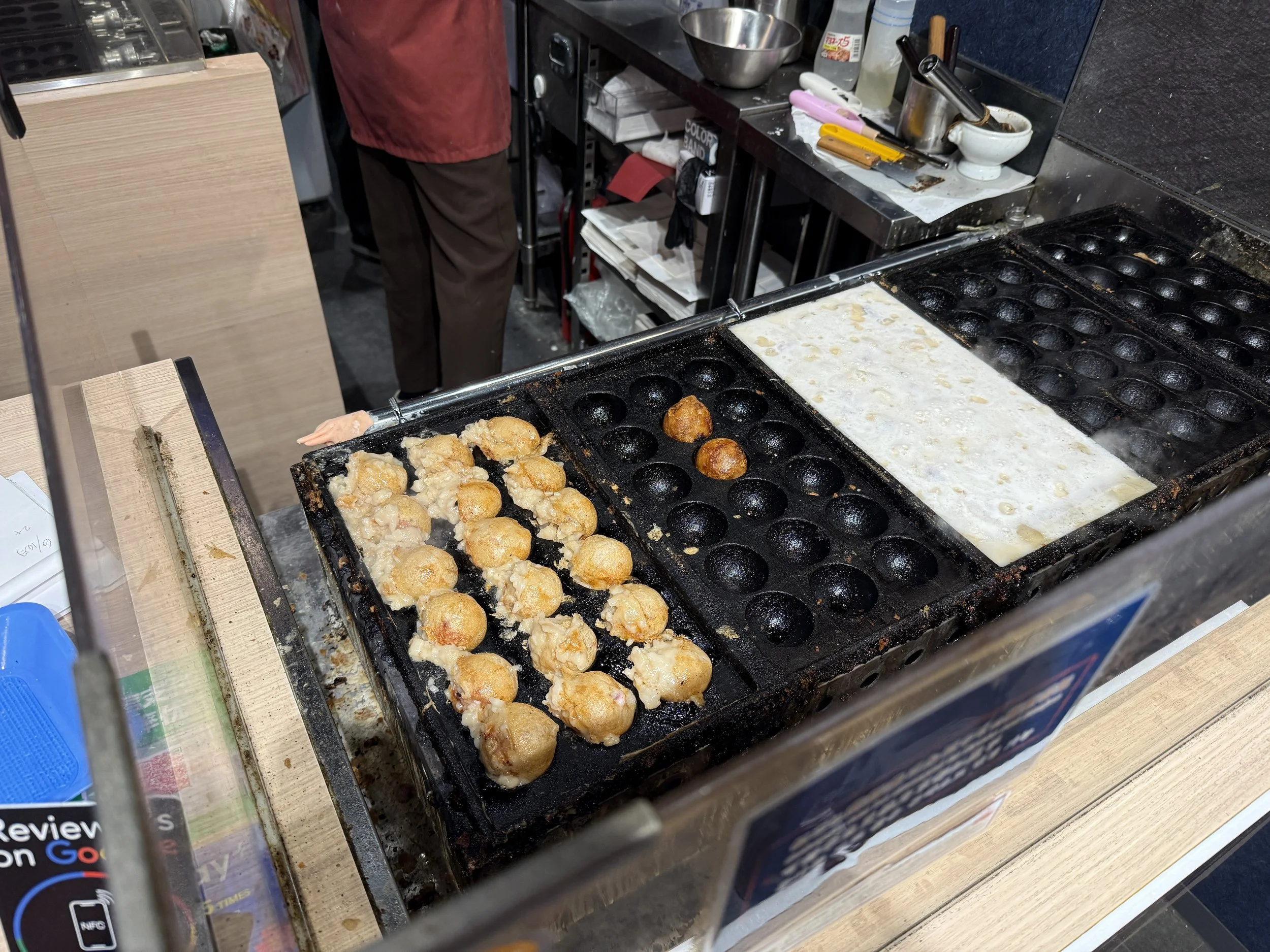
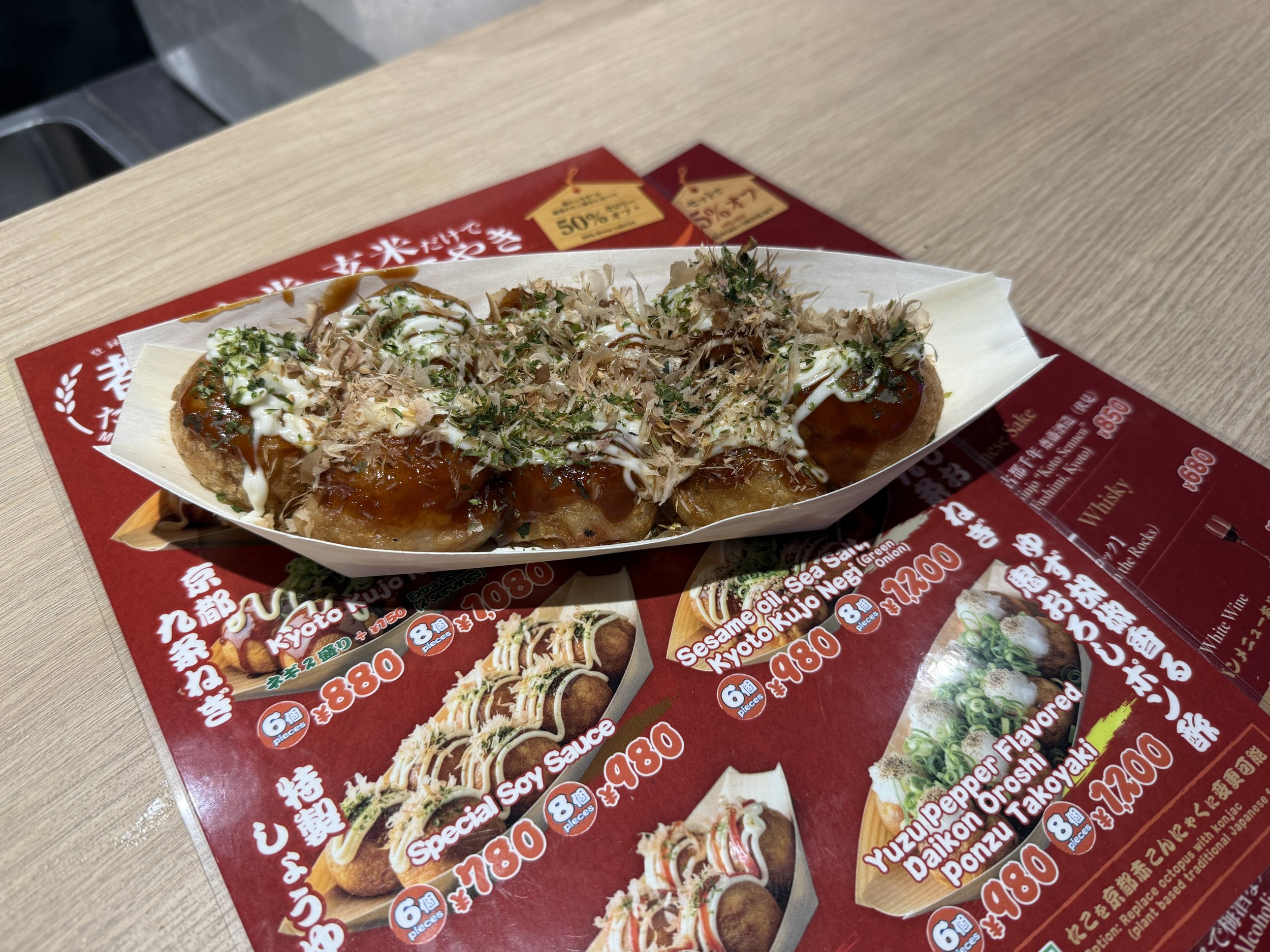
When Duck Rice got digested, we went for guten-free takoyaki.
Geishas are well-respected entertainers for they really uplift the sophistication and art of being one. To give you context, a geisha must know how to properly prepare a tea ceremony, be educated with current affairs and Japanese literature, learn how to dance traditionally and move with grace. It’s not an easy job to have.
Day 4
The first morning waking up in Kyoto.
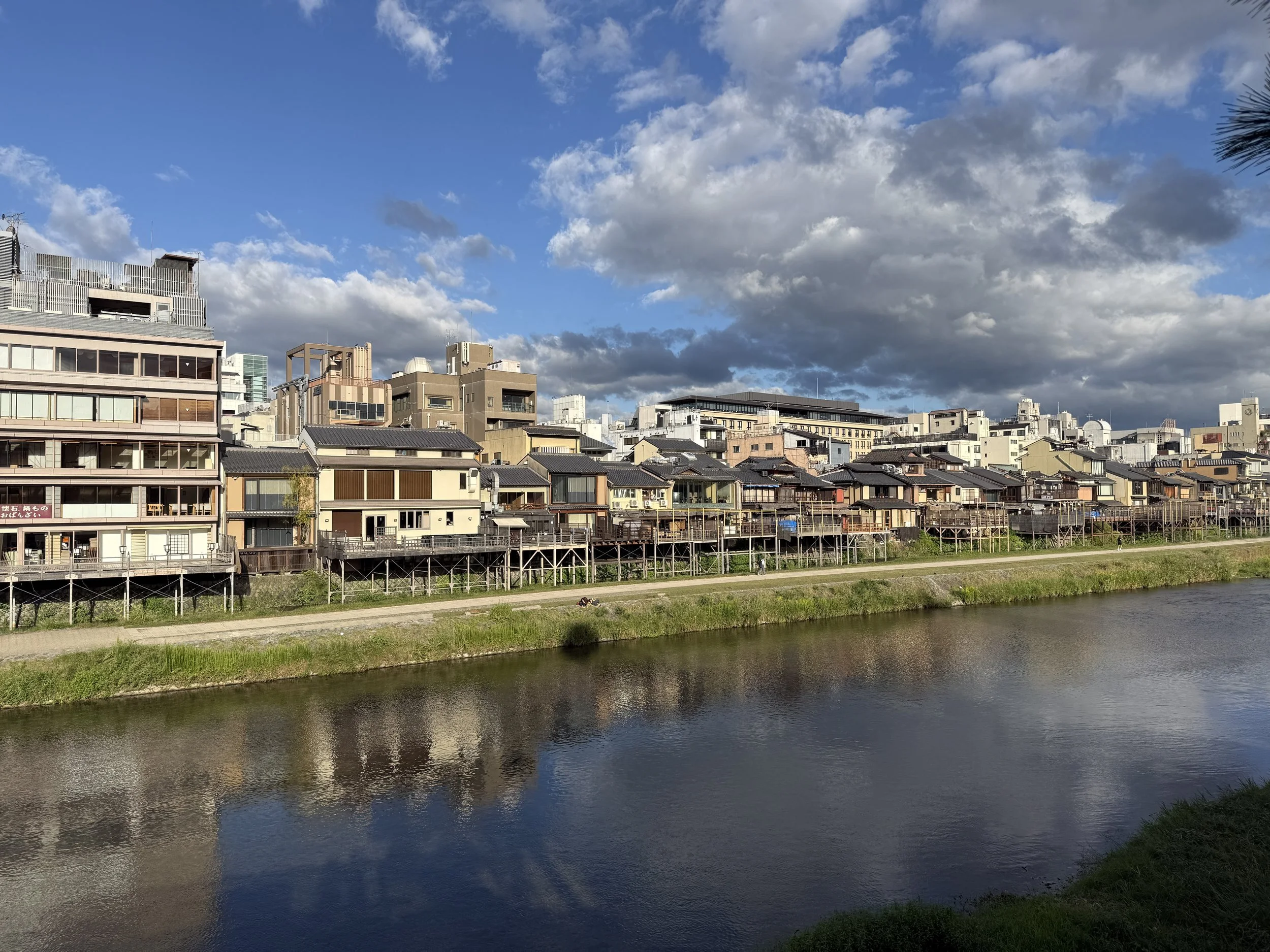
Viola! This the part of Kyoto that reminds me of Florence. The Kamo river separates the land masses and are re-connected by bridges. People jog along the river path in day time, and in the evening, young hearts flock the area to sit down, sing, relax and unwind after a long day in school.
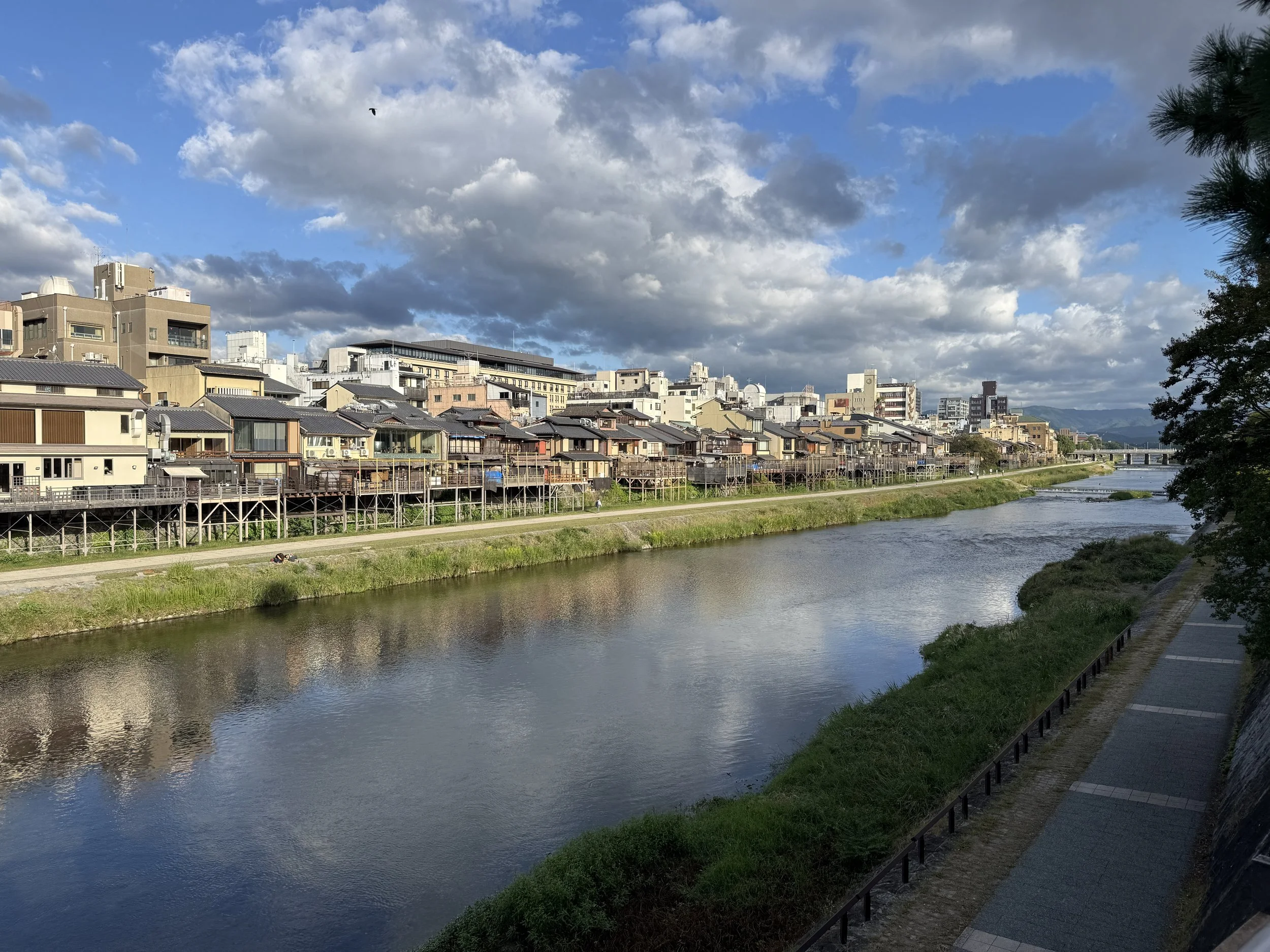
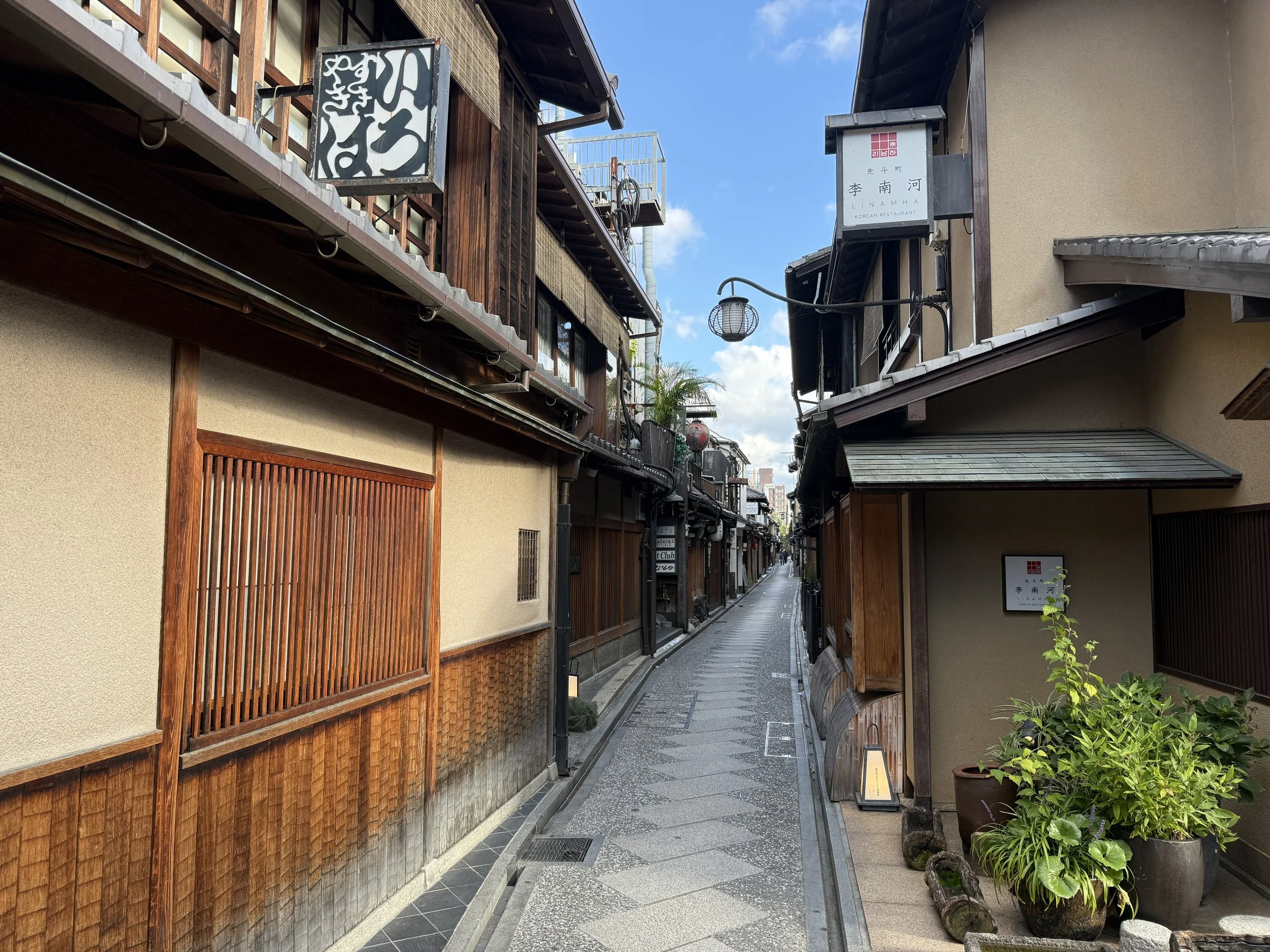
There’s a place called Pontocho Alley where at night, hundreds and hundreds of restaurants and bars light up the narrow pathway. Legend has it that this is the best place for geisha sightings. We didn’t see them, we just saw drunks barely able to walk at night. Walking on this alley is the quintessential Kyoto nightlife experience.
Kiyomizu-Dera Temple
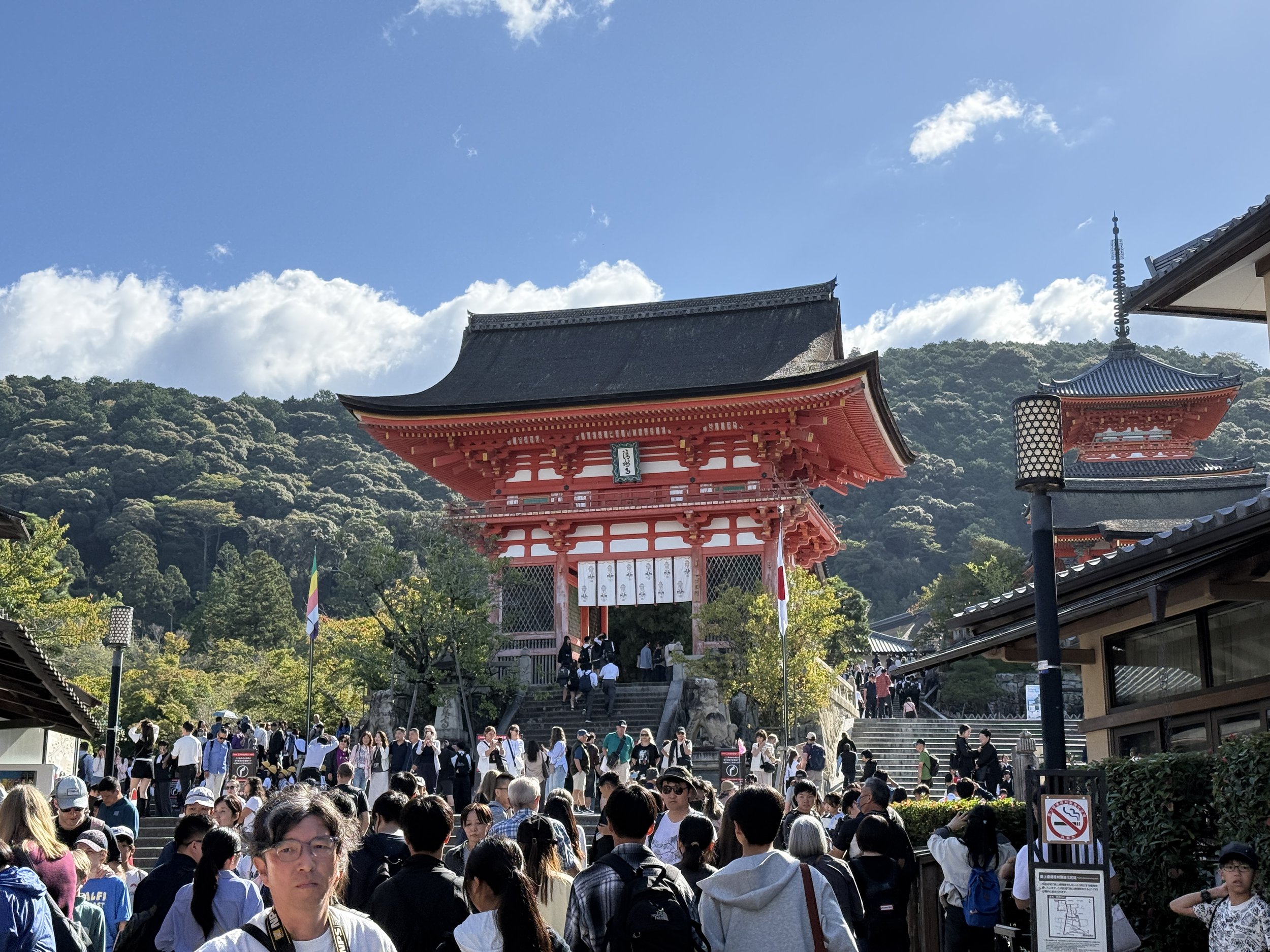
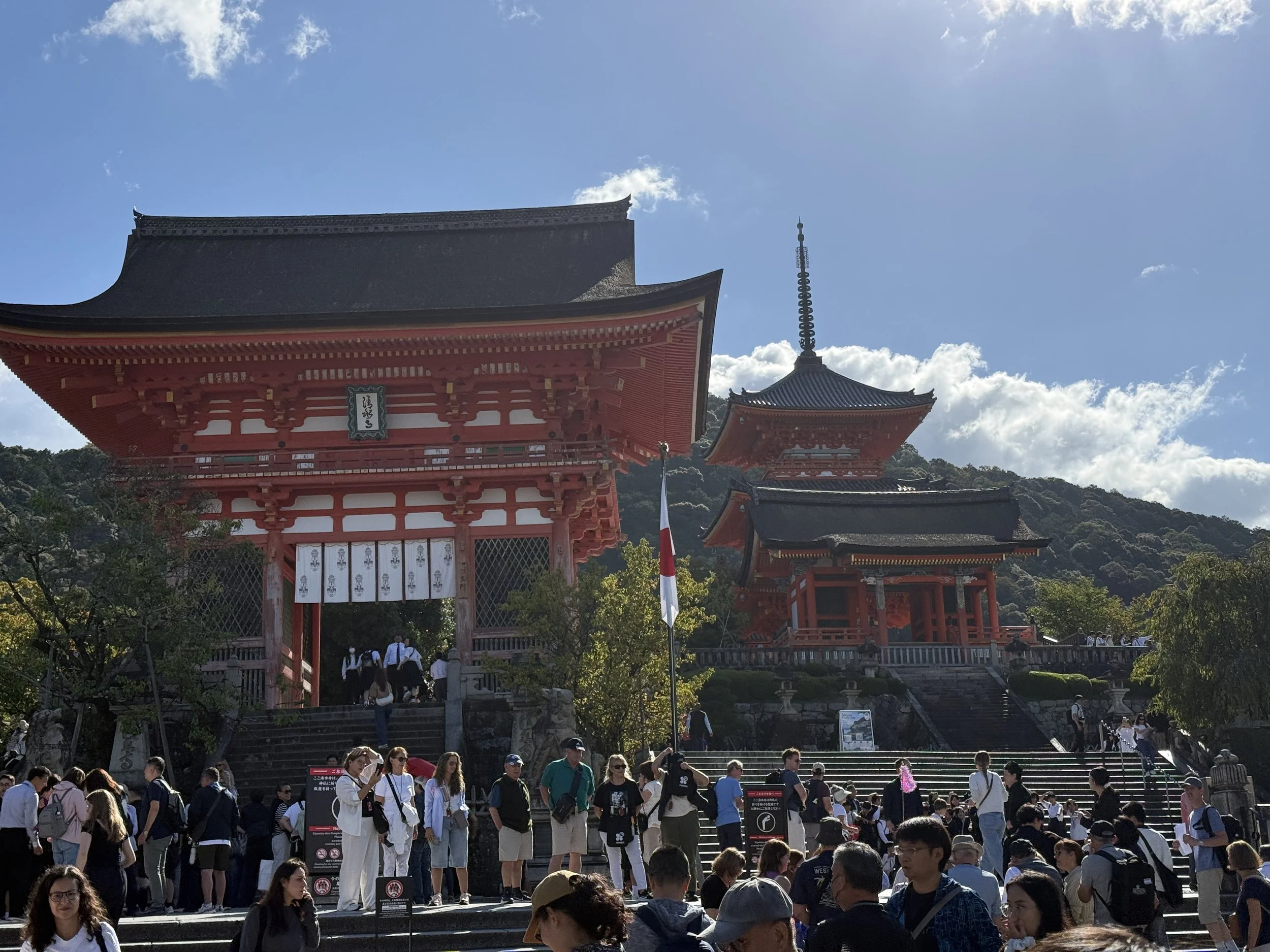
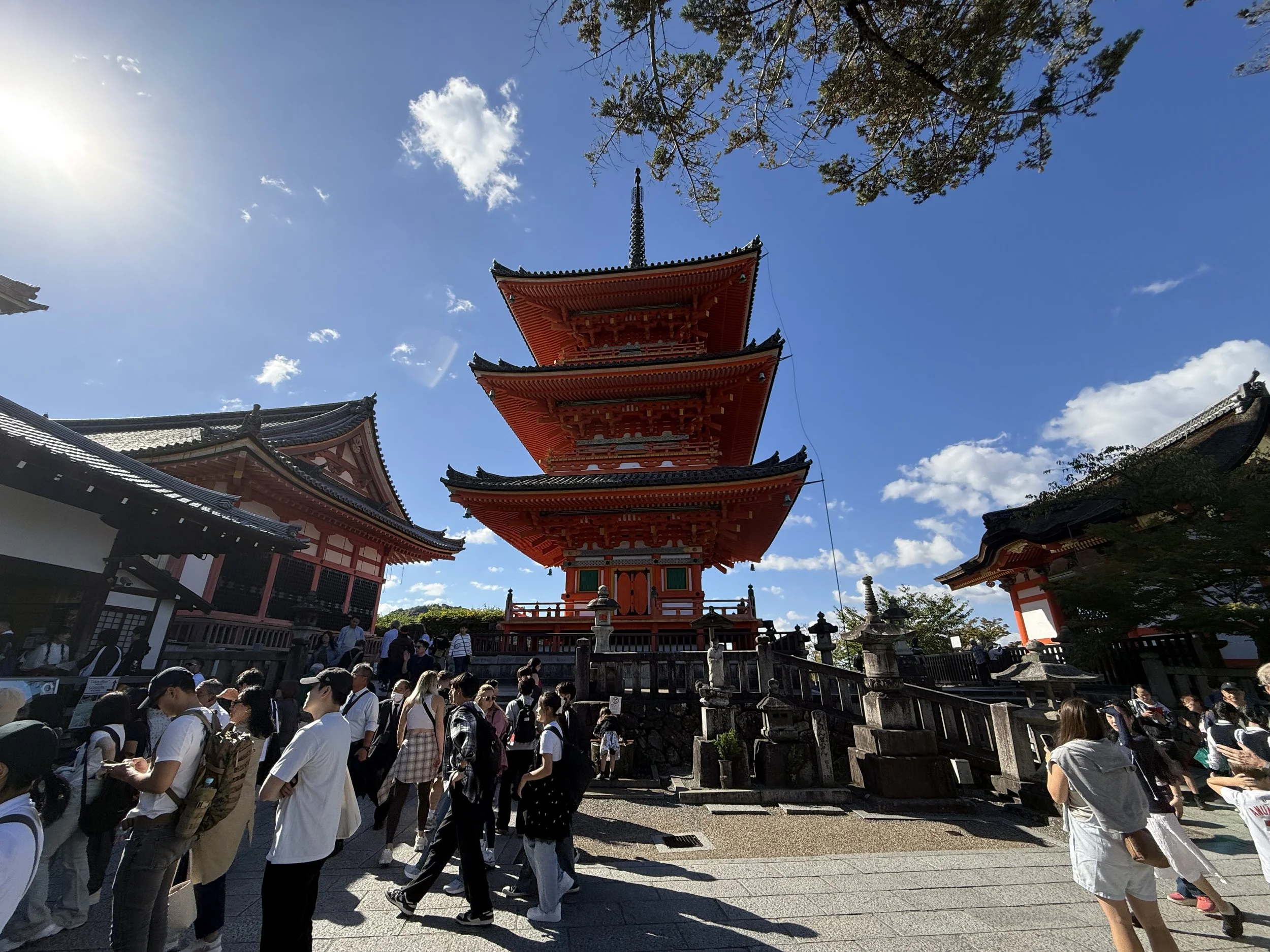
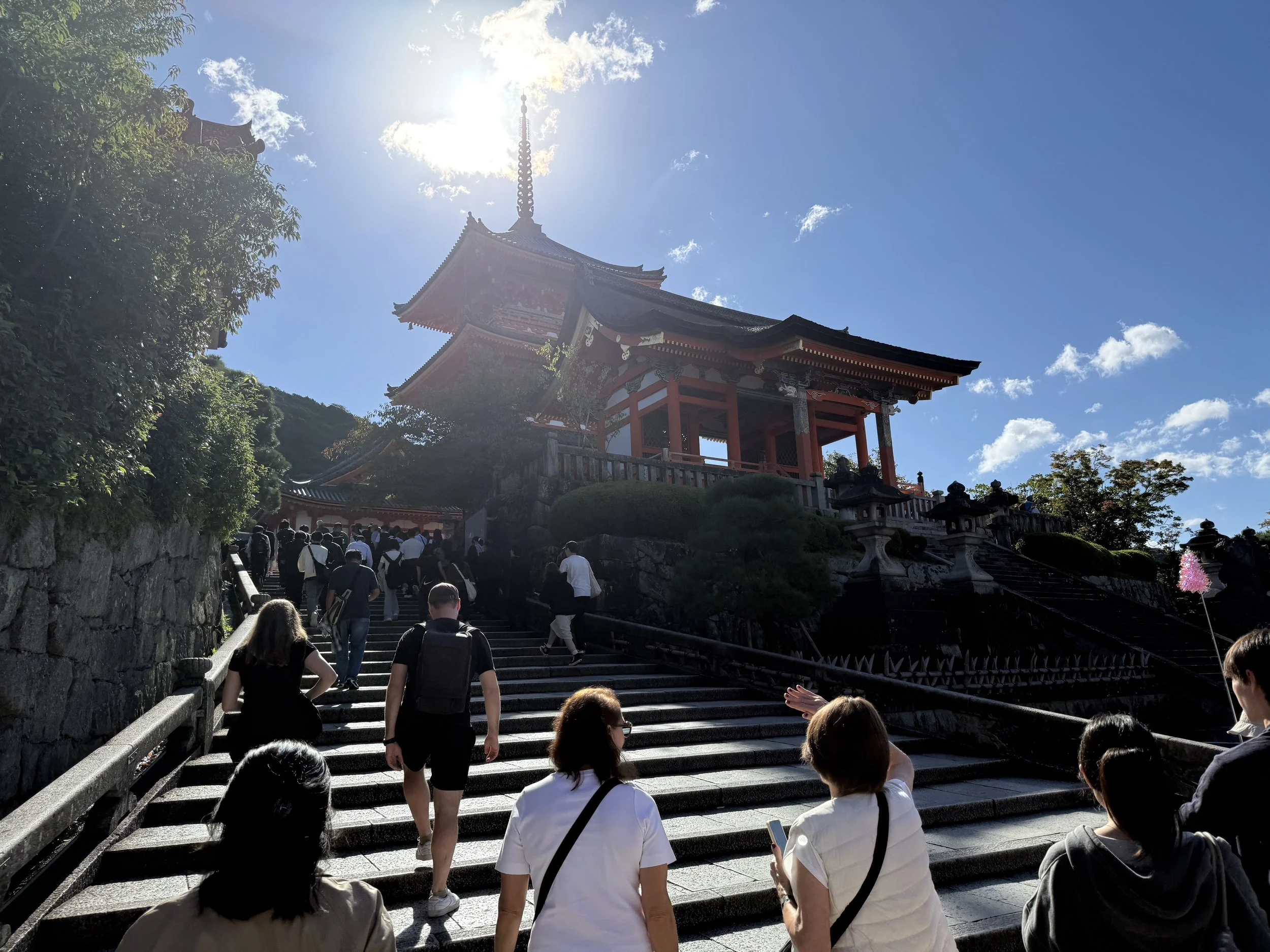
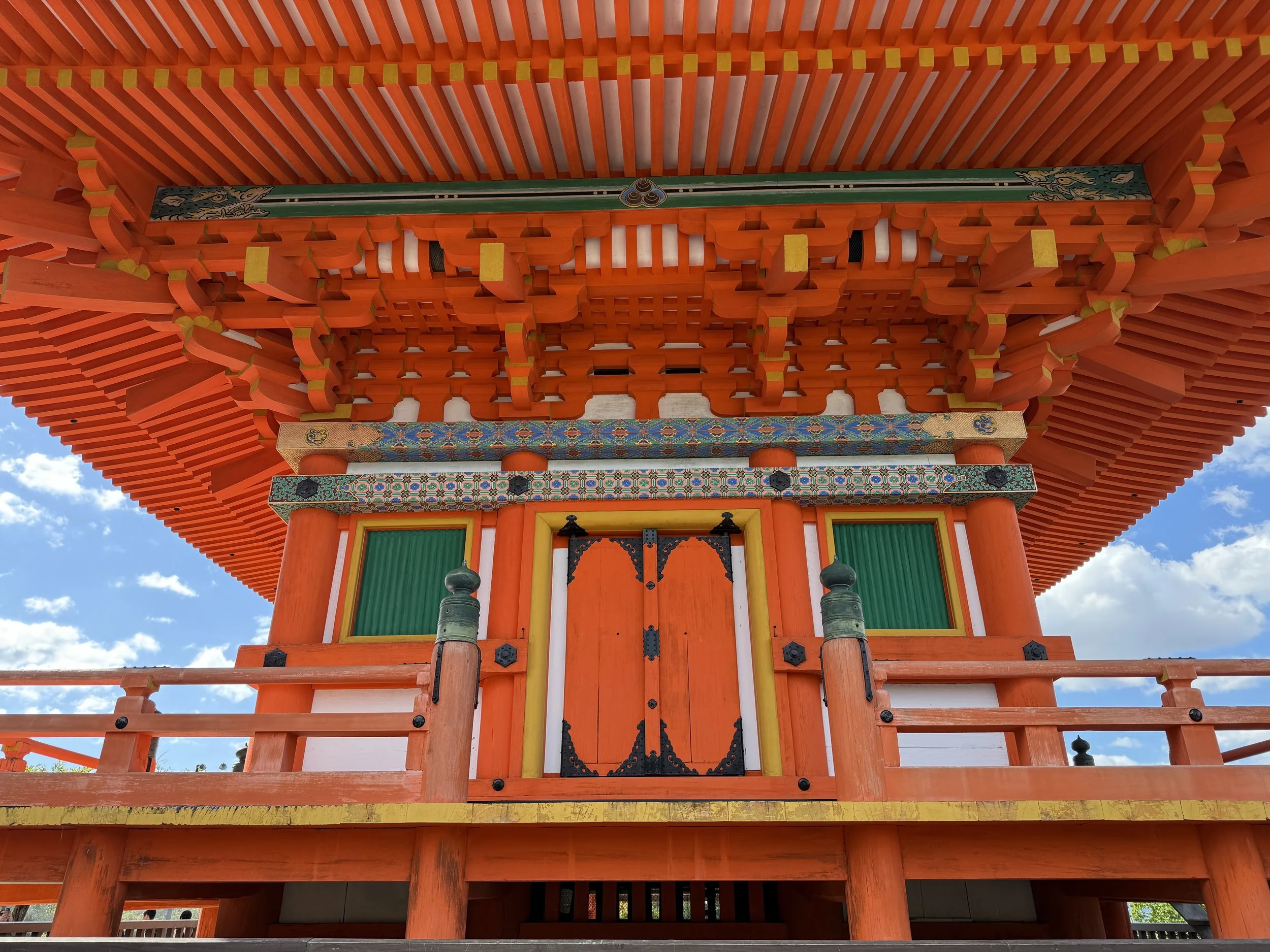
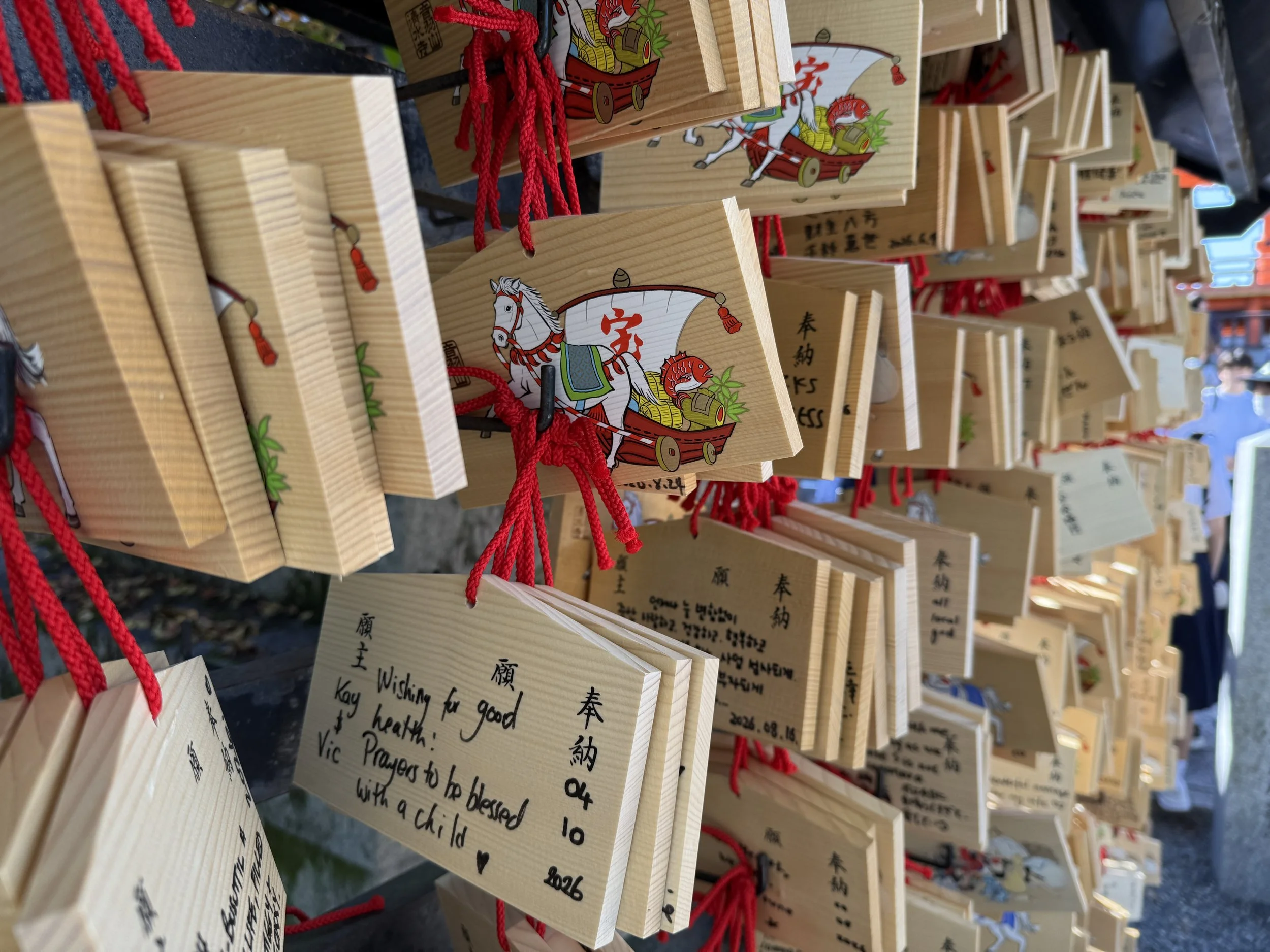
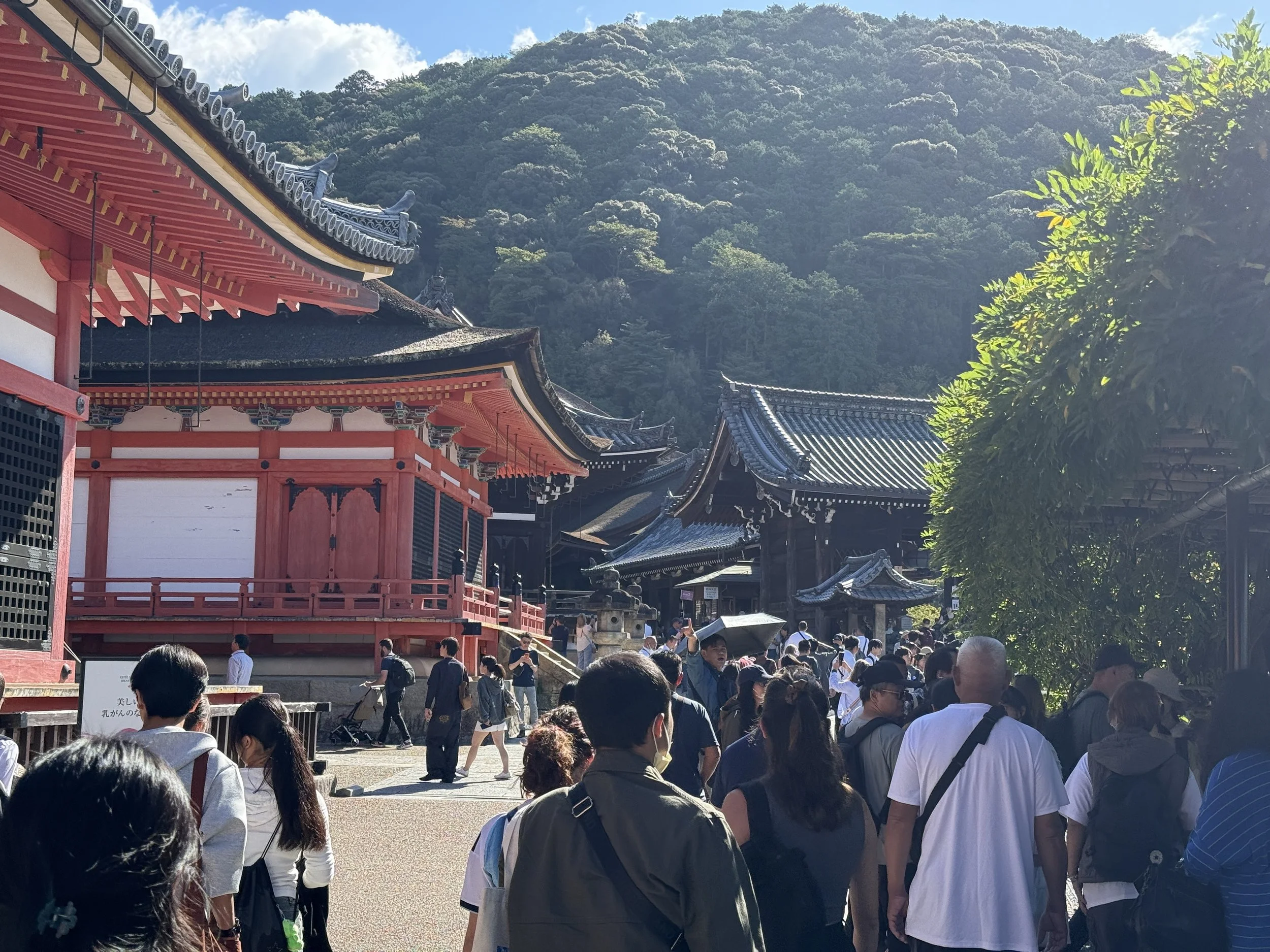
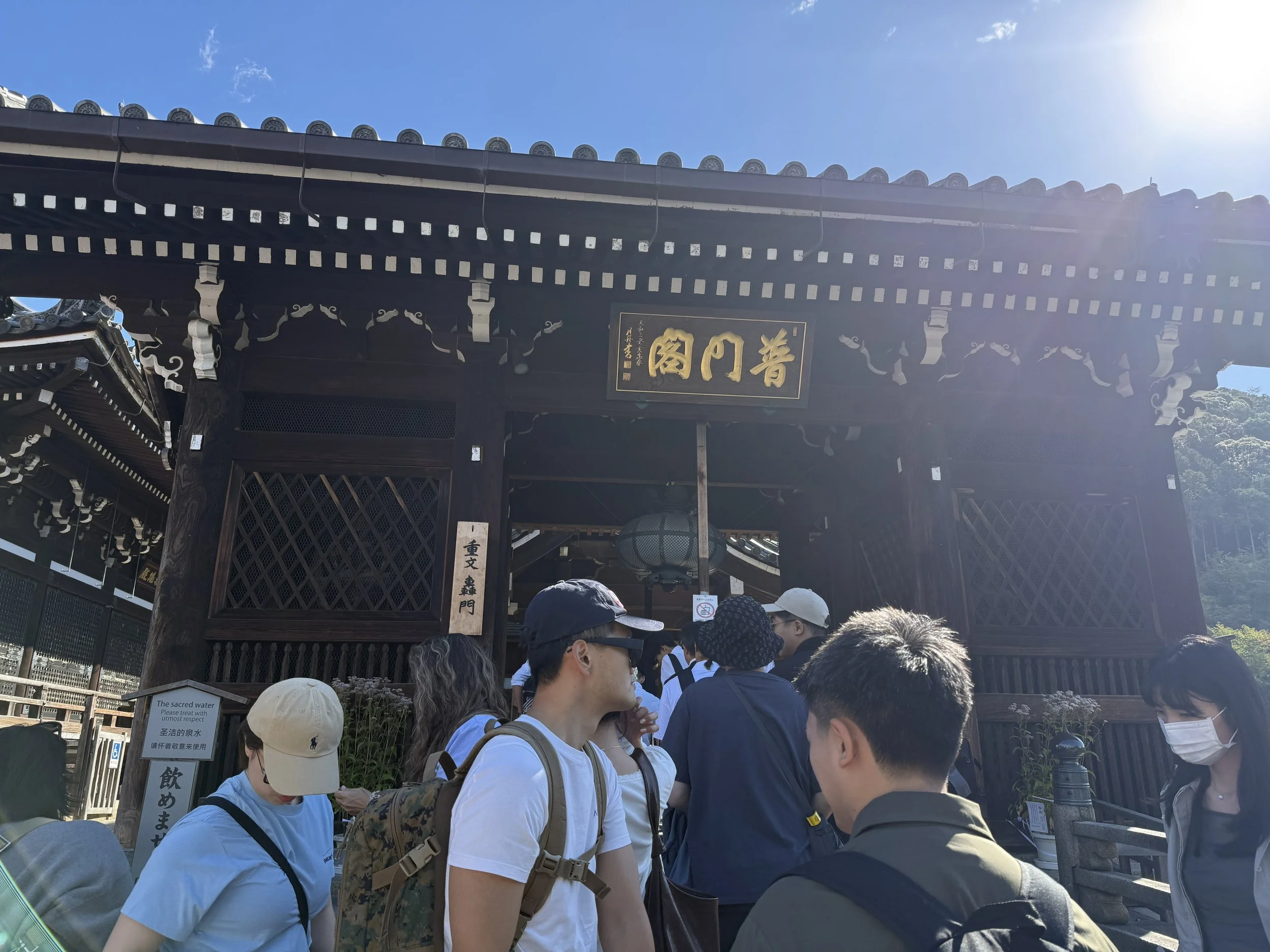
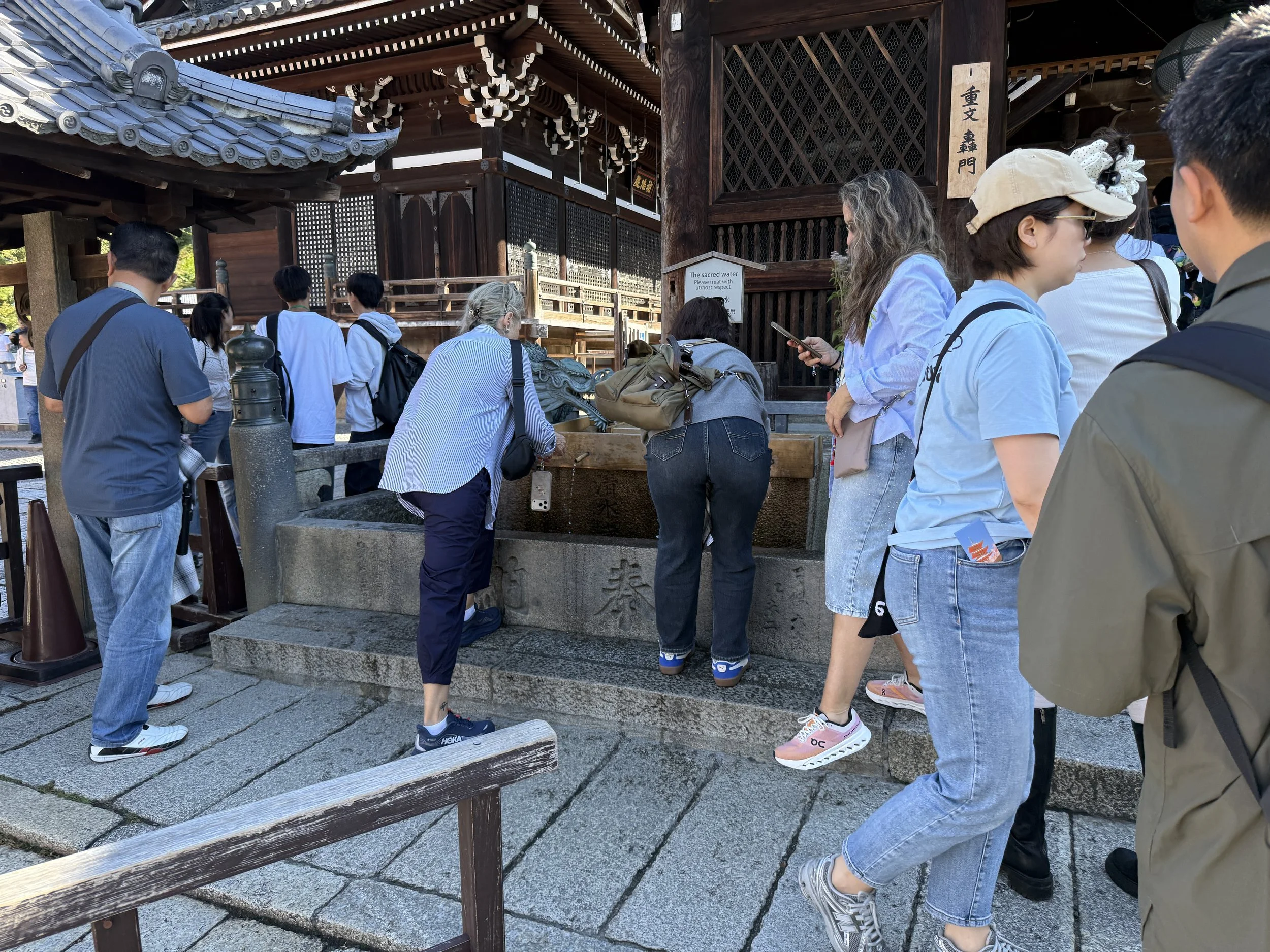
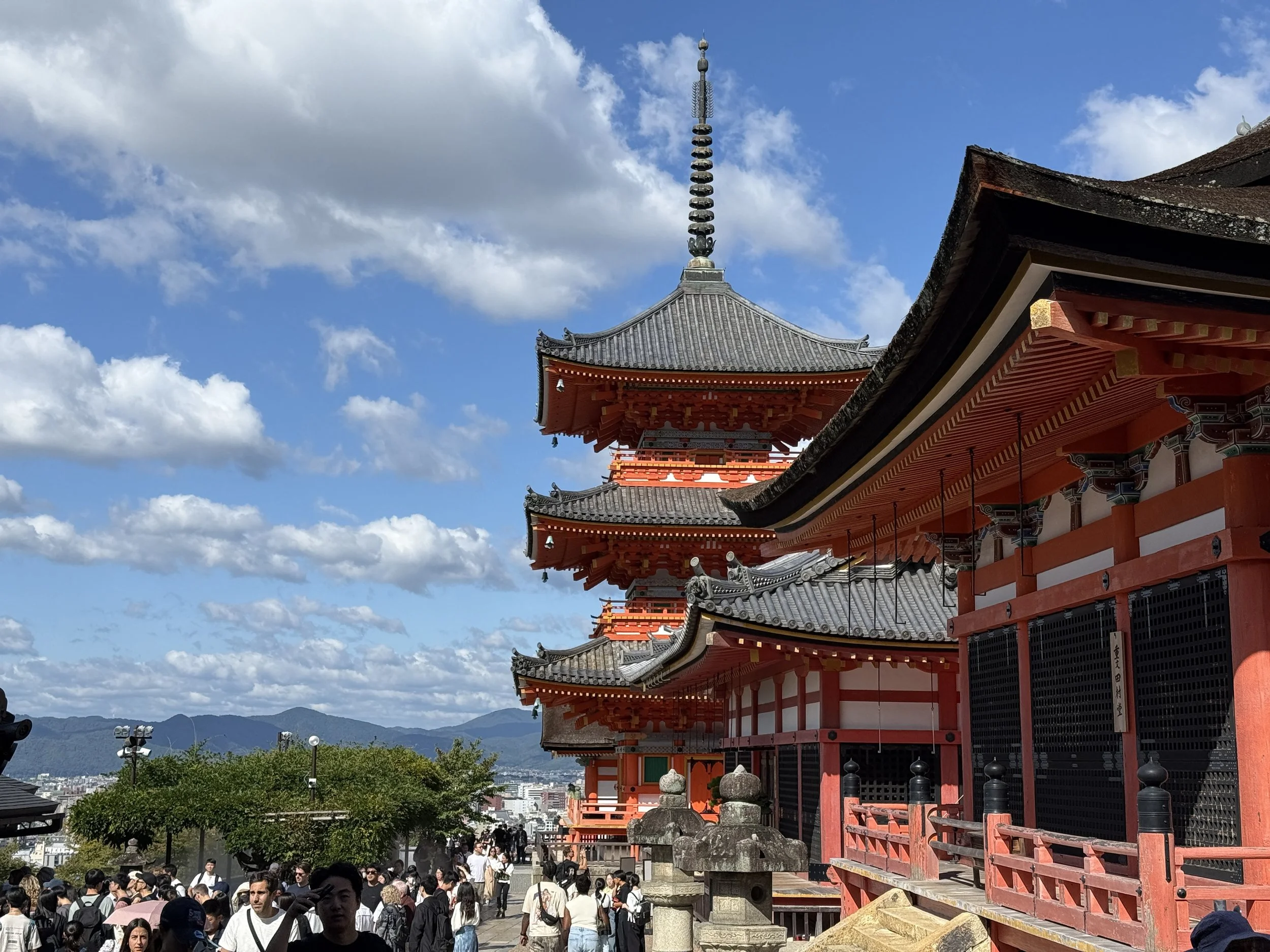
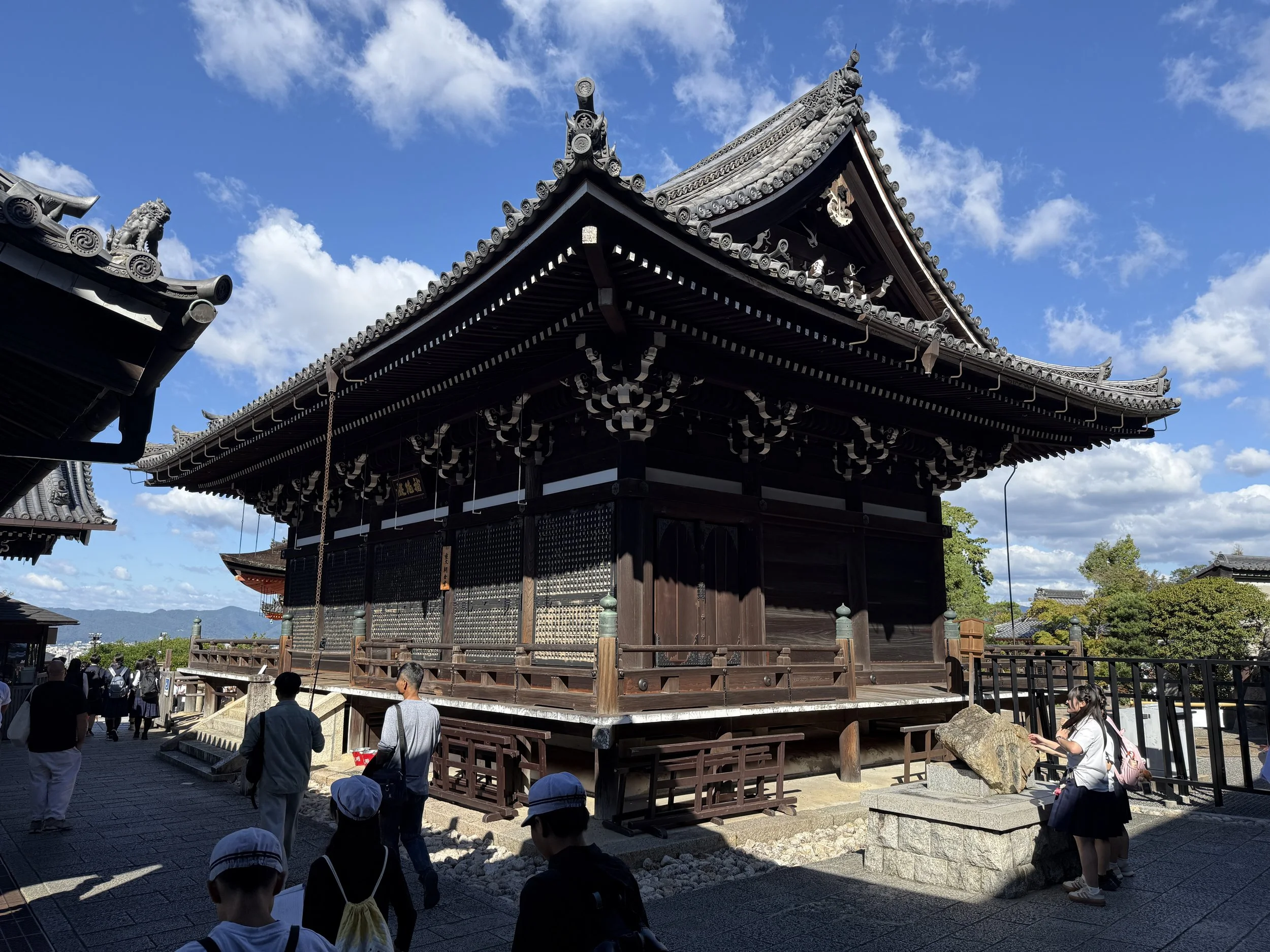
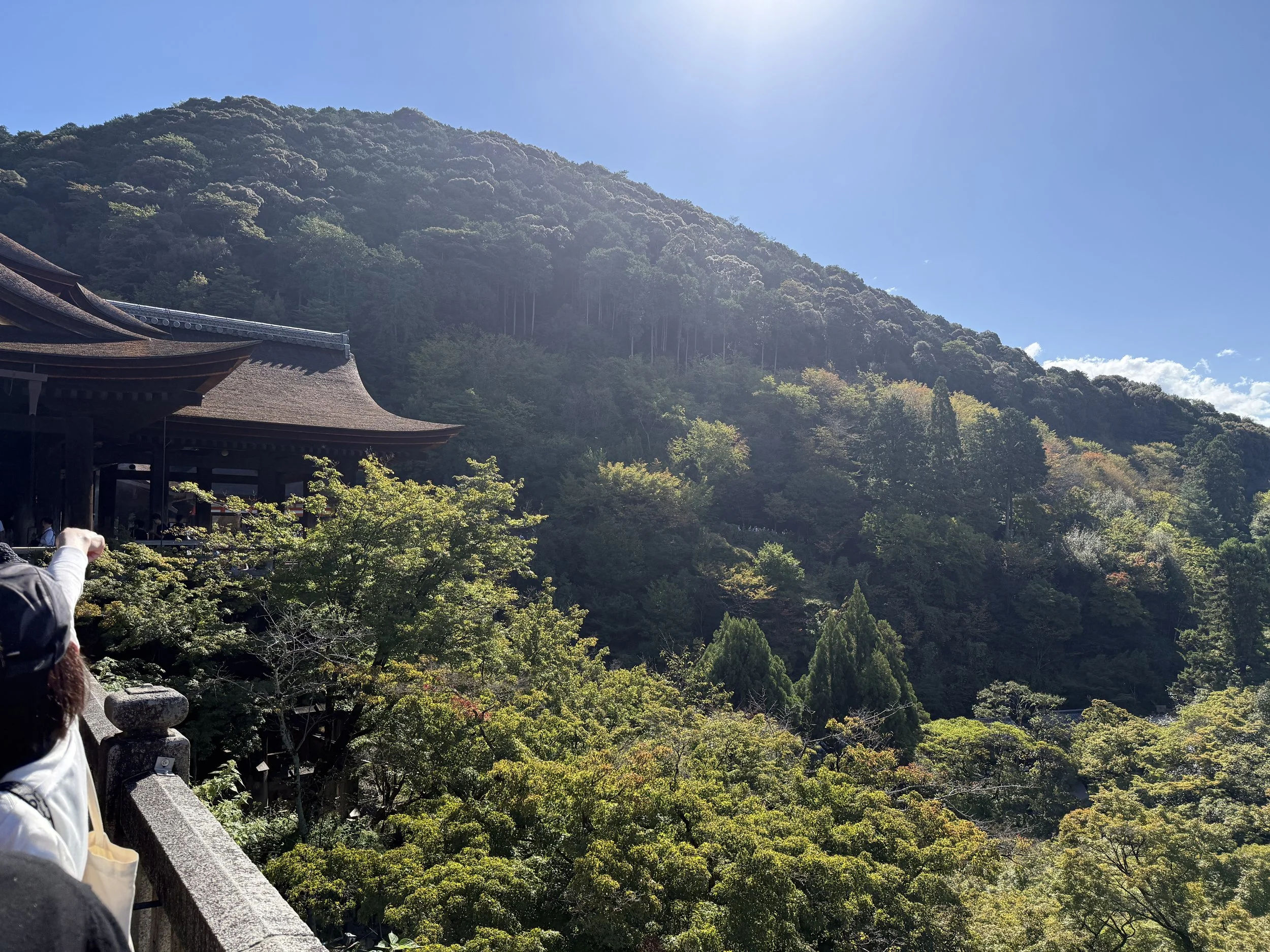
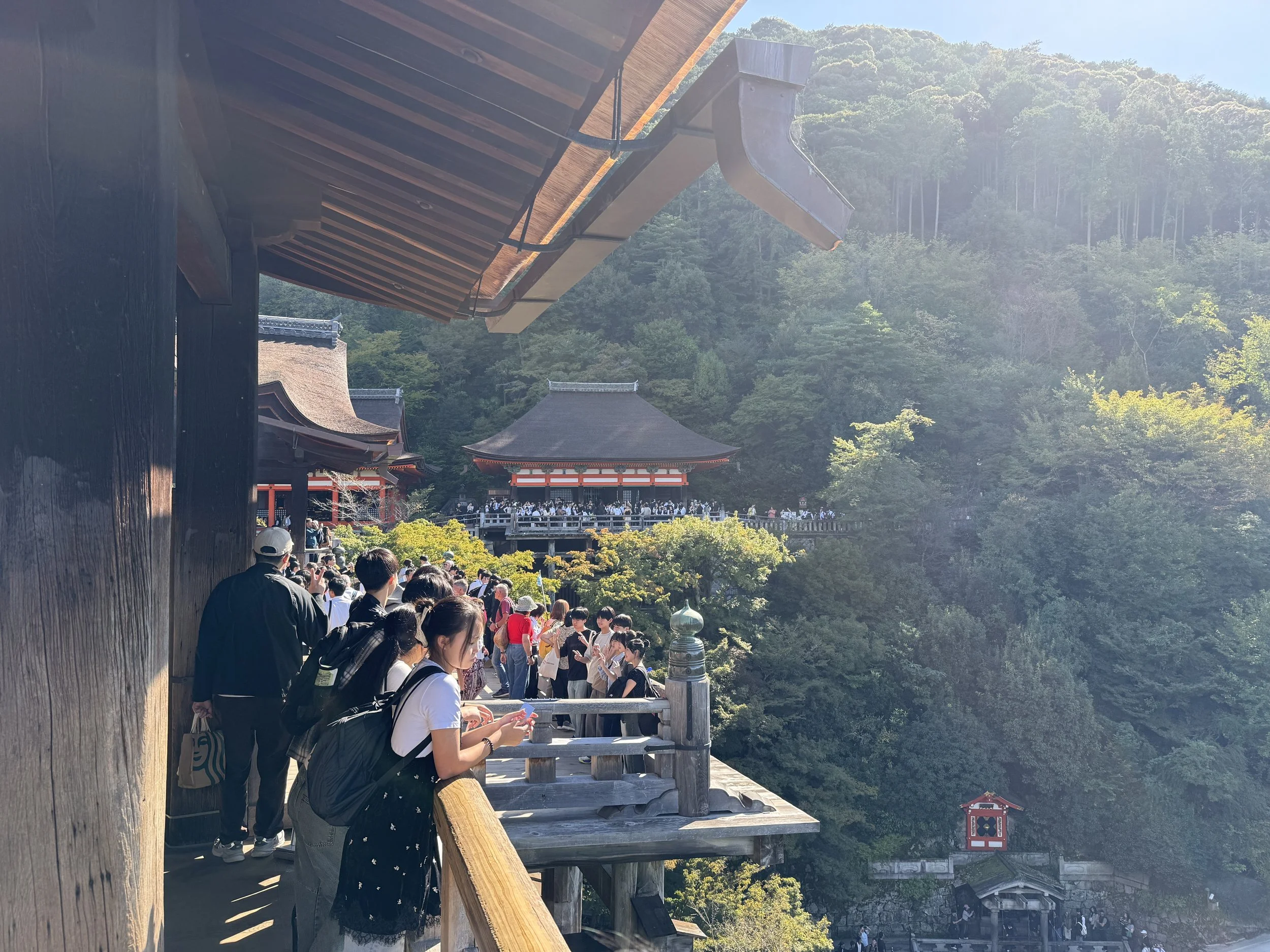
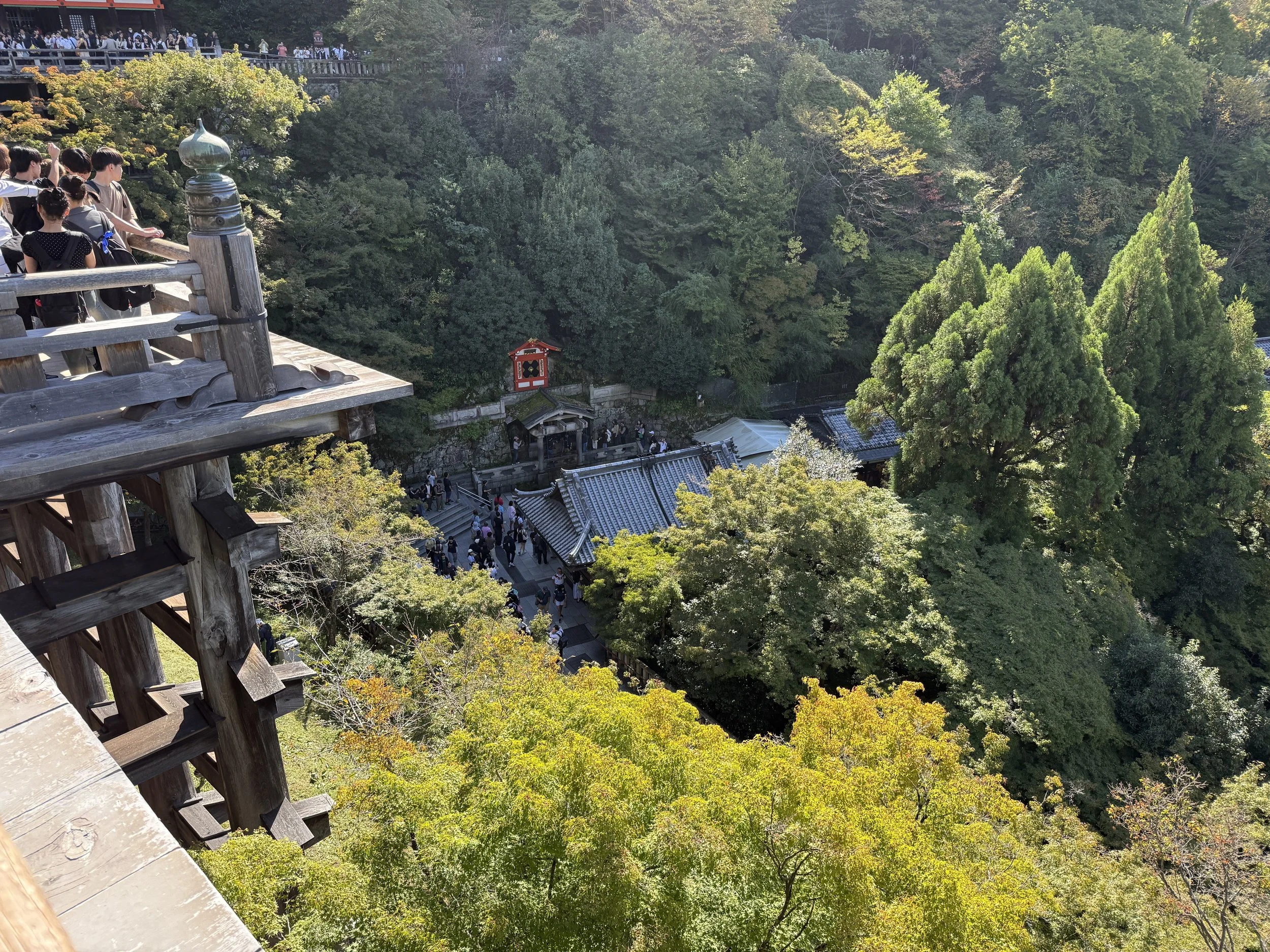
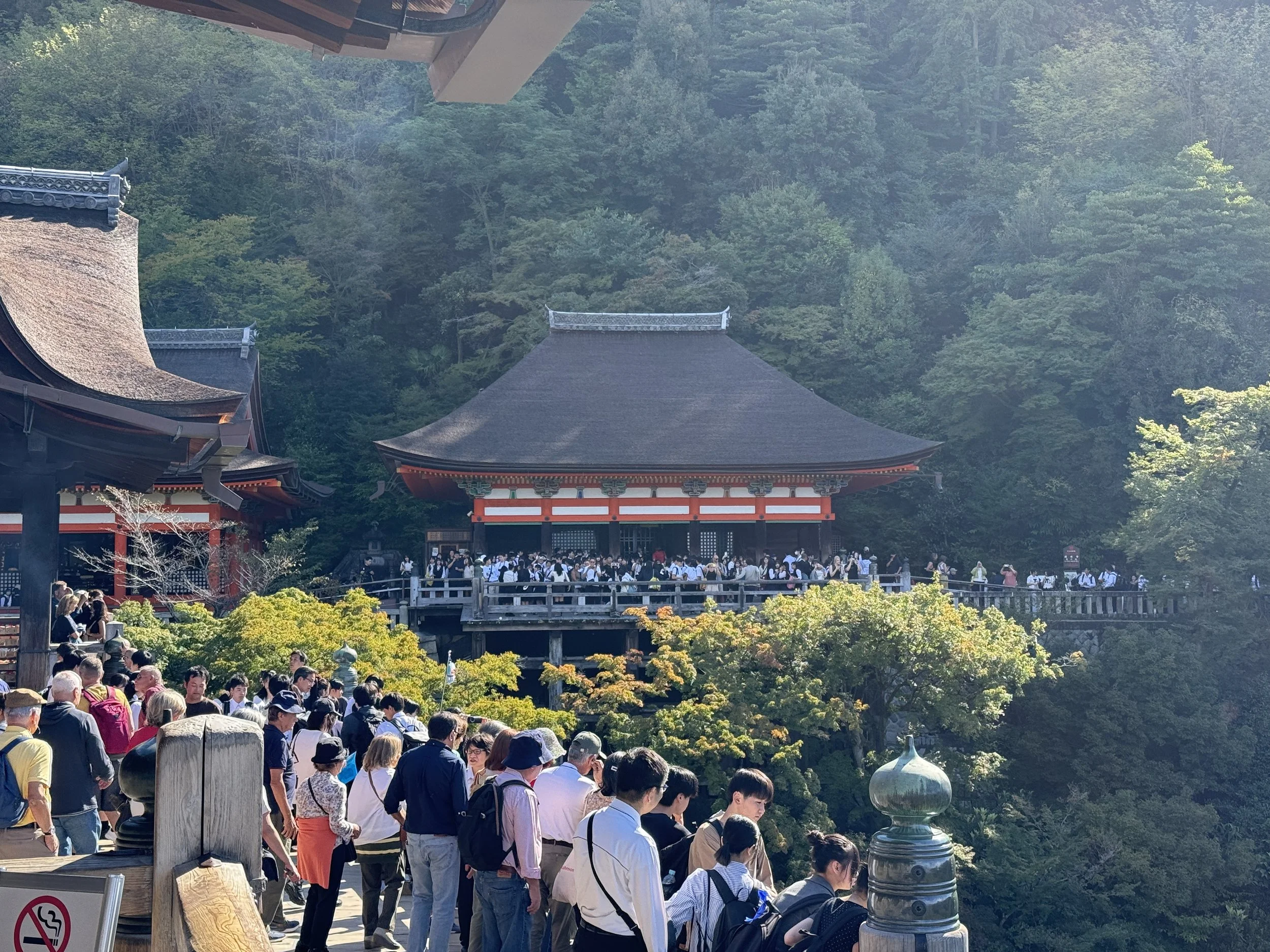
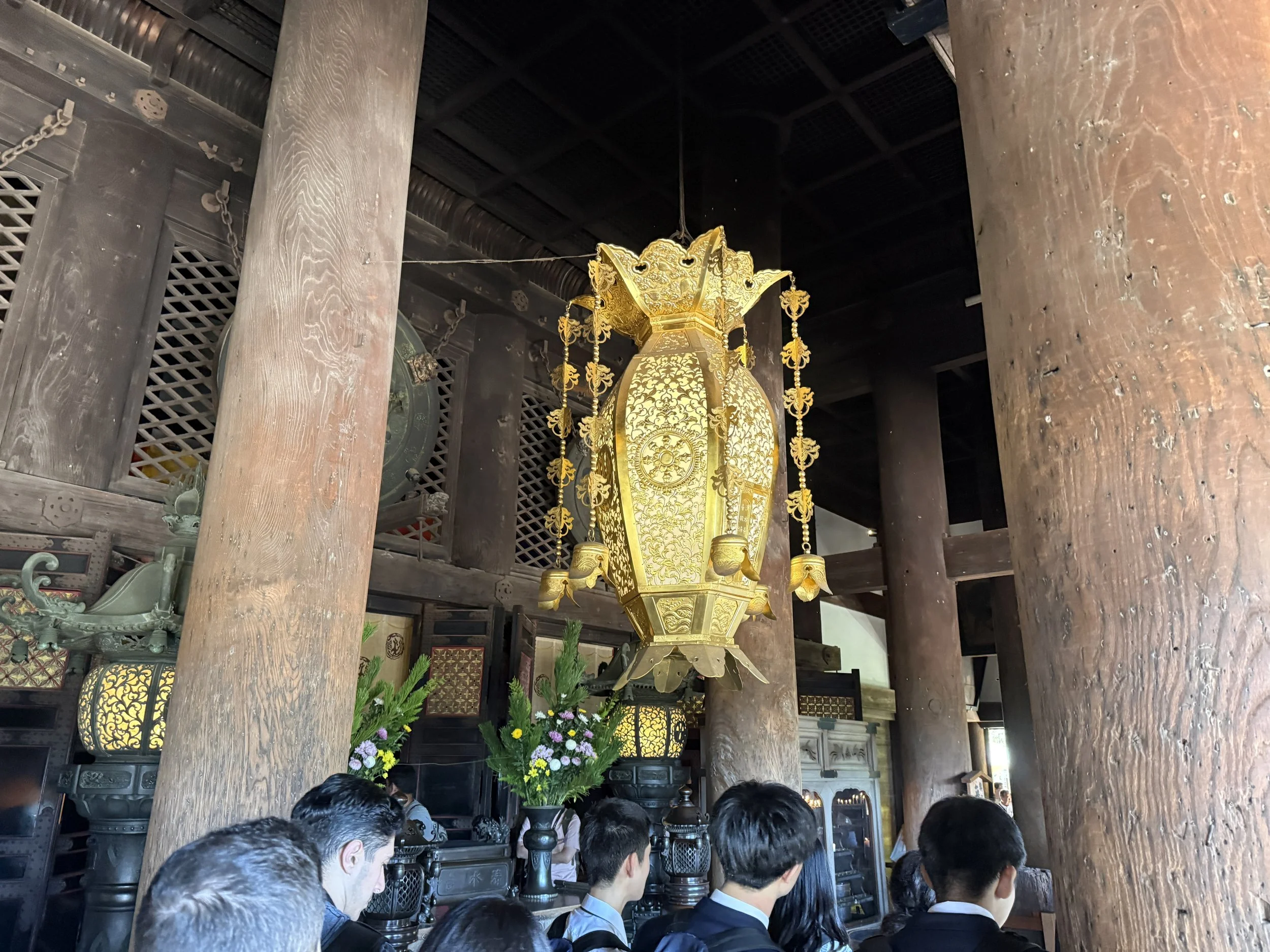
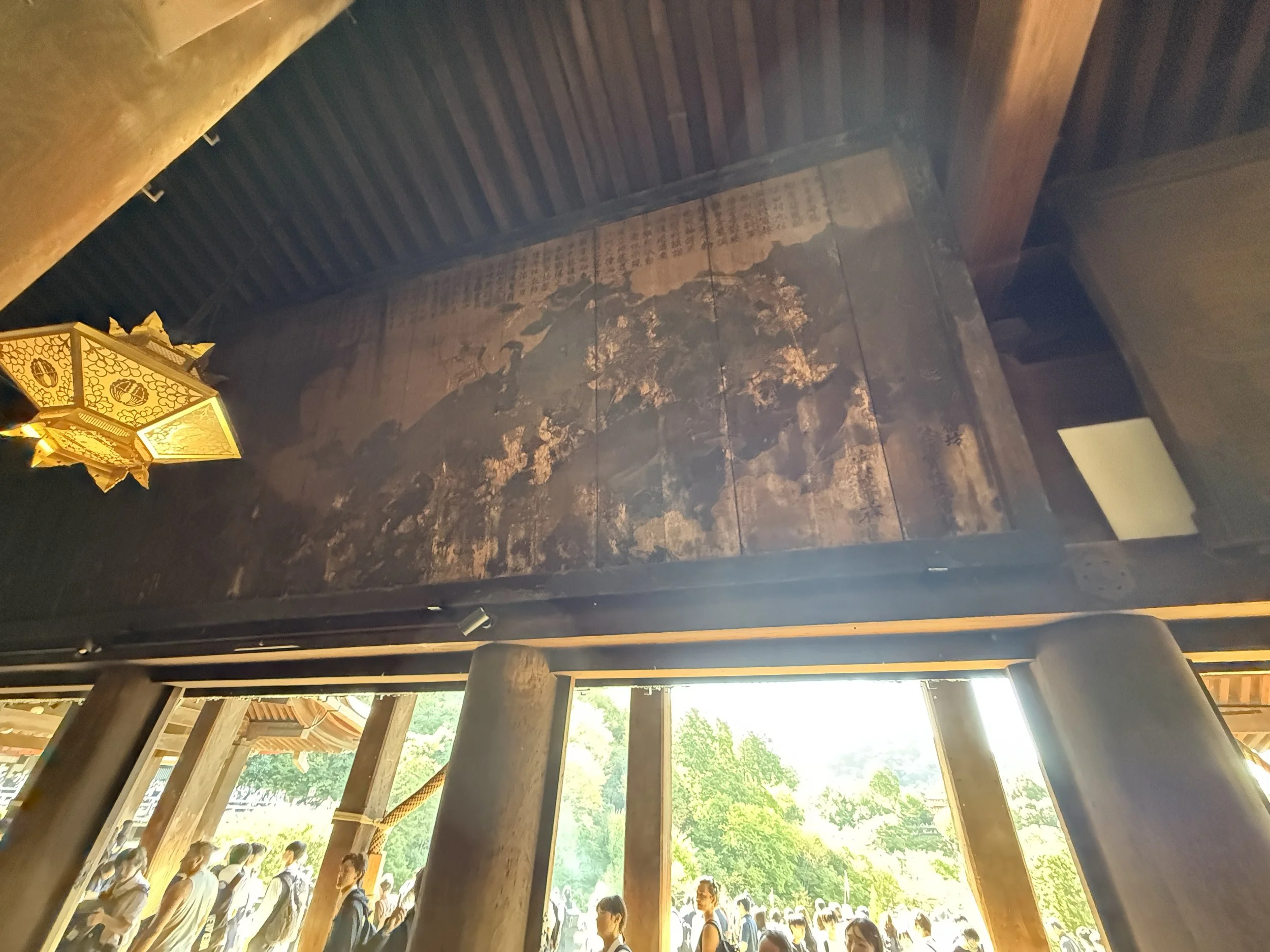
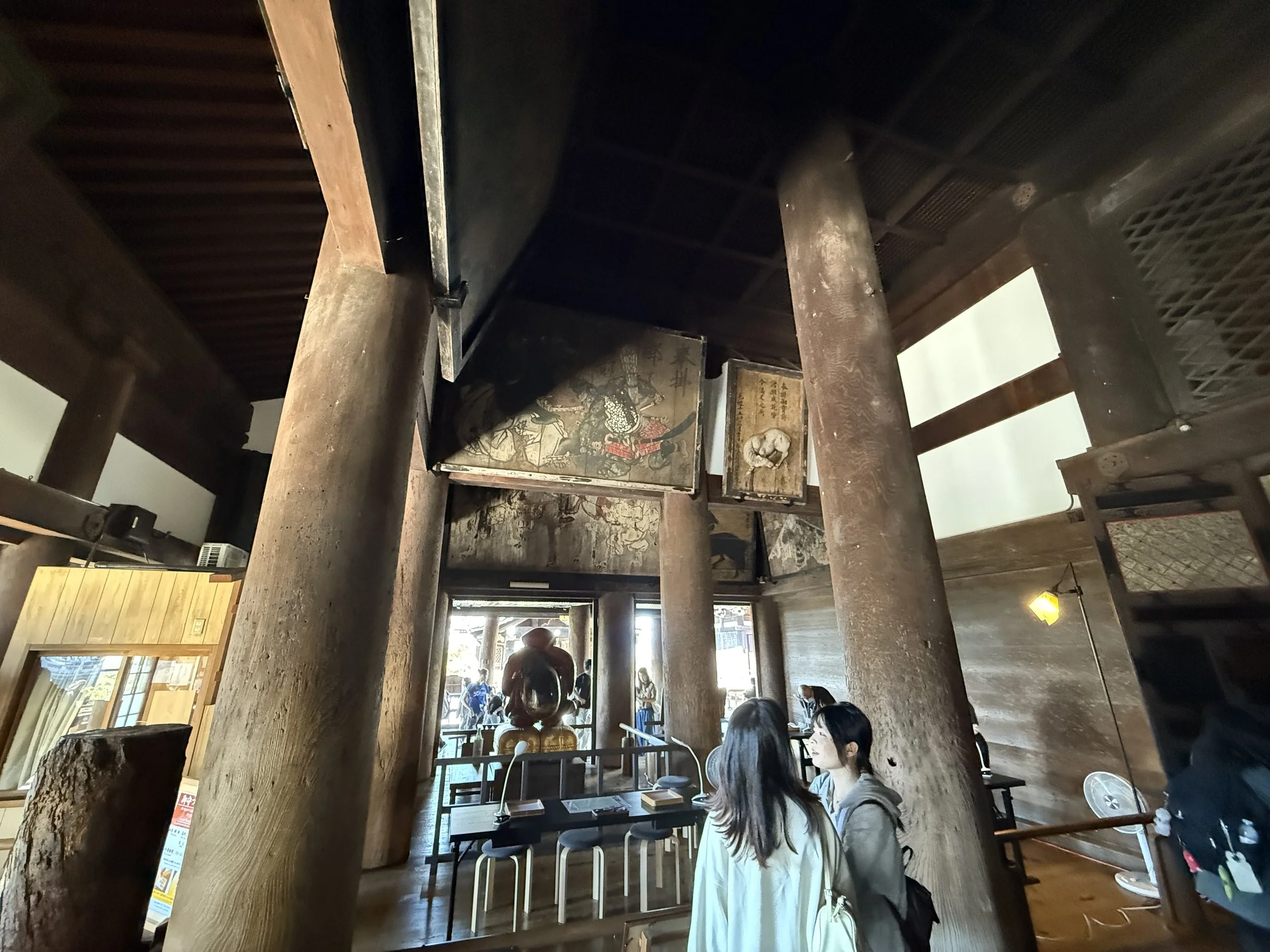
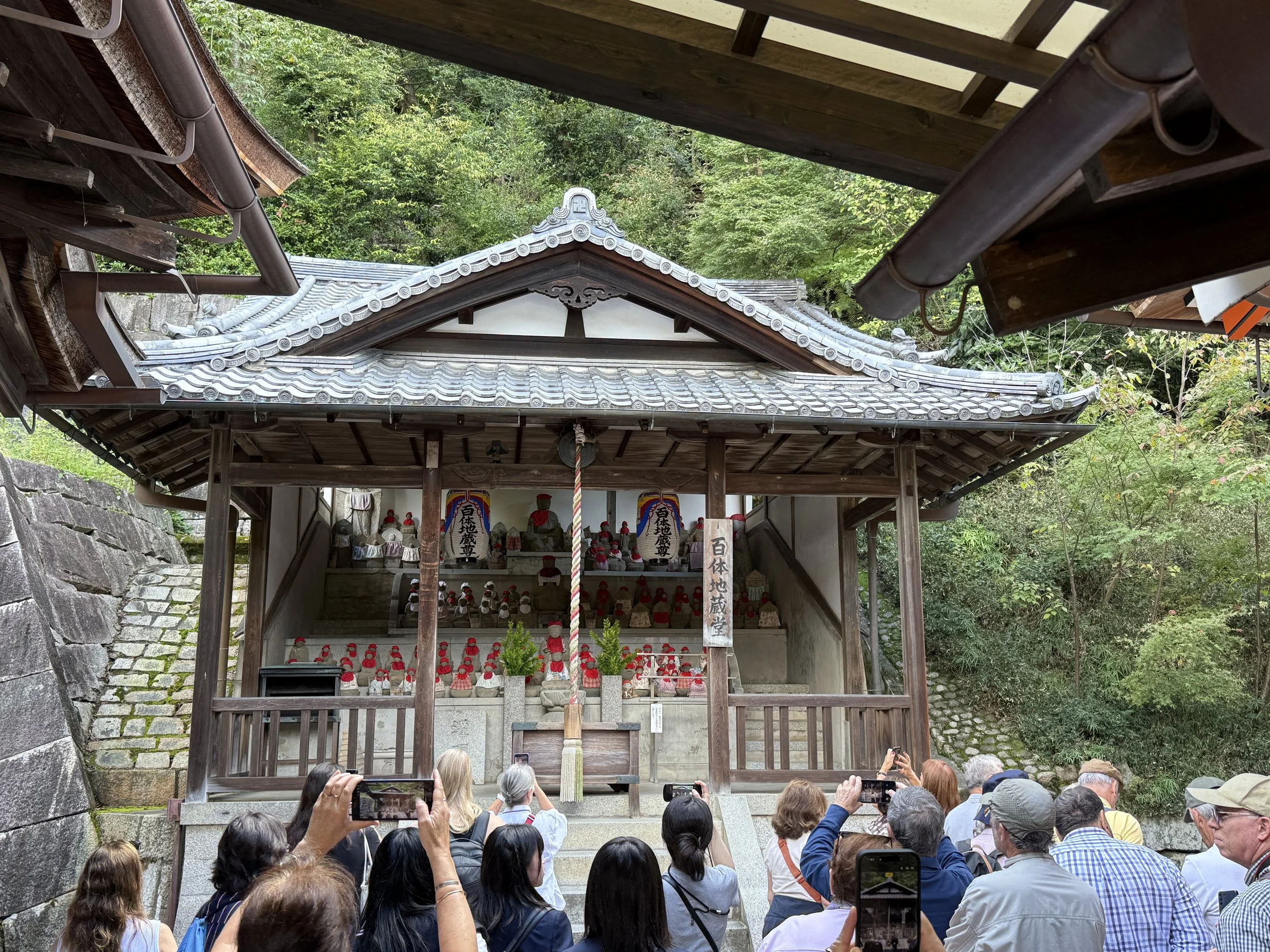
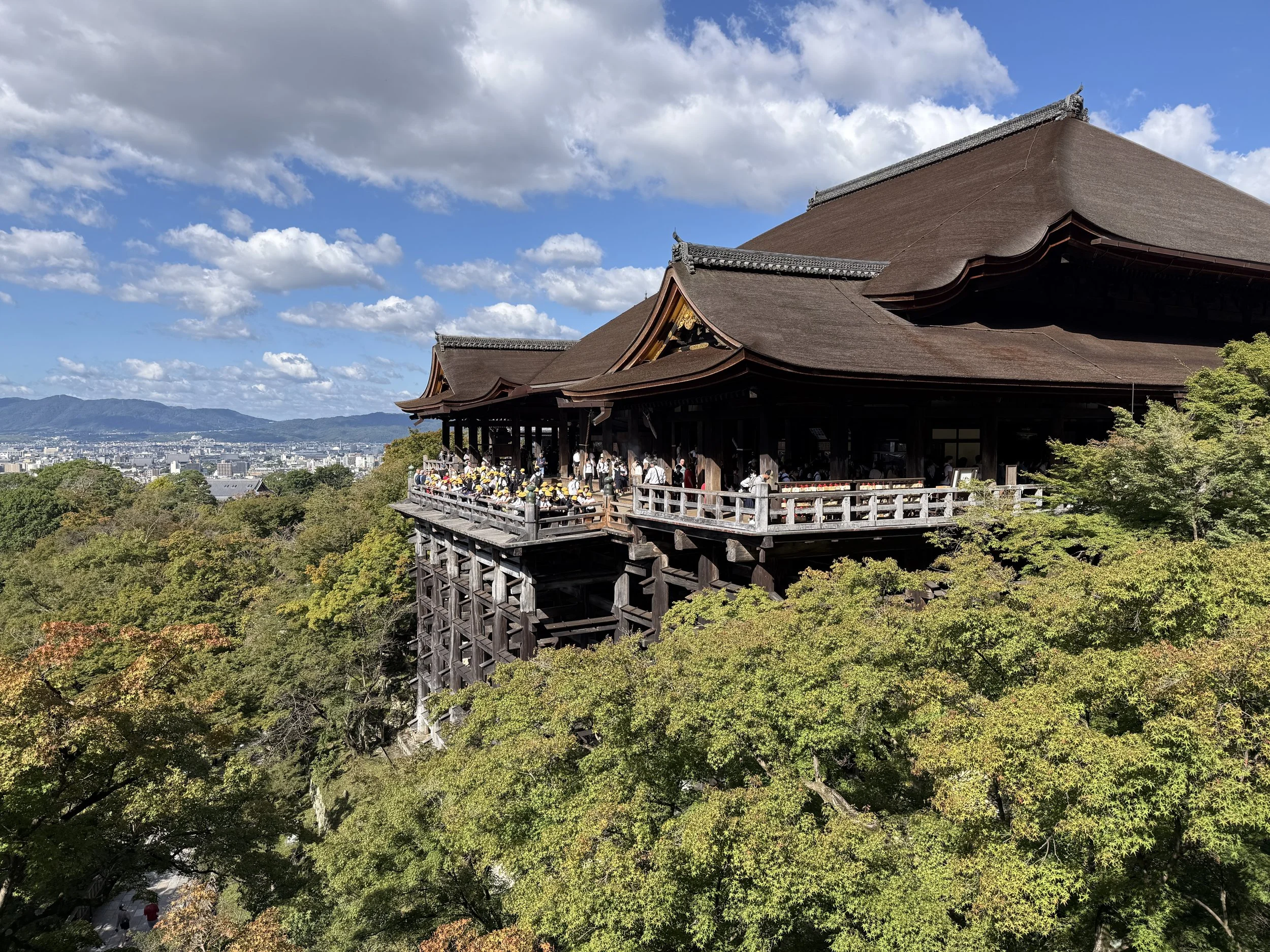
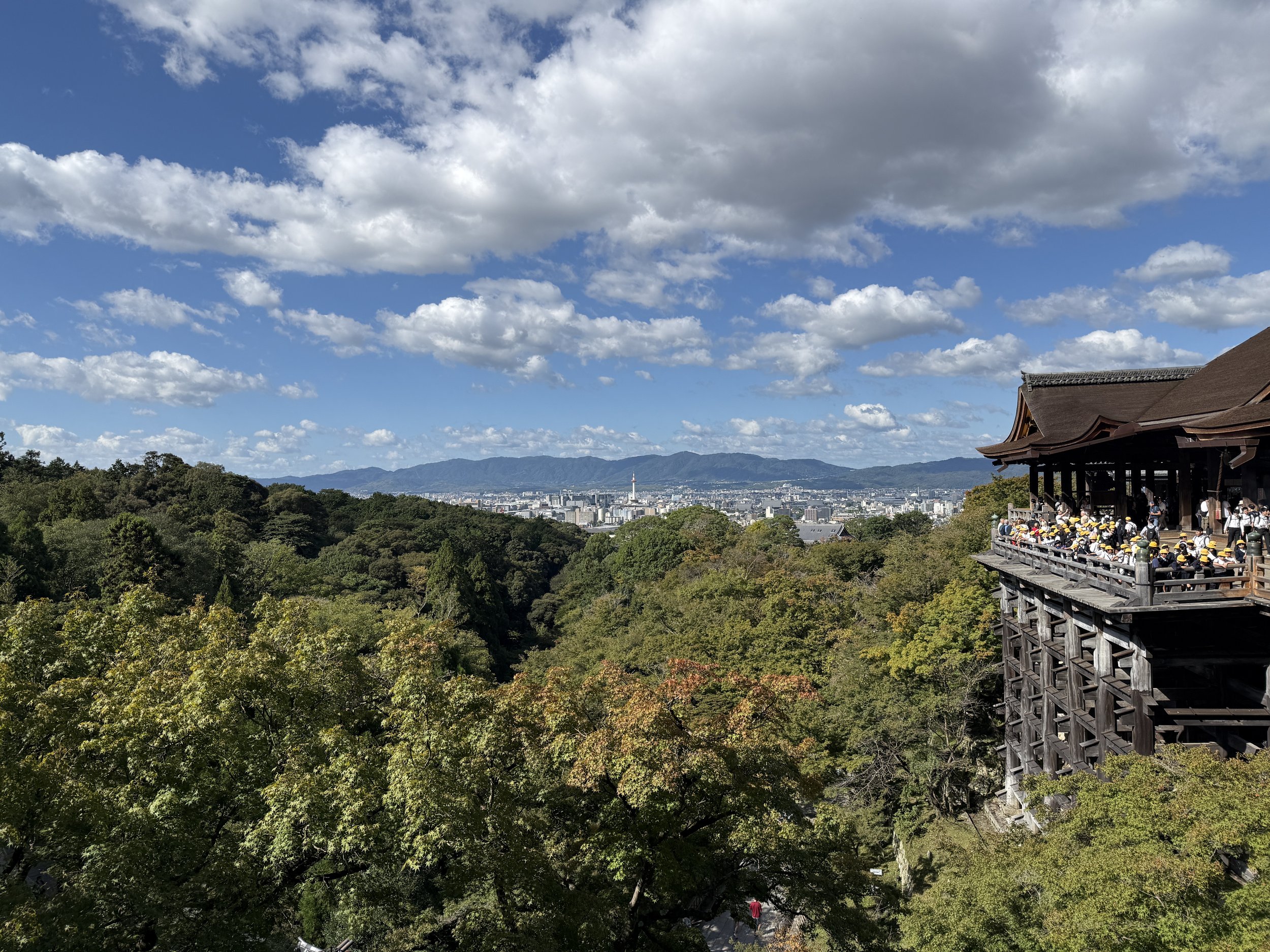
Another temple that sits on a high altitude overlooking the city, this place is packed and is one of the most sought after places in Kyoto. People from all walks of life, all over the world, visit and say their prayers to the gods. Mornings are already packed with students and tourists.
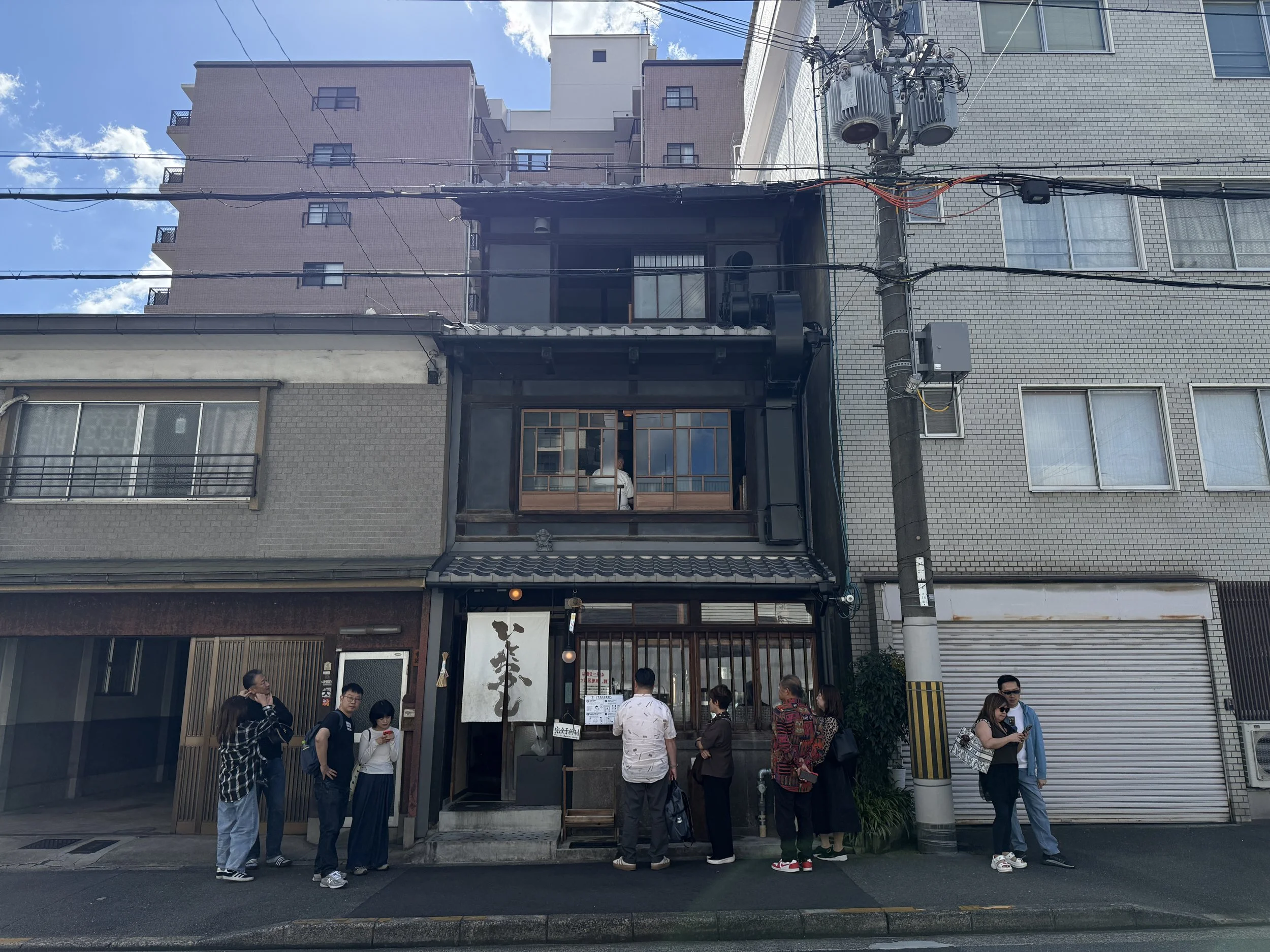
The Breakfast of all breakfasts at Kyoto Ito-Okashi
This is the breakfast spot that my wife booked ahead of time. Asian breakfast normally involves rice and a type of protein with a bunch of other stuff—ideal for laborers.
This place is busy and reservations are a must! You only have about an hour to eat and they will be vocal about it. If they see that you’re taking your sweet time, then be prepared to hear something. Don’t try to tell about your rights or entitlement, they don’t recognize them. hahahaha. Just eat and leave.
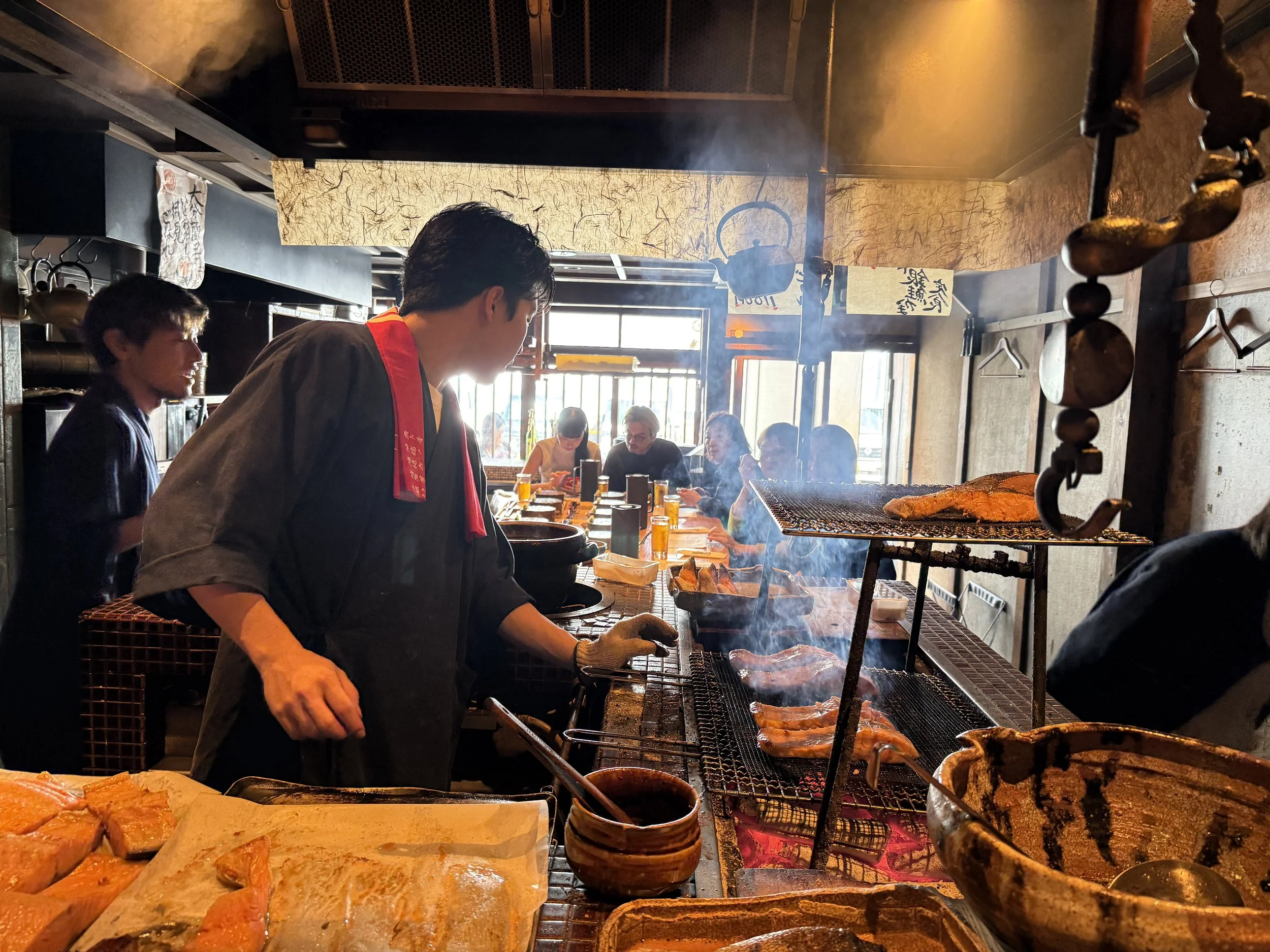
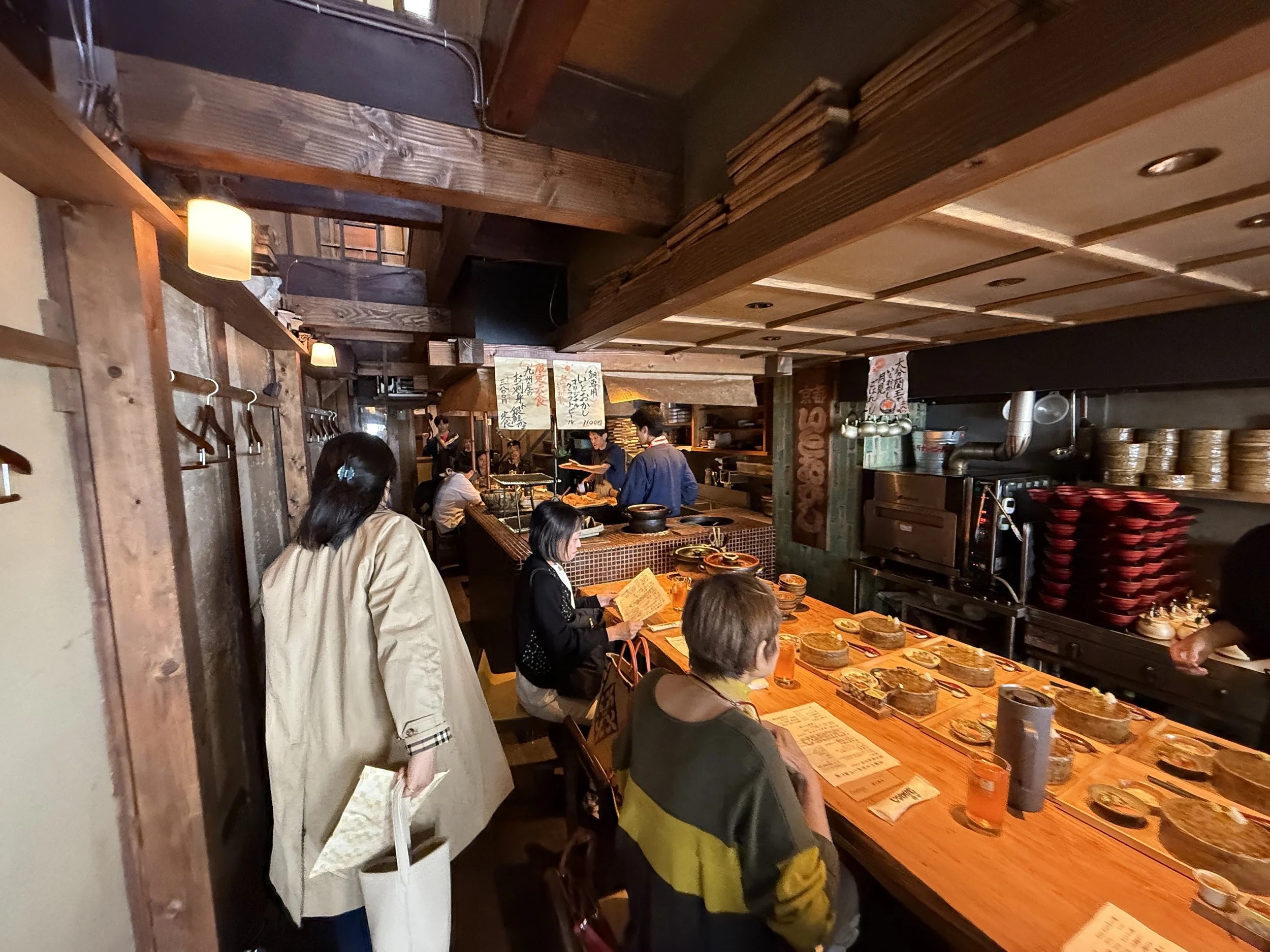
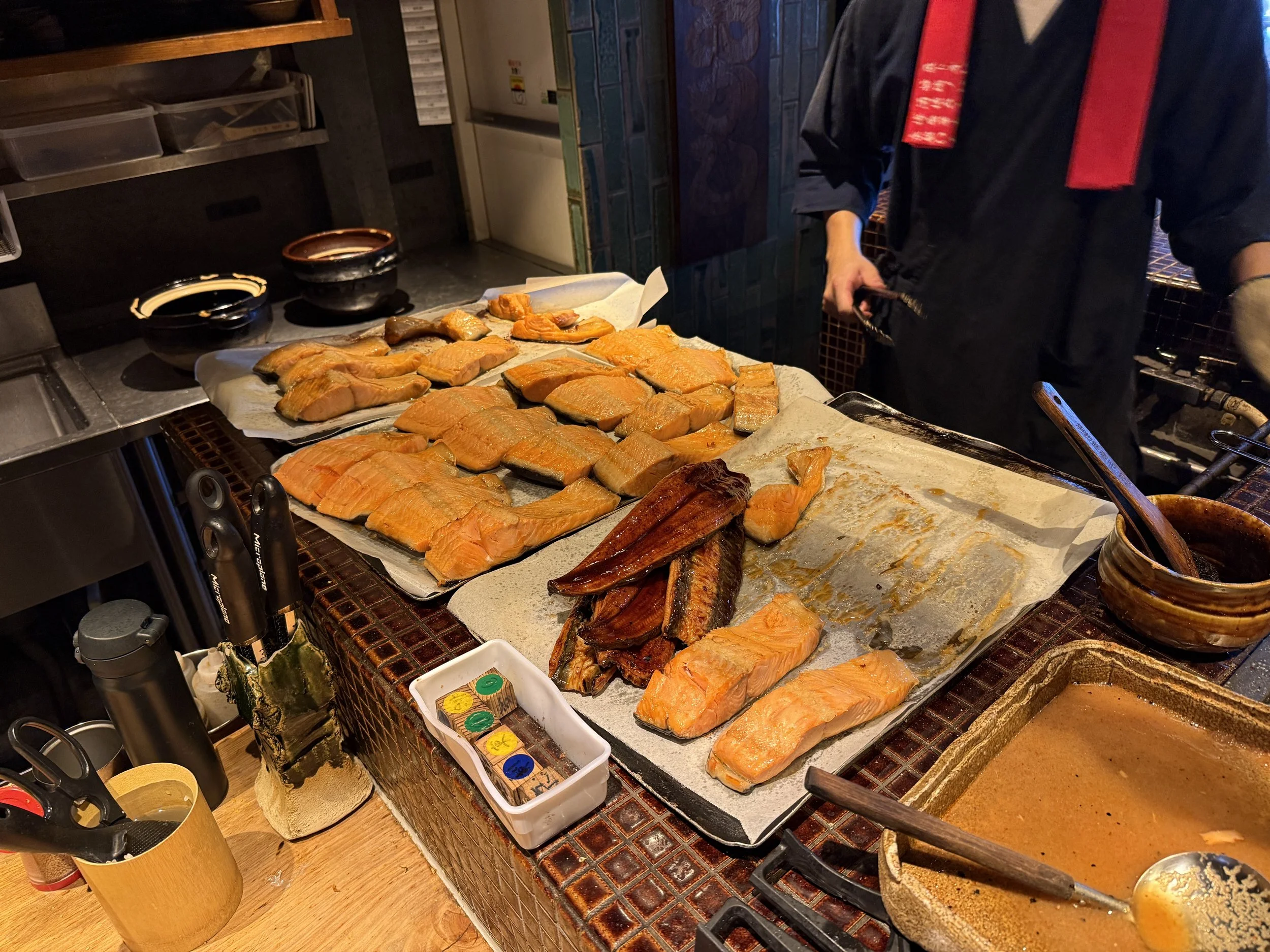
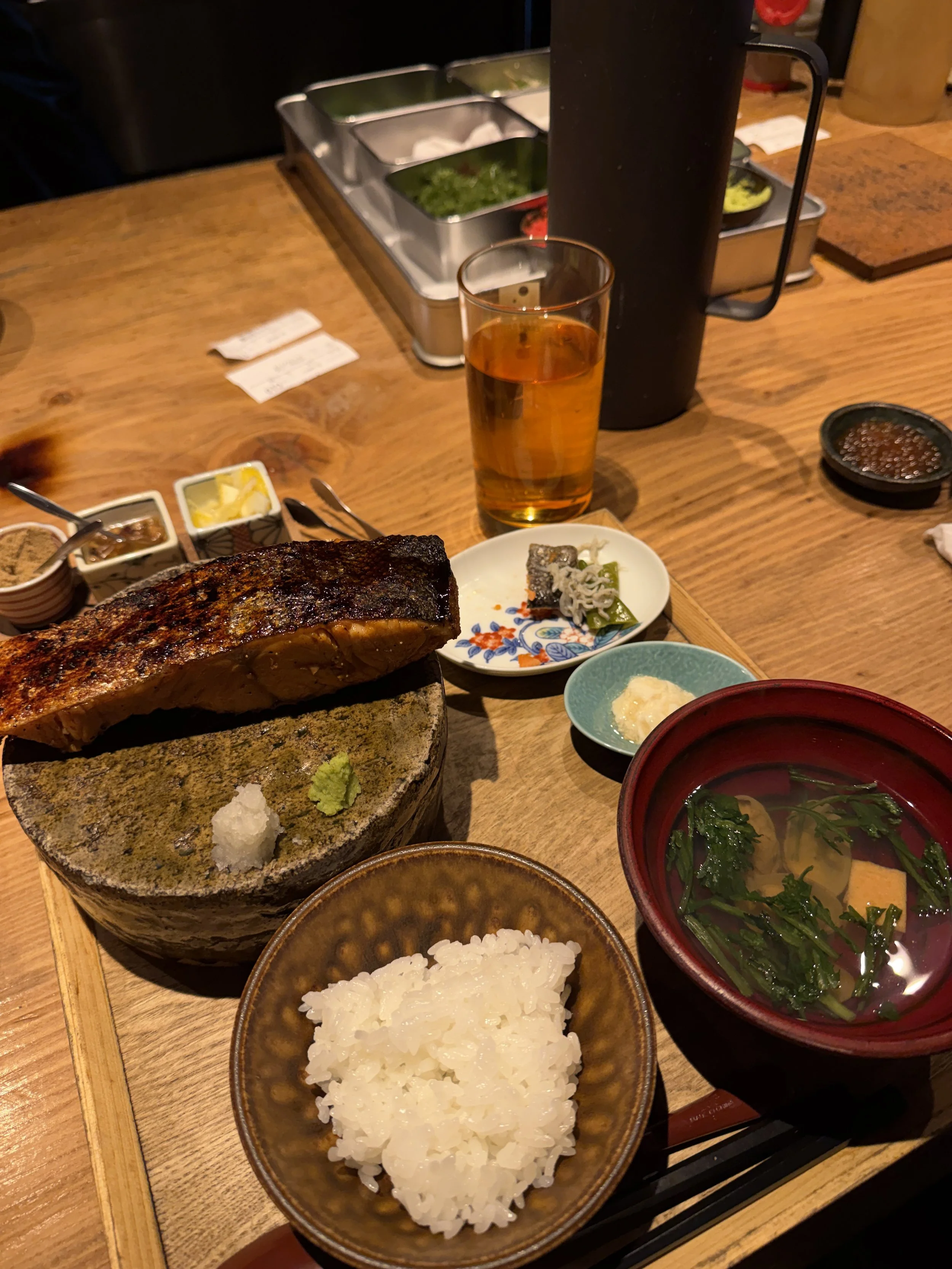
The highlights of the house are grilled salmon or eel that come in a set. The chef rocks the grill like no other. Meanwhile, his colleagues occupy themselves with other tasks like slicing fish for the sashimi set and cooking the most amazing Hokkaido rice.
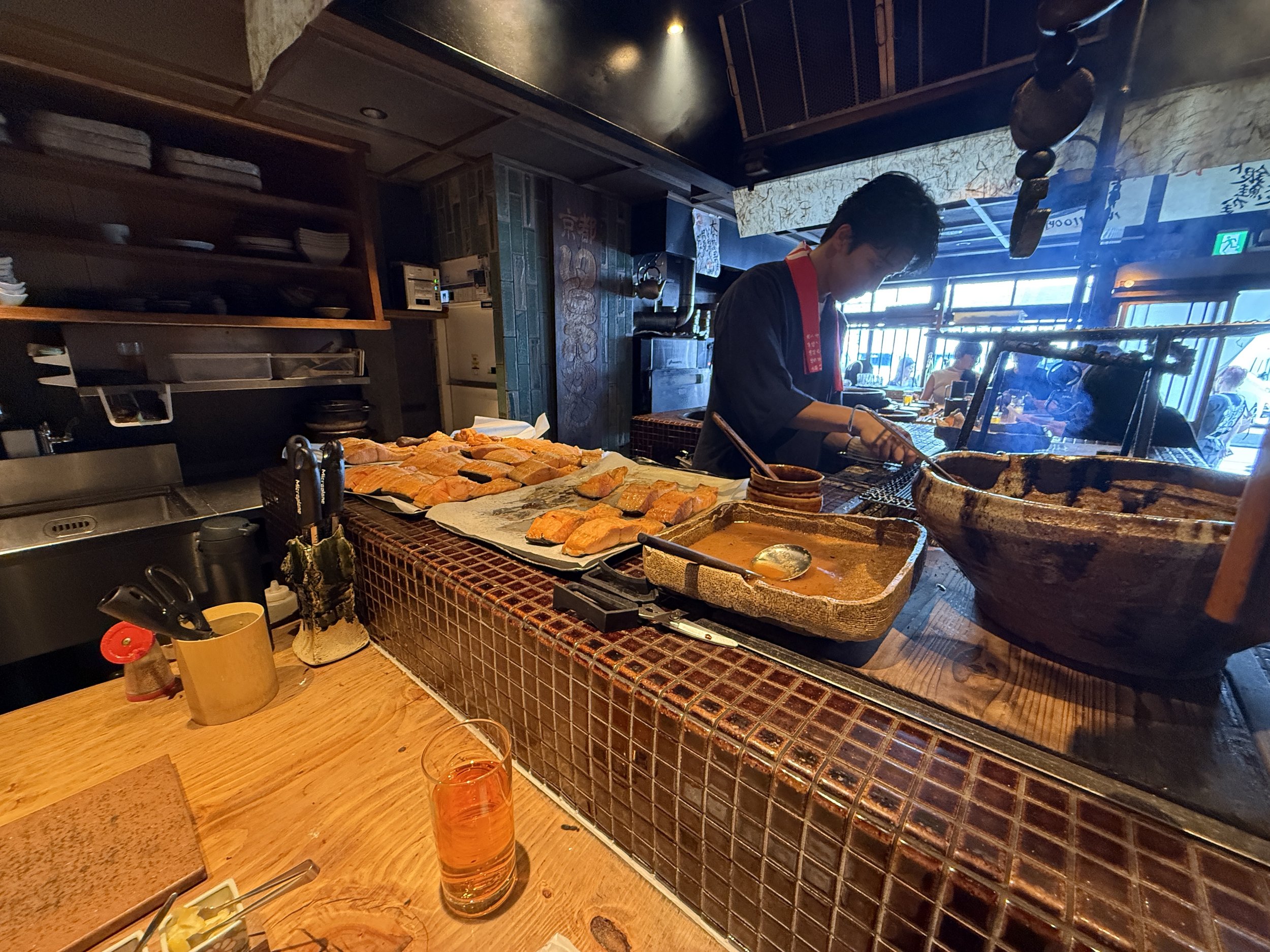
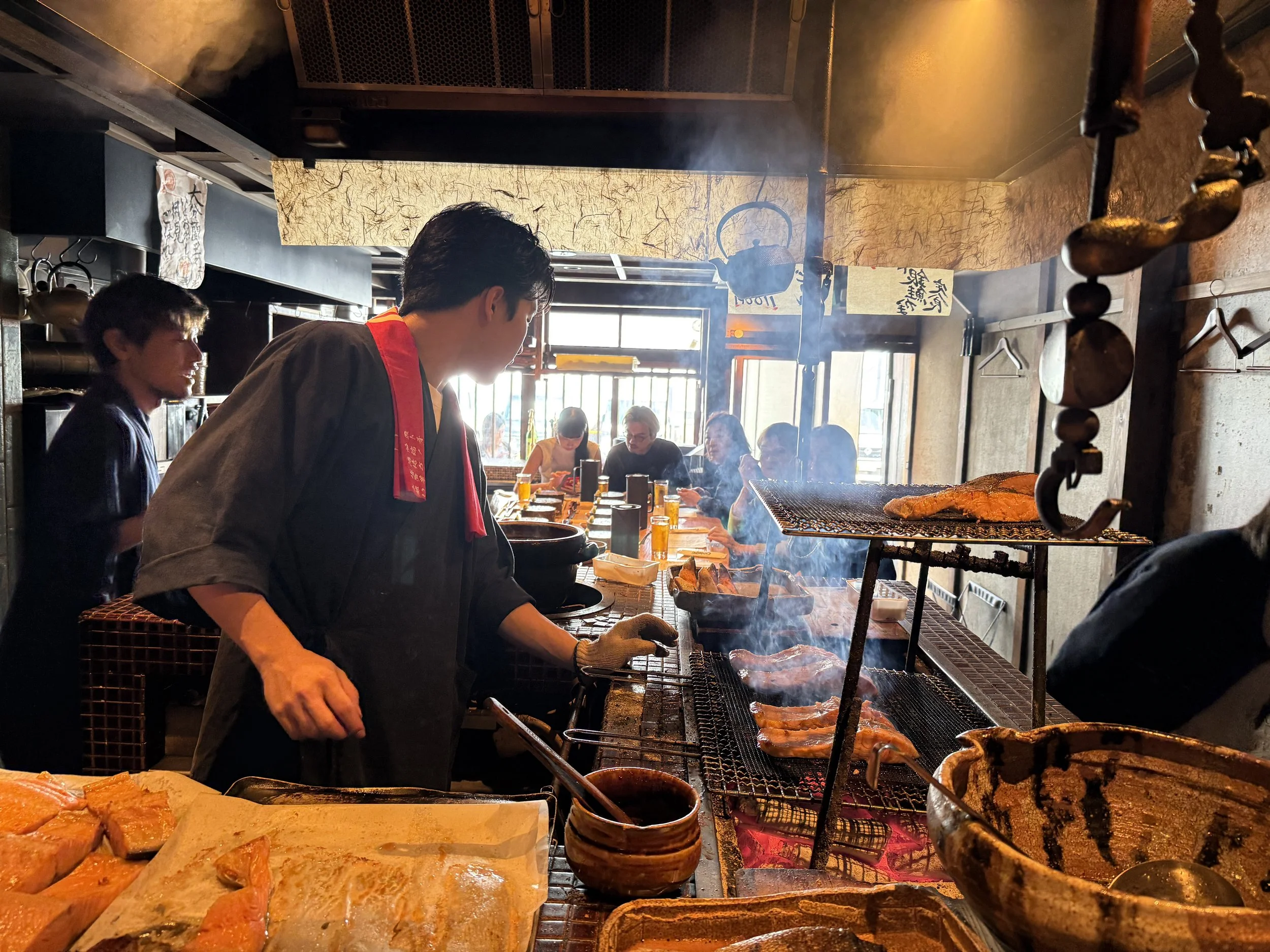
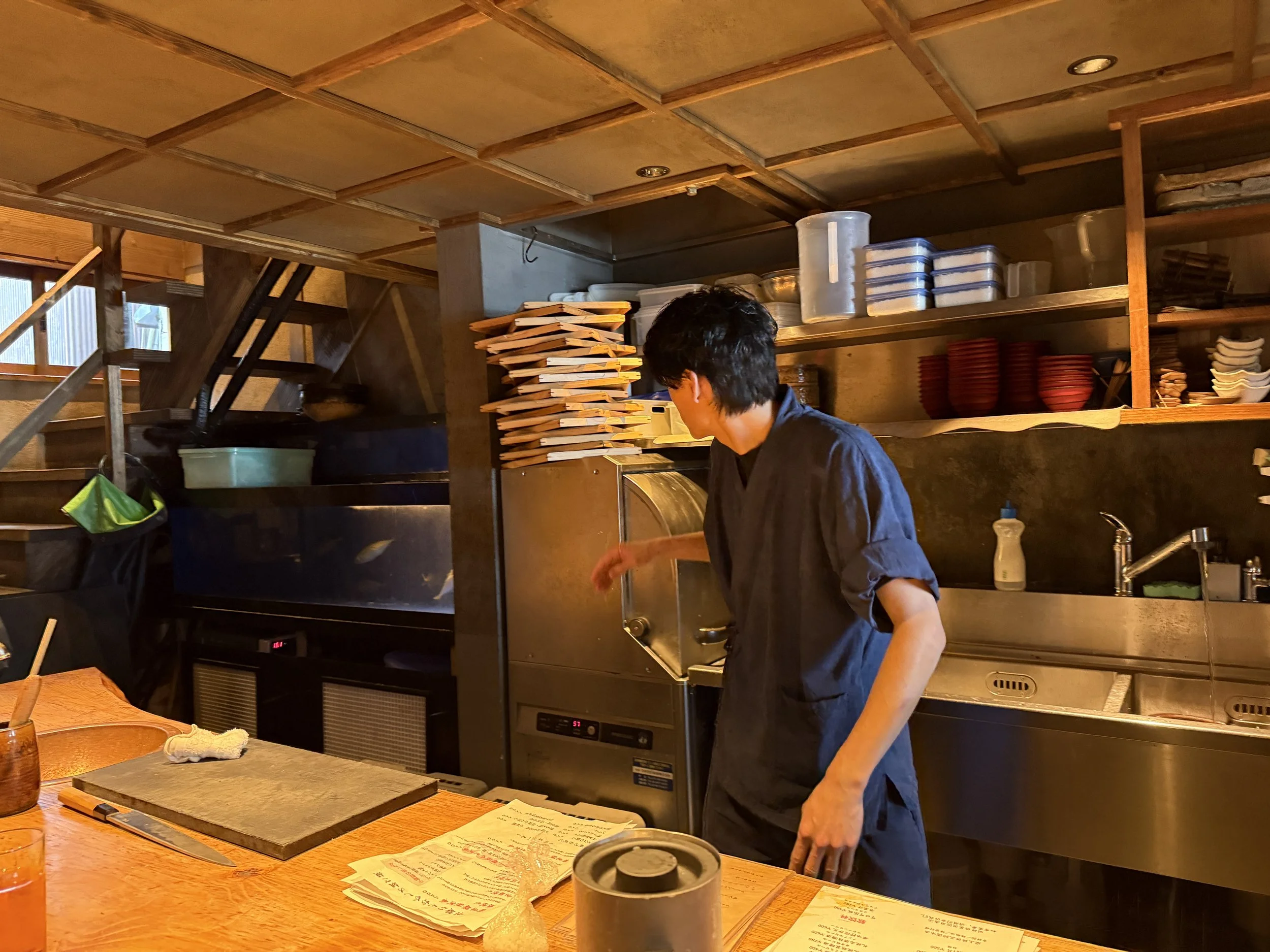
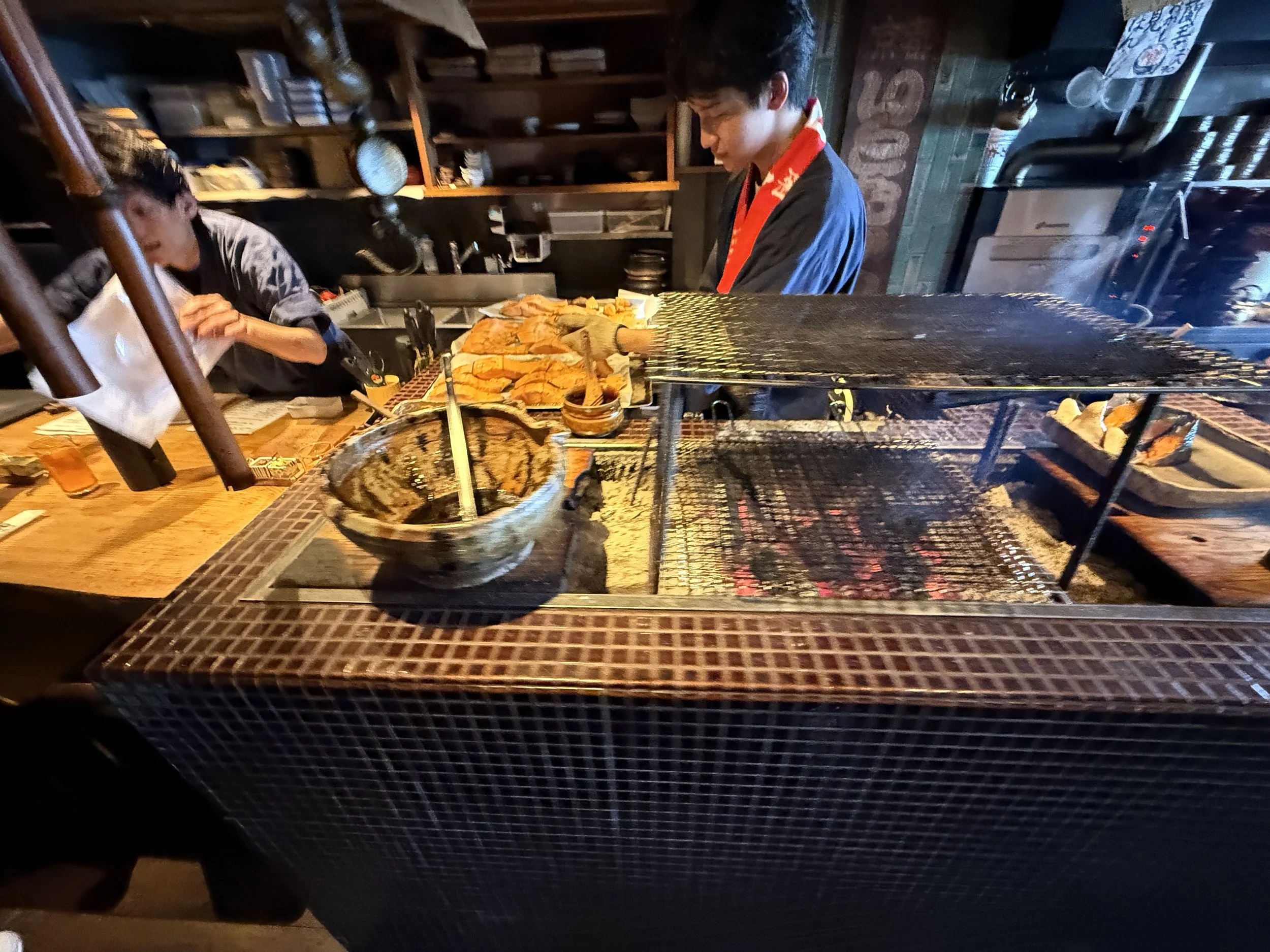
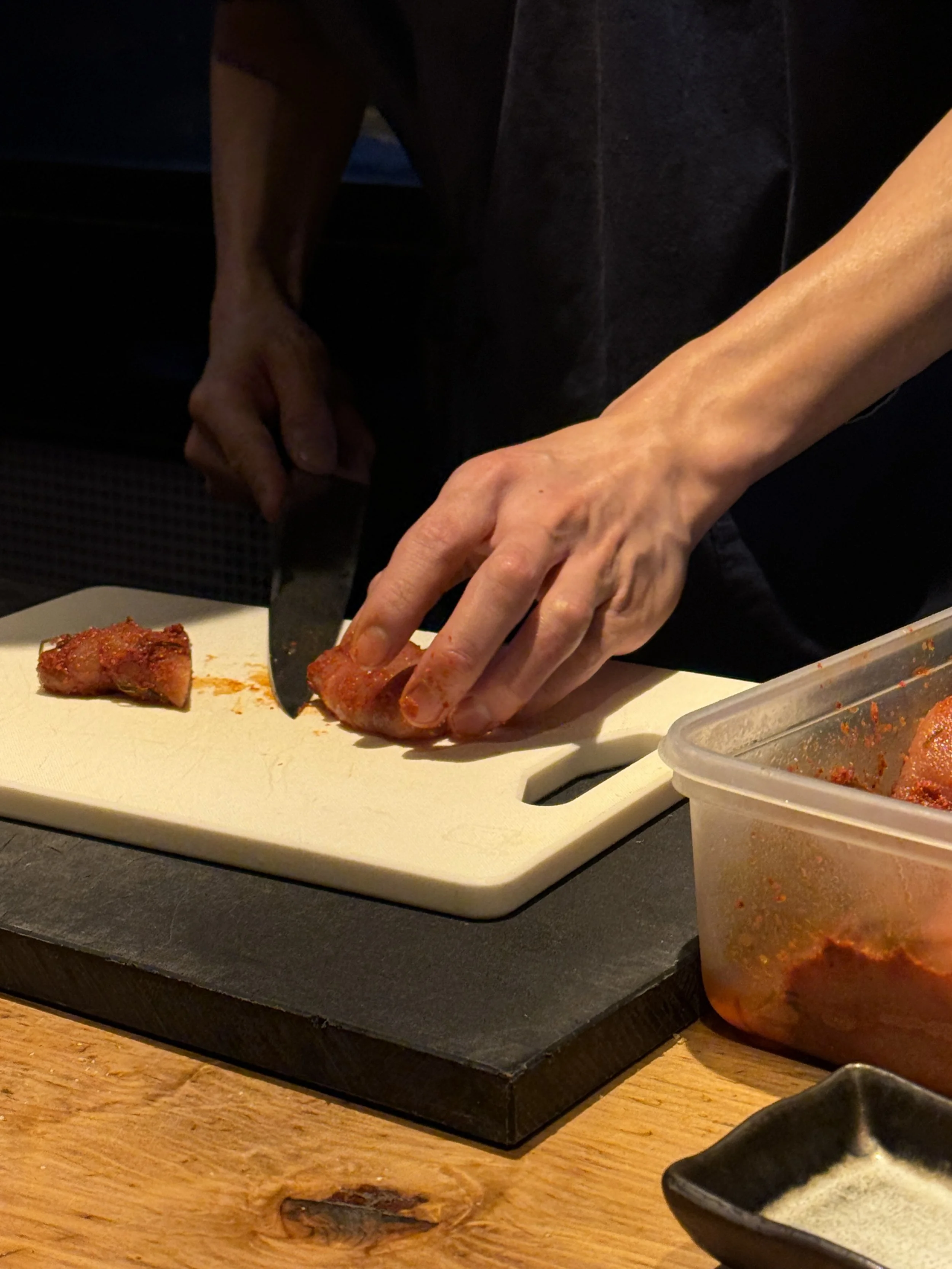
Below, is the photo of a sashimi set. This was an amazing meal!
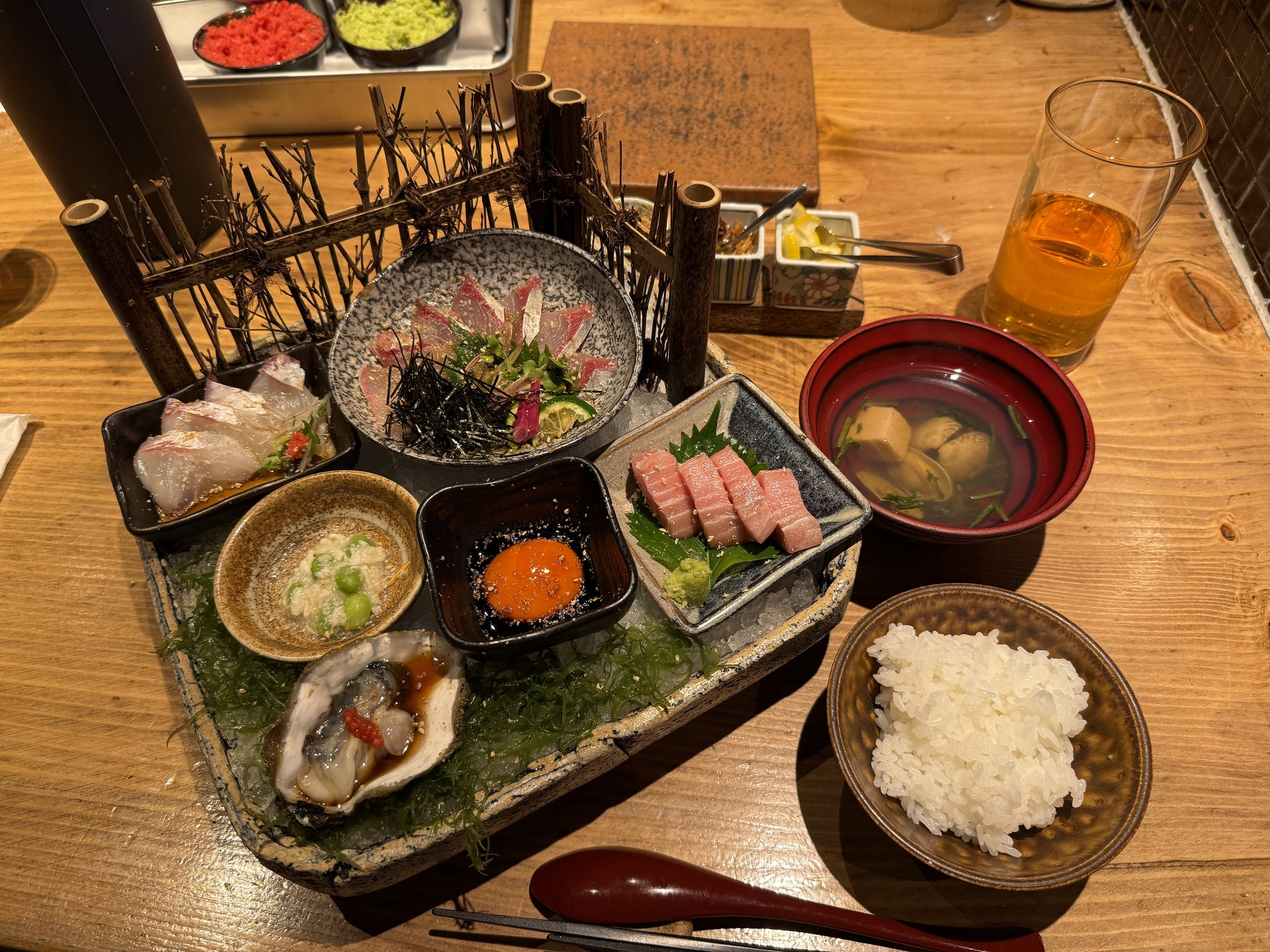
Snapper, Sea Bream, Oyster and Bonito Sashimi’s are prepared really well. Not pictured is a portion of grilled salmon collar that was served much later.
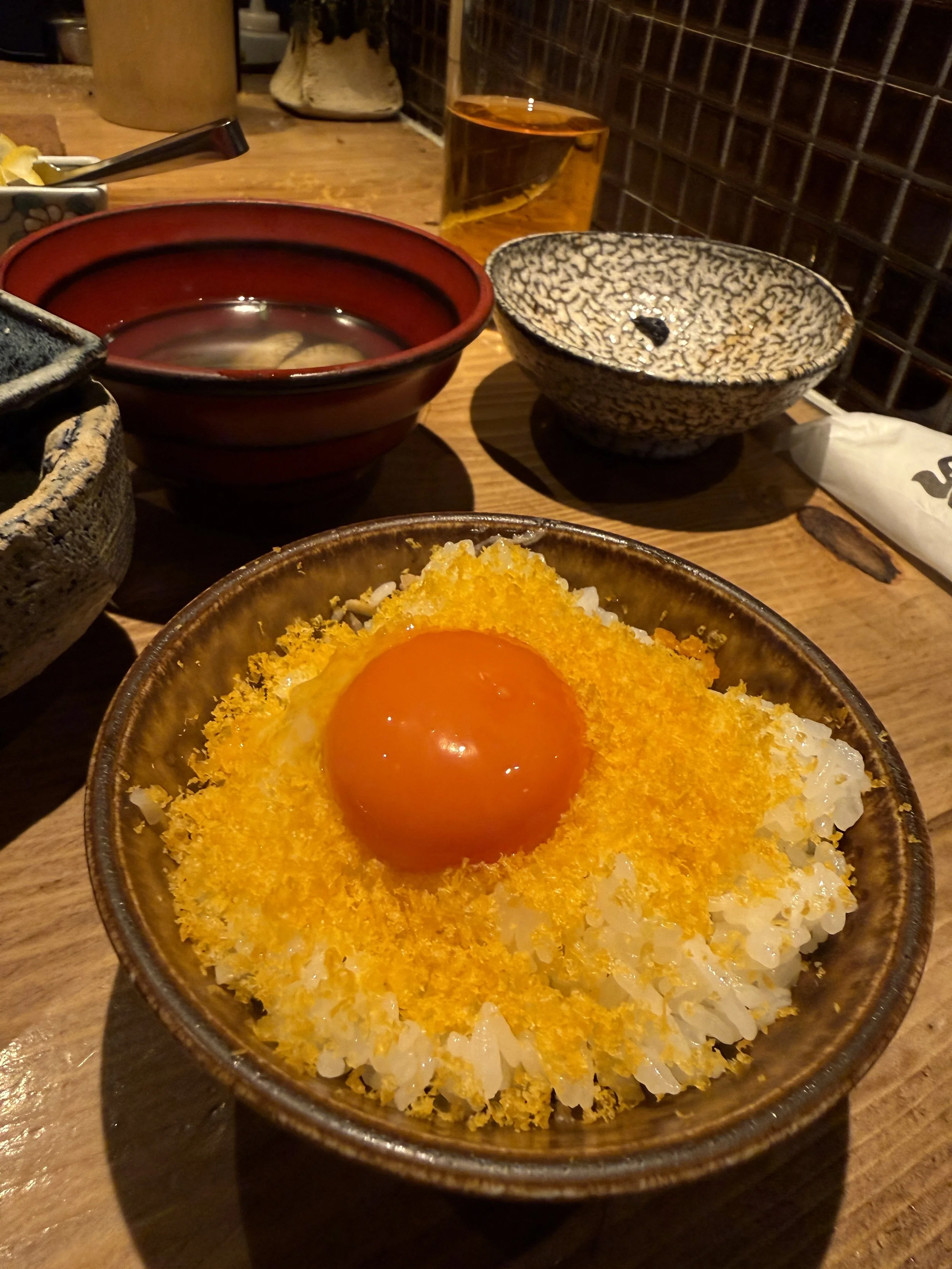
We ordered the add-on where they grate fish roe on top of your rice and garnished with marinated egg yolk
Next, this is the salmon set. The soy marinade is so subtle but good that you can still taste the flavor of the salmon. This is a place where we will definitely come back.
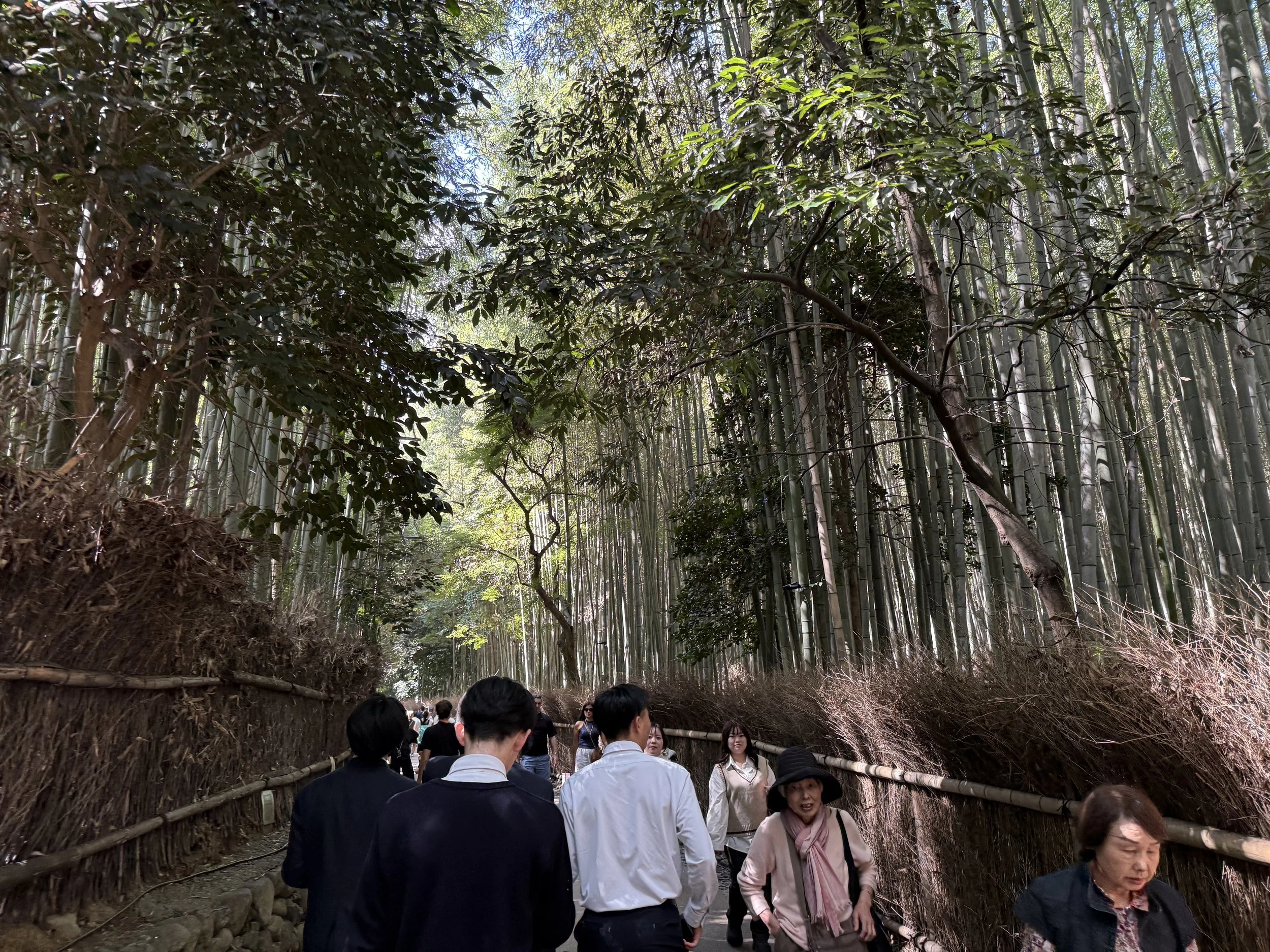
Arashiyama Bamboo Forest & Ōi River
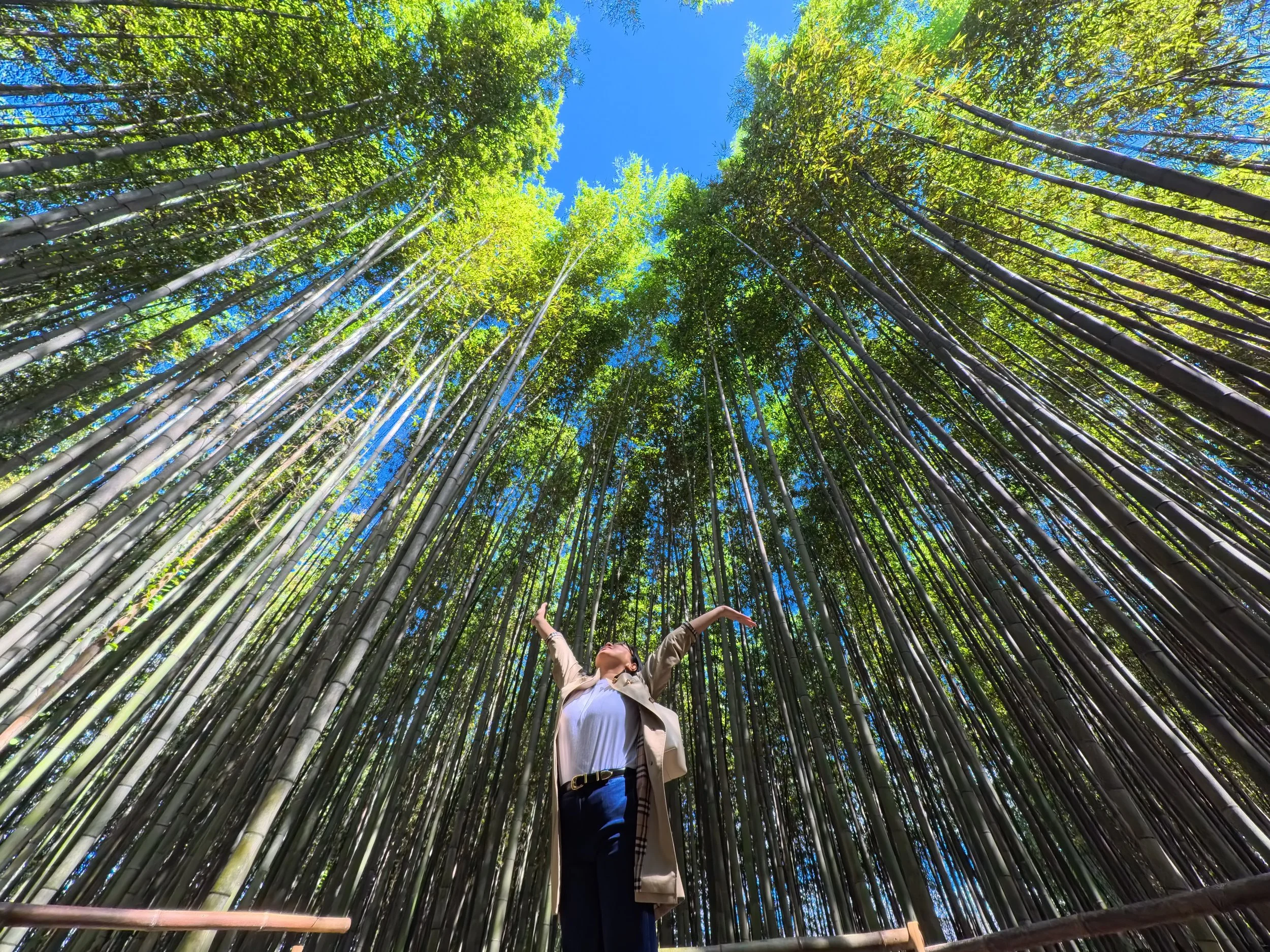
Taken on an Istax360 with vivid setting
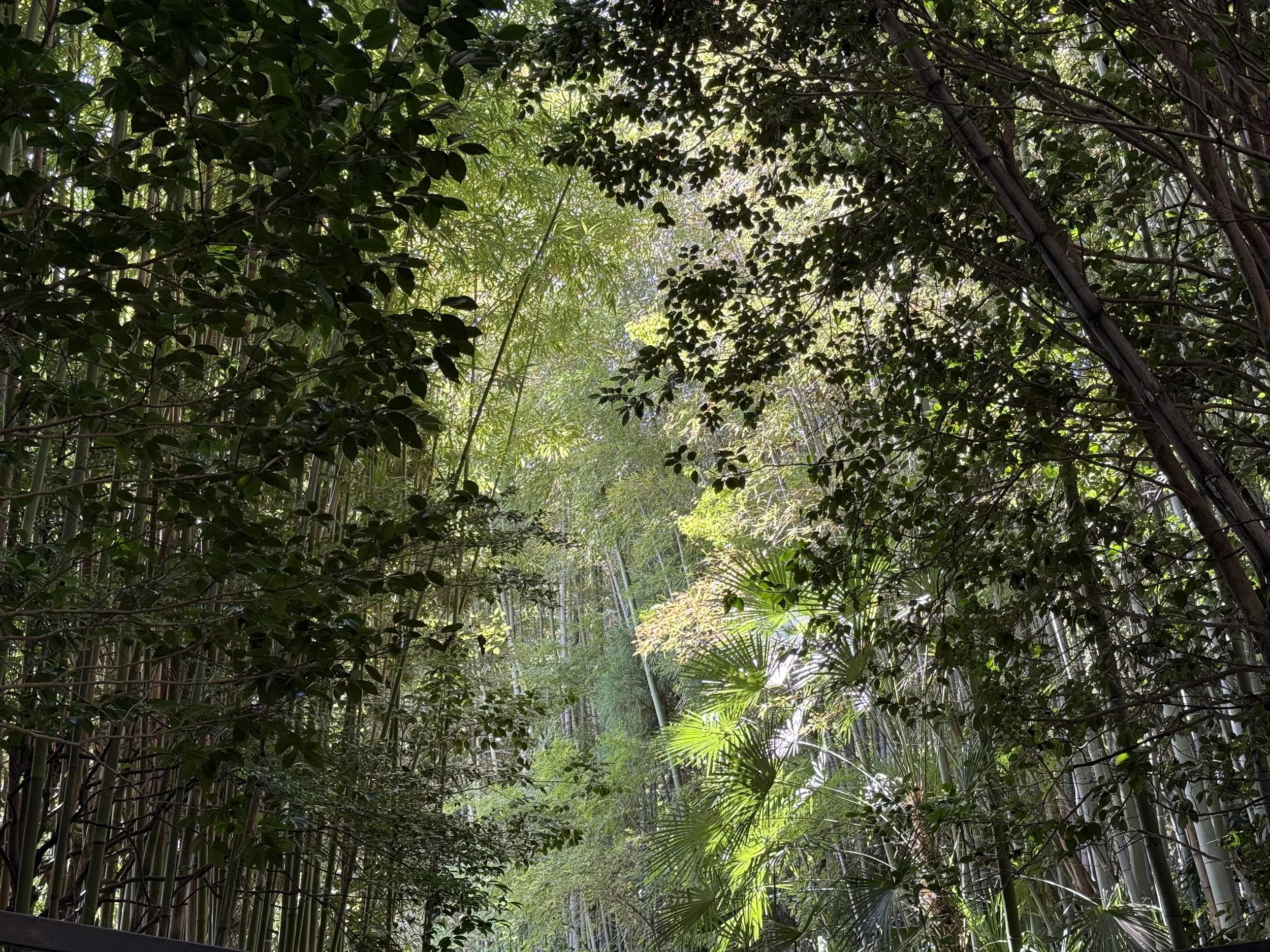
The taxi ride from Ito-Okashi to Arashiyama Forest allowed me to nap a little. It was much needed for we walked so much after.
The rustling of the leaves and bamboo stems ignite a sense of peace while navigating the forest. The towering trees sway back and forth to the direction of the wind. While here, you only hear the sound of nature, gasps of awe and appreciation to something so simple and yet, pleasantly “loud.” When nature speaks, it speaks profoundly without even uttering a single word. I didn’t realize that watching bamboo trees dance is extremely compelling.
You can hire a Jinrikisha, a wooden-carriage powered by a trained japanese operator with strong thigh muscles to take you around. They’re quite impressive to watch as they pull the entire thing themselves, having two passengers at a time. Part of the service is of course, an entertaining tour.
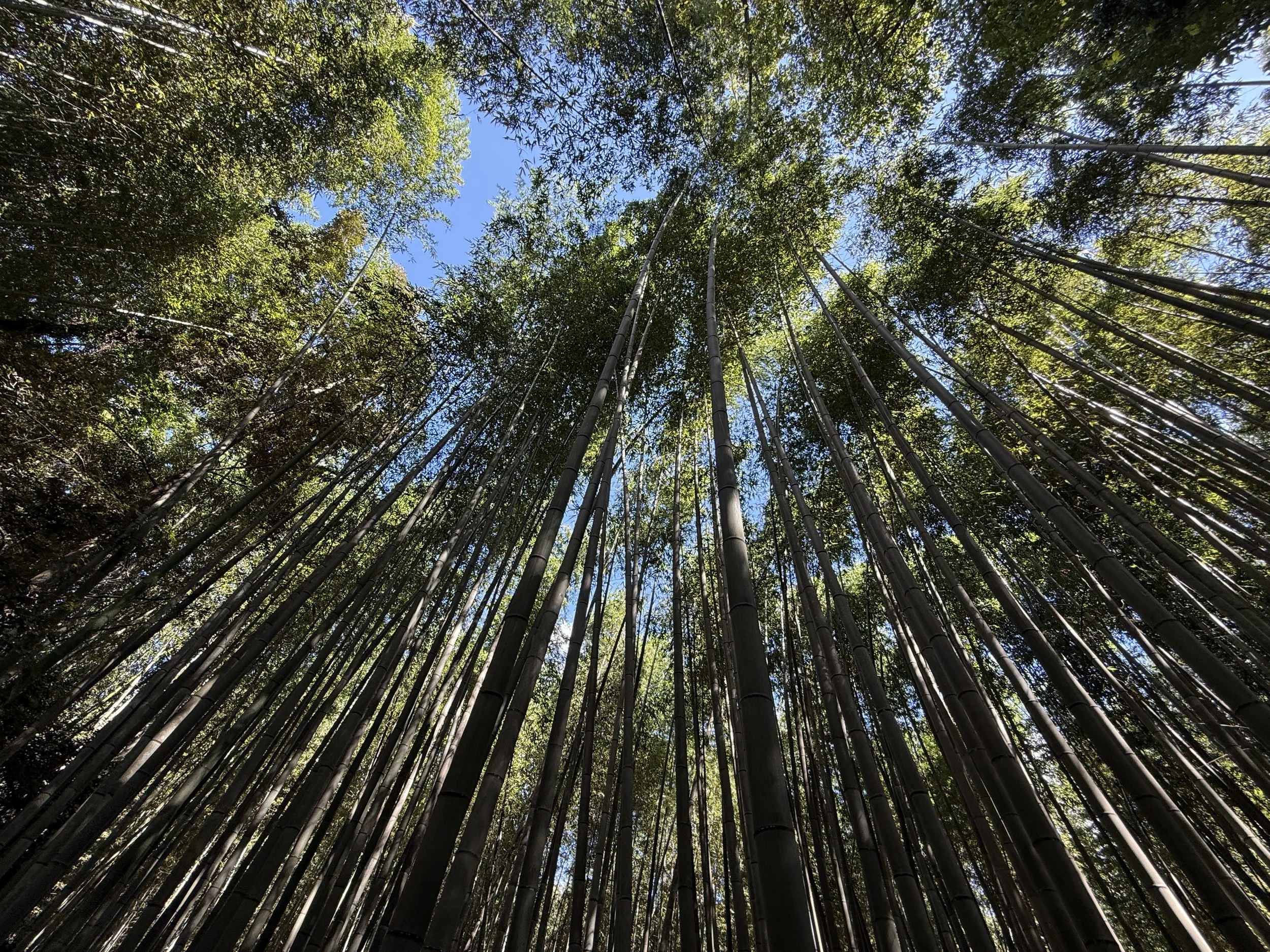
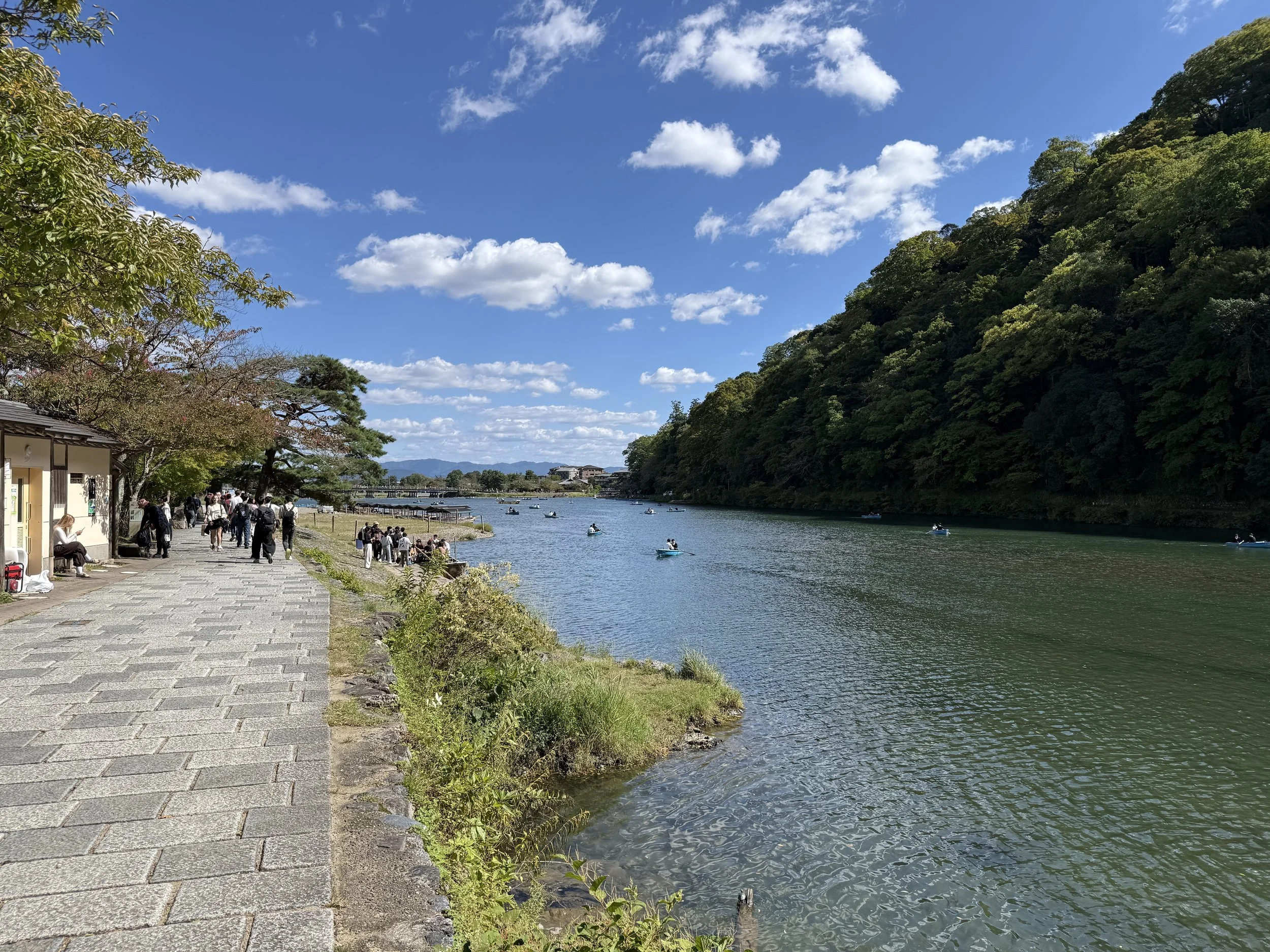
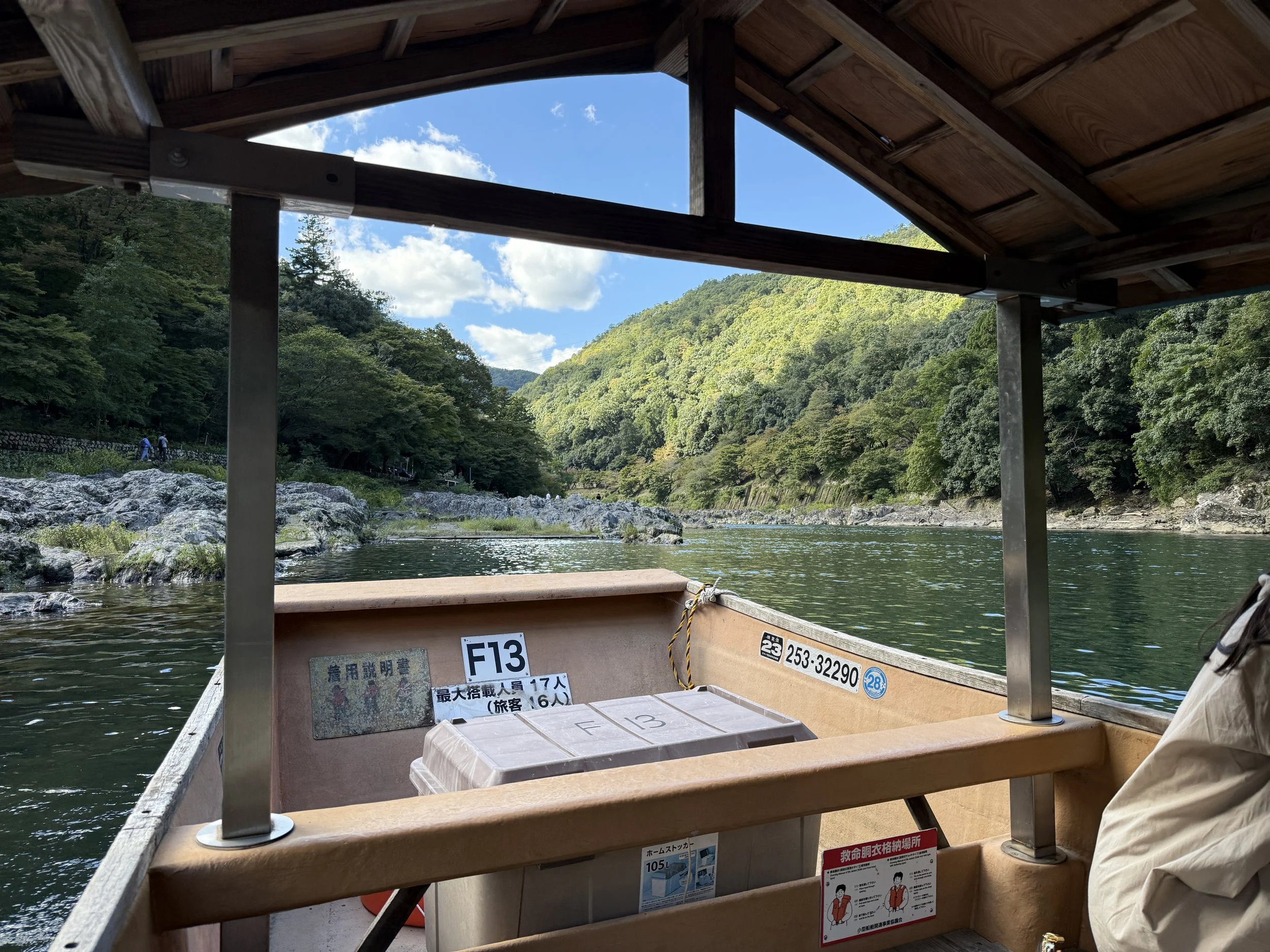
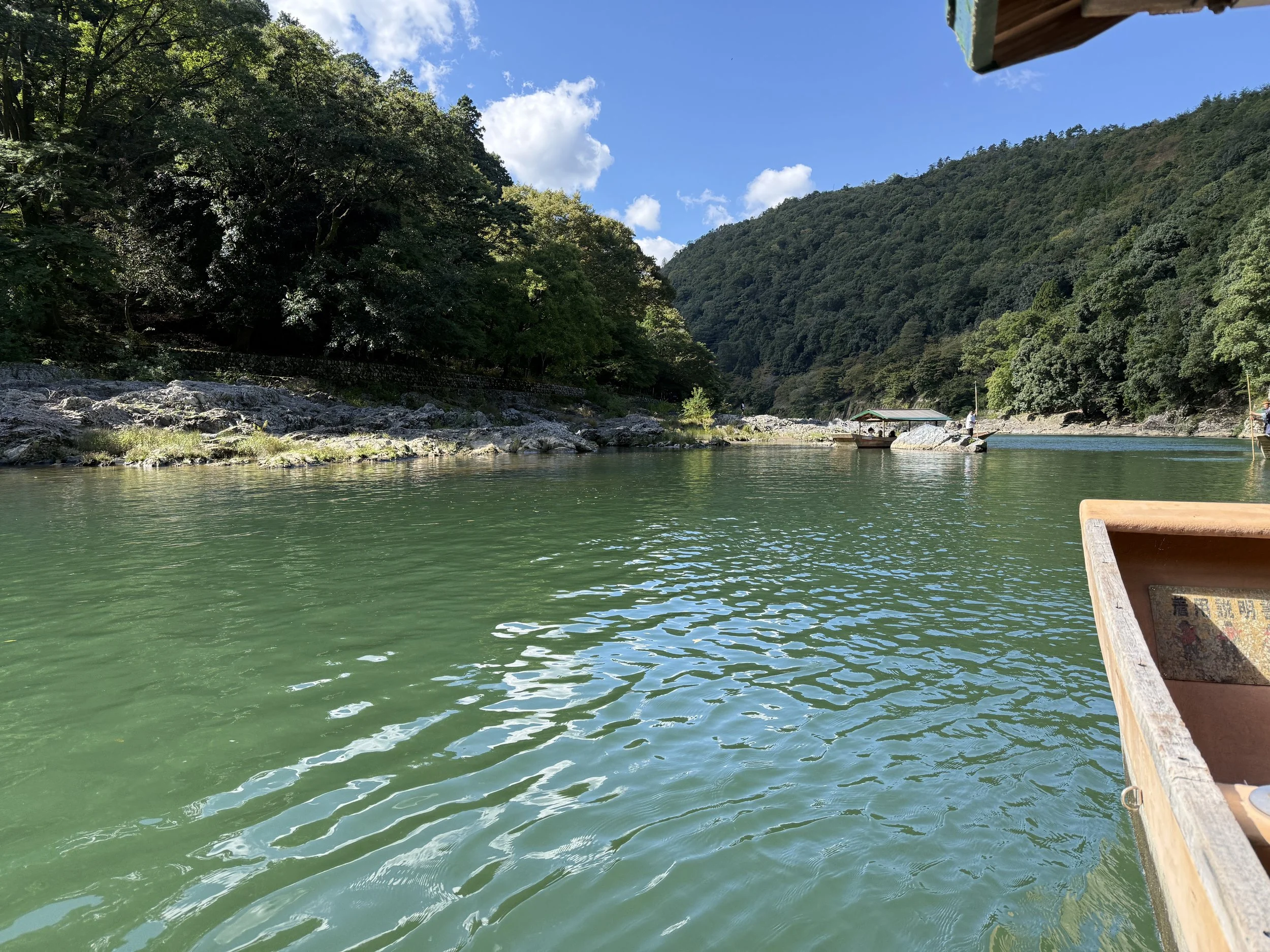
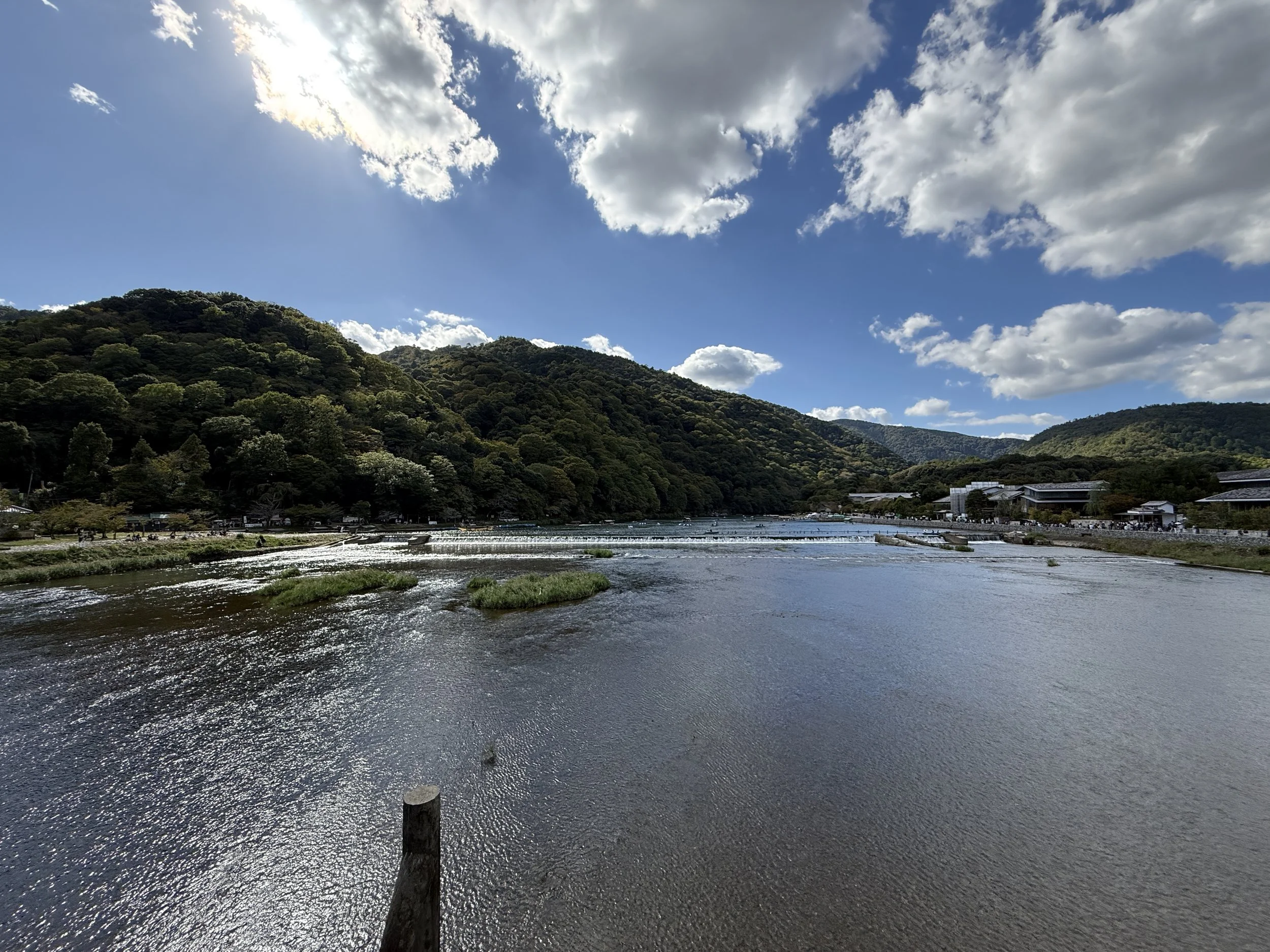
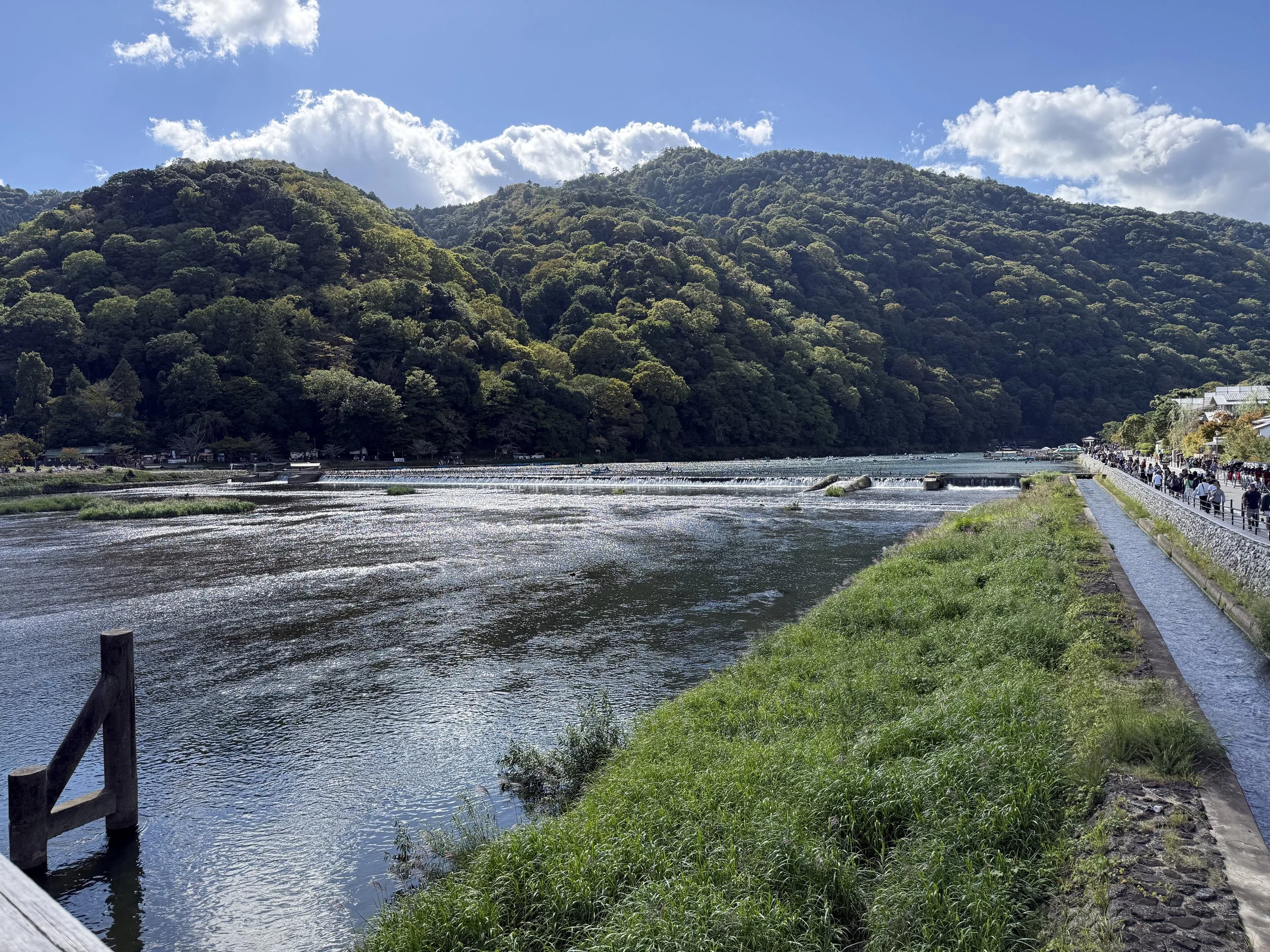
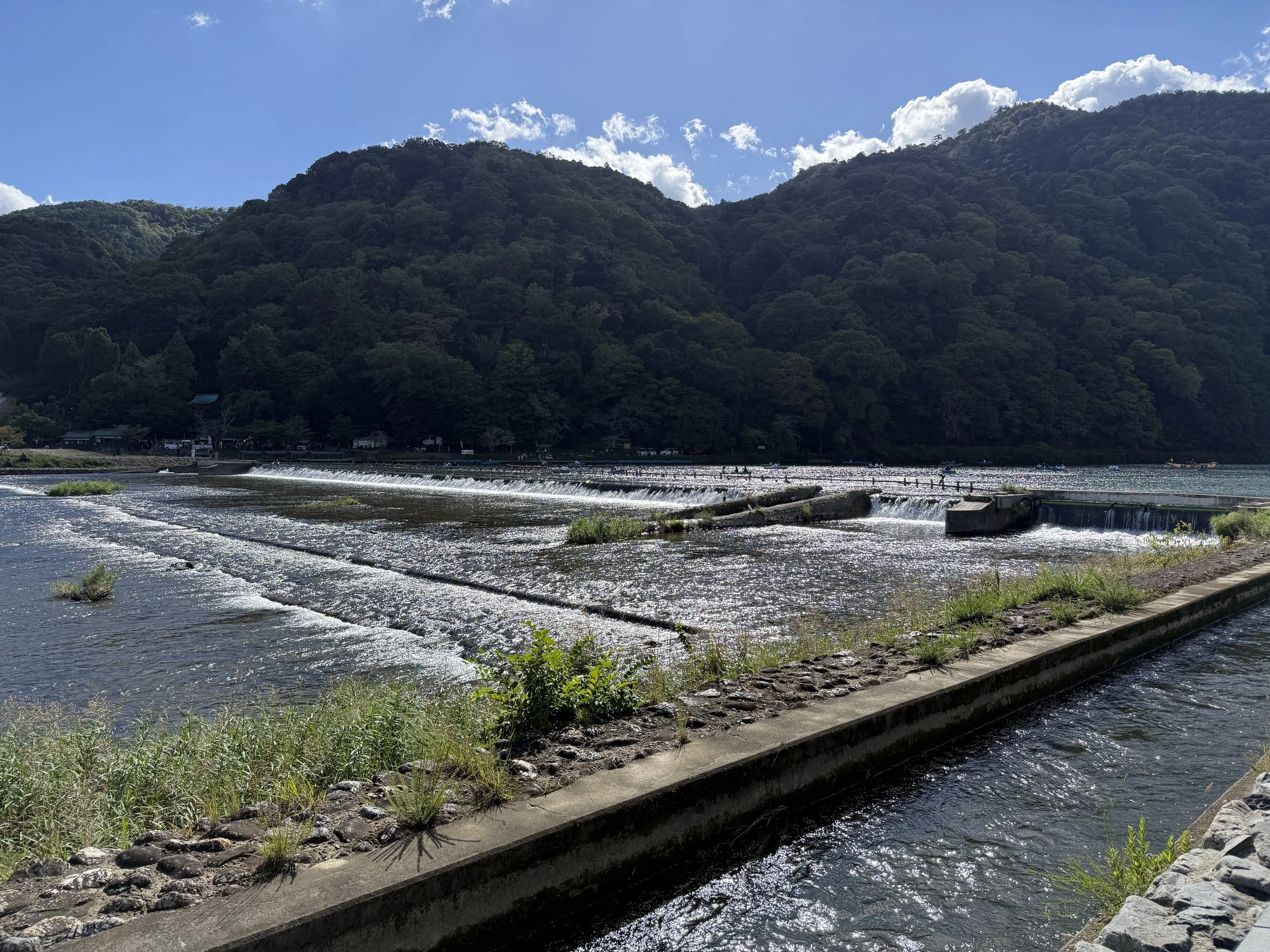
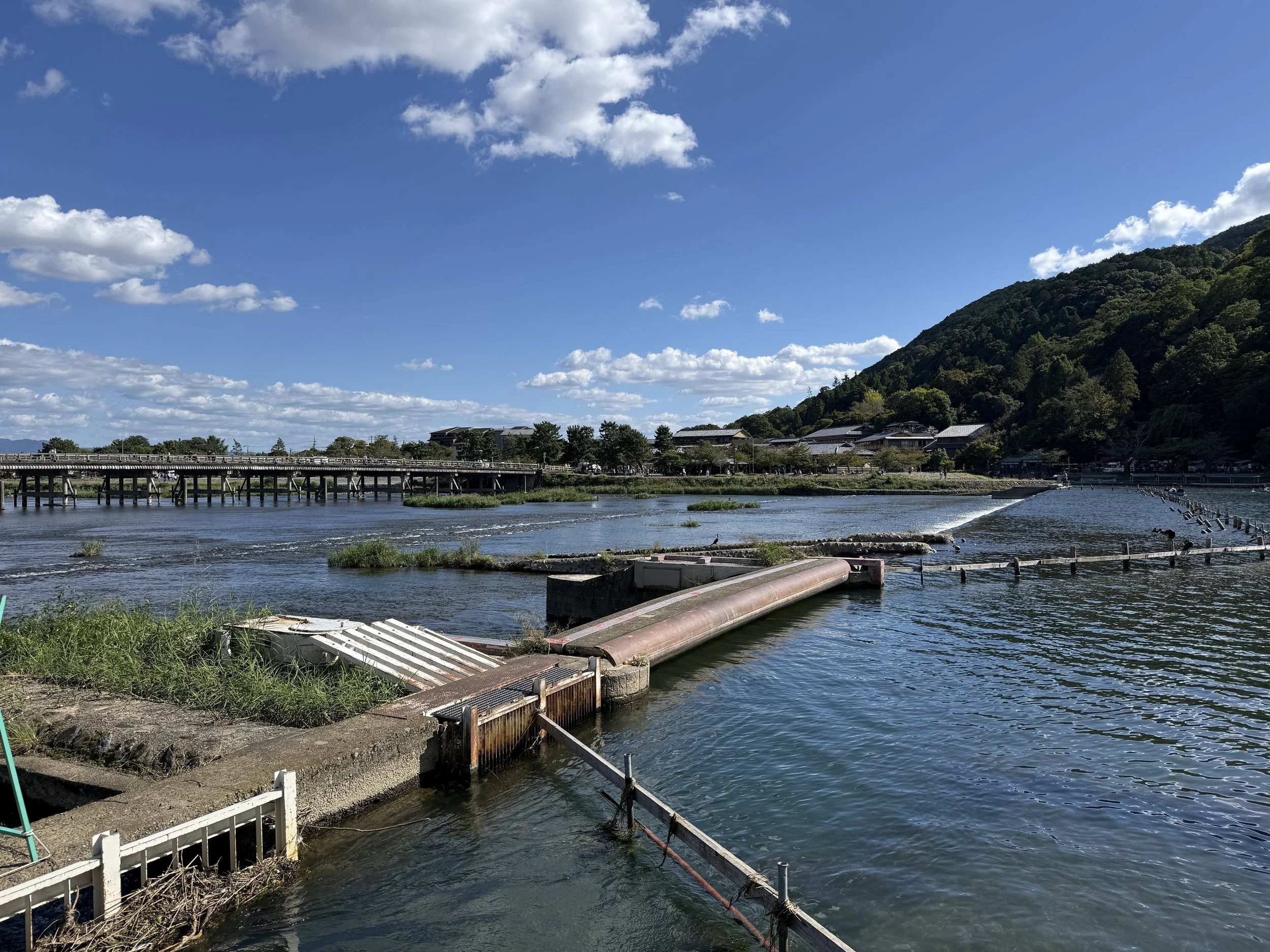
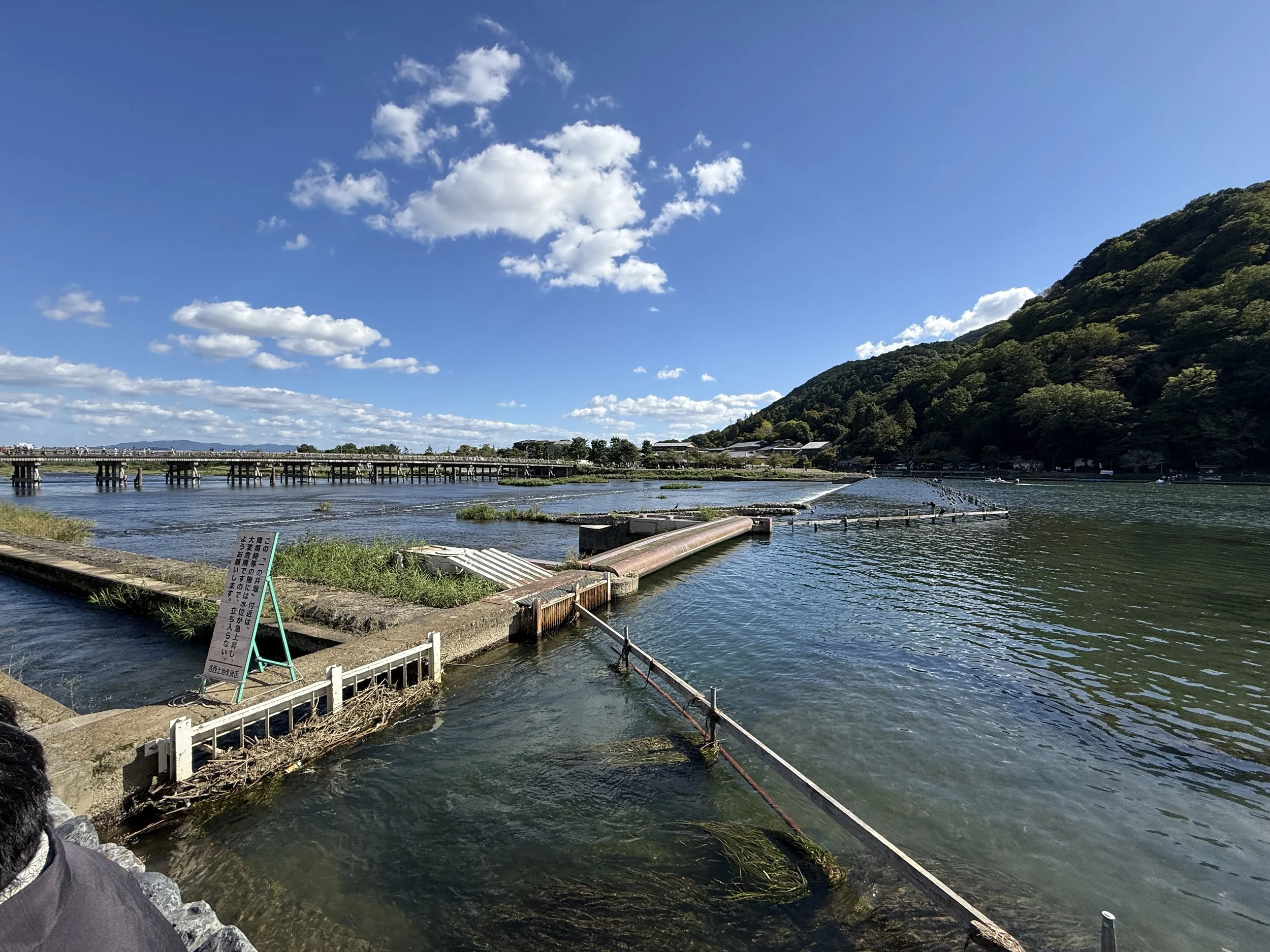
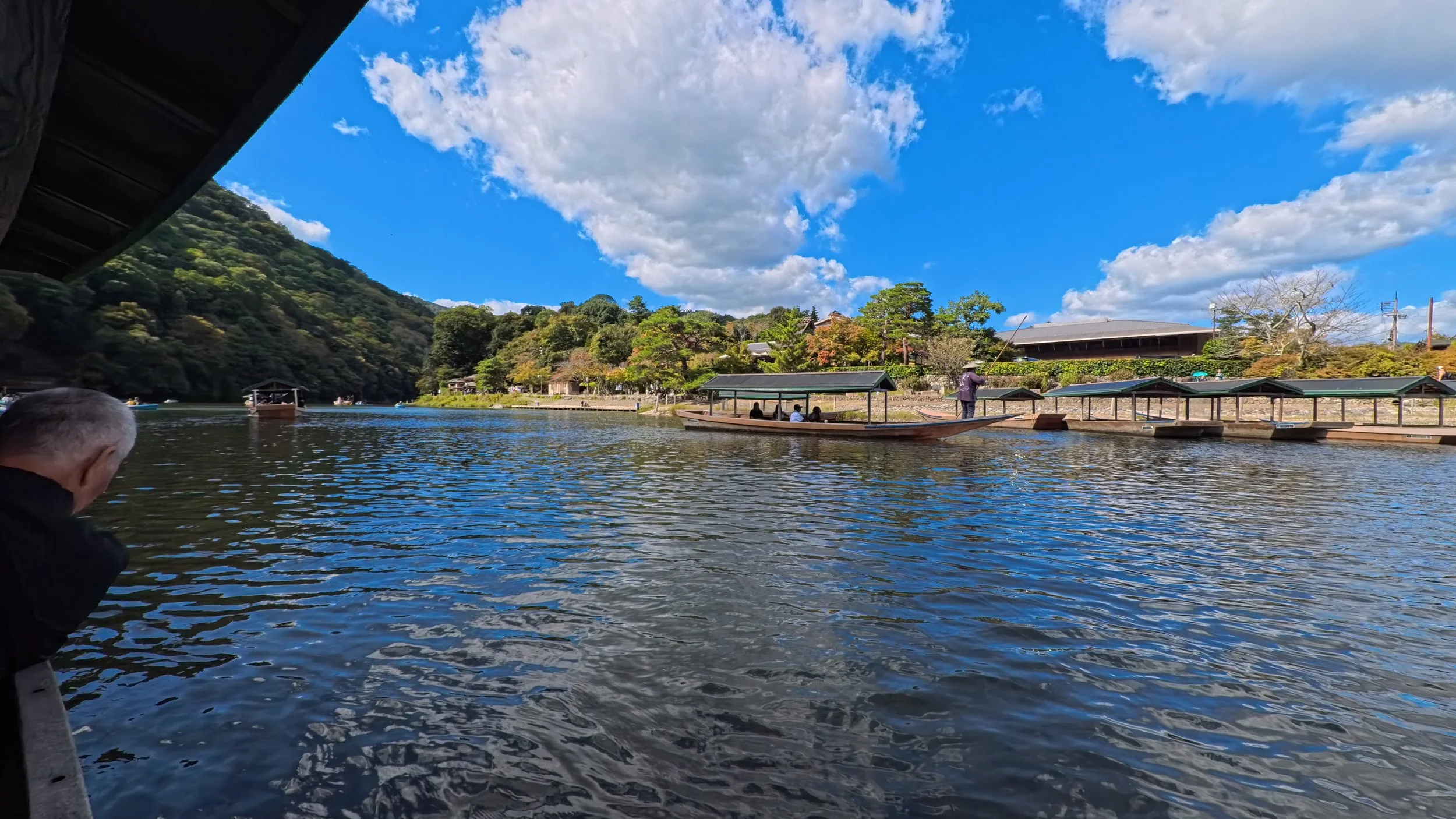
The famous Bamboo Forest is not just about the forest itself. It is also home to the serene Arashiyama ōi River trail where we took a scenic and peaceful boat ride that healed my soul. Folks, at this point, I didn’t want to leave Kyoto anymore, it has been added to the list of places where I would want to retire. The beauty of the area is surreal. I bet it’s even better during autumn when they leaves have fully transformed.
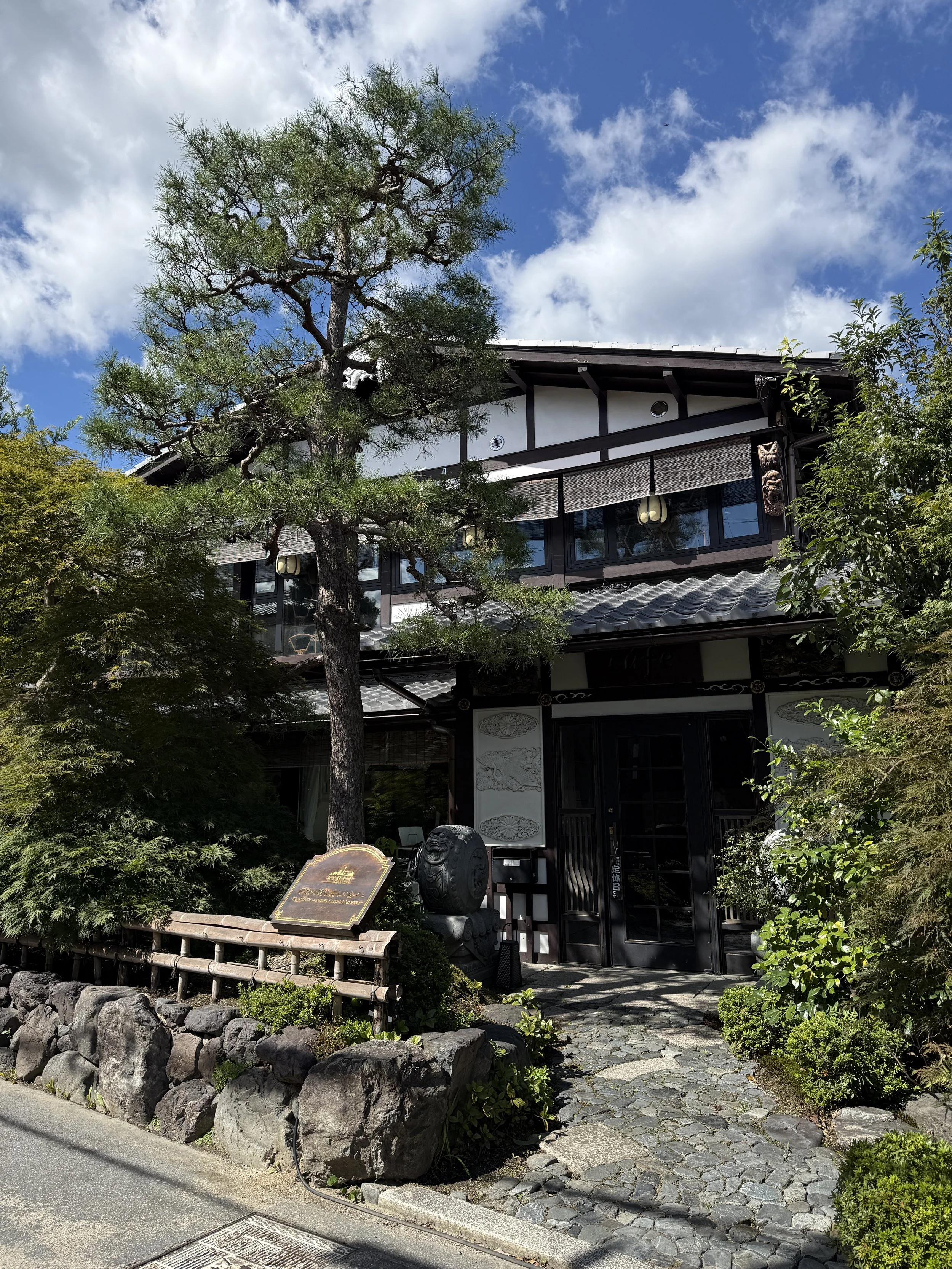
When you finish the bamboo trail, you can further explore other parts of the area. We saw a plane full of water lilies that stood proud and alive. We stuck our noses in other people’s traditional Japanese houses—curious on how they decorate, and even had some amazing mochi desserts.
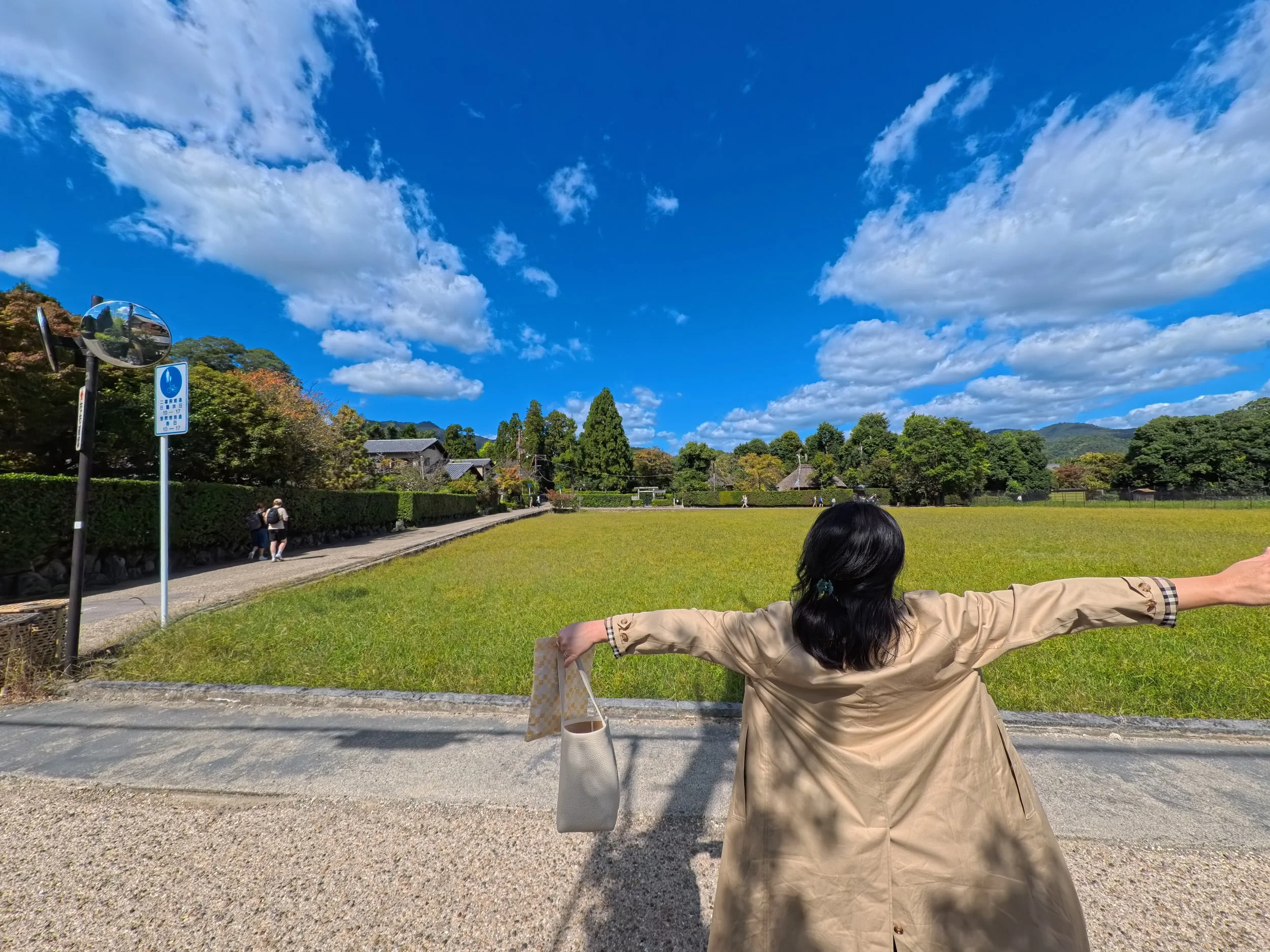
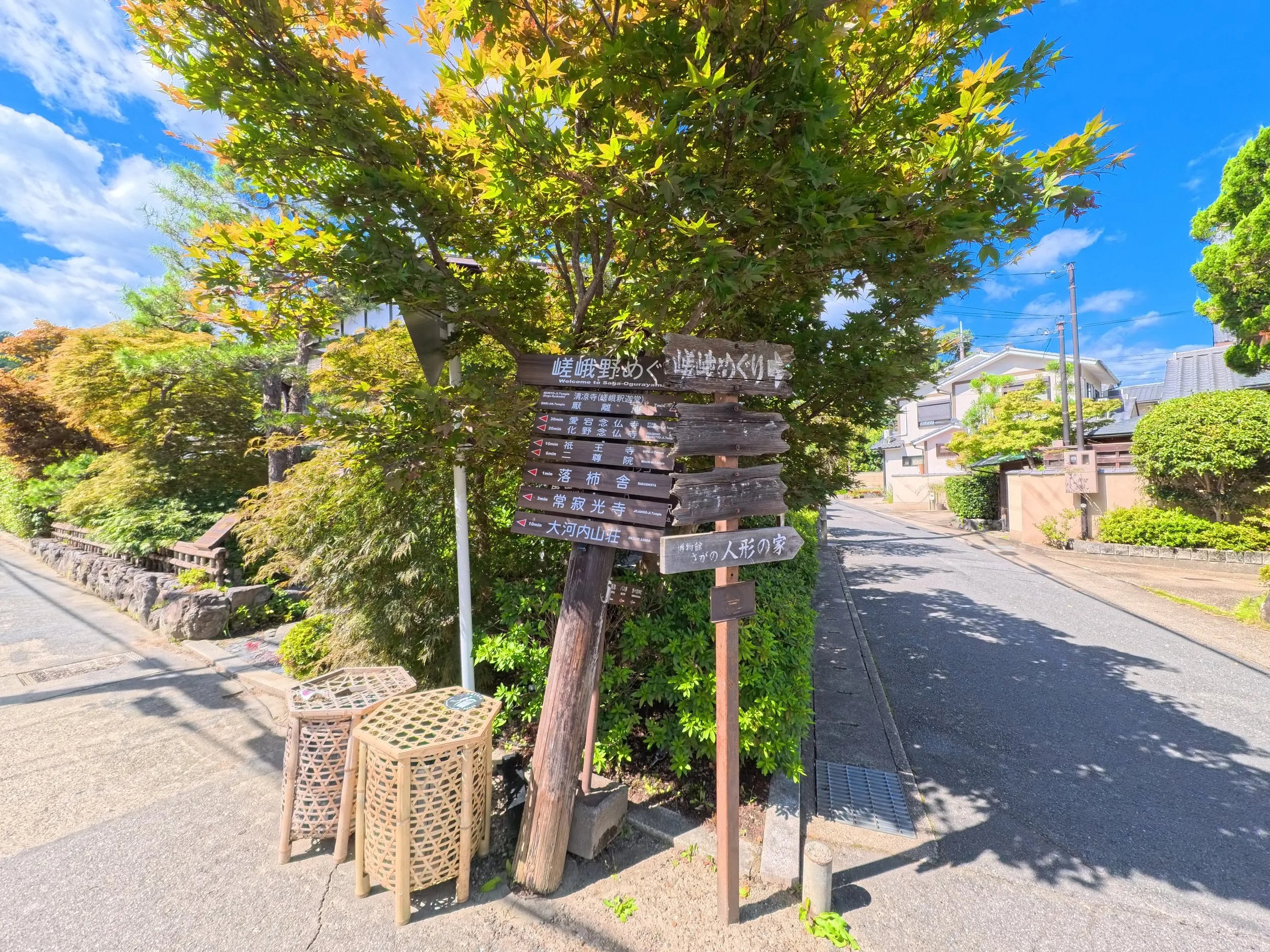
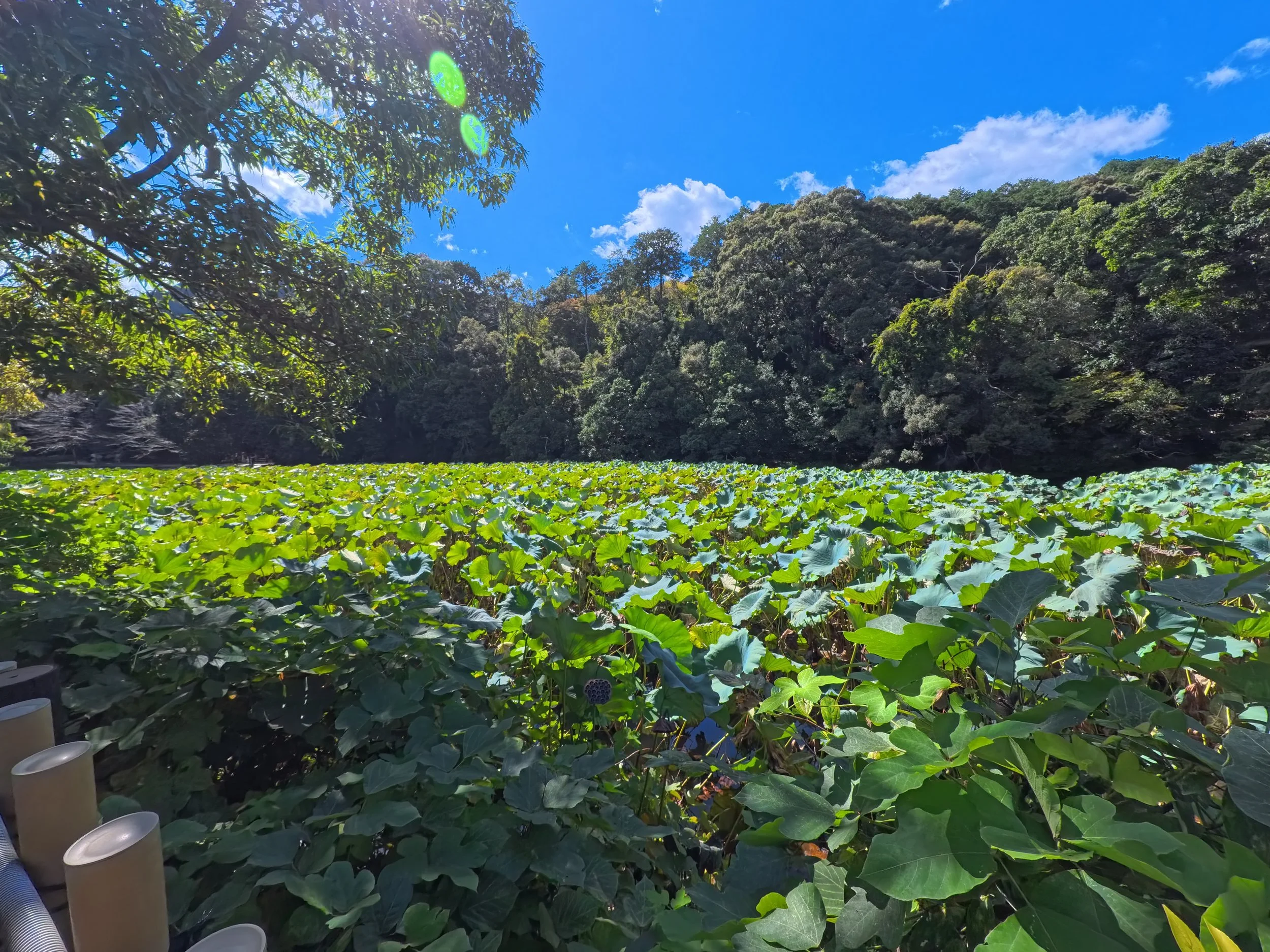
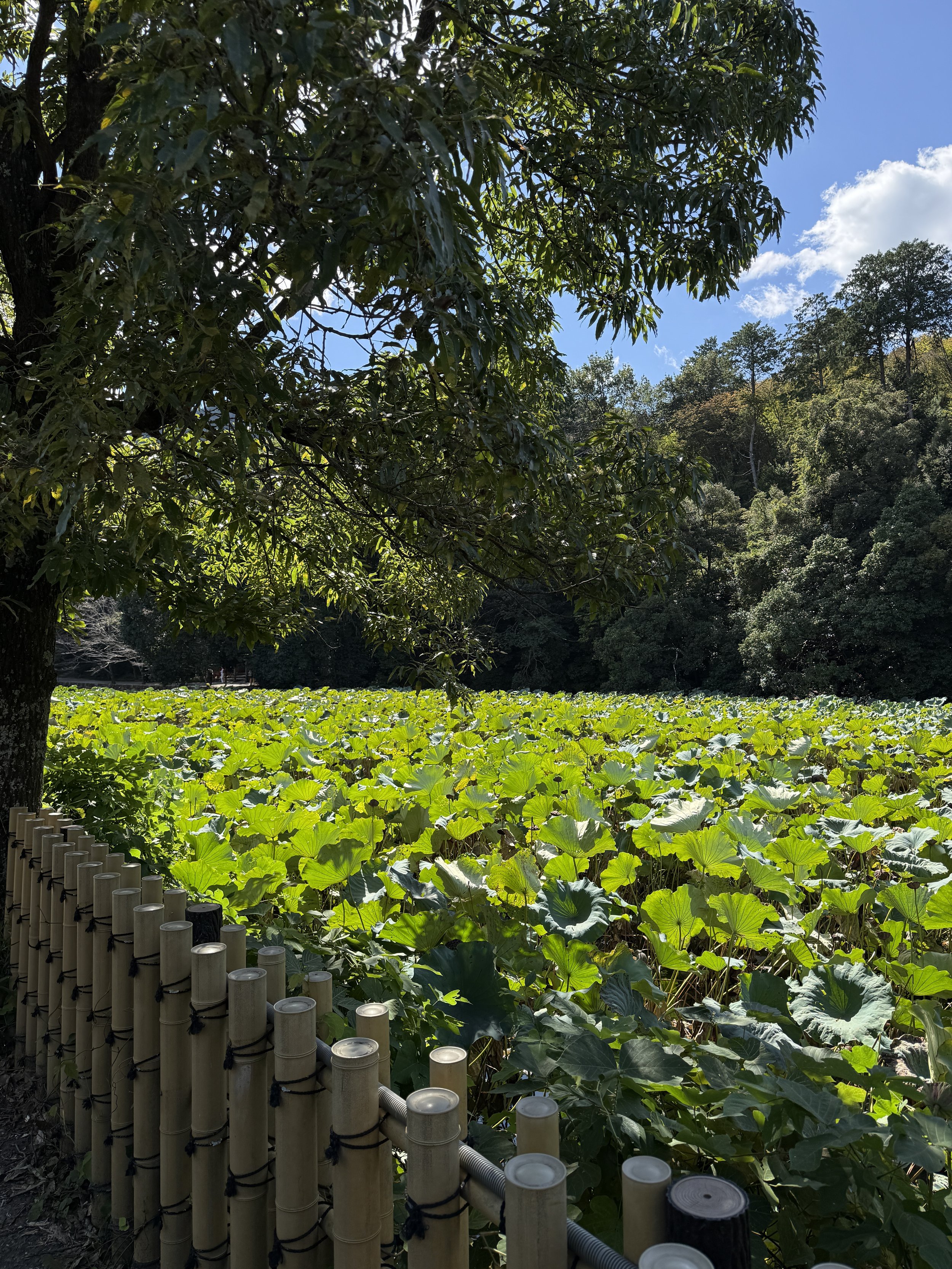
And just when you thought that it ends here, is where something like this opens up to you. What do you do?
This is the part where Christopher Cross comes in and starts to sing, Sailing.
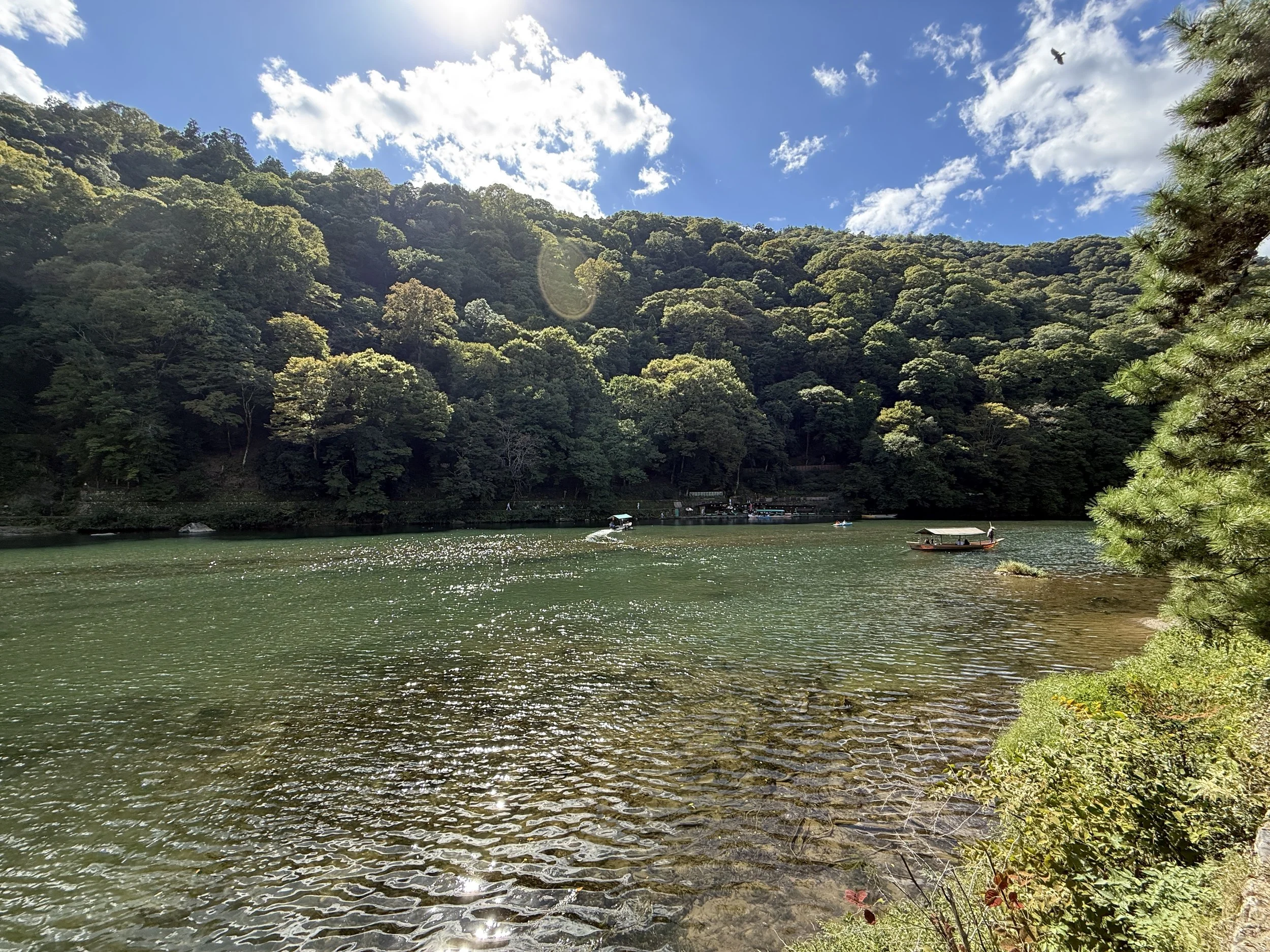
One thing I can tell you is that we got there at the right time with the most perfect weather. The sun made everything even more pristine and scenic.
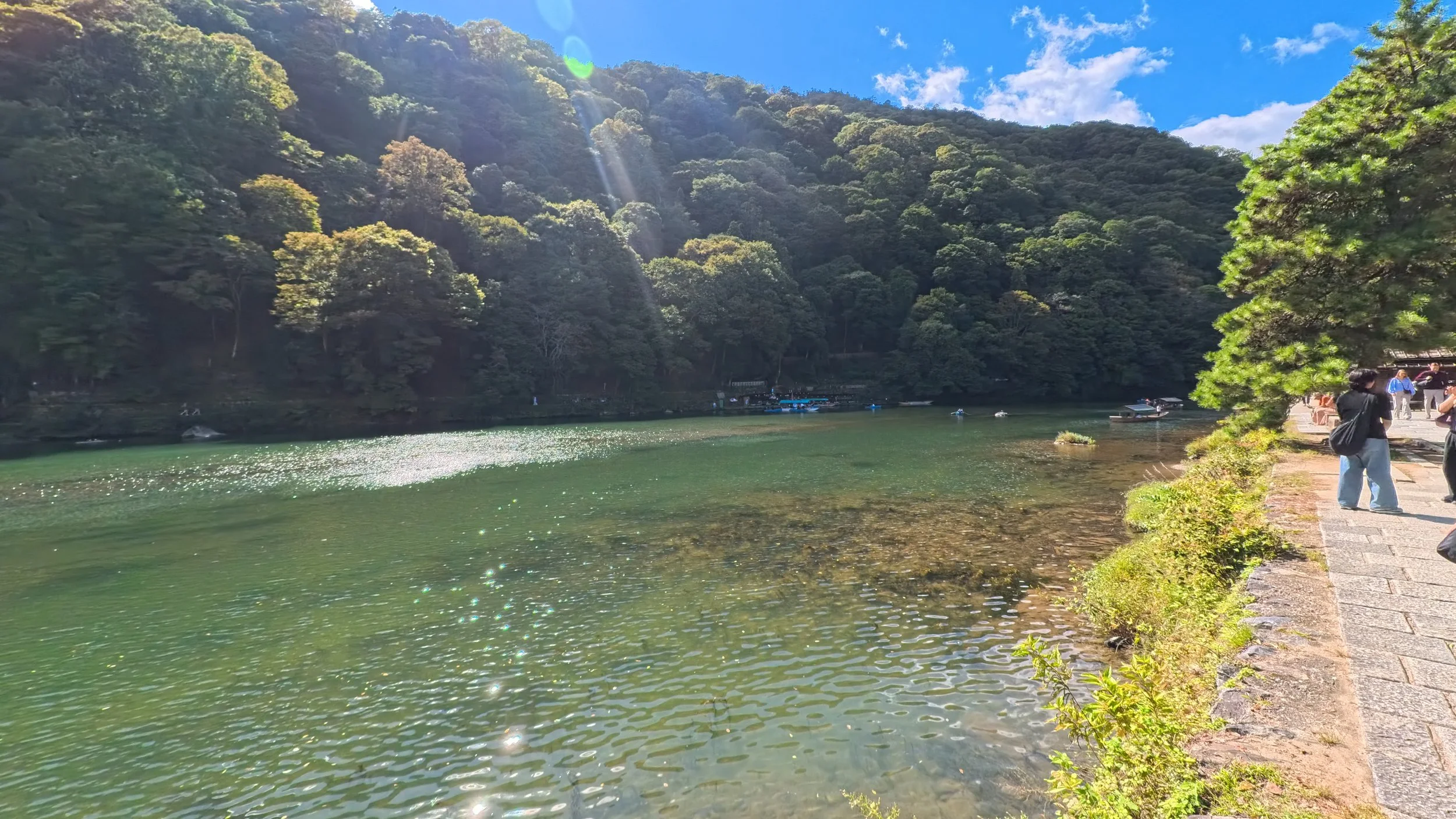
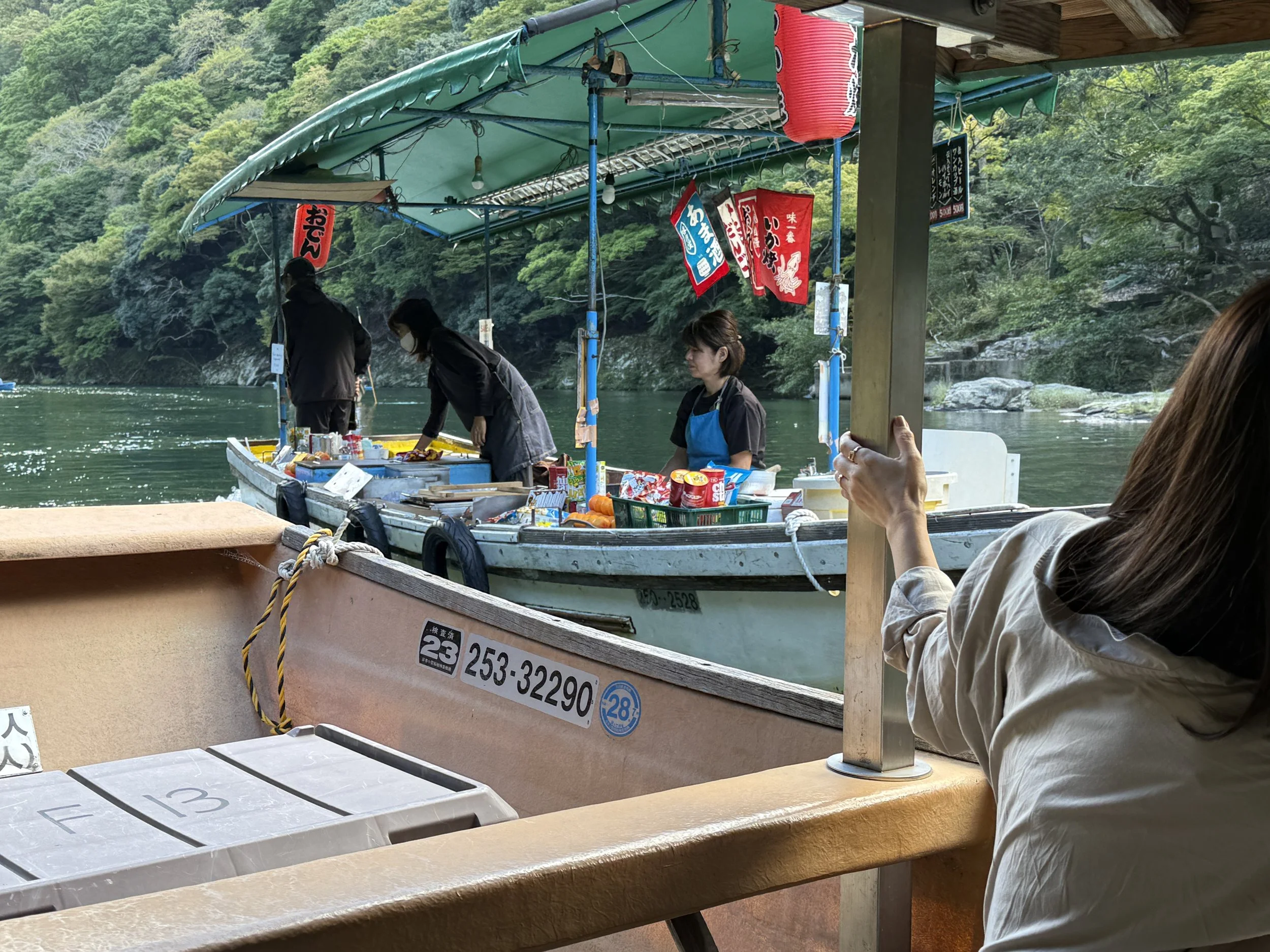
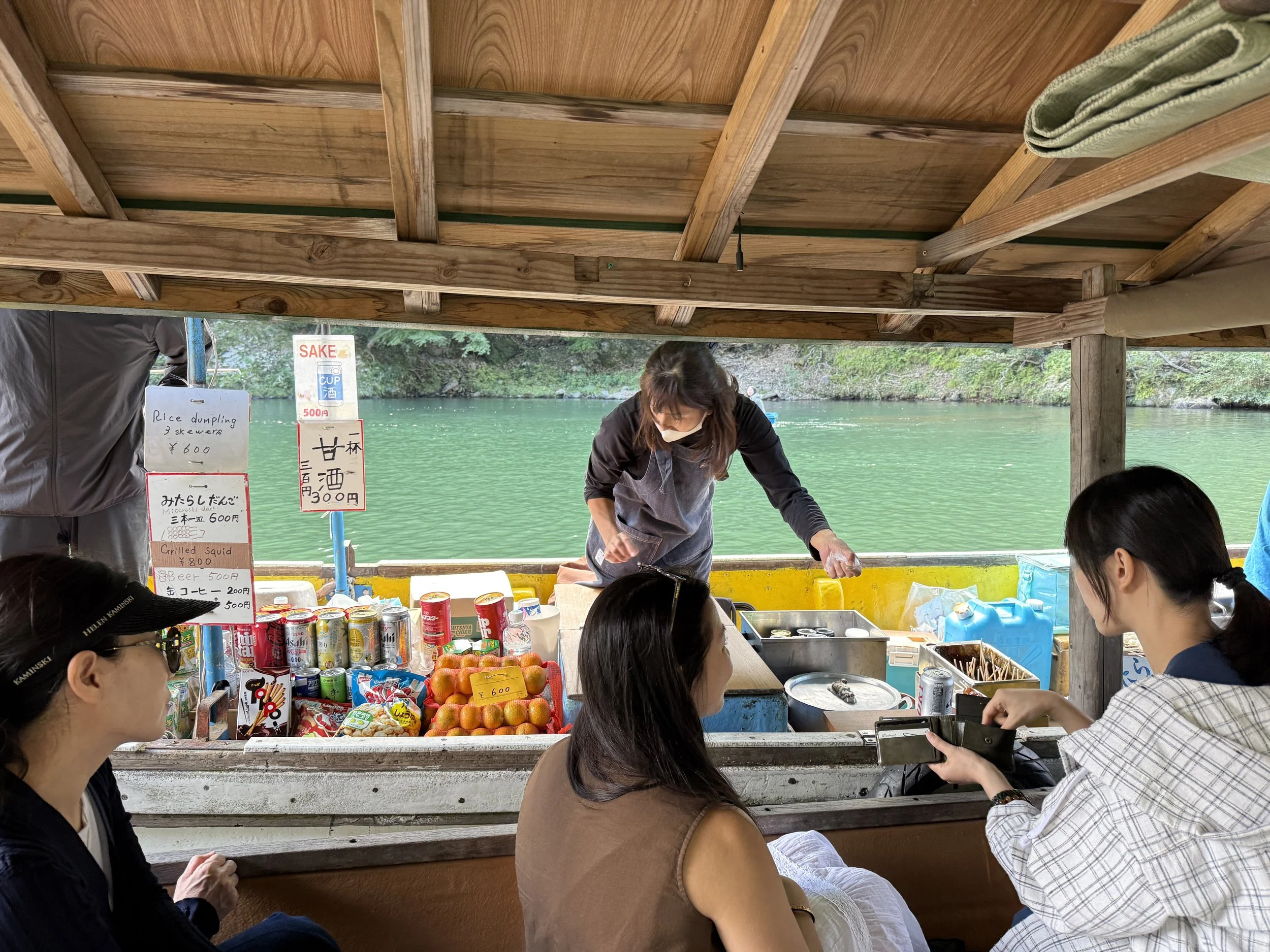
Even while you’re on water, they still want to take your money! This floating boat store is ruthless.
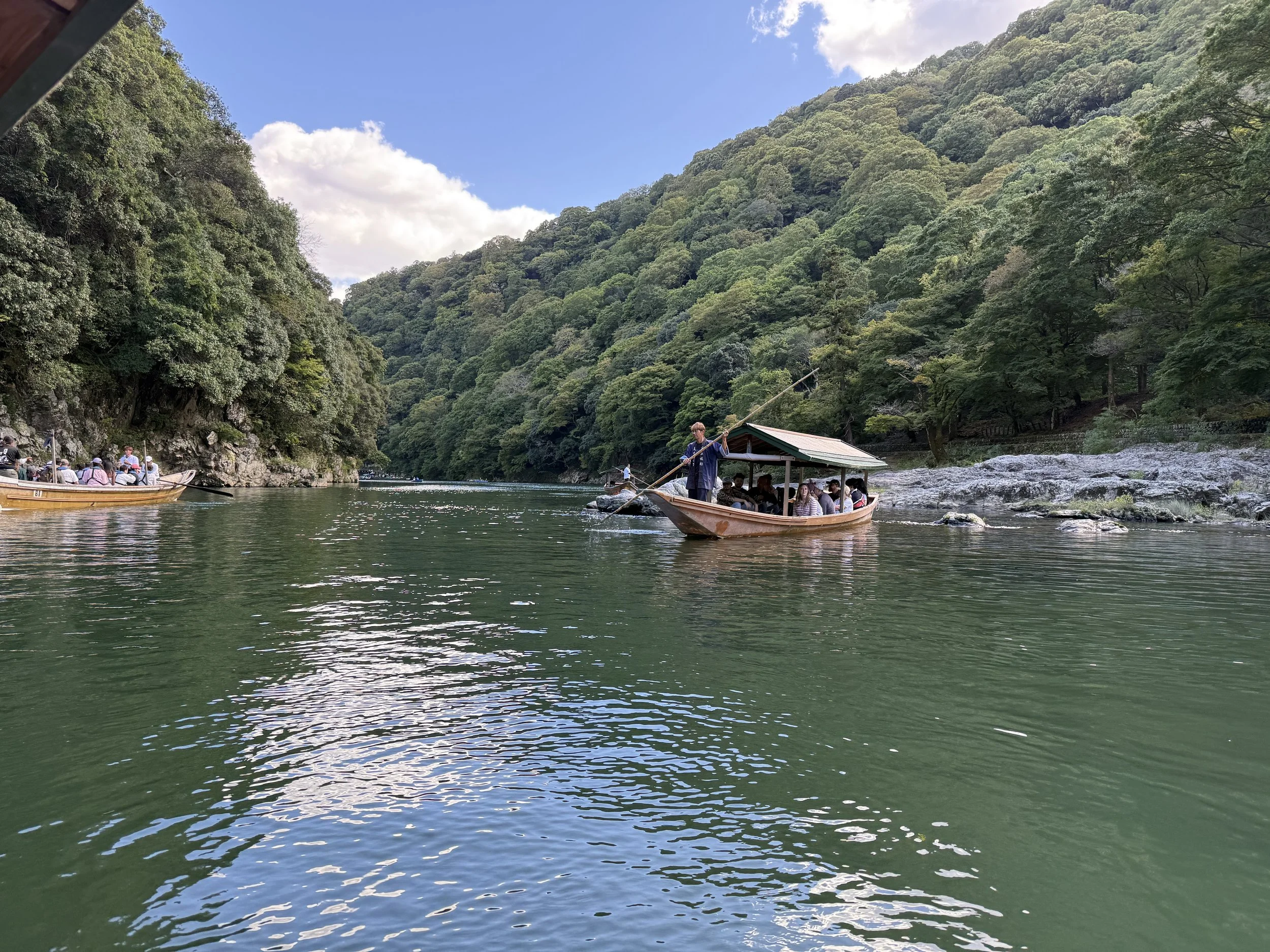
As you can see, there was not a single bad angle to take a photo from. The subtle green hue of the water complimented the hills.
Kabuki Show
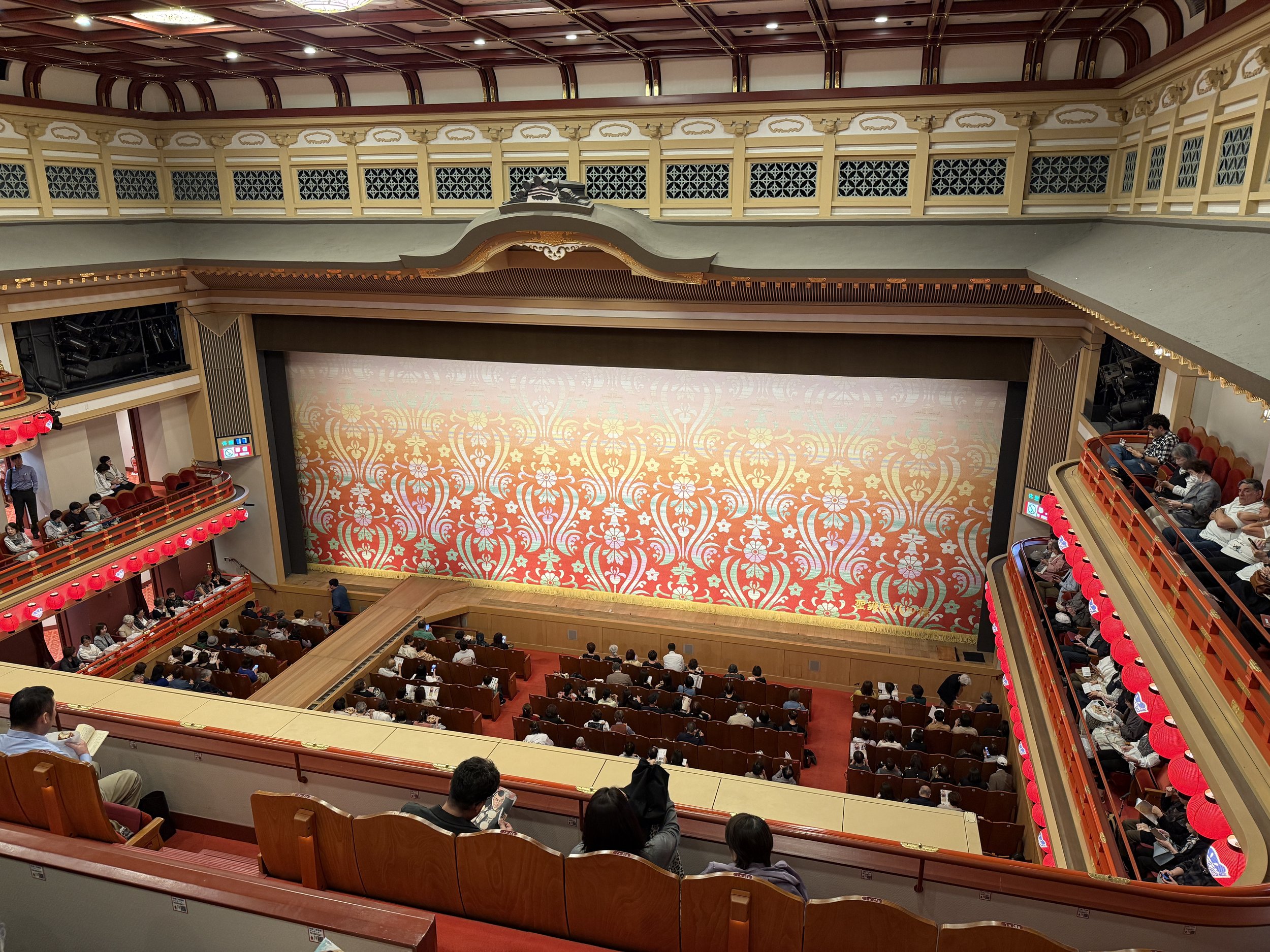
Theater presentations are huge and bring in a solid fan base. For our final activity of day four, we watched a Kabuki show. My wife has been looking forward to this for a very long time and was fulfilled that she got to tick off something from her bucket list. This is the equivalent of a Broadway show in New York.
Unfortunately, you cannot take photos or videos while the show is running. But the production, the actors and the talent behind the entire presentation was nothing but spectacular that is worth a standing ovation. There are multiple presentations, and each is about twenty to thirty minutes long with a twenty minute break in between acts, allowing viewers to use the toilet or get a snack.
The first act was about an Emperor dealing with his concubine, generals and the strongest warrior in the kingdom. The second was a dance of a spirit fox under the full moon. The third was how a warrior covered his identity and stole a sacred sword. There were at least three to four more acts that we weren’t able to see because of a dinner reservation.
Japan, despite its dark history, is able to shine a light in a positive way, sharing a piece of their culture to those who are curious. They delivered an exceptional live show that everyone enjoyed.
No microphones and no special effects, the actors speak and sing loudly from their gut. You can hear the clarity and drive from every word even if you’re sitting on the farthest section. Can you imagine wearing costumes that weigh more than your body weight?
Despite not understanding the show word for word, you will be handed an AI generated guide that explains everything in english while watching.
Day 5
Fushimi Inari Taisha
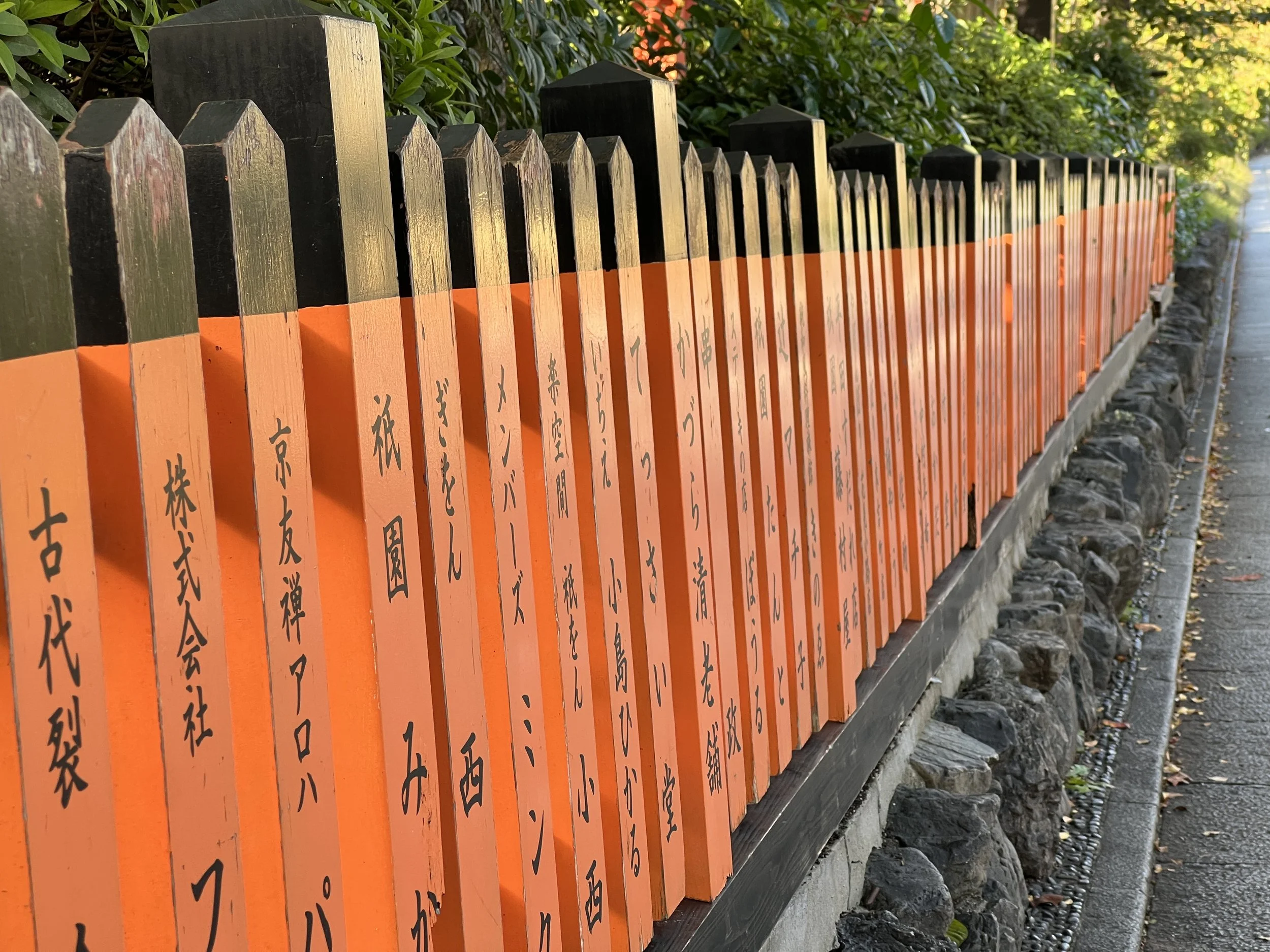
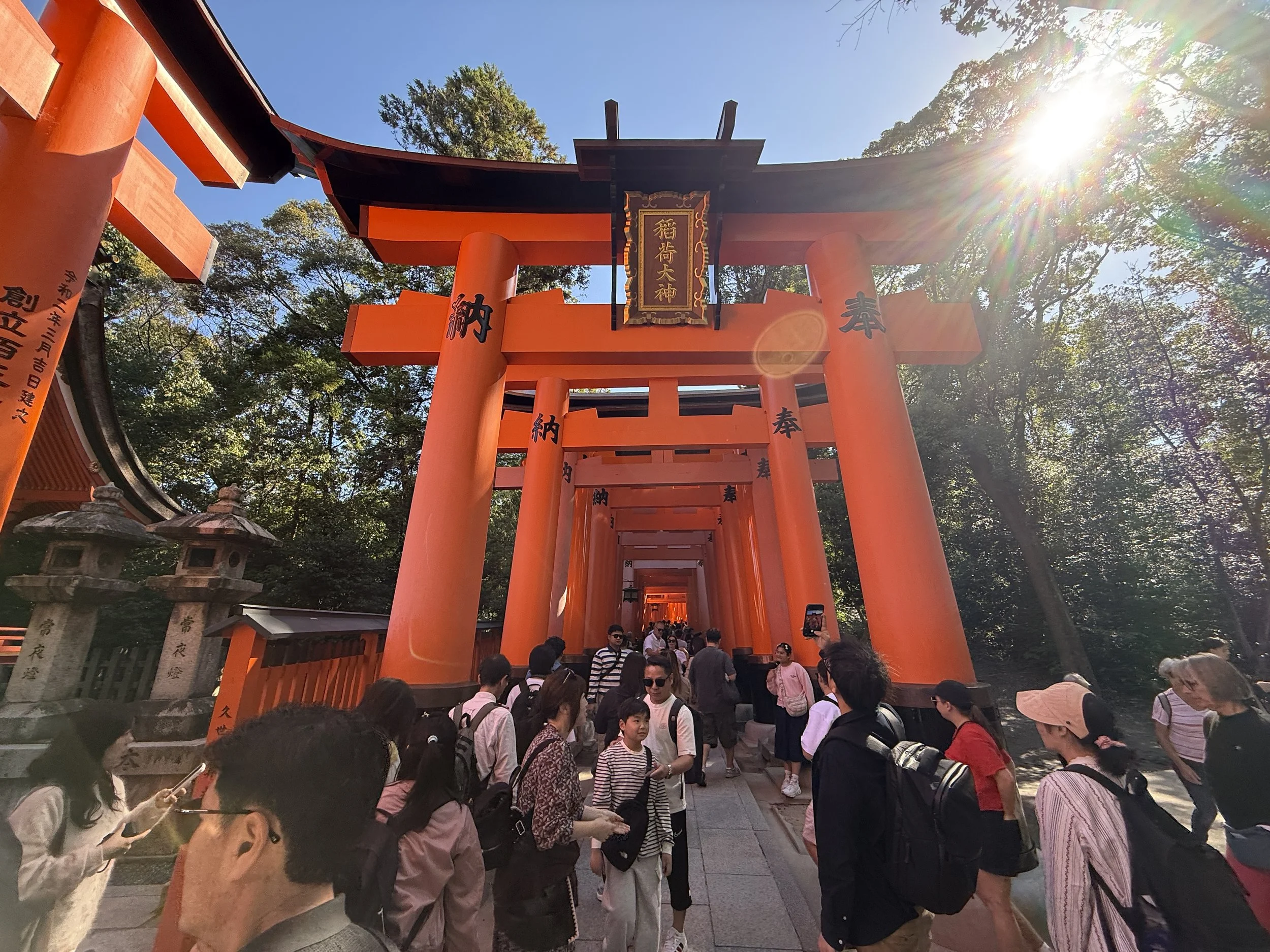
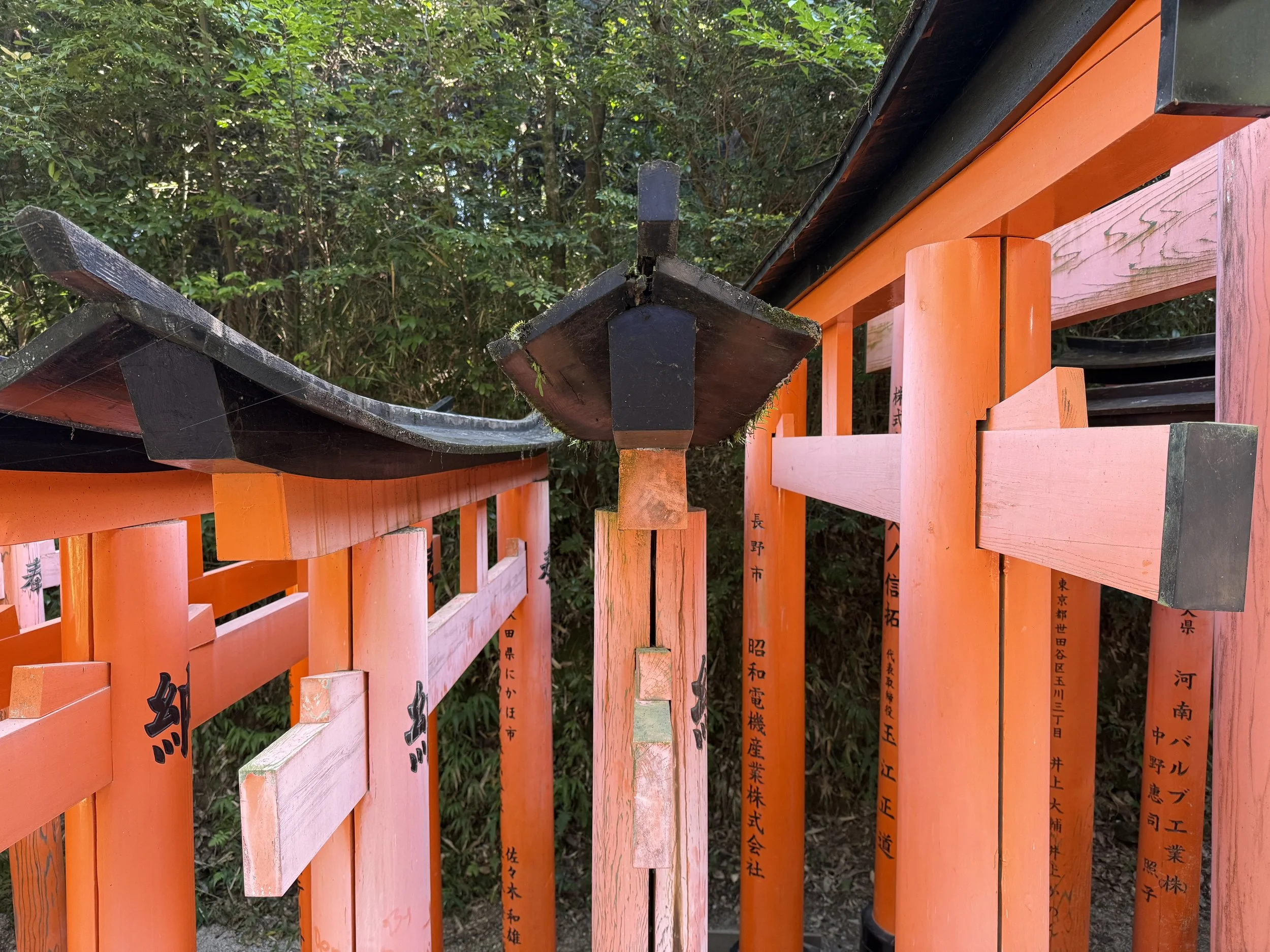
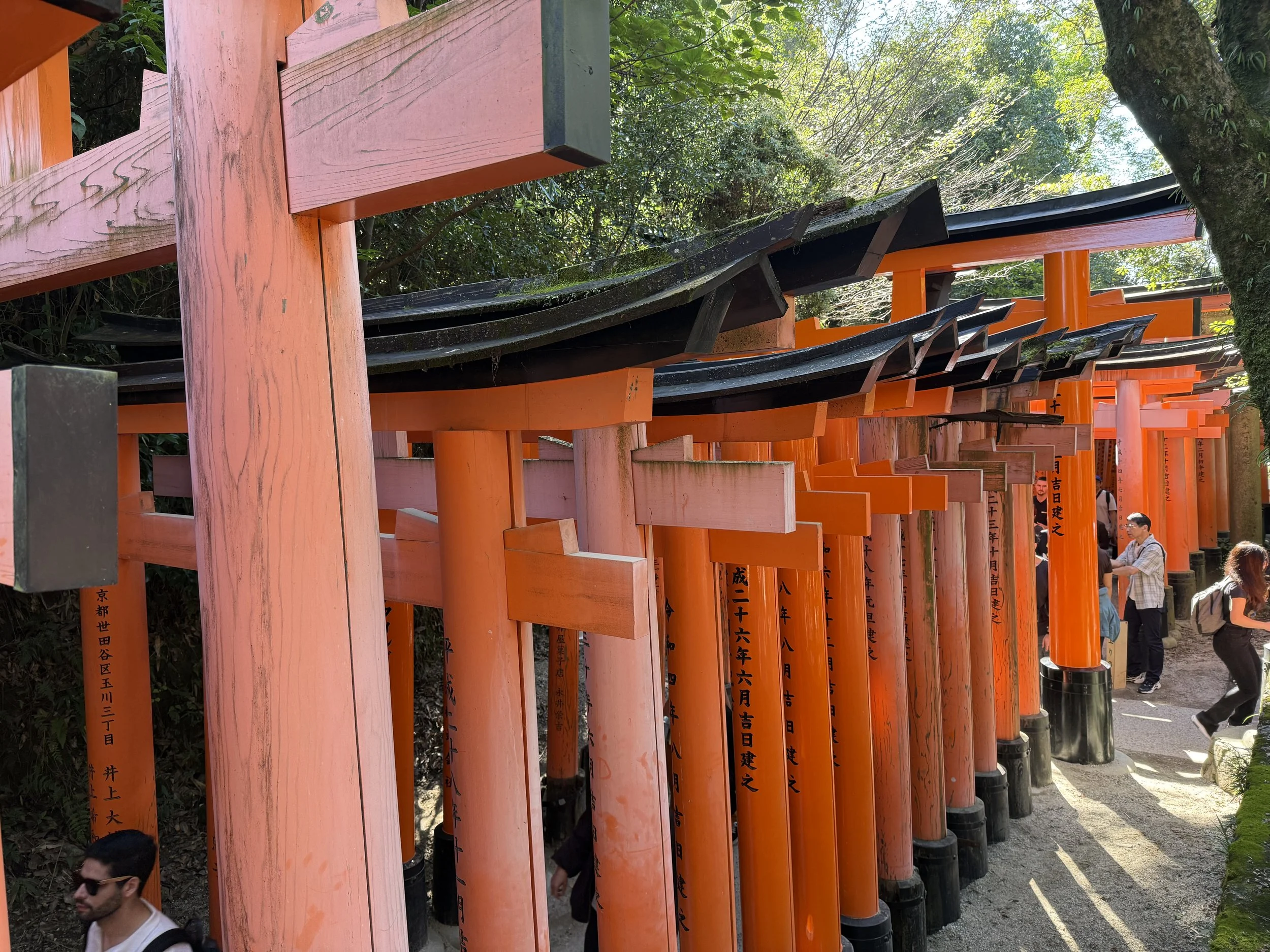
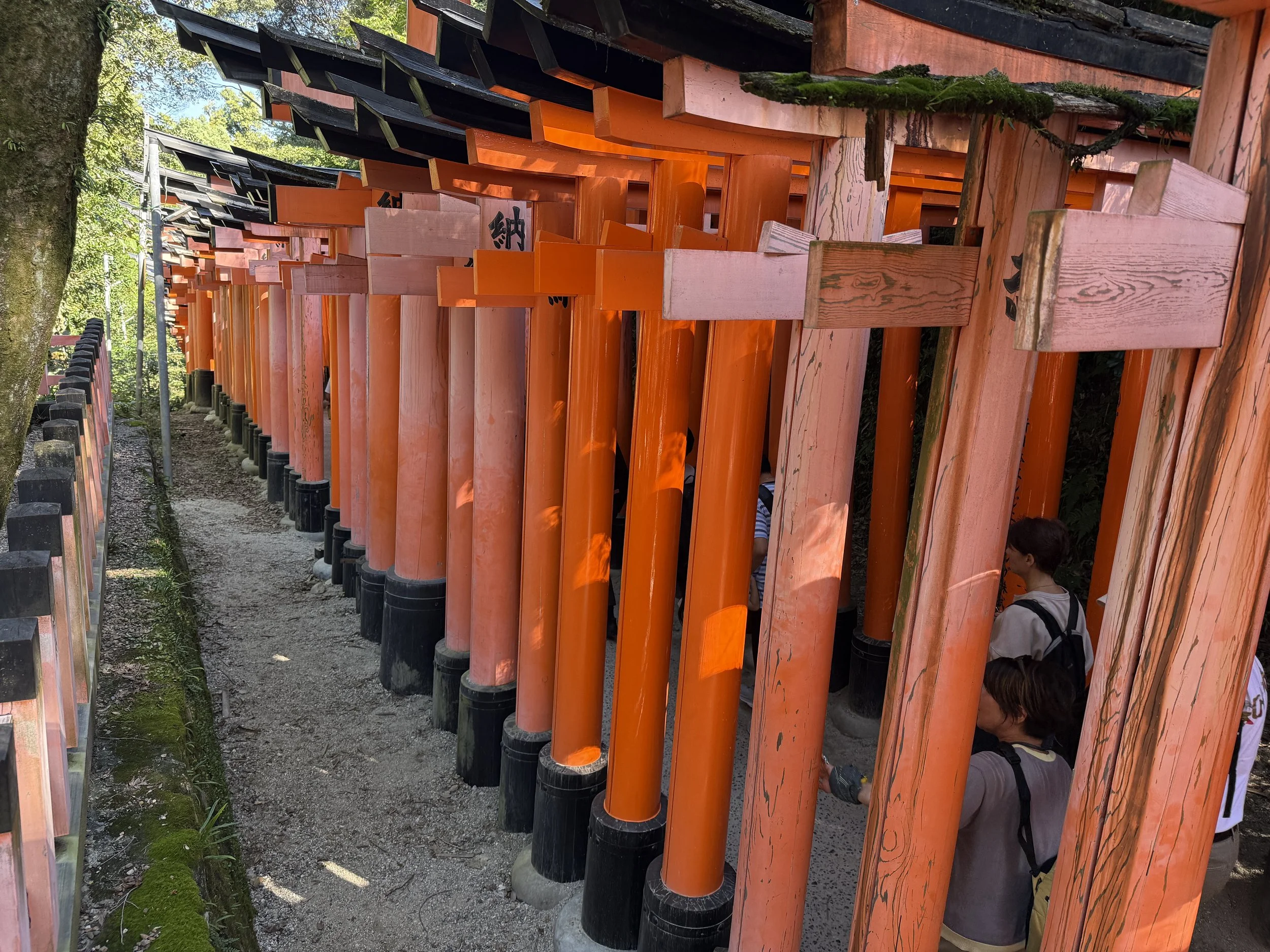
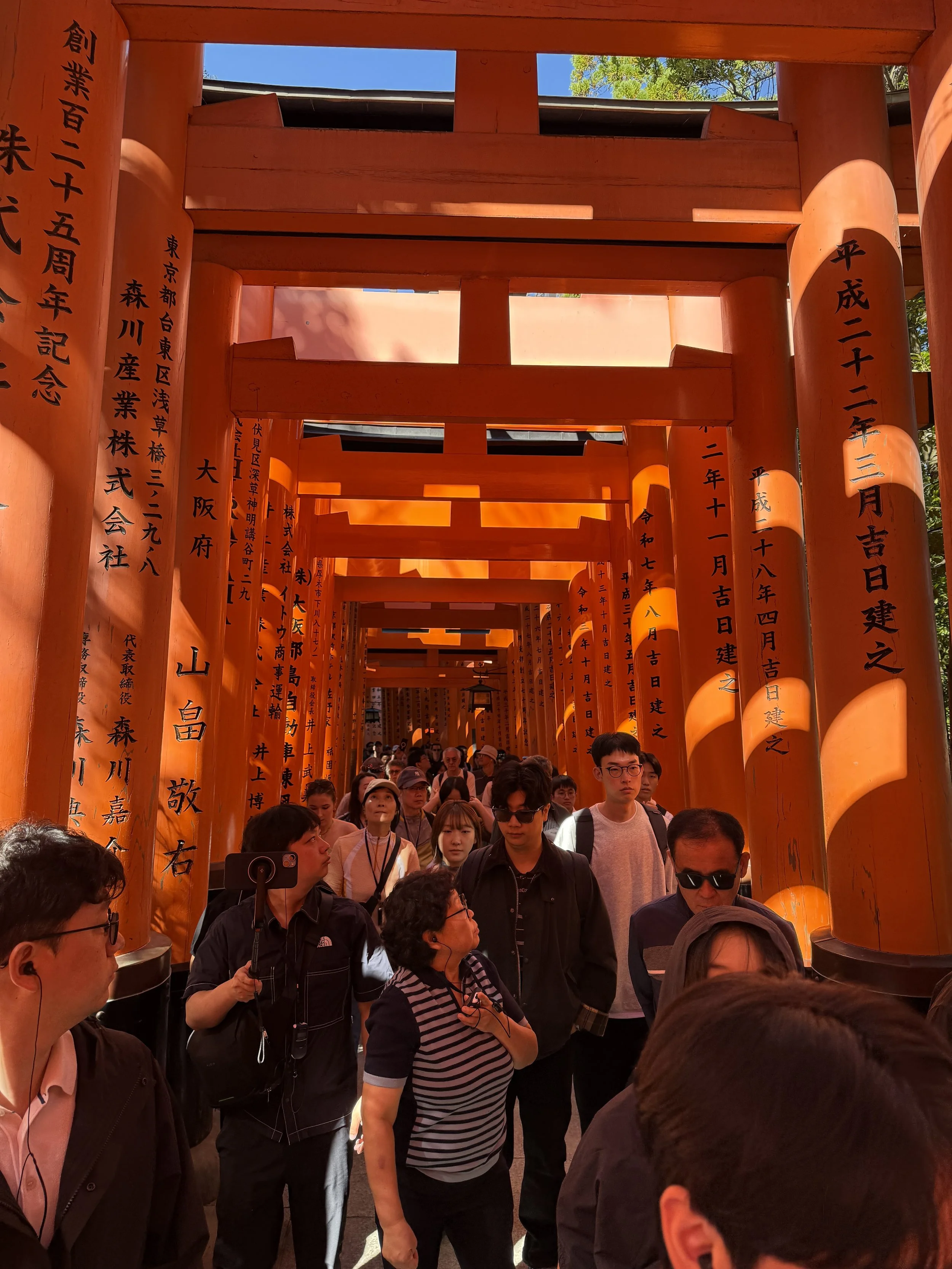
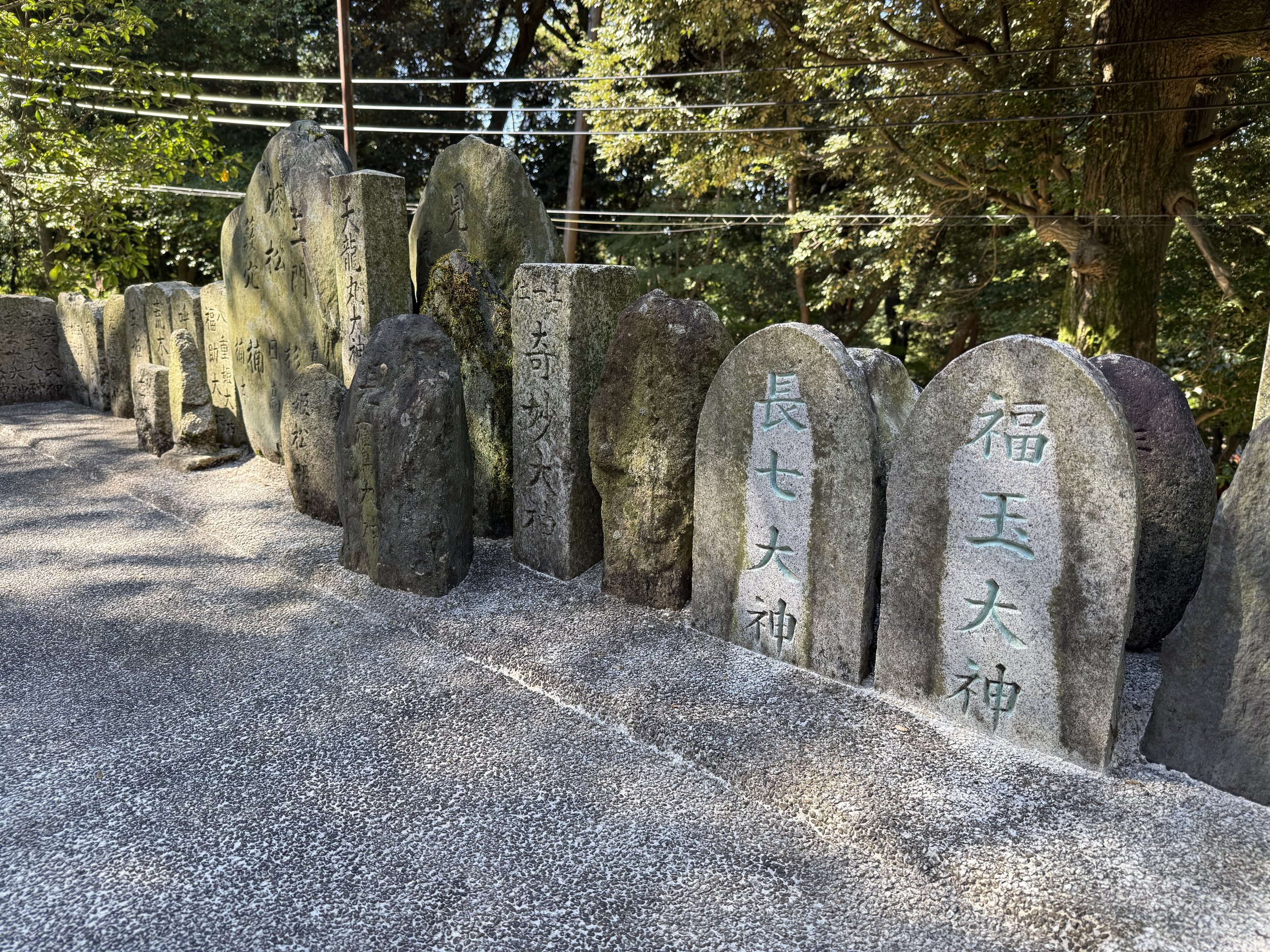
Fushimi Inari Taisha is made famous by the thousands of vermilion arches or torii gates lined up painted in orange.
Gyukatsu Katsugyu
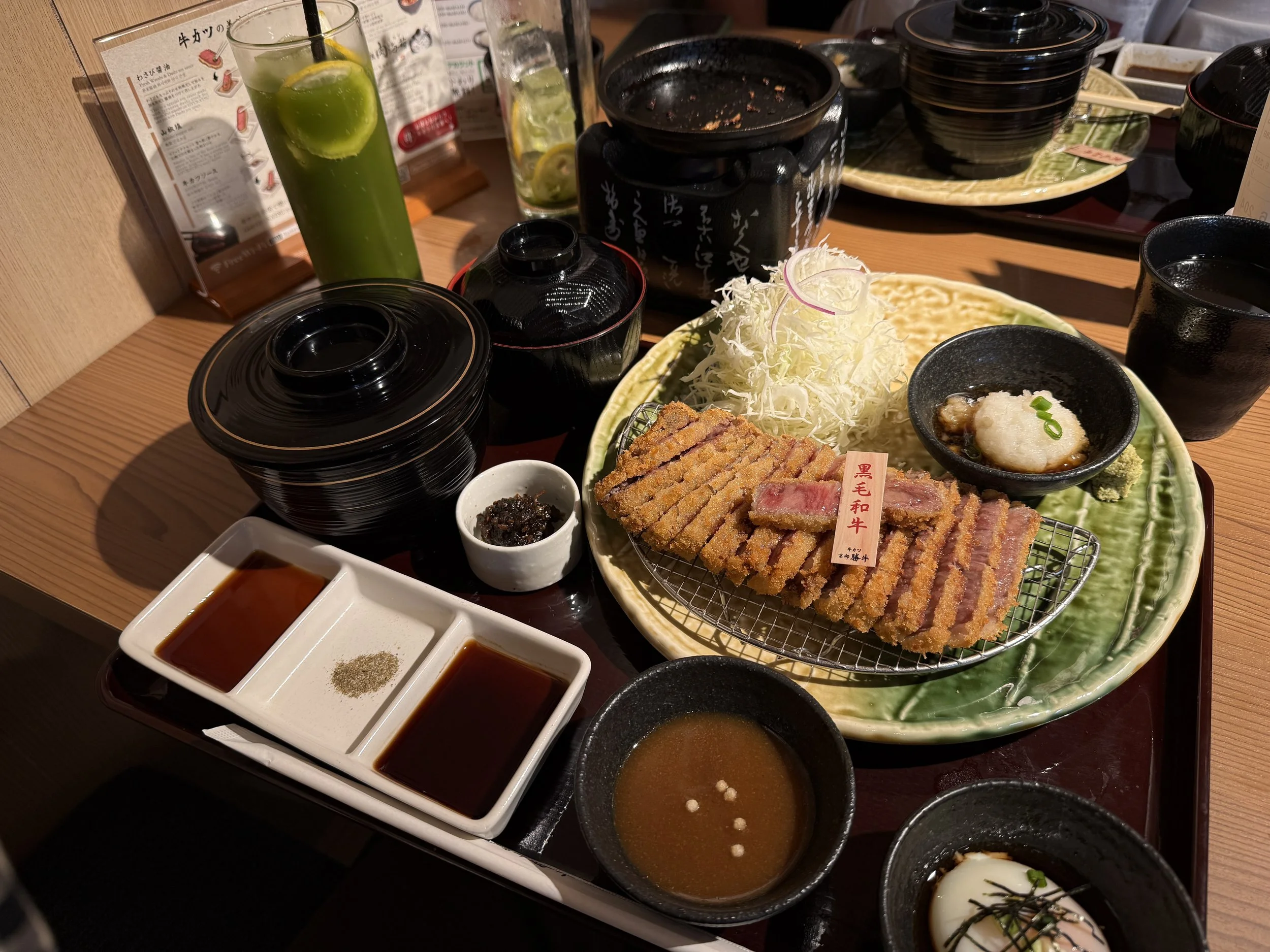
A quick lunch took us to Gyukatsu Katsugyu that specializes in Wagyu katsu sets. This was the perfect lunch.
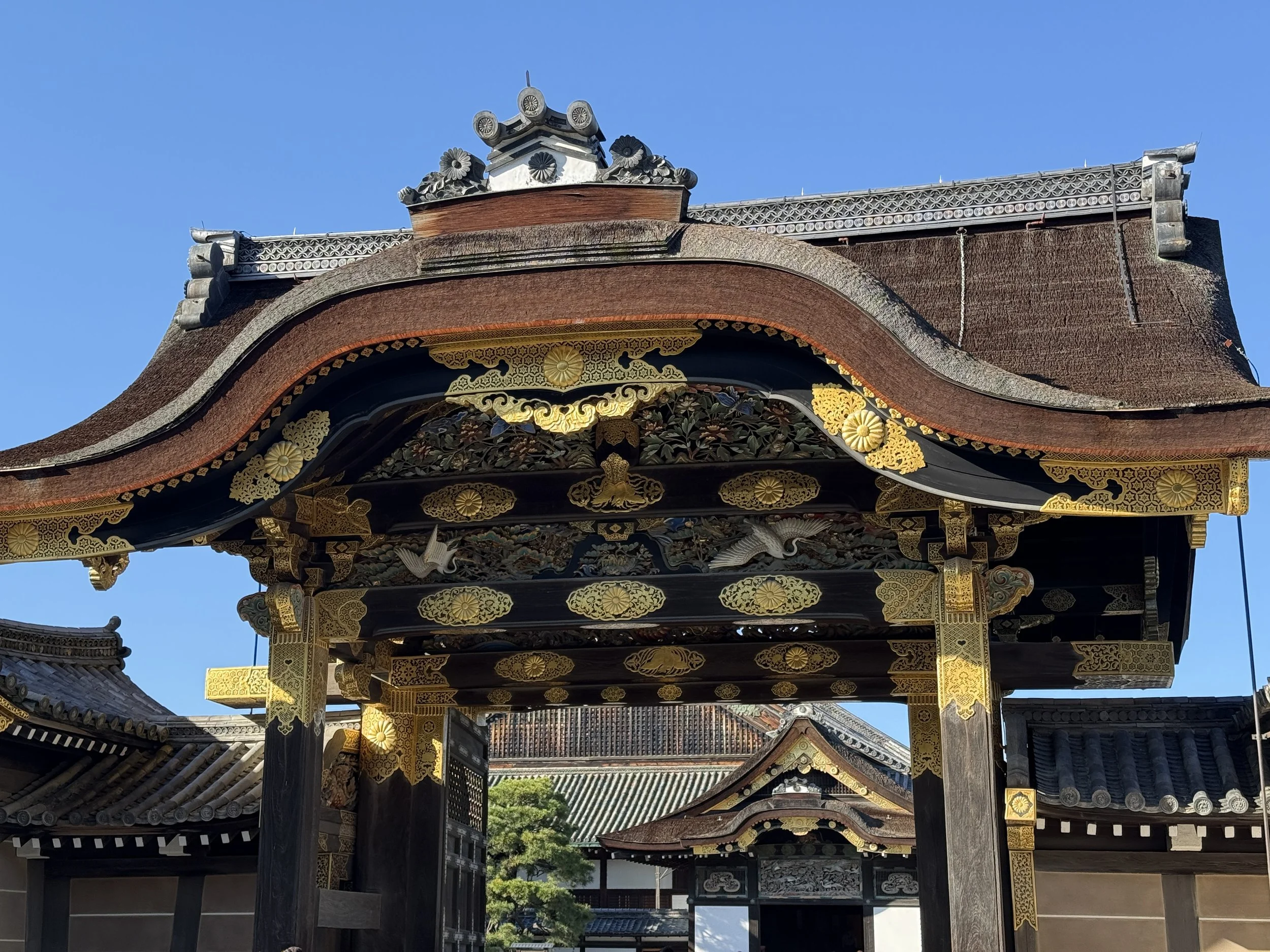
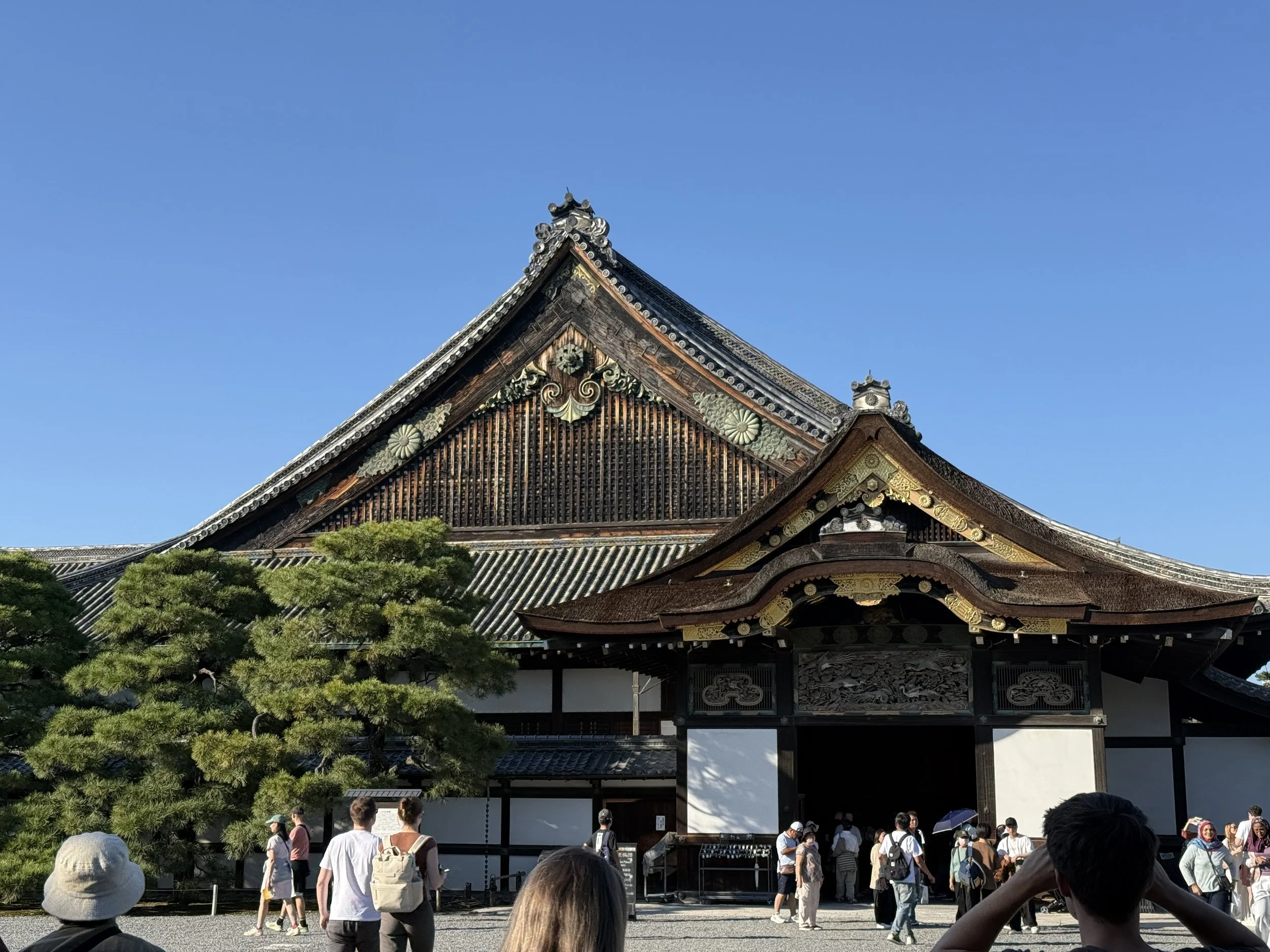
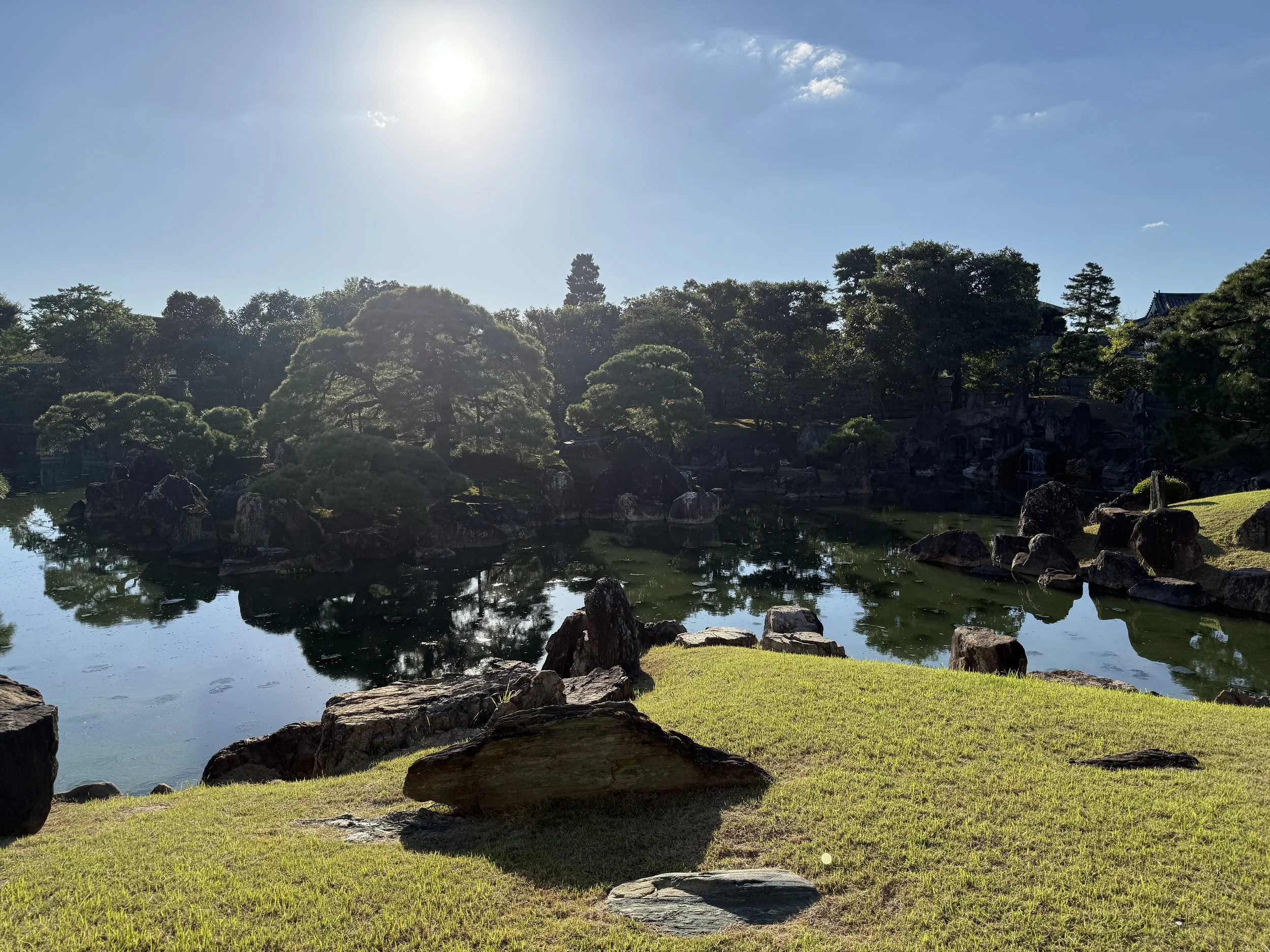
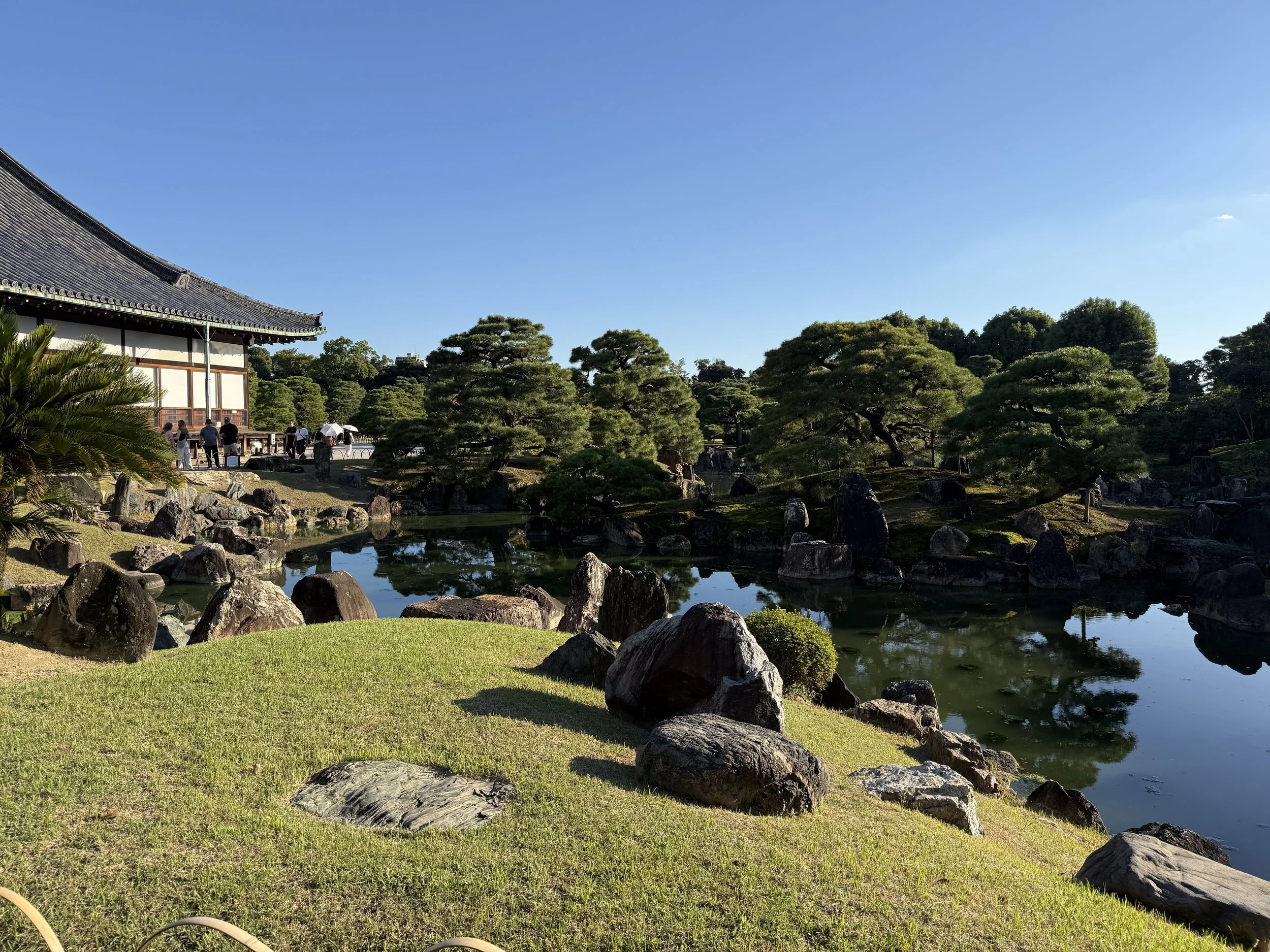
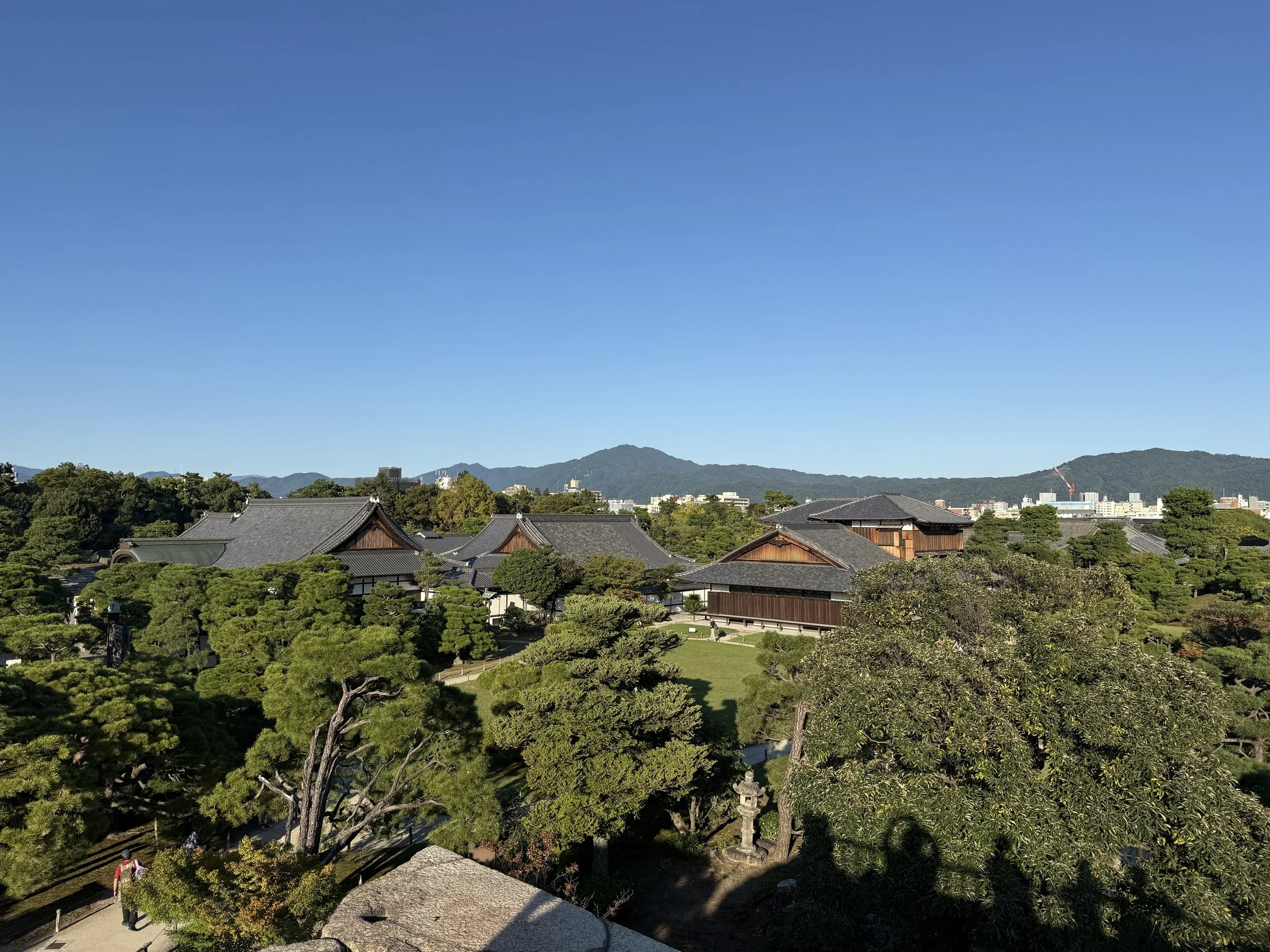
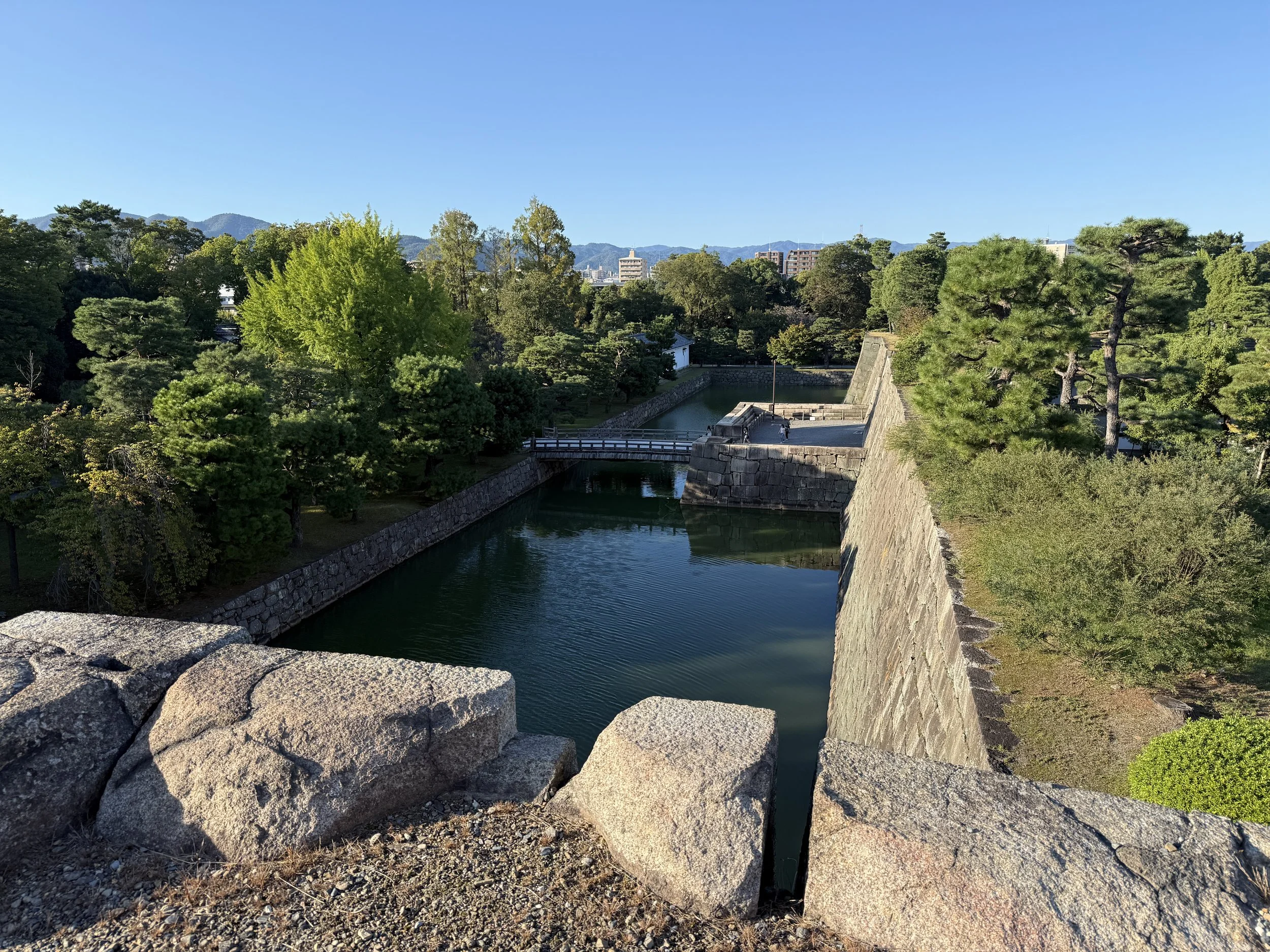
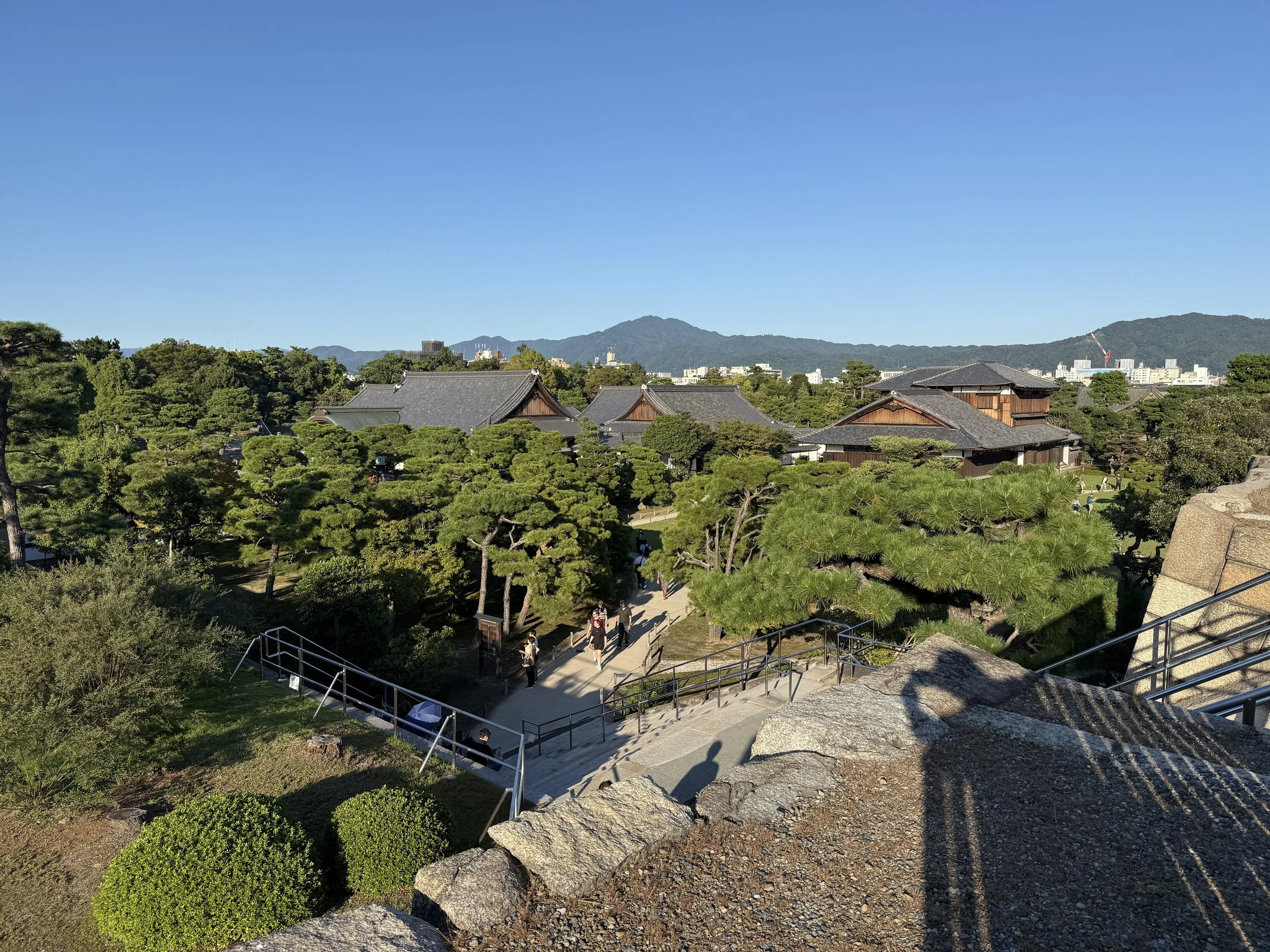
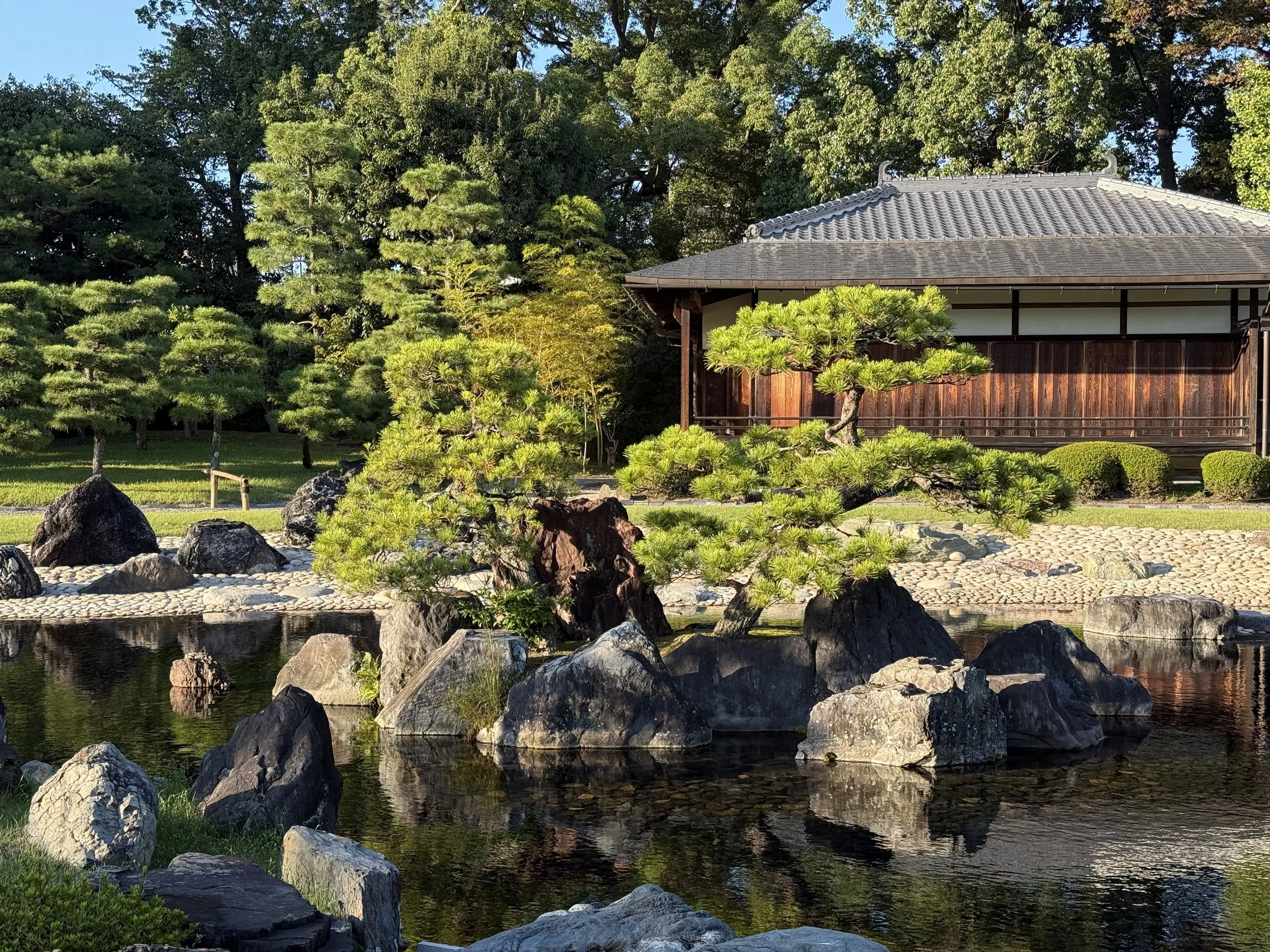
Kyoto Imperial Palace, Nijo Castle
This is former residence of the Emperor.
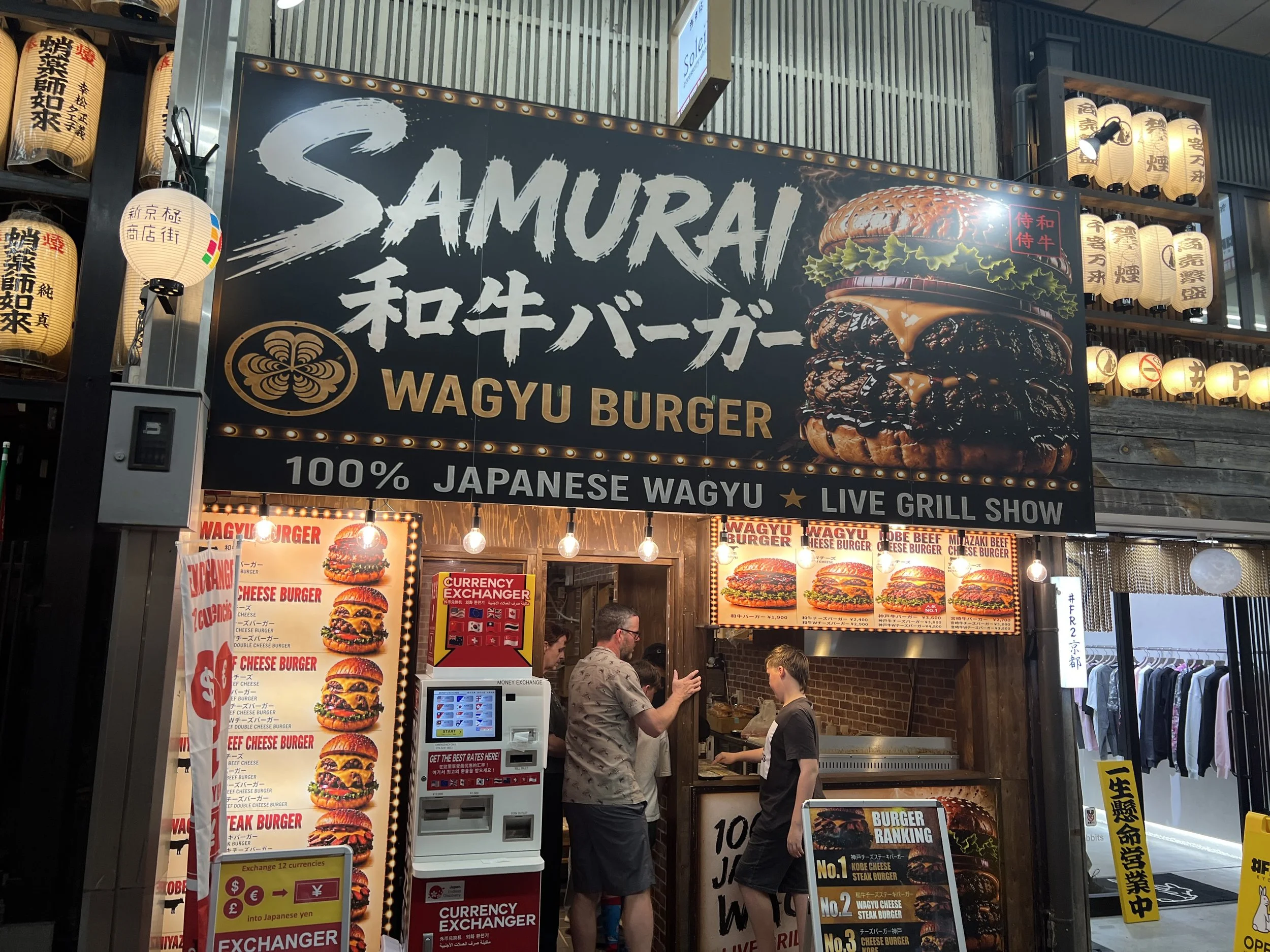
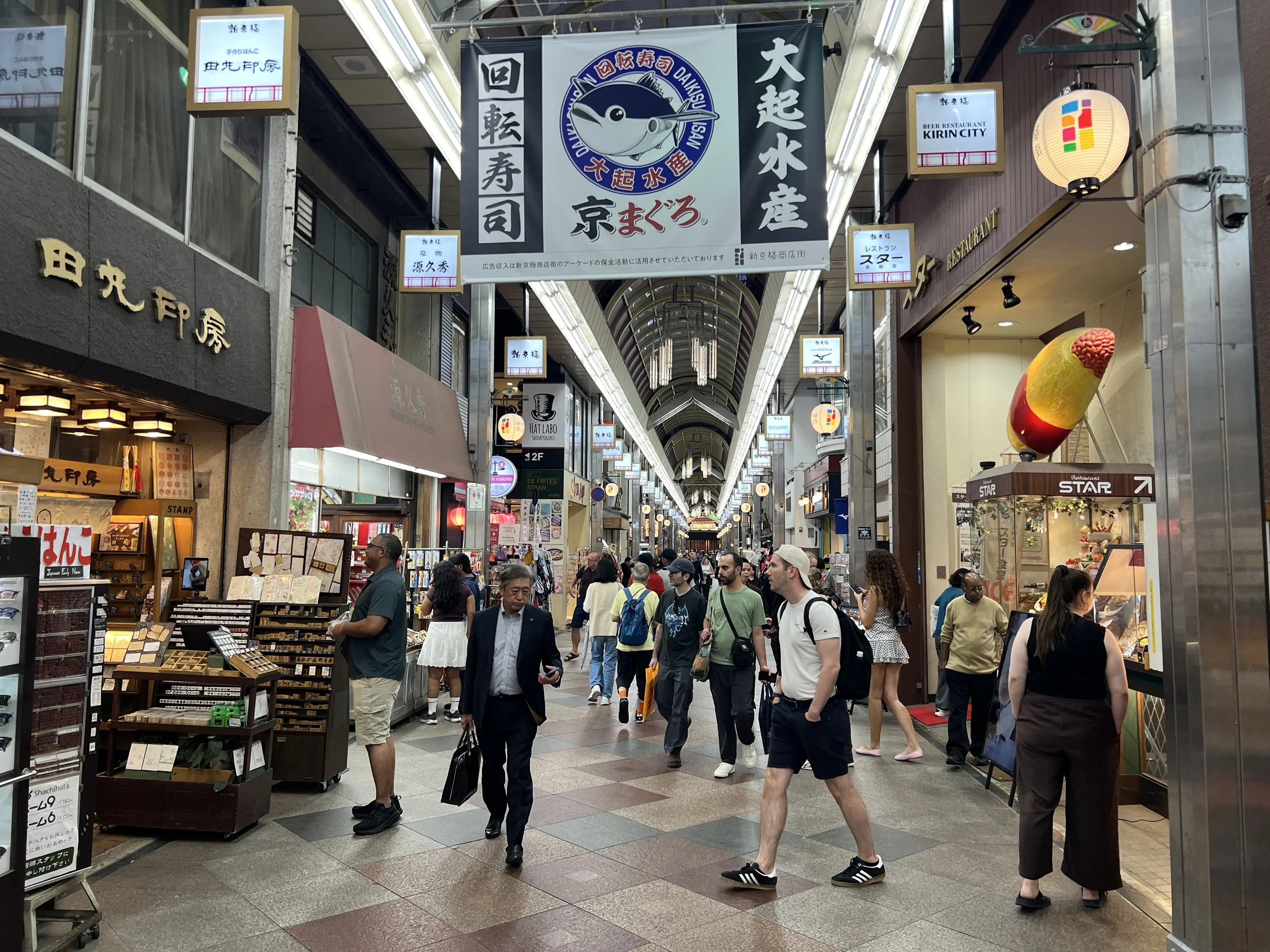
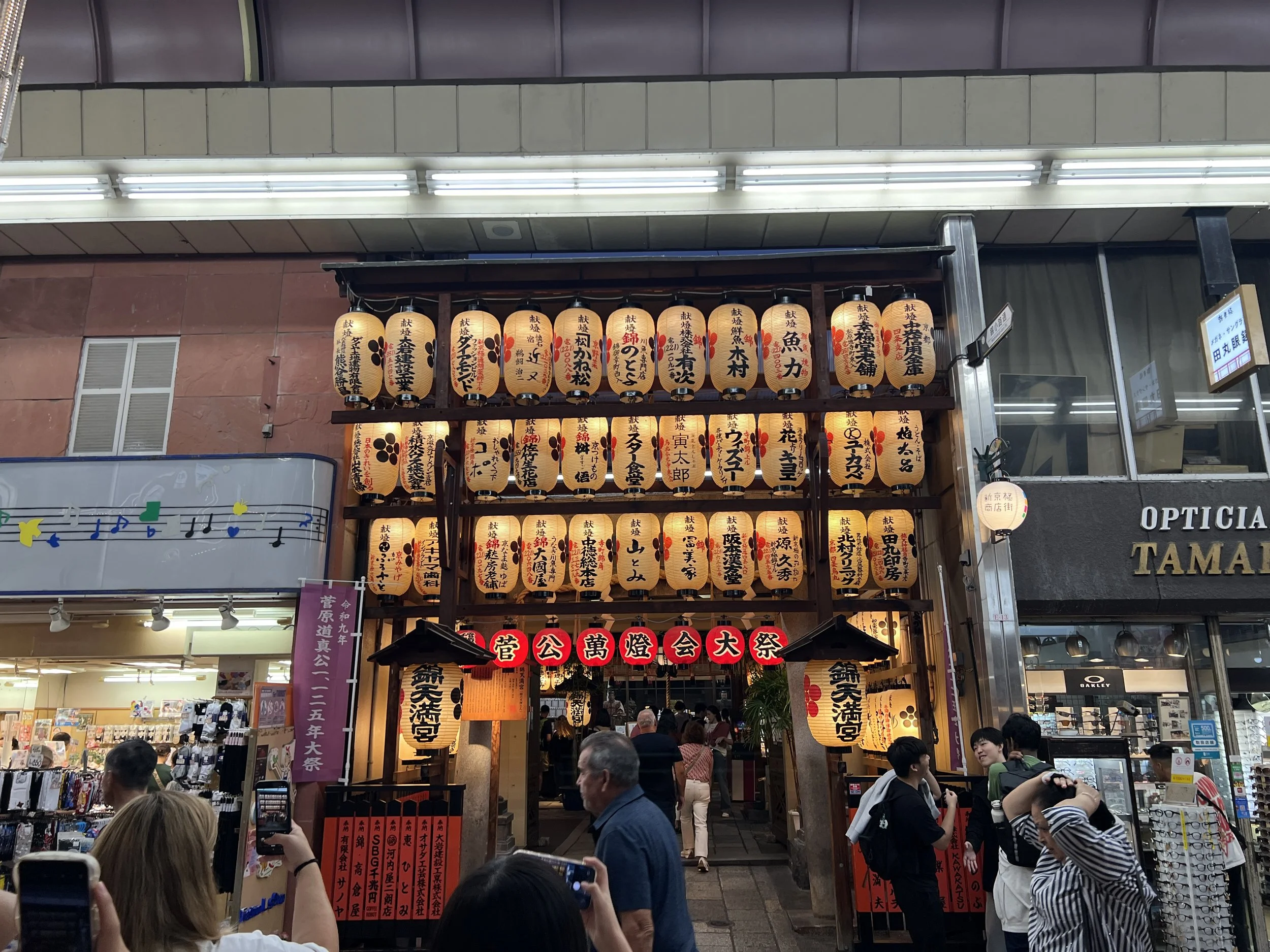
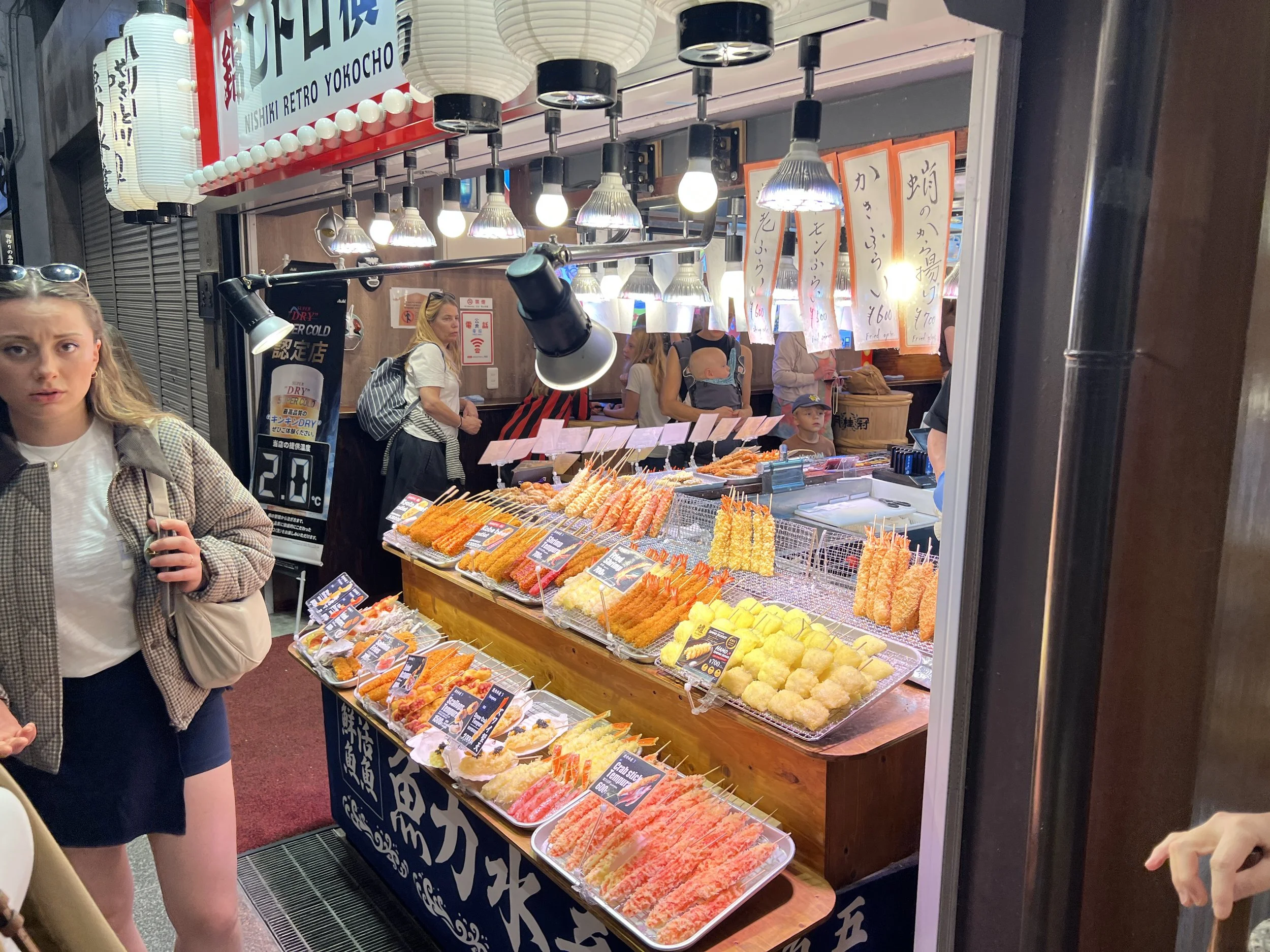
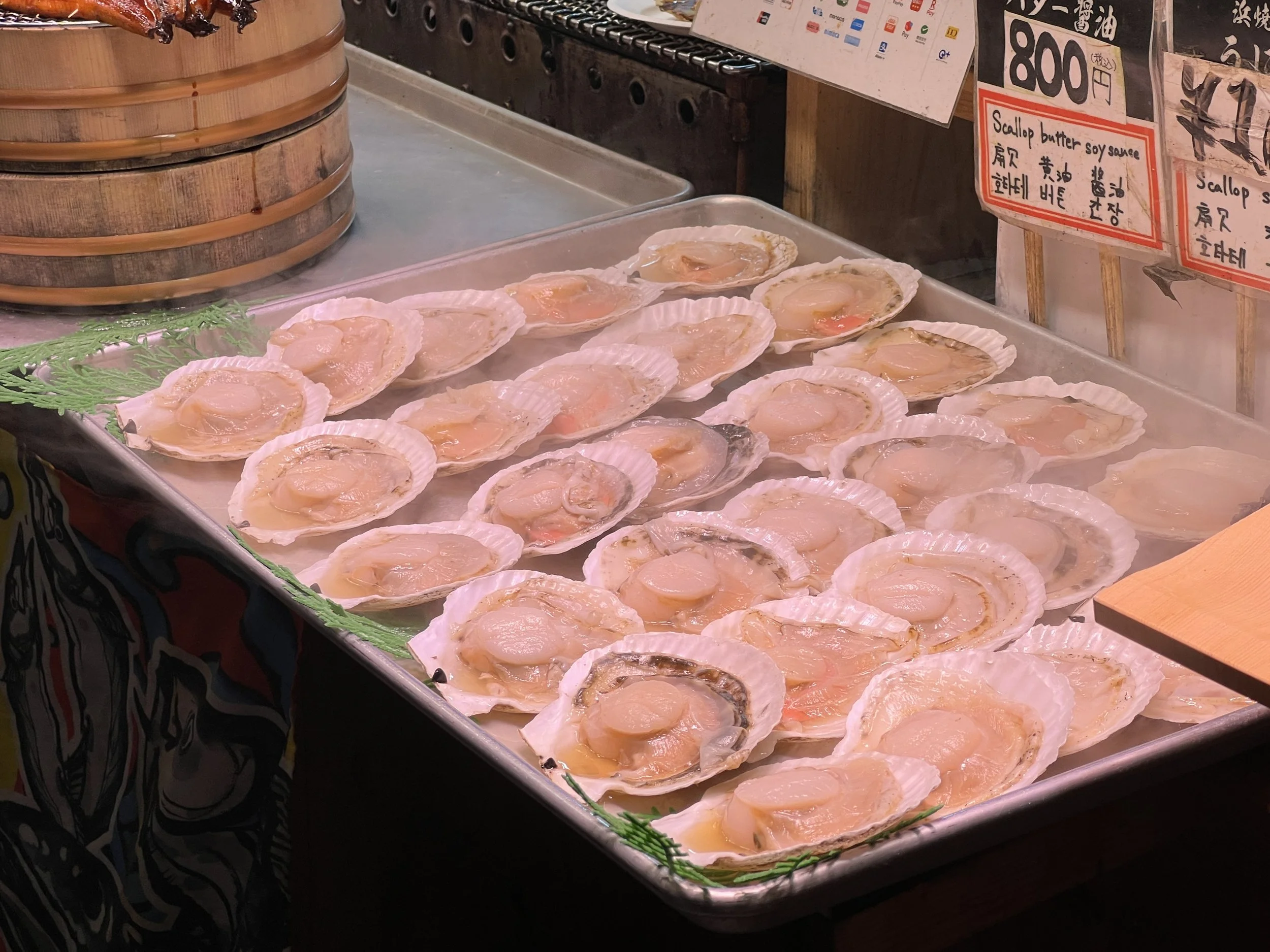
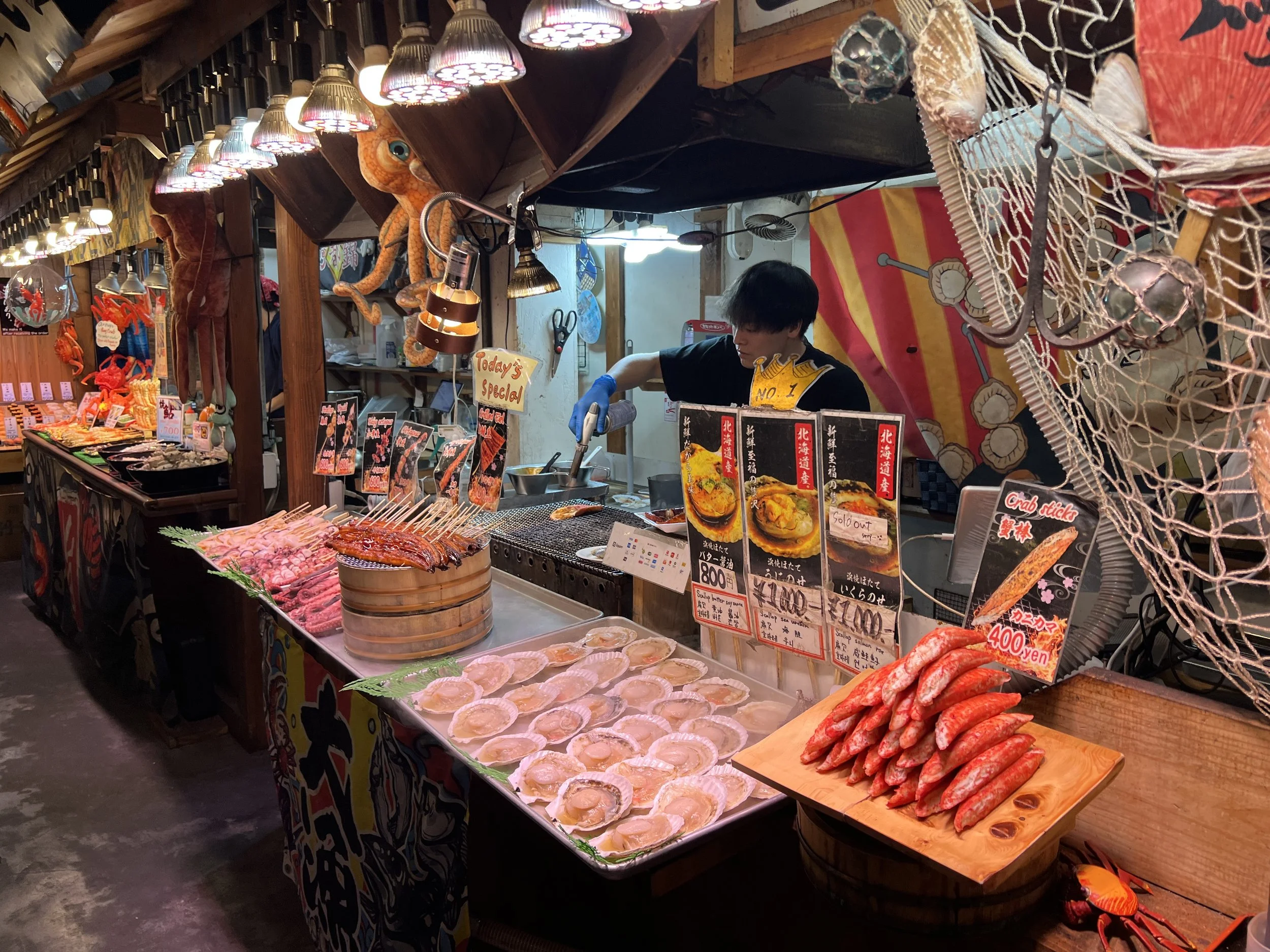
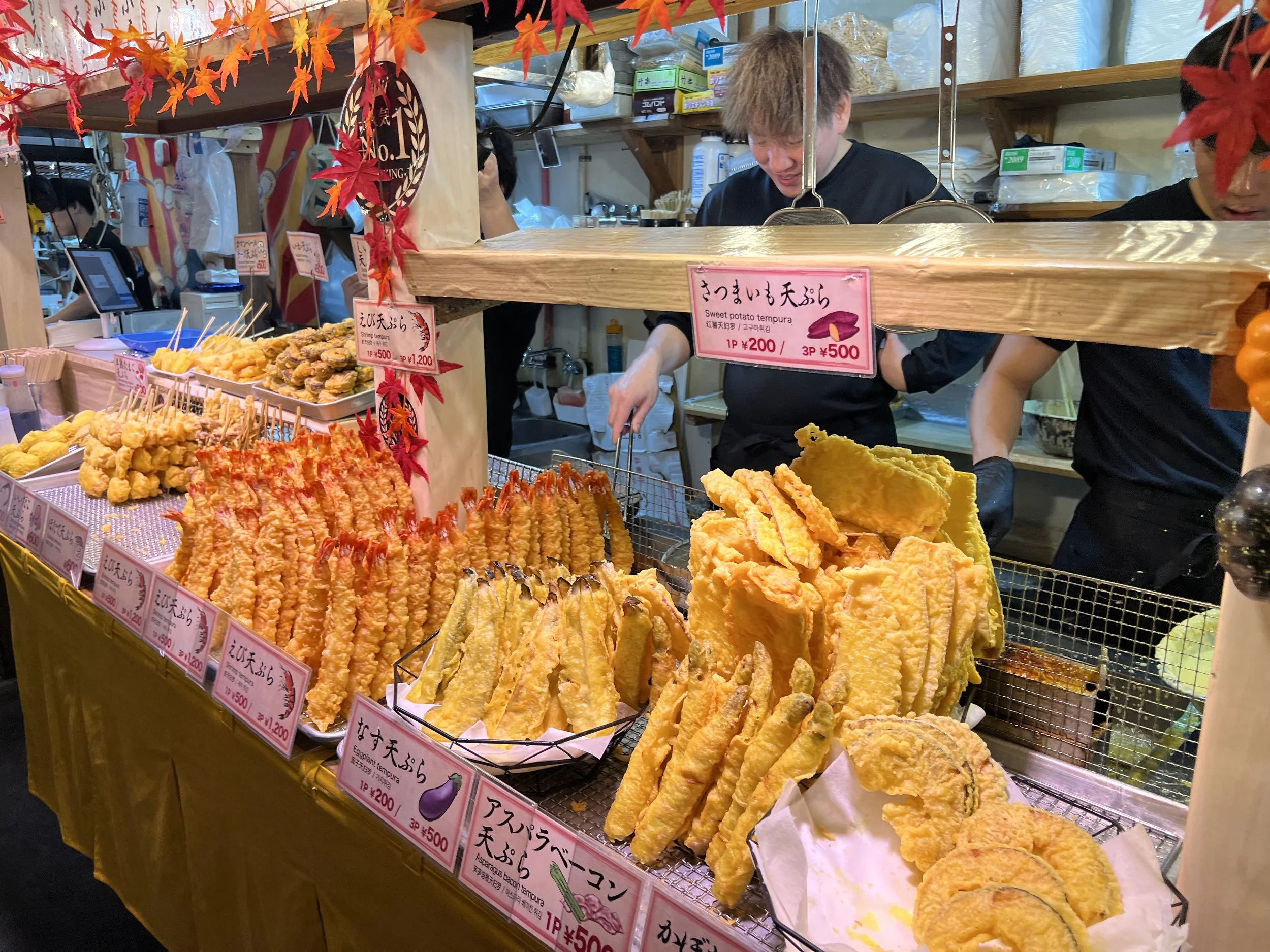
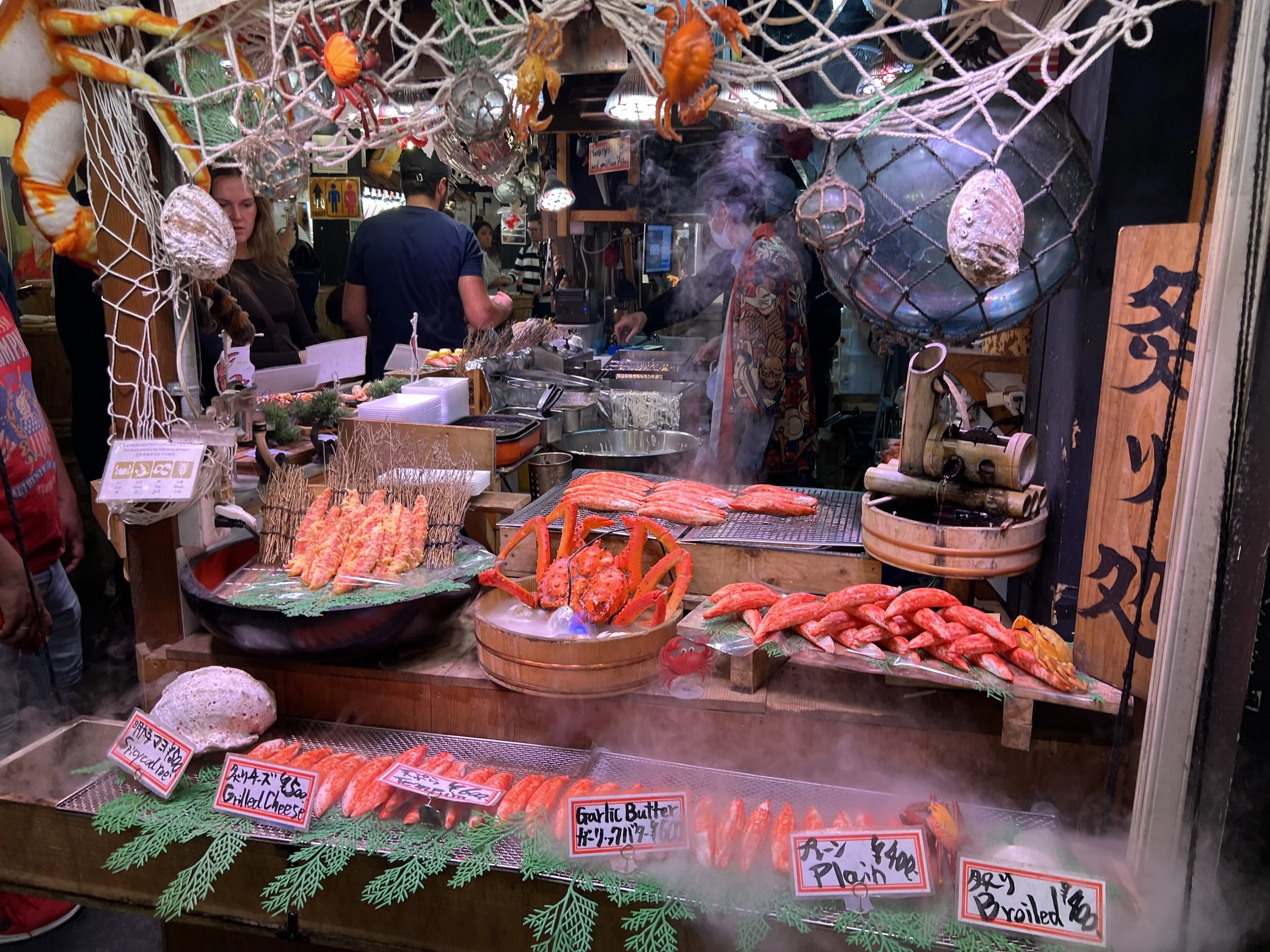
Nishiki Market
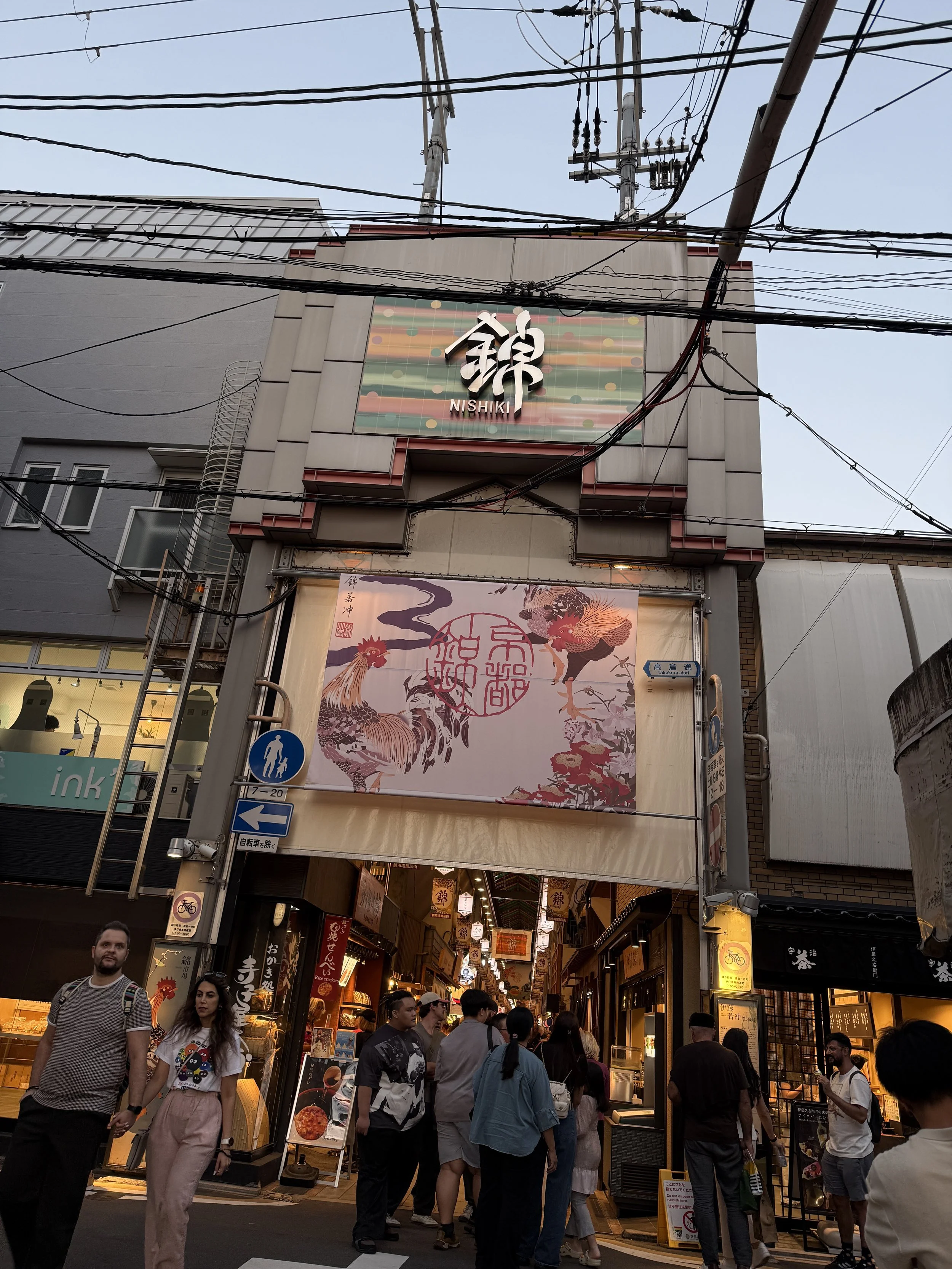
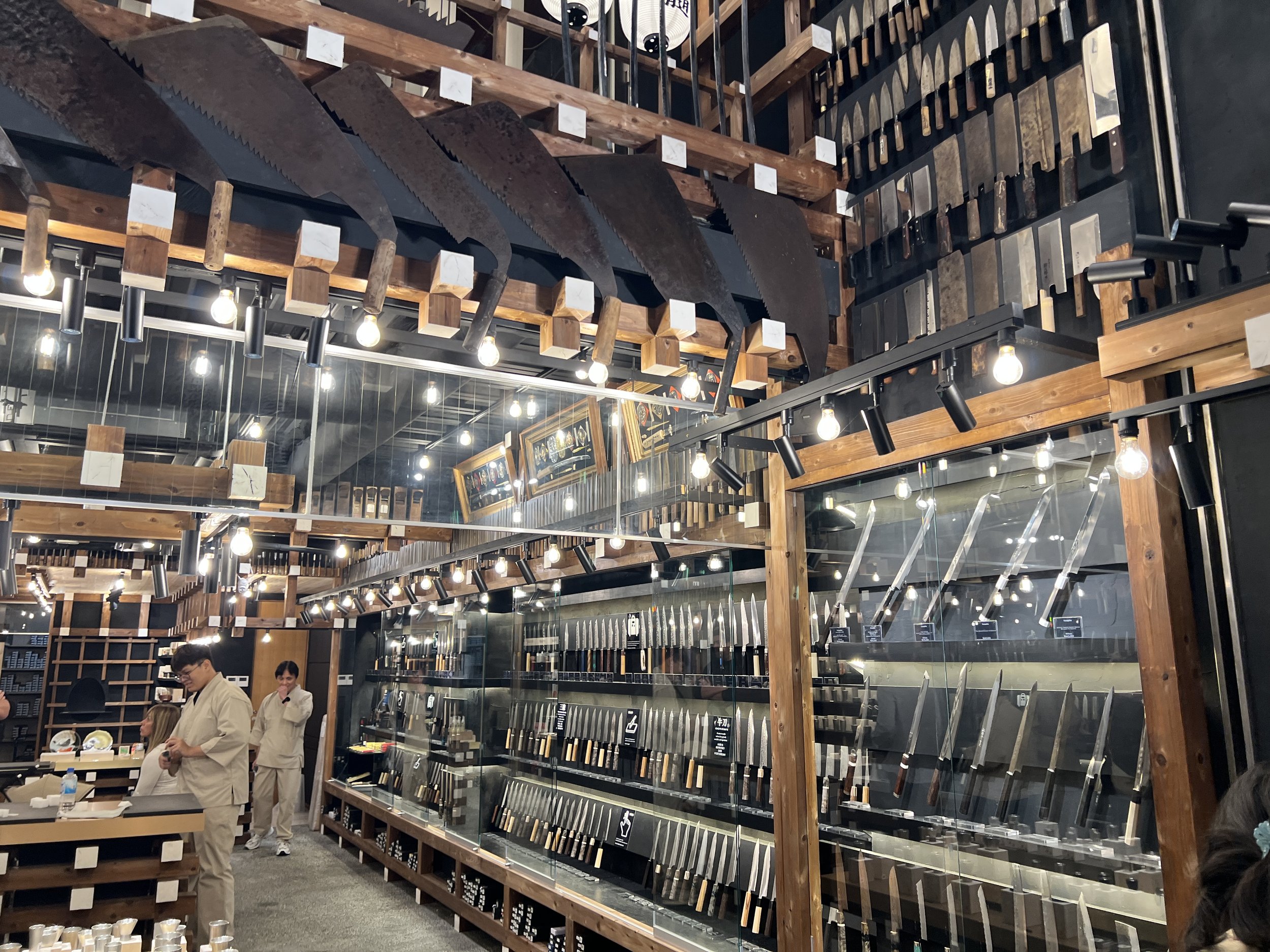
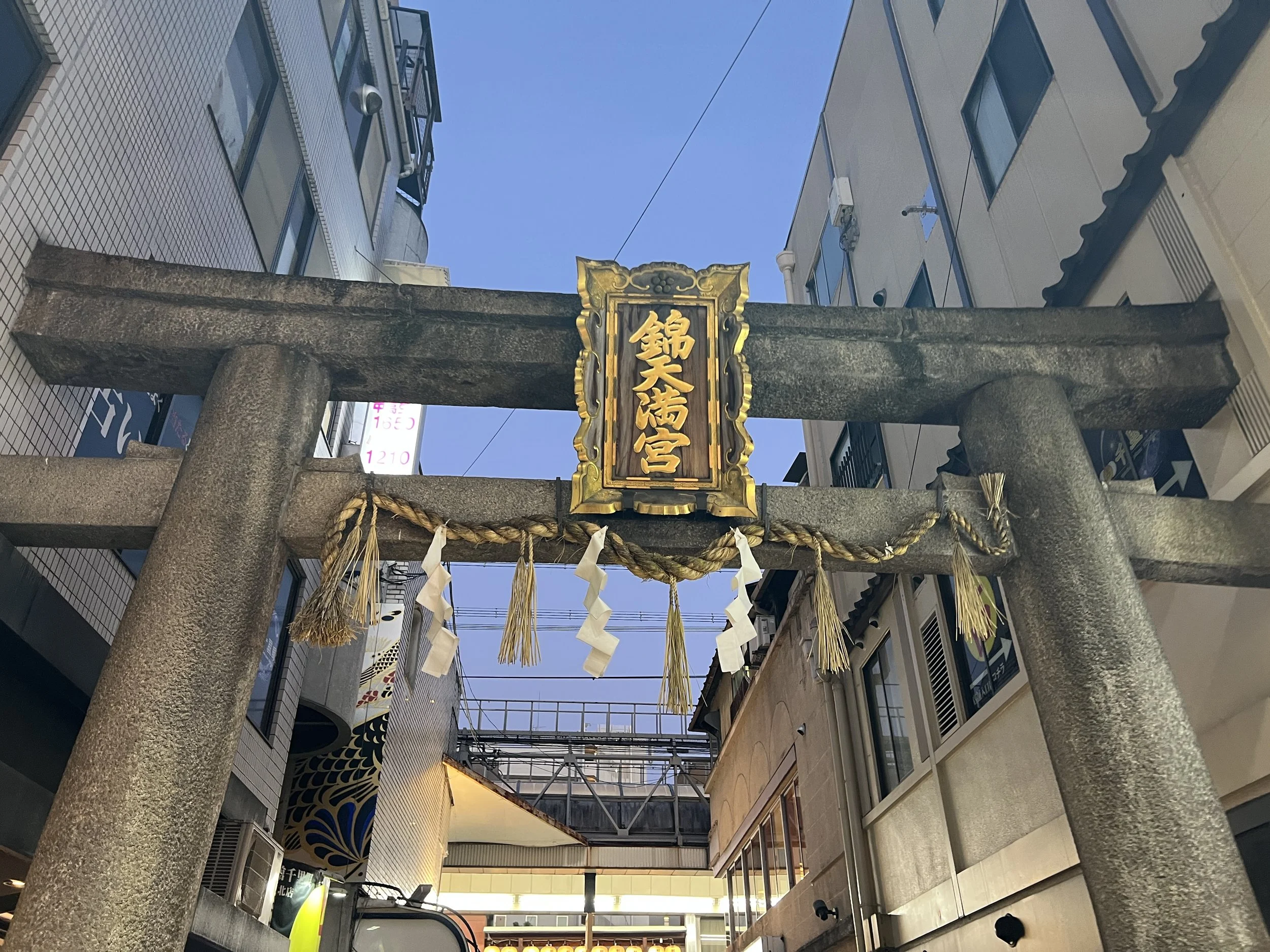
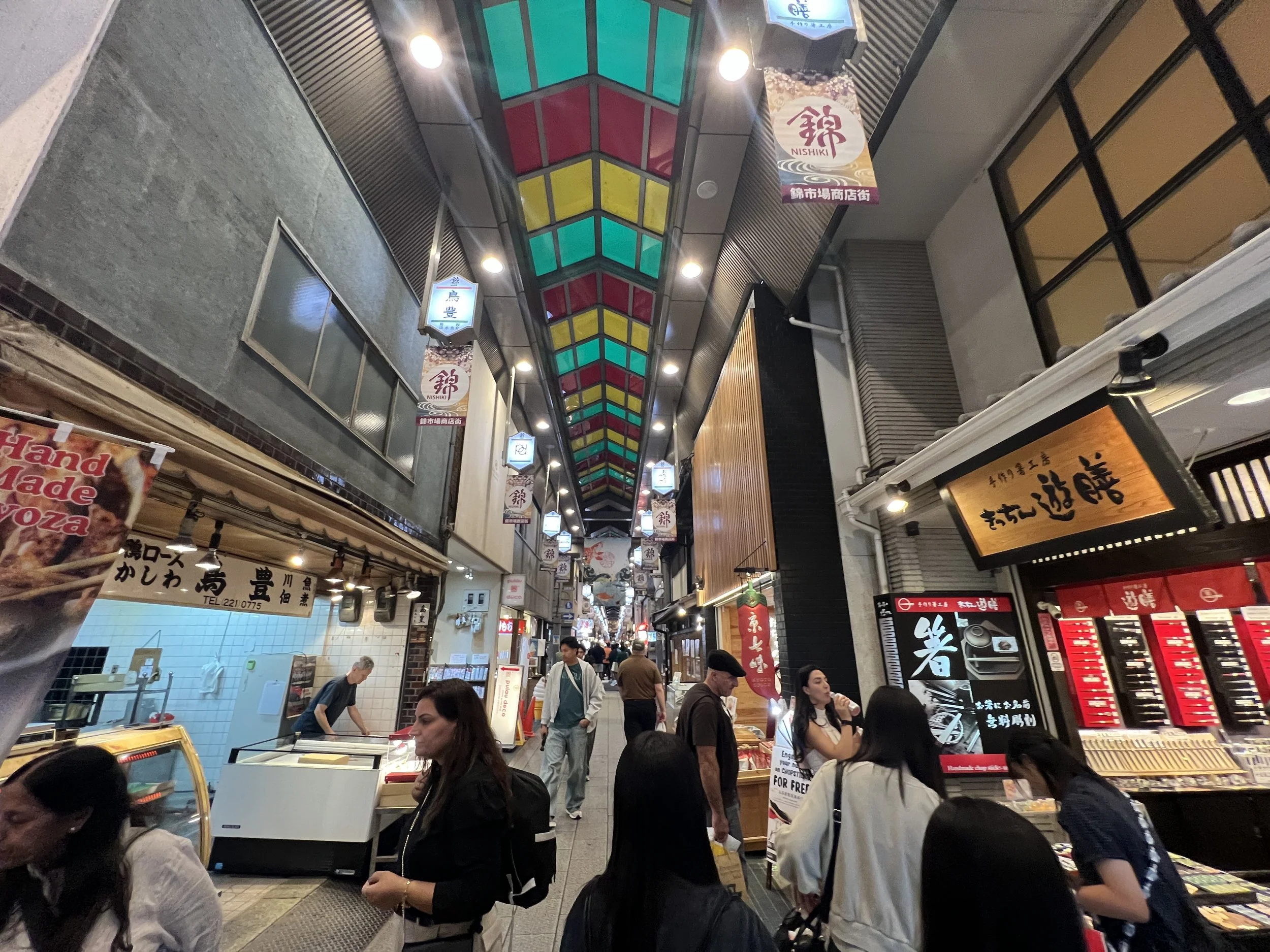
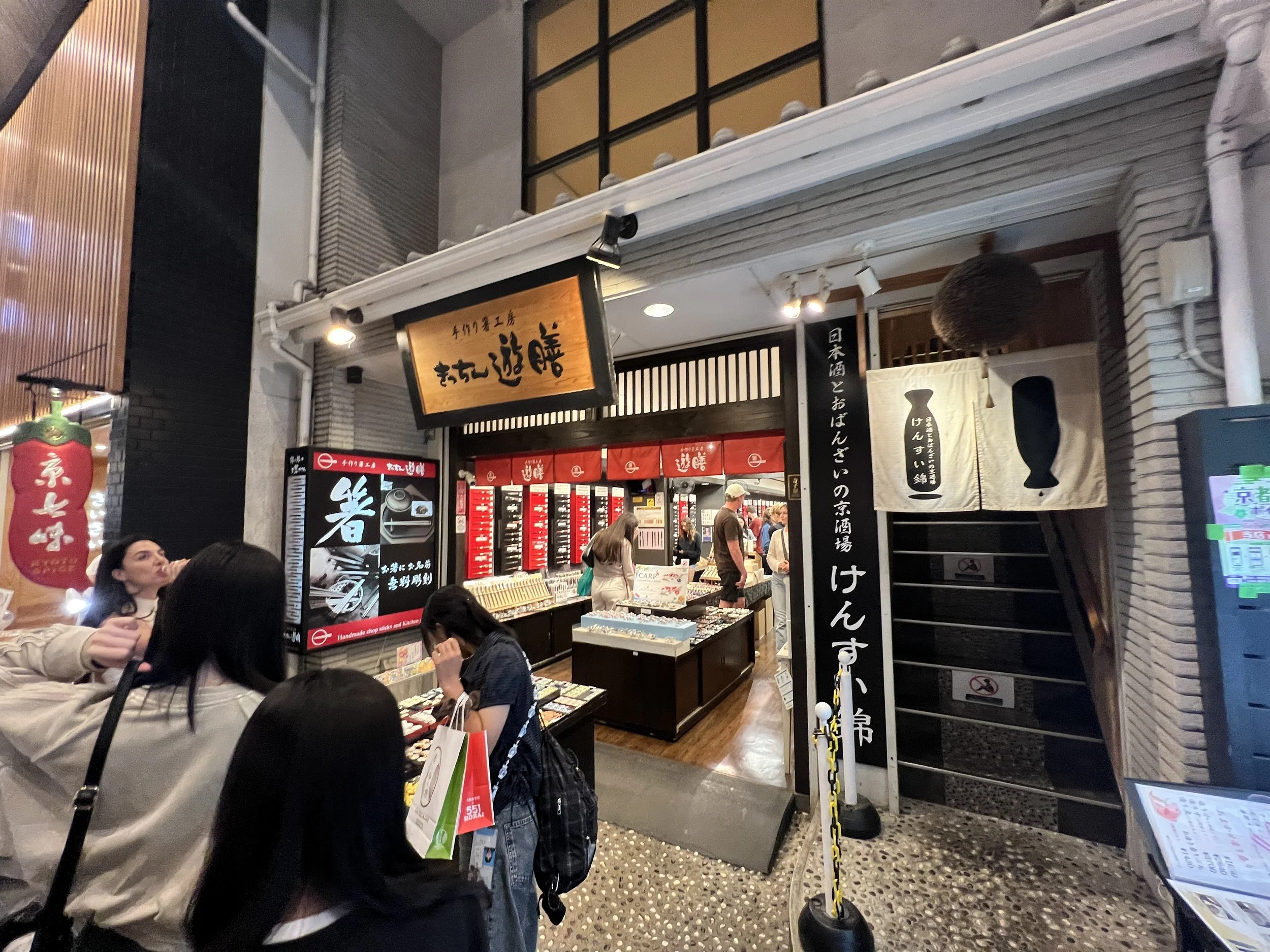
At this point, I’m already dreading the idea of shopping. But here we are at Nishiki Market, a marketplace that is at least ten blocks long comprised of a thousand shops. This is the place to find all that Kyoto offers and so much more.
ΩΩΩΩΩ
The other day while driving, a commentary on the radio mentioned of the idea about an alternate universe where Japan won the World War. It got me thinking deeply. Will we have a life as efficient as what they have or are we doomed for a life full of suffering? What do you think would happen? One thing I definitely can vouch for is that we can learn a thing or two about Japan.
This sums up our trip. Now we’ve only seen a tiny, tiny part of this puzzle piece and wish that we had more time in our hands to explore. For our next adventure, I hope to visit more of the countryside and Okinawa. I hope that it will happen soon!